


Key Takeaways
- The classic spritz follows a 3-2-1 ratio that works for non-alcoholic builds: 3 parts bubbles, 2 parts bitter base, 1 part soda water.
- The bitter base drives flavor and structure. Choose a bitter that tastes bitter first, stays low in sugar, and keeps the drink from turning cloying.
- Dry non-alcoholic sparkling wine labeled brut or extra dry, or plain club soda, delivers bubbles and texture without extra sweetness.
- Most sweetness or thinness issues come from weak bitterness, poor ice, or off ratios. Adjust the bitter, the ice, the soda, and add acid or salt as needed.
- Little Saints offers zero-sugar, low-calorie non-alcoholic spirits and canned spritzes built for this formula, with functional mushroom extracts in every serving.
Explore Little Saints Spritzes
How To Make A Spritz Without Alcohol
Wine Spectator defines the classic spritz as a 3:2:1 ratio, with 3 parts sparkling base, 2 parts bitter base, and 1 part soda water. The International Bartenders Association recognizes the same structure. That ratio holds for alcoholic and non-alcoholic builds. Swap the bitter base and the bubbles, and the formula still works.
Here is the base build, scaled to a single serving.
- 3 oz bubbles, such as non-alcoholic sparkling wine, Prosecco-style NA sparkling, or club soda
- 2 oz bitter base, such as a non-alcoholic bitter aperitif, gentian-based bitter, or citrus-forward option
- 1 oz soda, such as club soda or sparkling mineral water
- Ice, enough standard freezer tray cubes to fill the glass
- Garnish, such as an orange slice, expressed orange peel, or seasonal fruit
Once the ingredients are set, the order of assembly matters as much as the ratio.
- Fill a large wine glass or Copa de Balón with ice.
- Pour the bubbles first to keep the heavier bitter base from sinking to the bottom.
- Add the bitter base.
- Top with soda, pouring gently down the side of the glass to preserve carbonation.
- Garnish and serve right away.
Pouring the sparkling component first keeps the bubbles alive. Wine Spectator advises building a spritz in this order: ice, sparkling wine, aperitif, soda, garnish, because the bitter base is denser and otherwise sinks into an unmixed layer that needs stirring. Stirring knocks out fizz. Use standard freezer tray cubes instead of large ice spheres, which can crack a stemmed wine glass.
What Is A Non-Alcoholic Substitute For Aperol?
The bitter slot is where most non-alcoholic spritzes fall short. Aperol brings bitter orange, rhubarb, gentian root, and cinchona bark, which are classic bittering agents. These compounds dissolve more easily in alcohol than in water. A water-based non-alcoholic bitter extracts them less efficiently, so the result often tastes weaker, flatter, and sweeter than the original. Aperol’s original formula delivers 14.7 grams of total sugar per standard 180ml serving, so a non-alcoholic aperitif that matches that sugar load will read as candy-sweet in a spritz.
Three reliable options can fill the bitter slot.
- A non-alcoholic bitter aperitif: Built specifically for the spritz format, with bitter orange and herbal botanicals. This style gives the closest structural match to Aperol, with a bittersweet, citrus-forward profile designed to mix with bubbles.
- A gentian-based bitter: Gentian root delivers a clean, green bitterness that leans more Campari than Aperol. This choice creates a drier, more assertive spritz with less sweetness.
- A citrus-forward option: Bitter orange, grapefruit pith, and rhubarb without a strong gentian backbone. This route favors brightness and approachability over intensity.
How to choose: taste the bitter base on its own over ice, because dilution and carbonation will mute whatever you taste straight. If sweetness leads and bitterness follows, the bubbles will bury the bitter note and the drink will read as juice. If bitterness leads with citrus behind it, that structure will survive the dilution.
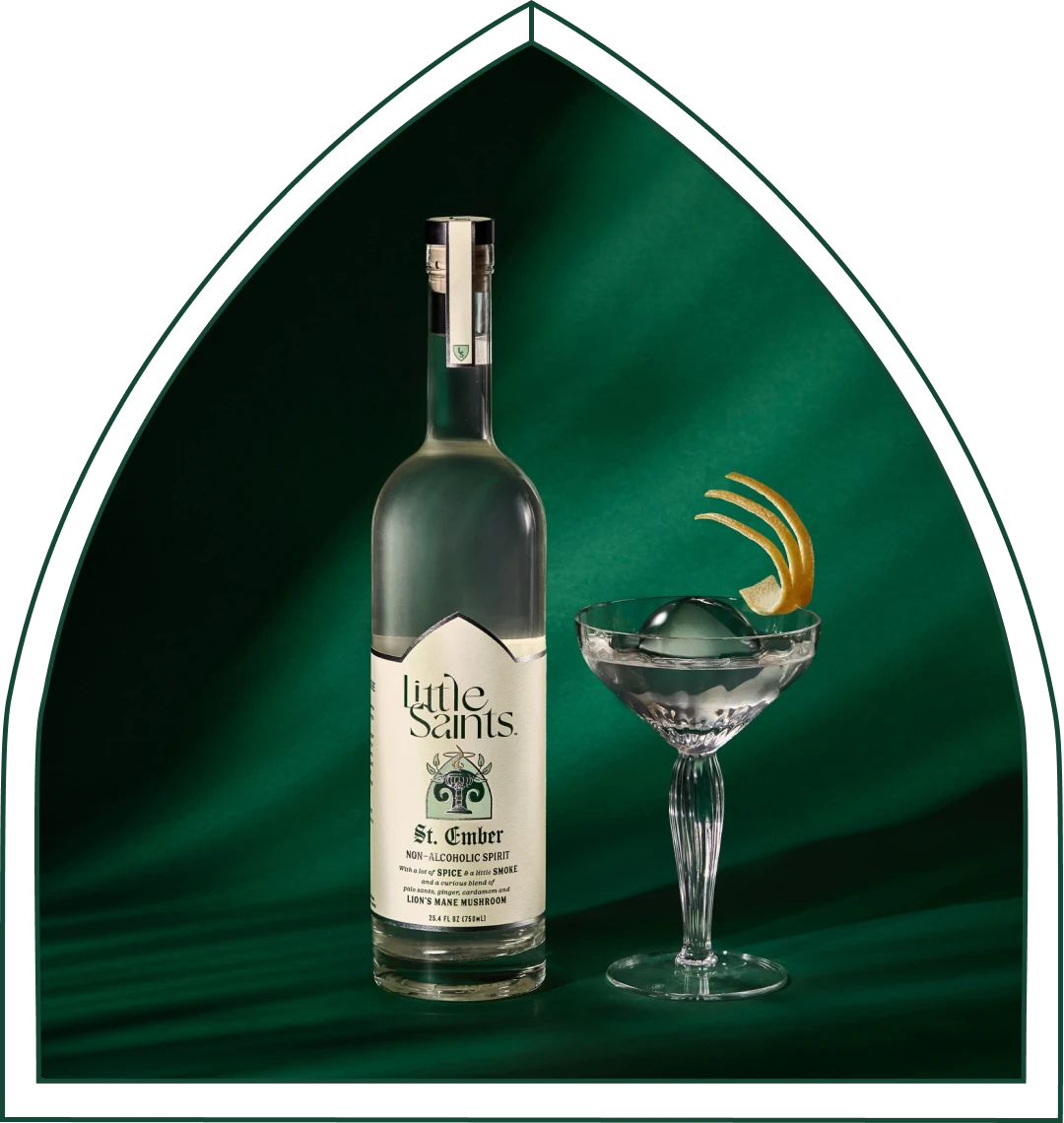
The Little Saints Negroni Spritz delivers a bright, bittersweet aperitif profile built on bitter orange and gentian-root character, with zero sugar and five calories per can. For a built spritz, St. Ember brings a smoky, spicy, woodsy bitterness and mixes 1:1, so two ounces replace two ounces and the recipe stays the same.
What Are The Best Non-Alcoholic Alternatives To Prosecco?
The bubbles slot carries most of the structure in a spritz. Carbonation adds texture and mouthfeel that stand in for alcohol, and a dry, crisp sparkling base keeps the drink from drifting into dessert territory. Sweetness is the most common complaint about non-alcoholic sparkling wine because many brands add sugar to replace the body alcohol provides, which works against a balanced spritz.
These three options cover most bubble needs.
- Non-alcoholic sparkling wine: Dealcoholized real wine, typically under 0.5% ABV. Choose bottles labeled brut or extra dry, because sweet styles make the spritz taste like juice. Spinning cone and reverse osmosis usually produce the most wine-like non-alcoholic results, so a label that names its production method is a good sign.
- Prosecco-style NA sparkling: Built to echo Prosecco’s green apple, citrus, and floral notes with lively bubbles. This option gives the closest structural match to the classic spritz.
- Plain club soda: The driest, lightest choice. This keeps the bitter base in front and lets the bubbles stay in the background.
Little Saints does not replace wine in the glass. A non-alcoholic sparkling wine can act as a mixer alongside a Little Saints spirit, while the brand fills the bitter slot and the built-spritz occasion instead of the wine slot.
The Classic Non-Alcoholic Spritz
This build mirrors the familiar Aperol Spritz structure with non-alcoholic ingredients.
- 3 oz non-alcoholic sparkling wine, brut or extra dry
- 2 oz non-alcoholic bitter aperitif
- 1 oz club soda
- Ice
- 1 orange slice
Follow the same simple steps every time.
- Fill a large wine glass with ice.
- Pour the sparkling wine first.
- Add the bitter aperitif.
- Top with club soda, pouring gently down the side.
- Garnish with an orange slice, sliding it down the inside of the glass.
Use a large wine glass or Copa de Balón. A wide bowl lets the aromatics open up and holds enough ice to keep the drink cold, while a flute traps aromatics and warms up quickly.
The 3-2-1 ratio keeps bitterness in check without drowning the citrus. The orange garnish echoes the bitter orange in the aperitif. The Little Saints Negroni Spritz, with bitter orange and gentian-root character, fits this slot cleanly.
The No-Specialty-Bottle Non-Alcoholic Spritz
This version suits readers who prefer to skip a dedicated NA aperitif. The bitter slot becomes harder to fill without a specialty bottle, yet pantry ingredients can still cover it.
- 3 oz club soda or non-alcoholic sparkling wine
- 1 oz fresh orange juice
- 0.5 oz fresh white grapefruit juice
- 0.25 oz simple syrup
- 4 drops non-alcoholic aromatic bitters
- Ice
- 1 orange wheel
Build this spritz directly in the glass.
- Fill a large wine glass with ice.
- Combine the orange juice, grapefruit juice, simple syrup, and aromatic bitters in the glass.
- Stir briefly to combine.
- Top with club soda or sparkling wine, pouring gently down the side.
- Garnish with an orange wheel.
The grapefruit juice brings acid and pith bitterness. The aromatic bitters add the back-of-the-throat bite that usually comes from spirits. The orange juice provides color and sweetness without turning the drink into straight juice. If it tastes too sweet, remove the simple syrup and add a fresh squeeze of lemon. Acid resets the palate faster than any other fix.
The Floral Elderflower Spritz
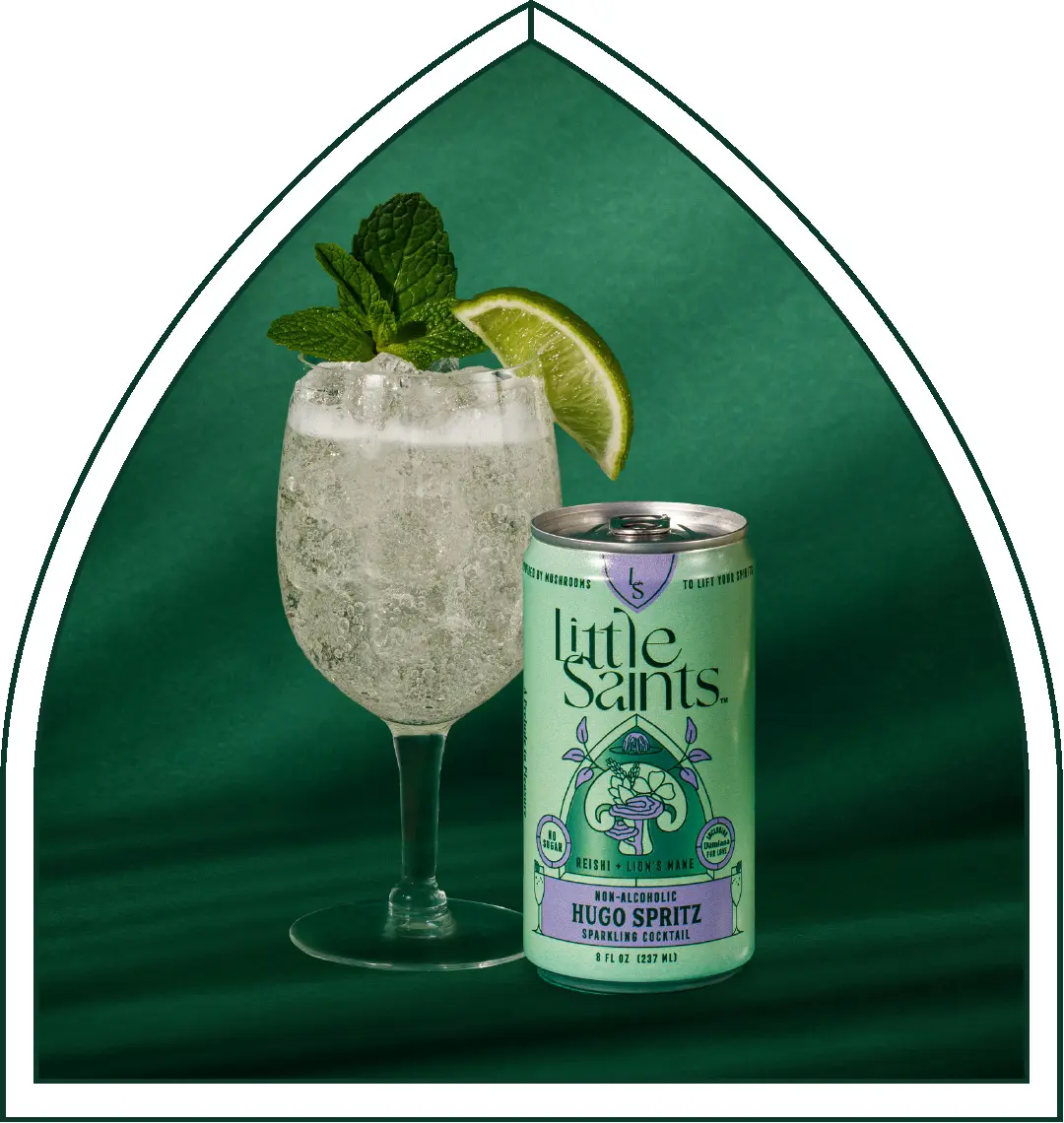
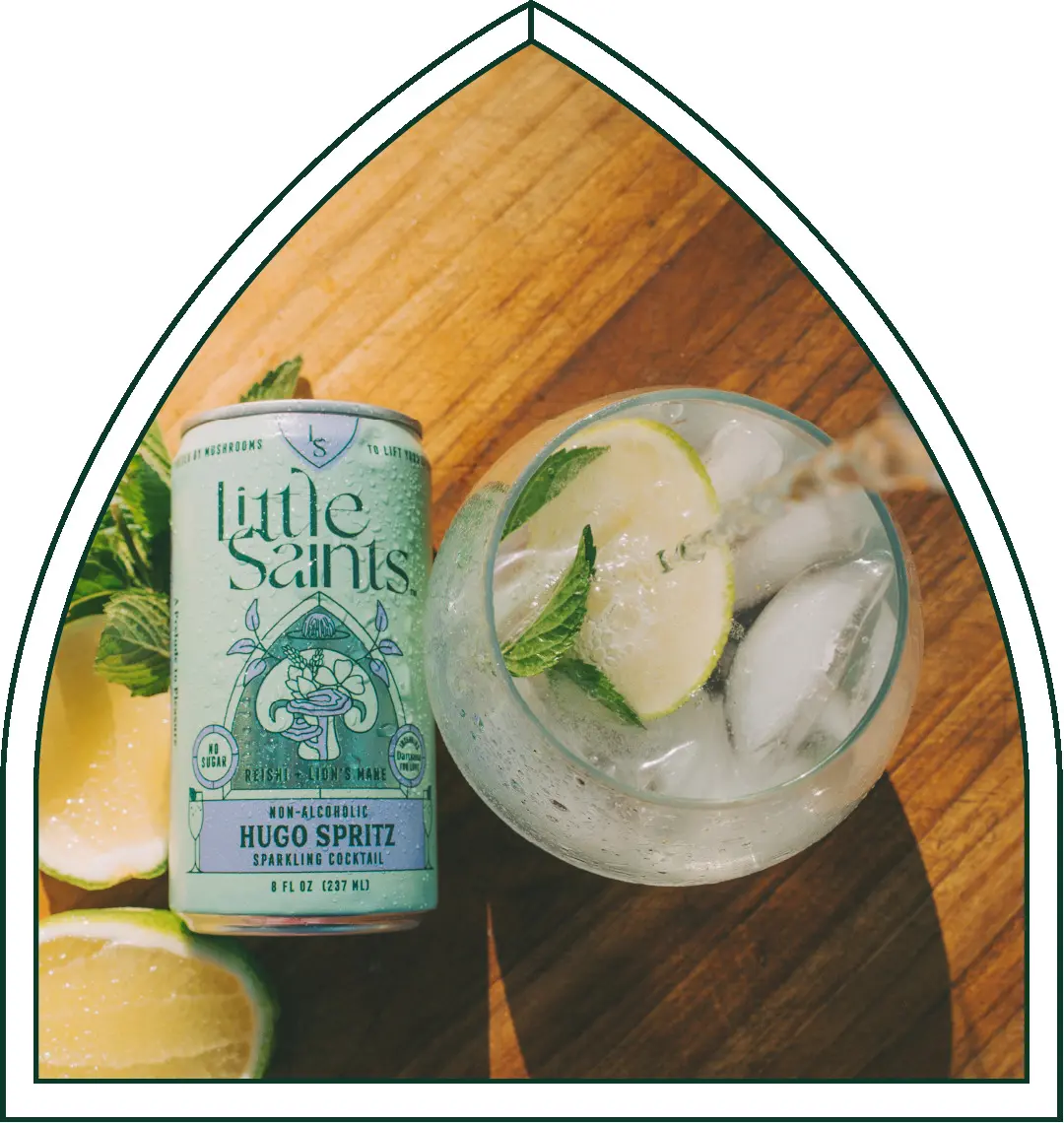
This build leans into the Hugo spritz profile, which centers elderflower and mint. The Hugo has no bitterness at all, which makes it an easy spritz for guests who dislike cocktails. The drink originated in northern Italy in the mid-2000s as a deliberate alternative to bitter-forward spritzes, spread through the Alps, and then reached the Adriatic coast.
- 3 oz non-alcoholic sparkling wine
- 2 oz elderflower syrup or elderflower liqueur alternative
- 1 oz club soda
- 4–8 mint leaves
- Ice
- 1 lime wheel
- Fresh mint sprig
Handle the mint gently to keep the flavor fresh.
- Gently muddle the mint leaves in the bottom of a wine glass with two or three light presses to express the flavor without releasing bitterness.
- Fill the glass with ice.
- Pour the sparkling wine first.
- Add the elderflower syrup.
- Top with club soda.
- Garnish with a lime wheel and a fresh mint sprig.
For a bitter orange aperitif twist in the elderflower spritz, add 0.5 oz of a non-alcoholic bitter aperitif to the build. The bitter orange plays against the floral elderflower without overwhelming it. Crodino-style bitter bases, Italian non-alcoholic aperitifs with a velvety, rounded bitterness, work especially well here and rarely appear in standard spritz guides.
Try Elderflower-Friendly Spirits
The Built Spritz With A Non-Alcoholic Spirit
This version suits readers who want to mix the drink from scratch instead of opening a can. A non-alcoholic spirit in the bitter slot gives full control over bitterness, sweetness, and finish.
- 3 oz non-alcoholic sparkling wine or club soda
- 2 oz Little Saints St. Ember
- 1 oz club soda
- Ice
- 1 grapefruit peel
Build the drink as you would any 3-2-1 spritz.
- Fill a large wine glass with ice.
- Pour the sparkling wine first.
- Add St. Ember.
- Top with club soda, pouring gently down the side.
- Express the grapefruit peel over the drink and drop it in.
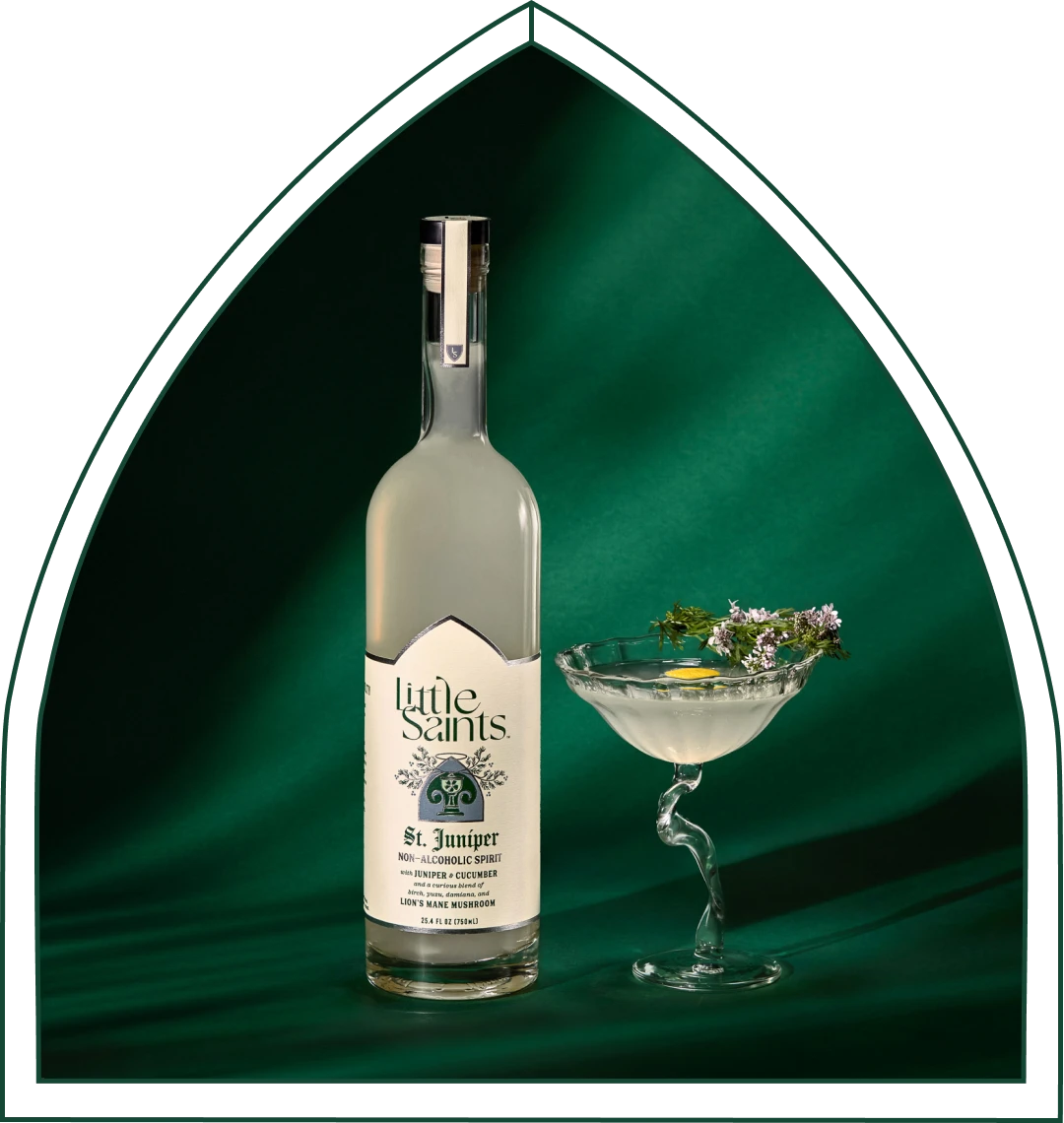
St. Ember is an ode to the flavors of a light, spicy mezcal, with spicy, smoky, woodsy notes built on palo santo, ginger, and cardamom. It mixes 1:1, so two ounces replace two ounces in the recipe. The spirit carries zero grams of sugar with no sweeteners at all, and the bitterness comes from the botanical extracts themselves. For a gin-and-tonic-style spritz build, St. Juniper brings juniper, cucumber, and herbaceous notes from juniper, birch, angelica, coriander, and cardamom, and also substitutes two ounces for two ounces.
Every Little Saints spirit carries 100mg of organic Lion's Mane extract at minimum 70% beta glucan, documented by certificates of analysis from the supplier. The blend follows the brand’s Nature's Neuroscience approach with Reishi for calm, Lion's Mane for focus, Damiana for connection, and botanical terpenes for sensory lift. The products are non-intoxicating, non-psychoactive, and 100% legal, with no impairment to judgment, reaction time, or coordination.
These statements have not been evaluated by the Food and Drug Administration. This product is not intended to diagnose, treat, cure, or prevent any disease.
Why Non-Alcoholic Spritzes Taste Sweet And Thin And How To Fix It
Most non-alcoholic spritzes taste too sweet or too thin because they lack enough bitterness. Both problems usually trace back to that single missing element.
Cocktail bitterness comes mostly from alcohol-extracted compounds such as gentian, cinchona, wormwood, cinnamon bark, and citrus pith. These compounds dissolve better in alcohol than in water. A water-based non-alcoholic bitter extracts them less efficiently, so the result tastes weaker, flatter, and less complex than the alcoholic version. Without that bitterness, the drink reads as flat juice.
These adjustments bring a non-alcoholic spritz back into balance.
- Bitterness: Choose a bitter base whose first impression is bitter, not sweet. Taste it on its own over ice. If it reads sweet first, it will disappear in the spritz.
- Dilution: Ice quality shapes body. A glass packed full of ice melts more slowly than one with only a few cubes because the mass keeps itself cold. Use standard freezer tray cubes instead of large ice spheres, which can crack a stemmed wine glass.
- The soda-water ratio: The 1 part soda completes the structure. It extends the drink, adds crispness, and keeps the bitterness from overwhelming the palate. Open sparkling water at pour time, not ahead of service.
- Acid: If the drink still tastes sweet, add a fresh squeeze of lemon or a small splash of grapefruit juice. Acid resets the palate quickly.
- Salt: A pinch of salt in the glass before you build the drink softens harsh edges and makes the citrus read brighter, which adds perceived body without extra sugar.
Choosing The Best Non-Alcoholic Aperitif For A Spritz
Those fixes help once the drink sits in front of you. A better move is to avoid the problem at the shelf, so focus on what the label reveals before you buy.
- Sugar: Look for zero grams or close to it. As noted earlier, Aperol carries 14.7 grams of sugar per serving, and a non-alcoholic aperitif that mirrors that load will taste like candy in a spritz.
- Calories: Non-alcoholic aperitifs typically range from 0 to about 25 calories per serving, with many brands around 15 calories. Anything far above that usually carries sugar or juice concentrate.
- Functional dose on the label: Most brands publish neither a dose nor a potency. Little Saints publishes both, with 100mg of mushroom extract per serving at minimum 70% beta glucan, documented by certificates of analysis from the supplier.
- How the base behaves in the glass: A bitter base that mixes 1:1 keeps the recipe intact. A base that needs a 2–3x pour empties faster and dilutes the drink.
The Little Saints canned non-alcoholic cocktails, including Classic Spritz, Hugo Spritz, and Negroni Spritz, carry zero grams of sugar and five calories per can, sweetened with monk fruit juice concentrate. The non-alcoholic spirits St. Ember, St. Juniper, and St. Oak also carry zero grams of sugar with no sweeteners at all and mix 1:1.
Little Saints cans carry zero grams of sugar and five calories per serving, while sugar-sweetened NA aperitifs often bring a meaningful sugar load and first-generation NA spirits vary widely by brand. Little Saints also states a functional mushroom dose and mixes at standard cocktail ratios, which keeps both flavor and cost predictable.
These statements have not been evaluated by the Food and Drug Administration. This product is not intended to diagnose, treat, cure, or prevent any disease.
Conclusion: The Spritz Formula You Can Reuse
The spritz works as a reusable formula. Three parts bubbles, two parts bitter base, one part soda. Once that ratio feels familiar, you can build a non-alcoholic spritz from whatever sits on the shelf, whether you prefer the classic bitter version, the no-specialty-bottle build, the floral elderflower take, or the version with a non-alcoholic spirit in the bitter slot.
The bitter base still decides whether the drink succeeds. Choose one that tastes bitter first, stays low in sugar, and mixes 1:1 so the recipe stays stable. Little Saints delivers that bitter base with zero sugar, five calories, and a supplement-grade functional mushroom blend in every pour, built for the evening occasion alcohol once owned.
For more on building non-alcoholic cocktails with real complexity, see How To Make Non-Alcoholic Gin Cocktails That Taste Real, How To Make Non-Alcoholic Cocktails That Taste Complex, and Best Non-Alcoholic Spirits For Zero-Sugar Cocktails.
These statements have not been evaluated by the Food and Drug Administration. This product is not intended to diagnose, treat, cure, or prevent any disease.
The statements made on our website have not been evaluated by the Food and Drug Administration, Our products are not intended to diagnose, treat, cure or prevent any disease. If you are pregnant, nursing, taking any medications or have any medical conditions, consult your doctor before use.