


Key Takeaways
- The only reliably hangover-free option is to avoid alcohol entirely, so zero-proof cocktails remove the root cause.
- Hangovers stem from four primary drivers: congeners, dehydration, blood sugar disruption, and sleep fragmentation, all triggered by ethanol itself.
- Low-congener spirits like vodka or gin produce milder hangovers than bourbon or dark rum, yet they still contain ethanol and still cause hangovers.
- Sugary mixers add a secondary blood-sugar crash on top of alcohol’s effects, while zero-sugar, zero-proof drinks remove both the primary and secondary causes.
- Little Saints delivers zero-proof, zero-sugar cocktails built on 1:1 spirit substitutions that preserve the ritual without the morning tax.
What Actually Causes a Hangover?
Four main mechanisms drive hangovers, and each one traces back to ethanol. Spirit choice and mixer selection can soften the impact at the edges, yet only removing alcohol fully solves the problem.
Congeners are chemical byproducts of fermentation and aging that worsen hangover symptoms. Mayo Clinic identifies darker colored drinks as a risk factor for worse hangovers because they contain higher levels of congeners. The same source notes that beverages with fewer congeners are slightly less likely to cause hangovers, while emphasizing that all types of alcohol can still cause one. Congeners include acetaldehyde, fusel oils, tannins, and methanol. These compounds add extra metabolic burden on top of the ethanol the liver already processes.
Dehydration is the mechanism behind the headache and fatigue. Alcohol increases urination and limits release of a hormone that balances body fluids. This shift produces thirst, fatigue, and headaches that persist until the body rehydrates. Electrolyte imbalances from frequent urination compound these symptoms.
Blood sugar disruption drives the shakiness and weakness. Alcohol affects how the liver and pancreas manage blood sugar, which can lead to low blood sugar and feelings of shakiness, weakness, and sweating. Sugary mixers amplify this effect by creating a spike-and-crash cycle.
Sleep disruption is the hidden cost that shows up on the device on your wrist. Alcohol disrupts sleep quality by reducing REM sleep and causing fragmented, lighter rest later in the night. You may fall asleep faster, yet the restorative architecture of sleep is compromised regardless of how much you drank.
The NIAAA's position, cited by Cleveland Clinic, is that time is the only real remedy for a hangover. The body must clear alcohol's toxic byproducts, rehydrate, and heal tissue on its own, with symptoms typically easing over eight to twenty-four hours. Mayo Clinic states the only guaranteed way to prevent a hangover is to not drink alcohol. That underlying fact remains unchanged by any supplement, spirit choice, or hydration strategy.
The Honest Trade-Off Between Low-Congener Spirits and Zero-Proof
Low-congener alcoholic drinks can reduce hangover severity, while zero-proof drinks remove the hangover entirely. Both ideas hold true, and confusion between them explains why so much hangover advice underdelivers.
Among alcoholic spirits, congener content varies significantly by production method. A 2004 study in Alcoholism: Clinical and Experimental Research administered equal ethanol doses to healthy adults using either bourbon or vodka and found participants reported significantly greater headache, nausea, dizziness, and fatigue after bourbon, even when blood alcohol concentration (BAC, or blood alcohol concentration) curves were nearly identical. The congener difference was real, yet the ethanol dose still produced a hangover in both groups.
The practical ranking, based on peer-reviewed analytical chemistry data, shows a clear pattern. Congener levels rise sharply once spirits touch a barrel, which is why aged dark spirits carry the highest hangover risk. The table below ranks common spirits from lowest to highest congener load.
| Spirit | Congener Level | Hangover Risk Vs. Vodka |
|---|---|---|
| Vodka (charcoal-filtered) | Very low (0.1–0.5 mg/100g ethanol) | Baseline |
| Gin (London dry) | Low (0.4–1.2 mg/100g ethanol) | Slightly higher |
| White rum | Low to moderate (1.5–4.0 mg/100g ethanol) | Moderate |
| Blanco tequila | Moderate to high (3.0–8.5 mg/100g ethanol) | Higher than gin |
| Bourbon / straight whiskey | High (30–45 mg/100g ethanol) | Significantly higher |
| Dark rum / aged rum | High (25–50 mg/100g ethanol) | Significantly higher |
Blanco tequila contains higher congener levels than vodka or gin even without barrel aging, though still far lower than aged dark spirits like whiskey. Vodka and gin therefore have a genuine edge for minimizing next-day symptoms among clear spirits. The caveat that applies to every row in that table comes from evidence that vodka is not hangover-free, because enough vodka produces a severe hangover through ethanol itself. Congeners act as modifiers, not the main event.
Red wine sits in a category of its own. Red wine contains histamine and other biogenic amines that can trigger flushing, headache, and general malaise in sensitive individuals. These compounds layer on top of its congener load from grape skins and fermentation. White wine has fewer tannins and polyphenols yet still functions as an alcoholic beverage with all the dehydration and sleep disruption that entails.
The conclusion stays straightforward. Choosing vodka over bourbon produces a smaller hangover. Only skipping alcohol produces no hangover.
Why Sugar and Pre-Made Mixes Make It Worse
Sugar in cocktails adds a second tax on top of the alcohol itself. A standard on-menu margarita can contain 20–35 grams of added sugar, mostly from triple sec and agave nectar. A restaurant classic margarita served at 6–8 ounces can reach 300–500 calories and approximately 31 grams of sugar. For comparison, a regular soda carries 35–40 grams of sugar, so a cocktail built on pre-made mix is nutritionally comparable to a soft drink with alcohol added.
A "skinny" margarita does better on paper. A well-built skinny margarita using fresh lime, a measured pour of agave, and no pre-made mix can come in around 3 grams of sugar and 132 calories. That shift meaningfully reduces sugar and calories. The drink still contains alcohol, so the dehydration, sleep disruption, and congener load remain unchanged.
The sugar problem compounds the hangover through blood sugar instability. Alcohol already affects how the liver and pancreas manage blood sugar. Adding 30 grams of sugar from a mixer accelerates the spike and deepens the crash. Added sugary mixers such as cola, tonic water, energy drinks, or fruit juice increase both calorie intake and the risk of excess calorie consumption. They also leave alcohol's effect on sleep and hydration untouched.
Your own conclusion likely lands here. If the goal is genuinely hangover-free, zero sugar becomes part of the minimum specification. A drink with zero alcohol and zero sugar removes both the primary cause of the hangover and the secondary cause of the blood sugar crash. That is the specification Little Saints was built to meet.
For a deeper look at zero-sugar non-alcoholic cocktail recipes, 10 Zero Sugar Non-Alcoholic Cocktail Recipes covers the full range.
The Solution: Hangover-Free Cocktail Recipes To Make At Home
This section shows how the zero-proof, zero-sugar specification works in real drinks. The recipes below are built on 1:1 spirit substitutions, so the builds feel familiar.
Two ounces replaces two ounces, so you can pour the same way without adjusting the build or retraining muscle memory. Each recipe uses Little Saints non-alcoholic spirits: St. Ember (an ode to the flavors of a light, spicy mezcal, mixes like a tequila or mezcal), St. Juniper (the gin expression, built for anything citrus-forward), and St. Oak (captures the soul of an oak-aged whiskey, made for brown-liquor cocktails). All three carry zero grams of sugar. Each contains 100mg of organic Lion's Mane extract, with a minimum of 70% beta glucan content documented by certificates of analysis from the supplier. The extract also holds GRAS status, the FDA's standard of generally recognized as safe for an ingredient used in food.
Little Saints positions itself as solving for all three of zero sugar, cocktail-grade flavor, and a real stated functional dose at once. St. Oak was named Best NA Spirit of 2025 by the BevNET Spirit Awards.
The spirits are built on oil-based craft extracts rather than flavored water. That structure helps them hold up in a cocktail build at 1:1 instead of diluting and requiring two to three times the volume. Each also carries a deliberate heat from cardamom and capsicum, which creates the signal at the back of the throat that tells you it is a cocktail, not a soft drink.
Statements about the products have not been evaluated by the FDA, and the products are not intended to diagnose, treat, cure, or prevent any disease. Consult your doctor before use if you are pregnant, nursing, taking medications, or managing a medical condition.
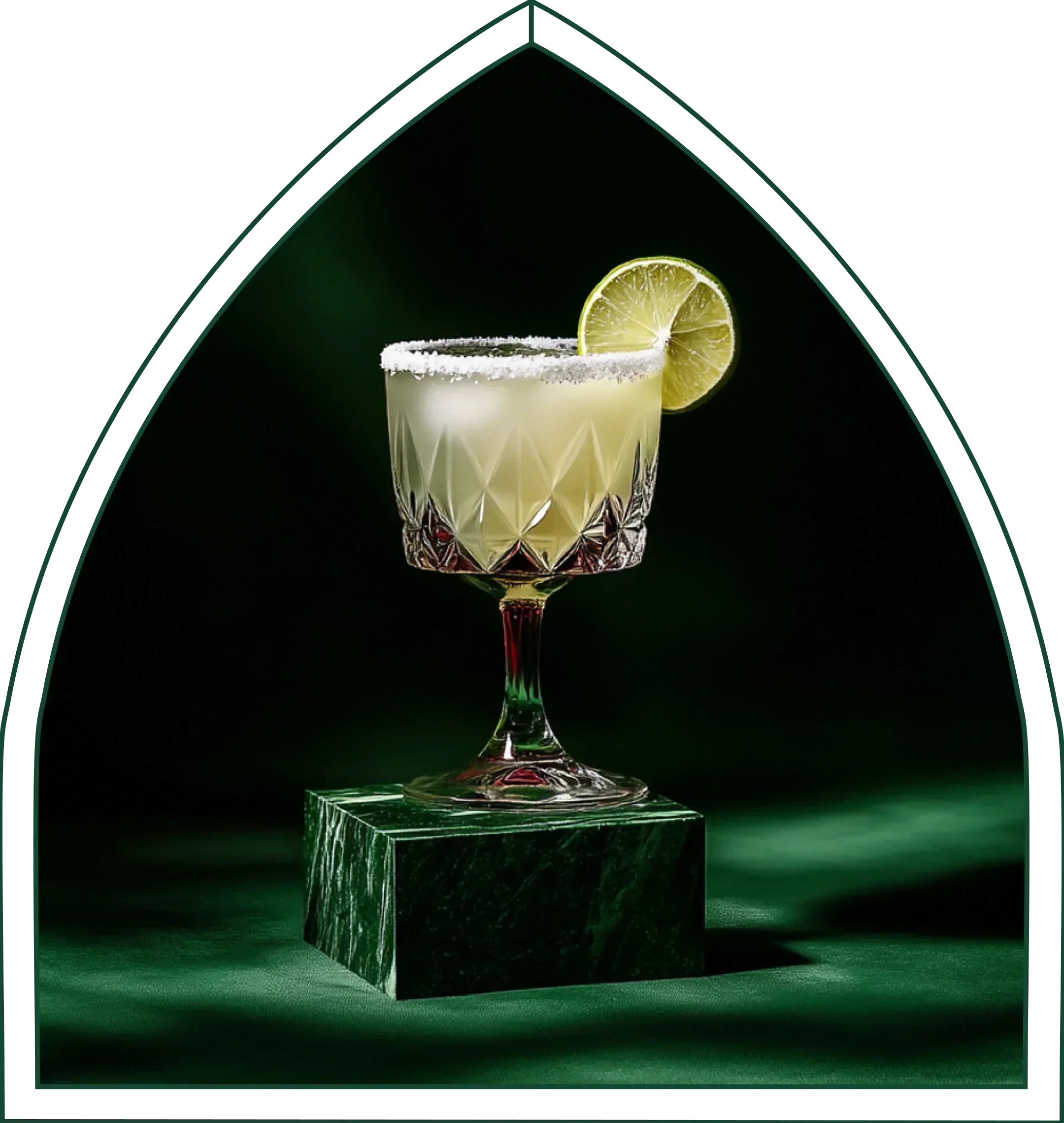
Non-Alcoholic Margarita
- 2 oz St. Ember
- ¾ oz fresh lime juice
- ½ oz fresh orange juice
- Salt rim, lime wheel to garnish
Shake with ice, then strain into a rocks glass over a large cube. St. Ember mixes like a tequila or mezcal at 1:1, so the build matches a classic margarita spec. The result delivers zero alcohol, zero sugar, and no morning tax.
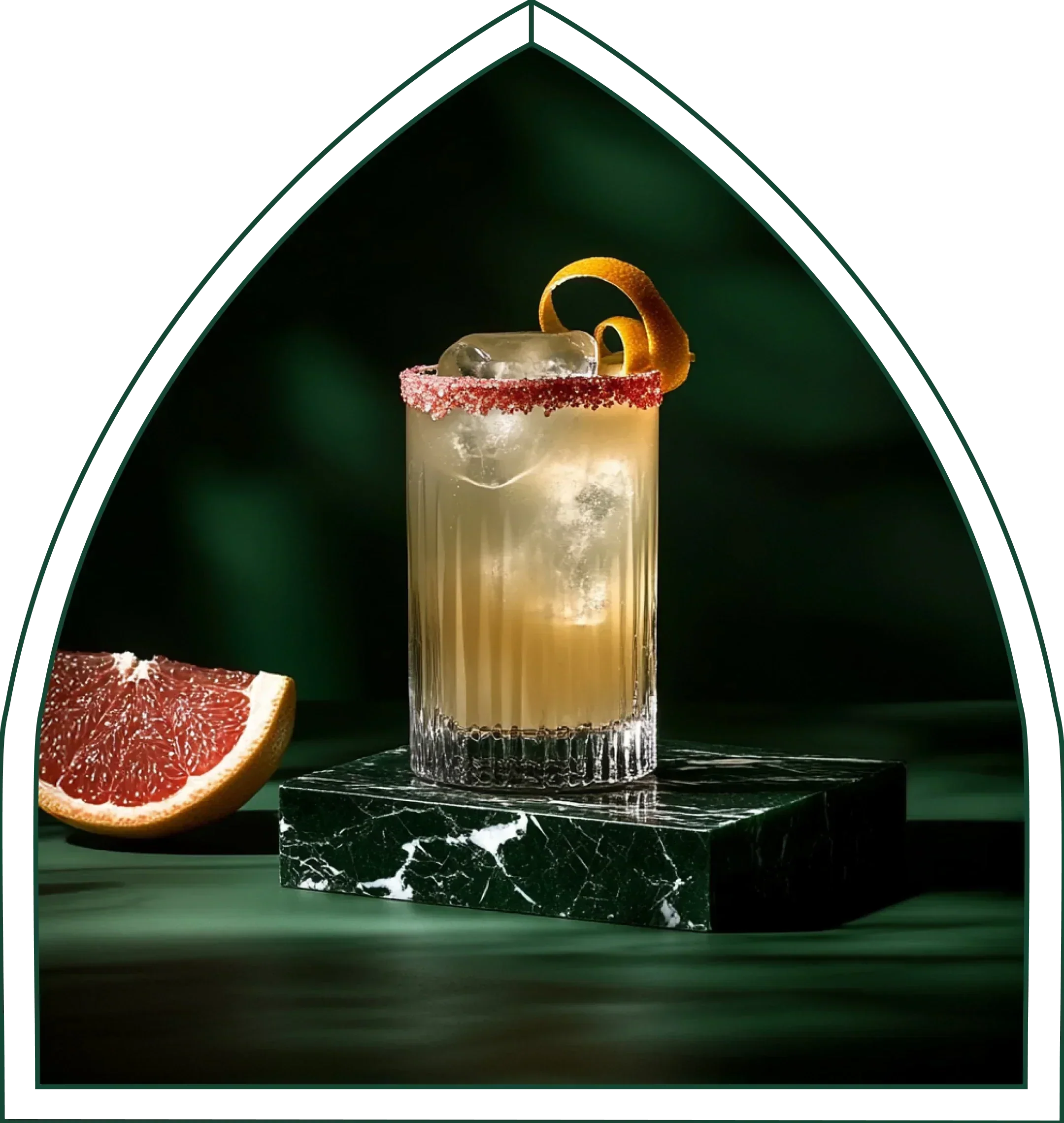
Non-Alcoholic Paloma
- 2 oz St. Ember
- 3 oz fresh pink grapefruit juice
- ½ oz fresh lime juice
- Soda water to top
- Salt rim, grapefruit wedge to garnish
Build over ice in a highball. The grapefruit's natural bitterness does much of the work the spirit usually does. No sugar is added, and no hangover follows. For more gin-forward builds, see How To Make Non-Alcoholic Gin Cocktails That Taste Real.
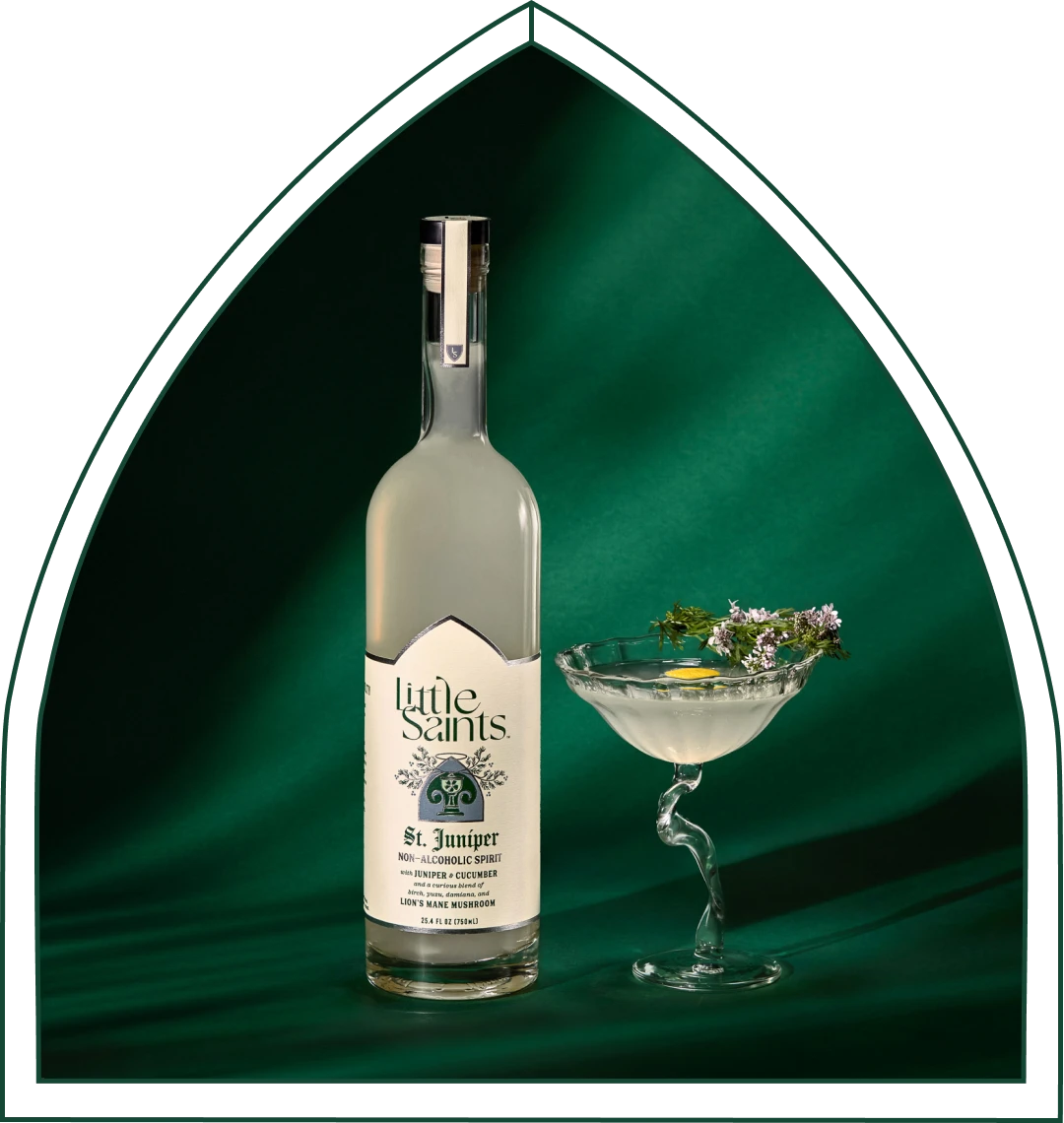
Non-Alcoholic Gin and Tonic
- 2 oz St. Juniper
- 4 oz diet tonic water (or plain soda water with a squeeze of lime for zero sugar)
- Lime wheel, cucumber slice to garnish
Build over ice in a highball. St. Juniper carries juniper, cucumber, and herbaceous notes from birch, angelica, coriander, and cardamom, so you get the gin profile without the ethanol. Standard tonic water adds roughly 9–10 grams of sugar, while diet tonic or soda water keeps the build at zero sugar.
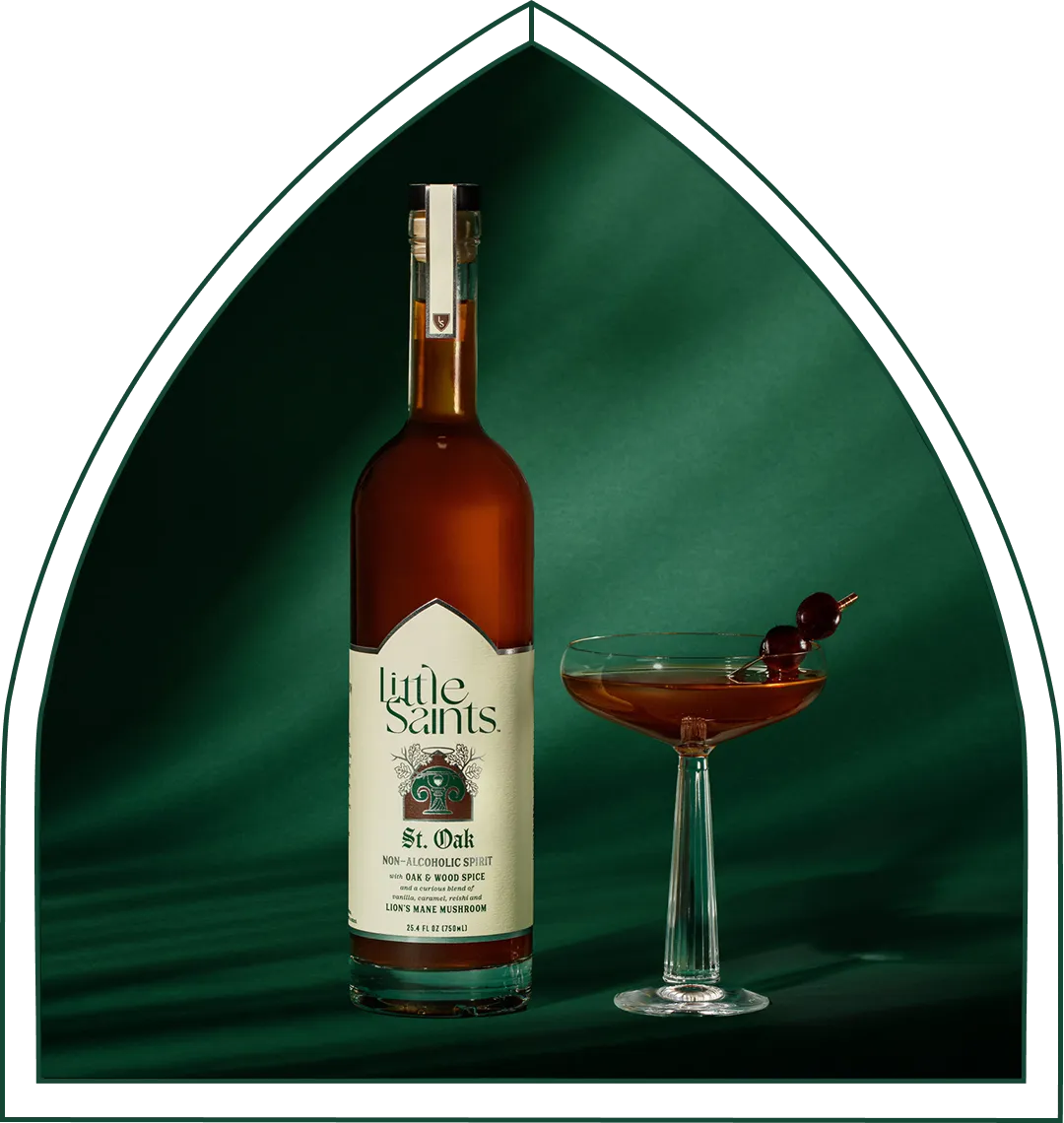
Non-Alcoholic Old Fashioned
- 2 oz St. Oak
- 2 dashes non-alcoholic aromatic bitters
- Orange peel to express and garnish
Stir with ice, then strain into a rocks glass over a large cube. St. Oak captures vanilla, spice, and woodsy notes from oak, vanilla, cardamom, and caramel. The build stays identical to a classic old fashioned spec at 1:1 and lands at zero alcohol and zero sugar.
Non-Alcoholic Spritz
- 2 oz St. Juniper or St. Oak
- 3 oz non-alcoholic sparkling wine (as mixer, not replacement)
- 1 oz soda water
- Orange slice or cucumber to garnish
Build over ice in a wine glass. The non-alcoholic sparkling wine functions as a mixer alongside the Little Saints spirit, rather than as a standalone. The result feels light, effervescent, and genuinely zero-proof.
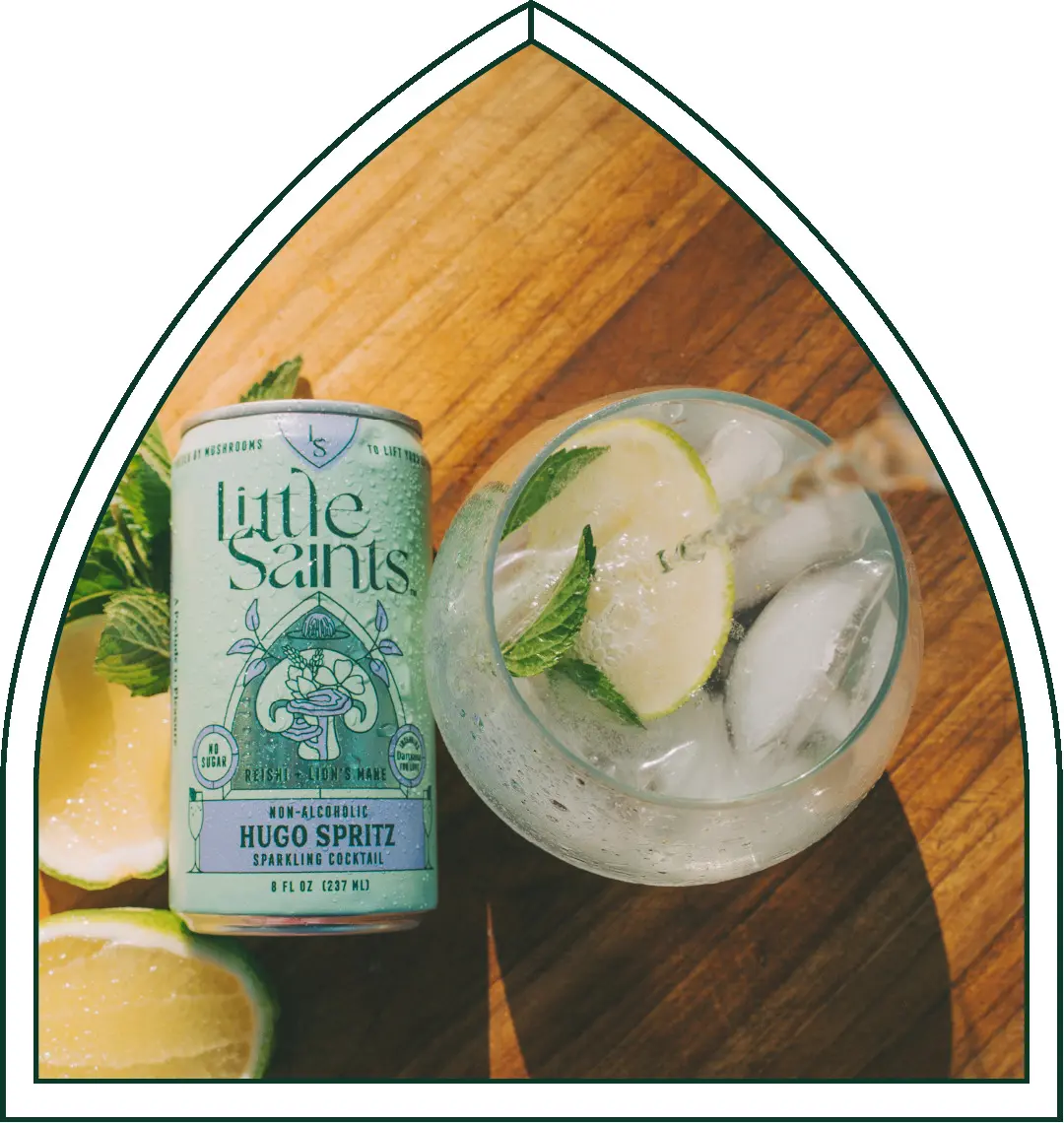
If you prefer the ready-to-drink format, Little Saints canned cocktails, including Classic Margarita, Paloma, Old Fashioned, Mojito, Negroni Spritz, Classic Spritz, and Hugo Spritz, carry zero grams of sugar and five calories per can. They use a functional blend that varies by product and includes organic Reishi, organic Lion's Mane, Damiana, and botanical terpenes. No build is required.
The 2 2 2 Rule and Smart Drinking Habits
Some readers will still choose to drink alcohol, so a practical framework helps reduce the tax. The 2 2 2 rule offers one clear ceiling.
The 2 2 2 rule is a practical drinking framework: no more than 2 drinks per occasion, no more than 2 days in a row, and no more than 2 days per week. Matt Glowiak, PhD, licensed counselor and chief addiction specialist with Recovered, described the 2 2 2 rule to Healthline as equating to roughly 4 drinks per week, a more conservative recommendation than the CDC's current guidelines. It does not function as an official medical guideline, yet it gives people who still drink a useful ceiling that limits cumulative impact.
Alongside the 2 2 2 rule, three connected habits reduce hangover severity for those who do drink alcohol:
- One water per drink. Cleveland Clinic recommends limiting consumption to one drink per hour, about how much the body can process, and drinking fluids until urine is clear. Alternating alcoholic drinks with water slows absorption and partially offsets the diuretic effect.
- Eat before drinking. Mayo Clinic advises eating before and during drinking because alcohol enters the body more quickly on an empty stomach. A meal with fat and protein slows gastric emptying and lowers peak BAC.
- Pace to one drink per hour. EUFIC's practical guidance includes waiting 20 minutes before another drink and alternating alcoholic drinks with water or soft drinks. The liver metabolizes roughly one UK unit of alcohol, about 8 g of pure alcohol, per hour. Drinking faster than that rate means BAC climbs regardless of spirit choice.
These habits reduce the hangover, yet they do not erase it. The only strategy that eliminates it involves zebra striping, which means alternating alcoholic drinks with zero-proof ones, or going fully zero-proof for the evening. Nearly half of on-premise visitors already mix alcoholic and non-alcoholic options in the same occasion, according to From Value to Vibe, NIQ, January 2026. That pattern now reflects ordinary social practice rather than abstinence.
What To Order at a Bar
Ordering a non-alcoholic drink at a bar can feel awkward, yet a clear script closes that social-confidence gap. You are still ordering a cocktail, just one that does not cost you the morning.
Practical language for ordering at a bar includes:
- "Do you carry any non-alcoholic spirits? I'll take a gin and tonic built with your NA gin if you have it."
- "Can you make me an old fashioned with a non-alcoholic whiskey? I've got an early morning."
- "What non-alcoholic cocktails do you have on the menu?"
If the bar carries Little Saints spirits, such as St. Ember, St. Juniper, or St. Oak, the build stays identical to the alcoholic version at 1:1. The bartender does not need to adjust the spec. The drink arrives in the same glass with the same garnish, and the only difference shows up at 8am the next day.
If the bar does not carry a non-alcoholic spirit, the Little Saints canned cocktails offer a ready-to-drink alternative with the same zero-sugar, five-calorie functional blend described above. This profile, which includes organic Reishi, organic Lion's Mane, Damiana, and botanical terpenes, belongs on a bar menu alongside alcoholic options.
For summer-occasion builds and bar-worthy presentations, Sophisticated Non-Alcoholic Cocktails: A Masterclass and Sophisticated Non-Alcoholic Summer Cocktails: A Guide cover the full range of builds.
Frequently Asked Questions
Is There a Cocktail That Can Cure a Hangover?
There is no cocktail that cures a hangover. The NIAAA's position is that time is the only real remedy, because the body must clear alcohol's toxic byproducts, rehydrate, and heal on its own. Hydration, electrolytes, and food help manage symptoms, yet no drink accelerates the process. The more useful focus is prevention. Choose zero-proof cocktails built on non-alcoholic spirits, and there is nothing to recover from.
Are There Alcoholic Drinks That Will Not Give You a Hangover?
Every alcoholic drink carries the potential for a hangover because ethanol itself is the primary cause through dehydration, sleep disruption, blood sugar instability, and acetaldehyde toxicity. Low-congener spirits like vodka and gin produce less severe hangovers than high-congener spirits like bourbon and dark rum, yet they do not eliminate the hangover. The only drink that genuinely will not give you a hangover is one with no alcohol in it.
Do Non-Alcoholic Cocktails Actually Taste Like the Real Thing?
Non-alcoholic cocktails do not taste identical to their alcoholic counterparts, and any brand that claims a perfect match over-promises. Well-made non-alcoholic spirits instead capture the flavor notes and mixing behavior of the spirits that inspired them. Little Saints' St. Ember is an ode to the flavors of a light, spicy mezcal, built on palo santo, ginger, and cardamom, with a deliberate heat at the back of the throat. St. Oak captures the soul of an oak-aged whiskey with vanilla, spice, and woodsy notes. St. Juniper mixes like a gin in a G&T or a gimlet. The key metric is how the drink behaves in a build, not how the spirit tastes neat, and at 1:1 the cocktail lands.
What Should I Look For on a Non-Alcoholic Cocktail Label?
Four details matter on a non-alcoholic cocktail label. Check sugar content, since zero grams is achievable and should be the standard. Look at calorie count. Confirm whether a functional dose is stated in milligrams. Finally, see whether a beta glucan content figure is published for any mushroom extract. Many non-alcoholic drinks in the category are sugar-sweetened, and most brands publish neither a functional dose nor a potency figure. Little Saints publishes both, using the same 100mg Lion's Mane dose with documented beta glucan content mentioned earlier. That level of transparency lets a label-reader verify the claim rather than take it on faith.
Who Are Hangover-Free Cocktails Actually For?
Hangover-free cocktails serve anyone who wants the ritual of cocktail hour without the morning tax. In practice, that group includes most people who drink regularly and track their health in any meaningful way. The primary audience includes people who still drink and have become aware of what it costs them. Non-alcoholic cocktails work as a full evening substitute, as a zebra-striping option alternated with alcoholic drinks, or as the drink for anyone who has an early morning, a workout, a presentation, or a sleep score they care about. The behavior is already mainstream, as noted earlier, because nearly half of on-premise visitors mix alcoholic and non-alcoholic options.
Conclusion: The Final Pitch
The honest answer to "hangover free cocktails" stays short and clear. The only reliably hangover-free option is to avoid alcohol entirely, such as a zero-proof cocktail. Advice about choosing clear spirits, drinking water, eating first, and pacing yourself is real and useful. It produces a smaller hangover, yet not a complete absence of one. The root cause is ethanol, and the only way to remove the root cause is to remove the ethanol.
Zero-proof cocktails built on 1:1 spirit substitutions are the only category that truly delivers on the promise. They keep the ritual, including the glass, the garnish, the pour, and the social moment, while removing the dehydration, the sleep disruption, the blood sugar crash, and the congener load that produce the morning tax.
Little Saints delivers on that same three-part promise. Each can delivers zero grams of sugar and just five calories. The functional blend includes organic Reishi, the same 100mg Lion's Mane dose with documented beta glucan content mentioned earlier, Damiana, and botanical terpenes. USDA Organic, California-grown mushrooms are extracted with ultrasound rather than solvents. The drinks remain non-intoxicating, non-psychoactive, and 100% legal.
If that trade-off sounds right, you get the ritual without the tax.
Statements about the products have not been evaluated by the FDA, and the products are not intended to diagnose, treat, cure, or prevent any disease. Consult your doctor before use if you are pregnant, nursing, taking medications, or managing a medical condition.
Get the Ritual Without the Tax
The statements made on our website have not been evaluated by the Food and Drug Administration, Our products are not intended to diagnose, treat, cure or prevent any disease. If you are pregnant, nursing, taking any medications or have any medical conditions, consult your doctor before use.