


Key Takeaways
- Non-alcoholic spirits reviews help most when organized by cocktail, because drinkers usually shop for what they want to make.
- The strongest NA spirits mix 1:1 like the spirit they replace. First-generation options often behave like flavored water and dilute cocktails.
- Little Saints spirits use oil-based extracts with Lion's Mane for viscosity and a built-in burn, so they deliver functional benefits without sugar or caffeine.
- St. Ember, St. Juniper, and St. Oak each earn top ratings for specific cocktails: margaritas and palomas, gin drinks, and Old Fashioneds. The canned line offers finished zero-sugar spritzes and classics.
- Little Saints currently offers the only NA spirits and cans that combine 1:1 mixability, zero sugar, documented functional dosing, and evening-focused formulations without caffeine.
Shop Little Saints Spirits & Cans
How Non-Alcoholic Spirits Compare To The Real Thing
The honest answer is that non-alcoholic spirits do not taste identical to their alcoholic counterparts. The best NA spirits are inspired by, pay tribute to, and capture the key notes of the spirits they reference. They still differ, because ethanol carries aroma, builds body, and releases flavor in ways that water cannot match. The taste gap is real, yet it matters less than most people expect once the drink is built correctly.
A well-constructed Old Fashioned or margarita closes most of that gap. Citrus, bitters, ice, and garnish all carry major flavor weight in any cocktail. The bottles that earn a permanent place on the bar cart are the ones that mix like the spirit they replace, rather than the ones that taste closest to it neat.
A deeper market truth also shapes this category. Products that compete only on tasting close to alcohol struggle to build a durable audience. When the only benefit is flavor without any effect, many drinkers simply choose the real thing. Flavor paired with function makes the trade worthwhile. Zero sugar, five calories, and the Little Saints Lift create that value.
Why Some NA Spirits Vanish In A Cocktail
Many first-generation non-alcoholic spirits behave like flavored water. Once poured into a build, they dilute the drink and force bartenders and home drinkers to use two to three times the volume to get any presence in the glass. That empties the bottle faster and throws off every ratio in the recipe.
Little Saints solved this by using oil-based craft small-batch extracts instead of a water base. The result mixes 1:1. Two ounces of St. Oak, St. Juniper, or St. Ember replaces two ounces of the spirit it stands in for. Any recipe works unchanged, and the bottle pours as far as the bottle it replaces.
Beyond mixability, two engineered details shape how the spirits feel in the glass. A built-in burn from cardamom extract plus capsicum delivers heat at the back of the throat. A natural viscosity from the Lion's Mane extract gives the drink weight in the mouth and helps it hold its own over ice instead of thinning out.
The spirits are visibly cloudy because the Lion's Mane is genuinely present at a real dose. That cloudiness signals the functional ingredient, not a defect. The editorial point of view in this review stays simple: the bottle that mixes 1:1 behaves most like the spirit it replaces. Everything else follows from that principle.
Best Non-Alcoholic Bourbon And Whiskey Alternatives For Old Fashioneds
Little Saints St. Oak is the pick for brown-liquor cocktails. It captures the notes of an oak-aged whiskey, with vanilla, spice, and woodsy depth from oak, vanilla, cardamom, and caramel. It also carries the brand's Nature's Neuroscience functional blend: organic Lion's Mane for focus, Damiana for connection, and organic Reishi for chill, with the mushroom extracts at a minimum of 70% beta glucan, documented by certificates of analysis from the supplier. St. Oak was named Best NA Spirit of 2025 by the BevNET Spirit Awards. Customer ratings on littlesaints.com, captured August 2026 and subject to change, stand at 4.5/5 across 133 reviews, with 87% saying they would recommend it.
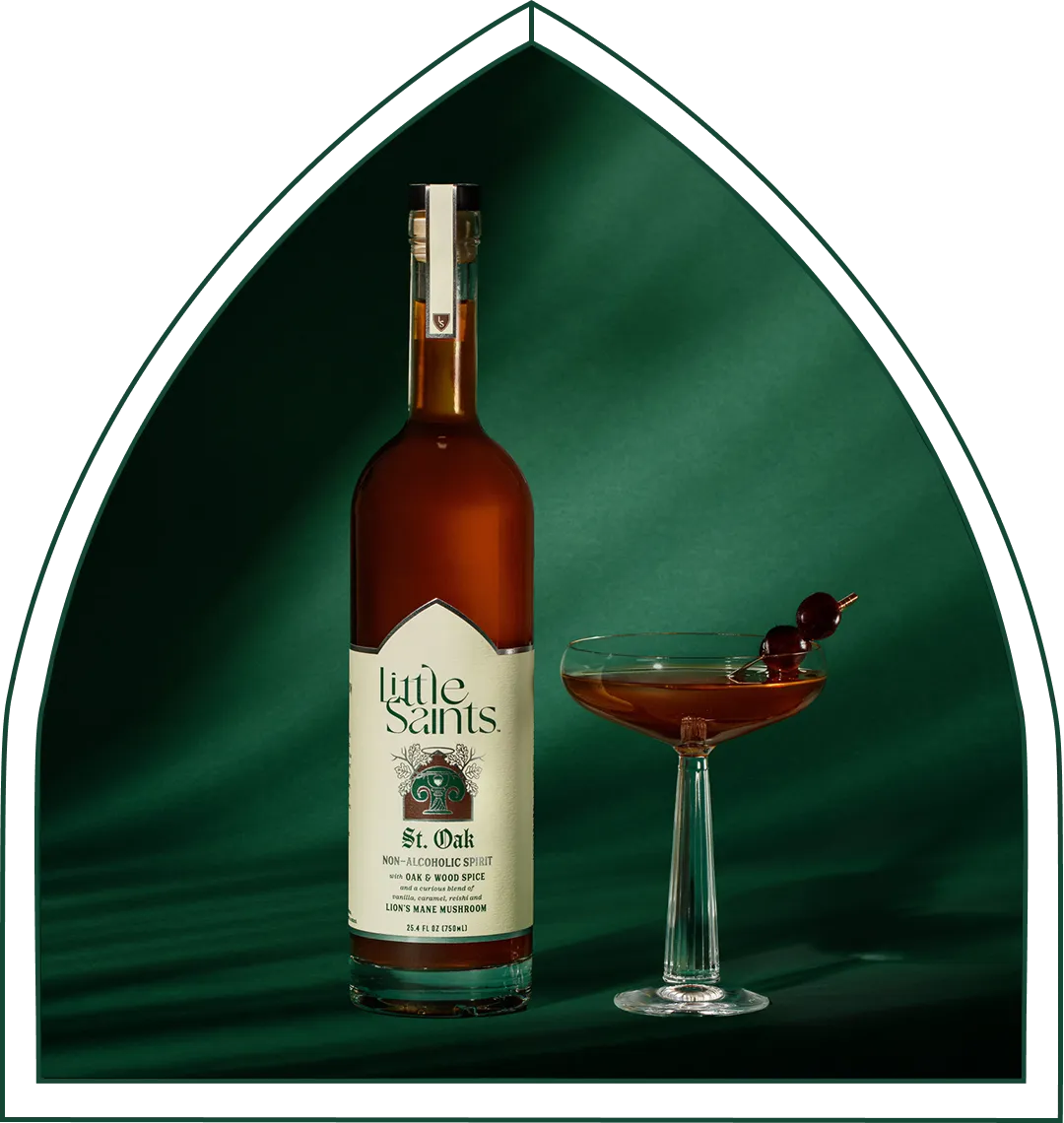
St. Oak is built for an Old Fashioned, a Manhattan, or a Boulevardier. It also works as an aged rum substitute in tiki-style builds like a Mai Tai.
To see how St. Oak performs in practice, here is a classic Old Fashioned build that highlights its oak and spice notes:
- 2 oz St. Oak
- 1 bar spoon of simple syrup or a muddled sugar cube
- 2 dashes aromatic bitters
- Orange peel, expressed and dropped
- Served over a large rock
Honest Limitation: St. Oak captures the flavor notes of an oak-aged whiskey. It still differs from the full mouthfeel and viscosity that ethanol and sugar create in a traditional pour. In a built cocktail, that gap closes considerably. Neat, it delivers a different experience.
What To Make With Non-Alcoholic Gin
Little Saints St. Juniper is the gin-style, alcohol-free spirit in the line. It is made with juniper, cucumber, birch, yuzu, organic Lion's Mane, and Damiana, and it is the bottle to reach for when a recipe calls for gin. St. Ember also offers versatility, yet St. Juniper stays closest to classic gin builds. Juniper, cucumber, and herbaceous notes come from juniper, birch, angelica, coriander, and cardamom. It is built for a gin and tonic, a gimlet, a martini, or anything citrus-forward. Customer ratings on littlesaints.com, captured August 2026 and subject to change, sit at 4.6/5 across 147 reviews, with 93% saying they would recommend it.
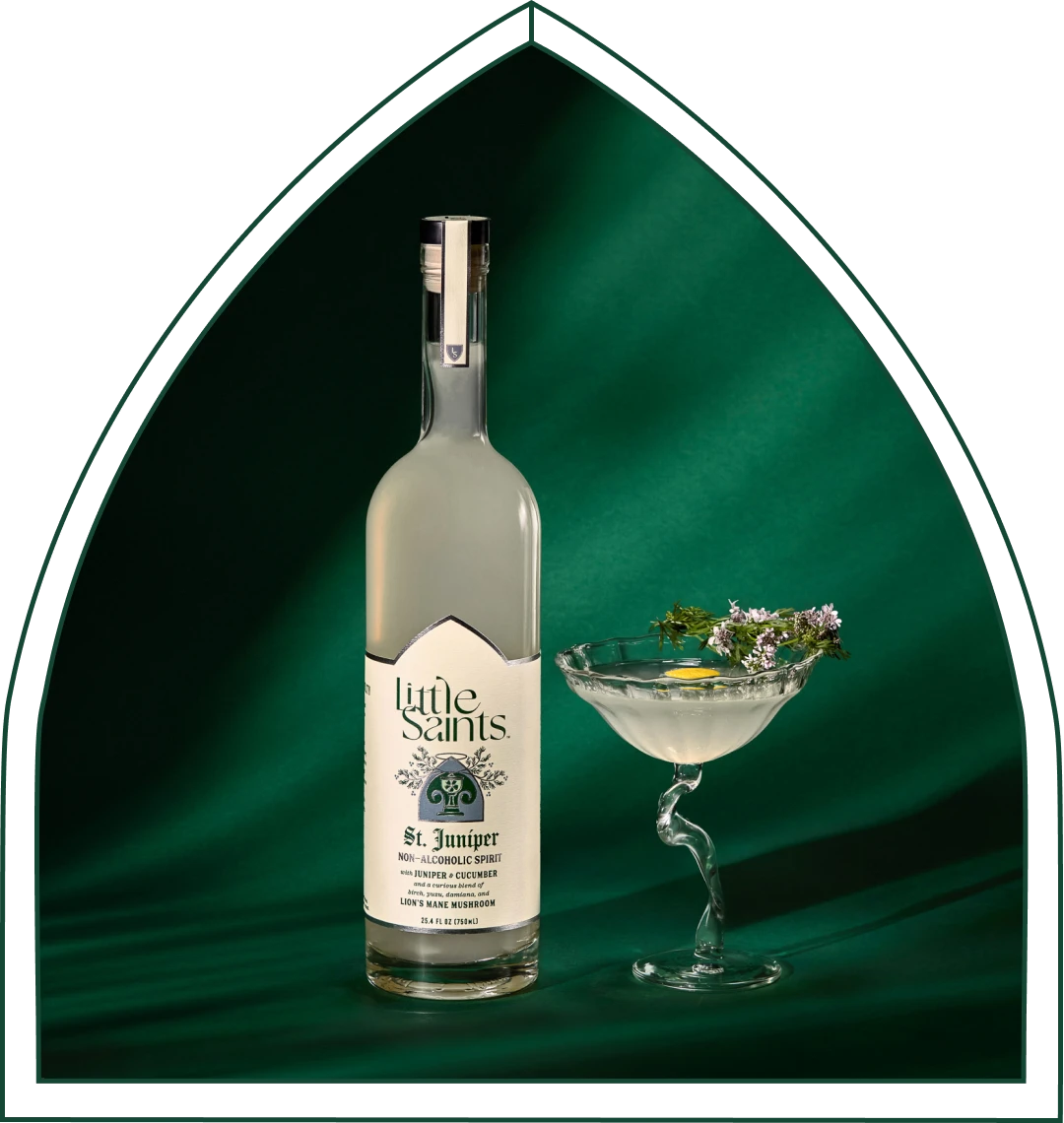
Here is a simple gin and tonic build that shows how St. Juniper behaves in a highball:
- 2 oz St. Juniper
- Premium tonic, poured over ice in a highball
- Lime wedge or cucumber ribbon
For a gimlet, shake 2 oz St. Juniper with 0.75 oz fresh lime juice and 0.5 oz simple syrup, then strain into a coupe. For a martini, stir 2.5 oz St. Juniper with 0.5 oz dry vermouth over ice, strain, and garnish with a lemon twist or olive.
Honest Limitation: St. Juniper mixes like a gin rather than tasting like one neat. In a tonic or a citrus-forward build, it feels genuinely convincing. As a standalone pour, the absence of ethanol's aromatic lift becomes noticeable.
Non-Alcoholic Spirits For A Margarita Or Paloma
Little Saints St. Ember is an ode to the flavors of a light, spicy mezcal that mixes like a tequila or a mezcal. It is the highest-rated bottle in the line at 4.7/5. Spicy, smoky, and woodsy notes come from palo santo, ginger, and cardamom. The palo santo is sustainably sourced, and 1% of St. Ember proceeds support reforestation in Peru. Customer ratings on littlesaints.com, captured August 2026 and subject to change, stand at 4.7/5 across 430 reviews, with 92% saying they would recommend it.
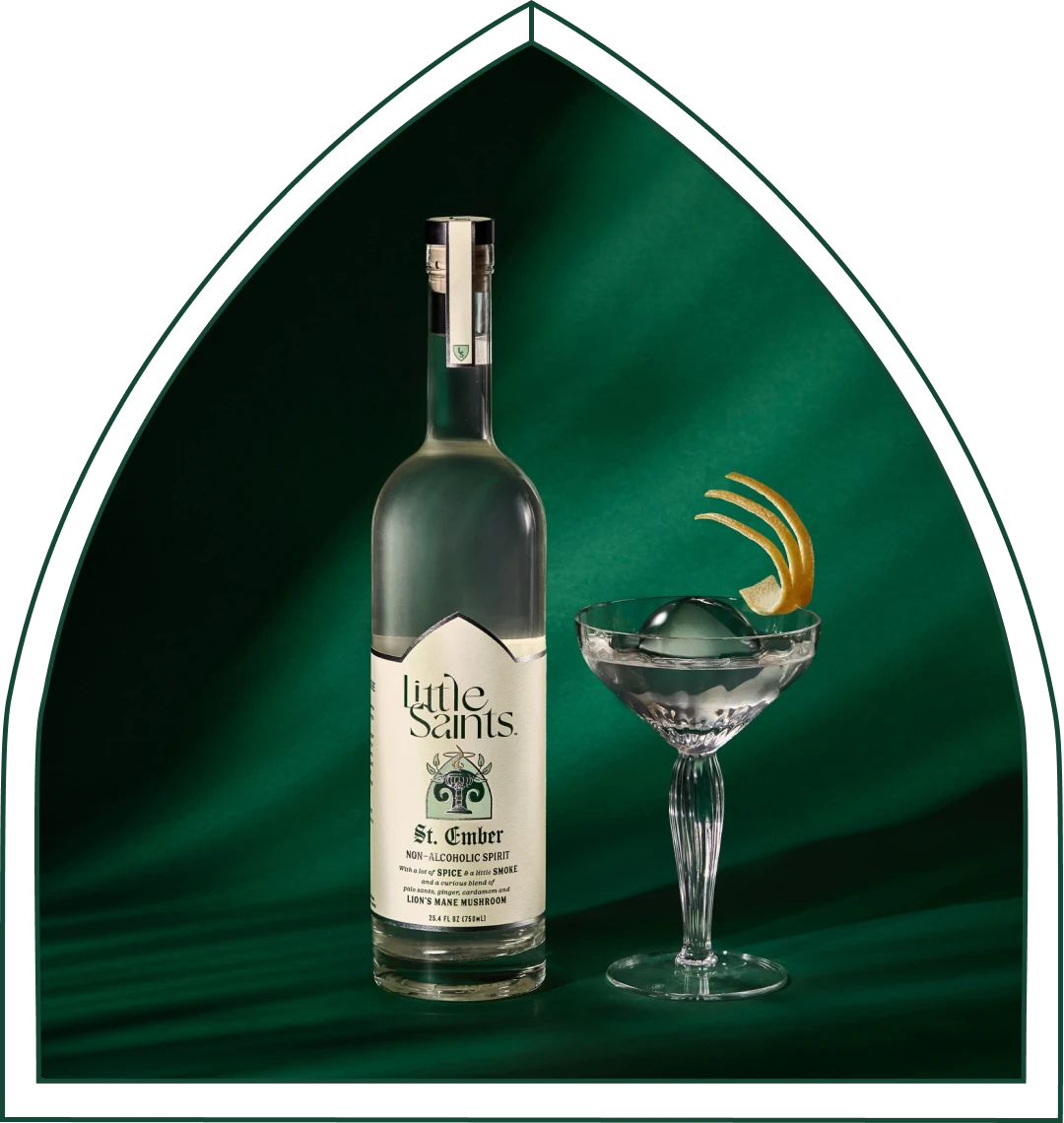
For a margarita that showcases St. Ember's smoky citrus balance, use this build:
- 2 oz St. Ember
- 1 oz fresh lime juice
- 0.5 oz orange liqueur or a zero-sugar orange substitute
- Salt rim, shaken hard with ice, then strained over fresh ice
For a paloma-style highball, this build keeps things bright and refreshing:
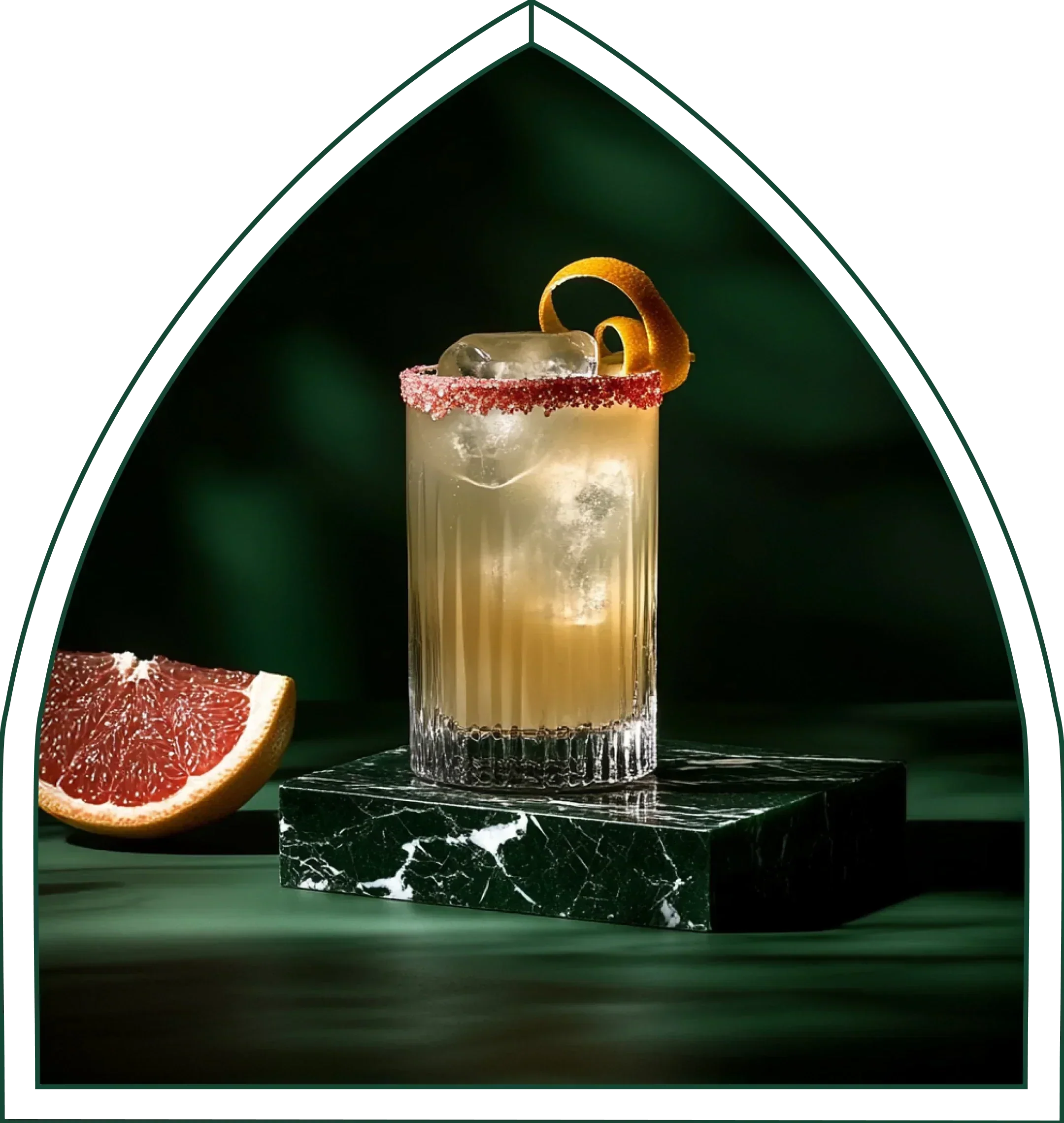
- 2 oz St. Ember over ice in a highball
- Grapefruit soda to top
- Squeeze of lime and a salt rim
Honest Limitation: St. Ember mixes like a tequila or a mezcal rather than tasting exactly like one. The smoky, palo santo-forward profile stands on its own, closer to a light mezcal in character than a blanco tequila. In a margarita or a paloma, it lands cleanly.
Best Non-Alcoholic Aperitif And Spritz Options
For the aperitif occasion, Little Saints' canned cocktail line covers the full range: Classic Spritz, Hugo Spritz, Negroni Spritz, Classic Margarita, Paloma, Old Fashioned, and Mojito. All seven are finished non-alcoholic cocktails at zero grams of sugar, five calories, and 0% ABV. They are sweetened with monk fruit juice concentrate, without erythritol or sugar alcohols. The Negroni Spritz is the drink the company traces its origin to.
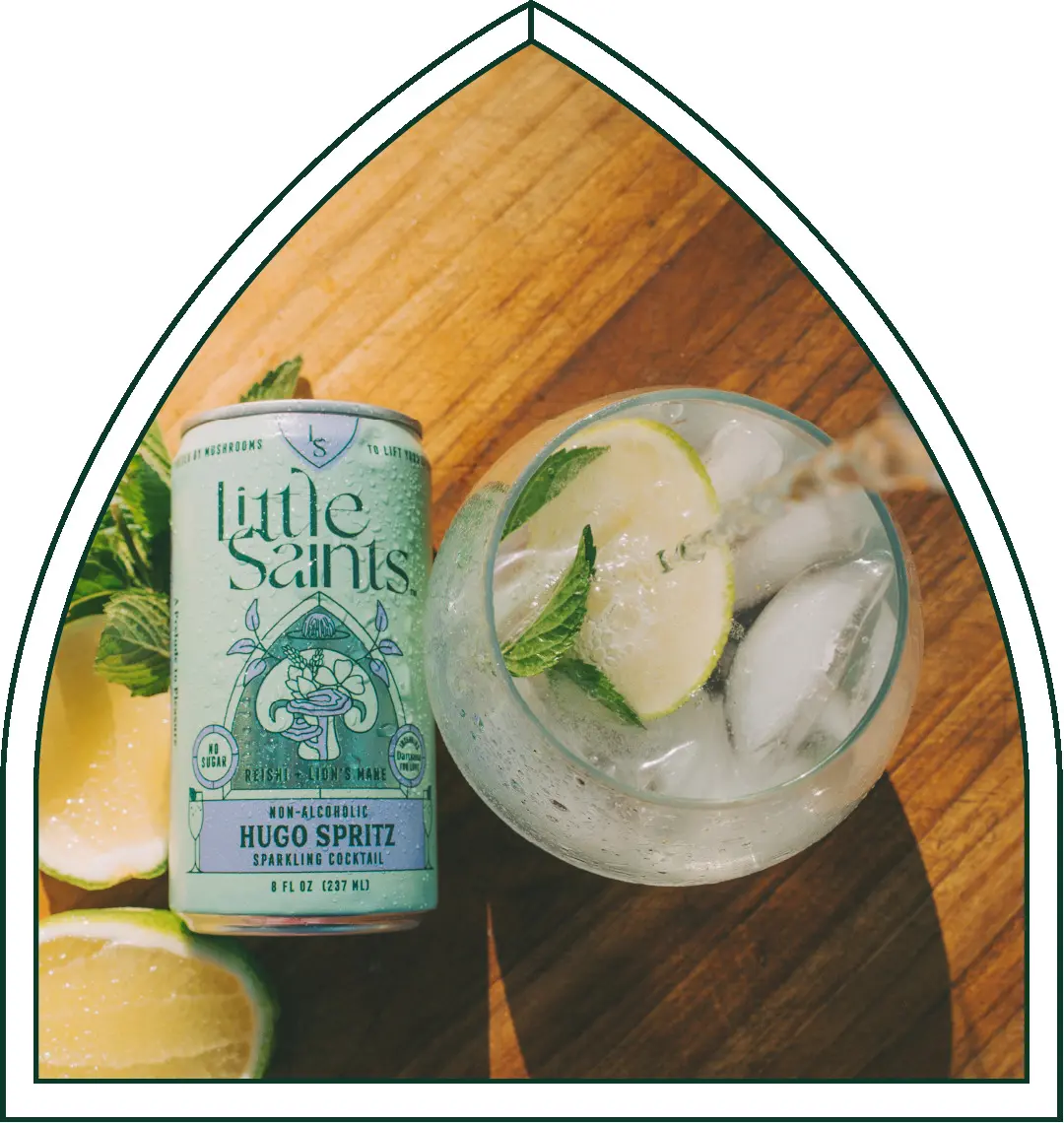
The format distinction matters. The cans are finished cocktails built to be judged straight out of the can. The spirits are ingredients built to be judged inside a cocktail. They serve different moments. The cans are Reishi-forward, while the spirits are Lion's Mane-forward. Both carry the brand's functional platform of organic Reishi, organic Lion's Mane, Damiana, and botanical terpenes, with a stated 100mg mushroom dose per serving and a minimum of 70% beta glucan backed by supplier certificates of analysis.
What Are The Best-Rated Non-Alcoholic Spirits?
Based on customer ratings and how they perform in cocktails, these Little Saints bottles and cans consistently earn a place on the bar cart:
- Little Saints St. Ember features a spicy, smoky profile from palo santo and ginger and is built for margaritas and palomas. It holds a 4.7/5 rating (as noted above).
- Little Saints St. Juniper brings juniper, cucumber, and herbaceous notes and is built for gin and tonics, gimlets, and martinis. It holds a 4.6/5 rating (as noted above).
- Little Saints St. Oak offers vanilla, oak, caramel, and cardamom notes and is built for Old Fashioneds, Manhattans, and Boulevardiers. It was BevNET Best NA Spirit of 2025 and holds a 4.5/5 rating (as noted above).
- Little Saints Negroni Spritz (Can) delivers bitter gentian root and orange in a ready-to-drink format with no build required. It holds a 4.7/5 rating from 95 reviews on littlesaints.com (August 2026).
- Little Saints Old Fashioned (Can) layers orange, cherry, and warm spices in a finished zero-sugar cocktail. It holds a 4.4/5 rating from 246 reviews on littlesaints.com (August 2026).
How To Judge A Bottle Before You Buy
Four quick questions on the label help you decide before you spend anything:
- Does It Mix 1:1? As explained earlier, a true 1:1 mix means you pour the same amount as the spirit it replaces. If the label or the brand's own materials suggest pouring more, the bottle behaves like flavored water and will dilute a build.
- Does It State A Dose? Most functional NA spirits do not publish a milligram figure. Little Saints publishes both the dose and quality: 100mg per serving at a minimum of 70% beta glucan, documented by certificates of analysis from the supplier.
- What Do The Sugar And Calorie Figures Say? Some NA spirits carry 10–15 grams of sugar per serving. Little Saints spirits carry zero grams of sugar with no sweeteners at all. The cans carry zero grams of sugar and five calories, sweetened with monk fruit juice concentrate only.
- Is It Built For The Evening? Daytime functional drinks are usually caffeinated. Little Saints carries no caffeine in the core line, because the occasion is the evening and many customers come specifically to protect their sleep.
Frequently Asked Questions
Do Non-Alcoholic Spirits Taste Like The Real Thing?
They do not taste exactly the same, and any review that promises a perfect match sets you up for disappointment. The best NA spirits are inspired by and capture the notes of the spirits they reference. They cannot fully replicate the warmth, body, and aromatic release that ethanol provides. That gap shows up most clearly when sipping neat. In a well-built cocktail with citrus, bitters, ice, and a proper garnish, the gap closes considerably because those elements already do significant work in any drink. The more useful frame is whether the bottle makes a good Old Fashioned, margarita, or martini. For St. Oak in an Old Fashioned, the answer is yes.
How Much Do I Pour?
Pour the same amount you would of the spirit you are replacing. Little Saints spirits were formulated with mixologists so that two ounces replaces two ounces, a 1:1 ratio in any recipe. This creates a key mechanical difference from many first-generation NA spirits, which require two to three times the volume to achieve any presence in a cocktail. With St. Ember, St. Juniper, and St. Oak, any recipe works unchanged. No re-costing and no re-rationing.
Is There Caffeine In It?
The core Little Saints line contains no caffeine. That reflects a deliberate formulation decision, because the occasion is the evening and many customers come to Little Saints specifically to protect their sleep. Caffeinated functional drinks are built for the morning and the desk. Little Saints is built for the moment when someone would otherwise reach for a Negroni.
What Is The Difference Between The Cans And The Spirits?
The difference comes down to format and intent. The canned cocktails, including Classic Spritz, Hugo Spritz, Negroni Spritz, Classic Margarita, Paloma, Old Fashioned, and Mojito, are finished cocktails built for convenience and judged straight out of the can. They are Reishi-forward and sweetened with monk fruit juice concentrate. The spirits, St. Ember, St. Oak, and St. Juniper, are ingredients built for people who want to make the drink themselves. They are Lion's Mane-forward, carry no sweeteners at all, and are judged inside a cocktail. Both lines carry the same functional platform at the same dose, yet they serve different moments.
Is This A Sobriety Tool?
Little Saints is not positioned as a sobriety tool, and the data supports that positioning. NielsenIQ reports that 93% of non-alcohol buyers also purchase alcohol, according to NIQ's January 2026 analysis. The behavior the category actually runs on is zebra striping, which means alternating alcoholic and non-alcoholic drinks over the course of a night. That pattern reflects ordinary social behavior that now has a name. Little Saints keeps someone at the table for round three when they would otherwise have ordered water. It is the round that would otherwise have been nothing.
The Bottom Line
Pick the bottle for the cocktail you actually want to make. Check whether it mixes 1:1. Check what the label states on sugar, calories, and dose. For a margarita or paloma, choose St. Ember. For a gin and tonic or gimlet, choose St. Juniper. For an Old Fashioned or Manhattan, choose St. Oak. For a finished cocktail straight from the can, reach for the Negroni Spritz or Old Fashioned. Explore the full range of non-alcoholic cocktails and spirits at Little Saints to get zero sugar, five calories, and a supplement-grade functional mushroom blend in every pour.
The statements made on our website have not been evaluated by the Food and Drug Administration, Our products are not intended to diagnose, treat, cure or prevent any disease. If you are pregnant, nursing, taking any medications or have any medical conditions, consult your doctor before use.