


Last updated: October 13, 2026
Key Takeaways
- Non-alcoholic spirits replace distilled spirits in cocktails. Oil-based extracts mix 1:1 and keep drinks full-bodied, while water-based formulas taste thin and dilute builds.
- US labeling defines “non-alcoholic” as under 0.5% alcohol by volume (ABV). “Alcohol-free” means 0.0% ABV with no detectable alcohol. Little Saints offers both spirits under 0.5% ABV and 0.0% ABV canned cocktails.
- First-generation non-alcoholic spirits taste thin because they lack ethanol’s structural jobs like carrying aroma, adding viscosity, and creating warmth. Oil-based extracts restore mouthfeel and flavor integration.
- Little Saints spirits use oil-based extracts with Lion’s Mane for viscosity, natural burn from cardamom and capsicum, and genuine cloudiness as a sign of potency. This allows true 1:1 cocktail substitution.
- Little Saints offers premium non-alcoholic spirits and canned cocktails that deliver an authentic cocktail experience, plus functional mushroom blends that support clarity and ease.
How “Non-Alcoholic” And “Alcohol-Free” Labels Work
“Non-alcoholic” on a US label generally means the product contains less than 0.5% alcohol by volume (ABV). That threshold comes from the Federal Alcohol Administration Act and the Internal Revenue Code. The TTB regulates beverages at or above that level, while the FDA regulates non-malt beverages below 0.5% ABV as food. A product labeled 0.0% ABV makes a stricter claim and asserts no measurable alcohol at the producer’s testing limit.
Little Saints works on both sides of that line. The canned cocktails — Classic Margarita, Negroni Spritz, Old Fashioned, Paloma, Mojito, Classic Spritz, and Hugo Spritz — are 0.0% ABV. The non-alcoholic spirits — St. Ember, St. Juniper, and St. Oak — are under 0.5% ABV. Both lines are non-intoxicating and non-psychoactive, so they do not impair judgment, reaction time, or coordination.
“Alcohol-free” and “non-alcoholic” also have specific legal meanings. “Alcohol-free” is reserved for products verified at 0.0% ABV with no detectable alcohol. “Non-alcoholic” permits trace amounts below the 0.5% threshold. State laws can add further requirements, so producers must track both federal and local rules.
Why Many Early Non-Alcoholic Cocktails Taste Thin
Ethanol performs several structural jobs in a cocktail at once. It carries volatile aromatic compounds to the nose, contributes viscosity and mouthfeel, creates a warming sensation on the palate, and acts as a solvent for lipophilic flavor compounds. Water alone extracts only hydrophilic molecules, which is why first-generation NA spirits built on water taste thin. Flavors arrive in sequence instead of as a unified experience and fade quickly on the finish.
First-generation non-alcoholic spirits are essentially flavors in water. Bartenders who tested them found they diluted in a cocktail build and had to be poured at two to three times the standard volume to register. That shift throws off every ratio in the recipe, empties the bottle quickly, and raises the cost per drink.
Little Saints addresses that problem directly. The spirits — St. Ember, St. Juniper, and St. Oak — use oil-based craft small-batch extracts formulated with mixologists. Because oil carries the flavor instead of water, the spirits hold up in a build and mix 1:1. Two ounces of St. Ember do the work of two ounces of tequila in a margarita. Three engineered details make this possible:
- A built-in burn. Every spirit carries deliberate heat from cardamom extract and capsicum. You feel warmth at the back of the throat that signals a cocktail experience instead of a soft drink.
- Natural viscosity. The Lion’s Mane extract gives the spirits a body that flavored water cannot match. The liquid coats the glass and holds its own over ice.
- Natural cloudiness. The spirits look cloudy because the Lion’s Mane extract appears at a real dose. That cloudiness signals potency rather than a defect.
For a deeper look at how to choose spirits that actually deliver in a build, see How To Choose Non-Alcoholic Spirits That Deliver. Now that you have the structural picture, you can match each Little Saints spirit to the cocktail you want to make.
The Bottle-To-Cocktail Matching Guide
This guide shows how each Little Saints spirit maps to a cocktail style, so you can match the bottle to the drink you want tonight.
| If You Usually Drink | Use This Spirit | Make This Cocktail |
|---|---|---|
| Tequila or mezcal drinks | St. Ember | Margarita, Paloma |
| Gin drinks | St. Juniper | Gin & Tonic, Gimlet, Martini |
| Whiskey drinks | St. Oak | Old Fashioned, Manhattan, Boulevardier |
| Bitter aperitif drinks | Negroni Spritz (can) | Negroni-style spritz |
| Dark rum and tiki drinks | St. Oak | Mai Tai |
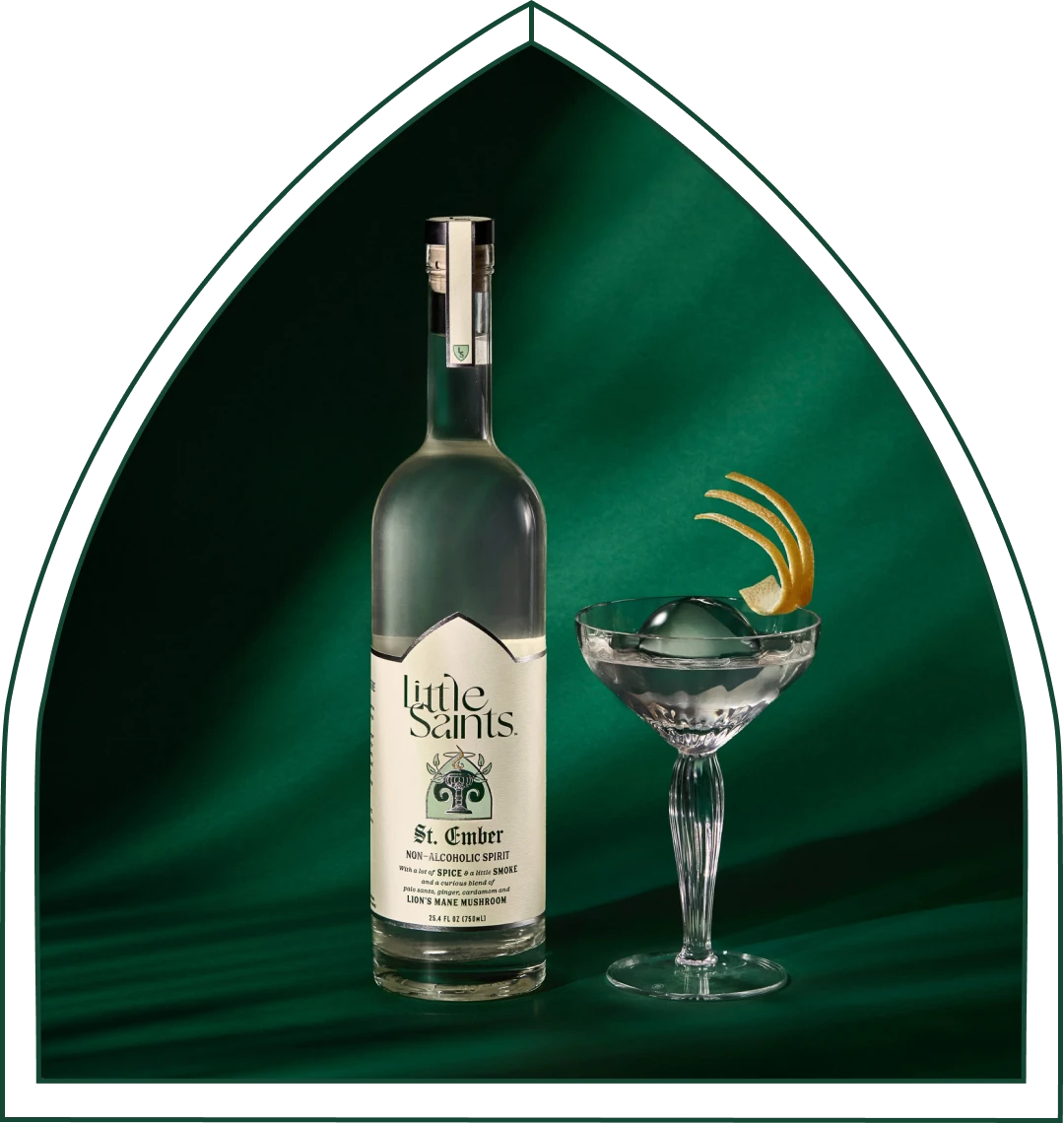
St. Ember — For Agave Drinks (Margaritas, Palomas). St. Ember is an ode to the flavors of a light, spicy mezcal, built on palo santo, ginger, and cardamom. It mixes like a tequila or a mezcal. Substitute two ounces for two ounces in a margarita or a paloma, or drink it long over ice with soda and lime. Rated 4.7/5 across 430 customer reviews on littlesaints.com (92% would recommend, August 2026). For recipe ideas, see Best Non-Alcoholic Tequila Substitutes For Cocktails.
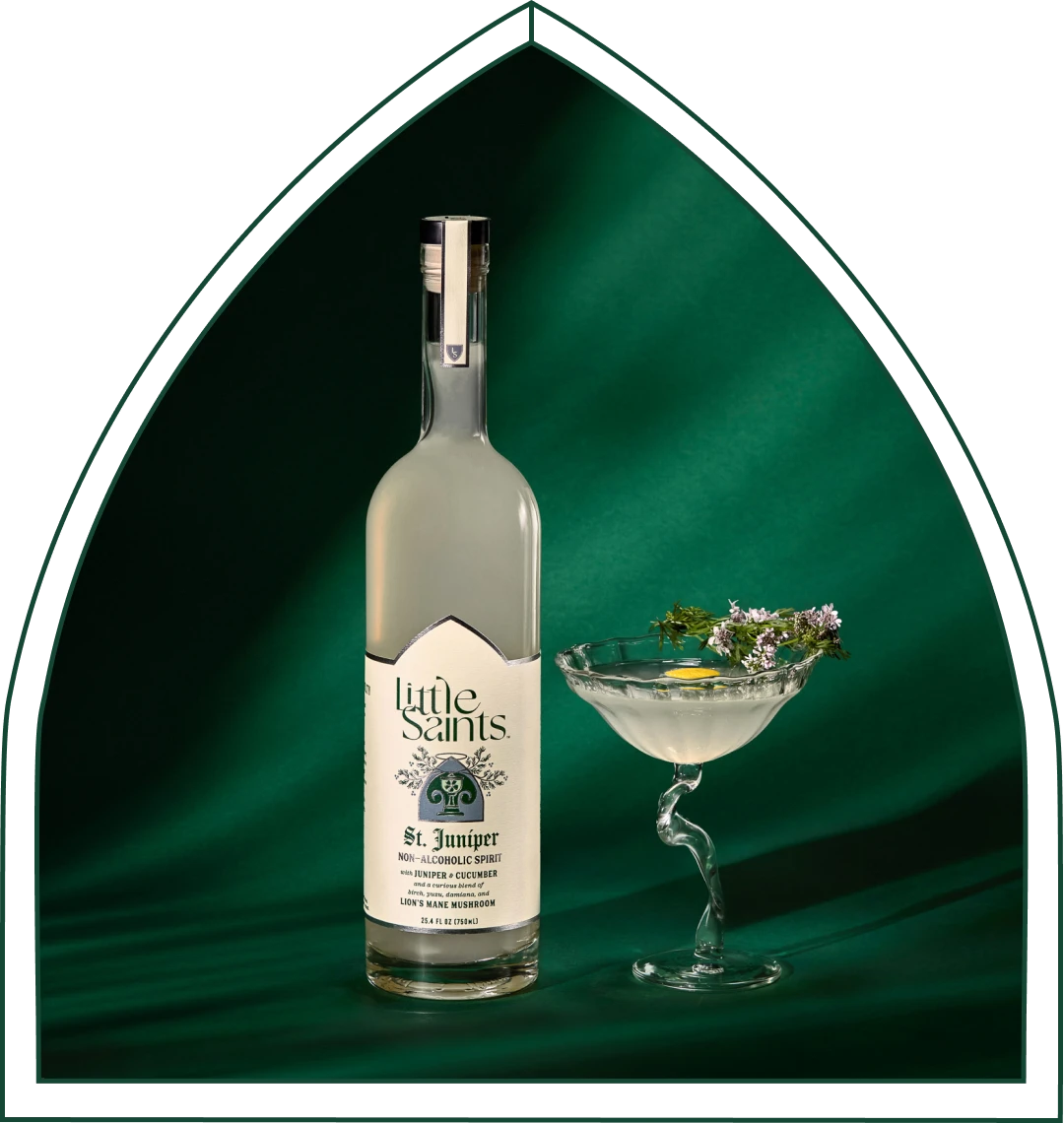
St. Juniper — For Gin Drinks (Gin And Tonics, Gimlets, Martinis). St. Juniper is the gin expression, built on juniper, birch, angelica, coriander, cardamom, and cucumber. It suits gin and tonics, gimlets, martinis, and citrus-forward builds. Substitute two ounces for two ounces. Rated 4.6/5 across 147 customer reviews on littlesaints.com (93% would recommend, August 2026). For gin-specific builds, see How To Make Non-Alcoholic Gin Cocktails That Taste Real.
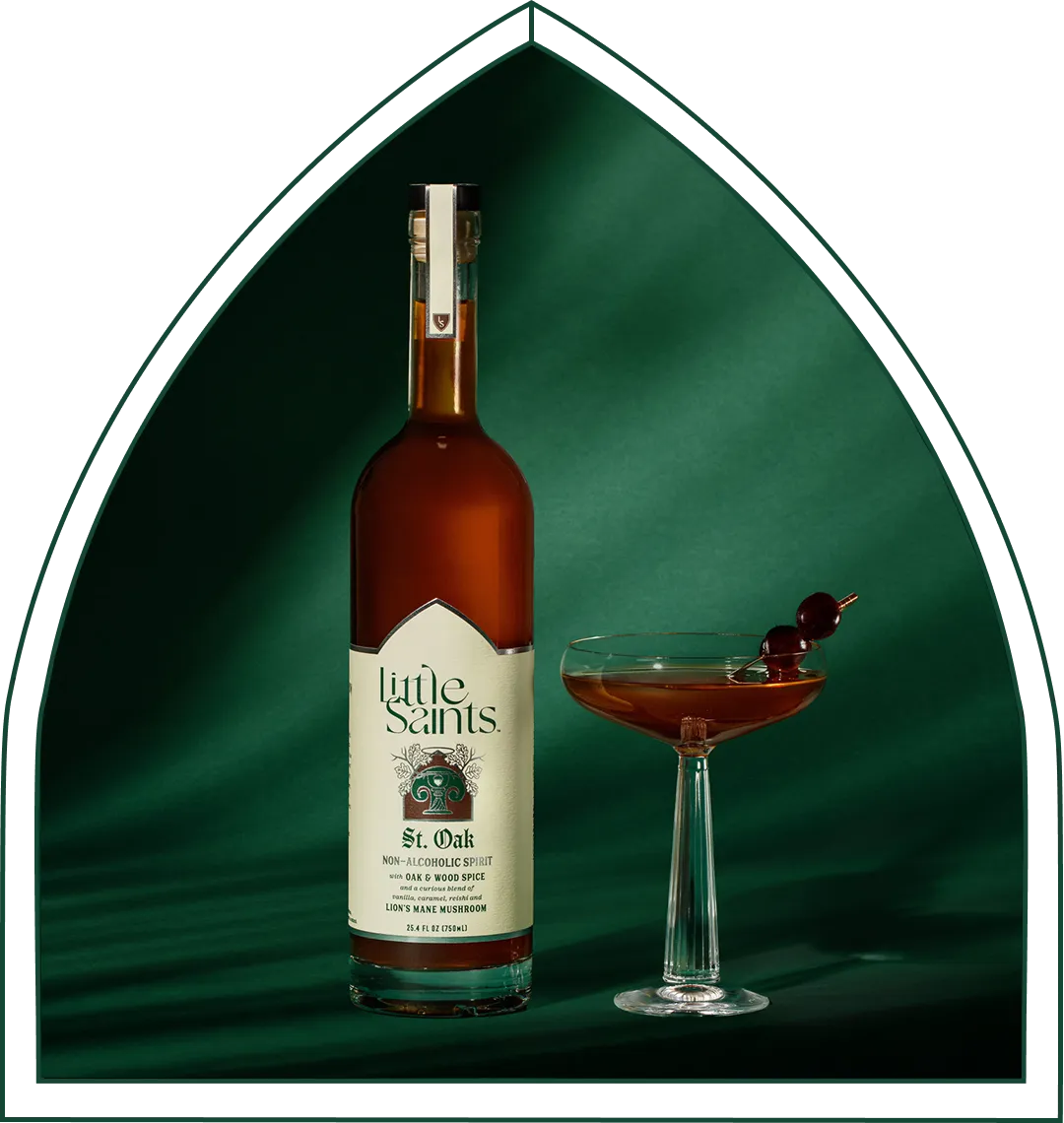
St. Oak — For Whiskey Drinks And Dark Rum Drinks. St. Oak captures the soul of an oak-aged whiskey through vanilla, spice, and woodsy notes from oak, vanilla, cardamom, and caramel. It was named Best NA Spirit of 2025 by the BevNET Spirit Awards. Substitute two ounces for two ounces in an old fashioned or manhattan. St. Oak also works as an aged rum substitute in tiki-style cocktails such as a Mai Tai. Rated 4.5/5 across 133 customer reviews on littlesaints.com (87% would recommend, August 2026).
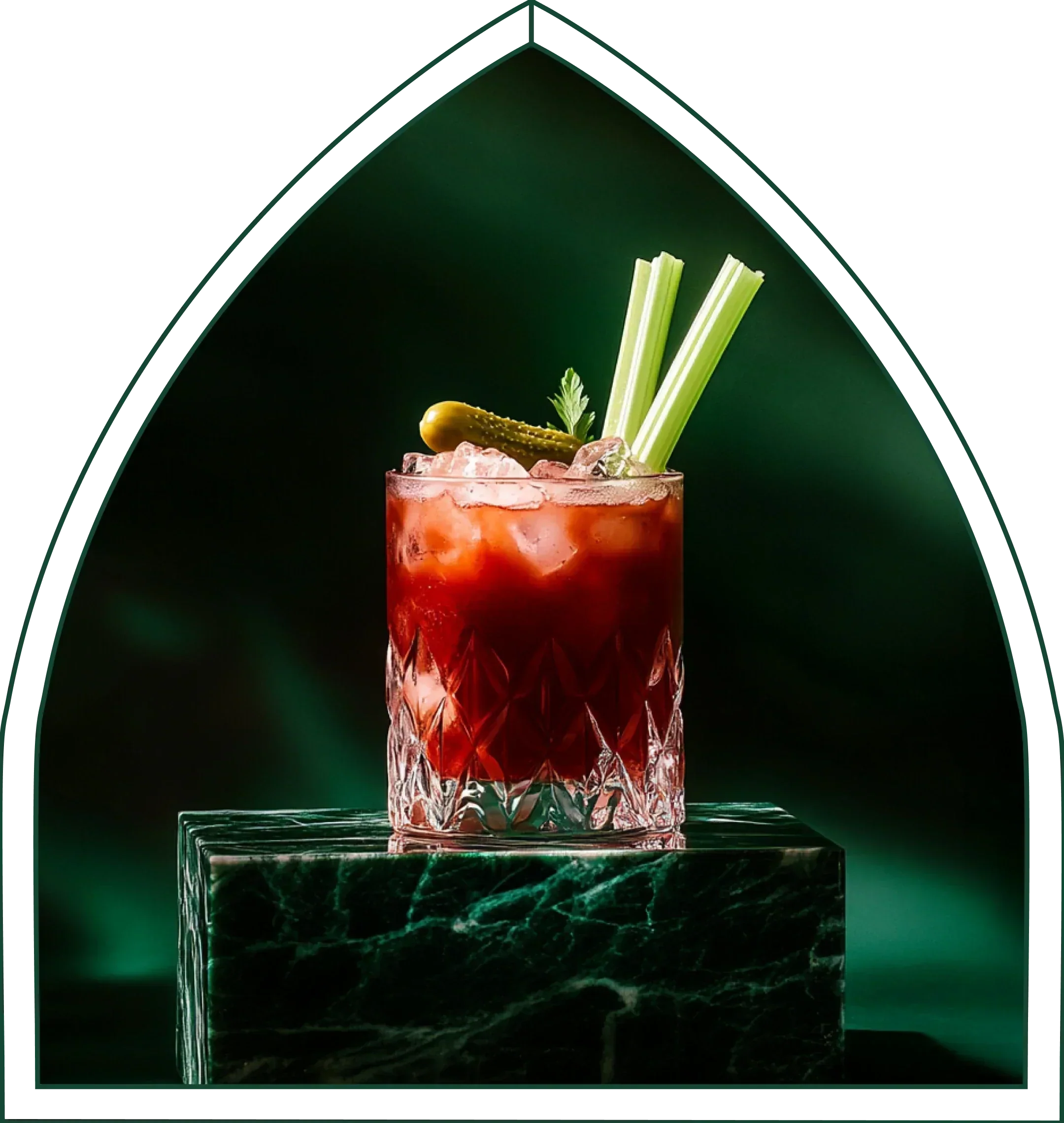
Negroni Spritz (Can) — For Bitter Aperitif Drinks. The Negroni sits at the origin of Little Saints. The Negroni Spritz can delivers bitter, gentian root, and orange notes at 0.0% ABV and zero grams of sugar. It is ready to pour over ice with an orange peel.
In every case, the substitution stays 1:1, so no recipe adjustment is needed. For a broader review of the spirits line, see Best Non-Alcoholic Spirits: Top Picks For Every Cocktail.
How Much Non-Alcoholic Spirit To Pour In A Cocktail
Little Saints spirits pour in the same amount as the spirit you replace. Each Little Saints spirit substitutes 1:1 for its conventional counterpart. You keep your usual two-ounce pour.
This consistency matters in two ways. Every recipe works unchanged, so ratios, garnishes, glassware, and technique all stay the same. A bottle that mixes 1:1 also pours as far as the bottle it replaces. First-generation non-alcoholic spirits that require a 2–3x pour empty at twice the rate, which raises the real cost per drink well above the shelf price.
For a full guide to building complex non-alcoholic cocktails, see How To Make Non-Alcoholic Cocktails That Taste Complex.
Why The Functional Layer Matters When You Buy
Function now sits at the center of many buying decisions. Little Saints treats it as a primary reason to choose a bottle and publishes two figures most of the category leaves out.
Every Little Saints spirit carries a stated 100mg mushroom dose per serving, with a minimum of 70% beta glucan. This is documented by certificates of analysis from the supplier. The supplier’s mushroom extracts also undergo third-party lab analysis for potency. The mushrooms are USDA Organic, grown in California, and extracted with ultrasound rather than chemical solvents. The extract holds GRAS status, the FDA’s “generally recognized as safe” standard for an ingredient used in food. GRAS covers the safety of the ingredient in food and does not represent FDA approval of the finished product or any specific effect.
Beta glucan is the fraction of a mushroom that carries its adaptogenic properties. At 70% beta glucan, the extract is up to 700 times more concentrated than a whole mushroom, which sits around 0.1% beta glucan. Fruiting body extracts in the 25% to 40% range are generally considered solid performers for consumer supplements, while premium concentrated extracts reach 40% to 60% and above. Little Saints’ minimum 70% sits at the top of that range. Most non-alcoholic spirits do not publish a dose or a potency figure.
The functional blend, called Nature’s Neuroscience, contains four components, each with a defined role:
- Organic Reishi — for chill. This part of the blend supports unwinding and settling into the moment.
- Organic Lion’s Mane — for focus. This component supports mental presence and clarity.
- Damiana — for connection. This flower supports the warmer, more physical side of the feeling drinkers describe.
- Botanical terpenes — for the senses. These compounds build the aromatic layer through naturally occurring molecules in plants, roots, herbs, and flowers.
The result is what Little Saints calls the Little Saints Lift, a sense of clarity and ease. Customer reviews and direct messages most often mention clarity, ease, and feeling lifted. The products are non-intoxicating and non-psychoactive, so they do not impair judgment, reaction time, or coordination.
These statements have not been evaluated by the Food and Drug Administration. This product is not intended to diagnose, treat, cure, or prevent any disease.
Three Starter Cocktails With Exact Measures
These three recipes show how a 1:1 substitution works in real builds. You keep your usual specs and swap the spirit.
St. Juniper Gin & Tonic
- 2 oz St. Juniper
- 4 oz premium tonic water
- Lime wedge, cucumber slice
Build over ice in a highball glass. Garnish and serve.
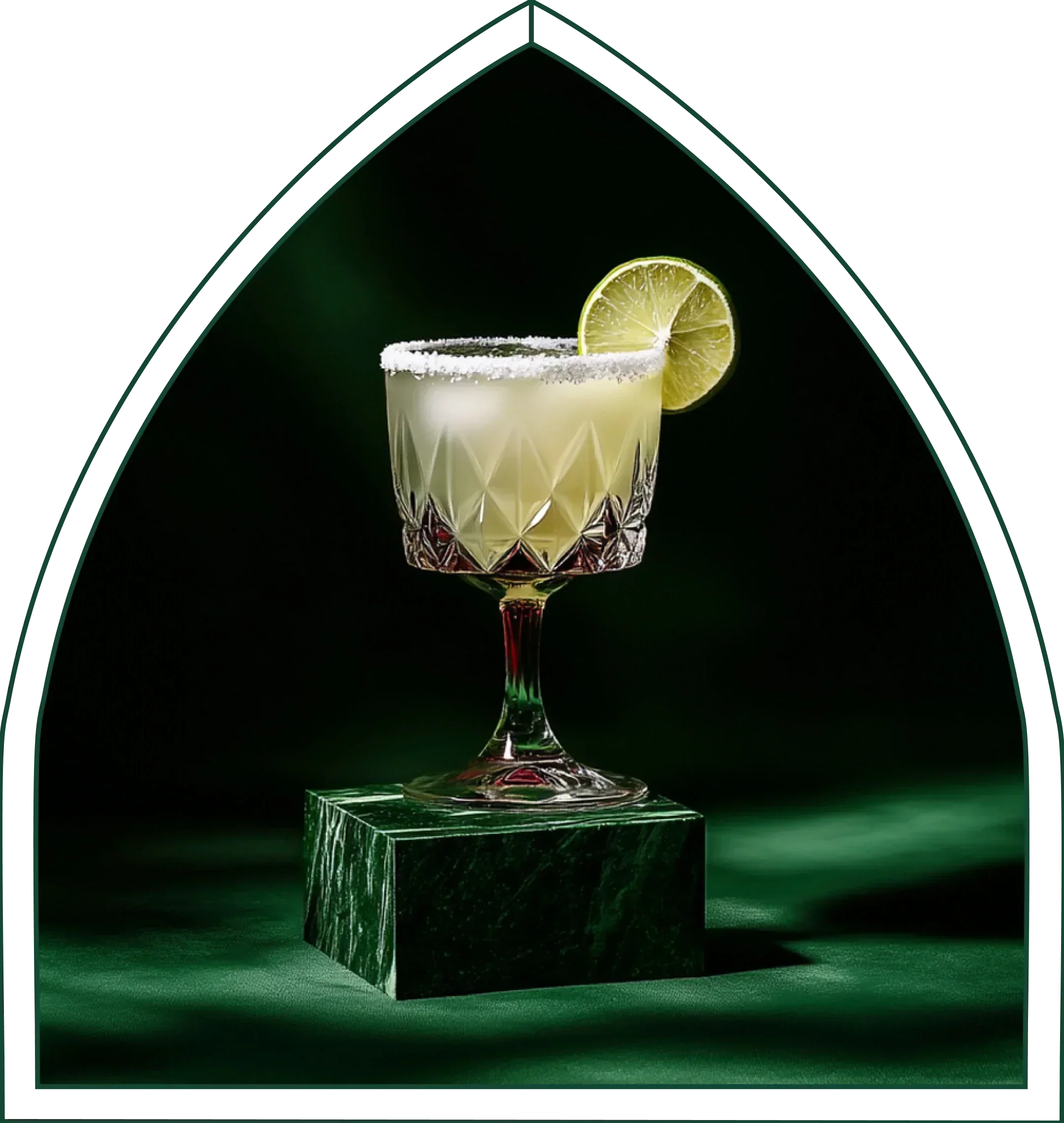
St. Ember Margarita
- 2 oz St. Ember
- 1 oz fresh lime juice
- ¾ oz orange liqueur alternative
- Salt rim, lime wheel
Shake with ice. Strain into a salt-rimmed rocks glass over a large cube.
St. Oak Old Fashioned
- 2 oz St. Oak
- ¼ oz demerara syrup
- 3 dashes non-alcoholic aromatic bitters
- Orange peel
Stir over a large ice cube in a rocks glass. Express the orange peel and garnish.
For deeper recipe coverage across every classic build, see How To Make Non-Alcoholic Cocktails That Taste Complex.
Non-Alcoholic Spirit Vs. Non-Alcoholic Beer: How They Compare
Many shoppers decide between a non-alcoholic spirit and a non-alcoholic beer. The two formats suit different occasions and carry different nutrition profiles.
Non-alcoholic beer dominates the non-alcoholic category at roughly 80% of sales, and it can taste excellent. It is alcohol-removed beer, a conventional beer with the ethanol stripped out. It typically carries roughly 80–85 calories and around 12 grams of carbohydrate per serving. It also contains no functional layer, so there is no adaptogen dose, no stated potency, and no Nature’s Neuroscience.
A Little Saints can carries five calories and zero grams of sugar. It is sweetened with monk fruit juice concentrate only. There is no erythritol and no sugar alcohols. It is built for the evening occasion rather than the afternoon and carries the functional blend that non-alcoholic beer does not include.
Non-alcoholic spirits represent only around 6% of the non-alcoholic category by sales, yet they are growing at approximately 70%, the fastest-moving segment in the category. Growth concentrates exactly where Little Saints plays.
The choice between a non-alcoholic spirit and a non-alcoholic beer is really a choice between two occasions. Beer is a session format. A spirit-based cocktail is a ritual, the evening drink in real glassware with a garnish and a reason to sit down.
Frequently Asked Questions
What Are Non-Alcoholic Spirits Called?
Non-alcoholic spirits go by several names in the category: NA spirits, alcohol alternatives, zero-proof spirits, and non-alcoholic spirit alternatives. The trade and consumer media use these terms interchangeably. Little Saints uses “non-alcoholic spirits” and “NA spirits” as its preferred language. The three Little Saints spirits — St. Ember, St. Juniper, and St. Oak — are each named for the spirit style they replace in a cocktail build: agave, gin, and whiskey respectively.
Do Non-Alcoholic Spirits Contain Alcohol?
Some non-alcoholic spirits are 0.0% ABV, and others sit under 0.5% ABV. As explained earlier, Little Saints offers both 0.0% ABV canned cocktails and spirits under 0.5% ABV. Trace amounts at this level are pharmacologically inert and comparable to what occurs naturally in ripe fruit or fermented foods. Both lines are non-intoxicating and non-psychoactive.
Why Do Some Non-Alcoholic Spirits Taste Like Flavored Water?
Many early non-alcoholic spirits use a water base. Ethanol normally carries aromatic compounds, contributes viscosity, creates warmth, and acts as a solvent for lipophilic flavor molecules. When producers remove alcohol and replace it with water, all of those structural functions disappear at once. The result is a thin liquid that dilutes further in a cocktail build and often requires two to three times the standard pour to register.
Modern formulations address this with oil-based extracts, glycerol for body, capsicum or ginger for warmth, and botanical terpenes for aroma. Little Saints uses oil-based craft small-batch extracts, which is why the spirits mix 1:1 and hold their character over ice.
How Much Non-Alcoholic Spirit Do You Pour In A Cocktail?
As mentioned earlier, each Little Saints spirit substitutes 1:1 for its conventional counterpart. You pour the same amount you would of tequila, gin, or whiskey, and the recipe stays balanced.
Will Non-Alcoholic Spirits Get You High?
Little Saints products are non-intoxicating and non-psychoactive, so they do not cause a high. The Little Saints Lift, the sense of clarity and ease that customers describe, differs from intoxication. It does not build, it is not dramatic, and it varies by person. The functional blend contains organic Reishi, organic Lion’s Mane, Damiana, and botanical terpenes, none of which are psychoactive. Little Saints deliberately avoids language like “buzz,” “high,” or “euphoric” because the products do not deliver those effects.
What Is The Sweetener In Non-Alcoholic Spirits?
In the Little Saints canned cocktails, the sweetener is monk fruit juice concentrate and nothing else. There is no cane sugar, no erythritol, and no sugar alcohols. That profile supports five calories per can. In the Little Saints spirits — St. Ember, St. Juniper, and St. Oak — there are no sweeteners at all. Any sweetness you taste comes from the botanical extracts themselves, such as the palo santo in St. Ember. The spirits carry zero grams of sugar with no added sweeteners.
Where Can I Buy Non-Alcoholic Spirits For Cocktails?
Little Saints ships direct to consumers in all 50 states from two warehouses, typically within three days. In retail, Sprouts carries Little Saints in every door, Whole Foods stocks it in California and Florida, Fresh Thyme covers the Midwest, and ABC Liquors covers Florida. Little Saints also appears in over 1,000 retail shops, grocery stores, liquor stores, bars, and restaurants nationally. A store locator on the Little Saints website routes shoppers to the nearest door.
The Final Pitch
The evening occasion now includes real cocktails without a trade-off. 47% of on-premise visitors now mix alcoholic and non-alcoholic options in the same occasion because they have found something worth ordering. Little Saints was built for that moment, the drink that keeps you at the table in real glassware with a garnish and a reason to stay.
St. Ember for the margarita. St. Juniper for the gin and tonic. St. Oak, Best NA Spirit of 2025, for the old fashioned. Zero sugar. Five calories. A stated 100mg functional dose at a minimum of 70% beta glucan. And a 1:1 pour that keeps the recipe working exactly as written.
Explore the full range of Little Saints spirits and canned cocktails.
The statements made on our website have not been evaluated by the Food and Drug Administration, Our products are not intended to diagnose, treat, cure or prevent any disease. If you are pregnant, nursing, taking any medications or have any medical conditions, consult your doctor before use.