


Key Takeaways For Your Zero Sugar Margarita
- This zero-sugar non-alcoholic margarita uses exact measures so every pour tastes consistent and balanced.
- Agave syrup is high in fructose and sugar. Liquid monk fruit extract (pure, no erythritol) or allulose keep the drink zero sugar and balanced.
- Oil-based non-alcoholic spirits like St. Ember replace tequila 1:1 and bring body, aroma, and heat to the glass.
- A pantry-only build with fresh citrus, monk fruit drops, salt, and sparkling water creates a credible margarita-style drink without a non-alcoholic spirit.
- Little Saints offers St. Ember and a ready-to-drink Classic Margarita, both zero sugar, low calorie, and designed for evening sipping.
Explore Little Saints For Your Margarita
The Sweetener Decision: Zero Sugar Swaps For Agave Syrup
Agave syrup is the default margarita sweetener, and this build avoids it completely. Agave syrup is typically 70 to 90 percent fructose, making it more fructose-dense than table sugar, high-fructose corn syrup, or honey. It contains approximately 68 grams of sugar per 100 grams, roughly two-thirds of its total weight. The Tommy's Margarita, which replaces orange liqueur with agave syrup, is a beloved classic, yet it remains a sugar-heavy drink.
For a genuinely zero sugar build, treat monk fruit extract and allulose as distinct tools rather than interchangeable substitutes.
Liquid monk fruit extract (pure, no erythritol). This works best in a cold, shaken drink. Liquid monk fruit extract dissolves cleanly at very low use levels, leaving the texture of the drink unchanged. The critical dosing fact: monk fruit extract at 50% Mogroside V is roughly 200–300 times sweeter than sucrose. Two drops already create noticeable sweetness. Half a teaspoon, roughly 50 drops, turns the drink into candy. Start with two drops, taste, and add one more only if needed. The margin for error is that small. For cold drinks, liquid monk fruit extract is preferred over powder because it incorporates instantly. Check the label. A pure extract lists one ingredient. If erythritol appears, it is a blend.
Allulose. Allulose behaves differently from monk fruit. Allulose is roughly 70% as sweet as regular sugar and dissolves and depresses the freezing point much like sugar, so it adds body and mouthfeel that monk fruit drops do not. In a shaken margarita, allulose creates a texture closer to a classic sweetened drink. The trade-off is bulk. You measure it in teaspoons rather than drops. Start with 1 teaspoon, approximately 5 ml, in this recipe and adjust from there. It rarely overshoots the way monk fruit can, yet it does add more volume to the build.
The most common failure point in a zero-sugar margarita is over-sweetening with monk fruit. Two drops versus half a teaspoon is the difference between a cocktail and a limeade. Dose in drops, taste after each addition, and stop early.
For a deeper look at sweetener and pour decisions, see Low Sugar Non-Alcoholic Margarita: Recipe, Sweetener & Pour.
Get St. Ember And Zero Sugar Sweeteners
The Tequila Substitute: How A Non-Alcoholic Spirit Works In A Margarita
A non-alcoholic tequila alternative carries the weight of the drink. It contributes body, provides aromatic and flavor complexity so the drink does not collapse into citrus juice, and delivers the heat at the back of the throat that signals “cocktail” rather than “soft drink.” The ingredients inside the bottle determine how well it performs those jobs.
First-generation non-alcoholic spirits are often built on flavored water. In a shaken cocktail, they dilute rather than contribute. Bartenders who tested them found they needed to pour two to three times the standard volume to get any presence in the glass. That shift breaks the recipe's ratios, drains the bottle quickly, and changes the cost of every drink.
Little Saints' St. Ember takes a different approach. It uses oil-based craft extracts rather than flavored water. This structure helps it hold up in a cocktail and mix 1:1. Two ounces of St. Ember replace two ounces of tequila, so the recipe above works unchanged. St. Ember is an ode to the flavors of a light, spicy mezcal, built on palo santo, ginger, and cardamom. It mixes like a tequila or a mezcal in practice.
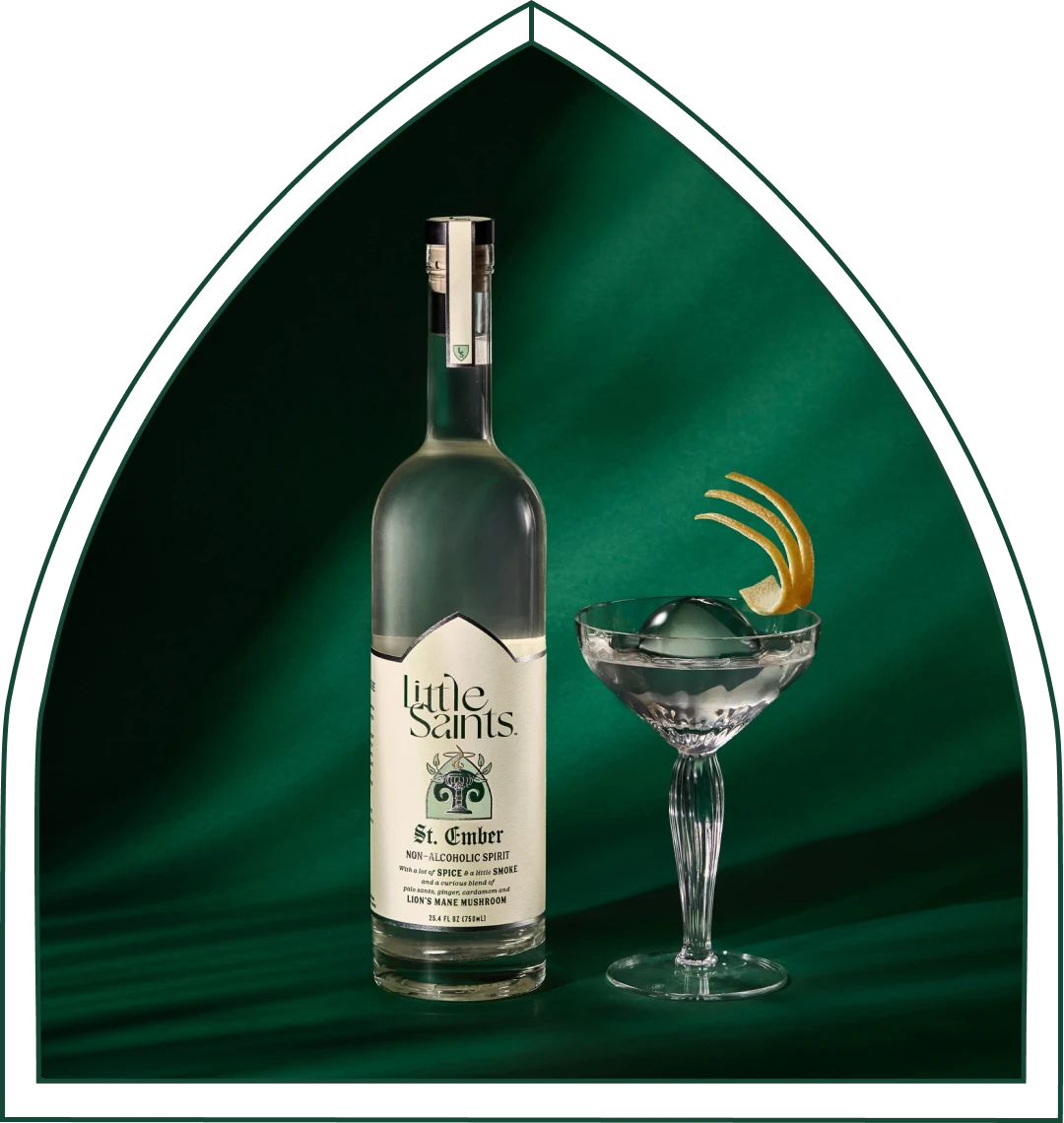
The built-in burn comes from a cardamom and capsicum extract. The natural cloudiness and body come from the Lion's Mane mushroom extract, which provides 100mg of organic Lion's Mane per serving at a minimum of 70% beta glucan, documented by certificates of analysis from the supplier. St. Ember is not a tequila replica; it is designed to behave like one in a cocktail. That behavior is what the recipe requires. It carries 4.7 out of 5 stars across 430 customer reviews on littlesaints.com, with 92% of reviewers saying they would recommend it (ratings captured August 2026).
For readers who want zero effort, the Little Saints Classic Margarita can is the zero-build version, with lime, bitter orange, and salt, zero grams of sugar, five calories, 0% ABV, and monk fruit juice concentrate as the only sweetener. Open, pour over ice, and the drink is ready.
For a full comparison of non-alcoholic tequila substitutes, see Best Non-Alcoholic Tequila Substitutes For Cocktails.
The No-NA-Spirit Build: Pantry Margarita When St. Ember Is Out
Even without a non-alcoholic spirit, you can build a convincing margarita-style drink from pantry ingredients. This version leans on citrus, monk fruit, and bubbles for structure.
Pantry-Only Zero Sugar Margarita (1 Serving)
- 1.5 oz fresh lime juice
- 0.75 oz fresh orange juice (Valencia or navel)
- 2 drops liquid monk fruit extract
- 1 pinch fine sea salt
- 2–3 oz chilled sparkling mineral water (added after straining)
- Coarse salt or Tajín rim
Build: Combine lime juice, orange juice, monk fruit drops, and salt in a shaker with ice. Shake for 12–15 seconds. Strain over fresh ice into a rimmed rocks glass. Top with sparkling mineral water. Keep the sparkling water out of the shaker so the bubbles stay intact.
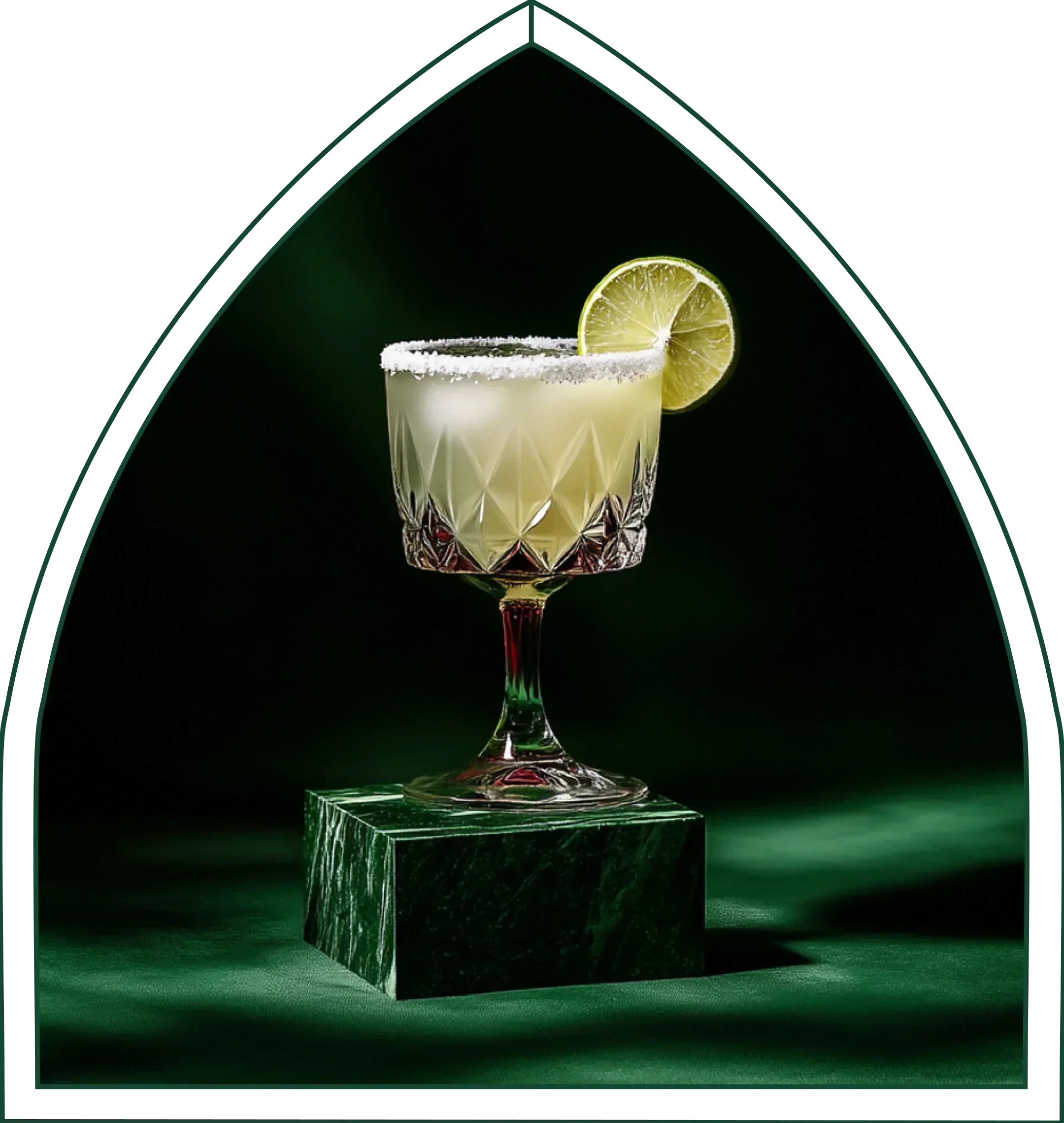
The orange element carries a key role that many fallback instructions skip. Without the orange juice, the drink becomes a simple limeade of lime juice, sweetener, and bubbles. Fresh orange juice provides the fruity depth that orange liqueur contributes to a classic margarita, and it makes this build taste like a margarita rather than a sparkling lemonade. The 0.75 oz pour in this pantry build is larger than the 0.5 oz in the St. Ember version because there is no spirit providing body. The orange juice carries more of the structural work here.
This build feels lighter in body than one made with St. Ember. There is no oil-based extract providing viscosity, and there is no burn at the back of the throat. It still delivers a credible, refreshing margarita-style drink, just with a softer profile.
The 3:2:1 Margarita Rule And How To Adapt It
The 3:2:1 margarita ratio is three parts tequila, two parts lime juice, and one part orange liqueur. This is a proportional formula, not a fixed recipe, so any consistent unit scales it from a single glass to a pitcher. Some bartenders define it as three parts tequila, two parts orange liqueur, and one part lime, which produces a sweeter, rounder result.
For a zero-sugar non-alcoholic adaptation, the ratio becomes 2 oz non-alcoholic spirit, 1 oz fresh lime juice, 0.5 oz fresh orange juice, and 2 drops liquid monk fruit extract in place of the sweetened liqueur. This keeps the structural balance while eliminating all added sugar.
Why The Salt Rim Matters In A Zero Sugar Margarita
The salt rim does flavor work that sugar would normally handle. It reduces bitterness and boosts the perception of sweetness and citrus. On a zero-sugar build, the rim functions as an ingredient, not decoration.
Use coarse kosher salt or flaky sea salt. Fine table salt over-salts and clumps. Coat only the outer half of the rim so the drinker can choose a salted or unsalted sip. Tajín, a blend of chili, lime, and salt, works well when the build already has strong citrus presence and a little heat fits the profile. It adds complexity that plain salt cannot match. Apply either by running a lime wedge around the outer rim and pressing it into a shallow dish of the seasoning.
Do They Make A True Zero Sugar Margarita Mix?
Most products labeled “skinny” or “low-sugar” margarita mix still carry sugar or sugar alcohols. Bottled sour mix typically contains 24–32 grams of carbohydrates per 4-ounce serving, and regular margarita mix runs 25–35 grams per 4 ounces. “Skinny” has no regulatory definition in the United States for alcoholic or non-alcoholic beverages, so the label means nothing without a nutrition panel review.
Check three details on the label: total sugars, which should read zero; the sweetener used, since sugar alcohols like erythritol do not qualify as zero sugar; and whether the first or second ingredient is a form of sugar or corn syrup.
Little Saints' canned Classic Margarita is sweetened with monk fruit juice concentrate only, with zero sugar, no erythritol, and no sugar alcohols, at five calories per can. The Little Saints spirits line contains no sweeteners at all. Any sweetness in St. Ember comes from the botanical extracts themselves. For a label-first look at canned options, see Best Canned Non-Alcoholic Margarita: A Label-First Look.
Find Your Zero Sugar Margarita Mix
Frequently Asked Questions
What Is A Non-Alcoholic Substitute For Tequila In A Margarita?
The most functional substitute is an oil-based non-alcoholic spirit that mixes 1:1, so two ounces replace two ounces without changing the recipe. St. Ember from Little Saints follows this model and mixes like a tequila or a mezcal. First-generation non-alcoholic spirits built on flavored water often require two to three times the standard pour to achieve any presence in the glass, which breaks the ratios and empties the bottle quickly. If no non-alcoholic spirit is available, fresh orange juice at 0.75 oz combined with lime juice, a zero-sugar sweetener, and sparkling water produces a credible pantry build, though it will feel lighter in body.
What Can I Use Instead Of Agave Syrup In A Margarita?
Liquid monk fruit extract (pure, with no erythritol) is the most precise zero-sugar substitute for a cold, shaken margarita. It dissolves instantly in cold liquid and contributes no calories or carbohydrates. As mentioned earlier, monk fruit extract is 200–300 times sweeter than sugar, so the correct dose is two drops per drink. Allulose, as noted earlier, is about 70% as sweet as sugar and adds body, so you measure it in teaspoons rather than drops. Fresh orange juice at 0.5 oz can replace the orange liqueur element without adding refined sugar, though it does contribute a small amount of natural fruit sugar.
How Much Sweetener Should I Use In A Zero Sugar Margarita?
For liquid monk fruit extract, start at two drops per drink and taste before adding more. The sweetness is intense enough that a single additional drop creates a noticeable change. For allulose, start at one teaspoon, approximately 5 ml, and adjust from there. The most common failure in a zero-sugar margarita is over-sweetening with monk fruit, because many bottle instructions describe a dose appropriate for a full glass of water rather than a 4-ounce cocktail. Dose in drops and stop early.
Does A Non-Alcoholic Margarita Taste Like A Real One?
A well-built non-alcoholic margarita made with an oil-based spirit like St. Ember lands as a cocktail. It has body, a burn at the back of the throat, citrus balance, and aromatic complexity from the botanicals. It behaves like a tequila margarita in the glass. The ratios work, the shaking technique is identical, and the drink holds up over ice. A pantry-only build without any non-alcoholic spirit is lighter and simpler, closer to a sparkling citrus drink than a full cocktail, because there is no extract providing viscosity or heat.
The statements made on our website have not been evaluated by the Food and Drug Administration, Our products are not intended to diagnose, treat, cure or prevent any disease. If you are pregnant, nursing, taking any medications or have any medical conditions, consult your doctor before use.