


Key Takeaways
- The ginger beer is the most important ingredient in a zero sugar Moscow Mule. Choose a spicy, well-carbonated zero-sugar option to avoid a thin or flat drink.
- A classic Moscow Mule gets almost all of its sugar from the ginger beer. A zero-sugar version removes that sugar when the label confirms 0 g.
- Fresh lime juice keeps the drink bright and crisp. Bottled lime juice often contains preservatives that mute flavor.
- When bottled zero-sugar ginger beer tastes weak or artificial, a homemade zero-sugar ginger syrup made with monk fruit or erythritol gives full control over spice and sweetness.
- Little Saints offers a non-alcoholic zero-sugar Moscow Mule using St. Ember, which follows the same 1:1 build ratio and adds functional mushroom extracts.
How To Make A Zero Sugar Moscow Mule
This build is simple, and the ginger beer decides whether the drink sings or falls flat. Here is the full recipe.
Ingredients
- 2 oz vodka
- 0.5 oz fresh lime juice, squeezed fresh, never bottled
- 4–6 oz zero-sugar ginger beer
- Ice
- Lime wedge, for garnish
Instructions
- Fill a copper mug or rocks glass with ice.
- Squeeze 0.5 oz of fresh lime juice directly into the glass.
- Add 2 oz of vodka.
- Pour 4–6 oz of zero-sugar ginger beer slowly down the side of the glass to preserve the fizz.
- Stir once, gently.
- Garnish with a lime wedge and serve immediately.
The 4 to 6 oz ginger beer range is intentional. A spicier, more carbonated bottle carries the drink at 4 oz, while a milder one needs the full 6 oz or the flavor collapses. Start at 4 oz, taste, and add more if the ginger character is not strong enough.
A classic Moscow Mule built with standard sweetened ginger beer carries roughly 12–18 grams of sugar per serving, almost all of it from the ginger beer. The vodka and fresh lime juice contribute negligible sugar. A keto or low carb Moscow Mule built with a zero-sugar ginger beer carries essentially none from the mixer. The label on the bottle carries the exact number, and it is the only variable worth checking.
Why bottled lime juice fails here: Fresh lime juice is the standard among serious bartenders for a Moscow Mule. Bottled lime juice often contains sulfites and preservatives that flatten the drink's brightness entirely. Squeeze it fresh.
How To Choose A Zero Sugar Ginger Beer By Taste
This choice determines the drink's flavor, texture, and sweetness. The mixer is where a Moscow Mule is won or lost, more than the vodka. Brands change formulas often, so choosing by attributes rather than brand name gives more consistent results.
Spicy vs. Mild, And How To Read The Label
Ginger beer labels sometimes flag spiciness with words such as "extra spicy," "hot," or "strong." Look for ginger listed high in the ingredient statement, for words like "brewed" or "fermented," and for a cloudy appearance in the bottle. Ginger beer should be spicy and taste like real, fresh ginger. A mild, clear ginger beer that is filtered rather than brewed cloudy is likely closer to ginger ale in character. Ginger ale is transparent and mellow, while typical ginger beer is cloudy and stronger-tasting, and ginger ale produces a noticeably flatter, less spicy drink.
What “Diet” Labeling Hides
A product labeled "diet" is not necessarily zero sugar or zero calorie. Diet ginger beers split into two formulation camps: one keeps some real sugar in reduced amounts, and one uses non-nutritive sweeteners to reach zero calories and zero carbs. Both are legally permitted to carry the "diet" label. Read the Nutrition Facts panel instead of relying on the front of the can.
The sweetener type shapes the flavor. Common zero-sugar options include monk fruit, stevia, erythritol, and sucralose. Even zero-calorie sweeteners can leave a medicinal aftertaste if overused, and sucralose exhibits a prolonged lingering sweet aftertaste in certain beverage compositions, especially cola beverages, which consumers consider undesirable. Monk fruit and erythritol blends are often described as having a clean, sugar-like flavor profile. Sucralose is sometimes noted to have a metallic or artificial aftertaste, although many products taste neutral, so perception depends on the specific formulation. If a zero-sugar ginger beer tastes artificially sweet or leaves a chemical finish, the sweetener is the likely cause. Try a different formulation.
Carbonation Level
A Moscow Mule depends on cold temperature and strong carbonation. Some zero-sugar ginger beers taste flat because reformulation reduces natural carbonation. Look for fine, persistent bubbles rather than large, fast-dissipating ones. A bottle that goes flat within two minutes of opening will produce a thin, lifeless drink.
A Label-Reading Checklist
- Check the Nutrition Facts panel and confirm 0 g sugar, not just "diet" on the front label.
- Check the ingredient statement and look for ginger early in the list, not as a trace flavoring.
- Check the sweetener and favor monk fruit and erythritol blends when you want a cleaner finish than sucralose alone.
- Check the appearance. A slightly cloudy bottle often signals real brewed ginger rather than ginger extract in water.
- Taste it flat before building the drink. If it tastes too sweet or artificial on its own, it will taste that way in the glass.
Zero Sugar Moscow Mule Recipe Without Bottled Ginger Beer
A homemade zero-sugar ginger syrup topped with soda water solves weak spice and artificial aftertastes. This approach also targets searches for a zero sugar Moscow Mule recipe with no ginger beer and gives more control over both spice level and sweetness than any bottled product.
Zero-Sugar Ginger Syrup
- 1 cup fresh ginger, peeled and thinly sliced
- 1 cup water
- ¾ cup allulose (or an alternative sweetener such as monk fruit or a monk fruit–erythritol blend, adjusted to taste)
- Pinch of sea salt
Method
- Combine ginger and water in a small saucepan over medium heat.
- Bring to a gentle simmer, not a hard boil, and simmer partially covered for 45 minutes.
- Remove from heat and steep covered off heat for an additional 20 minutes. Longer steeping produces more heat. Taste at 20 minutes and steep further if needed.
- Strain through a fine-mesh strainer, pressing the ginger solids to extract liquid.
- Return the strained liquid to the saucepan over low heat. Add the sweetener and salt, stirring until fully dissolved. Do not boil.
- Cool completely before using. Refrigerate in an airtight container for about 7 to 14 days, since lower-sugar syrups contain more free water and are more susceptible to microbial growth than sugar-based syrups.
The PlatedFocus low-carb, sugar-free ginger syrup recipe makes 1 cup of syrup, which the source lists as 1 cup of servings. If portioned at a half-ounce each, that equals about 16 servings.
To Build The Drink Without Ginger Beer: Combine 2 oz vodka, 0.5 oz fresh lime juice, and 0.75 oz of the homemade zero-sugar ginger syrup in a shaker with ice. Strain into a copper mug or highball filled with ice, then top with club soda. Stir once. Taste and add more ginger syrup in small increments if the ginger character is not strong enough.
The trade-off versus a bottled zero-sugar ginger beer is simple. Making sugar-free syrup at home takes about 15 minutes of active time and gives complete control over sweetness, with a syrup that can avoid artificial aftertastes. Store-bought zero-sugar syrups often rely on artificial sweeteners that cause a chemical aftertaste, so the syrup route is worth it when the shelf options fail.
Troubleshooting A Thin Or Too-Sweet Zero Sugar Moscow Mule
If the drink tastes thin:
- Add a few more drops of fresh lime juice. Acidity sharpens the perception of ginger and gives the drink structure.
- Add a small pinch of salt. Salt suppresses bitterness and amplifies other flavors without making the drink taste salty.
- Switch to a spicier ginger beer, or add a small splash of the from-scratch ginger syrup from the previous section to boost ginger intensity. Remember that traditional ginger syrups made with sugar add sugar to the drink.
If the drink tastes too sweet:
- If a zero-sugar Moscow Mule tastes cloyingly sweet, the sweetener blend in the sugar-free ginger beer (such as erythritol or stevia) is likely the cause. Try a different formulation with a cleaner sweetener profile. To fix the current drink, add 5–10 ml fresh lime juice or a small splash of soda water. Next time, shorten the ginger beer pour to 90–105 ml (3–3.5 oz).
On the copper mug: The mug affects tradition and presentation more than chemistry. Calories come from the ingredients poured into the vessel. The copper mug helps keep the drink colder longer, and copper’s thermal conductivity maintains sub-42°F liquid temperature significantly longer than glass. That matters because a warm, flat Moscow Mule tastes noticeably worse. A rocks glass works. A chilled copper mug works better.
How To Make A Non-Alcoholic Zero Sugar Moscow Mule
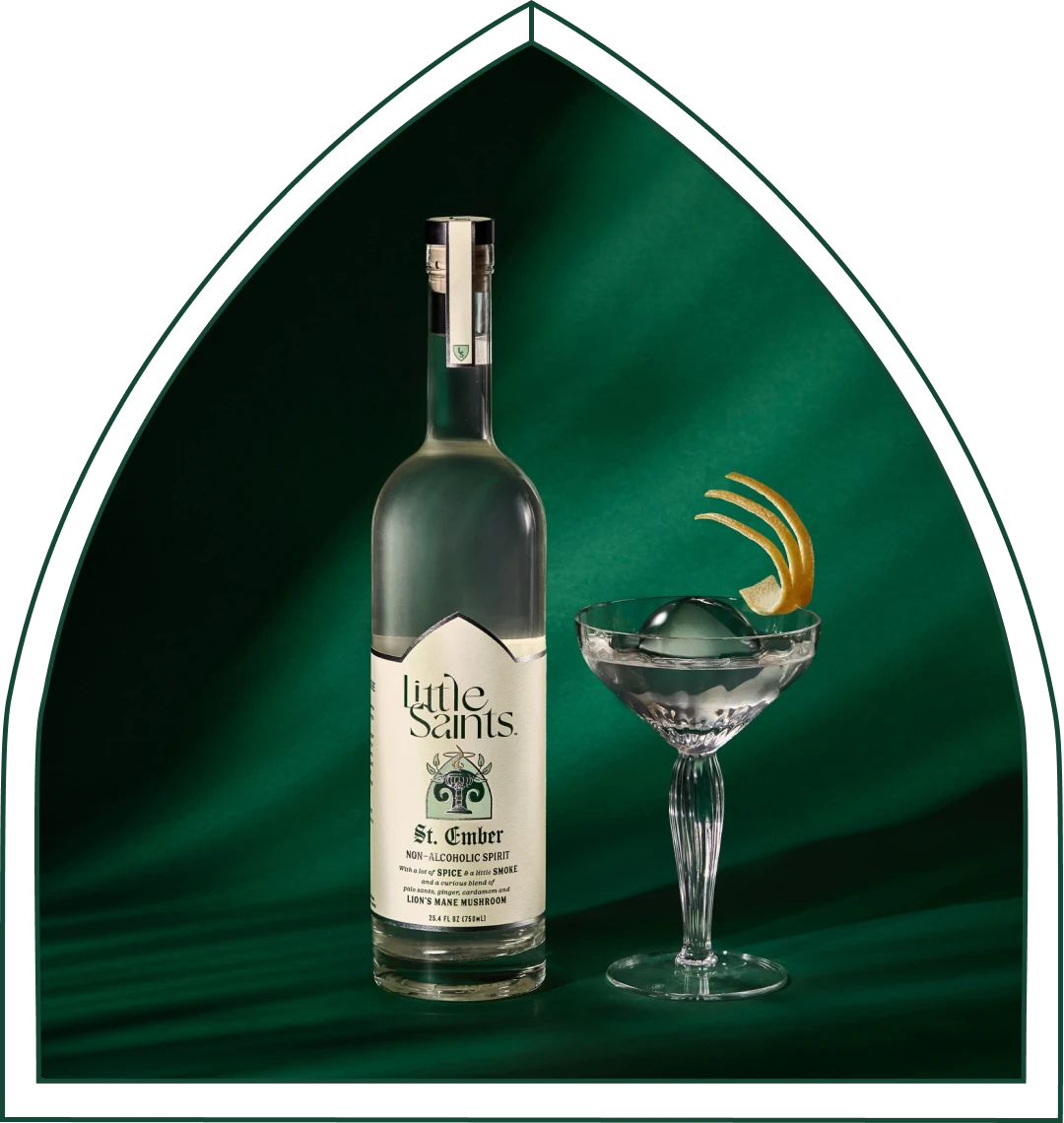
The non-alcoholic build uses Little Saints St. Ember at a 1:1 substitution, with 2 oz of St. Ember in place of 2 oz of vodka. St. Ember is built on oil-based craft extracts rather than the flavored water common in first-generation non-alcoholic spirits, so it holds up in a cocktail build at the same volume as the spirit it replaces.
St. Ember is inspired by the flavors of a light, spicy mezcal, with palo santo, ginger, and cardamom, and it mixes like a tequila or a mezcal. In the non-alcoholic Ember Glow Mule mocktail, made with Little Saints St. Ember and non-alcoholic ginger beer, St. Ember's smoky, earthy character works with the ginger beer's spicy kick. It adds a woodsy, slightly smoky note to the drink's ginger heat.
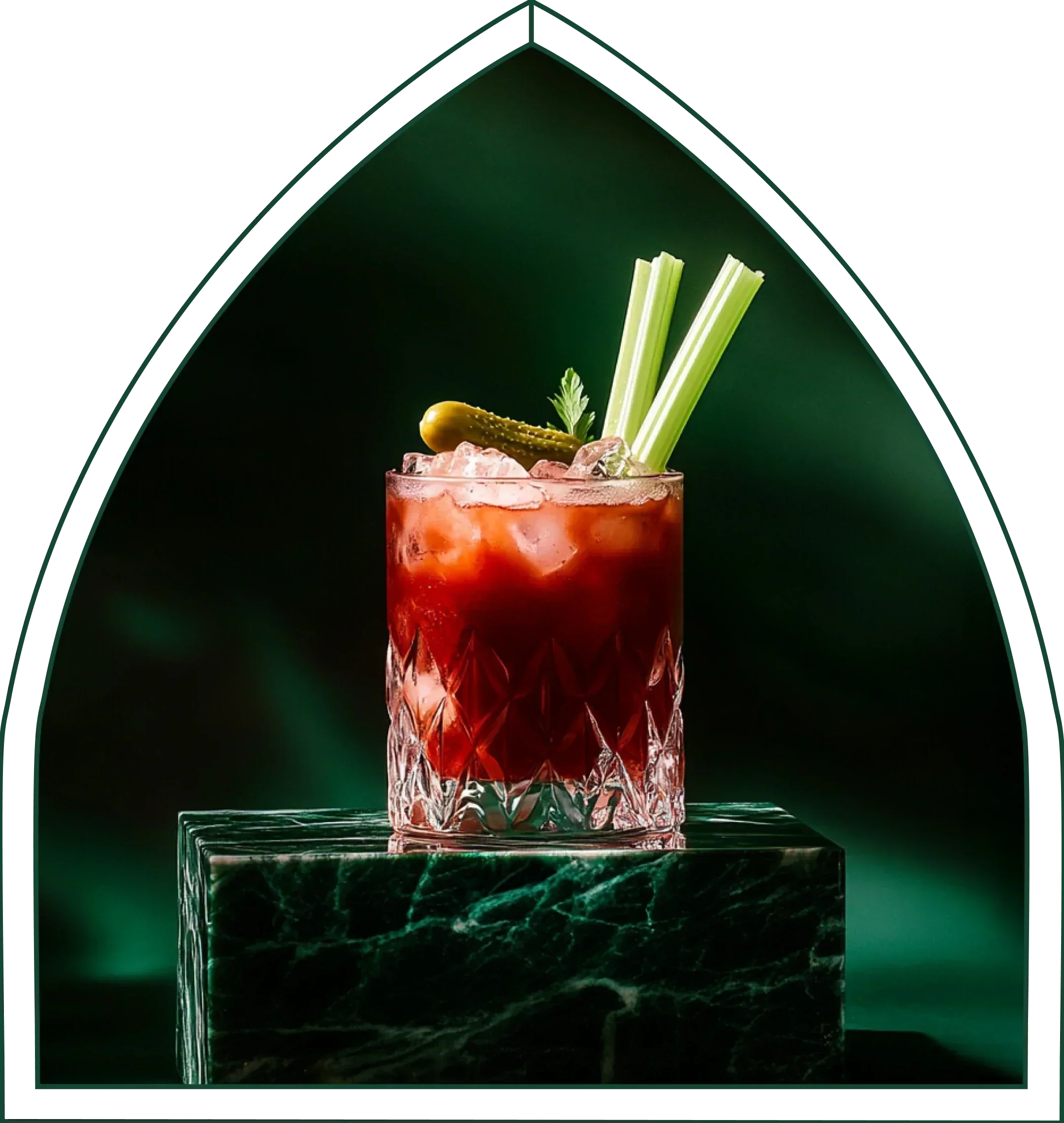
Non-Alcoholic Zero Sugar Moscow Mule
- 2 oz Little Saints St. Ember
- 0.5 oz fresh lime juice
- 4–6 oz zero-sugar ginger beer
- Ice
- Lime wedge, for garnish
Build this version exactly as the alcoholic one. Add ice first, then lime juice, then St. Ember, then ginger beer poured slowly down the side, followed by one gentle stir and a lime wedge garnish.
St. Ember carries zero grams of sugar and uses no sweeteners. It also carries Little Saints' functional platform, Nature's Neuroscience, which includes organic Reishi, organic Lion's Mane, Damiana, and botanical terpenes. Every serving delivers 100 mg of mushroom extract at a minimum of 70% beta glucan, the fraction of the mushroom that carries its adaptogenic properties, documented by certificates of analysis from the supplier. The feeling is what Little Saints calls the Little Saints Lift: clarity and ease, without intoxication. St. Ember is non-intoxicating, non-psychoactive, and 100% legal.
For more on building a full non-alcoholic Moscow Mule, including ingredient variations and occasion ideas, see Little Saints' dedicated non-alcoholic Moscow Mule coverage.
These statements have not been evaluated by the FDA. Little Saints products are not intended to diagnose, treat, cure, or prevent any disease. Consult your doctor before use if you are pregnant, nursing, taking medications, or managing a medical condition.
Sugar And Calories In A Zero Sugar Moscow Mule
Now that you have the recipe, it helps to see where the sugar in a Moscow Mule comes from and how much you save by going zero-sugar. A classic Moscow Mule is high in sugar. A standard build carries approximately 12–18 grams of sugar per serving, almost entirely from the sweetened ginger beer. The vodka and fresh lime juice contribute negligible sugar, so the ginger beer sets the drink's sugar content.
A zero sugar Moscow Mule built with a zero-sugar ginger beer carries essentially none from the mixer. The label on the ginger beer bottle carries the exact figure. No two products are identical, so check the number rather than assuming.
The table below compares three Moscow Mule builds by mixer source, sugar from the mixer, and how much control you have over spice. Sugar figures are approximate when exact label values vary. Always check the label for precise numbers.
| Build | Mixer Source | Sugar From Mixer | Control Over Spice |
|---|---|---|---|
| Classic Moscow Mule | Standard sweetened ginger beer | ~12–18 g per serving | Low |
| Zero Sugar Moscow Mule | Zero-sugar ginger beer | Essentially none from the mixer, confirm on label | Low |
| From-Scratch Syrup Build | Homemade zero-sugar ginger syrup + soda water | Essentially none, monk fruit or erythritol blend carries no sugar | High |
Little Saints St. Ember carries zero grams of sugar and uses no sweeteners. The Little Saints canned cocktails carry zero grams of sugar and five calories per can, sweetened with monk fruit juice concentrate.
Frequently Asked Questions About The Zero Sugar Moscow Mule
Here are answers to common questions about making and serving a zero-sugar Moscow Mule at home.
Can I Make A Sugar-Free Moscow Mule?
Yes. A sugar-free Moscow Mule uses the same 2 oz vodka and 0.5 oz fresh lime juice as the classic build, with a zero-sugar ginger beer in place of the standard sweetened version. The vodka and fresh lime juice contribute negligible sugar on their own, and the ginger beer is the only ingredient that carries meaningful sugar in a classic Mule. Swapping it for a zero-sugar formulation removes that contribution. Read the Nutrition Facts panel on the ginger beer to confirm it states 0 g sugar rather than relying on "diet" labeling, which does not always mean zero sugar.
Is A Moscow Mule High In Sugar?
A classic Moscow Mule is moderately high in sugar, with most of it coming from the ginger beer. A standard build carries roughly the 12–18 grams of sugar per serving mentioned earlier, depending on the brand and volume of ginger beer used. The vodka contributes no sugar, and fresh lime juice contributes a negligible amount. A zero sugar Moscow Mule built with a zero-sugar ginger beer carries essentially none from the mixer, making it a workable option for keto, low-carb, or sugar-conscious drinkers.
How Do I Make A Nonalcoholic Moscow Mule?
Substitute 2 oz of a non-alcoholic spirit for the 2 oz of vodka at a 1:1 ratio, keeping the same lime juice and zero-sugar ginger beer. Little Saints St. Ember, built on palo santo, ginger, and cardamom, mixes like a tequila or a mezcal and works well in this build, adding a spicy, woodsy note that complements the ginger beer's heat. As noted earlier, St. Ember has zero sugar and carries the full Little Saints functional blend at a stated 100 mg dose per serving. Build the drink exactly as you would the alcoholic version: ice, lime juice, spirit, ginger beer poured slowly down the side, one gentle stir.
What Can I Use Instead Of Vodka For A Moscow Mule?
Any neutral or lightly flavored spirit works in the Moscow Mule template. Bourbon produces a Kentucky Mule. Tequila produces a Mexican Mule. Gin produces a Gin Mule. The ginger beer is the dominant flavor driver in all of these builds, so the spirit choice shifts the drink’s character without changing the structure. For a non-alcoholic build, a zero-proof spirit that mixes at 1:1, such as Little Saints St. Ember, keeps the same ratio and the same build process. Avoid spirits with heavy sweetness or strong competing flavors, since the ginger beer needs room to lead.
How Do I Make A Skinny Moscow Mule?
A skinny Moscow Mule reduces sugar and calories by replacing the standard sweetened ginger beer with a zero-sugar or diet ginger beer, and by using a measured 2 oz vodka pour rather than a free pour. Fresh lime juice at 0.5 oz adds brightness without adding meaningful sugar. The result carries essentially no sugar from the mixer and significantly fewer calories than the classic build. For the lowest possible sugar count, confirm the ginger beer label reads 0 g sugar rather than simply "diet," and skip any added syrups or sweeteners.
What If My Zero-Sugar Ginger Beer Is Too Mild?
If a zero-sugar ginger beer is too mild, add a small splash of the from-scratch zero-sugar ginger syrup from the recipe above. Start around 10 ml for soda builds, then adjust after dilution and carbonation. A pinch of salt also sharpens the perception of ginger without adding sweetness. If the problem is carbonation rather than spice, the ginger beer may have lost its fizz. Pour it slowly down the side of the glass immediately after opening and stir only once. For a consistently spicier result, look for a zero-sugar ginger beer that lists ginger root or ginger root juice early in the ingredient statement, since ingredients are listed in descending order by weight. A slightly cloudy appearance, which indicates real ginger particulate in suspension, also signals higher real-ginger content.
The statements made on our website have not been evaluated by the Food and Drug Administration, Our products are not intended to diagnose, treat, cure or prevent any disease. If you are pregnant, nursing, taking any medications or have any medical conditions, consult your doctor before use.