


Key Takeaways: Zero Sugar, Low Calorie, Realistic Choices
- Zero sugar, low calorie cocktails follow a simple build: 1.5 oz distilled spirit plus a zero-calorie mixer like club soda or sparkling water.
- Every recipe here stays under 100 calories with zero added sugar by using fresh citrus and skipping pre-made mixers, tonic water, and simple syrup.
- Popular options include Vodka Soda (~96–100 calories), Ranch Water (~100–105 calories), Gin Rickey (~115 calories), Tequila Soda with Lime (~96–100 calories), and a Skinny Margarita (~100 calories).
- Alcohol still disrupts sleep and recovery regardless of calorie count, which is why many people now explore non-alcoholic alternatives.
- Little Saints offers zero sugar, five-calorie non-alcoholic spirits with functional mushrooms — explore all three spirits.
Vodka Soda: Simple, Dry, and Under 100 Calories
A 1.5 oz pour of 80-proof vodka contributes approximately 97 calories from ethanol alone, 0 g sugar, and 0 g carbohydrates. A squeeze of fresh lime plus club soda keeps the drink at approximately 96–100 calories with 0 g added sugar. Bar script: "Vodka soda, tall, with a lime wedge, no tonic, club soda only."
Ranch Water: Tequila, Lime, and Bubbles
Ranch Water combines 1.5 oz blanco tequila, the juice of half a lime (roughly 4 calories, 0 g sugar), and sparkling mineral water. Tequila at 80 proof runs 96 calories per 1.5 oz, 0 g sugar. The lime and mineral water bring the total to approximately 100–105 calories with zero added sugar. Bar script: "Blanco tequila, sparkling water, fresh lime, no mix, no syrup."
Gin Rickey: Classic Highball With Citrus
A Gin Rickey uses 1.5 oz gin, fresh lime juice, and club soda. Gin at 80 proof delivers 97 calories per 1.5 oz, 0 g sugar. A full ounce of fresh lime juice adds 8 calories and 0.5 g naturally occurring sugar, with no added sugar. Club soda contributes zero calories. Total: approximately 115 calories with 0 g added sugar. Bar script: "Gin Rickey, gin, fresh lime, club soda, no simple syrup."
Tequila Soda With Lime: Ranch Water’s Close Cousin
This build uses 1.5 oz blanco tequila, 1 oz fresh lime juice, and club soda. The profile matches the earlier tequila specs at approximately 96–100 calories with 0 g added sugar. The extra lime over the Ranch Water spec adds roughly 8 calories and keeps added sugar at zero. Bar script: "Tequila soda, 1.5 oz blanco, fresh lime juice, club soda, no margarita mix."
Skinny Margarita Spec: Lowest-Calorie Margarita Build
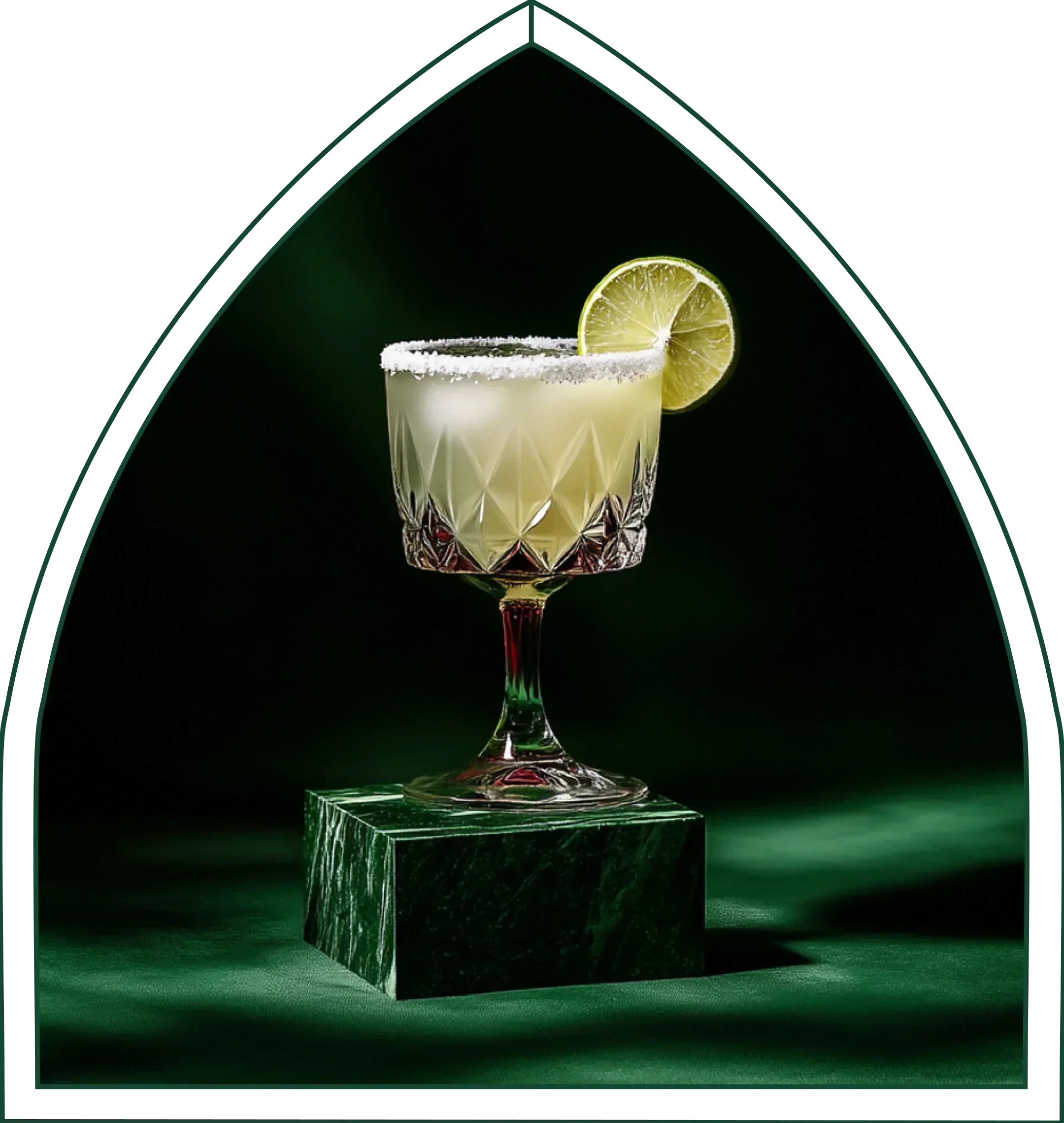
The lowest-calorie margarita skips triple sec, which adds both calories and sugar, and keeps the build tight. Use 1.5 oz blanco tequila (96 calories), 1 oz fresh lime juice (8 calories and 0.5 g naturally occurring sugar), and a salted rim. No commercial margarita mix: substituting a commercial mix raises carbohydrates from roughly 7.5 g to 29 g in a 4 oz glass. Total: approximately 100 calories, 0 g added sugar. Bar script: "Skinny margarita, blanco tequila, fresh lime only, salted rim, no triple sec, no mix."
Side-by-Side Cocktail Comparison
The table below compares all five cocktails on sugar and calories. It shows that while these builds keep mixer calories low, they still share the same alcohol-driven recovery penalty.
The table uses USDA FoodData Central values for spirit calories and HandyChefDom cocktail nutrition references for mixer contributions.
| Cocktail | Sugar (g) | Calories |
|---|---|---|
| Vodka Soda | 0 g added sugar | ~96–100 |
| Ranch Water | 0 g added sugar | ~100–105 |
| Gin Rickey | 0 g added sugar | ~115 |
| Tequila Soda with Lime | 0 g added sugar | ~96–100 |
| Skinny Margarita | 0 g added sugar | ~100 |
| Little Saints (St. Ember, St. Juniper, or St. Oak — 2 oz serve) | 0 g sugar, sweetened with monk fruit | Negligible (canned line: 5 calories per 8 oz can) |
All five alcoholic cocktails share the same recovery cost: alcohol disrupts sleep architecture later in the night and impairs next-day recovery metrics, even when the drink stays under 100 calories.
What to Order at the Bar With No Sugar
These bar scripts work at most bars and restaurants and keep sugar at zero by naming both the mixer and the exclusions.
- "Vodka soda, tall, with a lime wedge, no tonic, club soda only."
- "Blanco tequila, sparkling water, fresh lime, no mix, no syrup."
- "Gin Rickey, gin, fresh lime, club soda, no simple syrup."
- "Tequila soda, 1.5 oz blanco, fresh lime juice, club soda, no margarita mix."
- "Skinny margarita, blanco tequila, fresh lime only, salted rim, no triple sec, no mix."
The single most important phrase at any bar is no mix. Pre-made cocktail mixers such as margarita mix, sweet-and-sour mix, and grenadine often list high-fructose corn syrup as a top ingredient. Tonic water creates a separate trap. Tonic water contains sugar, unlike club soda or sparkling water, and adds hidden carbohydrates to any build. At 1 oz, tonic water contributes 11 calories and 3 g sugar, and most pours run 4–6 oz.
What Alcohol Has 0 Carbs and 0 Sugar
These ordering scripts work because distilled spirits themselves contain zero sugar, a fact worth understanding before you order. Distilled spirits such as vodka, gin, tequila, whiskey, and rum contain 0 g carbohydrates and 0 g sugar per 1.5 oz serving at 80 proof because distillation removes fermentable sugars. All calories come from ethanol at approximately 7 calories per gram of alcohol.
The 1.5 oz spirit plus zero-calorie mixer formula works because the spirit contributes no sugar and the mixer, such as club soda, sparkling water, or fresh citrus, contributes none either. What breaks the formula: simple syrup at 0.5 oz adds 48 calories and 12 g sugar, and triple sec at 0.75 oz adds calories and sugar. Liqueurs, flavored spirits, and any pre-made mix reintroduce sugar immediately.
Understanding which spirits contain zero carbs and sugar is the first step, but for anyone tracking weight management goals, the metabolic impact of alcohol itself matters just as much as the mixer.
Low Calorie Cocktails for Weight Loss
Keeping a cocktail under 100 calories with zero added sugar solves the mixer problem but not the alcohol problem. The body prioritizes metabolizing alcohol before other fuels, which temporarily slows fat metabolism and can work against weight-management goals when low-carbohydrate drinks are consumed frequently or paired with late-night eating. Beyond that metabolic shift, alcohol adds calories independently of carbohydrate content and may increase appetite while reducing food-related self-control. The recipes ranked above minimize the mixer-calorie problem but do not remove the metabolic cost of ethanol itself.
Thirty percent of U.S. consumers are actively reducing their alcohol intake, motivated by avoiding negative health impacts including better sleep and improved focus. The evening ritual can still feel special without alcohol in the glass.
Zero Sugar Low Calorie Cocktails for Diabetics
For people managing blood sugar, the mixer matters, and the alcohol itself matters as well. Spirits such as vodka, gin, whiskey, or tequila at 1.5 oz contain 0 g carbohydrate on their own and are considered lower impact for blood sugar when paired only with sugar-free mixers such as club soda with lime. The hidden-sugar warnings above apply with particular force here. Cola at 1 oz contributes 3 g sugar, and ginger beer at 1 oz contributes 3 g sugar, and most bar pours run several ounces. Tonic water is not a safe substitute for club soda.
Beyond the metabolic priority shift discussed earlier, alcohol creates a separate blood-sugar risk regardless of carbohydrate content. Alcohol-induced hypoglycemia typically occurs 6–12 hours after drinking, and can occur up to 24 hours later, because the liver prioritizes metabolizing alcohol over releasing stored glucose, with the highest risk during sleep for those on insulin or sulfonylureas. The American Diabetes Association advises people with diabetes to limit alcohol intake to one drink per day for women and two for men, and never to drink on an empty stomach. Anyone managing diabetes or taking glucose-lowering medications should consult their physician before making changes to alcohol consumption.
For those who do choose to drink after consulting their physician, the safest ordering tactic at a bar is to specify club soda or sparkling water explicitly, request fresh citrus only, and decline any pre-made mix. The bar scripts in the section above are written to do exactly that while removing mixer sugar even if alcohol-related glucose risk remains.
Little Saints: Matching the Spec Without the Alcohol
Every alcoholic option ranked above achieves zero added sugar and sub-100 calories by pairing a distilled spirit with a zero-calorie mixer. Little Saints non-alcoholic spirits, St. Ember, St. Juniper, and St. Oak, match that profile and go further on two dimensions: no alcohol and a verified functional mushroom blend in every pour.
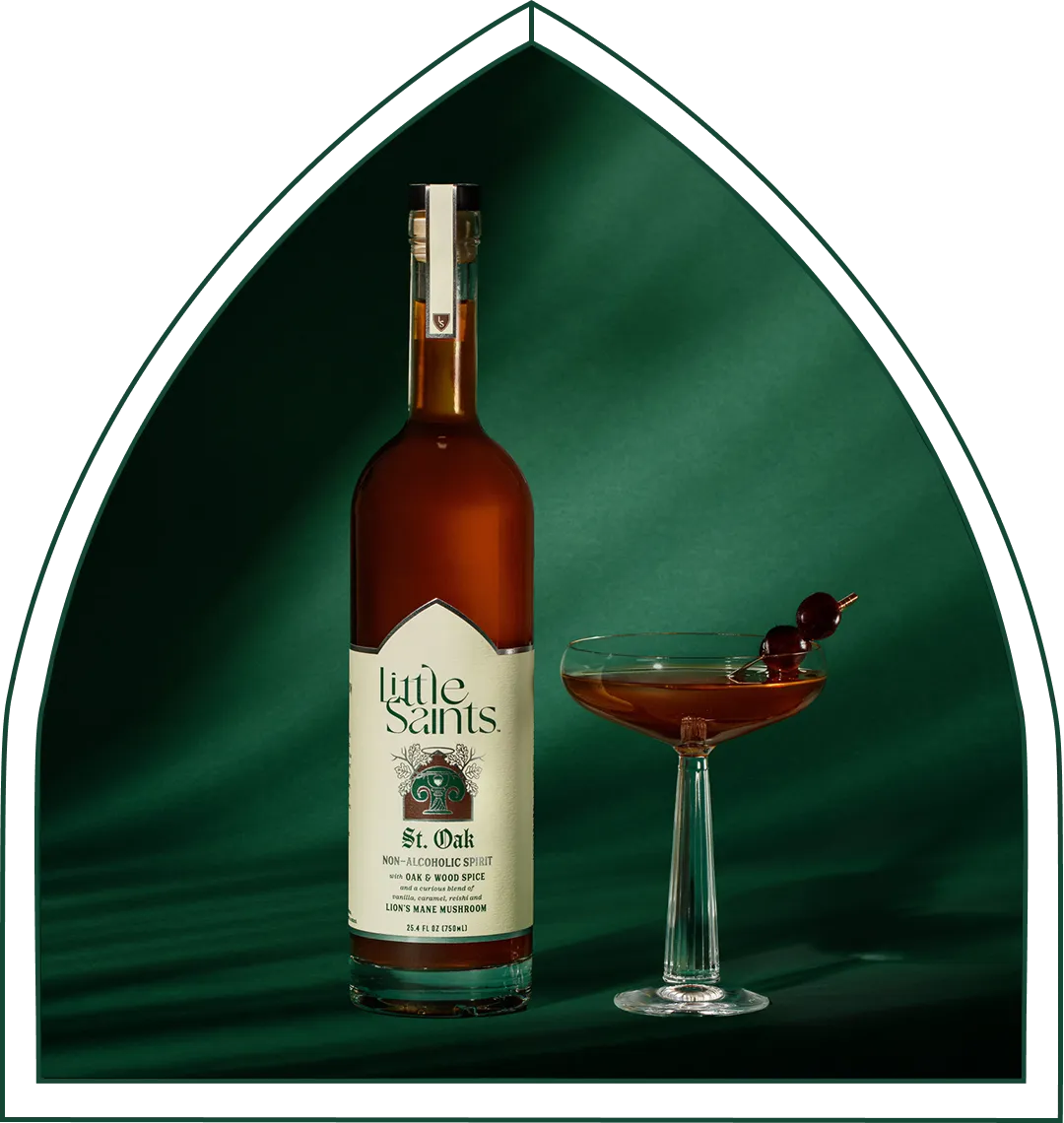
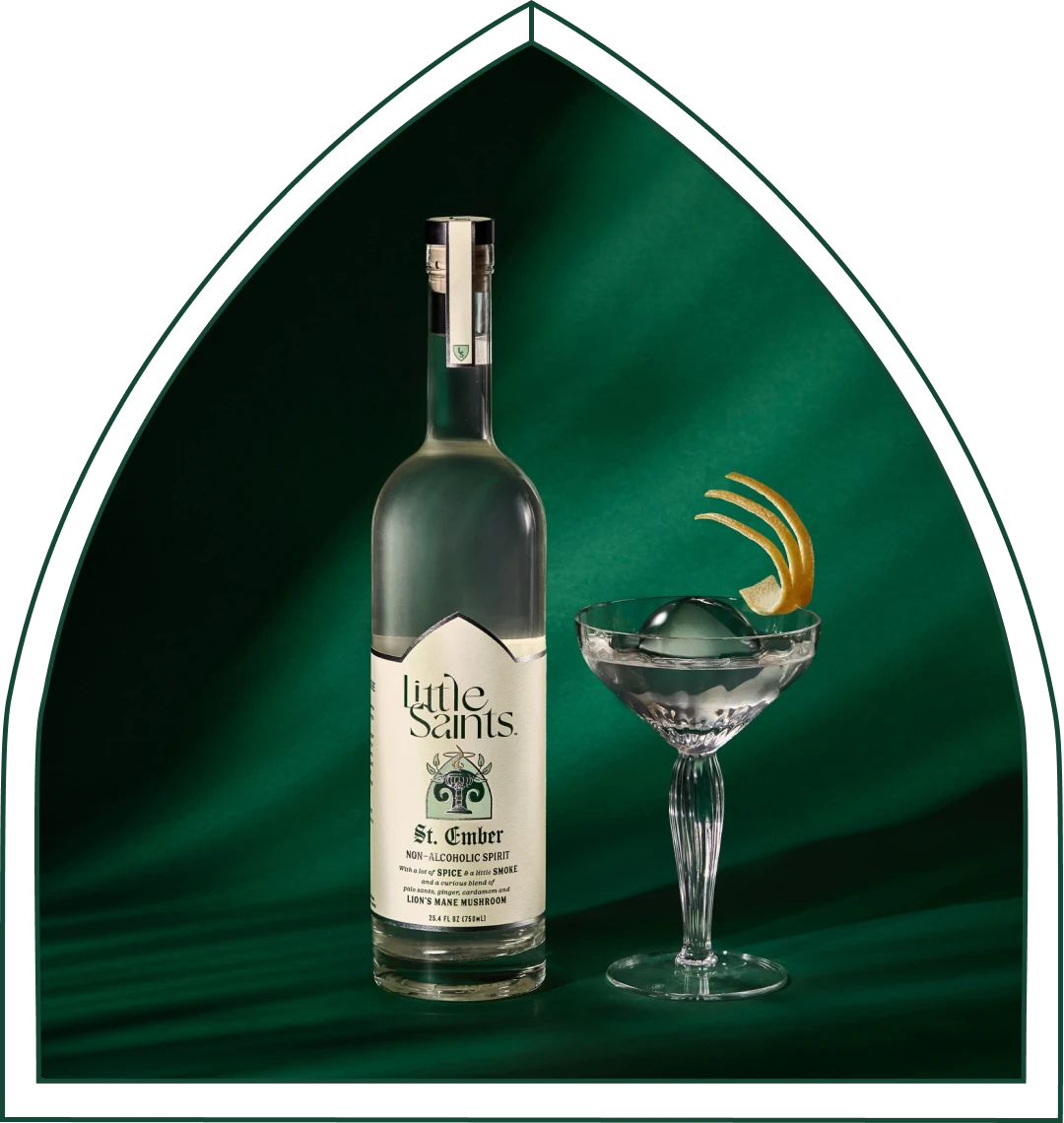
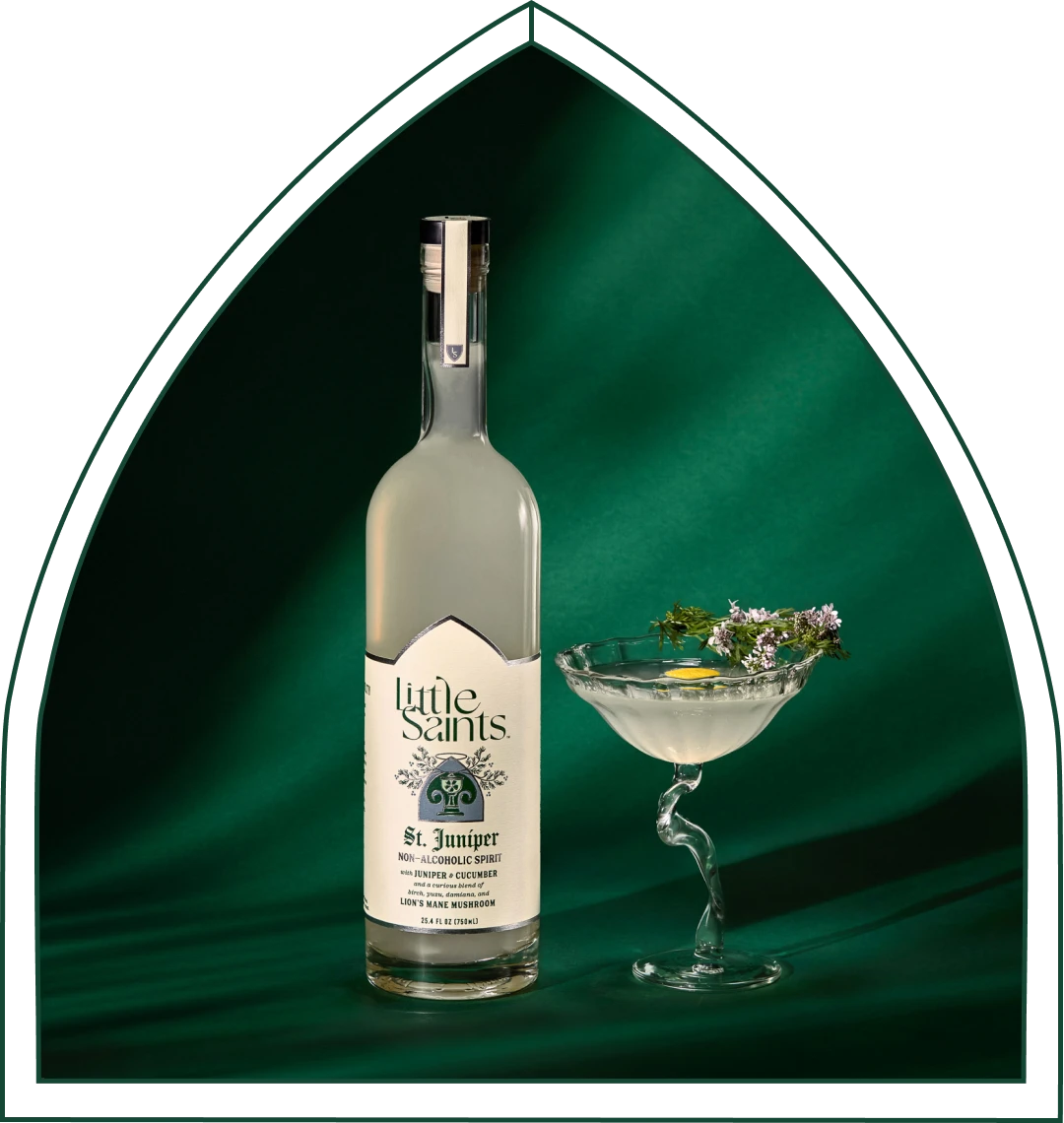
St. Ember captures the notes of a light, spicy mezcal with palo santo, ginger, and cardamom and mixes like a tequila or mezcal at a 1:1 ratio in any of the recipes above. St. Juniper brings juniper, cucumber, and herbaceous botanicals and mixes like a gin in a Rickey, a gimlet, or a martini. St. Oak delivers oak, vanilla, and warm spice and mixes like a whiskey in an old fashioned or a manhattan. All three carry 0 g sugar, are sweetened with monk fruit, have negligible calories (canned line: 5 calories per 8 oz can), and contain no alcohol. Any sweetness comes from the botanical extracts and monk fruit.
What separates Little Saints from the 1.5 oz spirit plus zero-calorie mixer formula is what happens after the drink. Alcohol disrupts sleep architecture and shows up in the recovery metrics that the Balanced Health Enthusiast and the Performance-Focused Optimizer track every morning on their Oura or Whoop. Blood alcohol concentration (BAC), the measure of alcohol in the bloodstream, is zero with Little Saints, which means no next-day recovery penalty and no interference with sleep scores.
Each Little Saints spirit carries 100 mg of organic Lion's Mane extract per serving, standardized to a minimum of 70% beta glucan, the active fraction that delivers the mushroom's adaptogenic properties. That concentration makes the extract up to 700 times more potent than a whole mushroom, which typically contains only 0.1% beta glucan. The full Nature's Neuroscience blend includes organic Reishi for calm, organic Lion's Mane for focus, Damiana for connection, and botanical terpenes for sensory depth, all sourced from USDA Organic mushrooms grown in California and extracted using ultrasound rather than chemical solvents. Unlike most functional beverage brands, Little Saints prints the exact dose on the label, 100 mg per serving, and backs it with certificates of analysis from the supplier.
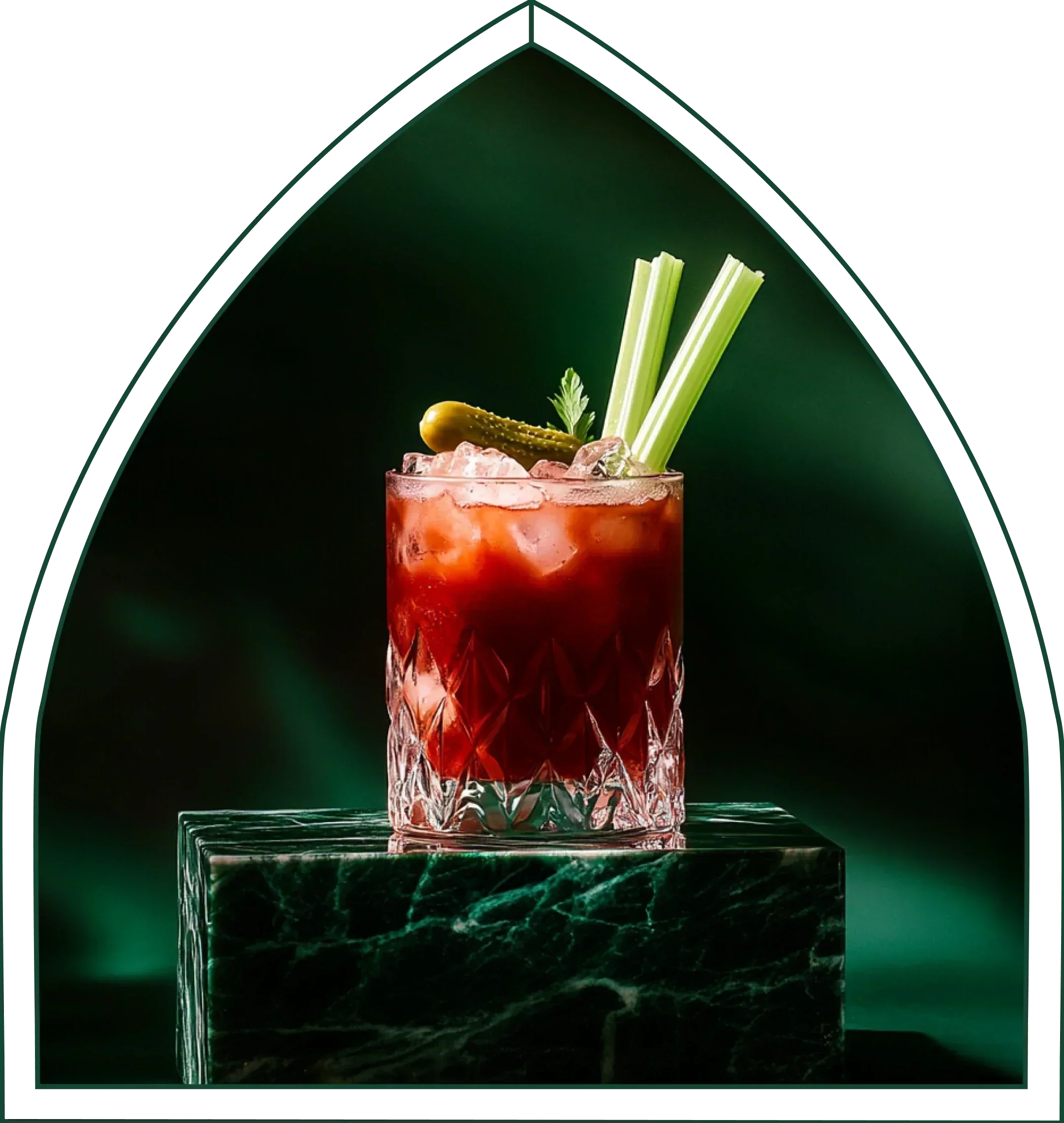
The result is what Little Saints calls the Little Saints Lift, a sense of clarity and ease that stands in for what some seek from the first sip of a cocktail, without the metabolic cost. St. Oak was named Best NA Spirit of 2025 by the BevNET Spirit Awards. Customer reviews on littlesaints.com rate St. Ember at 4.7/5 across 430 reviews (92% recommend), St. Juniper at 4.6/5 across 147 reviews (93% recommend), and St. Oak at 4.5/5 across 133 reviews (87% recommend); all ratings are accumulated customer reviews on littlesaints.com, captured August 2026.
These statements have not been evaluated by the Food and Drug Administration. Little Saints products are not intended to diagnose, treat, cure, or prevent any disease. Consult your physician before use if you are pregnant, nursing, taking medications, or managing a medical condition.
Conclusion: Bringing It All Together
The ranked recipes above, Vodka Soda at ~96–100 calories, Ranch Water at ~100–105 calories, Gin Rickey at ~115 calories, Tequila Soda with Lime at ~96–100 calories, and Skinny Margarita at ~100 calories, all achieve zero added sugar by applying the same formula: 1.5 oz distilled spirit, zero-calorie mixer, fresh citrus only. The bar scripts make that formula portable to any on-premise occasion. The hidden-sugar guardrails, no tonic, no mix, no triple sec, no pre-made anything, keep the formula intact when someone else is building the drink.
For the evening ritual without the BAC, the sleep disruption, or the next-day recovery cost, Little Saints St. Ember, St. Juniper, and St. Oak match the spec established above while adding a supplement-grade functional mushroom blend at a published dose and a published beta glucan content. That combination of cocktail-grade flavor, negligible calories, and a verified functional blend currently stands alone in the category.
Frequently Asked Questions
What makes a cocktail truly zero sugar?
A cocktail reaches zero added sugar when every ingredient contributes no sugar of its own. Distilled spirits such as vodka, gin, tequila, and whiskey contain 0 g sugar per 1.5 oz serving because distillation removes fermentable sugars, so all calories come from ethanol. Club soda and sparkling water contain no sugar. Fresh citrus juice contains small amounts of naturally occurring sugar, not added sugar, and contributes only 1–2 g per ounce.
The ingredients that break the zero-sugar spec are pre-made mixers, tonic water, liqueurs, simple syrup, and flavored spirits, all of which reintroduce sugar immediately. Specifying "club soda only, no mix, fresh lime only" at a bar is the practical way to enforce the spec on someone else's build. Little Saints non-alcoholic spirits contain 0 g sugar and are sweetened with monk fruit, so any sweetness comes from the botanical extracts and monk fruit.
Can people with diabetes drink zero sugar low calorie cocktails safely?
Zero sugar mixers address the carbohydrate load from mixers but do not eliminate the blood-sugar risk that alcohol itself creates. Alcohol causes the liver to prioritize metabolizing ethanol over releasing stored glucose, which can produce delayed hypoglycemia, a drop in blood sugar, hours after drinking, including during sleep. This risk is highest for people using insulin or sulfonylureas.
The American Diabetes Association advises limiting alcohol to one drink per day for women and two for men, and never drinking on an empty stomach. For people managing blood sugar who still want an evening ritual, a non-alcoholic option with zero sugar and no alcohol removes both the mixer-sugar risk and the alcohol-driven glucose disruption. Anyone managing diabetes or taking glucose-lowering medications should consult their physician before making changes to alcohol consumption.
What is the difference between club soda and tonic water for low calorie cocktails?
Club soda is carbonated water with added minerals and contains zero calories and zero sugar. Tonic water is carbonated water sweetened with sugar, or high-fructose corn syrup in some formulations, and contains approximately 11 calories and 3 g sugar per ounce. A standard 4–6 oz bar pour adds 44–66 calories and 12–18 g sugar to a drink.
A gin and tonic built with tonic water is not a zero-sugar cocktail, while a Gin Rickey built with club soda is. The distinction matters most at a bar, where tonic water and club soda are often stored in identical bottles and the difference is easy to miss unless specified explicitly in the order.
How does Little Saints compare to a standard skinny margarita?
A skinny margarita built to the lowest-calorie spec, 1.5 oz blanco tequila, 1 oz fresh lime juice, no triple sec, no mix, comes in at under 100 calories with 0 g added sugar. It still contains alcohol, which means blood alcohol concentration rises, sleep architecture is disrupted later in the night, and next-day recovery metrics are affected regardless of the low calorie count.
Little Saints St. Ember mixes like a tequila or mezcal at a 1:1 ratio in the same build, 2 oz St. Ember, fresh lime, club soda, at 0 g sugar, with no alcohol and no BAC. The functional mushroom blend, organic Reishi, organic Lion's Mane, Damiana, and botanical terpenes at 100 mg per serving, minimum 70% beta glucan, documented by certificates of analysis, is present in every pour. The Little Saints Lift, a sense of clarity and ease, replaces the alcohol effect without the recovery cost.
Where can I buy Little Saints non-alcoholic spirits?
Little Saints ships direct to consumers in all 50 states from two warehouses, typically within three days, through littlesaints.com. In retail, Sprouts carries the brand in every door nationally, Whole Foods stocks it in California and Florida, Fresh Thyme covers the Midwest, and ABC Liquors covers Florida. Little Saints is also available in over 1,000 retail shops, grocery stores, liquor stores, bars, and restaurants nationally. The store locator on littlesaints.com routes shoppers to the nearest door.
The statements made on our website have not been evaluated by the Food and Drug Administration, Our products are not intended to diagnose, treat, cure or prevent any disease. If you are pregnant, nursing, taking any medications or have any medical conditions, consult your doctor before use.