


Key Takeaways
- Zebra striping helps in wide, dense tables with many columns and more than roughly eight to ten rows. It adds visual noise in short tables or those using heavy color coding.
- Research shows striping reduces horizontal tracking errors. Hairlines between rows often give the same benefit with less visual weight and better support for status colors.
- WCAG guidelines treat zebra striping as a visual aid, not an accessibility feature. Stripes must still meet contrast requirements and can trigger visual stress for some users.
- The same term now describes a major drinking trend. NIQ’s January 2026 report puts this behavior at 47% of on-premise visitors alternating alcoholic and non-alcoholic drinks in the same occasion.
- Little Saints was built for this zebra-striping occasion. Discover the full range of zero-sugar, five-calorie canned cocktails and functional non-alcoholic spirits Discover the full range of zero-sugar canned cocktails and functional non-alcoholic spirits.
The Two Faces Of Zebra Striping
Search “zebra striping for readability” and results focus on design tutorials, CSS snippets, and accessibility debates. The same term now also describes a drinking pattern that shapes how people order at bars and restaurants.
Two definitions are in active use:
Table-design zebra striping is the practice of alternating row background colors in data tables and dense lists to help readers track horizontally across a row without losing their place. It is a visual aid, not an accessibility feature, and its usefulness depends heavily on table dimensions and interactivity.
Drinking-behavior zebra striping is the practice of alternating alcoholic and non-alcoholic drinks over the course of a night out. One round includes alcohol, the next does not, and the pattern repeats through the evening. NIQ's January 2026 "From Value to Vibe" report puts this behavior at 47% of on-premise visitors already mixing alcoholic and non-alcoholic options in the same occasion, and finds that 93% of non-alcohol buyers also purchase alcohol.
Other homonyms exist, such as a gum brand and a mosquito-control pattern, but they sit outside this discussion.
When Zebra Striping Improves Table Readability
Evidence from HCI table-reading research and eye-tracking studies shows that context determines whether striping helps.
Peer-reviewed HCI literature finds that tables wider than the screen that require horizontal scrolling impose the heaviest burden on information search and raise error rates. Large tables with more rows and columns than can fit on one screen cause users to lose row and column headings and make tracking errors. Alternating shading reduces the cognitive load of following a single row across many columns, particularly under time pressure. The benefit is strongest in wide, dense tables where the eye must travel a long horizontal distance and where rows look similar.
The benefit disappears or reverses in several documented conditions. Practitioner design guidance from Valiotti's May 2026 table-design analysis identifies three cases where zebra striping is unhelpful or actively harmful. Tables with five rows or fewer draw attention to nothing useful. Tables using heavy color coding, such as red and green status badges, create a conflict between stripe color and status color. Tables whose rows contain multiple lines of text turn the stripe into a chunky band that fragments the layout.
The WebAbility.io 2026 HTML table guide notes that for tables exceeding twelve columns, users experience a meaningful increase in data comprehension errors due to cognitive overload. That finding highlights column count as a primary variable in whether any visual aid, including striping, can carry the load on its own.
The practical conclusion from the research literature is straightforward. Zebra striping is a row-tracking aid, not a cure for every readability problem. It helps when the main issue is horizontal tracking across many columns. It does not solve problems created by wrong sort order, irrelevant columns, poor number formatting, or a missing totals row.
Decision Framework: When To Use Zebra Striping
A simple decision framework helps you decide whether to stripe a table.
- Row count: Striping earns its place in tables with more than roughly eight to ten rows. Below five rows, the stripes draw attention to nothing and add visual noise without benefit. Short lists work better with adequate row spacing alone.
- Column count: Row count interacts with column count. Wide tables with many columns benefit most because the horizontal tracking problem is most acute there. Narrow two- or three-column tables rarely need striping because the eye does not travel far enough to lose its place.
- Interactivity: Hover states, row selection highlights, and virtualized row rendering all conflict with static alternating shading. When a user hovers a row, two competing background signals appear. When rows are selected, a third color enters the mix. In interactive tables, hover highlights and selection states work better as primary row-tracking mechanisms than permanent striping.
- Dark mode: Striping requires careful contrast tuning in dark themes. The same stripe value that reads as subtle in light mode can become visually aggressive against a dark background or disappear entirely. Any dark-mode implementation needs independent contrast verification rather than a simple color inversion.
- Color coding: If the table already uses color to convey status, such as green for healthy and red for attention, striping competes with that signal. In color-coded tables, a hairline between rows is usually the better choice.
Zebra Striping And WCAG Contrast Requirements
Zebra striping functions as a visual aid for sighted users, not as an accessibility feature. It carries no semantic information that assistive technology can read. The WCAG Rules accessible tables guide is explicit: accessible data tables need real table elements and header cells marked as <th>. Striping sits on top of those requirements as refinement, not as a substitute.
WCAG 2.2 Level AA Success Criterion 1.4.3 requires a contrast ratio of at least 4.5:1 for normal text against its background. If zebra striping is the only visual cue separating table rows, the stripe boundaries function as non-text visual information and must meet the 3:1 non-text contrast requirement under SC 1.4.11. Very subtle striping that does not create a perceivable boundary may be inadequate for that purpose.
Striping can actively harm certain users. The Access*Ability newsletter (September 2026) recommends auditing stylesheets for repeating high-contrast patterns, including zebra striping with strong alternation, and softening or removing them. The newsletter notes that high-contrast repeating stripes produce visual stress and perceptual distortion in most people and headache in people with migraine. Users with photophobia, sensory hypersensitivity, and some forms of dyslexia are among those most affected by aggressive striping.
Accessibility-first alternatives to zebra striping include:
- Horizontal hairlines between rows, which provide row separation with half the visual weight and remain compatible with color coding
- Adequate row padding, which resolves most row-tracking problems in short to medium tables
- Sticky first columns, which keep the row identifier visible as the user scrolls horizontally in wide tables
- Hover highlights, which activate only when needed and do not conflict with status colors
University of Georgia's Digital Accessibility Services Hub maps accessible table design to WCAG 2.1 success criteria 1.3.1 (Info and Relationships), 1.3.2 (Meaningful Sequence), 1.3.3 (Sensory Characteristics), and 1.4.1 (Use of Color). Zebra striping alone does not satisfy those requirements.
Practical CSS: How To Zebra Stripe A Table
Standard CSS implementations scope striping to tbody using nth-child, which keeps the header row unaffected:
/* Light mode */ .data-table tbody tr:nth-child(even) { background-color: #f7f7f7; } /* Dark mode */ @media (prefers-color-scheme: dark) { .data-table tbody tr:nth-child(even) { background-color: #2a2a2a; } } Scope striping to a reusable class such as .data-table rather than styling every table globally, because marketing tables, financial tables, and admin tables usually need different presentation choices even when the underlying HTML structure is the same. Keep stripe contrast low. If the reader notices the stripe, it is too strong.
Zebra Striping, Hover States, And Row Selection
The choice between zebra striping and other row-tracking mechanisms depends on what the table is for and how users interact with it.
In static, read-only tables with many rows and columns, striping works as a reasonable default. The user scans rather than clicks, and the alternating shading reduces horizontal tracking errors without conflicting with any interactive state.
In interactive tables that include sortable columns, selectable rows, expandable detail panels, or virtualized rendering, striping introduces competing visual signals. A hover highlight communicates “this is the row I am on” more precisely than a permanent background. A selection state needs a distinct color that does not blend with the stripe. The practical recommendation is clear: use hover highlights as the primary row-tracking mechanism in interactive tables, and reserve striping for static display contexts.
Horizontal hairlines occupy a useful middle ground. They provide row separation without the color commitment of striping, survive heavy color coding, and require no dark-mode recalibration beyond ensuring the line color meets contrast requirements. Valiotti's table-design guidance recommends using either striping or hairlines, and only where they demonstrably help.
Zebra Striping For The Evening: A New Drinking Rhythm
The same term that describes alternating table rows now also describes one of the most significant behavioral shifts in the drinks industry. NIQ's "From Value to Vibe" report (January 2026) puts 47% of on-premise visitors already mixing alcoholic and non-alcoholic options in the same occasion. This pattern now shapes the majority of bar and restaurant visits across the country.
The behavior functions as a pacing pattern rather than abstinence or a one-month reset. As documented by the Miami Herald in August 2026, zebra striping is practiced by people who still drink and enjoy it. They have become more aware of what the second and third drink cost them the next morning. The goal is to stay at the table for three hours while keeping every round meaningful.
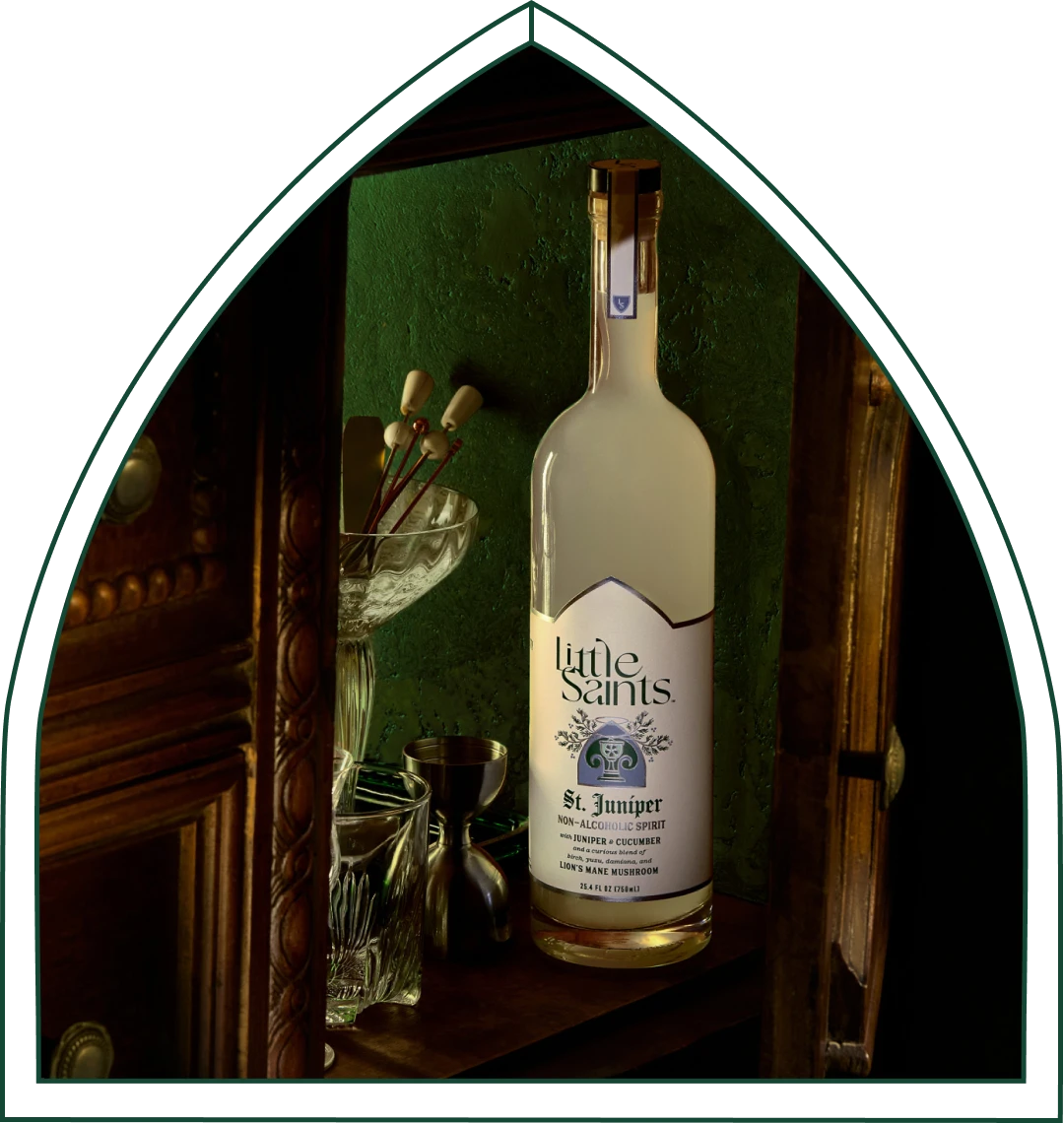
Little Saints is the non-alcoholic cocktail and spirits brand built specifically for this occasion. The full product range covers both formats the zebra striping pattern calls for.
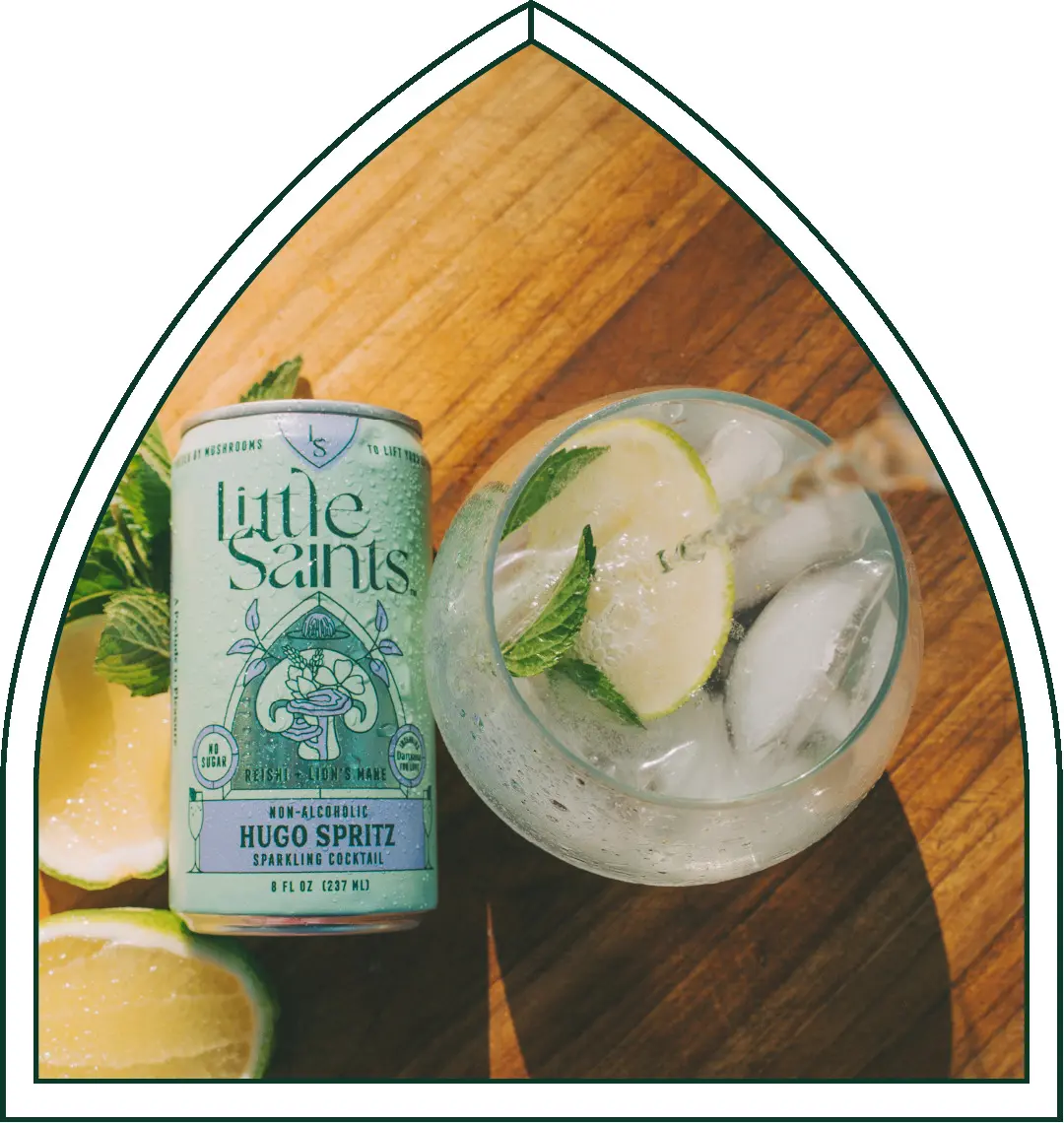
- Canned cocktails: Classic Spritz, Hugo Spritz, Classic Margarita, Paloma, Old Fashioned, Mojito, and Negroni Spritz. These drinks carry zero grams of sugar and five calories per can, sweetened with monk fruit. They arrive as finished cocktails, ready to open and pour, and they replace the round that would otherwise have been a soda or a water.
- Non-alcoholic spirits: St. Ember, St. Oak, and St. Juniper. These spirits are built on oil-based craft extracts rather than flavored water, so two ounces replace two ounces in any classic cocktail spec. St. Ember mixes like a tequila or a mezcal. St. Juniper mixes like a gin. St. Oak, named Best NA Spirit of 2025 by the BevNET Spirit Awards, mixes like a whiskey. Bartenders can pour them without over-pouring or retraining the bar.
Both lines carry Nature's Neuroscience, the functional blend that gives Little Saints its character:
- Organic Reishi for chill, the settling end of the blend
- Organic Lion's Mane for focus, the mental clarity end
- Damiana for connection, the warmer and more social dimension
- Botanical terpenes for the senses, the aromatic layer that gives the drink a nose
Every mushroom extract carries a minimum of 70% beta glucan, the fraction of the mushroom that carries its adaptogenic properties. It is dosed at a stated 100mg per serving, documented by supplier certificates of analysis. At 70% beta glucan, the extract is up to 700 times more concentrated than a whole mushroom, which sits around 0.1% beta glucan. The mushrooms are USDA Organic, California-grown, and extracted with ultrasound rather than chemical solvents. The extract holds GRAS status, the FDA's standard of generally recognized as safe for an ingredient used in food.
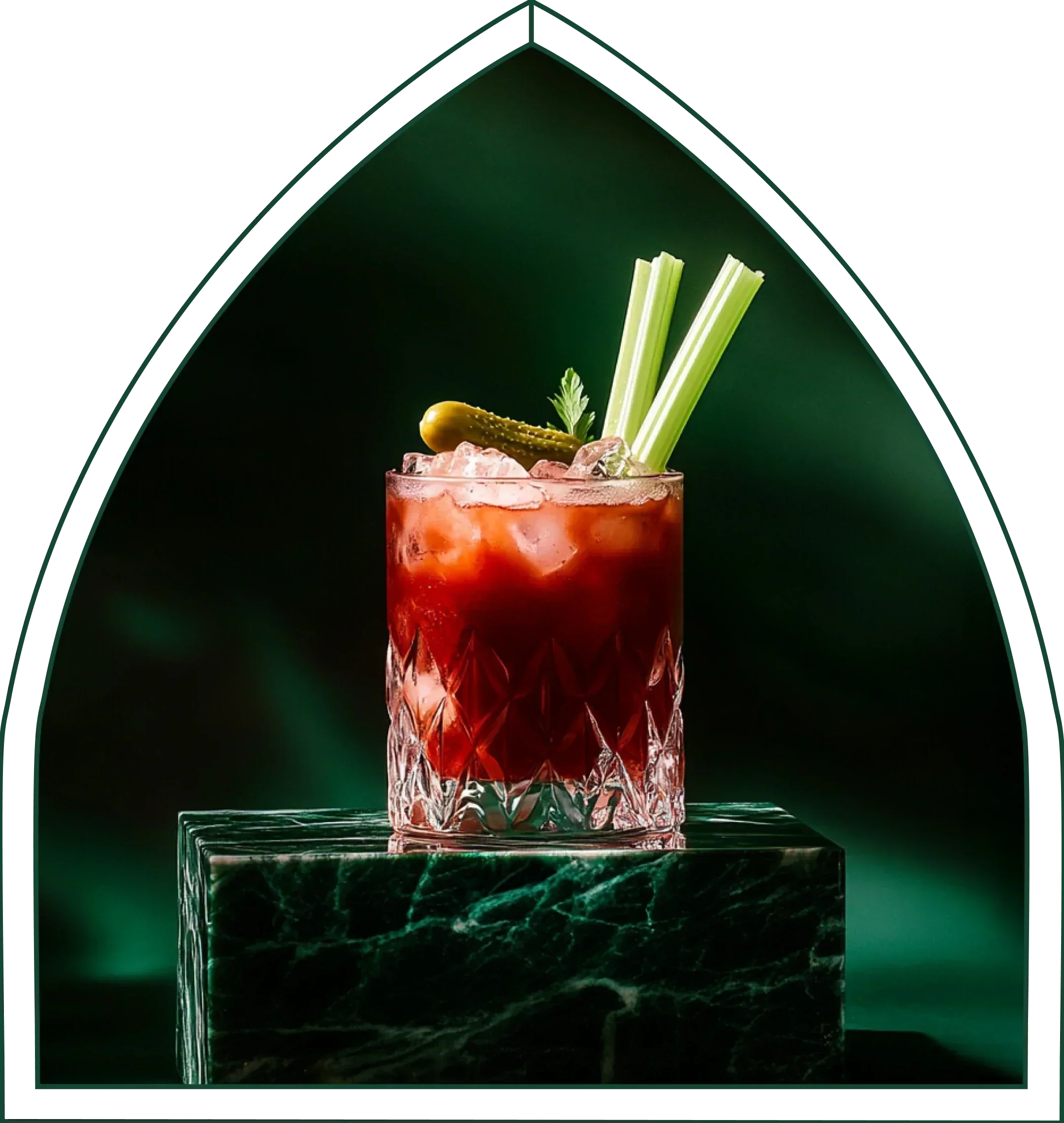
The result is what Little Saints calls the Little Saints Lift, a sense of clarity and ease. The products are non-intoxicating, non-psychoactive, and 100% legal. Customers most often describe feeling a little lifted and a little more present, like taking a deep breath and exhaling at the end of the day.
Little Saints is available direct to consumer and in over 1,000 retail shops, grocery stores, liquor stores, bars, and restaurants nationally, including Sprouts in all doors, Whole Foods in California and Florida, and Fresh Thyme across the Midwest.
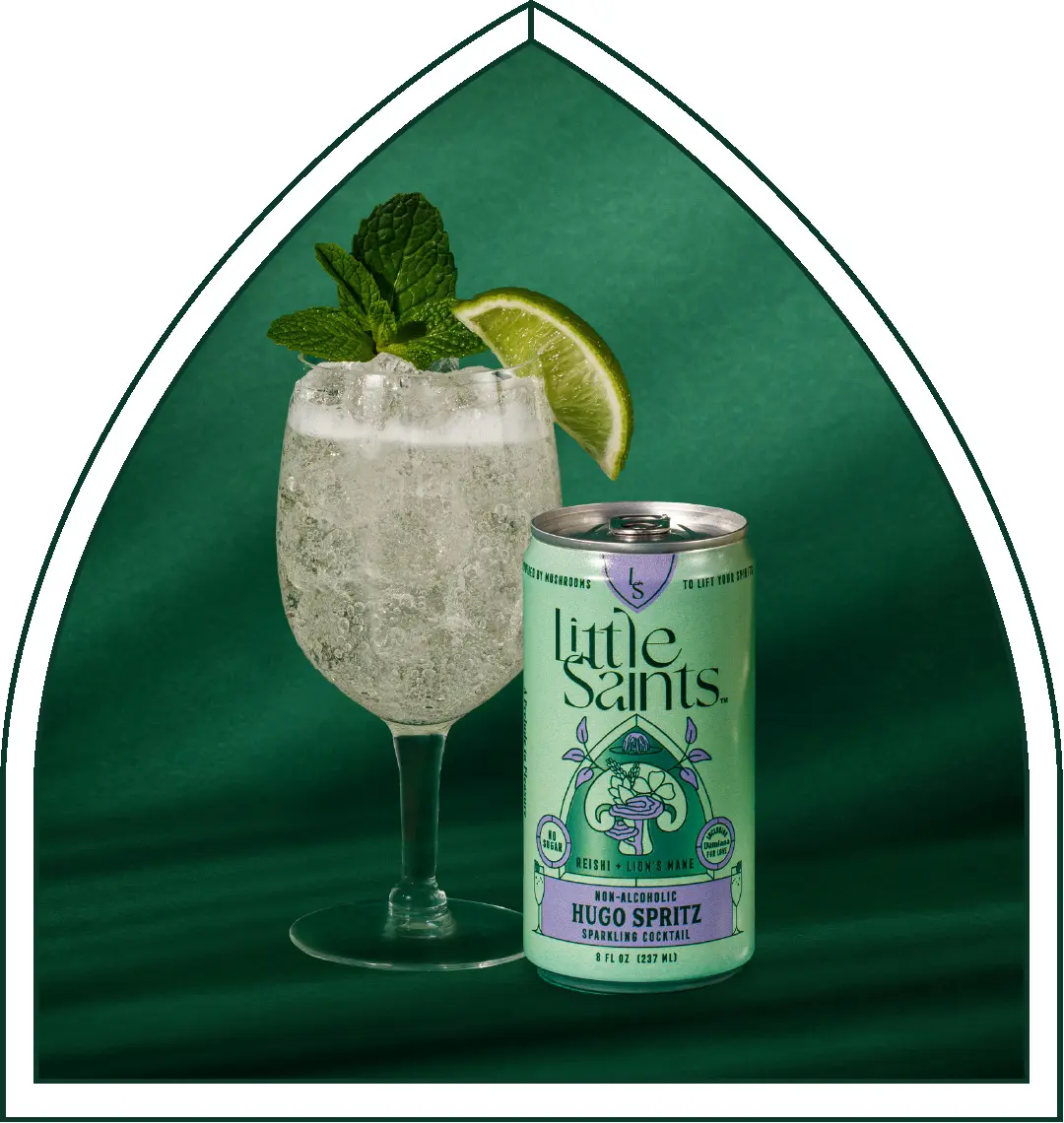
These statements have not been evaluated by the Food and Drug Administration. This product is not intended to diagnose, treat, cure, or prevent any disease.
Find the non-alcoholic cocktail or spirit built for your next zebra striping occasionFrequently Asked Questions
What Does Zebra Striping Mean In A Social Setting?
In a social context, zebra striping is the practice of alternating alcoholic and non-alcoholic drinks over the course of a night out. One round includes alcohol, the next does not, and the pattern repeats through the evening. The name comes from the alternating pattern, which mirrors the stripes on a zebra. The behavior is practiced by people who still drink and enjoy it, and who want to stay at the table for the full evening without the second and third drink being water. This behavior is practiced by 47% of on-premise visitors, as noted above.
Does Zebra Striping Actually Improve Table Readability?
Effectiveness depends on the table. Zebra striping improves readability in wide, dense tables with many columns and more than roughly eight to ten rows, where the primary problem is horizontal tracking. It does not reliably help in short tables with five rows or fewer, in tables that already use color coding for status, in tables with multi-line rows, or in interactive tables where hover states and row selection create competing visual signals. A hairline between rows often works better because it provides the same row-separation benefit at half the visual weight and does not conflict with color coding or dark-mode contrast requirements.
How Do You Alternate Drinks Without Losing The Ritual?
The ritual of a night out lives in the glass in hand, the pour, the clink, and the sip during a conversation. Zebra striping can feel awkward when the non-alcoholic round breaks that ritual. A glass of water or a soda reads differently at the table and can invite questions. A better approach uses a non-alcoholic option that looks, smells, and behaves like a cocktail. That means real glassware, a garnish, a color, and a flavor profile an adult recognizes. When the non-alcoholic round matches the presentation of the alcoholic one, the ritual stays intact through the whole evening.
What Should You Look For In A Non-Alcoholic Option For Zebra Striping?
Four factors matter for the zebra striping occasion. First, zero or near-zero sugar, because a sugary non-alcoholic drink every other round adds up quickly. Second, no caffeine, because the occasion is the end of the day and caffeine works against winding down. Third, a flavor profile that holds up as a cocktail rather than reading as a soft drink, with real complexity, a proper aroma, and enough body to feel like a drink. Fourth, a functional layer that gives the non-alcoholic round its own reason to exist beyond hydration.
How Does Little Saints Fit The Zebra Striping Occasion?
Little Saints was built specifically for the evening moment that alcohol used to own. The canned cocktails carry zero grams of sugar and five calories per can, with no caffeine in the core line, so they suit the end of the day rather than the desk. The non-alcoholic spirits mix 1:1 in classic cocktail specs, so the zebra striping round becomes a real cocktail rather than a compromise. The functional blend gives the non-alcoholic round its own character. It includes organic Reishi for chill, organic Lion's Mane for focus, Damiana for connection, and botanical terpenes for the senses. The mushroom extracts are dosed at a stated 100mg per serving at a minimum of 70% beta glucan, documented by supplier certificates of analysis. The result is a non-alcoholic option that earns its place at the table on its own terms.
Is Zebra Striping The Same As Dry January?
Dry January is a full month of abstinence from alcohol. Zebra striping is an ongoing pacing pattern used any night, any time of year, without cutting anything out completely. The two practices serve different purposes and different people. Dry January functions as a reset. Zebra striping functions as a rhythm. Most people who zebra stripe still drink and enjoy it. NIQ's data shows 93% of non-alcohol buyers also purchase alcohol, and those dual buyers spend more on total alcohol.
When Should You Skip Zebra Striping In A Table Design?
Skip zebra striping in tables with five rows or fewer, where the stripes add visual noise without solving any tracking problem. Avoid it in tables that already use color to convey status, such as red for attention and green for healthy, because the stripe competes with the color logic and dilutes the signal of important status colors. Avoid it in tables with multi-line rows, where the stripe becomes a chunky band that fragments the layout. Avoid it in interactive tables with hover states or row selection, where the permanent alternating background conflicts with the interactive state colors. In dark mode, only use striping after independently verifying that the stripe contrast meets WCAG requirements in the dark theme.
Conclusion: Design Verdict And Drinking Rhythm
Zebra striping improves readability for wide, dense tables with many columns and more than roughly eight to ten rows. It does not reliably help short tables, interactive tables, or tables that already use color coding. A hairline between rows often works better. The decision framework is simple. When the problem is horizontal tracking across many columns in a long, static table, striping earns its place. When the problem is anything else, fix the sort order, the column selection, or the number formatting first.
The same term now also names a major behavioral shift in the drinks industry. Nearly half of on-premise visitors now alternate alcoholic and non-alcoholic drinks in the same occasion. The non-alcoholic round in that pattern becomes an opportunity for a drink that earns its place on its own terms, with real flavor, real function, zero sugar, five calories, and a supplement-grade functional mushroom blend with both the dose and the beta glucan content stated on the label.
That is the moment Little Saints is built for, the presence of something better in the round where water used to sit.
Explore the full range of non-alcoholic cocktails and spirits. Zero sugar, five calories, and a supplement-grade functional mushroom blend in every pour.The statements made on our website have not been evaluated by the Food and Drug Administration, Our products are not intended to diagnose, treat, cure or prevent any disease. If you are pregnant, nursing, taking any medications or have any medical conditions, consult your doctor before use.