


Key Takeaways
- Sophisticated non-alcoholic cocktails rely on structure across sweet, sour, bitter, saline, and umami, not just removing alcohol and adding juice.
- Bitterness, saline, texture, umami, and aromatics form five pillars that separate a refined NA drink from a sugary, forgettable mix.
- Oil-based extracts, natural viscosity, and a built-in burn help Little Saints spirits perform 1:1 in classic cocktail builds without tasting thin.
- Recipes like the NA Negroni, Old Fashioned, Gimlet, and Paloma shine when they keep the same ritual as their alcoholic counterparts, including glassware and garnish.
- Discover your magic hour with Little Saints’ zero-sugar, functional non-alcoholic spirits and explore the full range.
What Makes a Non-Alcoholic Cocktail Sophisticated?
Sophistication in a cocktail comes from structure. A well-built drink arranges flavor elements so no single note dominates and the experience stays engaging from first sip to last. Stuart Bale, writing for Class Magazine, draws a useful distinction: flavor is aroma and character, while taste is the underlying structure of the five primaries, sweet, sour, salty, bitter, and umami. When that structure is off, a drink feels hollow, harsh, flabby, or forgettable. A sophisticated cocktail balances at least three of those five elements.
In a zero-proof build, that structural work becomes more demanding. Diageo’s trade publication The Bar notes that without alcohol, any imbalance is amplified. Precision requirements increase because there is no ethanol to smooth rough edges or carry aromatic compounds. The five elements that separate a sophisticated NA drink from a sugar bomb are:
- Bitterness gives a drink bones. Bitter compounds such as gentian, citrus peel, and botanicals provide structure without relying on more acid. They live in the finish, where guests decide if they want another round. Sources include bitters, tonic, tea, cacao, and grapefruit pith.
- Saline acts as a quiet amplifier. Salt in a cocktail makes the drink taste more like itself. A 20% saline solution (200g salt, 800g water), added in drops like bitters, lifts botanicals, smooths harsh bitterness, and keeps sweetness from feeling childish without extra acid.
- Texture and dilution shape the sip. Ethanol provides body and slight viscosity. Without it, NA drinks need deliberate textural work from oil-based extracts, teas, or proper stirring technique to avoid tasting thin.
- Umami adds weight. Umami brings savoury depth that makes a drink feel integrated and moreish. It becomes especially useful in low- and no-alcohol drinks, where alcohol does not provide weight. Mushroom extracts, teas, and soy are the most practical sources.
- Aromatics set expectations. Fresh herbs, spices, and citrus peels create the first aromatic layer of a zero-proof cocktail. That first impression forms before the glass touches lips. Expressed citrus oils, slapped herbs, and botanical terpenes handle this work.
These five pillars become even more effective when the base spirit behaves like a true cocktail ingredient instead of flavored water.
Non-Alcoholic Spirits That Build Complex Cocktails
Non-alcoholic spirits vary widely in how they perform in a cocktail build. Removing alcohol from an existing spirit often leaves a thin, flavored water lacking body and mouthfeel, so producers turn to thickeners like gum arabic, xanthan gum, glycerol, and sugar to compensate, and the real test of any NA spirit becomes cocktail performance rather than how it tastes neat. First-generation products in this category were often described by bartenders as flavors in water. They diluted quickly in a cocktail and required two to three times the volume to show up in the glass.
The landscape has since diversified. Seedlip pioneered the category with individual botanical maceration and distillation. Lyre’s reconstructs classic spirit profiles through flavor engineering. Ritual uses thickeners to approximate mouthfeel. Each approach solves a different problem and carries its own limits.
Little Saints’ St. line starts from the constraints a working bartender faces when building a cocktail to spec. The spirits are designed to support the five pillars of structure described earlier.
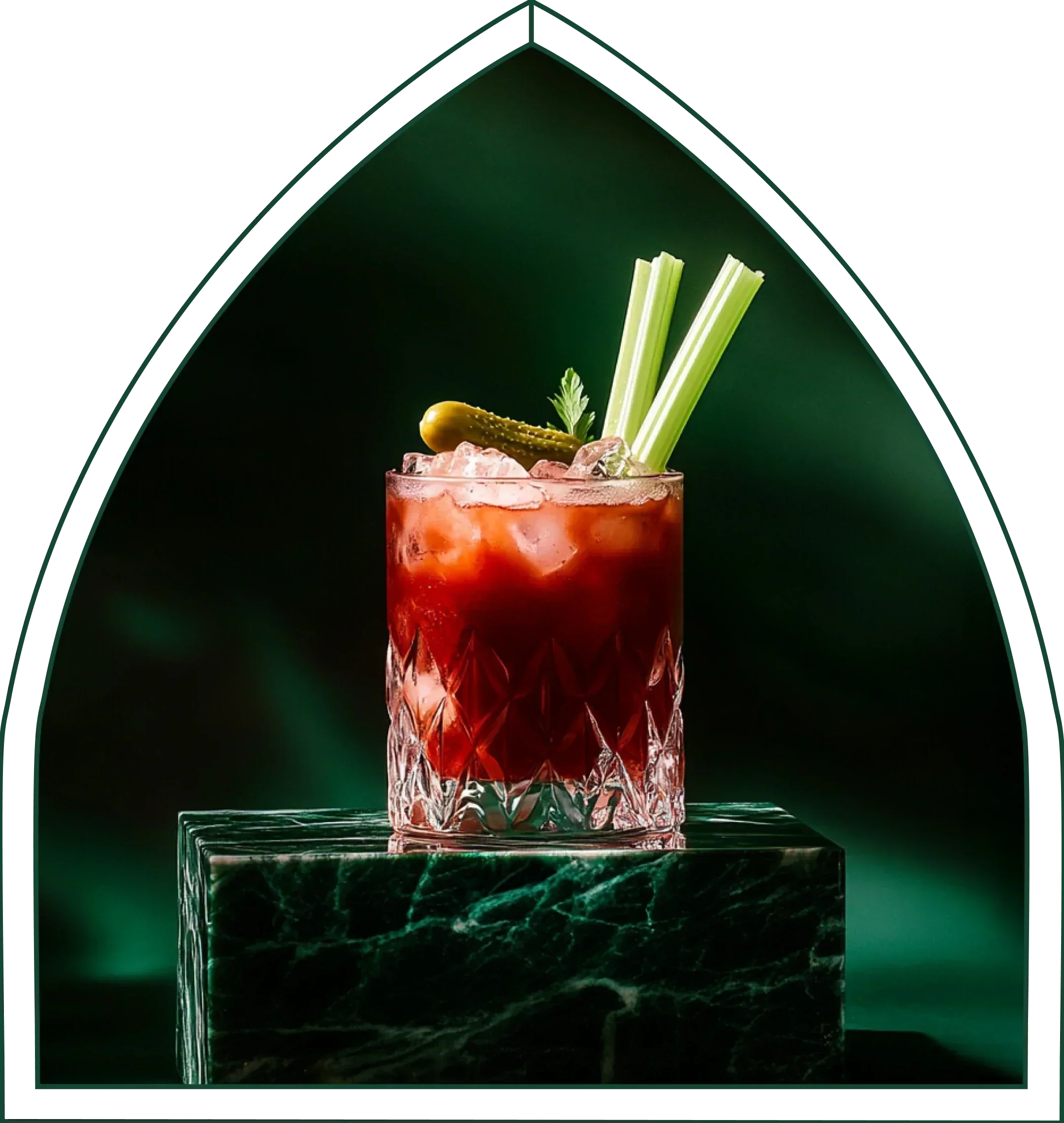
- Oil-based craft extracts replace flavors held in water. Two ounces can replace two ounces in any recipe without over-pouring, because the flavors stay present through dilution.
- A built-in burn from cardamom and capsicum registers as spirit rather than cordial. That heat at the back of the throat tells the drinker this is a cocktail.
- Natural viscosity from Lion’s Mane mushroom extract gives the liquid weight in the glass and a cloudiness that signals the functional ingredient is genuinely present.
- Zero sugar and no added sweeteners in the spirits line keep the build flexible. Any perceived sweetness comes from the botanical extracts themselves.
- A functional blend of organic Reishi, organic Lion’s Mane, and Damiana at a stated 100mg dose with a minimum 70% beta glucan content, documented by supplier certificates of analysis, adds the Little Saints Lift. Drinkers describe this as a sense of clarity and ease that makes the evening ritual feel meaningful.
The three expressions cover the classic spirit categories most useful for sophisticated cocktail builds.
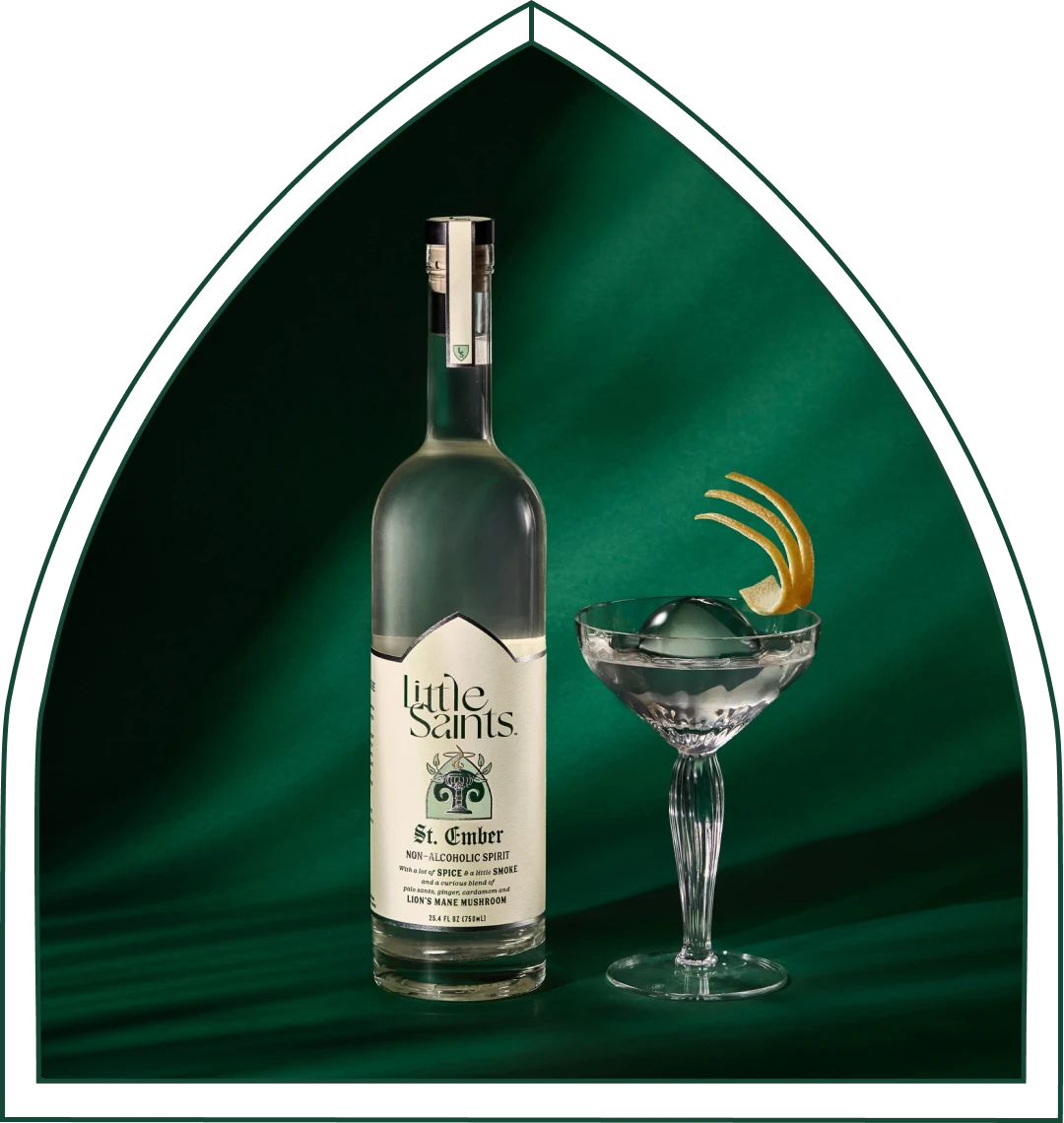
- St. Ember channels the flavors of a light, spicy mezcal. Built on palo santo, ginger, and cardamom, it mixes like a tequila or mezcal in margaritas, palomas, and smoky highballs. It holds a 4.7/5 rating across 430 customer reviews on littlesaints.com (August 2026), with 92% recommending it. One percent of proceeds support reforestation in Peru.
- St. Juniper serves as the gin expression, with juniper, cucumber, and herbaceous notes from birch, angelica, coriander, and cardamom. It works in gin and tonics, gimlets, and martinis and holds a 4.6/5 rating across 147 reviews, with 93% recommending.
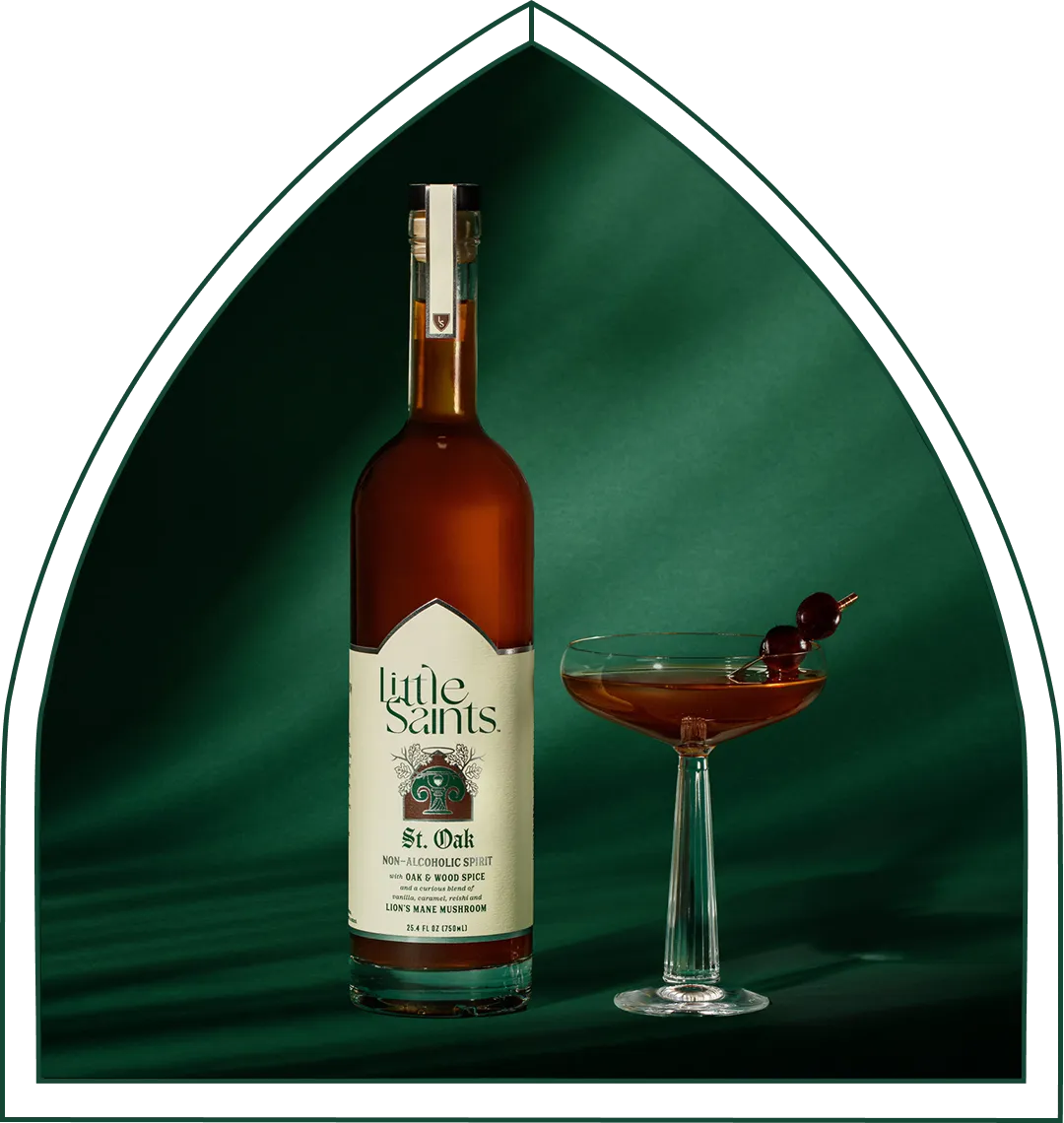
- St. Oak captures the notes of an oak-aged whiskey, including vanilla, spice, and woodsy depth from oak, vanilla, cardamom, and caramel. It suits old fashioneds, manhattans, and boulevardiers. BevNET named it Best NA Spirit of 2025. It holds a 4.5/5 rating across 133 reviews, with 87% recommending.
Classy Non-Alcoholic Drinks That Feel Like Cocktails
Classy NA drinks share three traits. They use cocktail structure built on bitter, acid, sweet, and saline. They rely on quality non-alcoholic spirits that hold their own in a build. They arrive with the same ritual as their alcoholic counterparts, including proper glassware, large-format ice, and expressed citrus oils. Classics that already lean on bitter and botanicals translate especially well, because they depend more on balance and aromatics than on alcohol’s warmth.
- Non-Alcoholic Negroni: Equal parts NA gin, bitter NA aperitif, and NA sweet vermouth, stirred over a large cube with an expressed orange twist. The 1:1:1 structure gives bitterness room to build.
- NA Old Fashioned: Whiskey-style NA spirit, aromatic bitters, and a touch of demerara syrup over a single large ice cube. The result feels spirit-forward and bitters-driven.
- St. Juniper Gimlet: Botanical gin alternative, fresh lime, and simple syrup, shaken and strained into a chilled coupe. The profile stays bright, tart, and herbaceous.
- Paloma with St. Ember: Smoky agave-style spirit, fresh grapefruit, lime, agave nectar, and grapefruit soda with a salted rim. The smoke and spice balance the grapefruit’s bitterness.
- Bitter Aperitivo Spritz: Bittersweet NA aperitif topped with sparkling water or premium tonic and a citrus wheel. This build scales easily for larger groups.
- NA Martini: Chilled botanical gin alternative with a whisper of NA vermouth-style spirit, garnished with a lemon twist or olive. The drink lands dry, cold, and aromatic.
To make these drinks work consistently, home bartenders and professionals need a clear approach to balancing flavors without alcohol.
How to Balance Flavors Without Alcohol
Professionals often balance a cocktail by dialing in sweet and sour first, then adding a touch of salt, deciding whether the drink wants bitterness and where it should land, and, if it still feels thin or disconnected, adding a bit of umami before re-checking the salt. In a zero-proof build, each of these elements carries more weight, because ethanol no longer acts as a structural buffer.
The five balancing tools, and how they interact in NA builds:
- Acid from fresh citrus juice, verjus, or fermented liquids provides lift and cuts sweetness. In NA drinks, acid often becomes the first signal that the glass holds a cocktail rather than juice, so add it early and taste before increasing the dose.
- Sweet from simple syrup, agave, or honey rounds rough edges and carries flavor. Restraint matters in NA builds, because without alcohol to integrate sweetness, excess sugar reads as cloying immediately.
- Bitter from gentian, tonic, bitter aperitifs, and citrus pith adds structure and a lingering finish. Almost every dominant flavor wants a counterweight, so bitter drinks often need citrus oil and sour drinks need sweetness. In NA builds, bitterness is the tool most bartenders under-use.
- Saline from a 20% salt solution, added in drops, makes a drink taste more like itself. A drink that tastes thin, vague, or disjointed often needs salt.
- Umami from mushroom extracts, teas, and soy adds savory depth that can stand in for the weight alcohol usually provides. Umami can elevate a drink from good to remarkable when used carefully, yet overwhelms quickly when overdone. The Lion’s Mane extract in Little Saints spirits contributes this dimension naturally.
Once these tools feel familiar, classic recipes become a canvas for structured, zero-proof builds.
Classic Cocktails Reimagined by Flavor Profile
Bitter and Botanical
The Little Saints Negroni. Combine 1 oz St. Juniper, 1 oz NA bitter aperitif, and 1 oz NA sweet vermouth in a mixing glass. Stir 20–30 seconds with ice. Zero-proof builds benefit from extra chill and dilution to keep sweetness in check. Strain over one large cube in a rocks glass. Express a wide orange twist over the surface and drop it in.
Why it works: The 1:1:1 structure lets bitterness build across the palate. Orange oils expressed over the surface replace the aromatic lift that alcohol would otherwise carry. St. Juniper’s cucumber and herbaceous notes stay present against the bitter aperitif instead of disappearing.
Citrus and Tart
St. Juniper Gimlet. Combine 2 oz St. Juniper, ¾ oz fresh lime juice, and ¾ oz simple syrup in a shaker. Shake hard for 12–15 seconds. Double-strain into a chilled coupe. Garnish with a lime wheel.
Why it works: The 2:¾:¾ sour structure keeps the drink bright and defined. St. Juniper’s botanical profile plays against the lime rather than getting buried, which many first-generation NA spirits struggled to achieve.
Paloma with St. Ember. Build in a highball glass over ice: 2 oz St. Ember, 1 oz fresh grapefruit juice, ½ oz lime juice, ¼ oz agave nectar, and 2 oz grapefruit soda. Stir gently. Garnish with a grapefruit wedge and a salted rim.
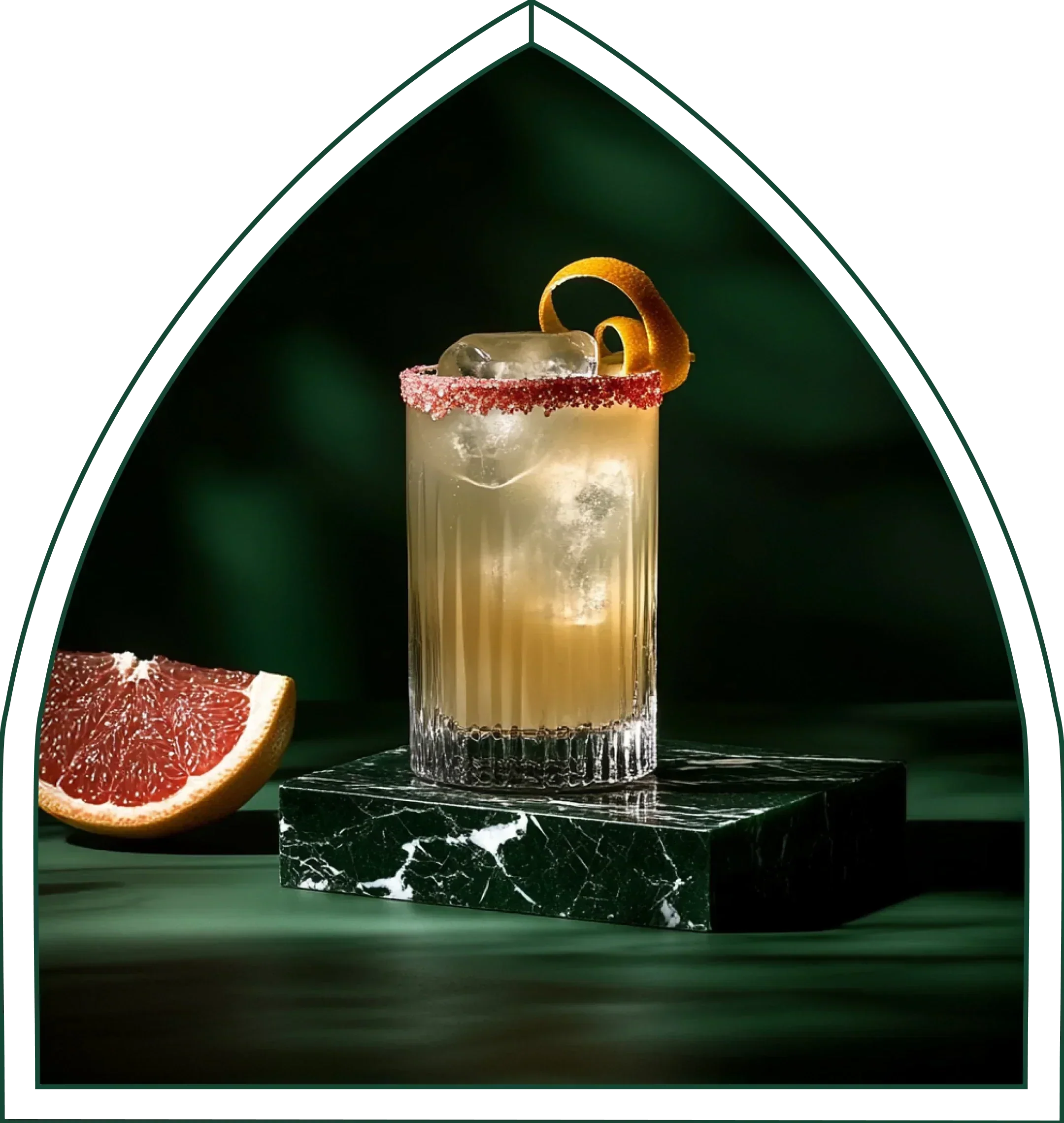
Why it works: St. Ember’s smoky, woodsy profile of palo santo, ginger, and cardamom stands up to the grapefruit’s bitterness and the soda’s fizz. The saline rim both softens perceived bitterness and amplifies the citrus.
Rich and Smoky
Little Saints Old Fashioned. Combine 2 oz St. Oak, ¼ oz demerara syrup, and 2–3 dashes aromatic bitters in a mixing glass. Stir 30 seconds with ice to build deliberate dilution. Strain over one large cube in a rocks glass. Express an orange peel over the surface and drop it in.
Why it works: St. Oak’s vanilla, caramel, and oak notes carry the spirit-forward structure. NA whiskey expressions tend to run lighter than their alcoholic counterparts, so bitters do proportionally more structural work. Two to three dashes form a starting point rather than a limit.
Smoky Highball. Build in a highball glass over ice: 2 oz St. Ember, 4 oz premium ginger beer, and a lime wedge. Gently press the wedge and leave it in the glass.
Why it works: In any highball, the mixer dominates flavor, carbonation, and perceived quality. St. Ember’s smoke and spice cut through the ginger’s heat instead of getting lost, which shows that the spirit has enough presence for a long build.
Find St. Ember, St. Juniper, and St. Oak for your next build.
Presentation Tips for Zero-Proof Cocktails
A sophisticated non-alcoholic cocktail sends a message before the first sip. Glass, ice, garnish, and temperature all communicate intent. In a zero-proof build, these choices carry extra weight because ethanol warmth no longer signals that the drink is serious.
- Glassware: Use a coupe for stirred and shaken drinks served up, a rocks glass with a large cube for spirit-forward builds, and a highball for long drinks. The glass signals the category before the first sip.
- Ice: One large cube or sphere melts slowly and controls dilution. Small cubes melt fast and turn an NA drink watery within minutes, which becomes more noticeable without alcohol to hold structure.
- Garnishes: Citrus twists expressed over the surface release oils that form the drink’s first aromatic layer. Fresh herbs slapped between the palms release volatile compounds. Dehydrated citrus wheels add visual depth. The garnish shapes the nose of the drink.
- Temperature: Chill the glass. Without ethanol, an NA drink needs to be ice-cold to maintain structure and keep sweetness from reading as flat.
How to Serve a Crowd with Zero-Proof Batching
Batching a Little Saints Negroni or Old Fashioned for a dinner party stays straightforward with one key adjustment. NA bitters lose volatile aromatic notes faster than spirit-based ones, so batch the base and add bitters fresh to each serve. Pre-stir the base with about 20% water by volume to account for dilution, refrigerate, and pour over large cubes when guests arrive.
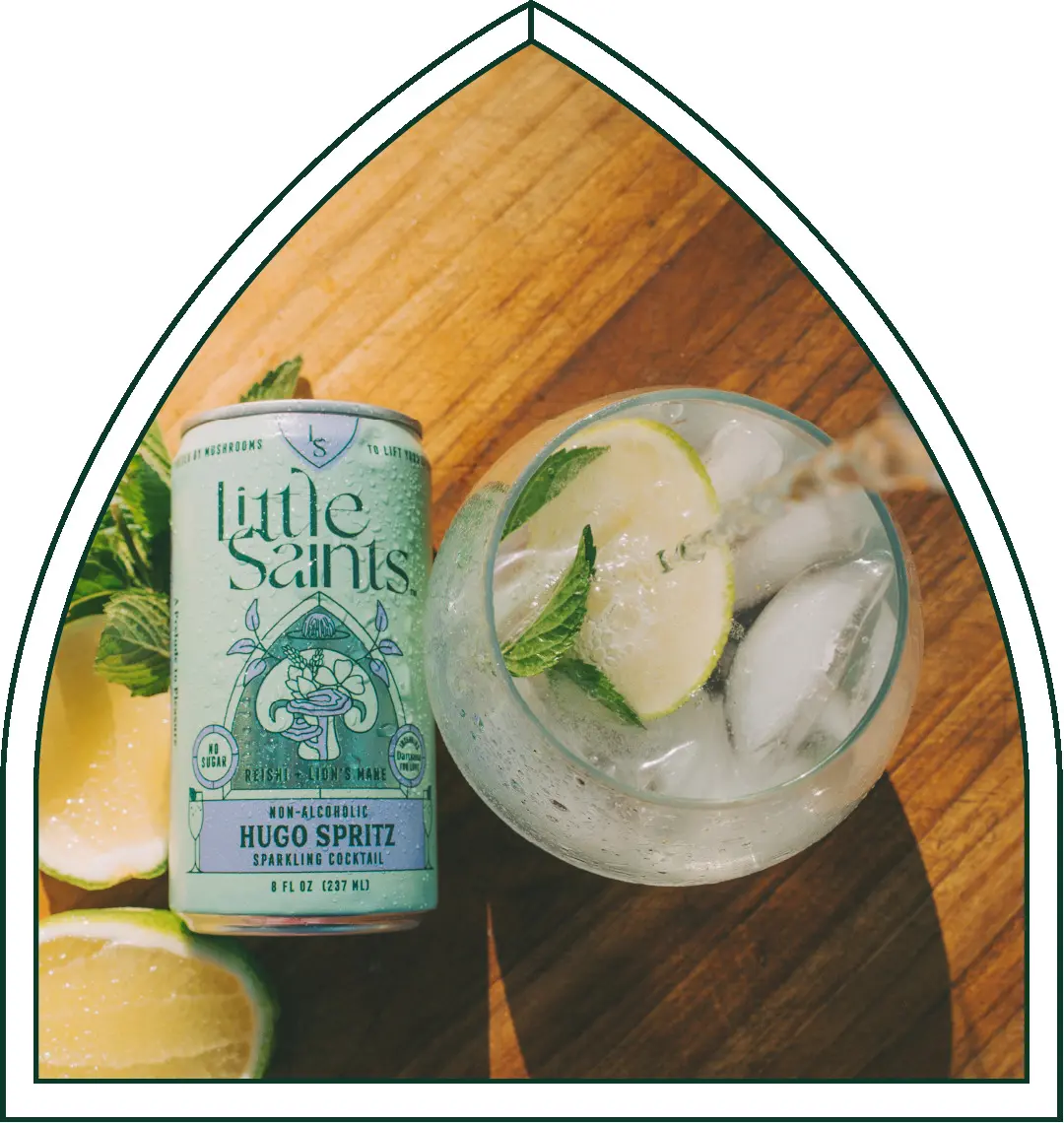
For zero-prep entertaining, the Little Saints canned cocktail line, including the Negroni Spritz, Paloma, and Classic Margarita, delivers cocktail-grade flavor with no build time, zero grams of sugar, and five calories per can. Browse the canned cocktail lineup for effortless service.
NIQ’s January 2026 data shows that 47% of on-premise visitors mix alcoholic and non-alcoholic options in the same occasion, a behavior known as zebra striping. A batched NA option keeps every guest engaged, so the round that might have been water instead becomes part of the evening.
Frequently Asked Questions
What are the most famous non-alcoholic cocktails?
Classic cocktail structures that rely on bitter and botanical foundations translate most successfully to zero-proof builds. The Negroni, the Spritz, the Gimlet, the Paloma, and the Old Fashioned stand out because they depend on balance and aromatics more than on alcohol’s warmth or viscosity. Each follows a clear flavor logic of bitter, acid, sweet, and aromatic that can be rebuilt with quality NA spirits and sound technique. The Negroni has become a benchmark for the category. A NA spirit that holds its own in a 1:1:1 Negroni build usually performs well across a wide range of cocktails.
What do people drink instead of alcohol when moderating?
Category data paints a detailed picture. Non-alcoholic spirits are growing at roughly 70%, making them the fastest-moving segment within the non-alcohol set. Non-alcoholic beer, which accounts for around 80% of all non-alcohol sales, now represents the mature, slower-growth end. The people driving spirits growth rarely abstain completely. About 93% of non-alcohol buyers also purchase alcohol, and those dual buyers spend more on total alcohol overall.
The dominant behavior is zebra striping, which means alternating alcoholic and non-alcoholic drinks across an evening rather than fully substituting. When these drinkers reach for something non-alcoholic, they want a drink that preserves cocktail ritual and flavor complexity without raising blood alcohol concentration (BAC). Functional NA cocktails with layered flavor profiles and adaptogenic ingredients now answer that need for many consumers.
What are some classy non-alcoholic drinks to serve at a dinner party?
Three traits help an NA drink read as classy at a dinner party. The build uses cocktail structure with bitter, acid, sweet, and saline in deliberate balance. The recipe calls for quality NA spirits that perform in a build without over-pouring. The presentation matches the alcoholic cocktails on the table, including proper glassware, large-format ice, and expressed citrus garnishes.
For a dinner party, a batched NA Negroni with equal parts NA gin, bitter aperitif, and NA vermouth, pre-stirred with 20% water and served over large cubes, offers maximum impact with minimal last-minute effort. A Paloma with St. Ember, smoky and citrus-forward with a salted rim, suits guests who favor agave cocktails. Little Saints canned Negroni Spritz and Paloma provide a zero-prep option that still feels intentional.
Why do most non-alcoholic cocktails taste flat or too sweet?
Two structural problems explain most disappointing NA cocktails. First, the spirit often behaves like flavored water. Many early NA spirits diluted quickly in a cocktail and required two to three times the pour to show up, yet still tasted thin because no oil-based extract carried aromatic compounds the way ethanol does. Second, the balance often lacks bitterness and saline, so the drink defaults to sweet and flat.
A deliberate fix starts with a NA spirit built on oil-based extracts that mixes 1:1. Add bitterness through a quality bitter aperitif or aromatic bitters. Finish with a few drops of the saline solution mentioned earlier. That combination of proper spirit, bitterness, and saline separates a sophisticated NA cocktail from a glass of flavored juice.
How does the Little Saints functional blend work in a cocktail context?
Little Saints spirits carry organic Reishi, organic Lion’s Mane, and Damiana at a stated 100mg dose per serving, with a minimum 70% beta glucan content documented by supplier certificates of analysis. The mushrooms are USDA Organic, California-grown, and extracted with ultrasound rather than chemical solvents, so no residue carries into the liquid. The extract holds GRAS status, which means the FDA generally recognizes it as safe for use in food.
In the glass, Lion’s Mane extract creates natural cloudiness and viscosity, which improves mouthfeel in a cocktail build. Customers describe the blend as delivering the Little Saints Lift, a sense of clarity and ease that makes the evening ritual feel worthwhile. The products remain non-intoxicating, non-psychoactive, and 100% legal.
The Art of the Zero-Proof Cocktail
A sophisticated non-alcoholic cocktail stands as its own experience. It follows the same structural discipline as a classic cocktail, with balance across bitter, acid, sweet, and saline, deliberate textural work, aromatics that arrive before the first sip, and presentation that respects the ritual. The difference between a drink that works and one that falls flat comes from the presence of craft.
Little Saints was built with mixologists to support that craft. The spirits mix 1:1, carry zero sugar and five calories, and include a supplement-grade functional mushroom blend with both dose and beta glucan content stated on the label. Whether you are building a Negroni for a dinner party or a Smoky Highball for a Tuesday evening, the ritual deserves a drink that meets it.
Explore the full range of non-alcoholic cocktails and spirits at Little Saints. Every pour offers zero sugar, five calories, and a carefully designed functional blend. Discover your magic hour.
The statements made on our website have not been evaluated by the Food and Drug Administration, Our products are not intended to diagnose, treat, cure or prevent any disease. If you are pregnant, nursing, taking any medications or have any medical conditions, consult your doctor before use.