


Key Takeaways
- A low-sugar non-alcoholic margarita uses a 1:1 pour of St. Ember, fresh lime juice, monk fruit sweetener, and sparkling water, so the only sugar comes from citrus.
- Monk fruit extract is preferred over erythritol and other sugar alcohols because it carries a glycemic index of zero and avoids common FODMAP-related digestive discomfort.
- St. Ember uses oil-based extracts that mix 1:1 like tequila, so it avoids the 2–3x volume often required by first-generation water-based non-alcoholic spirits.
- The Little Saints Classic Margarita can offers a ready-to-drink option with 0g sugar and 5 calories, sweetened solely with monk fruit juice concentrate.
- Little Saints provides both the St. Ember spirit and canned margaritas as low-sugar options for evening rituals that keep flavor and function intact.
Shop Little Saints For Your Margarita Night
How To Make A Low-Sugar Non-Alcoholic Margarita
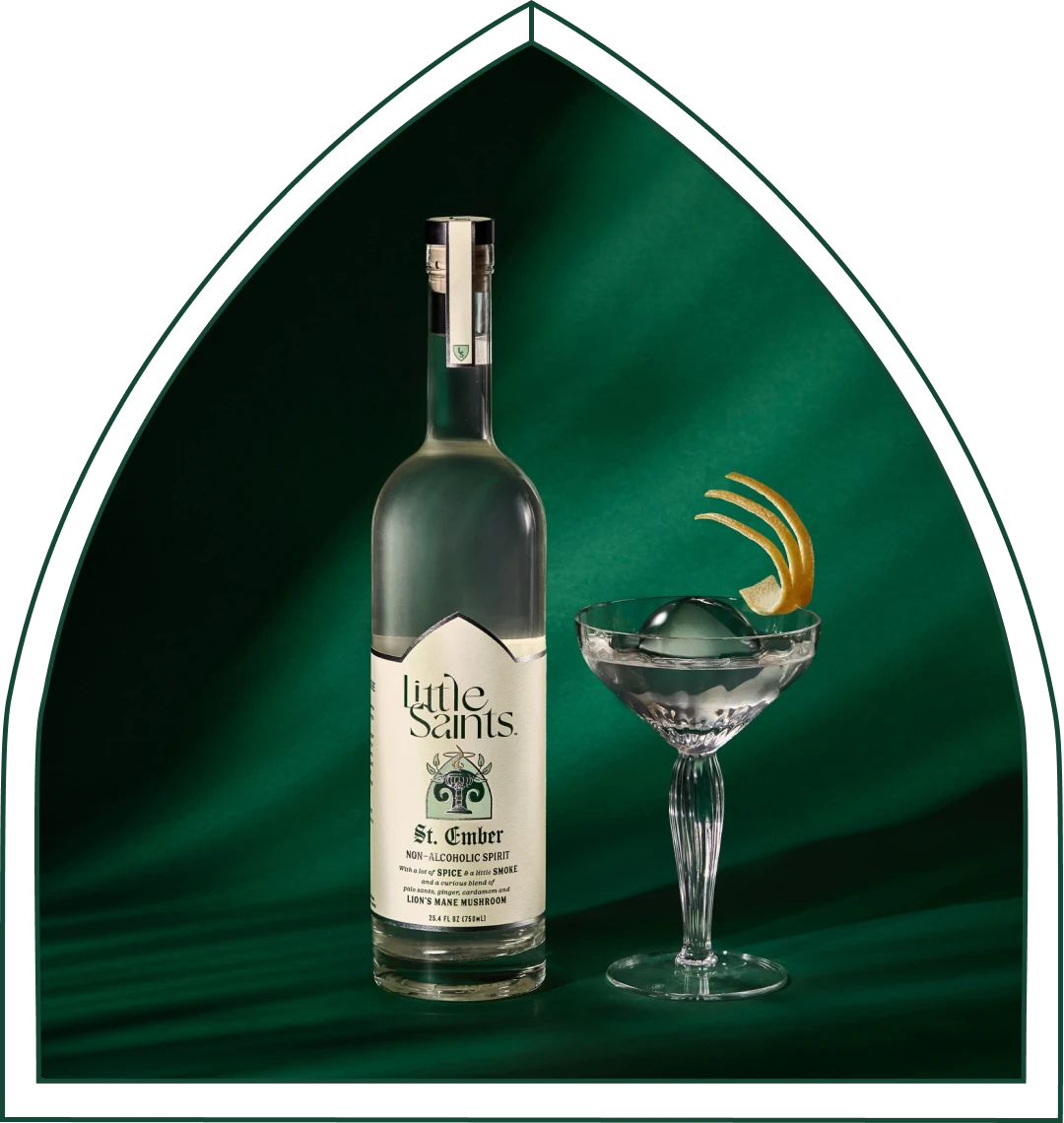
This recipe uses St. Ember, Little Saints’ non-alcoholic spirit built on palo santo, ginger, and cardamom. It captures the notes of a light, spicy mezcal and mixes like tequila or mezcal in classic builds. Two ounces of St. Ember replace two ounces of tequila, 1:1, so the recipe stays unchanged.
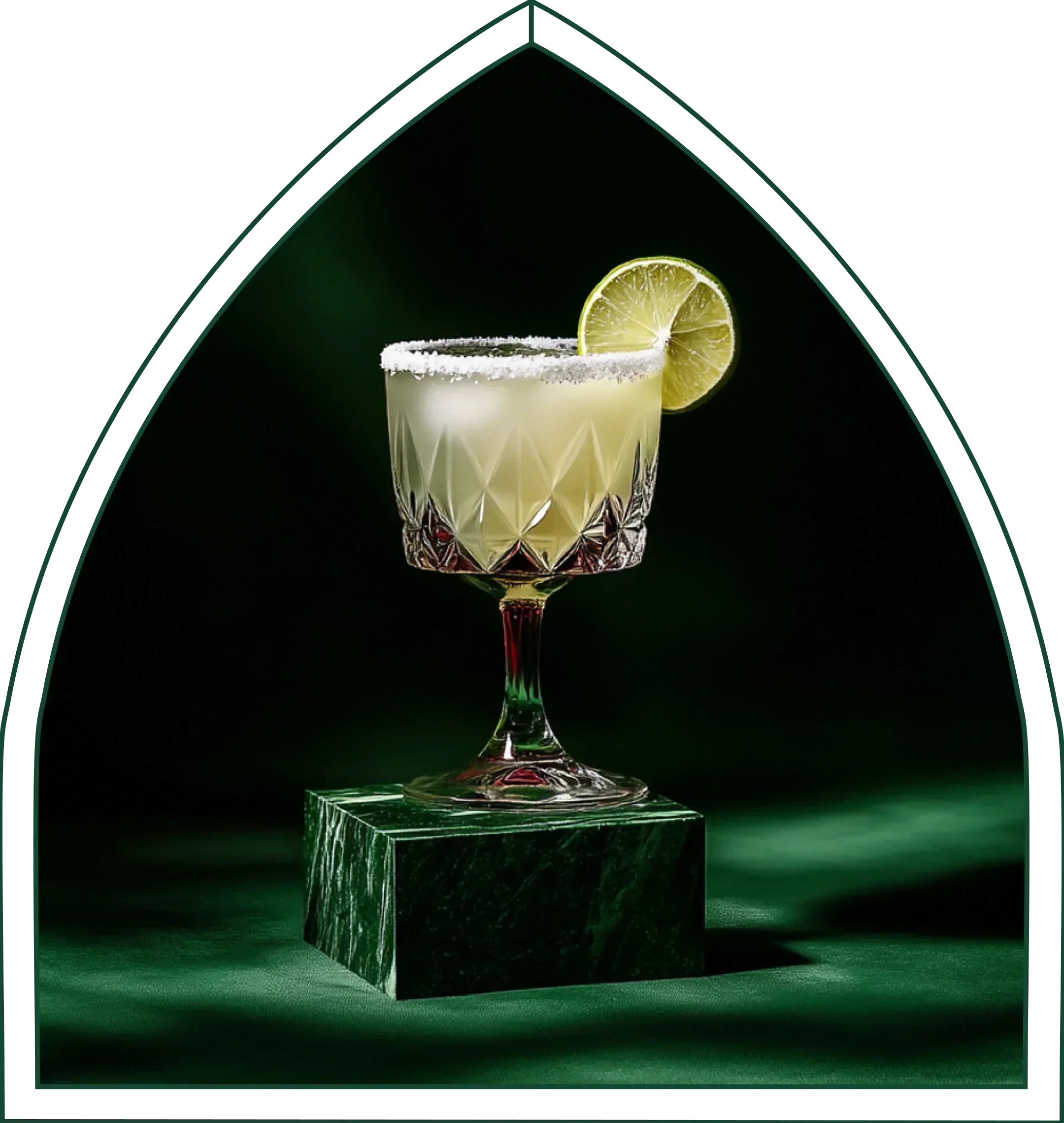
Ingredients
- 2 oz St. Ember
- 1.5 oz fresh lime juice
- 0.5–1 tsp monk fruit sweetener, to taste
- 3–4 oz sparkling water
- Coarse salt or Tajín for the rim
- Ice
Method
- Run a lime wedge around the rim, then press into salt or Tajín.
- Fill a shaker with ice and add St. Ember and lime juice.
- Add monk fruit sweetener and shake hard for 10–12 seconds.
- Strain into the prepared glass over fresh ice.
- Top with sparkling water, stir once, and serve immediately.
This drink stays low sugar because the only meaningful sugar comes from the lime juice. The sweetener is monk fruit, and St. Ember carries zero grams of sugar with no sweeteners of any kind. St. Ember is built on palo santo, ginger, and cardamom, and it captures the notes of a light, spicy mezcal. In this build it mixes like a tequila. The Lion’s Mane extract gives it a natural viscosity that adds weight in the glass over ice, and a built-in heat registers at the back of the throat.
The spirit is one half of the equation. The other half is the sweetener, and that choice shapes both blood sugar and digestion.
Why Monk Fruit Beats Erythritol In A Zero-Sugar Mixer
Many competitor recipes and the AI Overview for this topic use the phrase “zero-calorie sweetener” without naming it. That vagueness matters for anyone managing blood sugar or digestive sensitivity.
Sugar alcohols such as erythritol, sorbitol, maltitol, and xylitol are common zero-calorie sweeteners in non-alcoholic mixers. Stevia, monk fruit, sucralose, and aspartame also appear frequently. Under FDA regulation 21 CFR 101.60, sugar alcohols are not counted as sugars, so a product sweetened entirely with erythritol can legally carry a “zero sugar” claim. The label can look clean while the ingredient list tells a different story.
Sugar alcohols are classified as FODMAPs. They cause gut symptoms through two mechanisms: an osmotic effect that draws water into the gut, and bacterial fermentation in the colon that produces gas and bloating. Among the common polyols, erythritol is the best-tolerated, with roughly 60–90% absorbed in the small intestine before reaching the colon. Maltitol, which appears frequently in “sugar-free” and “keto-friendly” products, carries a high FODMAP rating and causes symptoms in most people at doses above 15–20 grams per serving. Maltitol also carries a glycemic index of roughly 35–52, the highest among common sugar alcohols, so it still produces a real insulin response despite “sugar-free” marketing.
Monk fruit extract sits in a different category. It is derived from Siraitia grosvenorii, and its sweetness comes from mogrosides, especially Mogroside V. It is approximately 150–250 times sweeter than sucrose with a glycemic index of zero, so it does not trigger a blood glucose or insulin response. In the United States, monk fruit extract holds positive regulatory status via multiple FDA GRAS notices, which means it is generally recognized as safe for use in food.
Little Saints canned cocktails, including the Classic Margarita can, are sweetened with monk fruit juice concentrate only. The spirits contain no sweeteners at all, and any sweetness comes from the botanical extracts themselves. When reading any zero-sugar NA mixer label, focus on what replaces sugar. For blood-glucose-conscious drinking, monk fruit and stevia are preferred because they do not raise blood sugar. Agave nectar, honey, maple syrup, and fruit juice concentrate add sugar quickly in cocktails.
What Is The Best Non-Alcoholic Substitute For Tequila In A Margarita?
The non-alcoholic spirits category splits into two main formulation approaches, and that split determines whether a home margarita drinks like a cocktail or like flavored water over ice.
First-generation non-alcoholic spirits are built on water with added natural flavors. Bartenders who tested them described them as flavors in water that dilute in a cocktail and require two to three times the volume to deliver any presence. A recipe calling for two ounces of tequila then needs four to six ounces of a first-generation substitute. That shift throws off every other ratio in the build, adds volume the glass was not designed for, and empties the bottle at twice the rate.
St. Ember uses oil-based craft small-batch extracts instead. Oil-based extracts hold up in a build the way a spirit does. They do not dilute into the surrounding liquid, they coat the glass, and they carry their flavor through ice and acid. The result is a 1:1 pour. Two ounces of St. Ember do the work of two ounces of tequila in a margarita, and a bottle pours as far as the bottle it replaces.
Two additional engineered details matter in a margarita build. St. Ember carries a deliberate heat from a cardamom extract present in each Little Saints spirit plus capsicum. That heat registers at the back of the throat like a spirit, though it is milder than the full mouth-coating burn of ethanol. The natural cloudiness and viscosity from the Lion’s Mane extract give the drink weight in the mouth so it holds its own over ice rather than thinning out.
Non-alcoholic tequila alternatives are projected to record the highest CAGR of any product segment in the non-alcoholic spirits market at 10.22% through 2031, driven by rising consumer interest in premium alcohol-free cocktails such as margaritas. The category grows because the demand for a real margarita build, rather than a juice drink, is real.
Shop The St. Ember Margarita Build
Low-Sugar Margarita And Blood Sugar
The sugar in this drink comes almost entirely from the lime juice. A tablespoon of lime juice contains approximately one gram of carbohydrate. The 1.5 oz (roughly three tablespoons) in the recipe above contributes only about 0.8 grams of naturally occurring sugar, since lime juice contains roughly 0.52 grams of sugar per fluid ounce. A tablespoon of lemon or grapefruit juice is about one gram of carbohydrate, so measured citrus juice is a different proposition from a full juice pour.
St. Ember carries 0g sugar, and the monk fruit sweetener adds none either. Its glycemic index of zero means it does not trigger a blood glucose response. The sparkling water contributes nothing, so the only sugar in the glass is the roughly 0.8 grams from the lime juice.
For the zero-prep alternative, the Little Saints Classic Margarita can carries 0g sugar and 5 calories, sweetened with monk fruit juice concentrate, with lime, bitter orange, and salt, plus Reishi, Lion’s Mane, and Damiana. It is shelf-ready and requires no build.
No medical claims are made here. Consult your doctor before use if you are pregnant, nursing, taking medications, or managing a medical condition. These statements have not been evaluated by the FDA. Little Saints products are not intended to diagnose, treat, cure, or prevent any disease.
Canned Versus Built: Matching The Format To The Evening
Both the can and the bottle solve the same problem, and each fits a different night.
The Classic Margarita can is the zero-prep option. It carries 0g sugar and 5 calories, and it is sweetened with monk fruit juice concentrate. Lime, bitter orange, and salt give it its flavor, while Reishi, Lion’s Mane, and Damiana provide the functional dose. Open it, pour it over ice, add a lime wedge, and the round arrives in real glassware in about thirty seconds.
Building with St. Ember is the option for control over sweetness, strength, and ritual. Real glassware, a salt or Tajín rim, and the sound of ice in a shaker set the tone. St. Ember is Lion’s Mane-forward, carries palo santo, ginger, and cardamom, and mixes like a tequila or a mezcal in any classic build. The recipe above stays unchanged from a standard margarita spec because the 1:1 pour ratio keeps every other ingredient in balance.
The occasion determines the format. A Tuesday wind-down after a long day often reaches for the can. A Friday build for two often reaches for the bottle.
The Occasion: Why This Drink Exists
This low sugar non-alcoholic margarita exists to replace the second round that used to be water. Many people still enjoy going out, still want to sit at the table for three hours, and still want something in the glass. They simply do not want four alcoholic drinks anymore. The drink that keeps someone at the table instead of switching to sparkling water is the drink this category aims to deliver.
The behavior has a name now: zebra striping, alternating alcoholic and non-alcoholic drinks over the course of a night. NIQ’s “From Value to Vibe” report, January 2026, puts zebra striping at 47% of on-premise visitors mixing alcoholic and non-alcoholic options in the same occasion, with 93% of non-alcohol buyers also purchasing alcohol. The non-alcohol shopper often buys across both sets, and the real choice in front of them is frequently “a Little Saints or nothing.”
The Little Saints Lift, the clarity and ease that comes with the drink, makes the trade worth making. It feels like being a little lifted and a little more present, able to take a deep breath and stay at the table.
Spicy And Fruity Margarita Variations
The base recipe above branches into three simple variations.
Jalapeño: Muddle two thin jalapeño slices in the shaker before adding ice and the remaining ingredients. Strain out the solids. The capsicum in St. Ember amplifies the heat, so start with one slice if you are heat-sensitive.
Mango: Add 1 oz of fresh mango purée to the shaker alongside the lime juice. Reduce the monk fruit sweetener to 0.25 tsp because the mango carries natural sweetness. Finish with a Tajín rim rather than plain salt.
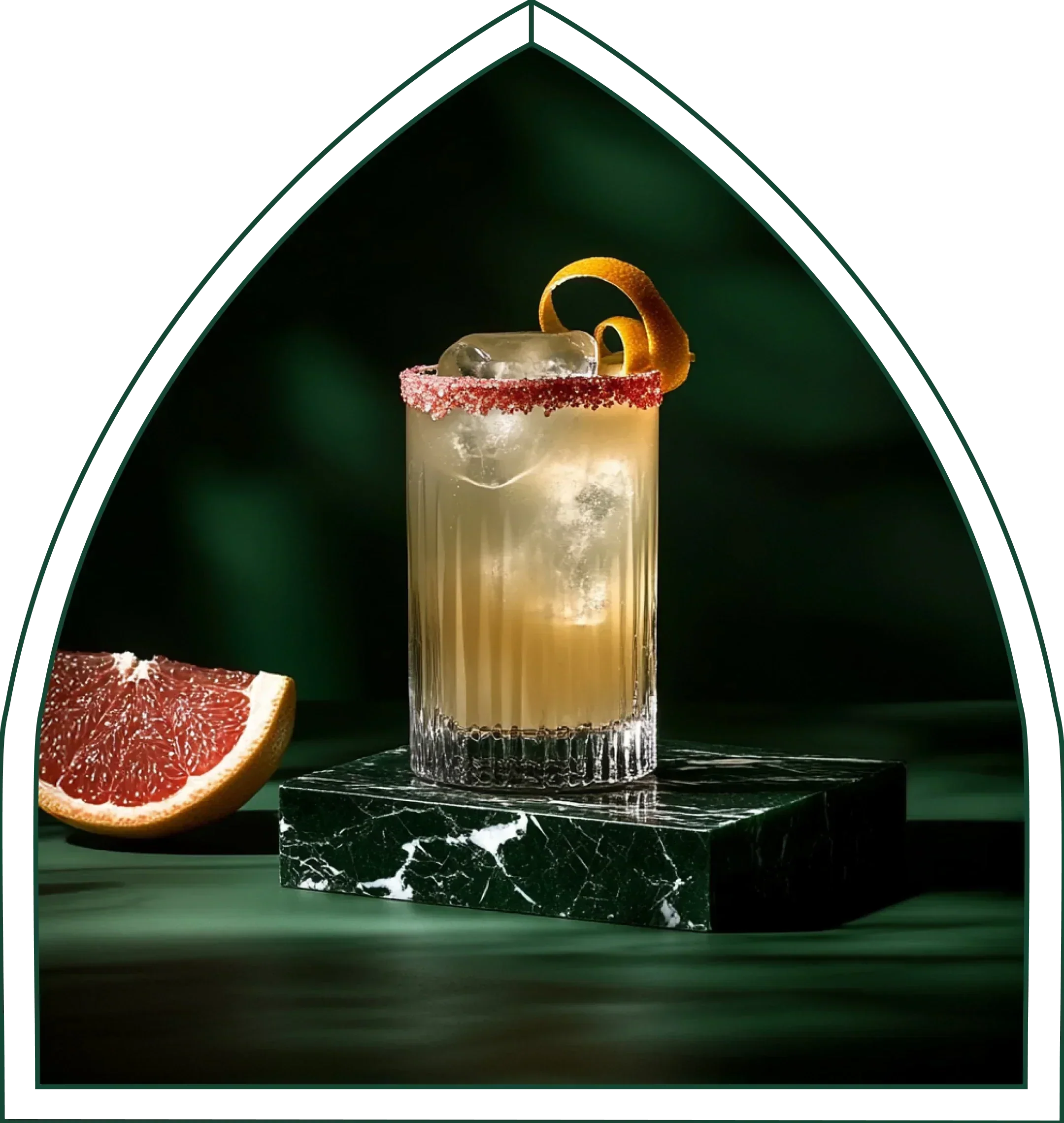
Grapefruit: Replace 0.5 oz of the lime juice with 0.5 oz of fresh grapefruit juice and add a grapefruit twist as garnish. The bitter edge of the grapefruit reads like a half-step toward a Paloma and pairs well with St. Ember’s palo santo notes.
How Little Saints Compares In The Category
The table below shows why St. Ember mixes 1:1 while many first-generation spirits need 2–3x the pour. The difference comes down to what each product is built on. No taste comparisons are made, and no competing brands are named.
| Little Saints St. Ember | First-Generation NA Spirits | Sugar-Sweetened NA Cocktails | |
|---|---|---|---|
| Sugar per serving | 0g (no sweeteners at all) | Varies by product | Present, often significant |
| Sweetener type | None in spirits; monk fruit juice concentrate in cans | Varies; sugar alcohols common | Sugar, juice concentrate, or sugar alcohols |
| Mixes 1:1 in a cocktail | Yes, oil-based extracts | Often needs 2–3x pour | n/a, finished product |
| Functional dose stated | 100mg per serving, published on label | No functional dose published | No functional dose published |
Non-alcoholic spirits represent approximately 6% of the total non-alcohol category but are growing at roughly 70%, the fastest-moving segment in the category and the one St. Ember competes in. Growth concentrates where Little Saints plays.
Stock Your Evening Ritual With Little Saints
Frequently Asked Questions
What Makes A Margarita Low Sugar?
A margarita’s sugar comes from three sources: the spirit, the orange component, and any added sweetener. A low-sugar margarita minimizes all three. In the Little Saints build, St. Ember carries 0g sugar with no sweeteners, the monk fruit sweetener carries 0g sugar and a glycemic index of zero, and the lime juice is the only source of naturally occurring sugar in the drink. That pour contributes about 0.8 grams of sugar, so the glass draws its sweetness from fresh citrus rather than from the spirit or the sweetener.
How Does St. Ember Compare To Other Non-Alcoholic Tequila Substitutes?
St. Ember was formulated to mix 1:1 and hold up in a build. As covered above, its oil-based extracts allow a standard two-ounce pour to stand in for two ounces of tequila, while many first-generation spirits need two to three times the volume. St. Ember is built on palo santo, ginger, and cardamom, and it carries a built-in heat and natural viscosity from Lion’s Mane extract, so it reads like a light, spicy mezcal in a margarita.
Is There Such A Thing As A Sugar-Free Margarita?
Under FDA regulation 21 CFR 101.60, a product may be labeled “sugar free” if it contains less than 0.5 grams of total sugars per serving. A margarita built with St. Ember, monk fruit sweetener, and sparkling water comes close, since the only sugar in the drink is the naturally occurring sugar in fresh lime juice, roughly one gram per tablespoon. The Classic Margarita can’s zero-sugar, 5-calorie profile makes it one of the closest ready-to-drink options to a genuinely sugar-free margarita. The key label-reading question is what the zero-sugar claim is built on. Monk fruit and stevia carry a glycemic index of zero, while sugar alcohols such as maltitol carry a glycemic index of 35–52 and still produce an insulin response despite qualifying for a “sugar-free” label.
Which Margarita Has The Least Amount Of Sugar?
Among ready-to-drink options, the Little Saints Classic Margarita can uses monk fruit juice concentrate only, with no erythritol or other sugar alcohols. Among built margaritas, the recipe above, with St. Ember, fresh lime juice, monk fruit sweetener, and sparkling water, delivers one of the lowest sugar loads in a full-flavor margarita build. The only sugar comes from the lime juice. Standard commercial margarita mixes typically contain about 24–30 grams of sugar per 4 oz (120 g) serving, with some products such as Jose Cuervo Classic Lime The Original Margarita Mix listing 24 g total sugars per 4 oz serving. Triple sec and orange liqueurs add further sugar to a conventional build, so removing both and substituting monk fruit for any added sweetener is the path to the lowest-sugar margarita.
How Much St. Ember Do I Pour?
Pour the same amount you would pour of the spirit you are replacing. St. Ember was formulated with mixologists so that two ounces do the work of two ounces of tequila in a margarita. No adjustment to the rest of the recipe is needed. A bottle of St. Ember pours as far as the bottle it stands in for, instead of emptying at twice the rate the way many first-generation non-alcoholic spirits do when over-poured to compensate for dilution.
Is There Caffeine In Little Saints?
The core line contains no caffeine. That choice reflects the evening occasion, since many people reach for a low-sugar non-alcoholic margarita specifically to protect their sleep. Reishi, Lion’s Mane, and Damiana are among the functional ingredients in Little Saints, and none are stimulants. The Little Saints Lift feels like clarity and ease rather than energy.
What Is The Sweetener In Little Saints?
In the canned cocktails, including the Classic Margarita can, the sweetener is monk fruit juice concentrate and nothing else. No cane sugar, erythritol, or other sugar alcohols appear on the label. In the spirits, including St. Ember, there are no sweeteners at all. Any sweetness in the spirits comes from the botanical extracts themselves, such as the palo santo in St. Ember. These statements have not been evaluated by the FDA. Little Saints products are not intended to diagnose, treat, cure, or prevent any disease.
Where Can I Buy Little Saints?
Little Saints is available direct to consumer at littlesaints.com, with delivery to all 50 states typically within three days. In retail, Sprouts carries the brand in every door, Whole Foods stocks it in California and Florida, Fresh Thyme covers the Midwest, and ABC Liquors covers Florida. Little Saints is also stocked in over 1,000 retail shops, grocery stores, liquor stores, bars, and restaurants nationally. Consult your doctor before use if you are pregnant, nursing, taking medications, or managing a medical condition.
The Two Things That Make This Drink Work
This low sugar non-alcoholic margarita works because two details are dialed in. The sweetener carries no sugar and no glycemic impact, with monk fruit juice concentrate in the can and no sweetener at all in the spirit. The pour stays 1:1, which requires oil-based extracts rather than flavored water, so the recipe needs no adjustment and the bottle lasts as long as the bottle it replaces.
Every other variable, from the lime and the salt rim to the ice and the glass, stays true to the margarita you already know. The drink keeps someone at the table. The round that would have been water becomes something worth drinking.
Build Your Low-Sugar Margarita With Little Saints
The statements made on our website have not been evaluated by the Food and Drug Administration, Our products are not intended to diagnose, treat, cure or prevent any disease. If you are pregnant, nursing, taking any medications or have any medical conditions, consult your doctor before use.