


Key Takeaways
- Sugar in cocktails usually comes from four sources: simple syrup, sweet liqueurs, fruit juice, and mixers like tonic or ginger ale.
- Fresh citrus juice plus a pinch of salt can replace simple syrup and keep the drink balanced without added sugar.
- Dry vermouth rinses, bitter aperitivos in smaller amounts, or unsweetened extracts can stand in for sweet liqueurs.
- Reducing juice volume and choosing fresh-squeezed over bottled cuts sugar while keeping flavor and acidity.
- Little Saints offers zero-sugar, non-alcoholic cocktails and spirits that deliver the full ritual without any sugar math.
The Problem: Four Hidden Sources Of Sugar In Cocktails
Most cocktail guides list drinks without explaining where the sugar comes from. This breakdown shows each source and a practical swap.
Simple syrup is the default sweetener in most classic specs, including the Daiquiri, Mojito, and Old Fashioned. It adds sugar with no flavor complexity beyond sweetness. The swap depends on what the drink needs. If it needs acidity, use fresh citrus juice. If it needs perceived sweetness, add a pinch of salt or two to three drops of a 20% saline solution, which makes the drink read sweeter without adding sugar. If it needs aroma, muddle herbs gently.
Sweet liqueur such as Cointreau, sweet vermouth, coffee liqueur, or amaretto often hides as a flavor ingredient while quietly adding sugar. Swap in a dry vermouth rinse for the herbal note. Use a bitter aperitivo in smaller volume for complexity. Reach for an unsweetened extract when you want the flavor without the sugar load.
Fruit juice is usually the largest source because it brings sugar, flavor, and acidity. Sugar from juice still counts in the glass. The swap is about reducing volume and choosing a better source. Use fresh-squeezed citrus in a smaller measure, muddled fruit, or an expressed peel for aroma to deliver flavor with less sugar than a full pour of juice.
The mixer is where the most sugar hides invisibly. A standard 8 fl oz (240 g) serving of Canada Dry Tonic Water With A Twist Of Lime contains 23 grams of total sugars, according to the USDA Branded Food record. Ginger ale carries a comparable load. Swap tonic and ginger ale for soda water, seltzer, or unsweetened ginger beer.
The Solution: 13 Low Sugar Cocktail Recipes, By Spirit
Each recipe below follows a simple pattern of spirit, citrus, soda, and garnish. Every build notes which sugar source was removed and why the drink still feels complete. Three-ingredient builds lead each section for easy mixing.
Gin
Gin Rickey
- 2 oz gin
- 0.5 oz fresh lime juice
- Pinch of salt or 2–3 drops of 20% saline solution
- Top with club soda
- Garnish: lime wheel
Eliminates: simple syrup. The salt makes the lime read sweeter without adding sugar, so the drink stays crisp and balanced. The result is tart, bone dry, and refreshing.
Dry Gin Martini
- 2.5 oz gin
- 0.5 oz dry vermouth
- Garnish: lemon twist
Eliminates: simple syrup and juice. Stir cold and serve up. Dry vermouth acts as the primary modifier, and some recipes add a dash of bitters. The profile is spirit-forward and clean.
Negroni
- 1 oz gin
- 1 oz bitter aperitivo
- 1 oz sweet vermouth
- Garnish: orange peel
Eliminates: simple syrup and juice. In the classic Negroni, sweet vermouth is the only sugar source. The aperitivo’s bitterness keeps that sweetness in check. The drink is stirred, deep, and complex.
Vodka
Vodka works well for low sugar cocktails because its neutral profile lets citrus and soda define the flavor.
Vodka Soda
- 2 oz vodka
- 0.5 oz fresh lime juice
- Top with soda water
- Garnish: lime wheel
Eliminates: simple syrup, liqueur, juice volume, and sugary mixer. This is the cleanest build in the guide. It drinks bright, cold, and effortless.
Skinny Grapefruit Mule
- 1.5 oz vodka
- 0.25 cup fresh grapefruit juice
- 2 tsp fresh lime juice
- 0.25 cup sparkling water
- 0.25 cup unsweetened ginger beer
- Serve over ice
Eliminates: simple syrup and the sugary mixer. Unsweetened ginger beer replaces ginger ale and delivers the same ginger heat without the sugar load. The drink feels spicy, citrusy, and refreshing.
Cucumber-Lime Spritz
- 4–5 cucumber slices
- 0.5 oz fresh lime juice
- 0.5 oz simple syrup or agave
- 4–6 oz sparkling water or club soda
- Optional mint garnish
Eliminates: liqueur. Press the cucumber gently to release its cool, herbal note without bitterness. The result is herbal, cold, and clean.
Tequila And Mezcal
Ranch Water
- 1 1/2 oz blanco tequila
- 1/2 oz fresh lime juice
- 5–6 oz chilled sparkling mineral water
Eliminates: simple syrup, liqueur, and sugary mixer. Three ingredients create a build with no sweetener at all. The mineral water adds slight salinity that rounds the lime. The drink is crisp and dry.
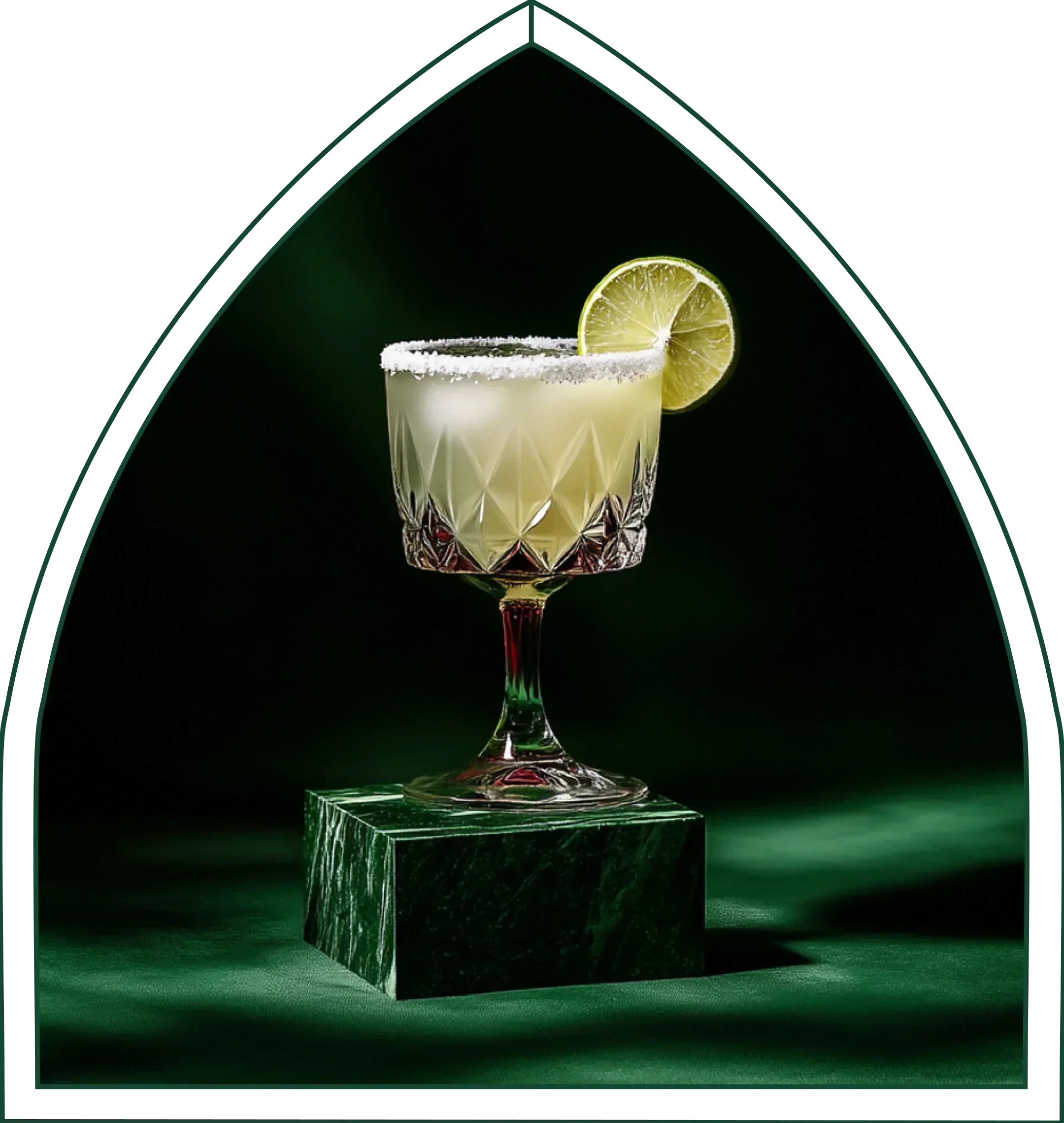
Tommy's-Style Margarita, No Agave
- 2 oz tequila
- 1 oz fresh lime juice
- Pinch of salt
- Garnish: lime wheel
Eliminates: sweet liqueur and simple syrup. The salt suppresses lime bitterness and makes the agave character in the tequila read sweeter. Shake hard and serve over ice or up.
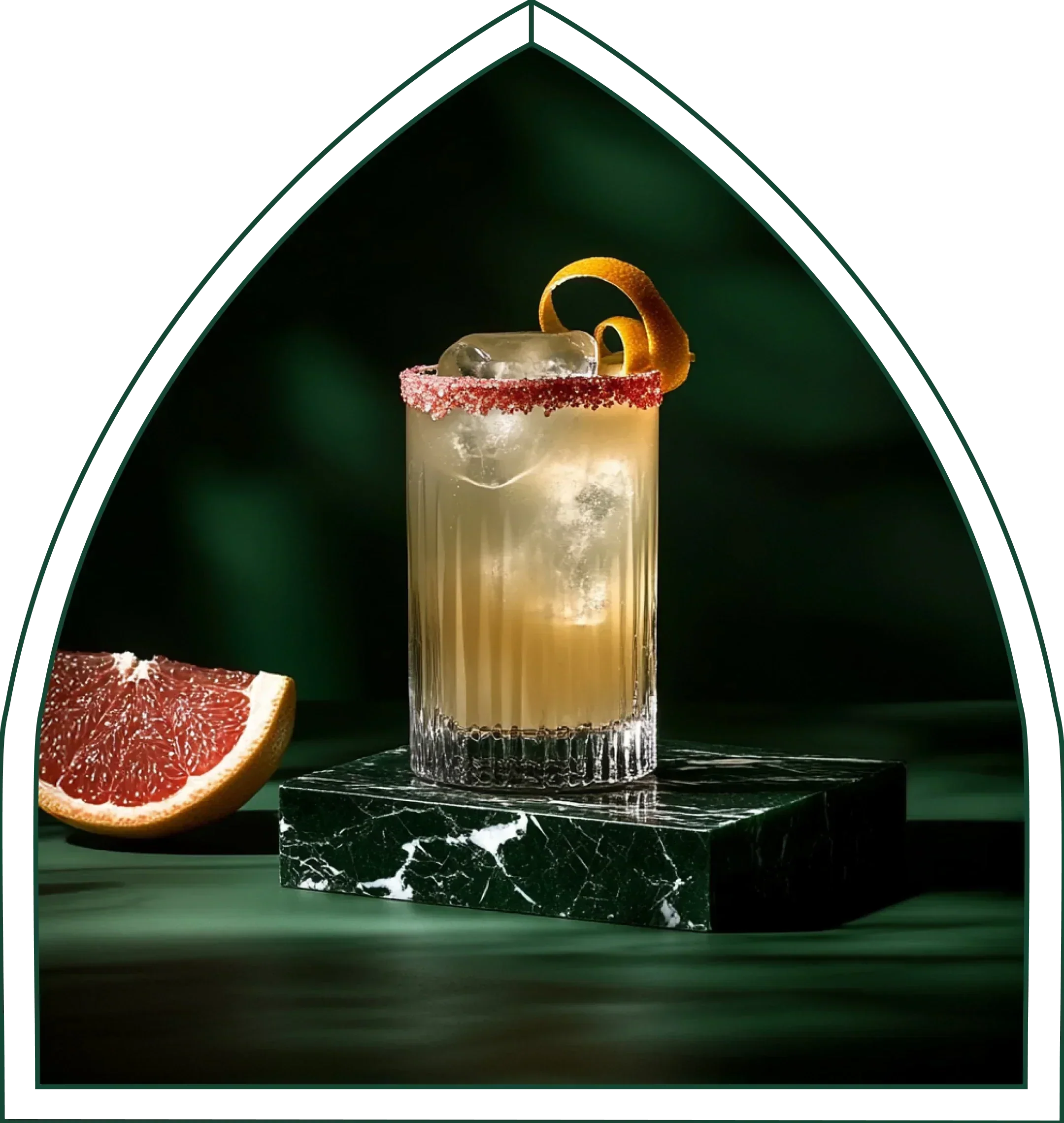
Paloma, Dry
- 2 oz tequila
- 1 oz fresh grapefruit juice
- 0.5 oz fresh lime juice
- Pinch of salt
- Top with soda water
Eliminates: simple syrup and the sugary mixer. Grapefruit brings natural sweetness and bitterness, so added sugar is unnecessary. The salt sharpens both. The drink is bright, long, and slightly bitter-edged.
Rum
Daiquiri, No Syrup
- 2 oz white rum
- 0.75 oz fresh lime juice
- 0.5 tbsp granulated sugar
Eliminates: simple syrup. Shake hard and serve up. Granulated sugar becomes the only sweetener and lets the rum’s natural cane sweetness come forward. The profile is tart, cold, and precise.
Mojito, Half-Sugar
- 8 fresh mint leaves, gently pressed once
- 1.5 fl oz light white rum
- 0.75 fl oz fresh lime juice
- 0.5 fl oz sugar-free sweetener syrup
- 1.5 fl oz soda water
Eliminates: simple syrup. Press mint gently instead of grinding it, which prevents bitter compounds from dominating. Lime and mint carry the drink without added sugar. The result is herbal, bright, and effervescent.
Whiskey And Bourbon
Whiskey Highball
- 2 oz bourbon
- Top with 4 oz club soda
- Garnish: lemon wedge
Eliminates: simple syrup, liqueur, juice, and sugary mixer. Soda opens the whiskey’s aromatics such as vanilla, oak, and caramel without adding sweetness. The lemon wedge brightens the nose. The drink is long, easy, and spirit-forward.
Old Fashioned, No Sugar
- 1 2/3 fl oz bourbon
- 1/3 fl oz sugar-free sweetener syrup
- 3 dashes Angostura bitters (optional)
- Garnish: orange zest twist
Eliminates: the sugar cube. Bitters add aromatic depth and the sugar-free sweetener syrup carries the structure sugar used to provide. The drink is stirred, rich, and warm.
Boulevardier
- 1 oz bourbon
- 1 oz bitter aperitivo
- 1 oz sweet vermouth
- Garnish: orange peel
Eliminates: simple syrup and juice. Sweet vermouth acts as the primary sweetening ingredient, and Campari contributes additional sugar that bitterness and grain character keep in balance. The drink feels richer and warmer than a Negroni.
What Cocktail Has The Least Sugar?
The Gin Rickey is a simple three-ingredient cocktail made with 2 oz gin, 0.5 oz fresh lime juice, and club soda over ice, with an optional pinch of kosher salt. It is traditionally unsweetened, though some modern variations and bars like Death & Co optionally add a small amount of simple syrup. The salt makes the lime read sweeter, so the drink is balanced without a single gram of added sugar. The Vodka Soda and Ranch Water are equally clean by the same logic because each uses an unsweetened mixer with no added syrup or sugar, though Ranch Water’s lime amount can change the final total.
Which Alcoholic Drink Is Lowest In Sugar
If you want to compare across drink types rather than recipes, this list shows how common cocktails stack up from least to most sugar.
- Vodka Soda — 0.1 g of sugar per serving
- Dry Martini (gin or vodka, dry vermouth, olive or lemon twist) — about 0.2 g of added sugar per standard 6–8 oz serving
- Old Fashioned, No Sugar — sugar-free sweetener syrup with optional bitters
- Mimosa — 10.35 grams of sugar
- Rum and Coke — 12.87 g of sugar
- Screwdriver — 14.36 grams of sugar
- Drinks Built On Sweet Liqueur — highest, because the liqueur carries the sugar
What Is The Healthiest Thing To Mix With Alcohol?
Healthy mixers for low-sugar cocktails include soda water or sparkling water, diet ginger beer, and fresh citrus juice such as lemon or lime, which contains only 2–3 g sugar per ounce.
Tonic water and ginger ale are the mixers that quietly carry the most sugar. Tonic water, as noted earlier, carries 23 g per 8 fl oz. A 12 fl oz (355 mL) can of Schweppes Ginger Ale contains 32 grams of added sugars. Both behave like sweetened sodas in mixer clothing.
Unsweetened ginger beer works well as a swap. Ginger ale is a sweetened soda, while unsweetened ginger beer delivers the same ginger heat without the sugar. The table below shows how wide the gap is: the two sweetened mixers carry heavy sugar loads per serving, while the two swaps carry none.
| Mixer | Sugar Per Serving | Source | Swap |
|---|---|---|---|
| Tonic water | 23 g per 8 fl oz (USDA Branded Food record, Canada Dry Tonic Water With A Twist Of Lime) | High fructose corn syrup | Soda water |
| Ginger ale | 32 g per 8 fl oz (Schweppes Ginger Ale, converted from 12 fl oz can) | Added sugars | Unsweetened ginger beer |
| Unsweetened ginger beer | 0 g per 8 fl oz (unsweetened varieties; check label) | Varies | Already the swap |
| Soda water | 0 g per 8 fl oz — carbonated water only | None | Already the swap |
Low Sugar Cocktails To Order At A Bar
Ordering with a simple script keeps sugar low without a long explanation. Name the spirit, the citrus, and the soda, then add “no syrup” or ask for “dry” or “brut” for wine.
Standard orders that already qualify as low sugar cocktails without modification:
- Gin Rickey — a highball made from gin, lime juice, and carbonated water, with little or no sugar added, though a splash of simple syrup is sometimes optional
- Vodka Soda — vodka and soda water with no sweetener, typically garnished with a lime or lemon wedge that may be squeezed in for a touch of citrus
- Ranch Water — in its classic three-ingredient form, blanco tequila, fresh lime juice, and sparkling mineral water such as Topo Chico, with no sweetener, though some variations optionally add a sweetener or a splash of orange liqueur
- Dry Martini — to minimize vermouth, order it “extra dry,” which usually means no vermouth or only a rinse
- Whiskey Neat Or On The Rocks — no mixer and no sweetener
- Americano — an IBA official cocktail made from Campari, sweet vermouth, and club soda, served over ice as a lower-ABV, bitter-forward aperitivo
Orders to modify or avoid as-is:
- For drinks built on sweet vermouth, such as a Manhattan, ask for it “dry” or “perfect” to make the drink less sweet.
- For drinks built on coffee liqueur or flavored house syrup, ask for less or no syrup.
- For cocktails topped with tonic or ginger ale, ask for soda water (club soda) instead, especially with premium gins whose botanicals tonic can mask.
- For frozen or blended cocktails, remember they are typically built on sweetened mixes and often use about 50% more sweetener for texture.
The Zero-Sugar Option: Skip The Sugar Math Entirely
Little Saints serves drinkers who want the evening cocktail ritual without measuring citrus or counting grams. The brand makes non-alcoholic cocktails and spirits with zero grams of sugar and five calories per can, designed for the same occasions alcohol used to own.
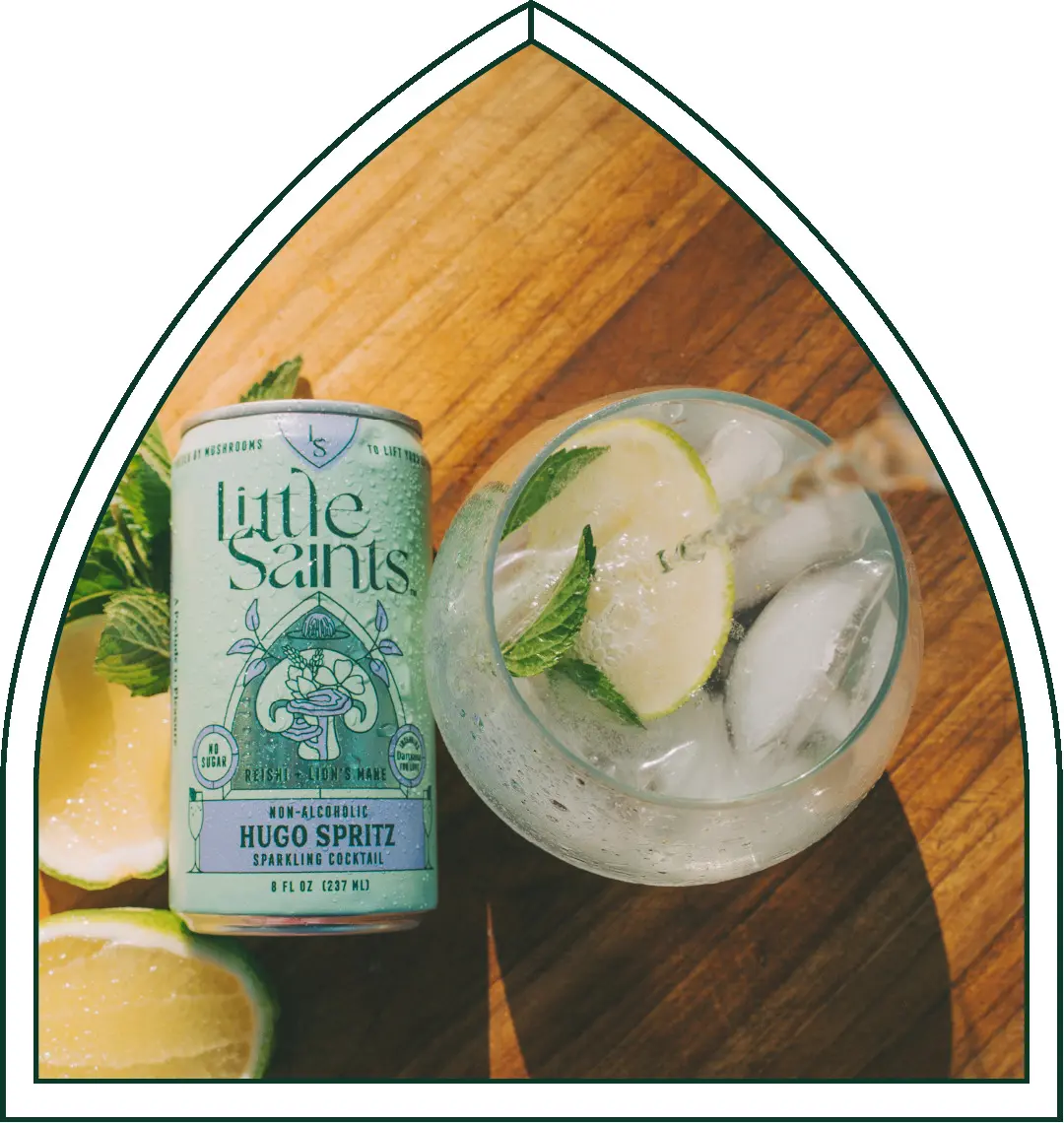
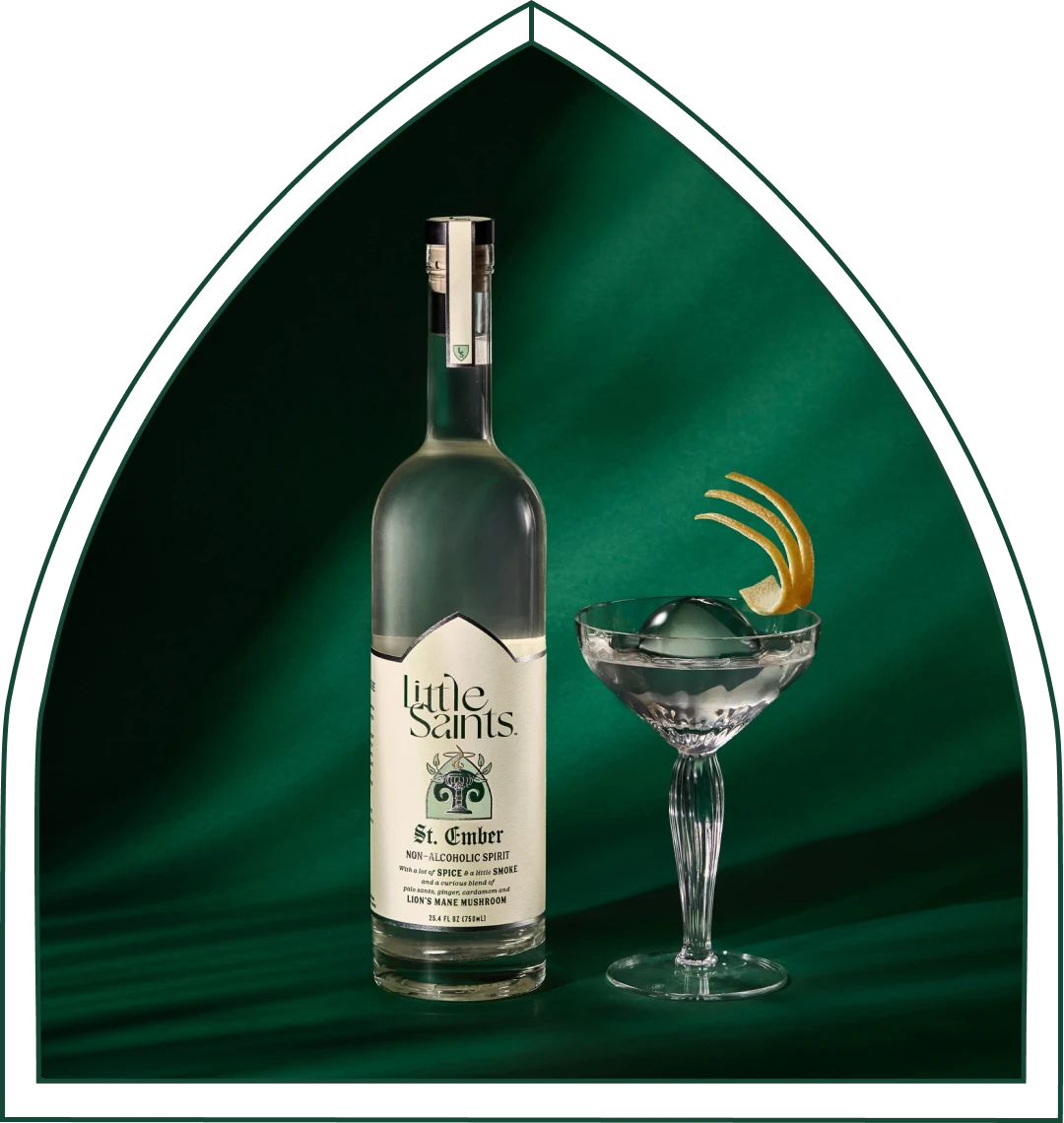
The canned cocktail lineup covers familiar classics such as Classic Spritz, Hugo Spritz, Classic Margarita, Paloma, Old Fashioned, Mojito, and Negroni Spritz. Every can is sweetened with monk fruit juice concentrate instead of cane sugar, erythritol, or sugar alcohols. The non-alcoholic spirits — St. Ember, St. Oak, and St. Juniper — carry zero grams of sugar with no sweeteners at all and rely on oil-based craft extracts that mix 1:1 in any classic spec. Two ounces of St. Ember replace two ounces of tequila in a margarita. Two ounces of St. Juniper replace two ounces of gin in a Rickey. You pour the same measure every time, so there is no over-pouring and no need to re-cost the build.
Little Saints products use the Nature's Neuroscience functional platform, which combines organic Reishi, organic Lion's Mane, Damiana, and botanical terpenes with a stated 100 mg dose per serving. Components vary by product, and extracts contain at least 70% beta glucan, documented by supplier certificates of analysis. The result is what Little Saints calls the Little Saints Lift, a sense of clarity and ease that makes the evening ritual feel complete.
Statements about these products have not been evaluated by the FDA. These products are not intended to diagnose, treat, cure, or prevent any disease. Consult your doctor before use if you are pregnant, nursing, taking medications, or managing a medical condition.
Conclusion: Four Swaps And One Shortcut
Sugar arrives in a cocktail from four places, and each has a direct fix. Replace simple syrup with fresh citrus and a pinch of salt. Swap sweet liqueur for a dry vermouth rinse or a bitter aperitivo in smaller volume. Cut juice volume and choose fresh-squeezed over bottled. Trade tonic and ginger ale for soda water or unsweetened ginger beer. Apply those four swaps to any drink you already make and you reduce sugar without giving up the drink.
For readers who prefer to skip sugar math entirely, Little Saints delivers the full evening cocktail experience at zero grams of sugar and five calories, in cans or in bottles that mix 1:1 in any classic spec. Explore the full range of non-alcoholic cocktails and spirits.
Frequently Asked Questions
What Is The Salt Technique, And Does It Actually Work?
The salt technique means adding a small amount of salt, usually two to three drops of a 20% saline solution or a pinch of kosher or flaky salt, to a cocktail to enhance flavor and reduce the need for sweetener. It works because salt suppresses bitterness at low concentrations. Since bitterness normally suppresses sweetness, blocking it releases the sweetness already present in citrus juice and base spirits. The salt does not add sweetness itself; it lets you perceive more of what is there. The result is a drink that reads as balanced and complete without added sugar. Bartenders most often use this move in sour and citrus-forward cocktails, though it can benefit many spirit-forward builds. A 20% saline solution, made with 20 grams of salt dissolved in 80 grams of water, gives more precise control than a dry pinch and disperses evenly in a shaken drink.
Is Unsweetened Ginger Beer Actually Different From Ginger Ale?
Unsweetened ginger beer and ginger ale differ in both build and flavor. Ginger ale is a sweetened carbonated soft drink flavored with ginger. Traditional ginger ale is fermented from a microbial starter culture, sugar, fresh ginger root, and water, but commercial ginger ale usually contains carbonated water, sugar or high-fructose corn syrup, and artificial or natural ginger flavoring. Ginger beer is built around real fresh ginger that is steeped into a syrup and then fermented or force-carbonated. Fresh ginger gives ginger beer an intense, spicy kick that sets it apart from ginger ale. For low sugar cocktail recipes, ginger ale carries a substantial added-sugar load, while unsweetened ginger beer delivers similar aromatic heat with far less or no added sugar, depending on the brand. Always check the label and look specifically for “unsweetened” or added sugars at or near zero in the nutrition facts.
Can I Make A Low Sugar Margarita Without Giving Up The Orange Flavor?
You can keep the orange character in a Margarita while cutting sugar. In a classic Margarita made with tequila, orange liqueur, and fresh lime juice, the orange liqueur is the main added-sugar source, and some recipes add agave or simple syrup. One option is to use a small amount of fresh orange juice alongside the lime, which delivers the citrus note with less sugar than a liqueur pour. Another option is to use an expressed orange peel as a garnish. Oils from the peel release a strong orange aroma over the glass and give the nose of the drink an orange character without adding sugar. The Tommy's-Style Margarita eliminates sweet liqueur and simple syrup and uses agave nectar as its sole sweetener.
How Do I Order A Low Sugar Cocktail At A Bar Without A Long Explanation?
The most efficient script to order a low-sugar cocktail is to name the spirit, the citrus, and the soda, and add “no syrup,” as described above. For example, “vodka with lemon and soda water” or “gin and soda with lime, no syrup” communicates clearly. “Dry” works best when ordering wine or champagne. “Vodka, lime, soda — no syrup” covers a Vodka Soda built without sweetener. “Tequila, lime, soda — no syrup” covers a Ranch Water. The Gin Rickey is traditionally served without sweetener by default, though it is not available at every bar and some recipes offer optional simple syrup. For a Martini, “extra dry” signals minimal vermouth, ranging from a small splash or glass rinse to no vermouth at all, and no sweetener. To keep sugar low, avoid flavored spirits that contain added syrups, avoid drinks made with tonic water and request soda water instead, and be cautious of drinks built on house-made flavored syrups. When in doubt, ask the bartender what the sweetener is.
What Is The Difference Between Added Sugar And Sugar From Juice In A Cocktail?
Added sugar in cocktails, whether simple syrup, honey, agave, or a sweetened liqueur, contributes sweetness and calories. Natural sweeteners like honey and agave also contain enzymes, antioxidants, vitamins, and minerals that affect flavor. Honey adds floral notes, while agave adds a vegetal or earthy character. Sugar from fresh juice arrives alongside acidity, aroma compounds, and texture that bottled juice or syrup cannot match. Both sources contribute sugar to the glass, but juice-based sugar comes with a flavor trade-off that many drinkers consider worthwhile. The practical move is to reduce juice volume instead of cutting it entirely and to choose fresh-squeezed over bottled, which delivers more flavor per ounce and allows a smaller pour. A half-ounce of fresh lime juice contributes about 4 calories and roughly 1.2 grams of carbohydrate, whereas a full ounce of 100% pineapple juice contributes about 16 calories and roughly 3.9 grams of sugar. The lime juice adds far less sugar while still providing the acidity the drink needs for balance.
The statements made on our website have not been evaluated by the Food and Drug Administration, Our products are not intended to diagnose, treat, cure or prevent any disease. If you are pregnant, nursing, taking any medications or have any medical conditions, consult your doctor before use.