


Key Takeaways
- Ethanol drives the autonomic shift that suppresses overnight HRV, while sugar and calories do not.
- Low-calorie cocktails still lower HRV because total ethanol consumed matters more than mixer type.
- One standard drink finished early produces the lowest impact, and two or more drinks create a clear, dose-dependent drop.
- HRV typically rebounds in one to two nights for light drinkers and can take up to four or five days after heavier consumption.
- Little Saints offers zero-alcohol cocktails and spirits that remove the ethanol variable while preserving the evening ritual.
Why Low-Calorie Drinks Still Hit HRV: The Ethanol Mechanism
Alcohol and HRV interact through a specific autonomic pathway. When ethanol enters the bloodstream, the body treats it as a metabolic priority, processing it ahead of restorative functions. That metabolic workload activates the sympathetic branch of the autonomic nervous system, the fight-or-flight response, while suppressing the parasympathetic rest-and-digest branch. Baylor Scott & White Health explains that this shift keeps the sympathetic system in the driver’s seat overnight, which keeps heart rate elevated and compresses beat-to-beat variability, lowering HRV.
The dose-response relationship is well documented. A 2026 analysis in PLOS Digital Health by Grosicki et al., tracking 20,968 wearable users across 5.1 million days, found that one drink above a person’s usual amount lowered overnight HRV by 3.3 milliseconds in men and 3.8 milliseconds in women, while raising overnight resting heart rate by 2.4 to 2.8 beats per minute. WHOOP’s aggregated member data puts the average single-drink hit at a 7 ms HRV drop and a 3 bpm resting-heart-rate rise.
Alcohol lowers HRV through ethanol-specific mechanisms. Alcohol suppresses vagal tone through three stacked mechanisms: acetaldehyde, ethanol’s primary metabolite, is directly cardiotoxic to the sinoatrial node’s autonomic input; alcohol suppresses melatonin and fragments the second half of sleep; and its mild diuretic effect raises resting heart rate, mechanically compressing the R-R interval variability window. None of these mechanisms involve sugar or calories. This connection raises a common question about sugar’s role in HRV.
Does The Sugar In A Cocktail Affect HRV?
Most wearable users want to know whether sugar in a drink changes the HRV hit, and ranking sources rarely answer this directly.
The sugar in a cocktail affects your blood sugar but does not change the autonomic mechanism that suppresses HRV. Ethanol activates the sympathetic branch and suppresses the parasympathetic branch. A sugary mixer adds calories and a blood-sugar spike on top of the ethanol dose. A zero-sugar mixer removes the calories and the spike. The autonomic hit stays the same, because ethanol drives that effect.
WHOOP states that the primary factor influencing HRV after drinking is the ethanol content itself, regardless of beer, wine, or spirits, and regardless of mixer. A vodka soda and a sugary margarita built with the same base spirits pour often differ in ethanol dose, because the margarita’s orange liqueur adds extra alcohol. That extra ethanol can produce a larger overnight HRV drop. The real difference lies in calories, blood-sugar spike, and total ethanol, rather than mixer sugar alone.
Choosing a zero-sugar mixer supports blood sugar and calorie management. It does little for overnight HRV compared with changing the ethanol dose or timing.
How Long After Drinking Does HRV Recover?
Alcohol affects HRV for a variable window that depends on dose, timing, hydration, fitness, and individual physiology. The overnight recovery number most wearable users track still follows a recognizable pattern.
A light evening of one or two standard drinks finished early typically returns overnight HRV to near baseline after one clean night. A heavier drinking evening often leaves the first night clearly suppressed and the second night improved but still below usual. Full return to baseline usually appears by the second or third night. Consecutive drinking nights extend the recovery tail.
WHOOP reports that HRV can take up to four or five days to fully rebound after a single night of drinking, depending on amount consumed, hydration, overall fitness, and individual physiology. That suppression can persist after obvious hangover symptoms fade.
For occasional drinkers, HRV and resting heart rate typically normalize within one to two days once alcohol clears. For heavier or long-term drinkers, autonomic function improves over weeks of reduced or stopped drinking. Understanding this recovery timeline helps contextualize how different low-calorie cocktail formats affect overnight HRV.
Low-Calorie Cocktail Formats Ranked By Overnight HRV Impact
The table below ranks low-calorie cocktail formats by their actual overnight HRV impact, based on ethanol dose, mixer, and timing, rather than calorie count. The vodka soda versus wine comparison appears in Tier 3.
| Format | Ethanol Dose | Overnight HRV Impact | Key Variable |
|---|---|---|---|
| Vodka soda, one drink, finished 3–4 hours before bed | 1 standard drink | ~3–4 ms drop (est.) | Timing |
| Vodka soda, one drink, finished within an hour of bed | 1 standard drink | ~5–7 ms drop (est.) | Timing |
| Wine, one glass, finished early, same ethanol dose as vodka soda | 1 standard drink | ~5–7 ms drop (est.) | Ethanol dose and timing |
| Sugary cocktail, one drink, same spirits pour | 1 standard drink | ~5–7 ms drop (est.) | Ethanol dose |
| Zero-alcohol cocktail (e.g., Little Saints) | 0 g ethanol | ~0 ms ethanol-related drop | Removes ethanol |
Tier 1: Lowest Impact, One Standard Drink, Zero-Sugar Mixer, Finished Early. A vodka soda with 1.5 oz of spirits finished three to four hours before bed represents the lowest-impact alcoholic option. The zero-sugar mixer removes the blood-sugar spike and the calories, while the single standard drink keeps the ethanol dose low. Finishing early gives the liver time to metabolize some ethanol before sleep begins. Baylor Scott & White Health advises limiting or avoiding alcohol within 3–4 hours of bedtime because alcohol metabolism disrupts sleep architecture and halts overnight nervous system recovery.
Tier 2: Moderate Impact, One Standard Drink, Zero-Sugar Mixer, Finished Late. This tier uses the same drink but finishes it within an hour of bed. The ethanol dose matches Tier 1, yet metabolism now overlaps with sleep. That overlap is when the autonomic hit appears most clearly on the overnight HRV number.
Tier 3: Higher Impact, Two Standard Drinks, Any Mixer. Two drinks create an unmistakable drop. Two standard drinks with sleep by midnight typically produce a 15–24% overnight rMSSD drop and a resting heart rate rise of 3–5 bpm. The mixer matters less than the dose. A vodka soda and a glass of wine with the same ethanol dose produce a similar overnight HRV drop, while calories and blood-sugar response differ.
Tier 4: Highest Impact, Three Or More Standard Drinks, Any Mixer, Finished Late. Four or more drinks can cut overnight HRV by roughly a third or more below personal baseline, with resting heart rate up by several beats. At this dose, mixer choice becomes largely irrelevant for HRV.
Timing And Sequencing: Why Stopping Early Changes The Overnight Number
The body clears alcohol at a roughly fixed rate of about one standard drink per hour. Finishing drinks two to three hours before bed lets most of the clearing happen while awake and usually produces a noticeably better night than the same drinks taken late.
Alternating alcoholic and non-alcoholic drinks across a night, often called zebra striping, has become common. NIQ reports that 47% of on-premise visitors mix alcoholic and non-alcoholic options in the same occasion, and 93% of non-alcohol buyers also purchase alcohol in that visit (From Value to Vibe, NIQ, January 2026). The non-alcohol pour adds to the check instead of replacing it.
Alternating with water does not accelerate alcohol metabolism, yet it does combat dehydration. Even mild dehydration reduces total blood volume, forcing the heart to beat faster and more rigidly, which directly suppresses HRV. Dehydration creates an additional drag on top of the ethanol hit.
The Zero-Alcohol Option: Removing The Ethanol Variable Entirely
Little Saints is a non-alcoholic cocktail and spirits brand built specifically for the evening drinking occasion, with classic cocktail flavor profiles, zero sugar, five calories, and a functional mushroom and botanical blend in every pour. The brand does not position itself as a sobriety statement. It supports the same evening ritual while removing the ethanol that suppresses HRV.
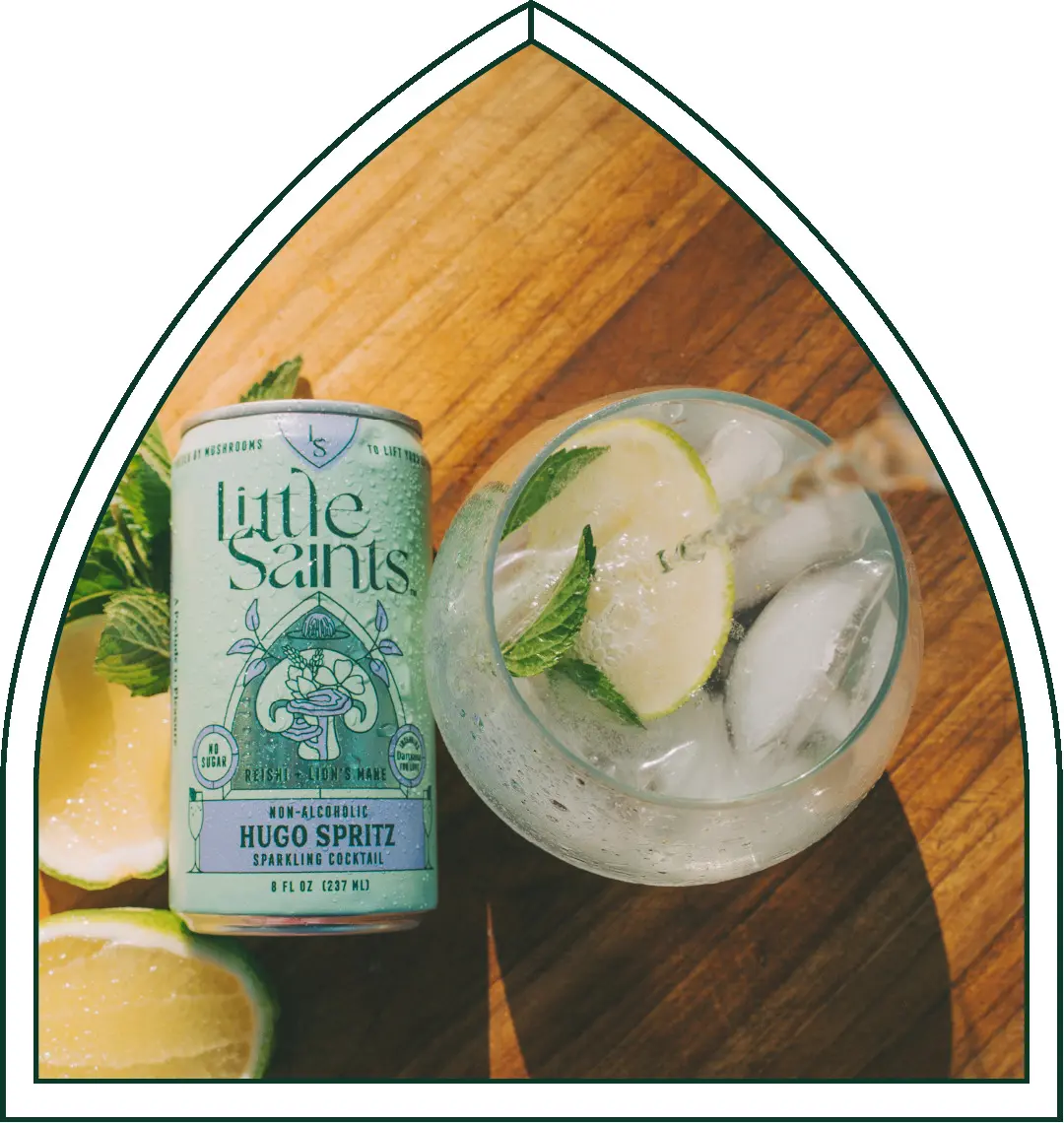
Little Saints canned cocktails carry 0% ABV and the spirits carry under 0.5% ABV, so they contain little to no ethanol. Zero grams of sugar and five calories per can mean no blood-sugar spike. The core line contains no caffeine, which keeps the evening occasion and overnight recovery free from stimulant effects.
The functional blend, called Nature’s Neuroscience, combines organic Reishi for chill, organic Lion’s Mane for focus, Damiana for connection, and botanical terpenes for the senses. To support potency, every extract is standardized to a minimum of 70% beta glucan and dosed at 100 mg per serving, with certificates of analysis from the supplier. The mushrooms are USDA Organic and California-grown, extracted with ultrasound rather than solvents. This process yields an extract that holds GRAS status, the FDA’s standard of generally recognized as safe for an ingredient used in food.
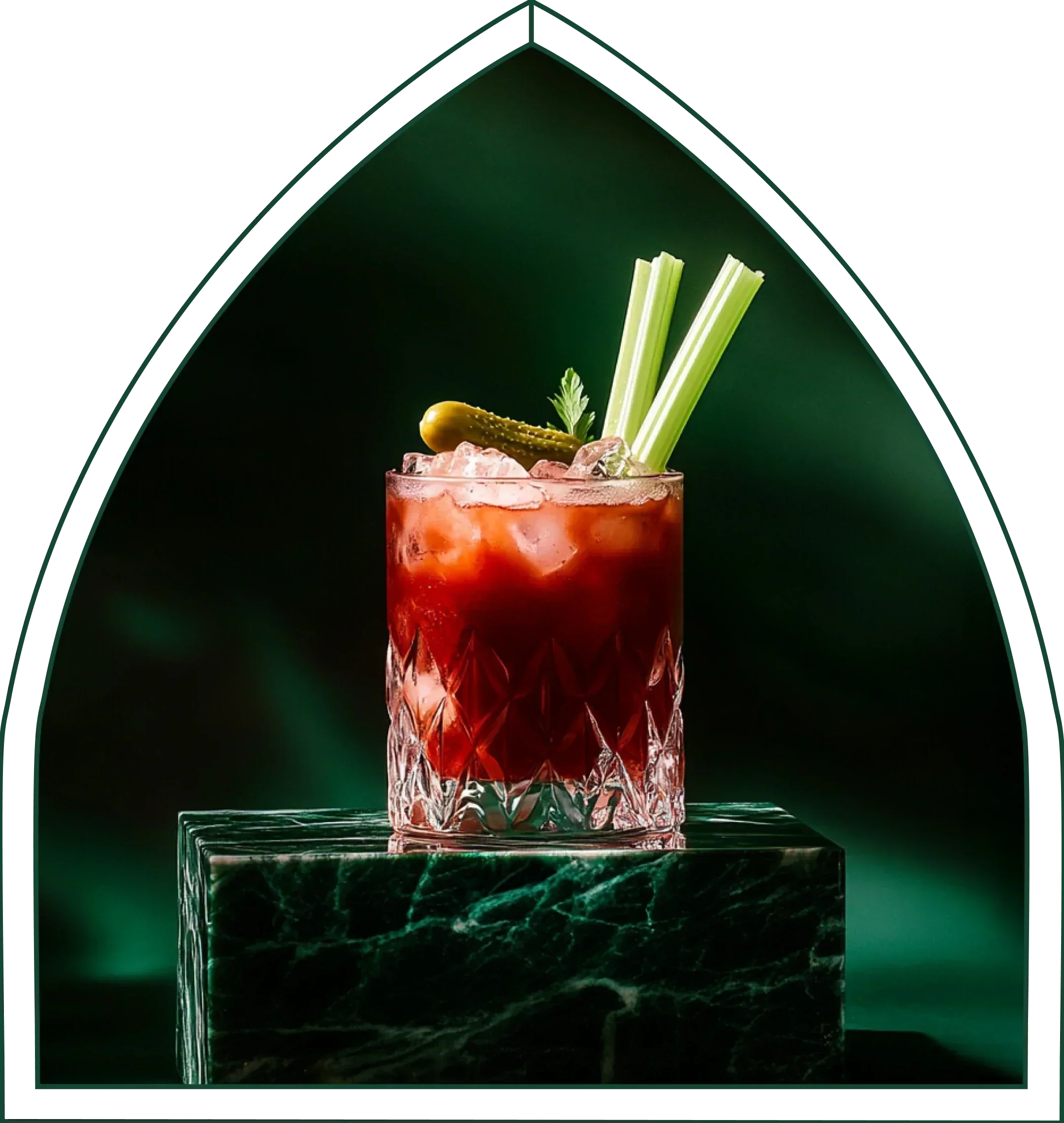
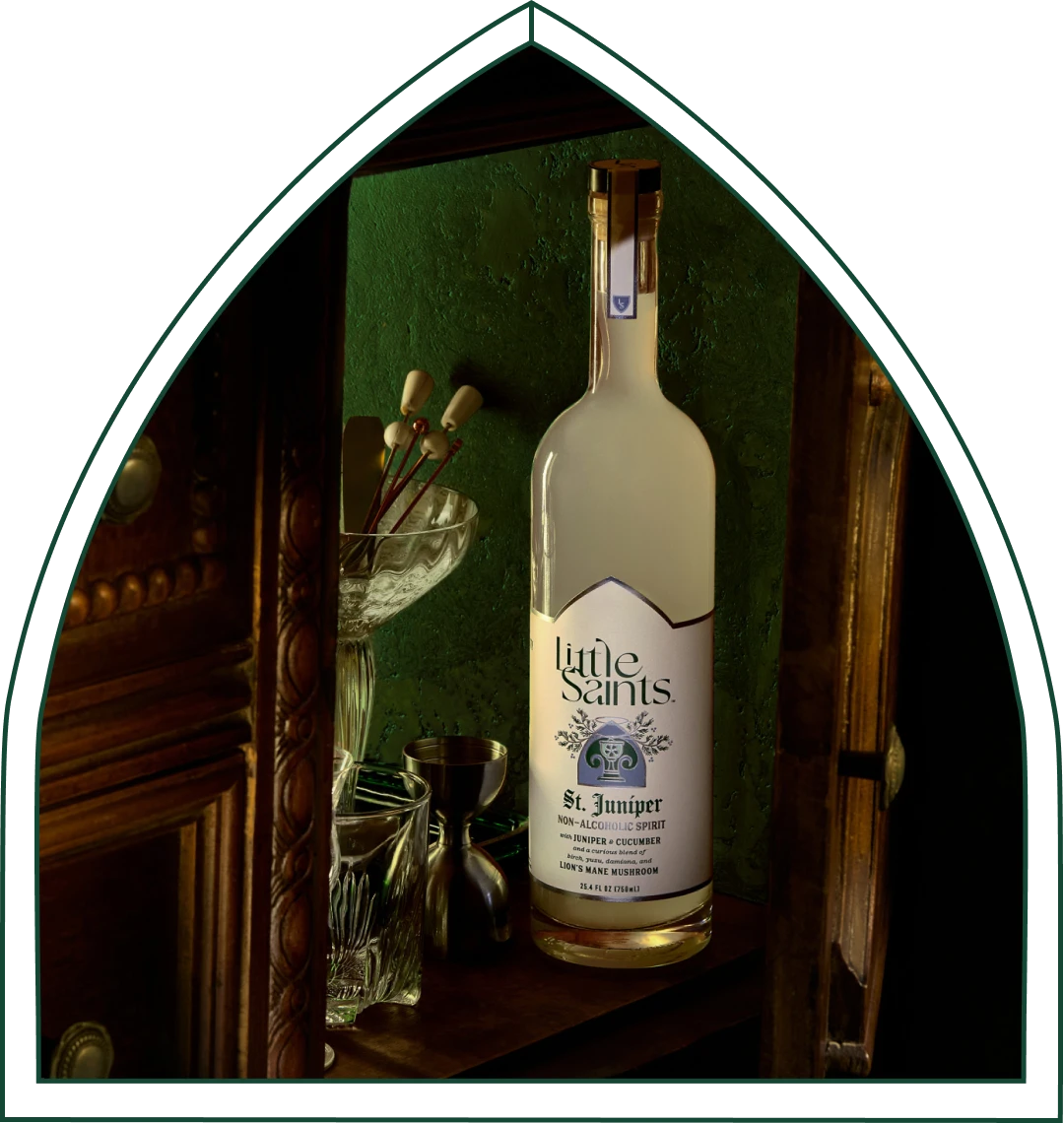
The canned cocktails, including Classic Spritz, Hugo Spritz, Classic Margarita, Paloma, Old Fashioned, Mojito, and Negroni Spritz, are finished drinks ready to pour. The non-alcoholic spirits, St. Ember, St. Juniper, and St. Oak, are built on oil-based craft extracts that mix 1:1. Two ounces replace two ounces in any recipe, so there is no over-pouring. St. Oak was named Best NA Spirit of 2025 by the BevNET Spirit Awards.
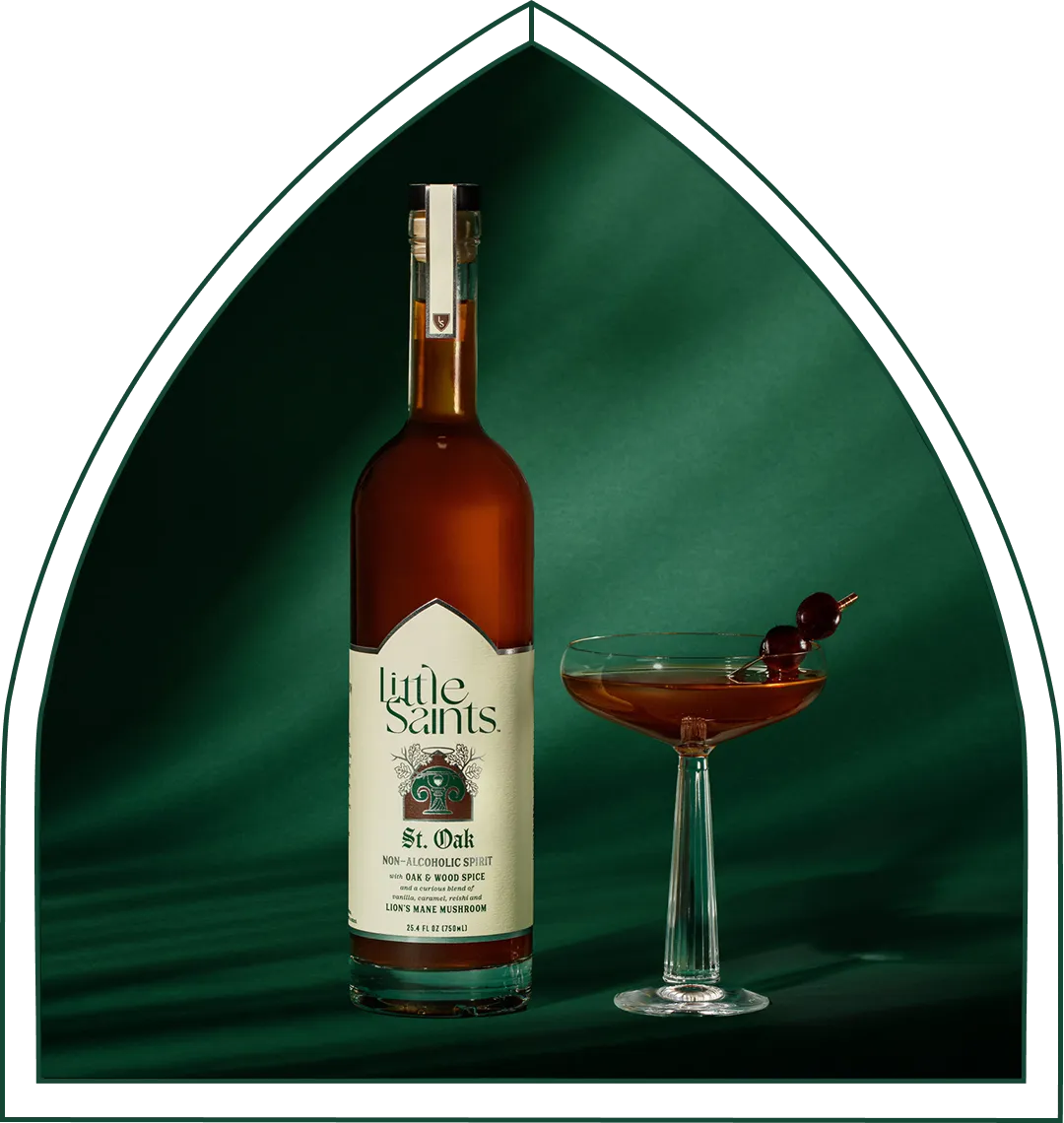
For the reader who tracks recovery on a wearable and wants to keep the evening ritual without the overnight cost, Little Saints offers a drink built for exactly that moment.
Explore Zero-Alcohol Cocktails
What To Order Tonight: A Practical Close
The decision framework stays simple. If you choose to drink, the lowest-impact alcoholic option is one standard drink with a zero-sugar mixer, finished three to four hours before bed. This timing lets your body metabolize some ethanol before sleep. If you want to remove the HRV hit entirely, the only effective lever is removing the ethanol altogether.
Little Saints is the zero-alcohol option built for the evening occasion alcohol used to own, with zero sugar, five calories, no caffeine, and a functional mushroom blend with a stated 100 mg dose and a minimum 70% beta glucan extract in every pour. The flavor profiles match familiar favorites such as margarita, old fashioned, negroni, and spritz. The spirits mix 1:1, so the drink builds the same way while your overnight number stays closer to your usual baseline.
For more on building low-calorie drinks that work, see our guides:
- Low Calorie Cocktail Recipes: 10 Easy Drinks Under 150 Cal
- The Complete Guide To Zero Sugar Cocktails
- Best Low-Calorie Non-Alcoholic Drinks To Order At A Bar
Statements about the products have not been evaluated by the FDA, and the products are not intended to diagnose, treat, cure or prevent any disease. Consult your doctor before use if you are pregnant, nursing, taking medications or managing a medical condition.
Frequently Asked Questions
Why Is My HRV Lower When I Drink Alcohol?
Alcohol activates the sympathetic fight-or-flight branch of the autonomic nervous system while suppressing the parasympathetic rest-and-digest branch. The body prioritizes metabolizing ethanol over restorative functions, which keeps heart rate elevated through the night and lowers HRV. As explained earlier, ethanol activates the sympathetic branch and suppresses the parasympathetic branch, while sugar and calories do not. The mechanism operates through three stacked pathways: acetaldehyde, ethanol’s primary metabolite, is directly cardiotoxic to the sinoatrial node’s autonomic input; alcohol suppresses melatonin and fragments the second half of sleep; and its mild diuretic effect raises resting heart rate, mechanically compressing the R-R interval variability window.
How Long After Quitting Alcohol Does HRV Improve?
Recovery typically takes one to two nights for light drinking and can take up to four or five days for heavier drinking, as detailed earlier. Occasional drinkers usually see HRV and resting heart rate normalize within a couple of days once alcohol clears. Heavier or long-term drinkers often see autonomic function improve gradually over weeks of reduced or stopped drinking.
Does The Sugar In A Cocktail Affect HRV?
The sugar in a cocktail affects your blood sugar and calorie load. It does not change the autonomic mechanism that suppresses HRV. As explained earlier, ethanol drives the sympathetic shift, and a zero-sugar mixer mainly removes calories and the blood-sugar spike. A margarita with added liqueur has more ethanol than a vodka soda, so it can lower HRV more. Choosing a zero-sugar mixer supports blood sugar and calorie management, while ethanol dose remains the main HRV lever.
Do Low-Calorie Cocktails Affect HRV Less Than Regular Ones?
Low-calorie cocktails still lower HRV because ethanol drives the autonomic shift. The primary variable is total ethanol consumed. As noted, a margarita with added liqueur carries more ethanol than a vodka soda, so it can create a larger HRV drop even if the base spirits pour matches. The calorie count distracts from the real driver, which is ethanol.
What Is The Only Way To Remove The HRV Hit From A Cocktail?
Removing ethanol is the only way to remove the ethanol-driven HRV hit. A zero-alcohol option fully removes that variable. Little Saints makes non-alcoholic cocktails and spirits with zero sugar, five calories, and a functional mushroom blend, built for the evening drinking occasion without the alcohol. The canned cocktails carry 0% ABV. The spirits carry under 0.5% ABV and mix 1:1 in any recipe. No ethanol means no ethanol-driven autonomic suppression, no blood-sugar spike from a sugary mixer, and no caffeine to interfere with overnight recovery.
The statements made on our website have not been evaluated by the Food and Drug Administration, Our products are not intended to diagnose, treat, cure or prevent any disease. If you are pregnant, nursing, taking any medications or have any medical conditions, consult your doctor before use.