


Low-Calorie Cocktails at a Glance
- Low-calorie cocktails stay under 150 calories per serving by using zero-calorie mixers, fresh citrus, and measured spirit pours.
- The five lowest-calorie classics rely on one simple formula: a base spirit plus a zero- or near-zero-calorie mixer.
- Ten easy recipes under 150 calories, including Skinny Margarita, Vodka Soda with Lime, Light Gin and Tonic, Ranch Water, and non-alcoholic options like St. Ember Paloma, show how much flavor you can keep while cutting calories.
- Smart swaps such as monk fruit instead of simple syrup, fresh lime instead of juice blends, and diet tonic instead of regular can remove 100 or more calories from many cocktails.
- Zero-sugar, five-calorie cocktails with functional mushrooms make it easy to enjoy the ritual without the alcohol. Explore Little Saints non-alcoholic cocktails and spirits.
What Makes a Cocktail Low-Calorie?
Low-calorie cocktails typically stay under 150 calories per serving by focusing on low- or zero-calorie mixers, fresh citrus, and spirits served without sugary syrups or juice-heavy blends. Alcohol, sugar, and mixers drive nearly all of the calories in a drink, so small changes to each of these elements create a big impact.
The key factors that determine a cocktail's calorie count include:
- Alcohol content: At 7 calories per gram, alcohol is the primary calorie driver in most alcoholic drinks, though it contains fewer calories per gram than fat (9 kcal/g) and more than carbohydrates and protein (4 kcal/g each). A standard 1.5 oz pour of 80-proof spirits contains approximately 97 calories before any mixer is added.
- Sugar and syrups: Simple syrup's calorie content per ounce varies by brand and recipe: Stirrings simple syrup contains 50 calories per 1 fl oz, while other brands like Master of Mixes range from 70 to 80 calories per ounce. Regular tonic water contains approximately 116 to 131 calories per 12 oz serving, depending on the brand, which is similar to a light beer.
- Mixers: Soda water contributes zero calories. Based on USDA data, fruit juices range from about 12.4 to 19.6 calories per ounce, with grape juice highest and grapefruit juice lowest, and a 1.5 oz pour of triple sec liqueur typically contains around 100-110 calories, though the exact count varies by brand (e.g., DeKuyper has 100 calories, while some brands like Bols can have over 150 calories).
- Portion size: A standard pour is 1.5 oz. While the most common standard bar pour is 1.5 oz, some high-end establishments pour 2 oz for neat or premium spirits, and pours of 2.5 oz are generally considered excessive and are not typical. Larger pours raise the calorie count quickly.
The 5 Lowest-Calorie Cocktails You Can Order
These five cocktails are among the lowest-calorie options at most bars. Each one uses a measured spirit pour and a zero- or near-zero-calorie mixer to keep calories in check while still tasting like a proper drink.
- Vodka Soda (approx. 96 calories): A simple build of 1.5 oz vodka topped with soda water and a squeeze of lime. The calories come almost entirely from the spirit itself, with soda water contributing zero.
- Gin Rickey (approx. 114 calories): Gin, fresh lime juice, and club soda create a bright, botanical, and refreshing drink. A standard gin rickey (gin, fresh lime juice, and club soda) contains approximately 114–115 calories when made with a 1.5 oz pour of gin, and the calorie count can rise to about 146 calories with a 2 oz pour.
- Ranch Water (approx. 131 calories): Tequila, fresh lime, and sparkling mineral water, often Topo Chico, deliver a crisp, mineral-driven highball. A standard 1.5 oz shot of 80-proof tequila contains approximately 96 to 100 calories, and sparkling water adds none.
- Skinny Margarita (approx. 124 calories): Tequila, fresh lime juice, and a splash of fresh orange juice replace triple sec and heavy sweeteners. A skinny margarita made with tequila, fresh lime juice, and fresh orange juice (instead of triple sec) typically contains about 100–170 calories. The VinePair recipe, with 2 oz tequila, 1.5 oz lime juice, 1 oz orange juice, and 1 tsp agave nectar, totals approximately 124 calories. Most versions include a small amount of agave syrup for sweetness.
- Dry Martini (approx. 125 calories): Gin or vodka with a small amount of dry vermouth creates a strong, low-sugar sipper. A traditional dry martini (2.25 fl oz) contains about 125 calories, though the exact count varies by recipe and proportions.
The table below compares these five classics with a few higher-calorie favorites so you can see where the extra calories usually come from.
| Drink | Calories | Sugar (g) | ABV (approx.) |
|---|---|---|---|
| Vodka Soda | 96 | 0 | ~12% |
| Gin Rickey | 114 | 0.4 | ~12% |
| Ranch Water | 131 | 0 | ~12% |
| Skinny Margarita | 124 | 3 | ~15% |
| Classic Margarita | 274 | 16 | ~15% |
| Piña Colada | 245-340 | 31-58 | ~10% |
10 Easy Low-Calorie Cocktail Recipes Under 150 Calories
These recipes build on the five classics above and apply the same ideas: measured pours, fresh citrus, and low- or zero-calorie mixers for big flavor under 150 calories.
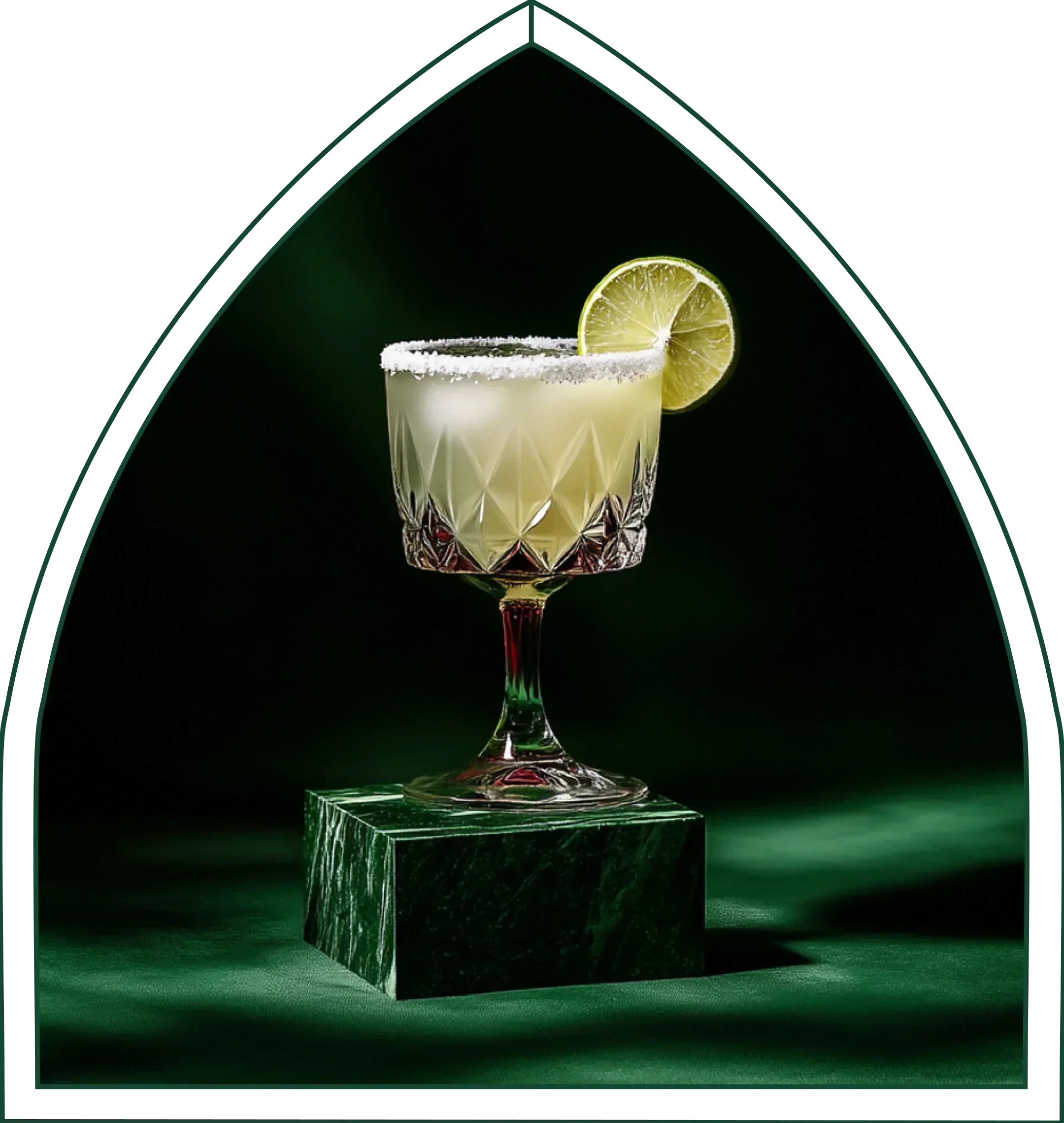
Skinny Margarita (120 calories)
- 1.5 oz blanco tequila
- 1 oz fresh lime juice
- 0.5 oz fresh orange juice
- Soda water
- Lime wheel for garnish
- Fill a shaker with ice, then add tequila, lime juice, and orange juice.
- Shake vigorously for 15 seconds.
- Strain into a rocks glass over fresh ice.
- Top with a splash of soda water and garnish with a lime wheel.
Vodka Soda with Lime (96 calories)
- 1.5 oz vodka
- 4–6 oz soda water
- Fresh lime wedge
- Fill a highball glass with ice.
- Pour vodka over the ice.
- Top with soda water, pouring slowly to preserve carbonation.
- Squeeze the lime wedge over the drink and drop it in.
Light Gin and Tonic (97 calories)
- 1.5 oz gin
- 4 oz diet tonic water
- Cucumber slice or rosemary sprig for garnish
- Fill a highball glass with ice.
- Add gin, then top with diet tonic water.
- Stir once to combine.
- Garnish with cucumber or rosemary.
A Light Gin and Tonic made with 1.5 oz (44 ml) of gin and 4 oz (120 ml) of diet tonic water contains approximately 97 calories, since the diet tonic contributes negligible calories.
Ranch Water (120 calories)
- 2 oz blanco tequila
- 1 oz fresh lime juice
- 4–6 oz sparkling mineral water
- Lime wedge
- Fill a tall glass with ice.
- Add tequila and lime juice.
- Top with sparkling mineral water.
- Garnish with a lime wedge.
Skinny Paloma (115 calories)
- 1.5 oz tequila
- 1 oz fresh lime juice
- 6 oz grapefruit-flavored sparkling water
- Grapefruit slice for garnish
- Fill a glass with ice.
- Add tequila and lime juice.
- Top with grapefruit sparkling water and stir gently.
- Garnish with a grapefruit slice.
Light Mojito (130 calories)
- 1.5 oz white rum
- 6–8 fresh mint leaves
- 0.5 oz fresh lime juice
- 1 tsp monk fruit sweetener
- Soda water
- Muddle mint leaves with lime juice and sweetener in a glass.
- Fill the glass with ice.
- Add rum and top with soda water.
- Stir gently and garnish with a mint sprig.
Whiskey Ginger (110 calories)
- 1.5 oz whiskey
- 4 oz diet ginger ale
- Lime wedge
- Fill a rocks glass with ice.
- Add whiskey and top with diet ginger ale.
- Stir once and garnish with a lime wedge.
Aperol Spritz (Light) (140 calories)
- 2 oz Aperol
- 2 oz dry prosecco
- 1 oz soda water
- Orange slice
- Fill a wine glass with ice.
- Add Aperol and prosecco.
- Top with soda water and stir gently.
- Garnish with an orange slice.
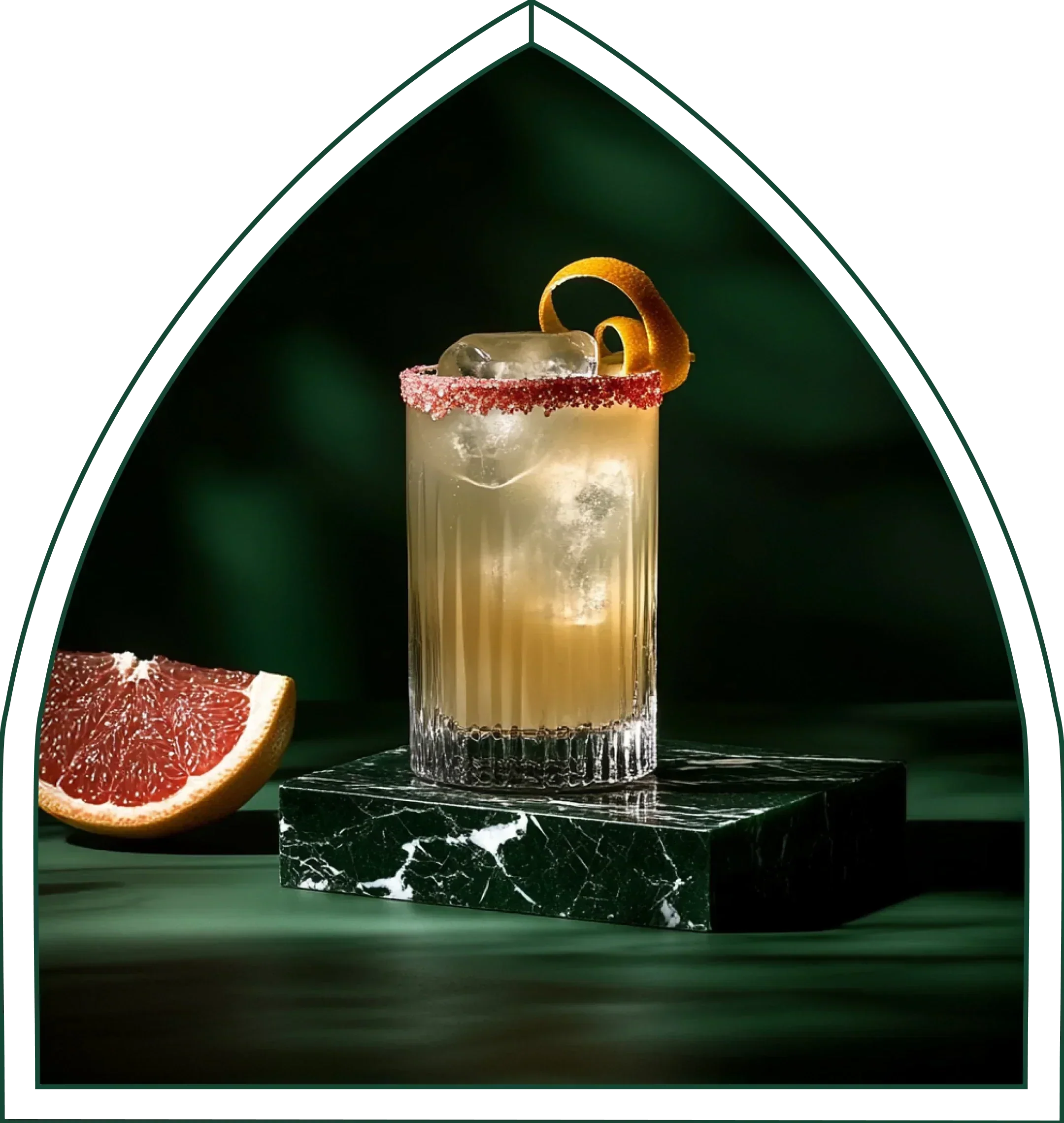
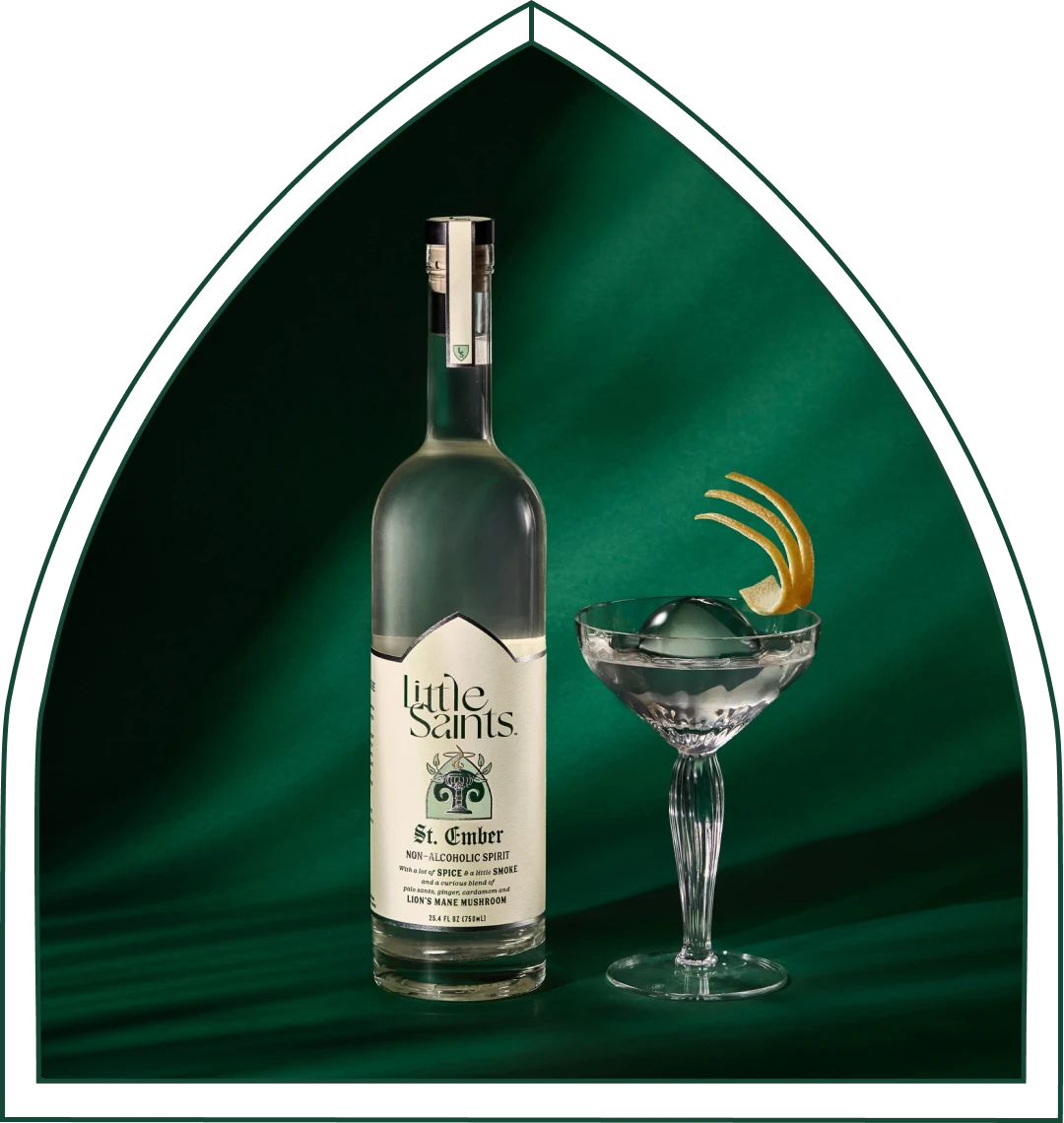
St. Ember Paloma (5 calories, non-alcoholic)
- 2 oz St. Ember
- 2 oz fresh grapefruit juice
- 0.5 oz fresh lime juice
- Soda water
- Grapefruit wedge
- Fill a glass with ice.
- Add St. Ember, grapefruit juice, and lime juice.
- Top with soda water and stir.
- Garnish with a grapefruit wedge.
St. Ember mixes like a tequila or mezcal, so you can substitute 2 oz for 2 oz in any recipe. Each serving has zero sugar, five calories, and 100mg of functional mushrooms.
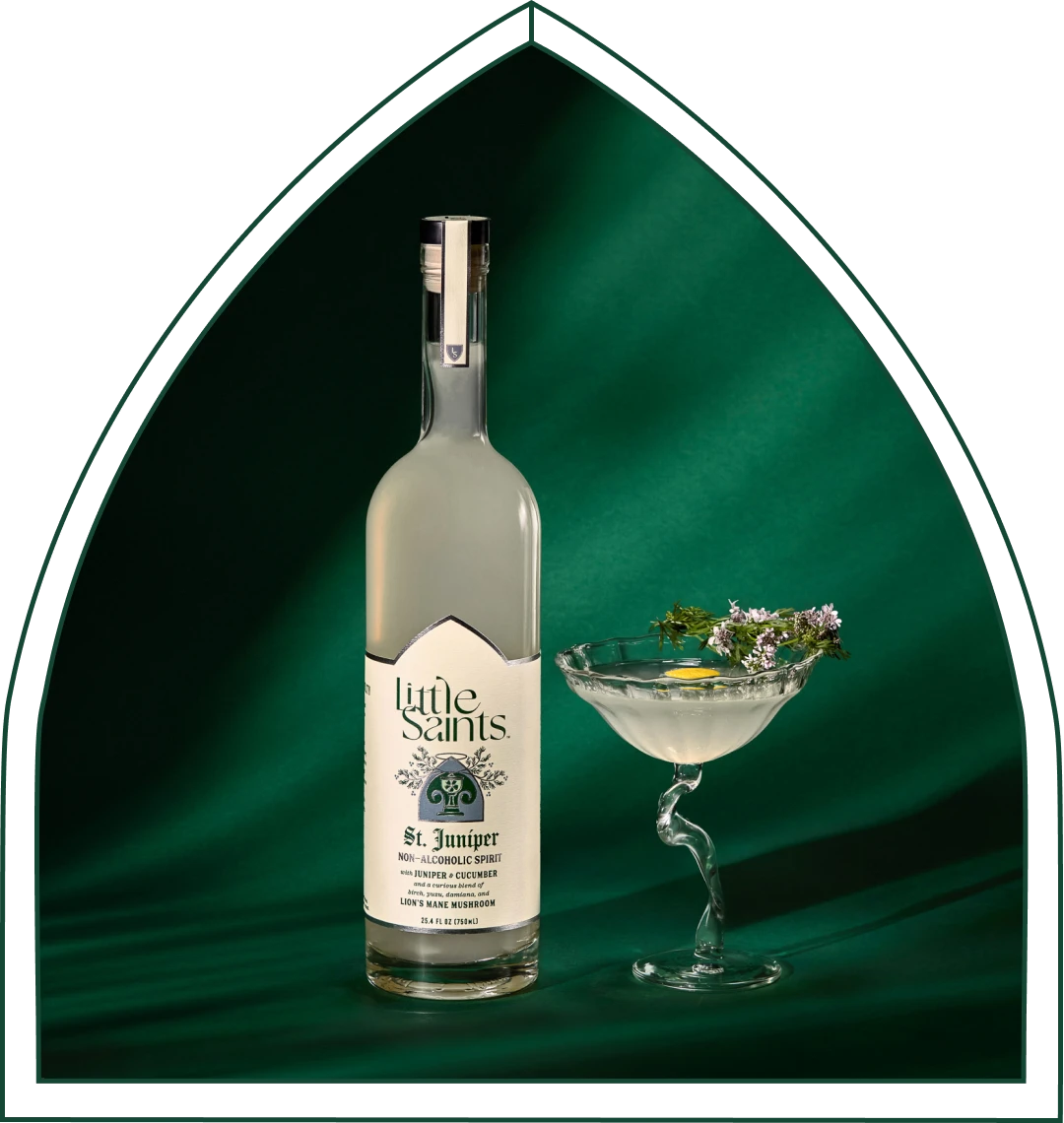
St. Juniper Gin & Tonic (5 calories, non-alcoholic)
- 2 oz St. Juniper
- 4 oz diet tonic water
- Cucumber ribbon or juniper berries
- Fill a highball glass with ice.
- Add St. Juniper and top with diet tonic.
- Stir once and garnish with cucumber or juniper.
Browse the full Little Saints collection to stock your home bar.
Smart Swaps: How to Cut 100+ Calories from Any Cocktail
Small ingredient changes can turn a 270-calorie classic margarita into a 120-calorie skinny version. The swaps below apply to almost any cocktail and directly reduce sugar and total calories.
- Swap sugary syrups for zero-calorie sweeteners: Monk fruit, stevia, or allulose dissolve cleanly and add sweetness without the 50-80 calories per ounce that simple syrup brings.
- Use fresh citrus instead of juice blends: The juice of one whole lime (about 1 oz) contains approximately 9.5 to 11 calories, according to USDA data. Its acidity balances a drink in the same way many sweet mixers do, but with far fewer calories.
- Choose soda water or diet tonic over regular: Regular tonic water contains about 32g of sugar per 12 oz, though the exact amount varies by brand (e.g., Schweppes has 33g, Canada Dry has 32g, Q Tonic has 27g). Diet tonic and soda water are near zero, which removes dozens of grams of sugar from a single drink.
- Measure your spirits: A standard 1.5 oz pour keeps alcohol and calories predictable. While the most common standard bar pour is 1.5 oz, some high-end establishments pour 2 oz for neat or premium spirits, and pours of 2.5 oz are generally considered excessive and are not typical. An extra half-ounce of spirit adds roughly 30 calories, which can push a drink over the 150-calorie mark.
- Use a splash of bitters for flavor: A few dashes of aromatic bitters add complexity for nearly zero calories and help you rely less on sugar for depth.
The Science of a Skinny Cocktail
Alcohol contains 7 calories per gram, which is nearly as calorie-dense as fat. A standard drink with 14 grams of alcohol contributes about 98 calories before mixers. Sugar-heavy mixers raise that number quickly, which explains why a vodka soda sits around 96 calories while a classic margarita typically contains about 250 to 300 calories, though the exact count varies by recipe and serving size: a 4 oz homemade margarita is about 248 calories, a restaurant margarita is about 300 calories, and an 8 oz classic margarita is about 274 calories. Triple sec and agave syrup account for most of that gap. Replacing caloric mixers with zero-calorie options and measuring pours consistently can remove 100 or more calories from many cocktails without changing the base spirit.
Low-Calorie, Big Flavor: Functional Non-Alcoholic Cocktails
Functional non-alcoholic spirits and cocktails now deliver cocktail-level flavor with only a fraction of the calories. IWSR forecasts the US no-alcohol market to grow at 18% volume CAGR through 2028, reaching close to $5 billion. Non-alcoholic spirits form a fast-growing part of that category, with share and growth figures that vary by source.
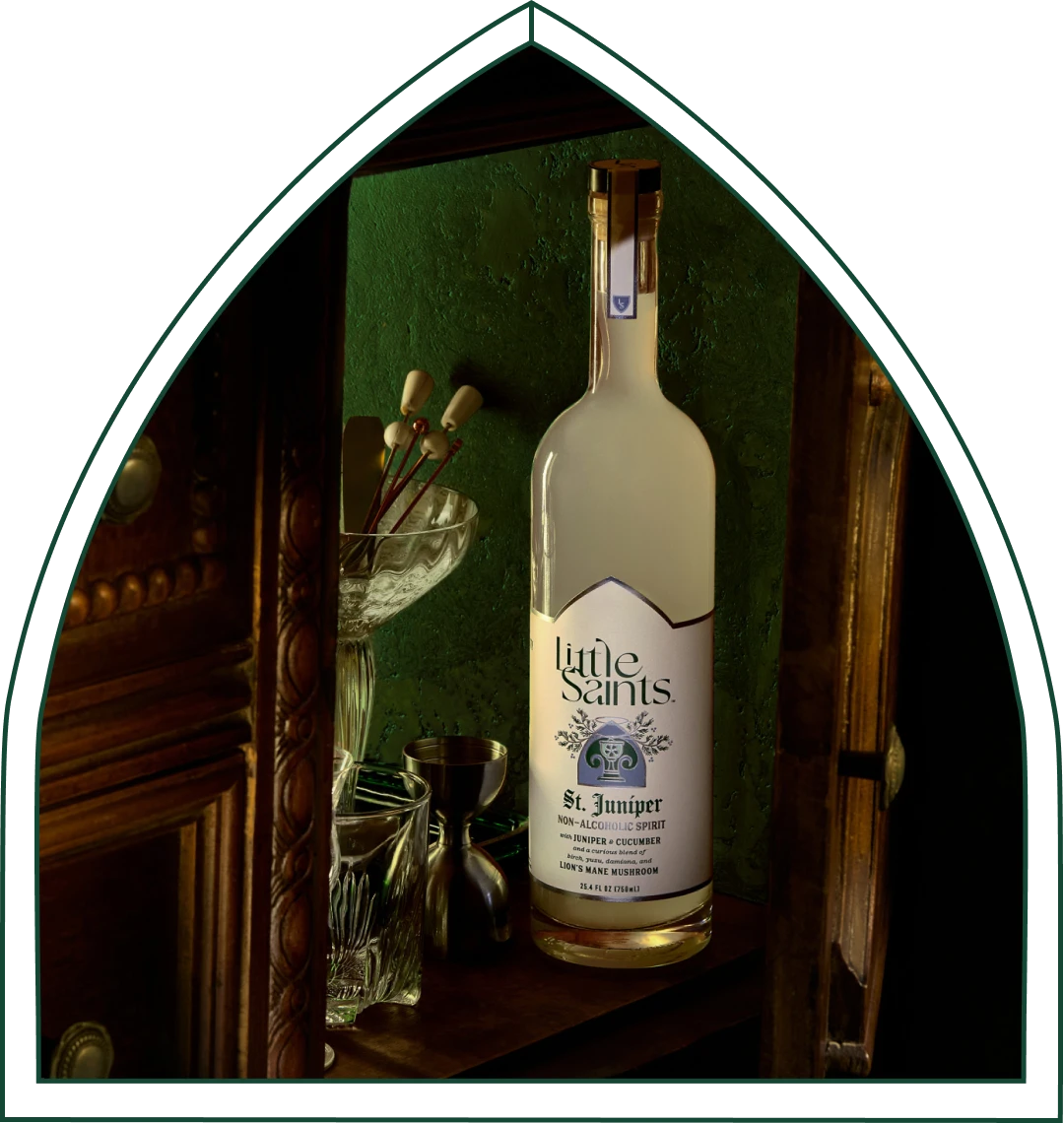
Little Saints sits at the center of that growth. Every product in the range offers:
- Zero sugar and five calories per can, sweetened with monk fruit juice concentrate instead of sugar or artificial sweeteners.
- A functional mushroom and botanical blend, featuring organic Reishi and organic Lion's Mane extracts with a minimum 70% beta-glucan potency, and Lion's Mane is dosed at 100mg per serving; Damiana is included in some products but its dosage is not specified as 100mg.
- The Little Saints Lift, described as a subtle sense of clarity and ease rather than intoxication.
- Cocktail-grade flavor profiles developed with master mixologists and designed to feel at home in real glassware.
The non-alcoholic spirits St. Ember, St. Juniper, and St. Oak use oil-based craft extracts rather than flavored water. Two ounces replace two ounces in any cocktail recipe without over-pouring or diluting the build. St. Oak was named Best NA Spirit of 2025 by the BevNET Spirit Awards.
These statements have not been evaluated by the Food and Drug Administration. This product is not intended to diagnose, treat, cure, or prevent any disease.
Bartender's Secrets for Flavorful, Low-Calorie Drinks
Professional bartenders rely on a few core techniques to build drinks that taste rich and balanced even with fewer calories. These same habits work at home.
- Use fresh citrus, always: Bottled juice and sour mix often hide added sugar. Fresh lime and lemon juice brighten a drink with minimal calories and no extra sweeteners.
- Shake properly: A 12-15 second shake with ice typically dilutes a cocktail by roughly 20-30% by volume, with most sources citing a range of 20-25% or 25-30%. This softens the alcohol's edge and opens up flavors, so you can use less sugar for balance.
- Use quality spirits: A smooth vodka or well-crafted gin needs less masking. Cleaner spirits allow you to keep recipes simpler and lighter.
- Do not skip the garnish: Citrus oils, fresh herbs, and cucumber ribbons add aroma and complexity that the palate often reads as sweetness, without adding sugar.
- Balance every element: Flavor comes from the interplay of sweet, sour, bitter, and aromatic notes. A dash of saline solution at 20% salt-to-water can enhance perceived sweetness without adding calories.
Frequently Asked Questions About Low-Calorie Cocktails
What is the lowest calorie cocktail?
The vodka soda is one of the lowest-calorie cocktails at approximately 96 calories per serving. It uses 1.5 oz of vodka topped with zero-calorie soda water, so the calories come almost entirely from the alcohol. The gin rickey follows closely by using the same structure with gin, fresh lime juice, and club soda.
What are some easy low-calorie cocktails?
Most easy low-calorie cocktails follow the same pattern: a measured 1.5 oz spirit pour, fresh citrus, and a zero-calorie mixer. The five classics listed earlier are straightforward builds that require no special equipment or hard-to-find ingredients. For a double gin and tonic made with a 50ml measure of gin, swapping regular tonic for diet tonic drops the calorie count from around 153-175 to approximately 112-125 calories, depending on the tonic brand and serving size.
How many calories are in a typical cocktail?
A typical cocktail generally ranges from 150 to 300 calories, though lighter options like vodka soda can be around 100–130 calories and heavier drinks like piña coladas or Long Island iced teas can exceed 300–500 calories. Classic margaritas often run 250 to 300 calories, mojitos typically range from 143 to 217 calories, and piña coladas can exceed 490 calories. Sugary mixers, liqueurs, and syrups supply most of these calories. A standard 1.5 oz pour of 80-proof vodka, gin, rum, or tequila is approximately 96 to 100 calories before any mixer is added, so the mixer choice creates the gap between a skinny cocktail and a classic one.
Can I make a low-calorie cocktail without alcohol?
Non-alcoholic spirits like Little Saints St. Ember, St. Juniper, and St. Oak mix 1:1 in any cocktail recipe and deliver a similar flavor profile with zero sugar and five calories per serving. St. Ember mixes like a tequila or mezcal, St. Juniper like a gin, and St. Oak like a whiskey. Substituting two ounces for two ounces keeps the build unchanged while removing alcohol and the calorie load that sugary mixers often add.
What sweeteners work best in low-calorie cocktails?
Monk fruit, stevia, and allulose are effective zero-calorie sweeteners for cocktails, but their suitability depends on form and concentration: monk fruit and allulose dissolve cleanly with minimal aftertaste, while stevia can have a bitter or licorice-like aftertaste unless used in high-purity forms or at low concentrations. Monk fruit has become a standard in premium low-calorie beverage formulation and is the sweetener Little Saints uses across its canned cocktail range. Erythritol-based simple syrup is another option for home bartenders: it can substitute for regular simple syrup and contributes negligible calories, though because erythritol is only about 60-70% as sweet as sugar, a 1:1 substitution will yield a less sweet syrup.
Conclusion: Low-Calorie Cocktails Rely on Smart Swaps
According to Nutrola's 2026 ranking, the five lowest-calorie classic cocktails all come in under about 130 calories. The 10 recipes above show that margaritas, mojitos, and spritzes can all stay under 150 calories with measured pours, fresh citrus, and zero-calorie mixers. Cocktail calories rise mainly with added sugar, so replacing caloric mixers with soda water or diet alternatives removes 100 or more calories from many builds.
For nights when you want the ritual without alcohol, Little Saints offers zero sugar, five calories, and a supplement-grade functional mushroom blend featuring organic Reishi, organic Lion's Mane, and Damiana at a stated 100mg dose and a minimum 70% beta glucan potency, documented by certificates of analysis, in every pour. The non-alcoholic spirits mix 1:1 in any recipe on this list.
These statements have not been evaluated by the Food and Drug Administration. This product is not intended to diagnose, treat, cure, or prevent any disease.
Elevate your cocktail hour with Little Saints' non-alcoholic spirits.
The statements made on our website have not been evaluated by the Food and Drug Administration, Our products are not intended to diagnose, treat, cure or prevent any disease. If you are pregnant, nursing, taking any medications or have any medical conditions, consult your doctor before use.