


Key Takeaways
- Lion’s mane drinks use a mushroom extract, a liquid base, and supporting ingredients that determine whether the drink feels functional or decorative.
- Transparent labels state the mushroom source (fruiting body), a milligram dose per serving, and a beta-glucan percentage instead of listing only “lion’s mane.”
- Most canned drinks use carbonated water, natural flavors, citric acid, and zero-calorie sweeteners like monk fruit or stevia. Some add electrolytes or botanicals such as Reishi and Damiana.
- Homemade versions usually start with ½–1 teaspoon of lion’s mane powder bloomed in hot water, then combined with milk, coconut water, or other flavorings.
- Little Saints publishes both dose and beta-glucan figures, uses organic mushrooms, and offers zero-sugar canned cocktails and non-alcoholic spirits.
What’s in a Canned Lion’s Mane Drink?
Canned lion's mane drinks rely on a few core building blocks that shape both taste and function. Each category below affects how the drink performs and how clearly the label tells that story.
Mushroom extract. The lion's mane extract is the functional center of the drink, and extract type matters. The key distinction is between fruiting-body extract and mycelium-on-grain powder. The fruiting body is the visible mushroom structure where beta-glucans, the fraction linked to restorative properties, concentrate. Mycelium-on-grain is the root-like network grown on a cereal substrate such as rice, and the finished powder can contain substantial grain starch rather than mushroom material. According to Nammex's published beta-glucan testing using the Megazyme assay, fruiting-body extracts consistently show roughly 30%+ beta-glucans of dry weight, with starch under 3%. In contrast, mycelium-on-grain products can be as low as 1–5% beta-glucans, with 35–40% starch carried over from the substrate. A transparent label states the mushroom source (fruiting body), a milligram dose per serving, and a beta-glucan percentage instead of listing only "lion's mane" in the ingredient list.
Base and fizz. Most canned lion's mane drinks use carbonated or sparkling water as the base. The carbonation level affects mouthfeel and how botanical flavors carry across the palate. Some tonic and latte formats use still bases instead.
Botanicals and restorative herbs. Many canned drinks layer in Reishi mushroom extract, Damiana leaf extract, and botanical terpenes alongside lion's mane. Terpenes are naturally occurring aromatic compounds in plants, roots, herbs, and flowers, and they give the drink its aroma. Damiana is a flower, not a mushroom, and supports the warmer, more physical side of the experience. A transparent label names each botanical and, ideally, states its dose.
Flavorings and acids. Natural flavors derived from botanicals, citric acid for brightness, and vegetable juice for color appear across the category. These ingredients help the drink taste like a beverage you want to sip, not just a supplement.
Electrolytes and minerals. Sea salt, magnesium, and potassium appear in some formulations. They contribute to mouthfeel and help round out the flavor profile.
Sweeteners. Sweetener choice creates the biggest differences between labels. Monk fruit and stevia are zero-calorie options that do not contribute sugar. In contrast, agave, honey, and fruit juice concentrate add real sugar. Agave nectar is roughly 70–90% fructose by mass, and honey is roughly 50% fructose and 44% glucose. Both count as added sugars under FDA definitions. A transparent label names the specific sweetener rather than hiding it under "natural flavors."
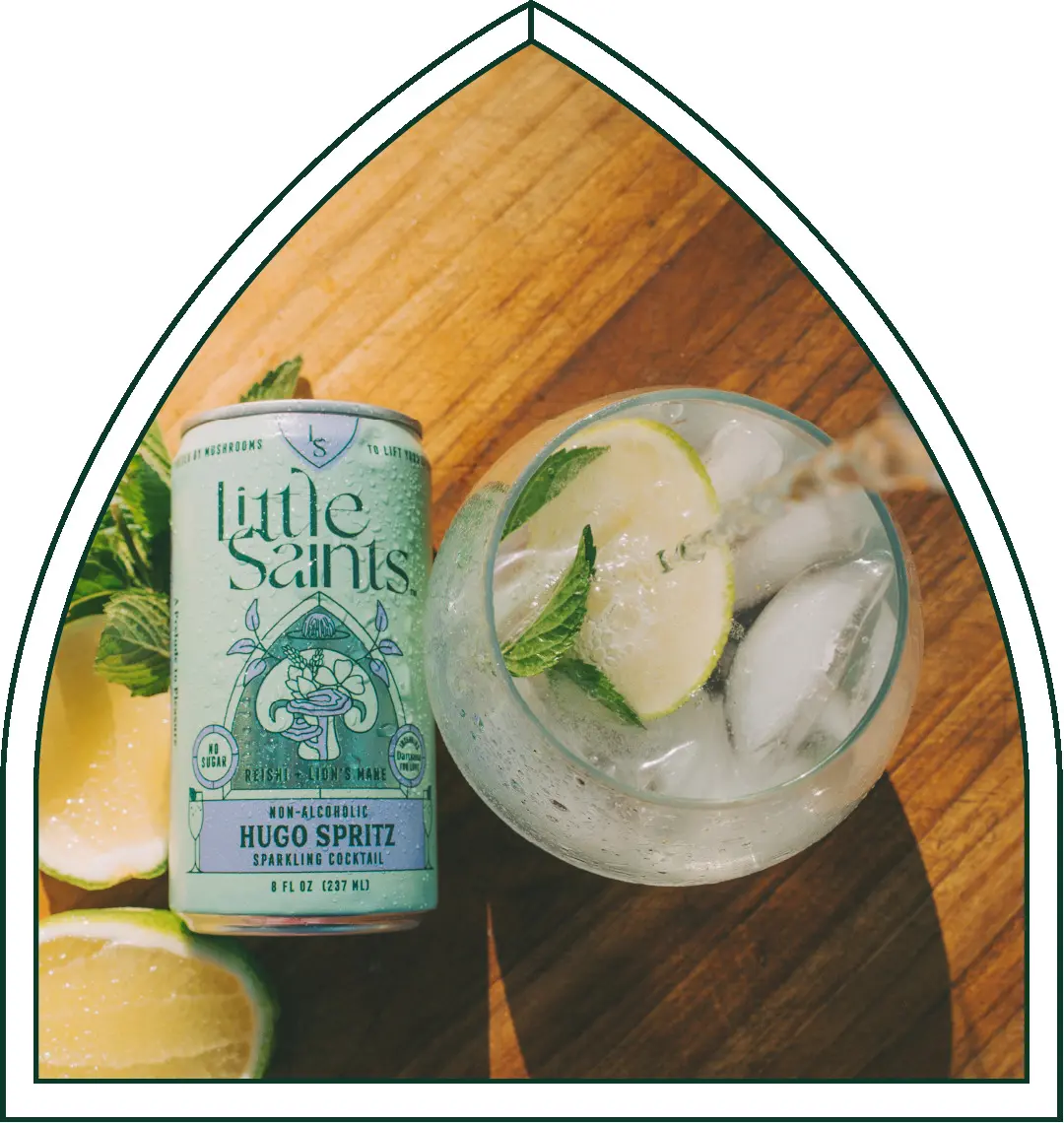
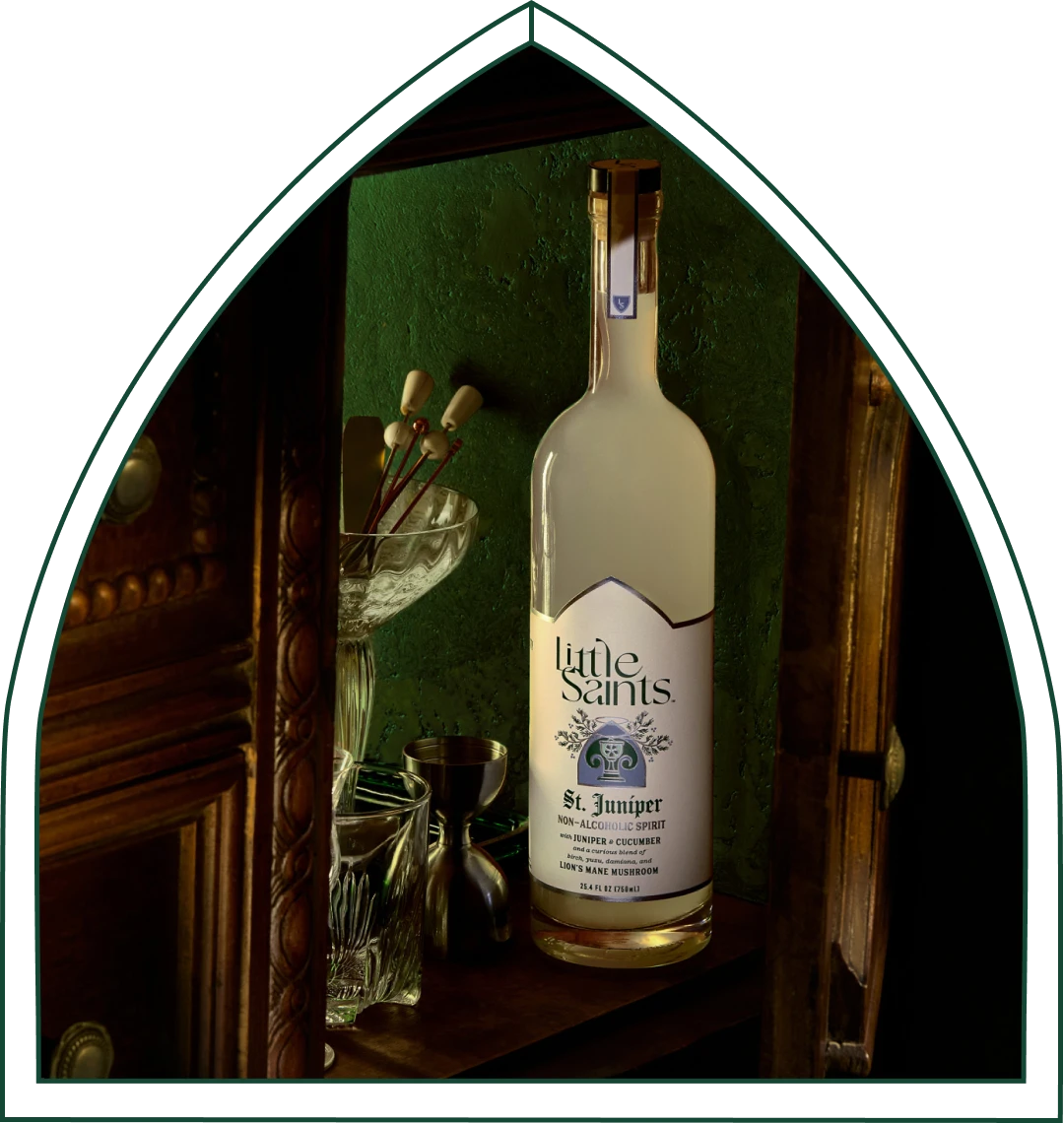
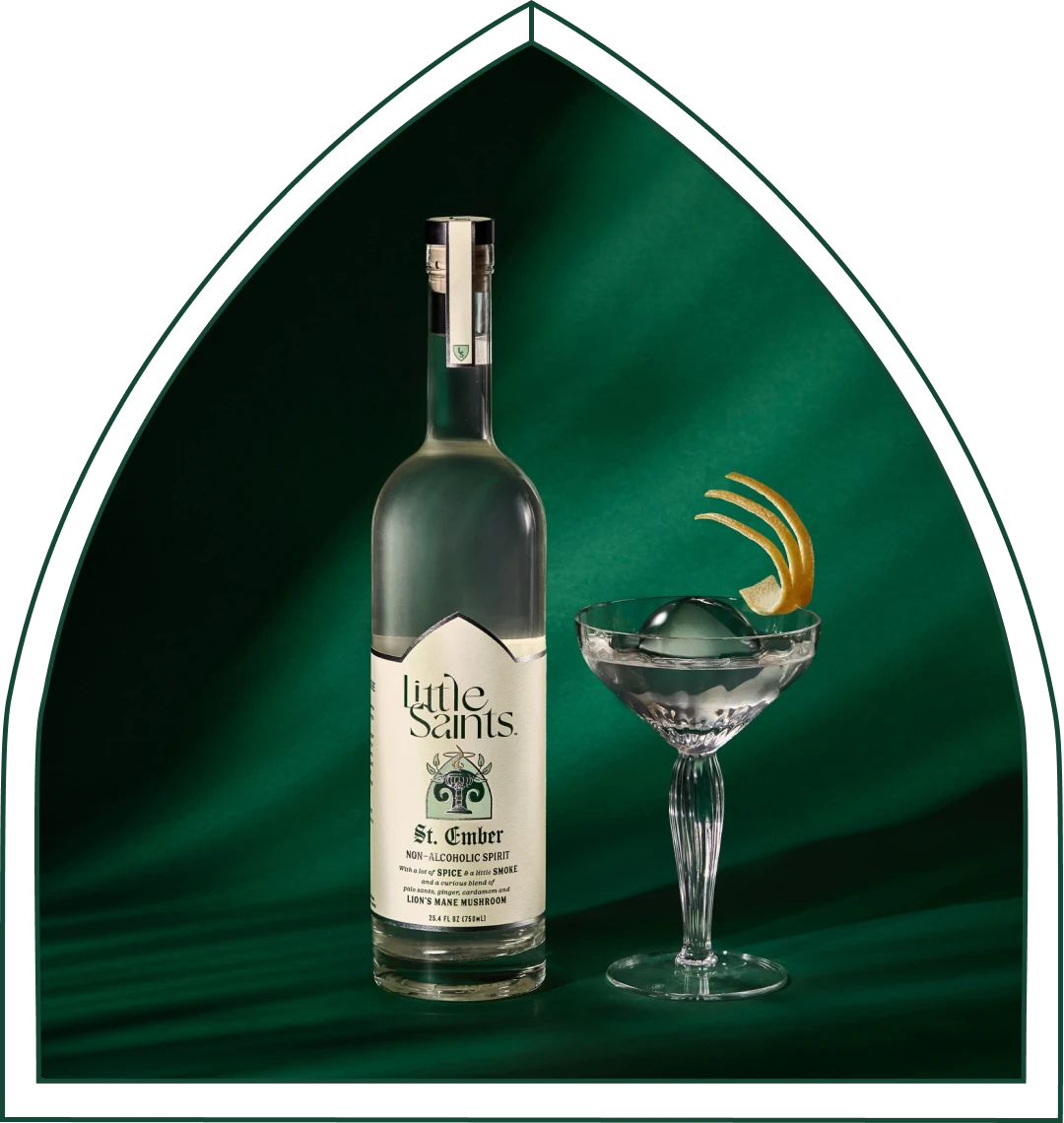
One brand that exemplifies this transparency is Little Saints. The brand publishes both figures most labels leave out: a stated 100mg dose per serving and a minimum 70% beta-glucan, documented by certificates of analysis from the supplier. The mushrooms are USDA Organic and grown in California, and the extract uses ultrasound rather than chemical solvents. The functional blend combines organic Reishi, organic Lion's Mane, Damiana, and botanical terpenes, with each ingredient playing a defined role. The canned cocktails carry zero grams of sugar and five calories per can, sweetened only with monk fruit juice concentrate, without sugar, erythritol, or sugar alcohols. The non-alcoholic spirits, St. Ember, St. Oak, and St. Juniper, also carry zero grams of sugar, use no sweeteners at all, and mix 1:1 in a cocktail. Little Saints is available direct to consumer and in over 1,000 retail shops nationally.
Explore Little Saints' Transparent Formulas
If you prefer to make your own, the same principles apply at home with a few simple ingredients.
What’s in a Homemade Lion’s Mane Drink?
Homemade lion's mane drinks usually start with lion's mane powder bloomed in warm water. A common starting point is 1/2 to 1 teaspoon (roughly 1–2 grams) whisked into 2–3 tablespoons of hot water to form a slurry before combining with the rest of the liquid.
Lion's Mane Latte (Warm)
- 1/2 teaspoon lion's mane powder bloomed in 2 tablespoons hot water
- 200 ml steamed oat milk or whole dairy milk
- 1/4 teaspoon cinnamon
- 1/4 teaspoon vanilla extract
- Honey or agave to taste (both add sugar)
- Optional: 1 teaspoon unsweetened cacao for a mushroom mocha
Cold Lion's Mane Drink
- 1/2 teaspoon lion's mane powder bloomed in 2 tablespoons warm water, then cooled
- 250 ml coconut water or cold-brew base
- Fresh ginger (1/4 teaspoon grated) and a squeeze of lime
- Ice and monk fruit drops or stevia for a zero-sugar sweetener option
Common homemade ingredients include oat milk, coconut water, cacao, cinnamon, ginger, vanilla, honey, and agave. For more cold-format ideas, see 6 Cold Lion's Mane Drink Recipes That Actually Taste Good.
How to Read a Lion's Mane Drink Label
Most lion's mane drink labels leave out key details, so a simple five-step check helps you compare options quickly in the store or online.
- Is a dose stated? Look for a milligram figure per serving, such as "100mg lion's mane extract per serving." A brand that lists "lion's mane" in the ingredient panel without a milligram figure does not reveal whether the mushroom is dosed or decorative.
- Is a beta-glucan figure published? Beta-glucan is the fraction of the mushroom linked to restorative properties. A "total polysaccharides" figure does not replace it, because starch is also a polysaccharide. Triterra Farm's lab-testing page notes that a high total polysaccharides figure can be inflated by alpha-glucans (starches) from the growing substrate, which is why beta-glucan must be measured separately using the enzymatic method.
- Is the mushroom fruiting body or mycelium? If the label does not say "fruiting body," it is worth checking. Mycelium-on-grain products can be mostly grain starch by weight rather than mushroom material, even when the label says "mushroom extract."
- What is the sweetener? Monk fruit and stevia are zero-calorie options. Agave, honey, and fruit juice concentrate add sugar. "No added sugar" differs from zero sugar, because a drink can carry naturally occurring sugars from fruit juice or coconut water and still use that claim.
- Is the mushroom USDA Organic and where is it grown? Organic certification confirms the mushroom was not grown on pesticide-treated grain. It signals quality but does not confirm beta-glucan percentage or potency.
For a deeper guide to applying this method across brands, see Lion's Mane Drinks: How To Read Labels And Choose.
One of the most common follow-up questions about these labels concerns sugar content and how to interpret front-of-can claims.
Does a Lion's Mane Drink Have Sugar in It?
Some lion's mane drinks contain sugar and others do not, so the label becomes your best source of truth. Sweeteners in the category range from monk fruit and stevia, which are zero calories and zero sugar, to agave, honey, and fruit juice concentrate, which all add real sugar. A regular soda carries roughly 35–40 grams of sugar per serving, and some functional mushroom drinks reach similar levels when sweetened with fruit juice or cane sugar.
The phrase "no added sugar" differs from zero sugar. Under FDA definitions, a "no added sugar" claim means no sugar or sugar-containing ingredient was added during processing. A drink can still carry naturally occurring sugars from fruit juice or coconut water and make that claim. The only claim that means less than 0.5 grams of total sugars per serving is "zero sugar" or "sugar-free" under 21 CFR 101.60.
A simple rule helps here. Read the Added Sugars line on the nutrition panel and the sweetener name in the ingredient list. If the ingredient list includes agave, honey, cane sugar, or any fruit juice concentrate, the drink carries sugar regardless of what the front of the can says.
Is There Alcohol in a Lion's Mane Drink?
Most lion's mane drinks are non-alcoholic, and the format usually tells you which category a product falls into. Lion's mane drinks span canned functional tonics (typically 0% ABV), homemade lattes and cold drinks (no alcohol), non-alcoholic spirits (under 0.5% ABV), and liquid tinctures, which belong to a different product category entirely. Some lion's mane tinctures use alcohol as a carrier solvent at 30–40% alcohol content, which makes them fundamentally different from a ready-to-drink functional beverage.
A quick label check clarifies things. A canned lion's mane drink labeled 0% ABV contains no alcohol. A non-alcoholic spirit labeled "under 0.5% ABV" contains a trace amount, below the threshold that affects blood alcohol concentration (BAC, the measure of alcohol in the bloodstream), but not zero. A tincture is not a beverage and should be treated separately.
Little Saints canned cocktails are 0% ABV. The St. line spirits sit under 0.5% ABV, consistent with the non-alcoholic spirits category standard.
Common Supporting Ingredients in Lion's Mane Drinks
Beyond the core mushroom extract and base, lion's mane drink labels often include a supporting cast of functional and flavoring ingredients.
- L-theanine is an amino acid found in green tea, included in some functional drinks for its association with calm focus. L-theanine has been studied at doses of 100–200mg for reducing acute stress responses without causing sedation.
- Magnesium is an electrolyte mineral that appears in some functional tonic formulations.
- Cacao shows up in homemade lattes and some canned formats for its flavor and its ability to carry the earthiness of mushroom powder.
- Cinnamon and ginger are warming spices common in homemade lion's mane lattes and some bottled formats.
- Vanilla acts as a flavor modifier that softens the earthy edge of mushroom extracts.
- Reishi is an adaptogenic mushroom with a long history of traditional use, included in Little Saints' functional blend alongside Lion's Mane, Damiana, and botanical terpenes for the settling, exhale end of the experience.
- Cordyceps is another functional mushroom that appears on some labels and is associated with energy and endurance in traditional use.
Little Saints keeps its formulation deliberately focused with organic Reishi, organic Lion's Mane, Damiana, and botanical terpenes, each with a defined role. A long list of restorative herbs at token doses reads more like marketing than formulation.
What to Avoid or Be Cautious About
A few label signals deserve a closer look before you add a lion's mane drink to your routine.
- Mycelium-on-grain powders with no beta-glucan figure. Triterra Farm's published beta-glucan quality scale places mycelium-on-grain products frequently under 7% beta-glucan, diluted by substrate starch, versus 25–40% for quality fruiting-body extracts. A product that lists "lion's mane" with no dose and no beta-glucan figure may be delivering mostly grain starch.
- No stated dose. A milligram figure per serving is the minimum transparency standard. Without it, you cannot compare one product to another or to the doses used in published research. For more on what the research says about dose, see Lion's Mane Drink Dosage: How Much Is in Your Can?
- High sugar content. Some functional mushroom drinks carry very high sugar loads from fruit juice, cane sugar, or agave, which can rival a regular soda and work against the goals of readers managing blood sugar or calorie intake.
- Allergies and medical conditions. WebMD advises that people with a mold or mushroom allergy may be at higher risk of an allergic reaction to lion's mane and should speak to a healthcare provider before taking it. Camden Medicals advises checking with a clinician before taking lion's mane if you take an anticoagulant such as warfarin, apixaban, or rivaroxaban, citing animal data hinting at platelet-aggregation effects.
Consult your doctor before use if you are pregnant, nursing, taking medications, or managing a medical condition. Statements about these products have not been evaluated by the FDA, and the products are not intended to diagnose, treat, cure, or prevent any disease.
Frequently Asked Questions (FAQ)
Before wrapping up, it helps to address a few common questions about how lion's mane drinks fit into real-world use.
Is Drinking Lion's Mane Good for You?
Lion's mane (Hericium erinaceus) has been studied in a small number of randomized, controlled human trials. The most-cited study, Mori et al. 2009, found improved cognitive scores in adults aged 50–80 with mild cognitive impairment who took 3 grams per day of dried fruiting body for 16 weeks, though the trial included only 30 participants and scores declined after supplementation stopped. A 2023 pilot study in healthy adults aged 18–45 found some improvements in processing speed after a single dose, with mixed results over 28 days. The evidence is promising but limited in scale and population. Whether a canned drink delivers the same effect as the doses used in research depends entirely on the dose and extract quality in that specific product. A drink with a stated 100mg dose of a minimum 70% beta-glucan fruiting-body extract is a meaningfully different product from one that lists "lion's mane" with no further detail. As with any functional ingredient, results vary by individual, and lion's mane is not a substitute for medical treatment.
What Is the Downside of Lion's Mane?
The most commonly reported side effects in published trials are mild and transient: bloating, nausea, or digestive discomfort, typically during the first one to two weeks of use. Rare allergic reactions, including skin rash and, in isolated cases, respiratory symptoms, have been documented, primarily in people with existing mushroom sensitivities. People with a known mushroom or fungal allergy, those taking anticoagulant medications, and those who are pregnant or breastfeeding should consult a healthcare provider before use. Long-term human safety data beyond 16 weeks is limited, because no published trial of lion's mane fruiting body has run longer than that, though a mycelium-based trial (Li et al. 2020) ran 49 weeks. Product quality also matters. A mycelium-on-grain powder with low beta-glucan content and no stated dose is a different product from a fruiting-body extract with published potency figures, and the research evidence applies to the latter.
Why Do I Feel Weird After Taking Lion's Mane?
Mild digestive discomfort such as bloating, gas, or loose stools is the most commonly reported reaction and is usually dose-dependent and transient. Many people start at a lower amount and build up gradually. Skin reactions such as itching or mild rash are rare and more likely in people with mushroom sensitivities. If symptoms are more than mild or persist beyond the first week or two, stopping use and speaking with a healthcare provider is the appropriate step. It is also worth checking the product's ingredient list, because some functional drinks include other botanicals, sweeteners, or acids that may be the source of a reaction rather than the lion's mane itself. Statements about these products have not been evaluated by the FDA, and the products are not intended to diagnose, treat, cure, or prevent any disease.
Is Lion's Mane Like Adderall?
Lion's mane is not a stimulant and does not act on dopamine or norepinephrine pathways the way prescription ADHD medications do in humans. Its proposed mechanism is NGF stimulation rather than catecholamine modulation, though preclinical animal studies suggest its compounds may influence noradrenaline synthesis and dopaminergic lesions. There are no completed human trials testing lion's mane in people with ADHD. The research that exists, primarily small trials in adults with mild cognitive impairment or healthy adults, points to a modest, population-specific effect on certain cognitive measures at sustained daily doses. It does not resemble the acute, pronounced focus effect associated with stimulant medications. Lion's mane is non-intoxicating and non-psychoactive, and it is legal to buy, grow, sell, and consume in the United States; in the UK it is likewise not a controlled substance, though wild lion's mane is legally protected and must not be foraged. It functions as a traditional and modern functional mushroom with a growing body of preliminary human research, not as a pharmaceutical. Anyone managing a diagnosed attention or cognitive condition should work with a clinician rather than substituting a supplement for prescribed treatment.
The Bottom Line on Lion's Mane Drink Ingredients
A lion's mane drink only works as well as its ingredient list, and many labels still leave out crucial details. The five questions that matter, covering dose, beta-glucan figure, mushroom part, sweetener, and organic status, turn a static label into a practical decision tool in the store.
Little Saints stands out by publishing both dose and beta-glucan figures and pairing them with zero sugar, five calories per can, and a focused blend of organic Reishi, organic Lion's Mane, Damiana, and botanical terpenes. For readers who want a lion's mane drink with a transparent ingredient list and a flavor profile worth pouring into real glassware, Little Saints offers a clear option.
Discover Little Saints Lion's Mane Drinks
The statements made on our website have not been evaluated by the Food and Drug Administration, Our products are not intended to diagnose, treat, cure or prevent any disease. If you are pregnant, nursing, taking any medications or have any medical conditions, consult your doctor before use.