


Key Takeaways
- Match your recovery drink to a specific goal: electrolytes for hydration after heavy sweat, protein or carb-protein blends for muscle repair, tart cherry for soreness, and adaptogens for evening wind-down.
- Evidence supports electrolytes in the 300–700 mg sodium range, 20–40 g protein within a broad post-workout window, and tart cherry juice for reducing inflammation markers at 24–96 hours post-exercise.
- Many commercial recovery drinks function as overpriced sugar water, so avoid 35–40 g sugar servings, undisclosed proprietary blends, and token-dose adaptogens.
- Whole-food options like chocolate milk and coconut water with sea salt provide science-backed recovery benefits without premium pricing.
- For a zero-sugar evening recovery ritual, explore Little Saints’ non-alcoholic, functional-mushroom drinks.
The Recovery Drink Landscape
Functional drinks for recovery go beyond basic hydration and support muscle repair, glycogen replenishment, inflammation reduction, or overall recovery. The category has expanded rapidly as consumers now track how drinks affect sleep scores, next-day energy, and recovery metrics on devices like Oura and Whoop. The result is a market where shoppers increasingly pay for a benefit, not only a flavor. That benefit is not always real, so a clear framework helps you separate marketing from meaningful support.
Recovery unfolds in stages. It starts with an immediate post-workout window, continues through a soreness management phase over the following 24–96 hours, and finishes with an evening wind-down where many routines quietly break down. Choose the right drink for each stage instead of relying on a one-size-fits-all product. This guide uses that occasion-based approach throughout.
Do Recovery Drinks Actually Work? The Evidence
Skepticism makes sense. Many commercial recovery drinks function as overpriced sugar water with a fitness label. The evidence for specific ingredients, however, is real and worth separating from the hype.
What the research supports:
- Electrolytes: Sodium in the 300–700 mg per serving range and potassium are essential after prolonged sweating of 60 or more minutes. The ISSN 2017 position stand notes that during extended (>60 min) high-intensity (>70% VO2max) exercise, carbohydrate-electrolyte solutions support hydration and fuel supply. For rapid glycogen resynthesis during short recovery windows under four hours, it recommends 1.2 g/kg/h of high-glycemic carbohydrates.
- Protein: The ISSN recommends 20–40 g of high-quality protein (0.25–0.40 g/kg per dose) consumed within 0–2 hours post-exercise to maximize muscle protein synthesis, spaced every 3–4 hours across the day.
- Tart cherry: A 2026 systematic review and meta-analysis of 19 trials published in Sports Medicine (PMID 41945263) found that tart cherry juice significantly improved muscle strength recovery at all measured time points (24–96 hours post-exercise) and reduced C-reactive protein up to 48 hours later. Soreness benefits varied across trials, and the evidence carries low-to-moderate certainty.
What is mostly hype:
- Sugar-sweetened sports drinks delivering 35–40 g of sugar per serving fall into the soft-drink-with-a-fitness-label category for most gym-goers.
- Proprietary blends with undisclosed doses. When a label hides ingredient amounts, the claim on the front deserves skepticism.
- Adaptogen drinks with token doses that sit far below the amounts used in clinical research.
Whole foods also hold up well. Chocolate milk delivers a science-backed carbohydrate-to-protein ratio, fluid, and sodium. The IOC consensus statement identifies chocolate milk as superior to standard carbohydrate-electrolyte sports drinks for post-exercise recovery, based on its ability to address rehydration, glycogen replenishment, and muscle repair in one option.
Key Ingredients That Actually Matter In Recovery Drinks
Before you shop, focus on ingredients that deliver clear benefits. Electrolytes like sodium, potassium, and magnesium replace what you lose in sweat, so they become critical after intense or prolonged exercise. Protein from whey or plant-based sources supports muscle protein synthesis, and most adults do well with 20–40 g per serving. Carbohydrates restore muscle glycogen, which matters most after endurance efforts or two-a-day sessions.
Tart cherry may reduce inflammation and support functional recovery markers, although responses vary by individual and protocol according to the 2026 Sports Medicine meta-analysis. Reishi and Lion's Mane show emerging promise for supporting the body’s stress response and overall recovery, though research remains early. When reading labels, steer away from sugar bombs in the 35–40 g per serving range, proprietary blends without disclosed doses, and artificial colors or sweeteners that add no recovery benefit.
Electrolyte Drinks For Hydration Recovery
When to use them: Reach for electrolyte drinks after intense or prolonged exercise of 60 or more minutes, in hot conditions, or if you are a heavy sweater.
What to look for: Choose products with sodium in the 300–700 mg per serving range, plus potassium, and minimal or no added sugar. Transparent labeling matters, so move on if the sodium content does not appear on the label.
Coconut water offers a popular natural alternative. It is naturally potassium-rich (400–600 mg per serving) but sodium-poor (30–60 mg per serving), which makes it insufficient for heavy-sweat scenarios. Adding a pinch of sea salt closes the gap for lighter sessions. A study in the Journal of the International Society of Sports Nutrition found coconut water restored hydration at similar rates to a carbohydrate-electrolyte sports drink after moderate exercise, but its low sodium becomes a limitation during multi-hour endurance events.
Protein And Carb-Protein Drinks For Muscle Repair
The old 30-minute post-workout rule has shifted. NASM’s evidence-based guidance confirms the effective window is much wider than once believed. For most people, a protein-and-carbohydrate meal or drink consumed within a couple of hours of training captures the main benefit. Training fasted or facing a same-day second session creates a stronger need for prompt refueling.
The ISSN recommends 20–40 g of high-quality protein (0.25–0.40 g/kg per dose) spaced every 3–4 hours. Endurance athletes often benefit from a 3:1 or 4:1 carbohydrate-to-protein ratio to support glycogen resynthesis. The IOC consensus statement specifically identifies chocolate milk as superior to standard sports drinks for post-exercise recovery because it combines that ratio with fluid and sodium.
Tart Cherry And Anti-Inflammatory Options For Soreness
The 2026 Sports Medicine meta-analysis of 19 trials (PMID 41945263) found that tart cherry juice significantly improved muscle strength recovery at all measured time points from 24 to 96 hours post-exercise and reduced C-reactive protein immediately after exercise and up to 48 hours later. Effect sizes for strength recovery grew substantially over time, from 0.63 immediately post-exercise to 4.82 at 96 hours.
The caveats still matter. A 2026 narrative review in Physical Activity and Nutrition reported inconsistent soreness benefits across trials. That review suggests using tart cherry as a context-dependent adjunct during high recovery-pressure periods such as congested training schedules, travel, or tournament weeks. A practical protocol from the same review recommends 30 mL of Montmorency tart cherry concentrate twice daily during those high-demand windows.
Adaptogen And Botanical Drinks For Evening Recovery
Reishi and Lion's Mane occupy a distinct place in the recovery timeline. These functional mushrooms serve the evening wind-down rather than immediate post-workout muscle repair. They support the body’s recovery from daily stress and promote relaxation without the alcohol or sugar that disrupts sleep architecture.
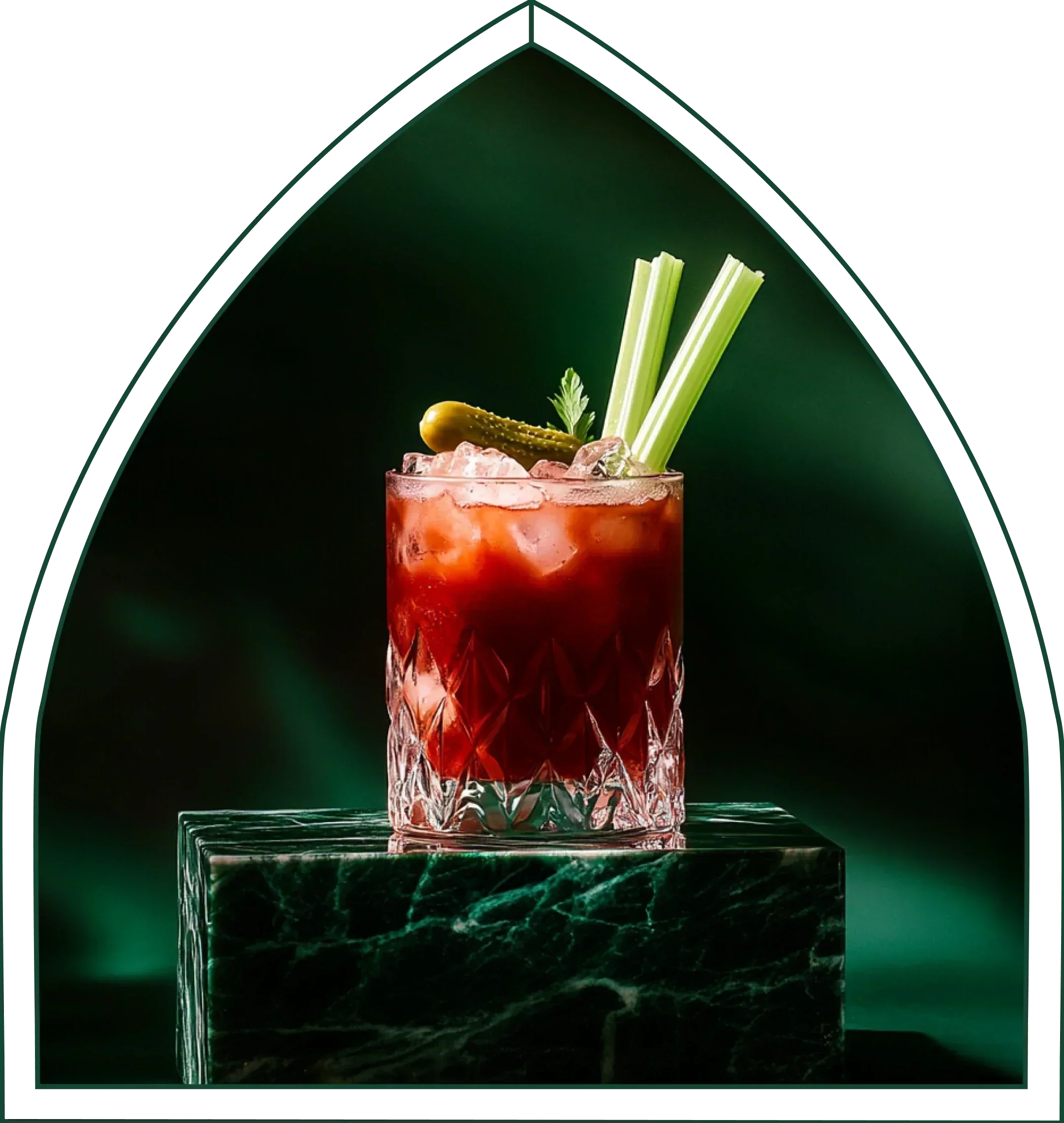
A 2026 systematic review of 24 randomized controlled trials found that standardized adaptogen extracts taken daily for 3–16 weeks reduced stress and improved sleep quality. Most adaptogen research uses daily supplementation over weeks instead of single servings. That pattern supports the idea of building a nightly drink ritual you enjoy, which makes consistent intake more likely than a capsule you forget.
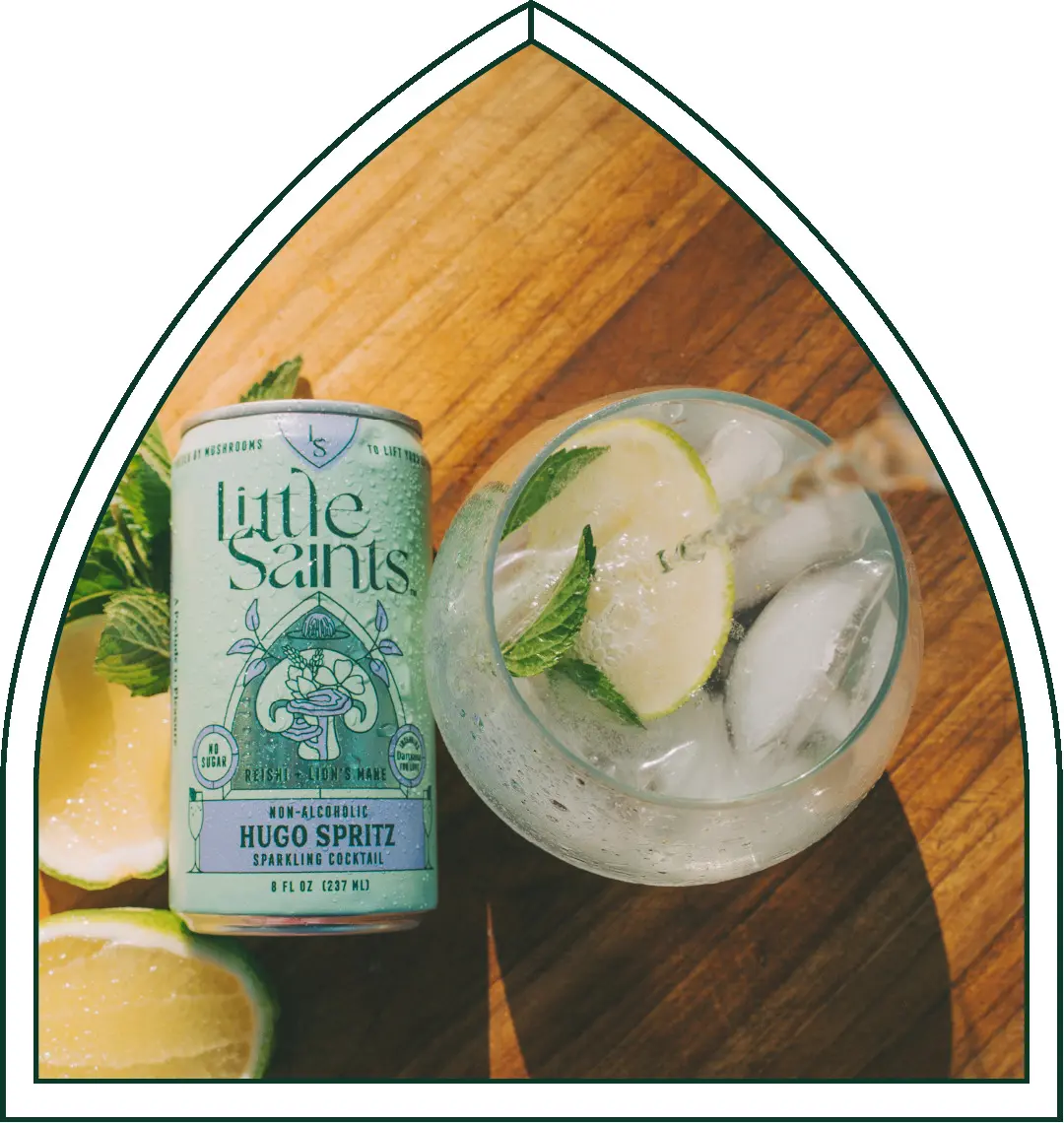
The dose transparency problem affects many adaptogen drinks. Most products publish neither a dose nor a potency figure, which makes it hard to know whether you receive a meaningful amount or a marketing sprinkle. Look for drinks that state the dose and the beta glucan content on the label, since beta glucans represent the fraction of the mushroom that carries many adaptogenic properties. A drink that clearly lists both numbers remains the exception.
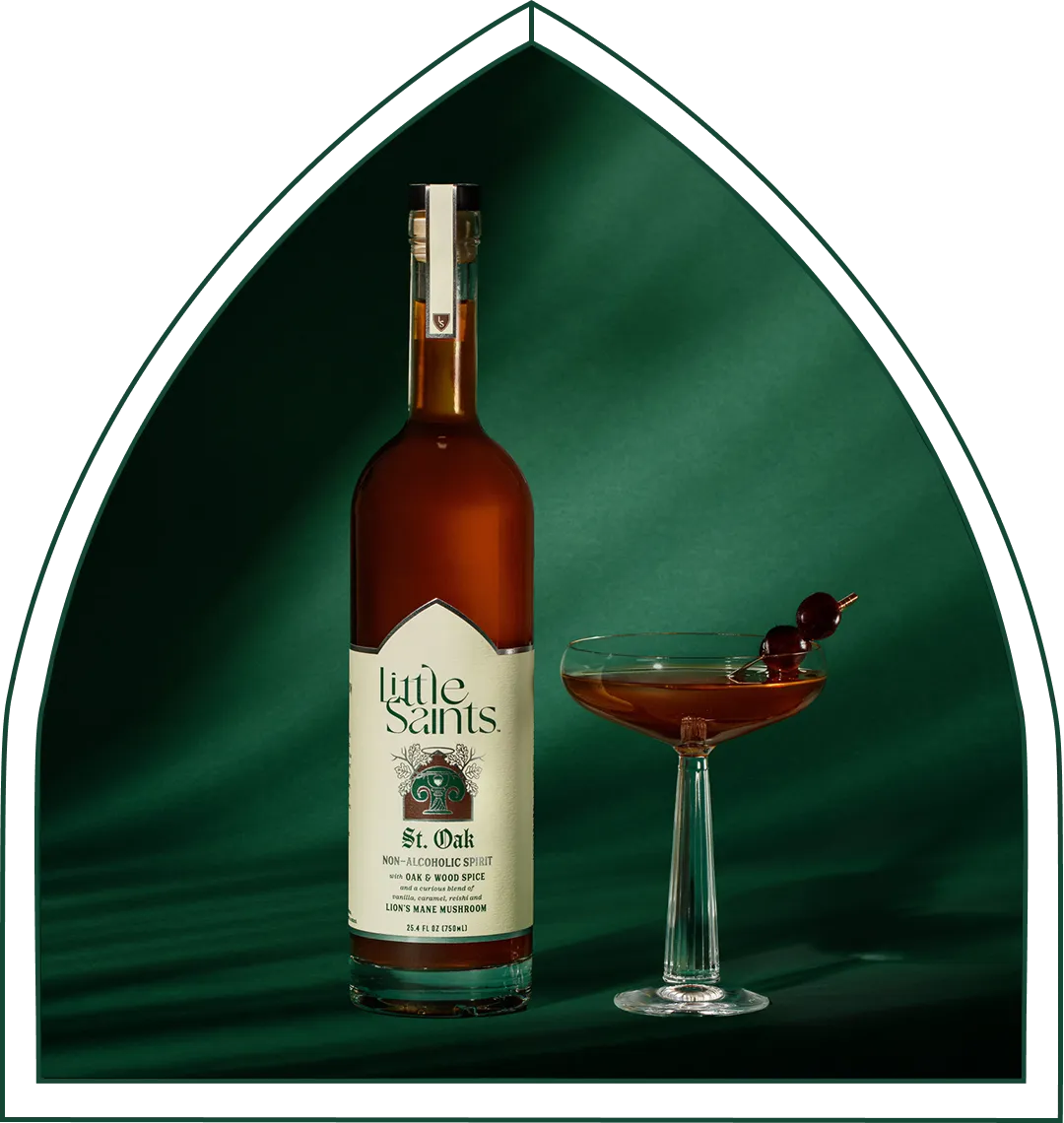
Little Saints provides one example of this transparent approach for the evening recovery ritual. Its non-alcoholic cocktails and spirits use a functional blend of organic Reishi and organic Lion's Mane with a stated 100 mg dose per serving and a minimum of 70% beta glucan. The extract is USDA Organic, California-grown, and ultrasound-extracted with no chemical solvents, and supplier certificates of analysis document potency. It has zero sugar and only five calories per can, offering a sophisticated way to unwind that does not undermine recovery. Browse Little Saints’ Non-Alcoholic Cocktails And Spirits for your evening ritual.
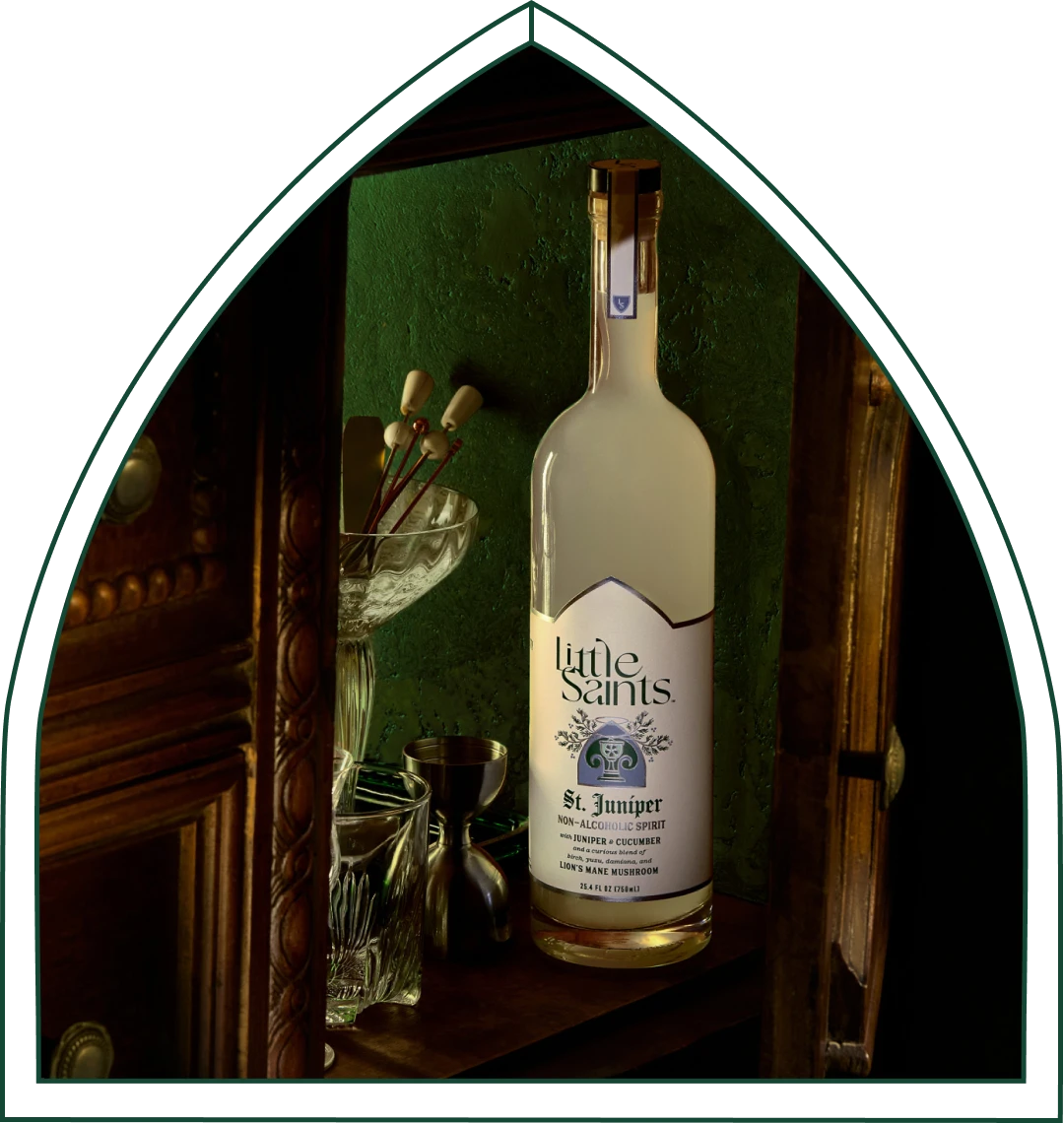
These statements have not been evaluated by the FDA. This product is not intended to diagnose, treat, cure, or prevent any disease.
How To Choose The Right Drink For Your Workout
Recovery needs change with workout type and goal, so match the drink to the occasion. Use this framework as a quick reference when you plan your session and post-workout routine.
| Your Workout | Recovery Priority | Best Drink Category |
|---|---|---|
| Intense cardio 60+ min or heavy sweat | Hydration and electrolyte replacement | Electrolyte drink with 300–700 mg sodium |
| Strength training | Muscle protein synthesis | Protein drink (20–40 g) within a broad post-workout window |
| Endurance event or two-a-days | Glycogen resynthesis and hydration | Carb-protein drink (3:1 or 4:1 ratio) with electrolytes |
| Evening wind-down after a stressful day | Relaxation and stress recovery | Adaptogen drink like Little Saints (zero sugar, 5 calories) |
Ask three questions before you reach for any recovery drink. First, identify your primary recovery goal right now, such as hydration, muscle repair, or wind-down. Next, consider how long and intense your workout was. Finally, decide whether you need immediate post-exercise support or a drink that supports overall evening well-being.
Frequently Asked Questions
What Is The Golden Hour After A Workout?
The “golden hour” refers to the post-exercise window when muscles are primed to absorb nutrients. Research from the ISSN and NASM indicates this window is wider than once believed, so most people capture the main benefit by consuming 20–40 g of protein within 1–2 hours post-workout. Training fasted or planning a same-day second session increases the importance of prompt refueling. For most exercising adults, total daily protein and carbohydrate intake still matter more than precise timing.
What Are The Four R's Of Recovery?
The four R's provide a practical framework for structuring post-exercise nutrition:
- Rehydrate: Replace fluids and electrolytes lost through sweat, prioritizing sodium after prolonged or intense sessions.
- Refuel: Restore muscle glycogen with carbohydrates, scaled to workout intensity and the timing of the next session.
- Repair: Provide 20–40 g of high-quality protein to support muscle protein synthesis.
- Rest: Prioritize sleep and stress management, where evening recovery drinks, including adaptogen-based options, can support the wind-down ritual.
Are Recovery Drinks Worth It?
Value depends on the drink and the occasion. Evidence supports electrolyte drinks after prolonged sweating of 60 or more minutes, protein drinks after strength training, and tart cherry juice for reducing inflammation markers. As mentioned earlier, many commercial options function as overpriced sugar water, so check the label for meaningful doses and minimal added sugar before buying. Whole-food alternatives like chocolate milk and coconut water with sea salt can work well for the immediate post-workout window. For the evening wind-down, adaptogen-based non-alcoholic drinks create a distinct occasion that neither sports drinks nor whole foods address.
What Is The Best Natural Recovery Drink?
Chocolate milk has the strongest evidence base for immediate post-workout recovery, with a carbohydrate-to-protein ratio of approximately 3–4:1, fluid, sodium, and electrolytes. The IOC consensus statement identifies it as superior to standard sports drinks for post-exercise recovery. Tart cherry juice stands out as a natural option for inflammation and strength recovery, and the 2026 meta-analysis of 19 trials described earlier supports those benefits at 24–96 hours post-exercise. For evening recovery, adaptogen-based drinks like Little Saints offer zero sugar, five calories, and a functional mushroom blend with a stated dose and COA-verified beta glucan content.
What Should I Avoid In A Recovery Drink?
Filter out four common red flags when you read a label:
- Sugar bombs: Servings with 35–40 g of sugar resemble a soft drink with a fitness label rather than a functional recovery product.
- Proprietary blends: When the label does not disclose individual ingredient doses, you cannot evaluate the functional claim.
- Artificial colors and sweeteners: These additives are unnecessary in a well-formulated product.
- Caffeine in evening drinks: Caffeine works directly against the wind-down effect you want and can disrupt the sleep architecture that recovery depends on.
Build Your Recovery Stack
Recovery drinks help most when you match them to evidence and occasion. Each main category serves a different role in your routine.
- Electrolytes after heavy sweat
- Protein after strength work
- Tart cherry for inflammation management during high-demand training blocks
- Adaptogen-based options for the evening wind-down
Because each drink serves a specific purpose, read labels to confirm meaningful doses and clear ingredient lists. Consider whole-food alternatives before paying a premium for a packaged product.
The evening is where many recovery routines break down, and it is the occasion that alcohol used to dominate. For your evening recovery ritual, explore Little Saints' range of non-alcoholic cocktails and spirits. They offer zero sugar, five calories, and a supplement-grade functional mushroom blend with a stated 100 mg dose and minimum 70% beta glucan in every pour. Shop Little Saints’ Full Evening Recovery Collection.
These statements have not been evaluated by the FDA. This product is not intended to diagnose, treat, cure, or prevent any disease.
The statements made on our website have not been evaluated by the Food and Drug Administration, Our products are not intended to diagnose, treat, cure or prevent any disease. If you are pregnant, nursing, taking any medications or have any medical conditions, consult your doctor before use.