


Key Takeaways From Reddit On Functional Drinks
- Reddit users stay skeptical of functional drinks because many brands hide doses and potency behind vague ingredient lists.
- Real formulations publish three things: a milligram dose per serving, a beta glucan percentage for mushrooms, and a short ingredient list.
- Evening drinks work best with zero caffeine, while many daytime focus blends lean on caffeine with light botanical support.
- Price complaints make sense when cost reflects marketing hype more than high-potency, clearly labeled ingredients.
- Little Saints meets every transparency criterion with the 100mg/70% beta glucan standard noted below, and its canned cocktails carry zero sugar.
How Functional Drinks Work And Why The Category Is Growing
Functional drinks are beverages formulated with ingredients intended to deliver a specific effect beyond flavor and basic hydration, including botanical extracts, prebiotic fiber, or hemp-derived compounds. The category spans relaxation tonics, focus blends, gut-health sodas, and social seltzers. It is growing fast: NIQ's June 2026 functional beverage analysis found that alternative sodas built on fiber and prebiotics hold roughly 6% of total beverage share while driving 27% of category growth, which shows that shoppers will pay for a clear benefit.
Do Functional Drinks Actually Work? What Reddit Says
Effectiveness varies by product, and label transparency explains much of that difference. The placebo critique that runs through Reddit threads is legitimate. Many users report no effect at all, and some of what people feel may come from ritual, expectation, or the simple act of pausing at the end of the day. A June 2026 OnePulse survey found that 37% of US consumers perceive functional claims as marketing tricks, so skeptics outnumber believers in the general population.
That skepticism is earned. Most functional drinks do not publish enough information for a reader to evaluate whether the formulation is real. The community's frustration centers on opacity rather than the idea of functional drinks themselves. Four details separate a real formulation from a marketing one:
- A stated dose in milligrams per serving.
- A published potency figure. For mushroom extracts, this means a beta glucan content.
- A short, purposeful ingredient list.
- A disclosed caffeine content, so you know whether the drink is built for the desk or the evening.
These four criteria sit at the center of this article. Mintel research from May 2026 found that 57% of consumers prefer beverages that do not make too many health or functional claims, which points toward focused, transparent formulations over kitchen-sink ingredient lists.
How Reddit Describes Functional Drinks By Effect
Relaxation And Botanical Drinks For Evening Wind-Down
The evening wind-down category generates the most Reddit discussion and the most divided opinion. Users who report genuine effects tend to describe a subtle settling, with less edge and more presence, rather than sedation. The actives most discussed in this context include L-theanine, lemon balm, and Reishi, with Reishi consistently named as the botanical most associated with the evening occasion. Kava appears frequently in relaxation threads, but it carries documented safety caveats: a 2026 CDC Morbidity and Mortality Weekly Report analysis of 3,101 kava-related poison center exposures found that the share of exposures with serious medical outcomes rose from 12% in 2000 to a high of 39% in 2024, with 32% in 2025, and the FDA concluded in a 2020 scientific memorandum that indiscriminate kava use is not safe as a recreational beverage. Users who report the most consistent results in this category tend to be those who take the same product regularly rather than occasionally, which aligns with how botanical extracts are understood to work.
Focus And Nootropic Blends For The Workday
The focus category draws the sharpest placebo critique on Reddit. Many products marketed as nootropic blends are simply caffeine in a more expensive can, with botanical names added for positioning. Users who report genuine mental clarity effects tend to name Lion's Mane and cordyceps as the actives they associate with the experience. The community's skepticism here is well-founded. Without a stated dose and a published potency, no one can tell whether a product contains a meaningful amount of any active ingredient or a token quantity included for the label.
Gut Health And Prebiotic Sodas For Daytime
Gut-health drinks receive the most mainstream Reddit acceptance. The mechanism feels clearer, and the effects, such as digestive comfort and regularity, are easier to notice and attribute. Users generally report positive experiences, with the honest caveat that this is a daytime occasion. Prebiotic sodas are not built for the evening wind-down, and most carry enough sugar or sweetener to sit in a different category from a low-calorie evening drink.
Social And Hemp-Derived Drinks For Stress Relief
Hemp-derived functional drinks generate significant Reddit interest alongside significant legal and dosing caveats. Users report social ease and mild relaxation. At the same time, the category's legal status varies by state, dosing is inconsistent across products, and the interaction profile with medications is not well characterized. NIQ survey data from fall 2025 found that the top two reasons consumers reach for THC drinks are to relax and to manage stress, which mirrors the relaxation category while adding regulatory complexity.
Why Functional Drinks Are So Expensive
Reddit users consistently question why a four-pack of functional drinks costs more than a six-pack of beer. The price reflects both real ingredient costs and category positioning, and the mix of those factors varies by product.
The legitimate cost drivers are real. A high-potency botanical extract costs substantially more than carbonated water and syrup. Small production runs cannot achieve the economies of scale that mass-market sodas enjoy, and cold-chain and canning costs stay fixed regardless of volume. Persistence Market Research identifies premium pricing of functional beverages containing specialty ingredients such as adaptogens, plant proteins, and clinically backed nutrients as the primary restraint limiting adoption among price-sensitive mainstream consumers, which reflects a real cost structure.
Category markup also plays a role. Some of the price on a functional drink reflects the brand's marketing rather than its formulation. The label-reading framework below helps you separate those two forces so you can see whether you are paying for ingredients or image.
How To Read A Functional Drink Label
To tell a real formulation from a marketing one, and to see whether the price you pay reflects ingredients or positioning, use this five-question framework.
- Is a dose stated? Start here, because every other question depends on it. Look for a number in milligrams per serving. An ingredient name on a list with no quantity attached does not tell you whether a meaningful amount is present.
- Is a beta glucan content published? For mushroom extracts specifically, the beta glucan fraction carries the adaptogenic activity. A "mushroom blend" with no potency figure could be mycelium grown on grain, where beta glucan content commonly tests in the low single digits. A minimum 70% beta glucan figure, documented by certificates of analysis, provides a substantiable potency claim.
- What is the sweetener? Check whether the label lists monk fruit or stevia, or cane sugar, erythritol, or sugar alcohols. The sweetener determines the calorie count and the blood sugar impact, which matters for anyone drinking in the evening.
- Is there caffeine? A functional drink built for the evening should carry no caffeine in its core line. Caffeine in an evening drink conflicts with a wind-down effect.
- Is the ingredient list short? Scan for a concise list of purposeful ingredients at stated doses. A crowded panel of many actives at unknown amounts usually signals a marketing list.
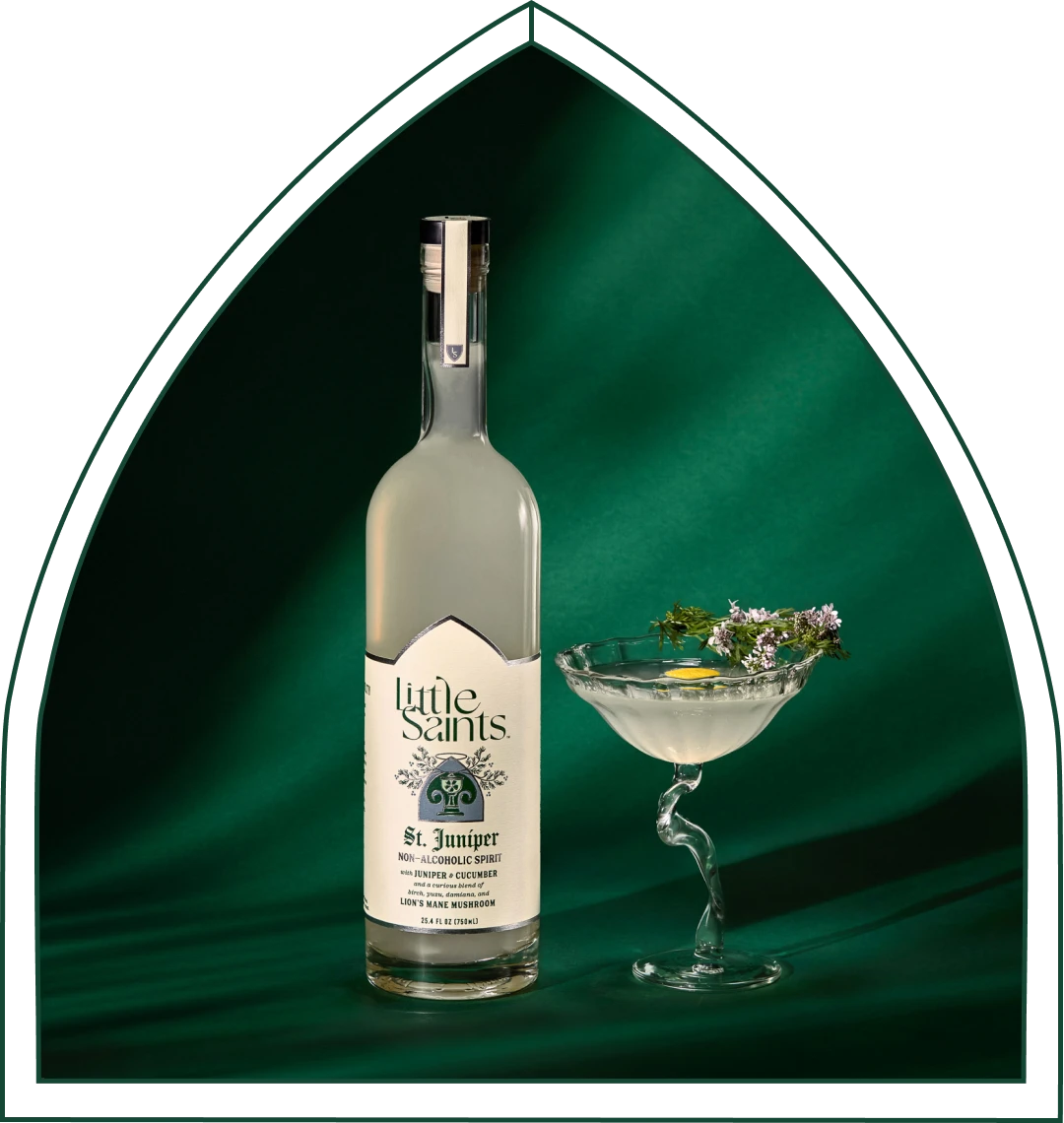
Little Saints shows what transparency looks like against this framework. It states a 100mg mushroom dose per serving and uses a minimum 70% beta glucan extract documented by supplier certificates of analysis. The supplier's extracts also undergo third-party lab analysis for potency. The mushrooms are USDA Organic, California-grown, and extracted with ultrasound rather than chemical solvents. The extract holds GRAS status, meaning it is generally recognized as safe as a food ingredient by the FDA. The canned cocktails contain zero sugar, five calories per can, and no caffeine in the core line.
Functional Drinks vs. Supplements And Energy Drinks
Reddit often debates whether a functional drink delivers ingredients as efficiently as a capsule. Consistency usually matters more than format. Botanical extracts work best when taken regularly, and a drink you look forward to at the end of the day is easier to keep as a habit than a supplement you forget. The format supports adherence.
The distinction from energy drinks comes down to occasion. Energy drinks are built for the morning and the desk. Most carry significant caffeine and are formulated for alertness. The evening occasion needs the opposite: no caffeine, a flavor profile that signals wind-down, and a functional layer oriented toward ease rather than stimulation. Using an energy drink as an evening functional drink mismatches product and moment.
Functional Drink Categories At A Glance
Zooming out from supplements and energy drinks, this table shows how the four main functional drink categories line up on occasion, caffeine, and dose transparency.
| Category | Primary Occasion | Caffeine Typically Present | Dose Typically Published |
|---|---|---|---|
| Relaxation / botanical drinks | Evening | No | Rarely |
| Focus / nootropic blends | Daytime / desk | Often yes | Rarely |
| Gut health / prebiotic sodas | Daytime | No | Sometimes (fiber grams) |
| Social / hemp-derived drinks | Evening / social | No | Sometimes (mg THC/CBD) |
| Evening functional non-alcoholic cocktails | Evening | No (core line) | Yes |
Category occasion data comes from product formulation analysis. Dose-publication assessment reflects the general state of the category as documented by Mintel’s May 2026 functional beverage research and NIQ’s June 2026 functional beverage perspective.
Are Functional Drinks Safe?
Most ingredients in the category are generally recognized as safe as food ingredients at the doses used in beverages. Botanical extracts including Reishi and Lion's Mane have long histories of traditional use and are well tolerated at standard doses. That general safety picture comes with important caveats. Anyone taking prescription medications, particularly anticoagulants, blood pressure medications, thyroid medications, or immunosuppressants, should consult a doctor before adding any botanical extract to their routine. Hemp-derived products carry their own legal and dosing caveats that vary by state. Anyone who is pregnant, nursing, or managing a medical condition should also consult a healthcare provider before use.
These statements have not been evaluated by the Food and Drug Administration. This product is not intended to diagnose, treat, cure, or prevent any disease.
The Functional Drink Reddit Actually Recommends For The Evening
For the evening occasion, many Reddit users highlight Little Saints as a brand that answers the label-reading framework above. The core line has zero sugar in the canned cocktails, no caffeine, and the same 100mg/70% beta glucan standard already described. The functional blend is built from a short list of purposeful ingredients: organic Reishi for chill, organic Lion's Mane for focus, Damiana for connection, and botanical terpenes for the senses.
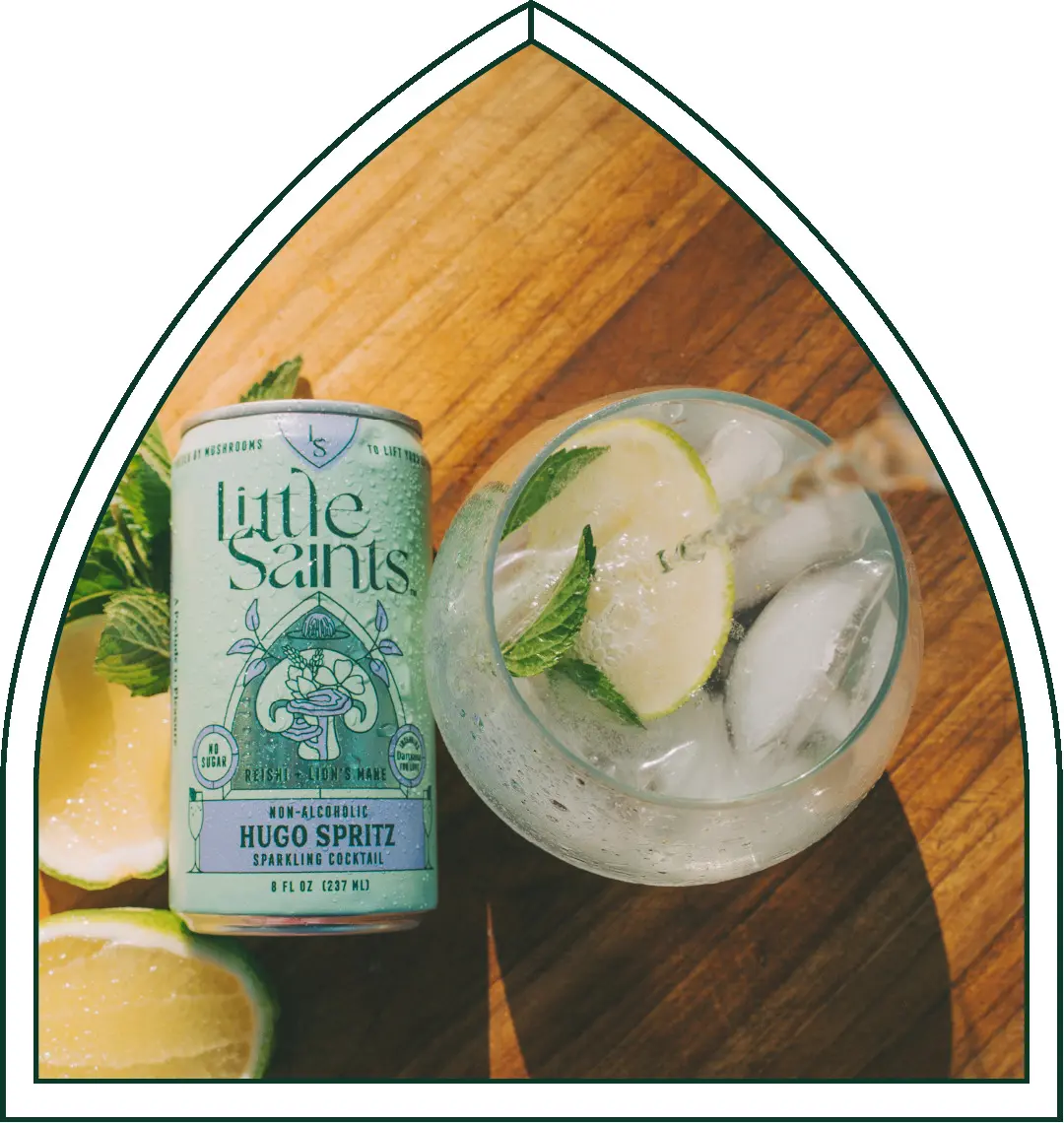
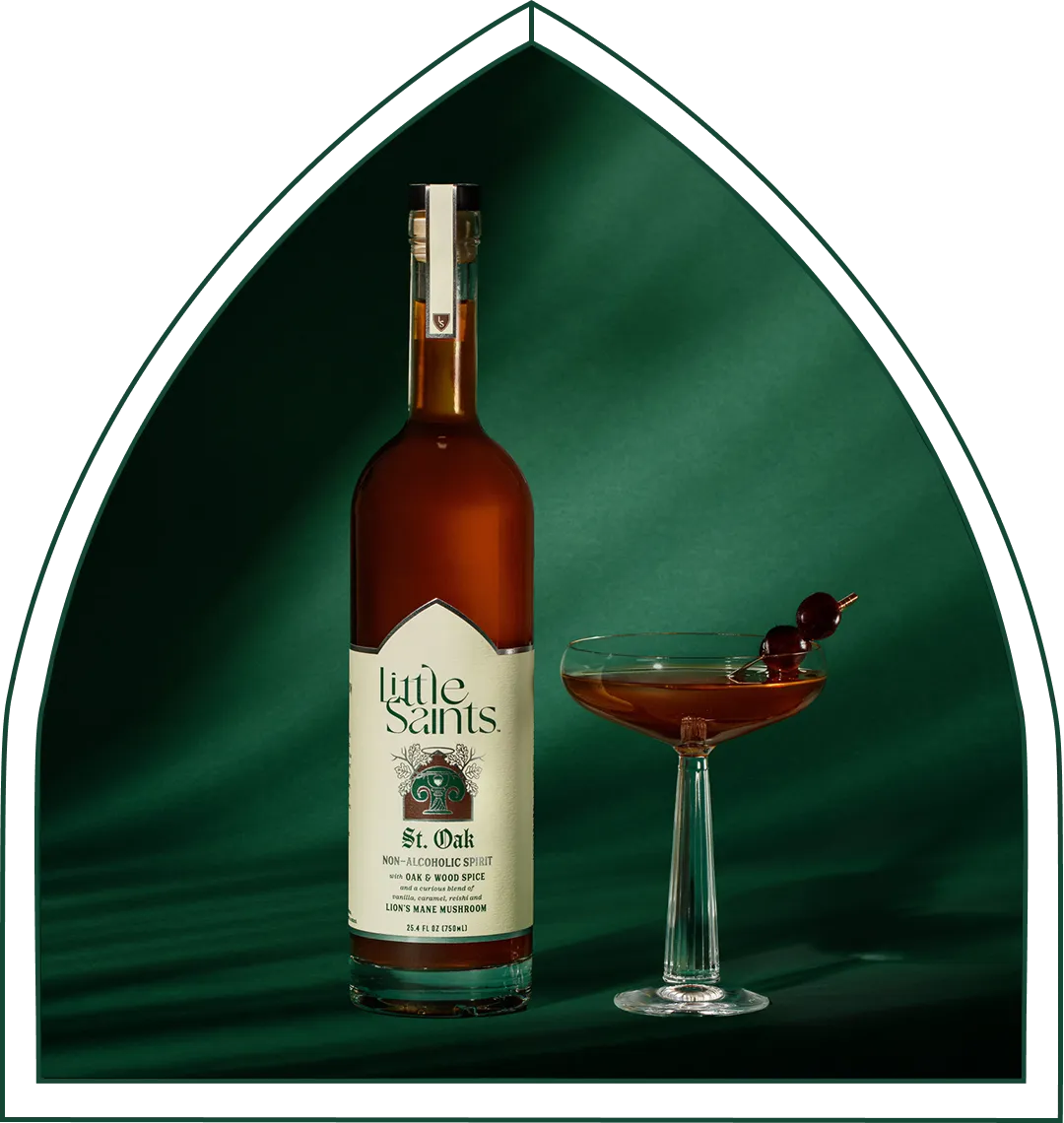
Customers describe the Little Saints Lift as clarity and ease, the first sip of wine feeling, and a sense of being lifted without intoxication. The products are non-intoxicating, non-psychoactive, and 100% legal. Two formats cover the evening occasion. Seven canned non-alcoholic cocktails, including Classic Spritz, Hugo Spritz, Classic Margarita, Paloma, Old Fashioned, Mojito, and Negroni Spritz, carry zero sugar and five calories each. Three non-alcoholic spirits, St. Ember, St. Oak, and St. Juniper, mix 1:1 in classic cocktail recipes (excluding wine, which Little Saints does not replace) and contain no sweeteners at all. Sugar-sweetened non-alcoholic cocktails, other functional non-alcoholic drinks, non-alcoholic beer, and first-generation non-alcoholic spirits rarely publish a stated dose or a beta glucan content, while Little Saints follows the transparent standard noted earlier.
Conclusion: Use The Label As Your Guide
Reddit users stay rightfully skeptical of functional drinks that do not publish their numbers. The same five questions apply to every product in the category: Is a dose stated? Is a beta glucan content published for mushrooms? What is the sweetener? Is there caffeine? Is the ingredient list short and purposeful? A product that answers all five transparently deserves a closer look. One that does not asks you to rely on marketing copy instead of data.
Find Your Evening Functional Drink
Frequently Asked Questions
What Makes A Functional Drink Different From A Regular Beverage?
A functional drink is formulated to deliver a specific effect beyond flavor and basic hydration. That effect comes from active ingredients such as botanical extracts, prebiotic fiber, or other compounds present at a meaningful dose. The distinction that matters in practice is whether the brand publishes a dose in milligrams per serving and a potency figure for its key ingredients. A regular beverage makes no such claim. A functional drink that does not publish those figures sits in a gray area, marketing a benefit without providing enough information to evaluate the formulation.
How Do I Know If A Functional Mushroom Drink Actually Contains A Real Dose?
Look for two numbers on the label: a milligram figure per serving and a beta glucan content for the mushroom extract. Beta glucan is the fraction of a mushroom that carries its adaptogenic activity. A quality fruiting-body extract typically runs 20–40% beta glucan, while mycelium-on-grain powders commonly test in the low single digits. An extract at a minimum of 70% beta glucan, documented by supplier certificates of analysis, sits at the top of that range. If a label lists "mushroom blend" with no milligram figure and no potency, you cannot evaluate the formulation. Little Saints publishes both and follows the same 100mg/70% beta glucan standard described earlier.
Are Functional Drinks Safe To Consume Daily?
For most healthy adults, the botanical extracts used in evening functional drinks, including Reishi and Lion's Mane, are well tolerated at the doses used in beverages and have long histories of traditional use. Botanical extracts are generally most effective when taken consistently, which supports the case for getting them in a daily drink rather than an occasional supplement. Anyone taking prescription medications, particularly anticoagulants, blood pressure medications, thyroid medications, or immunosuppressants, should consult a doctor before adding any botanical extract to their routine. The same guidance applies to anyone who is pregnant, nursing, or managing a medical condition. These statements have not been evaluated by the Food and Drug Administration. This product is not intended to diagnose, treat, cure, or prevent any disease.
Why Do Functional Drinks Cost So Much More Than Regular Sodas?
Two factors drive the price, in different proportions depending on the product. The legitimate cost driver is the ingredient itself. A high-potency botanical extract costs substantially more than carbonated water and syrup, and small production runs cannot achieve the economies of scale that mass-market sodas enjoy. The second factor is category positioning, where some of the price reflects marketing rather than formulation. The label-reading framework in this article is the tool for seeing which products justify their price with real ingredients.
What Is The Difference Between Little Saints Canned Cocktails And The Non-Alcoholic Spirits?
The difference comes down to format and intent. The canned cocktails, including Classic Spritz, Hugo Spritz, Classic Margarita, Paloma, Old Fashioned, Mojito, and Negroni Spritz, are finished drinks, ready to pour over ice or drink straight from the can. They are Reishi-forward in their functional blend and sweetened with monk fruit at zero grams of sugar and five calories each. The non-alcoholic spirits, St. Ember, St. Oak, and St. Juniper, are ingredients built for people who want to mix their own drinks. They are Lion's Mane-forward, contain no sweeteners at all, and are formulated with oil-based craft extracts so they mix 1:1 in classic cocktail recipes (excluding wine, which Little Saints does not replace) without over-pouring. Both lines share the same functional platform and follow the same dose transparency standard referenced above.
The statements made on our website have not been evaluated by the Food and Drug Administration, Our products are not intended to diagnose, treat, cure or prevent any disease. If you are pregnant, nursing, taking any medications or have any medical conditions, consult your doctor before use.