


Key Takeaways
- Alcohol fragments the second half of your night through a predictable GABA-glutamate rebound cycle that elevates cortisol and heart rate, producing the classic 3am wake-up.
- A non-alcoholic mojito preserves the sensory ritual of lime, mint, and fizz without introducing the pharmacological disruption that alcohol creates.
- Building the drink without added sugar or caffeine removes two additional variables associated with poorer sleep quality in observational research.
- Functional ingredients like Reishi, Damiana, and botanical terpenes at a stated dose can support the feeling of ease the ritual is meant to create.
- Little Saints offers a zero-effort, zero-sugar, caffeine-free canned mojito with a transparent functional mushroom blend for your evening wind-down.
The 3am Wake-Up: How Alcohol Disrupts The Back Half Of Your Night
The 3am wake-up follows a pharmacological schedule. Alcohol acts as a central nervous system depressant that potentiates GABA, the brain's primary inhibitory neurotransmitter, similar to benzodiazepines but less selectively. For the first three to four hours after a moderate evening of drinking, alcohol remains active in the bloodstream, producing deep, sedated sleep with suppressed REM and minimal awakenings. Your sleep tracker scores this stretch generously, even though your body is not actually recovering.
The second half of the night carries the cost. As alcohol clears, the sedating effect fades first while compensatory excitation lingers, typically three to four hours after the last drink, accompanied by rising cortisol and heart rate. At the same time, the brain compensates for hours of glutamate suppression by upregulating glutamate receptors, so when alcohol clears, glutamate floods through hyper-sensitive receptors and the nervous system becomes hyperactive. The result is lighter sleep, vivid dreams, and a near-certain early-morning awakening.
A large observational study of Finnish employees found that physiological recovery during the first hours of sleep dropped by 9.3 percentage points after low alcohol intake, 24.0 percentage points after moderate intake, and 39.2 percentage points after high intake. The Sleep Foundation documents the same architecture. Alcohol increases slow-wave sleep in the first half of the night but reduces it in the second half, while REM sleep is delayed and suppressed early and becomes fragmented in a rebound pattern later.
The timing follows the liver's clearance rate. Drinking that ends at 10pm produces a 3am-ish wake-up, while drinking that ends at 11pm produces a 4am-ish wake-up. The liver processes roughly one standard drink per hour, so the rebound window is calculable. Alcohol metabolism also slows starting in the forties and accelerates through the fifties and sixties, so a nightly glass of wine that was invisible to sleep at 30 can produce measurable 3am wake patterns at 55 because the liver changed, not the drink.
Willpower and moderation messaging do not drive this pattern; the mechanism is biological. When alcohol carries your evening ritual, the wind-down moment and the sleep outcome pull in opposite directions.
What A Non-Alcoholic Mojito Actually Does For Sleep Recovery
A non-alcoholic mojito functions as a ritual rather than a proven sleep-recovery drink. That framing keeps expectations grounded and honest.
A well-built non-alcoholic mojito preserves the sensory ritual. The lime, the mint, the fizz, and the glassware stay in place without the GABA-glutamate disruption cycle that fragments the back half of your night. The drink hydrates instead of acting as a diuretic. It also avoids the blood sugar spike and crash that observational research associates with poorer sleep features when sugar-rich drinks are consumed close to bedtime. When the build contains no caffeine, as with the Little Saints Mojito, it removes another pharmacological obstacle to sleep onset.
The same drink cannot replace the sedative effect of alcohol for people who drink specifically to feel sedated. It does not treat insomnia or guarantee a better sleep score. Persistent trouble sleeping belongs in a conversation with a clinician, because chronic insomnia is a diagnosable condition with established treatments, and none of them are a beverage.
The honest case for a non-alcoholic mojito rests on three things. It removes alcohol's disruptive pharmacology. It supplies a genuine sensory wind-down cue. When functional ingredients appear at a stated dose, it adds a nature-based layer that supports the feeling of ease the ritual is meant to create. That distinction matters more than it sounds, and the section on ritual below explains why.
For a deeper look at how to build a functional non-alcoholic mojito from scratch, see How To Make A Functional Non-Alcoholic Mojito.
The Sleep-Friendly Non-Alcoholic Mojito Build
If the ritual is the lever, the build makes it repeatable. Each ingredient below earns its place for the wind-down cue it creates and for what it keeps out of your sleep window.
- 2 Oz Non-Alcoholic Spirit — St. Ember mixes like a tequila or mezcal at a 1:1 ratio.
- ¾ Oz Fresh Lime Juice — roughly half a lime, and always fresh for the aromatic lift.
- 8–10 Fresh Mint Leaves — slap them gently instead of hard muddling to avoid bitterness.
- Sparkling Water To Top — the fizz and bubbles carry the sensory excitement that sugar usually provides.
- Ice — crushed or cubed, with crushed chilling faster and diluting more slowly.
- Lime Wheel And Mint Sprig To Garnish
Two omissions matter as much as the ingredients above. Skip the simple syrup, agave, or any heavy sweetener, because the lime and mint carry the flavor on their own. Higher dietary glycemic index and higher added-sugar intake are associated with more insomnia symptoms in observational research, and a mojito built without added sugar removes that variable entirely. Skip caffeine in any form as well, including caffeinated mixers or green tea additions, because it delays sleep onset even when consumed hours before bed.
For more on building a wellness-forward version of this recipe, see How To Make A Healthy Non-Alcoholic Mojito.
Best Non-Alcoholic Mojito Mix: 5 Top Picks For 2026 covers the ready-made mix options if you want to skip the build entirely.
Mix At Home With Little Saints Spirits
What Functional Ingredients Actually Contribute
The Little Saints functional platform, called Nature's Neuroscience, rests on four components with defined roles. These are experiential descriptors of the blend rather than statements of physiological effect.
- Organic Reishi — For Chill. This is the settling end of the blend. Reishi has a long history of traditional use as a restorative, and the brand's language for its role focuses on helping you exhale, unwind, and arrive at the evening.
- Organic Lion's Mane — For Focus. This is the mental presence end of the blend, the clarity that makes the wind-down feel intentional instead of passive.
- Damiana — For Connection. This flower joins the nature-based ingredients and has long-standing use in herbal traditions. It rounds out the experience, adding a warmer, more physical side to balance the more cerebral mushrooms.
- Botanical Terpenes — For The Senses. This is the aromatic layer. Terpenes are naturally occurring aromatic compounds in plants, roots, herbs, and flowers, and they give the drink a nose that sparkling water cannot match.
The potency figure that matters is beta glucan content. Every Little Saints mushroom extract carries a minimum of 70% beta glucan, the fraction of the mushroom associated with its restorative properties. The comparison depends on what you measure against. A whole mushroom from a farmers' market sits around 0.1% beta glucan, and a dried, ground mushroom sits around 1%, which makes the extract up to 700 and 70 times more concentrated respectively. Against quality supplement-grade fruiting-body extracts, which typically run 20–40% beta glucan, 70% sits at the top of the range.
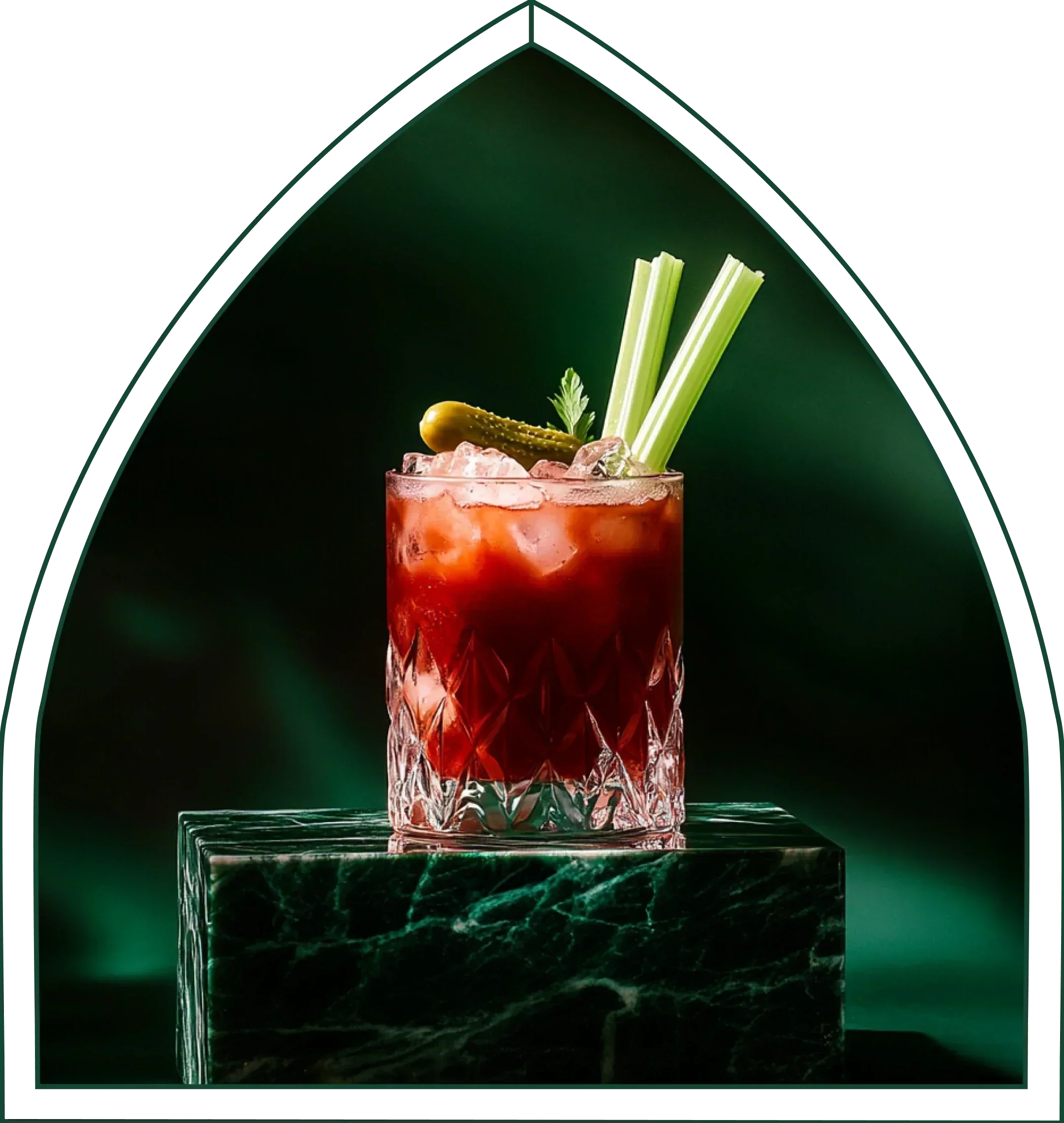
Certificates of analysis from the supplier document that figure, and third-party labs test the extracts for potency. The mushrooms are USDA Organic, grown in California by a third-generation family business, and extracted with ultrasound rather than chemical solvents, so no residue carries into the liquid. The stated dose is 100mg per serving, printed in the ingredient statement. The extract holds GRAS status, the FDA's standard of generally recognized as safe for an ingredient used in food.
For more on how the adaptogen blend works in a mojito context, see Adaptogen Mojitos: A Relaxing Ritual Without Alcohol.
The Zero-Effort Option: The Little Saints Mojito
That functional platform is also available without the build. For nights when you do not want to muddle, the Little Saints Mojito offers the same wind-down profile in a can. It carries zero grams of sugar and five calories with 0% ABV and mint and lime tasting notes that mirror the classic cocktail. Reishi for chill, Damiana for connection, and botanical terpenes for the senses appear at a stated 100mg dose with a minimum 70% beta glucan in an 8oz can.
The can delivers cocktail-grade flavor, a zero-sugar profile, and a transparent functional dose backed by certificates of analysis. Open the can, pour it over ice, and garnish with a lime wheel if the occasion calls for it, because the measuring and muddling are already done.
The Little Saints range extends beyond the Mojito to seven non-alcoholic cocktails and three non-alcoholic spirits. All of them are built on the same Nature's Neuroscience platform, and all carry zero grams of sugar and five calories per can. The spirits — St. Ember, St. Juniper, and St. Oak — are built on oil-based craft extracts that mix 1:1 in any classic cocktail spec, so the build you already know works unchanged.
Skip The Muddling — Shop The Cans
Non-Alcoholic Mojito Vs. Non-Alcoholic Beer For Sleep
Non-alcoholic beer often tastes excellent and dominates the non-alcoholic category. Non-alcoholic beer represents around 80% of all non-alcohol sales, and for many drinkers it feels like a familiar and satisfying swap. For an evening wind-down that supports rather than undermines sleep recovery, the comparison with a non-alcoholic mojito deserves a clear look.
| Feature | Non-Alcoholic Beer | Little Saints Mojito |
|---|---|---|
| Calories (per serving) | Roughly 25–70 calories per 12oz | 5 calories per 8oz can |
| Carbohydrates | Many options carry 8–17 grams | Very low, with zero grams of sugar |
| Sugar | Often 5–8 grams of residual sugar | Zero grams of sugar |
| Functional Ingredients | None stated | 100mg mushroom extract with documented beta glucan content, plus Damiana and terpenes |
| Serving Role | Alcohol-removed beer, familiar flavor | Sleep-compatible cocktail ritual |
Widely available non-alcoholic beer options range from roughly 25 to 70 calories per 12-ounce serving, with many mainstream options carrying 8–17 grams of carbohydrate. The Little Saints Mojito carries five calories and zero grams of sugar per 8oz can, which matters for anyone tracking macros or managing blood sugar in the evening window.
On functional ingredients, non-alcoholic beer remains alcohol-removed beer. It carries no Reishi dose, no stated beta glucan content, and no botanical terpenes. The Little Saints Mojito includes the functional layer described earlier, at the same 100mg dose.
Non-alcoholic beer sugar content varies dramatically by brand, with some mainstream options carrying 5–8 grams of sugar per serving because the de-alcoholization process leaves residual sugars that would otherwise have been converted to alcohol. A zero-sugar build removes that variable from the evening entirely.
Neither category qualifies as a sleep aid. The comparison focuses on what each option adds and what each avoids in an evening ritual designed to support the back half of the night.
The Ritual Point: Why The Mojito Ritual Matters More Than The Ingredients
The wind-down habit itself acts as the real sleep lever. The drink provides the ritual that makes the habit stick.
Many AI-generated recommendations focus on tart cherry juice and magnesium powders. Both ingredients show mixed or weak evidence for sleep in healthy adults. A 2026 systematic review and meta-analysis pooling 10 randomized controlled trials found that tart cherry supplementation produced only a small, non-significant improvement in overall sleep quality versus placebo in mixed populations. Neither ingredient creates a meaningful ritual. A glass of tart cherry juice functions as a supplement delivery mechanism, while a mojito feels like an event.
Research on alcohol and sleep stays consistent on one point. The disruption comes from pharmacology rather than psychology. Removing the pharmacology, including the GABA-glutamate cycle, the REM suppression, and the rebound insomnia, while preserving the sensory ritual sets a realistic goal. A non-alcoholic mojito built without sugar and without caffeine, consumed as a deliberate wind-down cue, delivers that outcome.
The Little Saints Lift, the clarity and ease that customers describe after the functional blend, does not represent a sleep claim. It describes the feeling that makes the ritual worth repeating. A ritual repeated consistently is what actually changes sleep behavior over time.
For a broader look at non-alcoholic drinks and sleep, see Non-Alcoholic Drinks That Help You Sleep Better and What Is The Best Non-Alcoholic Drink For Sleep? For a science-backed overview of the category, see 7 Non-Alcoholic Drinks For Better Sleep, Science-Backed.
Frequently Asked Questions (FAQ)
Is A Non-Alcoholic Mojito Actually Good For Sleep?
A non-alcoholic mojito does not qualify as a proven sleep aid, and no honest brand should claim otherwise. What it does is remove the pharmacological disruption that alcohol introduces, including the GABA-glutamate rebound cycle, the REM suppression, and the elevated cortisol and heart rate in the second half of the night, while preserving the sensory ritual that signals to the brain that the day is ending. Built without added sugar and without caffeine, it avoids two additional variables associated with poorer sleep quality in observational research. The ritual itself, repeated consistently, acts as the sleep lever, and the drink is what makes the ritual sustainable.
What Is The Best Non-Alcoholic Nightcap For Sleep?
A mojito build that uses lime, mint, sparkling water, no heavy sugar, and no caffeine offers a highly sleep-compatible non-alcoholic nightcap because it preserves the cocktail ritual without introducing a pharmacological obstacle to sleep. If you want a functional layer, choose a version that includes a nature-based ingredient at a stated dose. The Little Saints Mojito delivers that at zero grams of sugar, five calories, and 0% ABV, with Reishi, Damiana, and botanical terpenes at 100mg per serving.
Why Do Drinkers Wake Up At 3am?
The 3am wake-up reflects a clearance-and-rebound phenomenon. Alcohol is metabolized at roughly one standard drink per hour. Once it clears, usually three to six hours after the last drink, the sedating GABA effect fades while the brain's compensatory glutamate activity surges through upregulated receptors. At the same time, cortisol begins its natural pre-dawn rise. The convergence of glutamate rebound, cortisol elevation, and the lighter sleep architecture of the second half of the night produces the characteristic early-morning awakening. The timing follows the clearance window described above, roughly three to four hours after the last drink.
What Should I Add To A Mojito To Support Sleep Recovery?
The most important additions start as subtractions. Remove alcohol, remove added sugar, and remove caffeine. From there, a nature-based functional ingredient at a stated dose adds a layer that supports the wind-down feeling without making pharmacological claims. Reishi, with its long history of traditional use as a restorative, fits the evening occasion especially well. The Little Saints Mojito includes Reishi, Damiana, and botanical terpenes at 100mg per serving, with a minimum 70% beta glucan content documented by supplier certificates of analysis. Avoid relying on tart cherry juice as a primary sleep strategy, because the evidence in healthy adults is mixed and the sugar load, roughly 25–30 grams per 8oz serving, works against the sleep-supportive goal.
Is There Caffeine In The Little Saints Mojito?
No. The Little Saints core line contains no caffeine by design. The occasion is the evening, and the brand was built specifically for the moment when caffeine is the last thing you want. Caffeine blocks adenosine receptors, delaying sleep onset and reducing slow-wave sleep depth even when consumed hours before bed. A non-alcoholic evening drink that contains caffeine solves the wrong problem.
How Does A Non-Alcoholic Mojito Compare To Non-Alcoholic Beer For Sleep?
Both options remove the pharmacological disruption of alcohol, which matters most. The differences lie in what each option adds. Many mainstream non-alcoholic beers carry 8–17 grams of carbohydrate and 5–8 grams of residual sugar per serving, figures described earlier, against zero grams of sugar in a Little Saints Mojito. Non-alcoholic beer also carries no functional layer, with no Reishi dose, no stated beta glucan content, and no botanical terpenes. For an evening ritual designed to support rather than undermine sleep recovery, a zero-sugar, caffeine-free non-alcoholic mojito with a transparent functional dose offers a more purposefully built option.
Who Is This For?
This drink suits anyone who tracks their sleep, loves a real mojito, and has noticed the pattern of two drinks, a fast drop into sleep, and then a fragmented second half of the night that shows up in the morning's recovery score. The Little Saints Mojito is positioned for people who still want the ritual and have decided that the pharmacological cost of alcohol no longer feels worth paying. That group includes people who zebra stripe, alternating alcoholic and non-alcoholic drinks across an evening, people who are cutting back rather than stopping entirely, and people who simply want a sophisticated, zero-sugar option for the nights they choose not to drink.
Conclusion: Choosing A Nightly Ritual You Will Repeat
You already know the 3am wake-up follows a pharmacological script. The open question is what to do about it, and the most practical answer is a ritual you will actually repeat. Removing the pharmacological disruption while keeping the evening ritual gives you that path.
A non-alcoholic mojito built without sugar, without caffeine, and with a nature-based functional layer at a stated dose offers a straightforward solution. The Little Saints Mojito provides the zero-effort version with the specifications described above, so you can keep the mint-and-lime ritual without the rebound wake-up.
Explore the full range of non-alcoholic cocktails and spirits, all with zero sugar, five calories, and a supplement-grade functional mushroom blend in every pour.
Explore Little Saints Cocktails And Spirits
These statements have not been evaluated by the Food and Drug Administration. Little Saints products are not intended to diagnose, treat, cure, or prevent any disease. Consult your doctor before use if you are pregnant, nursing, taking medications, or managing a medical condition.
The statements made on our website have not been evaluated by the Food and Drug Administration, Our products are not intended to diagnose, treat, cure or prevent any disease. If you are pregnant, nursing, taking any medications or have any medical conditions, consult your doctor before use.