


Key Takeaways
- Functional beverages only deliver benefits when they contain evidence-backed ingredients at effective doses. Most products on the market are underdosed.
- Electrolytes, caffeine, and specific probiotic strains have the strongest clinical evidence. Adaptogens like Reishi show promise but require meaningful, standardized extracts.
- Always check labels for stated milligram or CFU amounts, third-party testing, and beta-glucan percentages. Proprietary blends and vague language usually signal ineffective doses.
- Match the ingredient to the occasion: caffeine for daytime focus, electrolytes for hydration, and caffeine-free adaptogen drinks for evening wind-down without sleep disruption.
- For the evening wind-down, choose a product with a stated mushroom dose, published beta glucan content, no caffeine, and zero or low sugar.
The Problem: Why Most Functional Beverages Miss the Mark
The Dosage Problem
Functional beverages only work when they contain active ingredients at effective doses. Many products contain too little of an ingredient to have any measurable effect. A brand can list Reishi on the label and add a token sprinkle that does nothing, and the label is still technically accurate.
Reishi needs a meaningful dose of a concentrated extract to create a noticeable effect. Many drinks add far less than that while still charging a premium price. The NIH Office of Dietary Supplements notes that many botanical products lack standardization, making it difficult to know whether a marketed product matches what was studied in clinical research. Without standardization, a milligram figure on a label may not predict any real effect.
The Marketing Problem
Brands often hide behind proprietary blends and vague language. When a label does not state the dose in milligrams or CFUs, the safest assumption is that the dose is not meaningful. NIQ reports that alternative sodas built on fiber and prebiotics hold roughly 6% of total beverage share while driving 27% of category growth. That growth means more products, more noise, and more opportunity for underdosed, overpriced entries to crowd the shelf.
Evidence-Based Benefits by Category
Electrolytes: Reliable Support for Hydration
Electrolyte drinks are the most straightforwardly evidence-backed category. Sodium, potassium, and magnesium support hydration and recovery after exercise or illness. The science is well-established, the effective doses are understood, and the ingredients are easy to verify on a label. For athletes or anyone recovering from illness, electrolyte drinks deliver.
Caffeine: Proven Help for Alertness
Caffeine is the most studied functional ingredient in any beverage. It is proven for alertness and focus, with an effective dose typically in the range of 50–200 mg. The caveats matter, though. Sleep scientist Matthew Walker explains that caffeine has a half-life of approximately 5–6 hours in the average adult, meaning a 2 p.m. caffeinated drink can leave a meaningful amount still circulating at midnight. Walker also notes that caffeine can decrease the amount of deep non-REM sleep, leading to un-restorative rest even when a person falls and stays asleep normally. Caffeine works well for daytime use and works against sleep in the evening.
Probiotics: Work with the Right Strains and CFUs
Evidence supports gut health benefits from probiotics, but only at effective doses, typically 1–10 billion CFUs, and only with specific, well-researched strains. A product that lists “probiotic cultures” without naming the strain or stating the CFU count is not a useful purchase. Look for both figures on the label before drawing any conclusions about efficacy.
Prebiotics: Promising, with Clear Dosing
Fiber-based drinks using ingredients like inulin or chicory root can support gut health. Look for at least 5 grams of fiber per serving. The evidence base is still developing, but the category is more promising than many adaptogen-forward products. The mechanism is better understood and the dosing is more straightforward to verify.
Adaptogens and Nootropics: Potential Benefits with Caveats
Adaptogens and nootropics sit in the most mixed part of the evidence landscape, while also attracting the most aggressive marketing. Reishi and Lion's Mane have traditional use and some promising research, but effects are subtle and vary by person. Memorial Sloan Kettering Cancer Center's reishi monograph states that clinical evidence is limited, with research often using heterogeneous preparations, and that some studies suggest reishi may help with anxiety, while randomized controlled trials do not support many of the benefits most commonly marketed. The verdict: these ingredients can potentially work, but only at meaningful doses and with realistic expectations.
The Truth About Adaptogen Drinks and Why Many Fall Short
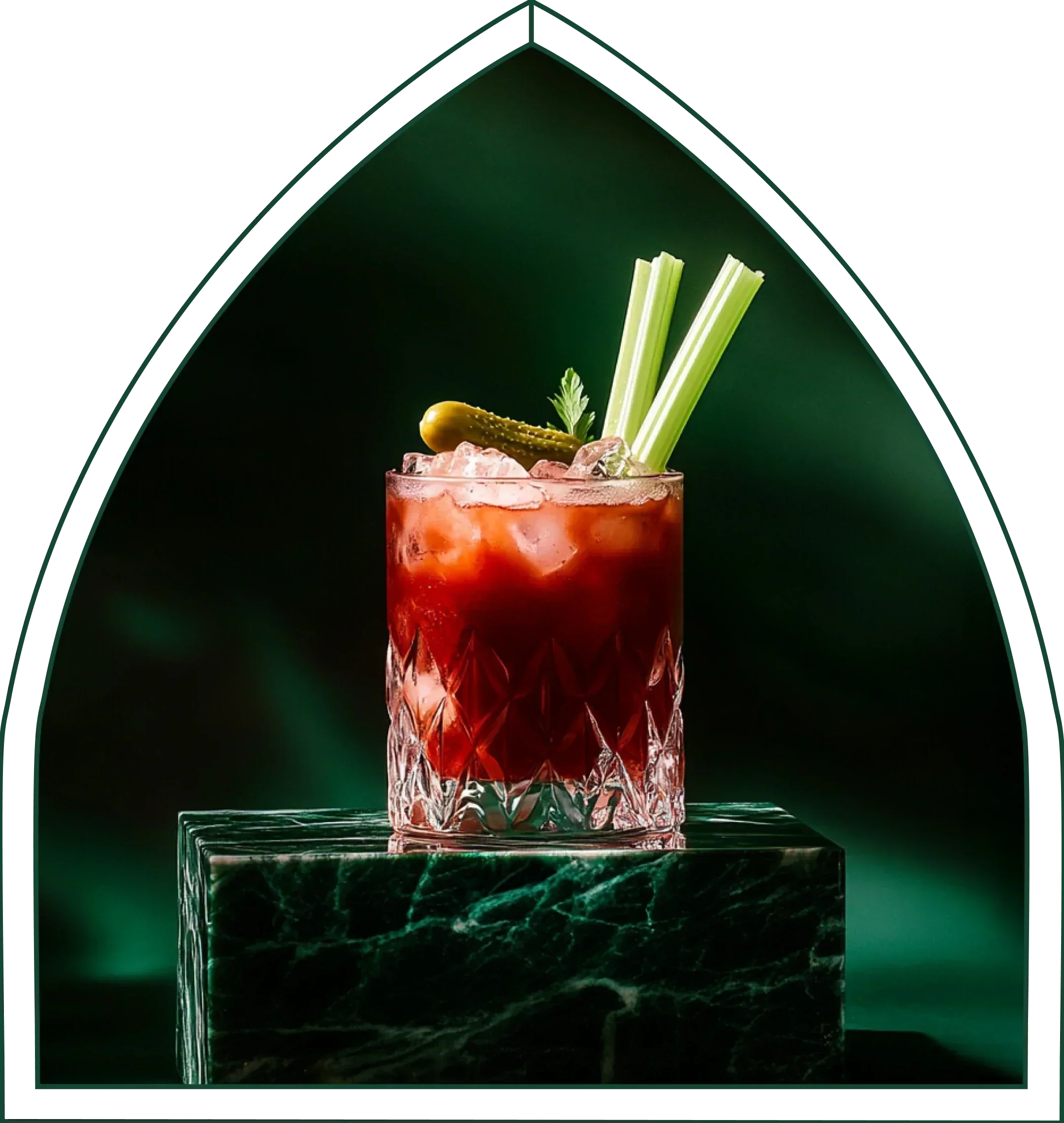
In practice, most adaptogen drinks on the market fail the effective-dose test. Many are underdosed and overpriced. The category is full of products that add a token sprinkle of trendy mushrooms to justify a premium price, with no disclosure of dose or potency. For a deeper look at what the research actually shows, see Adaptogen Drinks Benefits: What the Research Actually Shows.
The Mushroom Extract Problem
Many mushroom drinks use mycelium grown on grain, which is mostly starch and contains very little beta glucan, the fraction of the mushroom that carries its adaptogenic properties. A whole mushroom sits around 0.1% beta glucan. A quality concentrated extract should be at a minimum of 70% beta glucan, making it up to 700 times more concentrated than a whole mushroom. Most products do not state the beta glucan content at all, so consumers have no way to evaluate what they are actually buying.
The standard to look for is clear. Choose a product that discloses both the dose in milligrams and the beta glucan content, documented by certificates of analysis from the supplier. Without both figures, the label functions as marketing rather than information.
See how Little Saints documents its dose and beta glucan content.
How to Read a Functional Beverage Label Like a Pro
Before buying any functional beverage, use this checklist to quickly assess what is in the can or bottle.
- Look for the active ingredient dose in milligrams or CFUs, not just the ingredient name. If a label says “Reishi extract” without a milligram amount, assume it is a token dose.
- Check for third-party testing or certificates of analysis. A brand that verifies its potency through lab testing has nothing to hide. But not all testing is equal, so ask whether it is supplier-side or independently commissioned. Both are meaningful, and they represent different claims.
- Watch out for added sugar. Many functional drinks are sugar bombs. Aim for zero or low sugar. A drink does not need 20 grams of sugar to deliver 100mg of mushroom extract.
- Consider the occasion. Decide whether this is a daytime energy drink or an evening wind-down option. Because of the 5–6 hour caffeine half-life discussed earlier, a caffeinated functional drink in the evening works against the sleep most people are trying to protect.
- Look for potency transparency. Check whether the brand states the beta glucan percentage. Brands that are proud of their extract usually publish the number.
As a concrete example, Little Saints non-alcoholic cocktails and spirits carry a stated 100mg mushroom dose per serving at a minimum of 70% beta glucan, documented by supplier certificates of analysis. For more on what verified mushroom dosing looks like in practice, see Functional Beverages with Verified Mushroom Dosing.
Potential Downsides and Safety
Functional beverages carry real risks that marketing rarely surfaces. High sugar content is the most common issue. Many products in the category carry 20–40 grams of sugar per serving, which undermines any health benefit the functional ingredient might provide. Artificial sweeteners and sugar alcohols are common substitutes, each with their own considerations.
Caffeine, as noted above, disrupts sleep architecture at doses that feel manageable during the day. Sensitivity varies significantly by individual due to genetic differences in caffeine metabolism.
Memorial Sloan Kettering Cancer Center notes that Reishi can increase the risk of bleeding when taken with anticoagulants or antiplatelet medications, and may not be appropriate for those on immunosuppressants. Anyone who is pregnant, nursing, or managing a medical condition should consult a doctor before using products containing functional mushroom extracts.
Functional beverages complement medical care and a healthy lifestyle rather than replace them.
These statements have not been evaluated by the Food and Drug Administration. This product is not intended to diagnose, treat, cure, or prevent any disease.
How to Choose the Right Functional Beverage for Your Goals
Matching the ingredient to the occasion is the most practical framework. Here is how to apply it to common goals:
- For hydration: electrolyte drinks with stated sodium, potassium, and magnesium
- For daytime alertness: caffeinated drinks at 50–200mg, consumed before early afternoon
- For gut health: probiotic drinks with named strains and stated CFUs, or prebiotic drinks with at least 5g of fiber
- For the evening wind-down without alcohol: non-alcoholic cocktails with Reishi and Lion's Mane at a stated dose, no caffeine, and zero or low sugar
Evening-Friendly Example: Little Saints
For the evening wind-down, a product that meets the criteria above states its mushroom dose and beta glucan content, contains no caffeine, and has zero or low sugar. Little Saints is one such option. Its non-alcoholic cocktails and spirits provide 100mg of organic Reishi and Lion's Mane per serving at a minimum of 70% beta glucan, documented by supplier certificates of analysis.
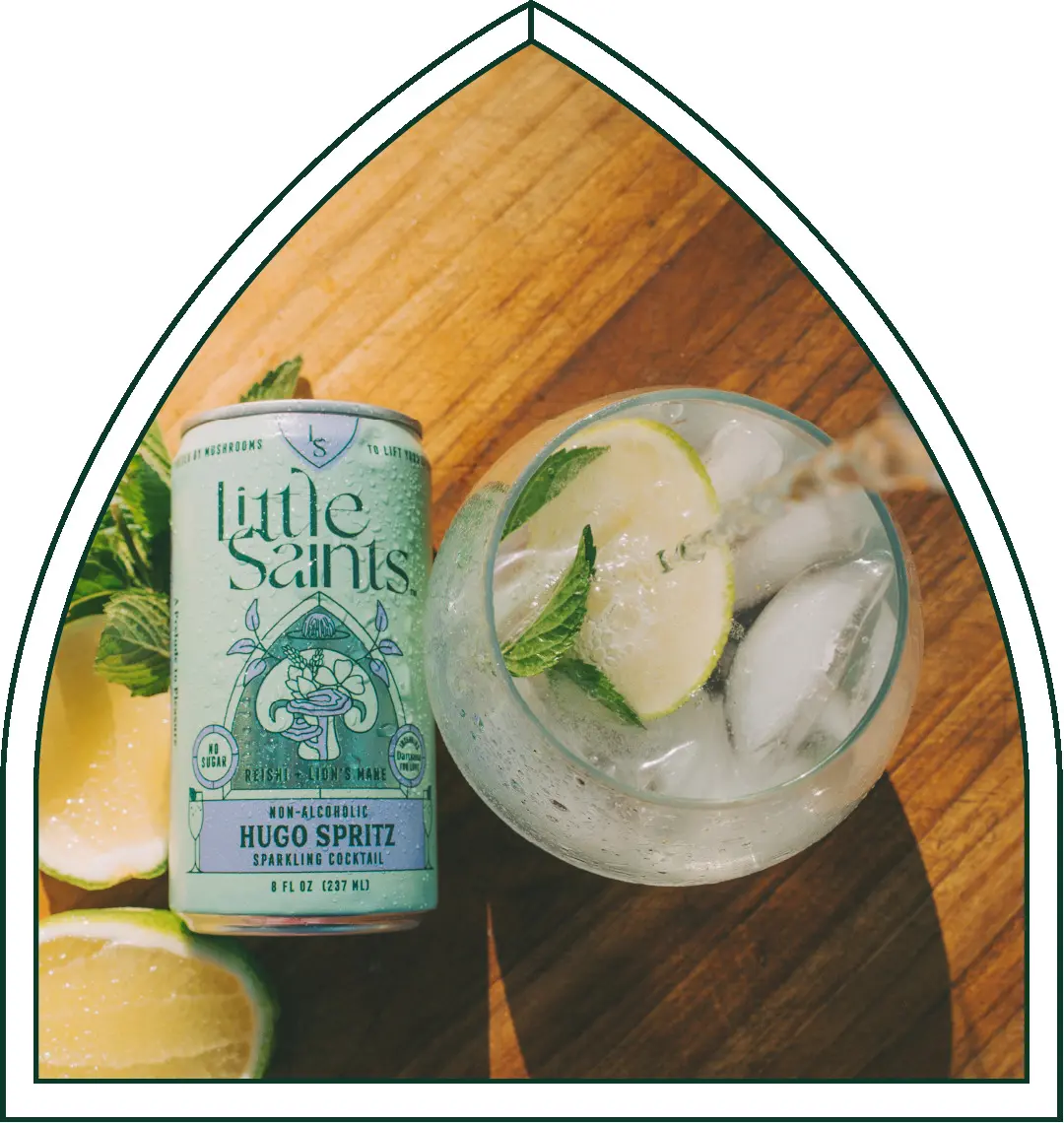
Little Saints is formulated for evening use. The core line contains no caffeine, so it does not interfere with the sleep most people are trying to protect. Customers describe the effect the brand calls the Little Saints Lift as a sense of clarity and ease, a subtle take-the-edge-off feeling that helps mark the transition from doing to being. The products are non-intoxicating, non-psychoactive, and 100% legal.
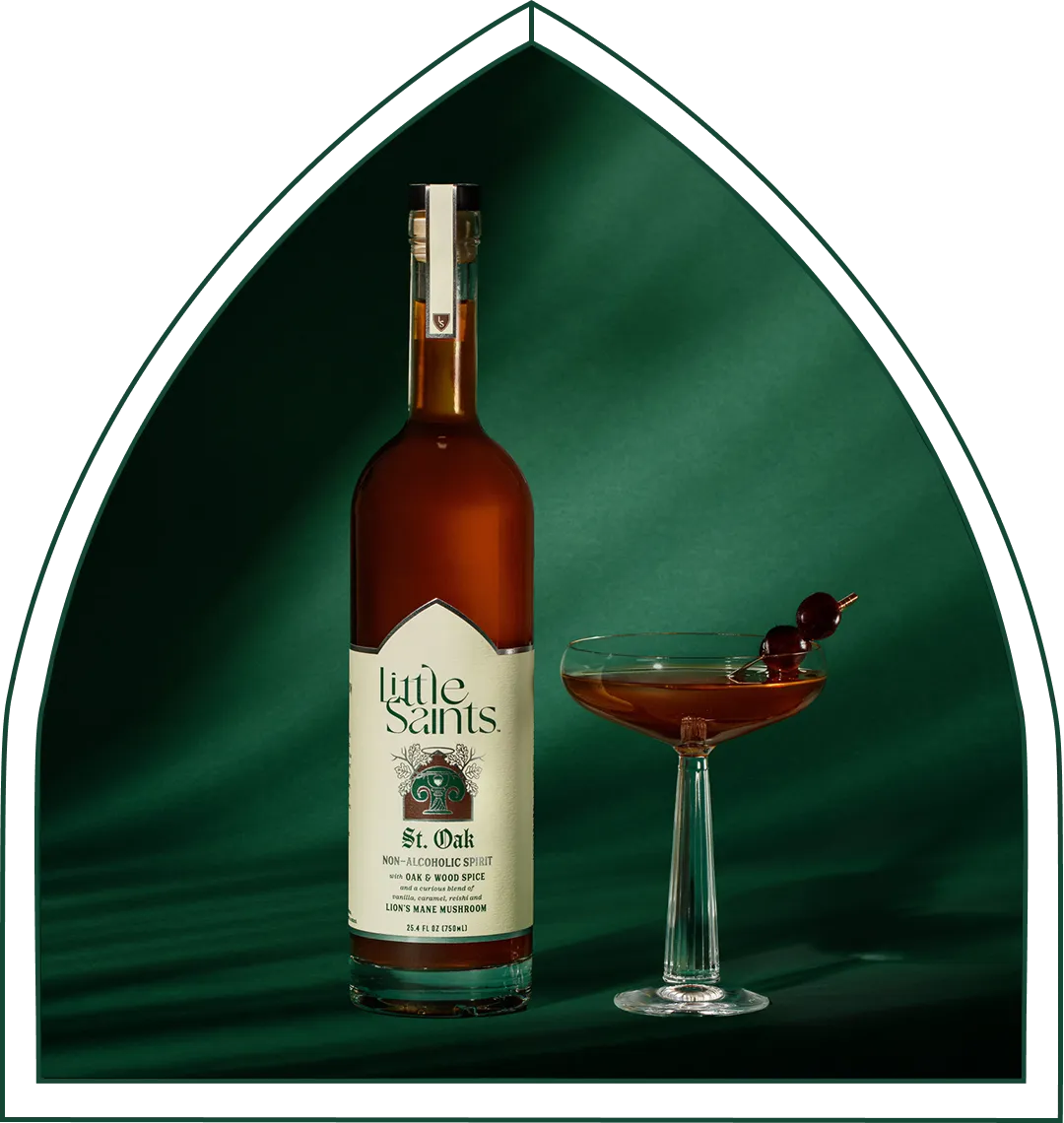
The canned cocktails are finished drinks, ready to pour. The lineup includes Classic Spritz, Hugo Spritz, Classic Margarita, Paloma, Old Fashioned, Mojito, and Negroni Spritz. The spirits, St. Ember, St. Juniper, and St. Oak, are built on oil-based craft extracts that mix 1:1 in classic cocktail recipes, with no over-pouring required. St. Oak was named Best NA Spirit of 2025 by the BevNET Spirit Awards. For a full breakdown of how the spirits work in cocktail builds, see Functional Non-Alcoholic Spirits: What You Need To Know.
FAQ
What is a functional beverage?
A functional beverage is a drink enhanced with ingredients intended to provide a specific health benefit beyond basic nutrition. The category includes electrolyte drinks for hydration, caffeinated drinks for alertness, probiotic and prebiotic drinks for gut health, and adaptogen drinks featuring ingredients like Reishi that are intended to support relaxation or mental clarity. The defining characteristic is that the drink is formulated around a specific benefit, not just flavor.
Do functional beverages actually work?
Effectiveness depends on the ingredient and the dose. Electrolytes have well-established evidence for hydration and recovery. Caffeine is proven for alertness at 50–200mg. Probiotics support gut health when the product lists specific strains and CFU counts in the 1–10 billion range. Adaptogens like Reishi have traditional use and some promising research, but the evidence is more limited and effects are subtle. Most products on the market are underdosed. The category can work when dosing is adequate, and many products fail because they contain too little of the active ingredient to have any effect.
Are adaptogen drinks safe?
For most healthy adults, adaptogen drinks are generally considered safe at typical beverage doses. However, Reishi can interact with blood thinners and antiplatelet medications, and may not be appropriate for people on immunosuppressants. Anyone who is pregnant, nursing, or managing a medical condition should consult a doctor before consuming products containing functional mushroom extracts. These statements have not been evaluated by the Food and Drug Administration. This product is not intended to diagnose, treat, cure, or prevent any disease.
What is the best functional drink for evening relaxation?
The most suitable evening drink contains Reishi at a stated milligram dose, discloses the beta glucan content of the extract, contains no caffeine, and carries zero or low sugar. The evening occasion specifically calls for no caffeine, because the 5–6 hour half-life discussed earlier means a caffeinated functional drink consumed in the evening works against relaxation and sleep quality. Little Saints non-alcoholic cocktails and spirits meet these criteria with verified dosing and no caffeine in the core line.
How much sugar is in functional beverages?
Sugar content varies widely, and the range is wider than most consumers expect. Many functional drinks, including probiotic sodas, adaptogen beverages, and non-alcoholic cocktails, carry significant amounts of sugar per serving. That level of sugar undermines any health benefit the functional ingredient might provide. Reading the nutrition facts panel before purchasing is essential. Zero-sugar options exist across most functional categories, and they are not the default.
Can functional beverages replace meals or supplements?
Functional beverages do not replace a balanced diet, adequate sleep, regular physical activity, or medical treatment. They can be a useful addition to a health-conscious routine when they contain evidence-backed ingredients at effective doses. Anyone managing a medical condition should treat functional beverages as a complement to professional medical guidance.
The Bottom Line
Functional beverages can work when they contain effective doses of evidence-backed ingredients. The category's reputation problem is really a dosage problem. Many products do not deliver enough of what matters, and many brands do not clearly state what is actually in the can.
A simple framework helps. Read labels for dose and potency, match the ingredient to the occasion, and choose brands that are transparent about both figures. For the evening wind-down, that means no caffeine, zero or low sugar, and a stated mushroom dose with a published beta glucan content backed by certificates of analysis.
Little Saints was built specifically for that occasion. The line offers zero sugar, five calories, and a verified 100mg dose of organic Reishi and Lion's Mane at a minimum of 70% beta glucan in cocktail flavor profiles that hold up in real glassware. Shop Now — explore Little Saints' range of non-alcoholic cocktails and spirits.
These statements have not been evaluated by the Food and Drug Administration. This product is not intended to diagnose, treat, cure, or prevent any disease.
The statements made on our website have not been evaluated by the Food and Drug Administration, Our products are not intended to diagnose, treat, cure or prevent any disease. If you are pregnant, nursing, taking any medications or have any medical conditions, consult your doctor before use.