


Why Damiana Belongs In Your Wind-Down Ritual
- Damiana is a traditional calming herb from Mexico and Central America. Its apigenin content may support relaxation through GABA-A receptor activity.
- Well-made damiana tea starts with quality whole-leaf herb, water around 200°F, and a covered 5–15 minute steep to preserve aromatic oils.
- Non-alcoholic damiana cocktails work with homemade syrups, glycerin tinctures, or pre-made functional spirits like Little Saints that already include the herb.
- Damiana liqueur delivers flavor along with alcohol’s sleep-disrupting effects, so non-alcoholic options fit evening relaxation more reliably.
- Ready to experience damiana in a craft non-alcoholic cocktail? Browse the Little Saints collection.
How To Brew Damiana Tea For A Calming Ritual
Damiana tea offers the most traditional way to experience this herb, directly connected to the Guaycura tradition. Success depends on leaf quality, water temperature, and steeping time.
Step 1: Source quality damiana. Look for dried damiana leaf at health food stores or online herbal retailers. Whole-leaf damiana from a Mexican hierberia (herbal market) is preferred over tea bags labeled "damiana blend," which often contain very little actual Turnera diffusa and are cut with other leaves.
Step 2: Measure the leaf. Use 1–2 teaspoons (approximately 1–2 grams) of dried damiana leaf per cup of water. For a stronger brew, traditional preparations use 2–4 grams per 240ml cup.
Step 3: Heat water to just below boiling. Pour near-boiled water (about 200°F / 93°C) over the leaves. Boiling water can drive off the volatile aromatic oils that give damiana its character.
Step 4: Cover and steep. Cover your cup or teapot with a small plate to retain the volatile aromatic fraction that otherwise escapes as steam. Steep for 5–10 minutes, or up to 15 minutes for a stronger brew.
Step 5: Strain and sweeten. Strain the leaves and add honey, lemon, or a cinnamon stick to taste. Damiana has a mildly earthy, slightly bitter, aromatic flavor with a strong spice-like odor somewhat like chamomile, so it pairs naturally with honey and citrus.
Variations worth trying include:
- The Baja California Sur tradition: brew with Mexican canela (Ceylon cinnamon), mesquite honey, and orange peel, steeped for 8–10 minutes in water just under a boil.
- A deeper relaxation blend: add dried chamomile or lavender to the steep.
- Chilled over ice in the afternoon or served hot at night, with both approaches traditional in Baja Sur.
Damiana contains caffeine, and HPLC analysis of the active aqueous extract confirmed caffeine as one of the main compounds. The amount is significantly lower than coffee or green tea, yet damiana is not caffeine-free. Evening drinkers who are caffeine-sensitive should keep this in mind.
How To Build Non-Alcoholic Damiana Cocktails For The Modern Wind-Down
Many adults enjoy a more ceremonial evening drink, with glassware, garnish, and a crafted ritual. You can create that same experience with damiana without alcohol or sugary liqueurs.
Damiana’s herbal, slightly sweet character pairs well with botanical spirit profiles and bright citrus. Use one of three practical methods to bring it into non-alcoholic cocktails.
- Damiana syrup: Simmer 1 cup water with 1 cup honey or agave and 2 tablespoons dried damiana leaf for 10 minutes. Strain and cool. Use in place of simple syrup in any cocktail recipe.
- Damiana tincture: Steep dried damiana leaf in vegetable glycerin for 2–4 weeks. Alcohol maceration of damiana leaves for two to four weeks produces a bitter, aromatic tincture, with alcohol extracting a broader spectrum of compounds than hot water alone. A glycerin base offers a non-alcoholic alternative with similar results. Use a few drops per cocktail.
- Pre-made non-alcoholic spirit with damiana: Little Saints non-alcoholic spirits and canned cocktails feature damiana in their functional blend alongside organic Reishi and Lion's Mane mushrooms, with no brewing required.
Whichever method you choose, Little Saints spirits mix 1:1 like traditional spirits. Two ounces replaces two ounces in any cocktail recipe, so you can swap them into your favorites without adjusting measurements or watering down the drink.
The three recipes below show how damiana adapts to different spirit profiles. Start with a smoky mezcal-style drink, move to a bright gin-inspired option, then finish with an easy spritz.
Recipe 1: The Baja Sunset
Built with St. Ember, inspired by mezcal
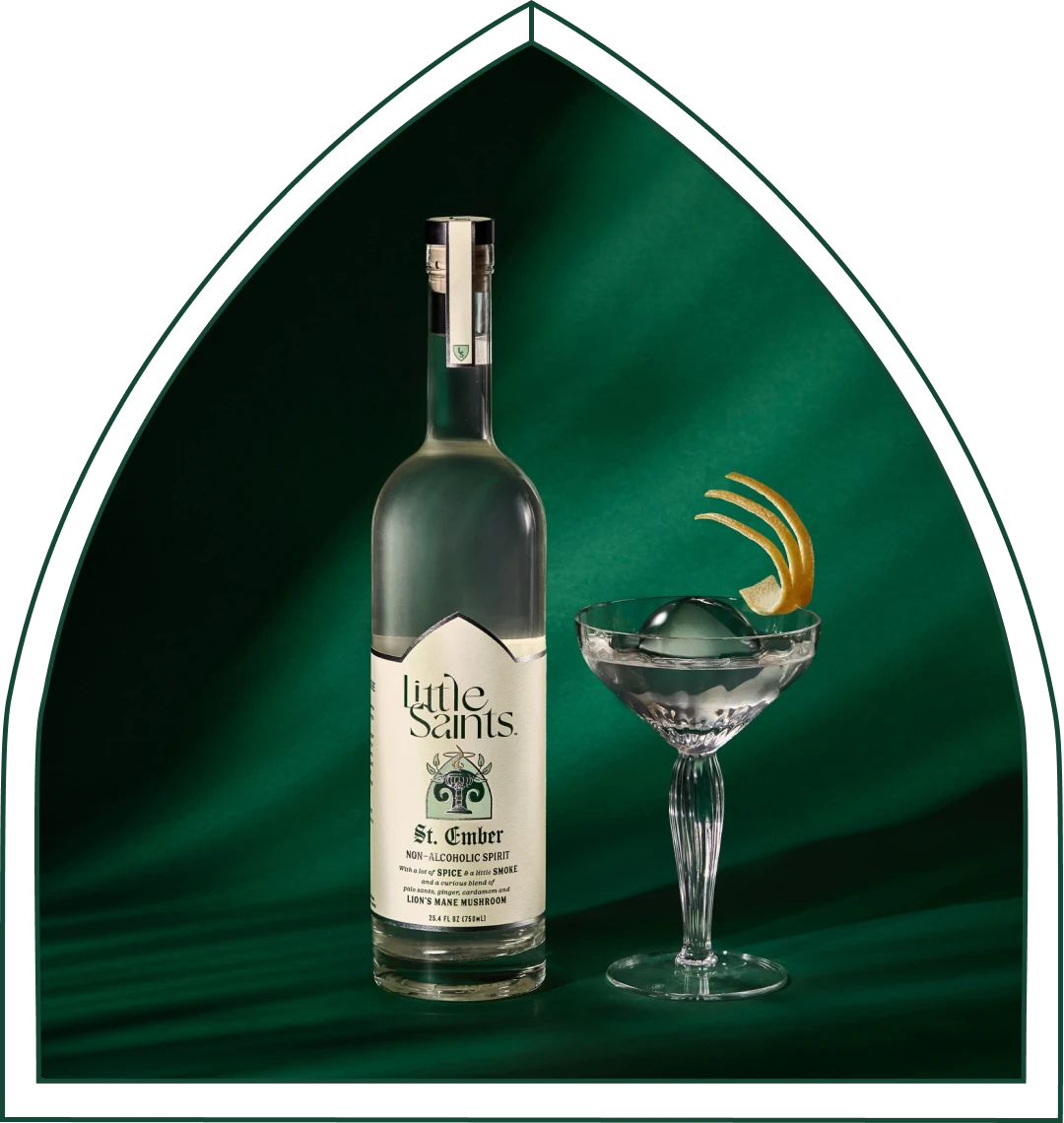
- 2 oz St. Ember (mixes like a tequila or mezcal)
- 1 oz fresh lime juice
- ½ oz damiana syrup (recipe above)
- 2–3 dashes orange bitters
Shake with ice, then strain into a rocks glass over fresh ice. Garnish with a dehydrated orange wheel. St. Ember's smoky, woodsy palo santo and ginger notes echo the traditional damiana liqueur's herbal character, without the 30% ABV.
Recipe 2: The Desert Garden
Built with St. Juniper, inspired by gin
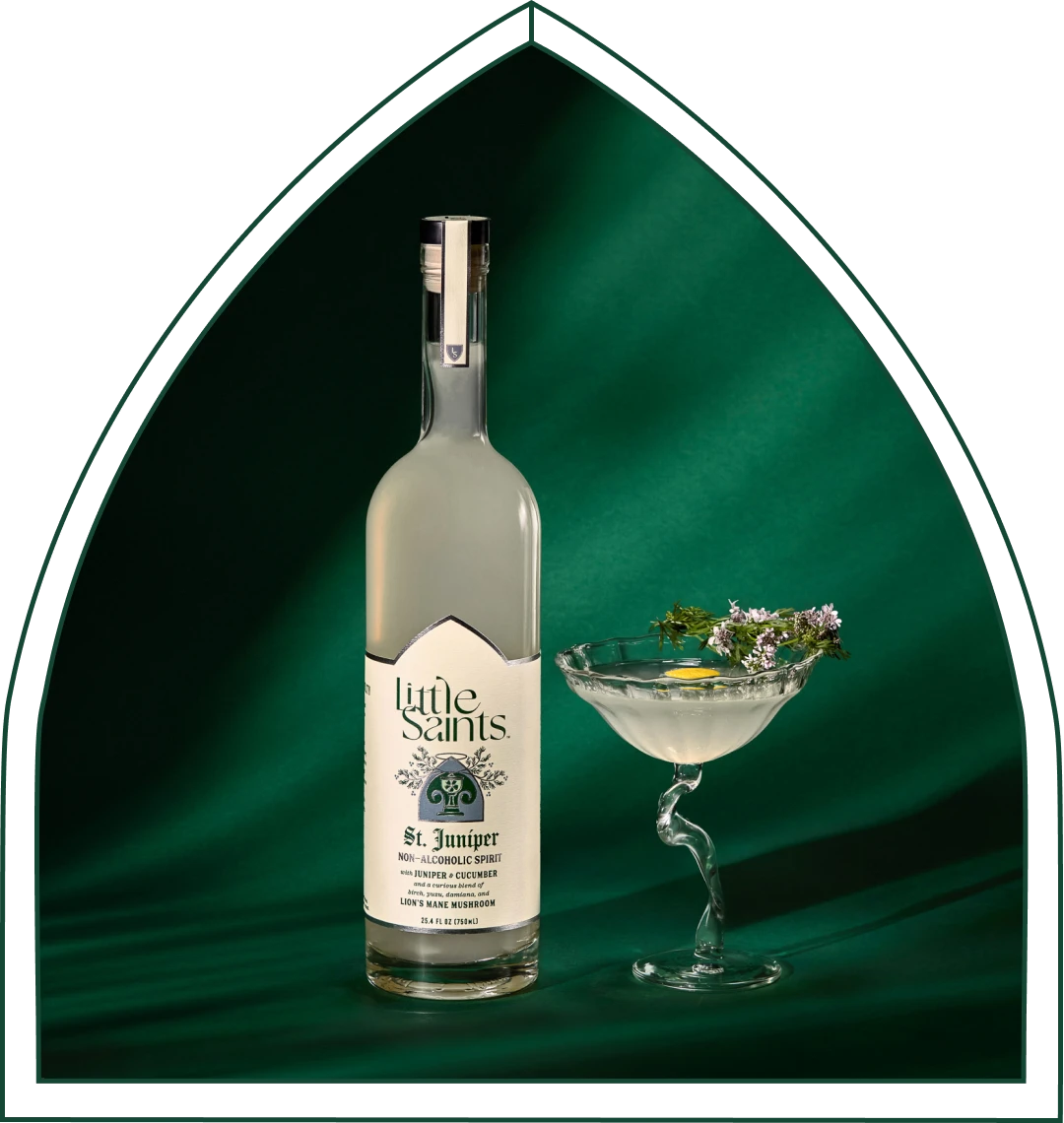
- 2 oz St. Juniper (mixes like a gin)
- ¾ oz fresh grapefruit juice
- ½ oz damiana syrup
- ¼ oz fresh lime juice
Shake with ice, then strain into a coupe glass. Garnish with a fresh thyme sprig. St. Juniper's cucumber and herbaceous botanicals complement damiana's earthy sweetness, while grapefruit adds brightness.
Recipe 3: The Golden Hour Spritz
Built with a Little Saints Classic Spritz
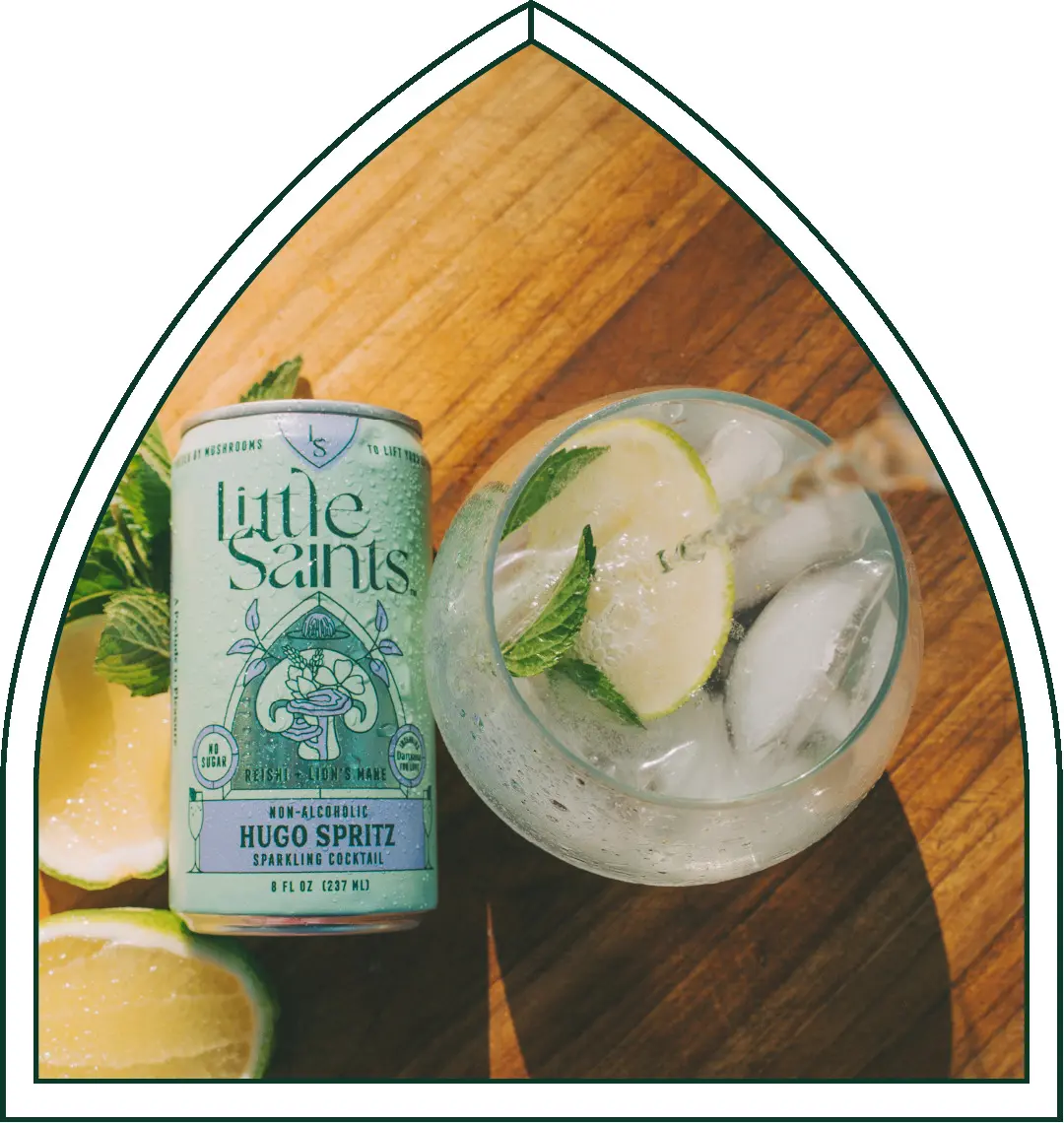
- 1 can Classic Spritz (Prosecco-inspired bubbles with tangerine and botanicals)
- ½ oz damiana syrup
Pour over ice in a wine glass and stir gently. Garnish with a twist of orange peel. The Classic Spritz already contains damiana in its functional blend, so this version doubles the herb. The bubbles and citrus keep it celebratory without alcohol.
Damiana Liqueur Vs. Non-Alcoholic Damiana Cocktails
Damiana liqueur is made by steeping dried damiana leaves and flowers in a neutral base spirit, usually distilled from sugarcane. It is then sweetened with sugar and flavored with secondary botanicals like orange peel, vanilla, or anise, and typically bottled at roughly 30% ABV. This liqueur holds cultural significance in Baja California Sur, and its pale gold, chamomile-honey flavor with sage-like bitterness is genuinely distinctive.
Alcohol in damiana liqueur works against relaxation. It disrupts sleep architecture, can increase anxiety as it metabolizes, and adds empty calories and sugar. At 30% ABV, damiana liqueur delivers a meaningful blood alcohol concentration (BAC, or blood alcohol concentration) that tends to undermine restful sleep.
A non-alcoholic damiana cocktail gives you the ritual, botanical complexity, and herbal experience while avoiding those tradeoffs. The sensory pleasure of a crafted drink remains intact, without disrupted sleep, next-day fog, or a sugar crash.
Some Baja folklore holds that the original margarita was made with damiana liqueur rather than triple sec, a claim cocktail historians dispute but still find charming. The herbal character of damiana suits a margarita variation beautifully. The Baja Sunset recipe above, built with St. Ember and fresh lime, offers a non-alcoholic take on that regional tradition.
Before you start experimenting with damiana at home, consider its safety profile.
Is Damiana Safe? Who Should Avoid It And What To Watch For
The FDA lists damiana leaves (Turnera diffusa Willd) as a permitted natural flavoring substance for food under 21 CFR 172.510, and damiana is generally well-tolerated at traditional tea doses. Human evidence for its relaxing effects remains limited, because most studies are animal-based and no controlled human trials have tested damiana alone for anxiety or relaxation.
The following groups should avoid damiana or consult a healthcare provider before use:
- Pregnant or nursing women: Damiana is traditionally regarded as a uterine stimulant, and the American Herbal Products Association's Botanical Safety Handbook advises avoidance during pregnancy. No safety data exists for breastfeeding.
- People with diabetes: Damiana may have mild hypoglycemic effects and could additively lower blood sugar when taken with insulin or oral diabetes medications.
- People on psychiatric medications: Damiana may have mild interactions with SSRIs and other serotonergic medications due to its neurotransmitter-modulating effects. Consult your healthcare provider.
- People with hormone-sensitive conditions: In vitro studies show damiana has aromatase-inhibitory activity, so those with breast cancer, endometriosis, or other hormone-sensitive conditions should exercise caution.
- People taking lithium: Damiana's mild diuretic action could reduce renal lithium clearance and increase serum lithium levels, which is concerning given lithium's narrow therapeutic index.
- Anyone considering very high doses: 200 grams of damiana extract has been associated in rare case reports with tetanus-like convulsions and symptoms similar to strychnine poisoning. Stick to traditional tea doses (1–2 teaspoons per cup) and avoid prolonged daily high-dose use.
Statements about Little Saints products have not been evaluated by the FDA, and the products are not intended to diagnose, treat, cure, or prevent any disease.
Damiana For Sleep And Anxiety: What The Research Actually Says
The evidence base for damiana's calming effects is currently preclinical. A 2013 study by Estrada-Reyes et al. in the Journal of Ethnopharmacology found that an aqueous extract of Turnera diffusa at 10 mg/kg produced anxiolytic effects in rats without affecting mobility, suggesting the effect was not due to sedation. A 2014 review by Szewczyk and Zidorn in the Journal of Ethnopharmacology concluded that clinical evidence for any specific health benefit in humans is insufficient.
The most plausible mechanism for damiana's traditional calming reputation runs through apigenin. A 1995 study by Viola et al. in Planta Medica showed that apigenin binds to the central benzodiazepine receptor and produced anxiolytic effects in mice without sedation or muscle relaxation. Damiana contains this same flavonoid, also found in chamomile, which helps explain why its calming reputation has persisted across cultures and centuries.
The research looks promising yet remains preliminary. Damiana may support a sense of calm as part of a broader evening wind-down ritual, but it is not a clinically proven treatment for anxiety or insomnia. Treat it as one element of an intentional end-of-day practice rather than a pharmaceutical replacement.
Many people choose non-alcoholic options specifically to protect their sleep. To be clear, no claim is made that damiana or Little Saints improves sleep, but alcohol's well-documented disruptive effects on sleep architecture are a primary reason health-conscious adults look for alternatives. Skipping the evening wine in favor of a non-alcoholic cocktail is a meaningful step in that direction.
Discover the Little Saints range — zero sugar, five calories, and damiana in every pour.
Frequently Asked Questions About Damiana Drinks
What Is Damiana?
Damiana (Turnera diffusa) is a small flowering shrub native to Mexico, Central America, and the Caribbean. It belongs to the Passifloraceae family, making it a botanical cousin of passionflower. Its dried leaves have been brewed as a calming tea for centuries, with documented use among the Guaycura people of Baja California Sur recorded by Jesuit missionaries in the 17th and 18th centuries. Today it appears in traditional teas, regional liqueurs, and increasingly in non-alcoholic functional beverages like Little Saints, where it supports the evening wind-down ritual.
How Do You Make Damiana Tea?
Steep 1–2 teaspoons of dried damiana leaf in one cup of just-boiled water (around 200°F) for 5–10 minutes, covered. Strain and sweeten with honey or lemon to taste. For a stronger brew, steep up to 15 minutes. Covering the vessel during steeping retains the volatile aromatic oils that give damiana its characteristic chamomile-like, slightly resinous flavor. The Baja California Sur tradition adds Mexican canela (Ceylon cinnamon), mesquite honey, and orange peel for a richer preparation.
Can You Drink Damiana Every Day?
There is no established guidance on daily use from controlled human studies. Traditional preparations suggest 1–3 cups of tea per day are generally well-tolerated at standard doses. Because long-term human safety data are limited, it makes sense to take breaks and consult a healthcare provider for prolonged daily use, especially for anyone with diabetes, hormone-sensitive conditions, or medications that may interact with damiana. As mentioned in the brewing section, damiana contains small amounts of caffeine, which matters for evening drinkers who are caffeine-sensitive.
What Should You Not Mix With Damiana?
Avoid combining damiana with alcohol or sedative medications without medical supervision. As detailed in the safety section, damiana may interact with diabetes medications, lithium, and serotonergic antidepressants, so review that list before combining. When using damiana in non-alcoholic cocktails, stick to non-alcoholic bases, because spirits or liqueurs add alcohol's own interaction profile on top of damiana's. Always inform your healthcare provider about any herbal supplements you use, particularly if you manage a chronic condition or take prescription medications.
Does Damiana Help With Anxiety?
Animal studies suggest damiana has anxiolytic properties, most likely due to its apigenin content binding to GABA-A receptors. As noted earlier, a 2013 animal study found anxiolytic effects without sedation, but no controlled human trials have confirmed this in people. The research remains promising yet preliminary, so damiana may support a sense of calm as part of a broader evening wind-down ritual, but it is not a clinically proven treatment for anxiety. Anyone managing an anxiety disorder should consult a healthcare provider rather than relying on herbal preparations alone.
The statements made on our website have not been evaluated by the Food and Drug Administration, Our products are not intended to diagnose, treat, cure or prevent any disease. If you are pregnant, nursing, taking any medications or have any medical conditions, consult your doctor before use.