


Key Takeaways
- Clean-label non-alcoholic drinks use recognizable, minimally processed ingredients with no artificial additives, synthetic dyes, or chemical preservatives.
- Smart shoppers look for very low sugar, no artificial sweeteners, and functional ingredients with clearly stated doses and documented potency.
- Little Saints introduces a zero-sugar, five-calorie formula with a verified 100 mg functional mushroom blend at a minimum of 70% beta glucan.
- Store-bought options like Little Saints provide consistent functional benefits that are hard to match at home, while DIY recipes give full control over simple, fresh ingredients.
- Ready to upgrade your summer ritual? Browse Little Saints non-alcoholic cocktails and spirits for zero-sugar, five-calorie options.
What Clean Label Means For Summer Drinks
Clean label describes products made with recognizable, minimally processed ingredients, with no artificial additives, synthetic dyes, or chemical preservatives, and with clear labeling that spells out exactly what you are drinking.
Clean label has no single regulatory definition in U.S. food law. It functions as a consumer-driven standard, and any brand using the term must still follow FDA labeling rules, including ingredient declaration and allergen disclosure. A practical test helps: you can identify every ingredient without a chemistry degree, and the list looks like something you could assemble at home.
The table below highlights what to choose and what to skip when you read a label:
| Choose | Avoid |
|---|---|
| Monk fruit, stevia | Aspartame, sucralose, acesulfame potassium |
| Natural botanicals, real fruit juices | High-fructose corn syrup, artificial flavors |
| Reishi, Lion's Mane | Red 40, Yellow 5, synthetic dyes |
| Sparkling mineral water, unsweetened seltzer | Sodium benzoate, potassium sorbate |
Clean label covers both what a drink leaves out and what it includes. Alternative sodas built on functional ingredients hold roughly 6% of total beverage share while driving 27% of category growth, which shows that consumers pay for benefits, not only flavor. The most rigorous clean-label drinks combine ingredient transparency with functional ingredients that have a stated dose and documented potency.
The Healthiest Non-Alcoholic Beverage: Four Criteria To Check
The healthiest non-alcoholic beverage delivers the ritual and sensory experience of a cocktail without the metabolic cost. It keeps sugar very low, avoids artificial ingredients, and ideally adds functional support for the evening wind-down.
When you evaluate any non-alcoholic summer drink, move through these criteria in order.
- Start with sugar. The American Heart Association recommends no more than 25g of added sugar daily for women and 36g for men. Many non-alcoholic cocktails pack 20–40g per serving, which matches a soda. A clean option usually lands between 0g and 5g.
- Scan for artificial sweeteners. Sugar alcohols and artificial sweeteners such as erythritol, sucralose, and aspartame can cause GI distress and conflict with clean-label principles. Health Canada's Food Guide notes that sugar substitutes are unnecessary for healthy eating and that foods containing them may increase preference for sweet tastes.
- Confirm functional ingredients and doses. Reishi and Lion's Mane may support the evening wind-down only at meaningful doses. Brands that list these ingredients without disclosing amounts leave you guessing about their impact.
- Look for transparent labeling. The strongest brands publish both the dose, such as 100mg, and the beta glucan content, such as a 70% minimum, backed by certificates of analysis.
Little Saints meets these four criteria with a zero-sugar, five-calorie formula and a stated 100mg functional mushroom blend at a minimum of 70% beta glucan, documented by supplier certificates of analysis.
Comparing Store-Bought Clean Label Options
Many brands claim a clean label, yet few share doses or potencies. The table below compares four common store-bought options on details you can verify from the label.
| Brand | Sugar (per serving) | Calories | Functional Ingredients |
|---|---|---|---|
| Little Saints | 0g | 5 | Reishi, Lion's Mane, Damiana (100mg dose stated; minimum 70% beta glucan) |
| De Soi | 5–13g | 60–70 | Reishi, Lion's Mane (dose not stated) |
| MODA Mocktails | Varies | Varies | None |
| Topo Chico | 0g | 0 | None |
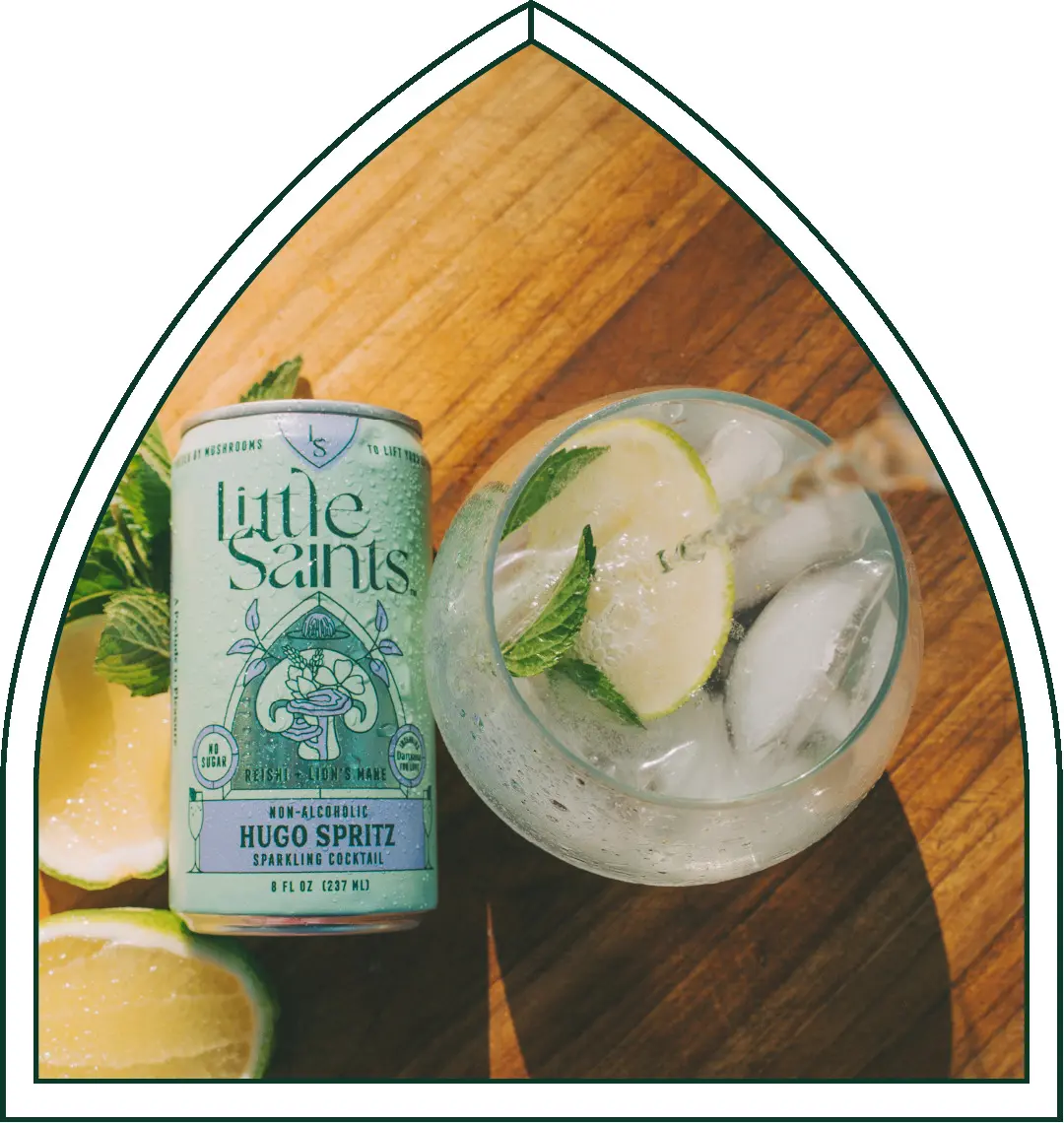
Little Saints positions its lineup as solving three needs at once: very low calories, zero sugar, and a supplement-grade functional mushroom blend. Every can carries organic Reishi extract at a minimum of 70% beta glucan, dosed at a stated 100mg per serving. Lion's Mane appears only in Classic Spritz, Hugo Spritz, and Classic Margarita.
The mushrooms are USDA Organic, grown in California, and extracted with ultrasound rather than chemical solvents, so no solvent residue carries into the liquid. The supplier's extracts undergo third-party lab analysis for potency, and the extract holds GRAS status, which the FDA defines as generally recognized as safe for use in food.
The summer-ready Little Saints canned cocktail lineup includes:
- Classic Spritz: Prosecco-style bubbles with tangerine citrus, ideal for poolside sipping, rated 4.9/5 across customer reviews on littlesaints.com.
- Hugo Spritz: Elderflower and mint over bubbles. Hugo Spritz orders rose 153.2% year over year in summer 2026, making it a defining spritz trend.
- Paloma: Pink grapefruit with balanced bitterness, a patio classic rated 4.8/5 on littlesaints.com.
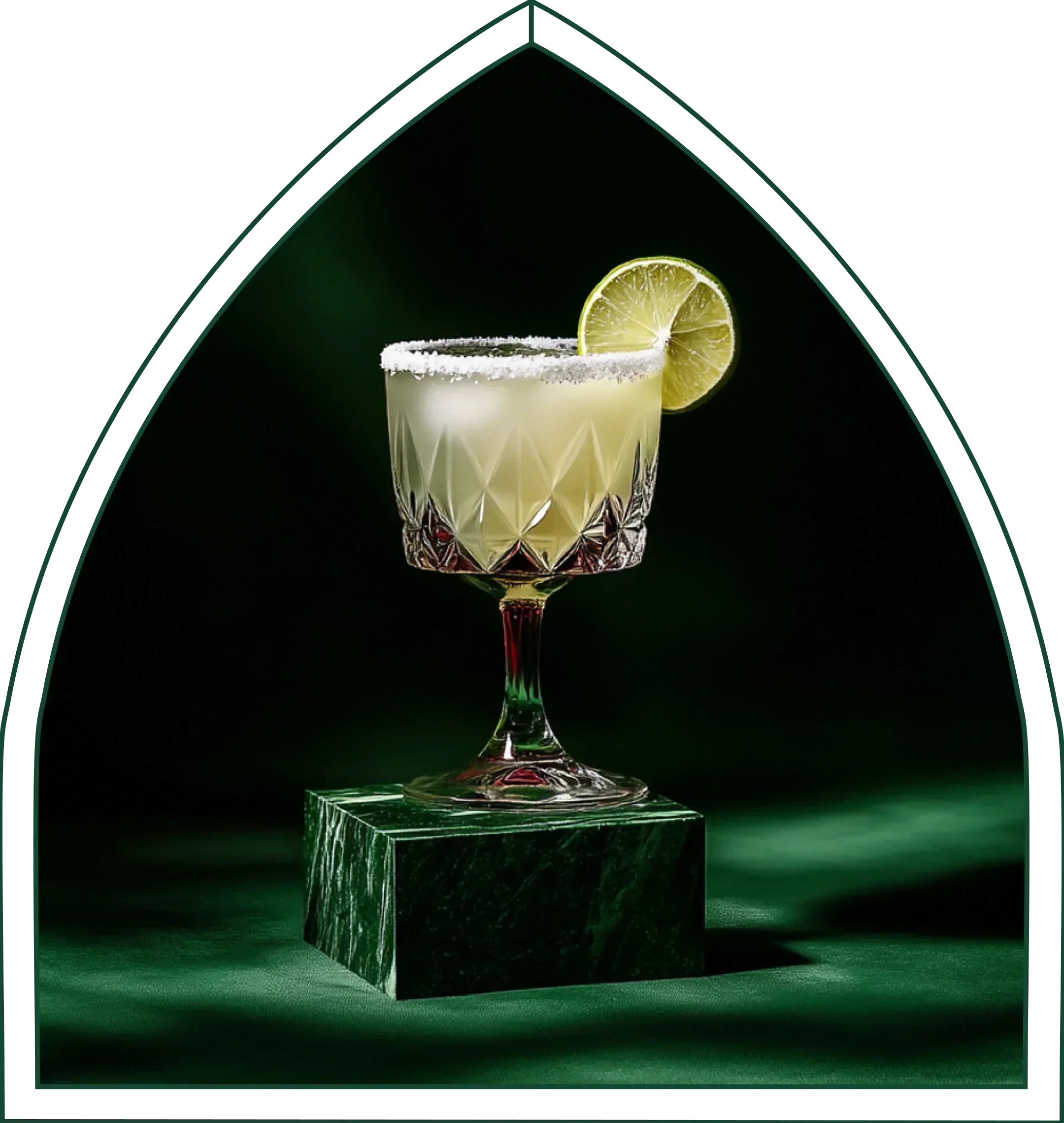
- Classic Margarita: Salt-kissed and bright for margarita nights without the rough morning, rated 4.8/5 on littlesaints.com.
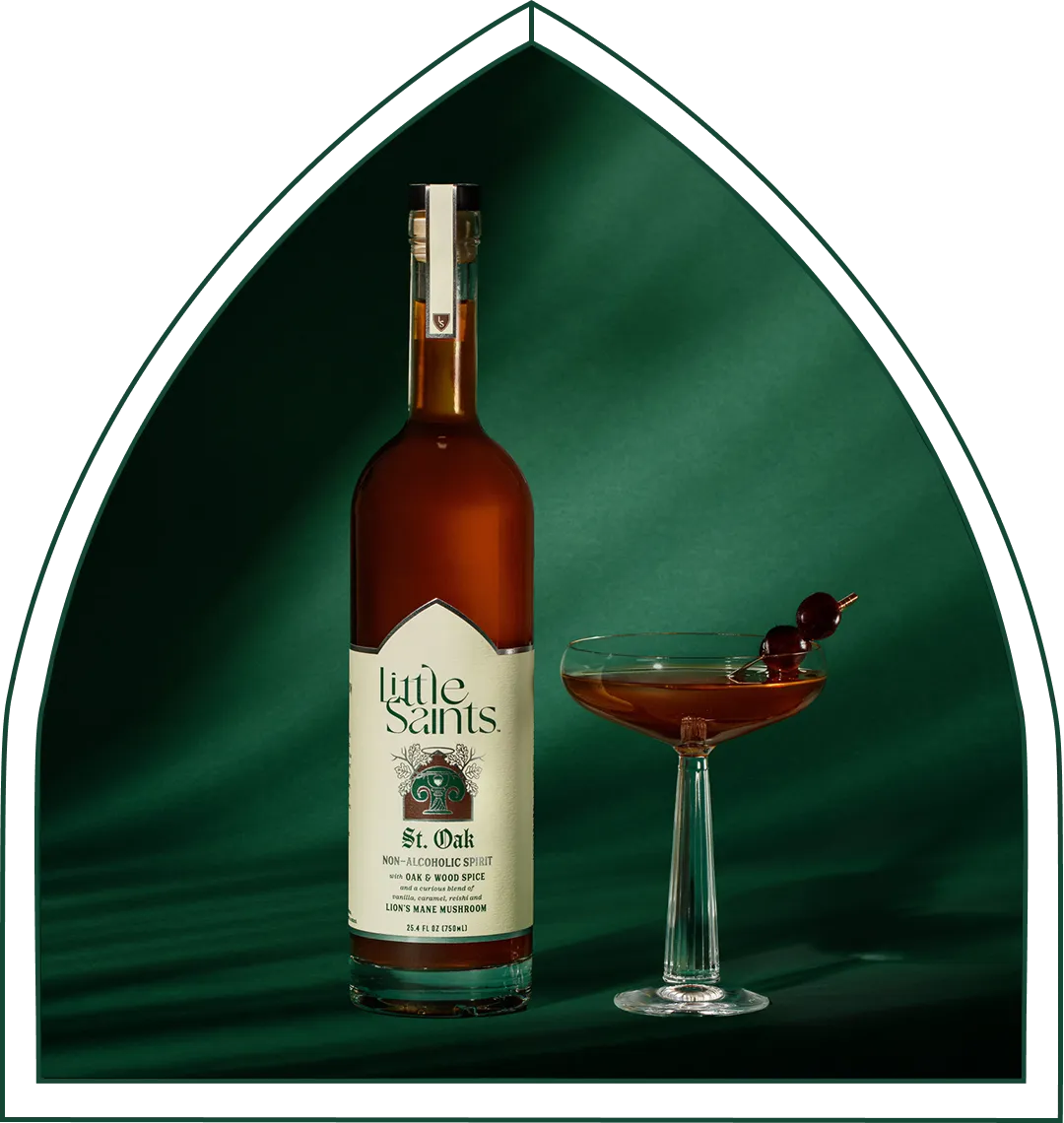
For home bartenders, the St. line of non-alcoholic spirits, including St. Ember, St. Juniper, and St. Oak, mixes 1:1 in any classic cocktail spec. Two ounces replace two ounces, with no over-pouring or recipe changes. St. Oak was named Best NA Spirit of 2025 by the BevNET Spirit Awards.
Why Functional Ingredients Matter In Clean Label Drinks
Functional ingredients in clean-label non-alcoholic drinks help recreate the shift that alcohol once provided, moving you from doing to being. In Little Saints, four components each play a specific role.
- Reishi for chill. Reishi anchors the blend for the evening wind-down feeling and supports a sense of exhale and arrival.
- Lion's Mane for focus. Lion's Mane supports mental presence and clarity, helping you feel engaged in the moment.
- Damiana for connection. Damiana, a flower used in herbal traditions for its warming qualities, adds a more physical, connected feeling alongside the cerebral mushroom notes.
- Botanical terpenes for the senses. Terpenes are aromatic compounds in plants, roots, herbs, and flowers. They shape the nose of the drink and help it register as a cocktail, not a soft drink.
Dose transparency separates a meaningful functional drink from an “adaptogen-flavored water.” Nearly one in three new food and beverage launches globally now carry a clean label claim, yet most functional drinks list ingredients without sharing amounts. Little Saints publishes both the dose, 100mg per serving, and the beta glucan content, a minimum of 70%, documented by supplier certificates of analysis.
At 70% beta glucan, the extract can reach up to 700 times the concentration of a whole mushroom, which typically sits around 0.1% beta glucan.
These statements have not been evaluated by the Food and Drug Administration. This product is not intended to diagnose, treat, cure, or prevent any disease.
Explore Little Saints functional canned cocktails and spirits for your next summer gathering.
DIY Clean Label Summer Drink Recipes
Simple DIY recipes give you full control over every ingredient while keeping a clean-label approach. The basic formula uses fresh fruit, herbs, sparkling water, and a natural sweetener if you want extra sweetness.
Recipe 1: Cucumber Mint Spritz
- 4 slices English cucumber
- 6 fresh mint leaves
- ½ lime, juiced
- 8 oz sparkling mineral water
Muddle cucumber and mint, add lime juice, then top with sparkling water over ice.
Recipe 2: Berry Basil Cooler
- ¼ cup fresh blueberries
- 4 basil leaves
- ½ lemon, juiced
- 8 oz unsweetened seltzer
Muddle berries and basil, add lemon juice, then top with seltzer over ice.
Recipe 3: Citrus Rosemary Sparkler
- 2 oz fresh grapefruit juice
- 1 sprig fresh rosemary
- 6 oz sparkling water
- Optional: 1 tsp monk fruit sweetener
Muddle rosemary in grapefruit juice, then top with sparkling water over ice.
For a more complex build, use St. Ember as a base in a Paloma-style drink.
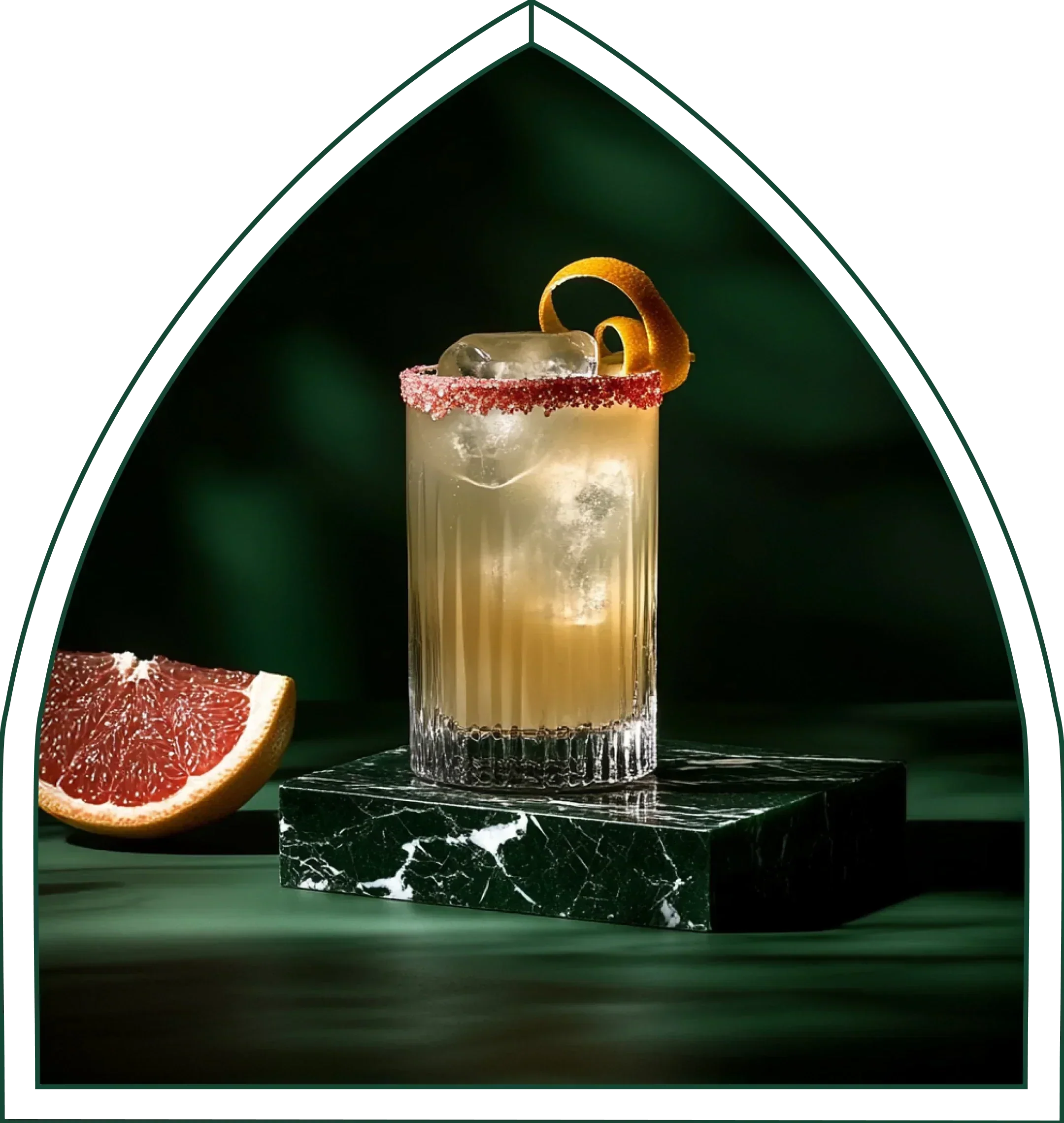
- 2 oz St. Ember
- 3 oz fresh grapefruit juice
- ½ oz fresh lime juice
- Sparkling water to top
- Salt rim, grapefruit wedge garnish
St. Ember behaves like a tequila or mezcal in recipes, so two ounces swap directly for two ounces of spirit.
How To Choose Between Store-Bought And DIY
Your choice between store-bought and DIY depends on the occasion, your pantry, and how much you value functional benefits.
Choose store-bought when:
- You need consistency and portability for pool parties, travel, or events with limited prep time.
- Functional benefits like Reishi and Lion's Mane matter, and you want doses that are hard to match at home.
- You want zero sugar without layering in extra sweeteners.
Choose DIY when:
- You have fresh ingredients on hand and want to customize every glass.
- You care about full control over every ingredient in the drink.
- You prioritize hosting and flavor personalization more than a functional mushroom layer.
Store-bought options such as Little Saints provide verified functional doses, zero sugar without artificial sweeteners, and a consistent cocktail-grade flavor profile. DIY shines for simple, fresh drinks, although it takes more effort to recreate the same functional complexity.
What To Drink In Summer Instead Of Alcohol
Clean-label non-alcoholic cocktails and spritzes make ideal summer alternatives to alcohol. They deliver the clink of ice, the aromatic nose, and complex flavor without disrupting sleep, recovery, or next-day clarity. Little Saints calls this the Magic Hour feeling, a mix of clarity, ease, and the sense of stepping into your best light.
Most people choose between several types of drinks, not between a cocktail and nothing. NIQ reports that 47% of on-premise visitors now mix alcoholic and non-alcoholic options in the same occasion, a behavior called zebra striping, and 93% of non-alcoholic buyers also purchase alcohol. The non-alcoholic pour often adds to the check instead of replacing a drink.
The drink that keeps someone at the table for a second and third round, instead of switching to water, often becomes the drink that defines summer.
Common Mistakes To Avoid In The Non-Alcoholic Aisle
Even label-literate shoppers fall into a few common traps when they pick non-alcoholic drinks.
- Assuming “non-alcoholic” equals healthy. Many non-alcoholic drinks carry 20–40g of sugar per serving, which matches a soda. The category name says nothing about sugar.
- Relying on front-of-package claims. “Clean” and “natural” remain unregulated terms. U.S. food law does not define clean label with a single legal standard. Always read the ingredient list and nutrition panel.
- Missing hidden sweeteners. Erythritol, sugar alcohols, and artificial sweeteners often appear in “zero sugar” products. The only sweetener in Little Saints canned cocktails is monk fruit juice concentrate.
- Skipping dose transparency. If a brand lists Reishi or Lion's Mane without amounts, you cannot confirm the dose. A drink may legally list a functional ingredient in trace amounts only if the ingredient has no functional or technical effect in the finished product, or if any structure or function claim about it is truthful and substantiated at the actual use level; major food allergens and sulfites above 10 ppm must still be declared.
- Overlooking artificial colors. In April 2025, U.S. Health Secretary Robert F. Kennedy Jr. announced a plan to phase out eight artificial food dyes, including Red 40 and Yellow 5, with six dyes targeted for elimination by the end of 2026 and two dyes to be revoked in the coming months, although the effort relies largely on voluntary industry cooperation rather than a formal ban. Many “berry” or “citrus” drinks still use synthetic dyes for color today.
Conclusion: Build Your Cleanest Summer Ritual Yet
Clean label in summer drinks means transparency and quality, with recognizable ingredients, no artificial additives, and functional benefits you can verify on the label. The strongest clean-label non-alcoholic options keep sugar very low and back up their functional claims with documented doses and potencies.
Little Saints offers a store-bought path to that standard with a zero-sugar, five-calorie formula and a supplement-grade functional mushroom blend, supported by dose and beta glucan details on every can. DIY recipes give you a flexible alternative for simple, fresh drinks when you have time and ingredients on hand.
Explore Little Saints non-alcoholic cocktails and spirits for your clean-label summer lineup.
Frequently Asked Questions
What Does “Clean Label” Mean On A Non-Alcoholic Drink?
Clean label on a non-alcoholic drink means the product uses recognizable, minimally processed ingredients and excludes artificial additives, synthetic dyes, chemical preservatives, and ingredients that feel unfamiliar to a typical shopper. The United States has no single regulatory definition for the term, so it functions as a consumer standard rather than a legal category. A simple test helps: the ingredient list looks like something you could assemble at home.
For non-alcoholic drinks, a clean label also avoids artificial sweeteners such as aspartame, sucralose, or acesulfame potassium, and synthetic colors such as Red 40 or Yellow 5. A gold-standard clean label goes further by disclosing the dose in milligrams for functional ingredients like Reishi or Lion's Mane and sharing potency details, such as a minimum beta glucan percentage, backed by certificates of analysis.
Are Functional Ingredients Like Reishi And Lion's Mane Safe In Beverages?
Reishi and Lion's Mane mushrooms have long histories of traditional use and appear frequently in research on functional mushroom ingredients. Safety depends on the form and dose. A whole mushroom from a farmers' market sits around 0.1% beta glucan, the fraction linked to adaptogenic properties. A quality fruiting-body extract can reach 70% beta glucan or higher, which makes it far more concentrated than whole or dried mushrooms.
Little Saints uses USDA Organic mushroom extracts at a minimum of 70% beta glucan, dosed at 100mg per serving, extracted with ultrasound rather than chemical solvents, and the extract holds GRAS status, the FDA standard of generally recognized as safe for food use. Anyone who is pregnant, nursing, taking medications, or managing a medical condition should speak with a healthcare provider before use.
These statements have not been evaluated by the Food and Drug Administration. This product is not intended to diagnose, treat, cure, or prevent any disease.
How Much Sugar Is In A Typical Non-Alcoholic Summer Drink?
Sugar content varies widely across non-alcoholic drinks. Many canned non-alcoholic cocktails and sparkling aperitifs contain 5–13g of sugar per serving, and some juice-based options reach 20–40g, which matches a regular soda. Even drinks marketed as “clean” or “natural” can carry high sugar loads when they rely on agave, date syrup, or juice concentrate.
The American Heart Association recommends no more than 25g of added sugar daily for women and 36g for men, so a single high-sugar drink can use most of that allowance. Little Saints canned cocktails contain zero grams of sugar and use monk fruit juice concentrate as the only sweetener, at five calories per can. The non-alcoholic spirits in the St. line contain no sweeteners.
What Is Zebra Striping And Why Does It Matter For Summer Drinking?
Zebra striping describes the habit of alternating alcoholic and non-alcoholic drinks over an evening or event. Zebra striping supports moderation in practice. As mentioned earlier, zebra striping appears in 47% of on-premise visitors, and most non-alcoholic buyers also purchase alcohol.
This pattern keeps people at the table longer, reduces the blood alcohol concentration, or BAC, which measures alcohol in the bloodstream, and lets drinkers enjoy the ritual of a sophisticated drink without the cumulative effects of several alcoholic pours. For patio dinners, pool parties, and outdoor events, zebra striping has become a common approach. Clean-label non-alcoholic options like Little Saints fit this behavior because they feel at home on a cocktail menu and avoid the sugar load that can undercut health goals.
Where Can I Buy Little Saints Non-Alcoholic Cocktails And Spirits?
Little Saints is available direct to consumer at littlesaints.com, with shipping to all 50 states typically within three days. In retail, Sprouts carries the brand in every door nationally, Whole Foods stocks it in California and Florida, Fresh Thyme covers the Midwest, and ABC Liquors carries it in Florida. The brand also appears in more than 1,000 retail shops, grocery stores, liquor stores, bars, and restaurants across the country.
For direct purchase with the full range of canned cocktails, including Classic Spritz, Hugo Spritz, Classic Margarita, Paloma, Old Fashioned, Mojito, and Negroni Spritz, and non-alcoholic spirits, including St. Ember, St. Juniper, and St. Oak, visit littlesaints.com/pages/shop-all. Subscribe and Save options are available on the canned cocktail line for readers who want a consistent evening ritual.
The statements made on our website have not been evaluated by the Food and Drug Administration, Our products are not intended to diagnose, treat, cure or prevent any disease. If you are pregnant, nursing, taking any medications or have any medical conditions, consult your doctor before use.