


Key Takeaways
- Clean ingredient summer drinks rely on whole foods like fresh fruit, herbs, citrus, and unsweetened sparkling water instead of artificial additives or high-sugar syrups.
- The repeatable formula Fruit + Herb + Citrus + Bubbles + Optional Functional Booster delivers balanced flavor without added sugar across any seasonal ingredient.
- Eight simple recipes, from Watermelon Mint Cooler to Little Saints Paloma Spritz, show how to build low-sugar, caffeine-free drinks at home.
- Swapping juice concentrates for fresh fruit, tonic for soda water, and artificial sweeteners for monk fruit or stevia keeps drinks genuinely low-sugar and clean-label compliant.
- For effortless, zero-sugar options with organic Reishi, shop Little Saints and enjoy functional non-alcoholic cocktails ready to pour over ice.
What Clean Ingredient Really Means
The term “clean label” has no single legal definition, but industry consensus defines it as products made with recognizable, minimally processed ingredients free from artificial additives, synthetic colors, artificial preservatives, and chemical-sounding components consumers cannot identify. You can see the difference on any label: fresh lime juice instead of bottled sour mix, which can carry 30 calories and 7 grams of sugar per ounce; real muddled berries instead of flavored syrups; unsweetened sparkling water instead of lemon-lime soda, which delivers roughly 38 grams of sugar per 12-ounce can.
The stakes go beyond taste. The U.S. Health Secretary announced a ban on eight artificial food dyes effective by the end of 2026, which turns clean label from a preference into a compliance issue. Many restaurant and store-bought non-alcoholic drinks deliver 35–40 grams of sugar per serving, matching a regular soda. They offer no fiber or functional benefit, and their artificial aftertaste signals exactly what went into them.
The Core Formula For A Clean Summer Drink
Clean, sophisticated summer drinks follow a simple structure: Fruit + Herb + Citrus + Bubbles + Optional Functional Booster. Each part plays a clear role.
- Fruit: Fresh, muddled, or pureed fruit such as watermelon, berries, peach, or cucumber provides natural sweetness without added sugar.
- Herb: Mint, basil, thyme, rosemary, or sage adds aromatic complexity that moves the drink beyond basic juice.
- Citrus: Freshly squeezed lime, lemon, or grapefruit brings brightness and balances the fruit’s sweetness.
- Bubbles: Unsweetened sparkling water or club soda adds lift and texture. Soda water carries zero calories and zero sugar per ounce, while tonic water sits at roughly 2.5 grams of sugar per ounce, which adds up over a full glass.
- Optional Functional Booster: Organic Reishi or Lion’s Mane mushroom extract supports an evening wind-down moment. You can read more in the adaptogen section below.
This formula keeps drinks balanced without added sugar. Fruit brings sweetness, herbs add depth, citrus cuts through, and bubbles give the drink body and a celebratory feel. Apply it to any seasonal ingredient and you get a drink worth making again.
8 Clean Summer Drink Recipes To Try
These eight recipes use fresh, whole ingredients with no added sugar. Measurements are per single serving.
Watermelon Mint Cooler
Blended watermelon delivers natural sweetness with high water content, so the drink stays light. Watermelon is over 90% water, so a glass built from blended watermelon and lime carries far less sugar than a typical glass of fruit juice.
- 1 cup fresh watermelon, cubed
- 1 oz fresh lime juice
- 6 fresh mint leaves
- 4 oz unsweetened sparkling water
- Ice
Blend watermelon until smooth, then strain into a glass over ice. Add lime juice and mint, and top with sparkling water. Clean Swap: Use fresh watermelon instead of watermelon juice concentrate.
Cucumber Basil Spritz
Cucumber’s high water content and mild sweetness remove the need for simple syrup.
- 4 slices fresh cucumber
- 5 fresh basil leaves
- 1 oz fresh lemon juice
- 5 oz club soda
- Ice
Muddle cucumber and basil in a glass. Add lemon juice and ice. Top with club soda and stir gently. Clean Swap: Skip simple syrup entirely, because cucumber keeps the drink refreshing on its own.
Berry Thyme Fizz
Mixed berries muddled fresh release natural sugars and color without the concentrated sugar load of berry syrup.
- ¼ cup mixed fresh or frozen berries
- 2 sprigs fresh thyme
- 1 oz fresh lime juice
- 5 oz unsweetened sparkling water
- Ice
Muddle berries and thyme in a glass. Add lime juice and ice. Top with sparkling water. Clean Swap: Use fresh or frozen berries instead of berry syrup.
Peach Ginger Sparkler
Ripe peach and fresh ginger create a layered flavor profile that feels complex without extra sweetener.
- ½ ripe peach, pitted and sliced
- ½ tsp fresh ginger, grated
- 1 oz fresh lemon juice
- 5 oz soda water
- Ice
Muddle peach and ginger in a glass. Add lemon juice and ice. Top with soda water. Clean Swap: Use fresh ginger instead of ginger syrup.
Pineapple Sage Refresher
Fresh pineapple provides natural sweetness and enzymes, while coconut water adds light electrolytes without added sugar.
- ½ cup fresh pineapple, cubed
- 4 fresh sage leaves
- 1 oz fresh lime juice
- 2 oz unsweetened coconut water
- 3 oz unsweetened sparkling water
- Ice
Muddle pineapple and sage. Add lime juice, coconut water, and ice. Top with sparkling water. Clean Swap: Use fresh pineapple instead of pineapple juice. An 8-ounce glass of pineapple juice carries roughly 25 grams of sugar, while this amount of muddled pineapple delivers far less.
Strawberry Rose Spritz
Real rose water adds floral complexity with zero sugar.
- 4 fresh strawberries, hulled
- ¼ tsp food-grade rose water
- 1 oz fresh lemon juice
- 5 oz unsweetened sparkling water
- Ice
Muddle strawberries in a glass. Add rose water, lemon juice, and ice. Top with sparkling water. Clean Swap: Choose real rose water instead of rose syrup.
Blackberry Lime Rickey
Ripe blackberries bring enough sweetness on their own.
- 6 ripe blackberries
- 1.5 oz fresh lime juice
- 5 oz club soda
- Crushed ice
Muddle blackberries in a glass. Add lime juice and crushed ice. Top with club soda. Clean Swap: Add a few extra ripe blackberries instead of sugar.
Little Saints Paloma Spritz
Convenience can still feel clean and thoughtful. One can of Little Saints Paloma delivers a grapefruit-forward, effervescent drink with organic Reishi and a bright finish. Pour over ice and garnish with a grapefruit wheel and a rosemary sprig. Clean Swap: Replace homemade Palomas with this ready-to-pour version when time is tight.
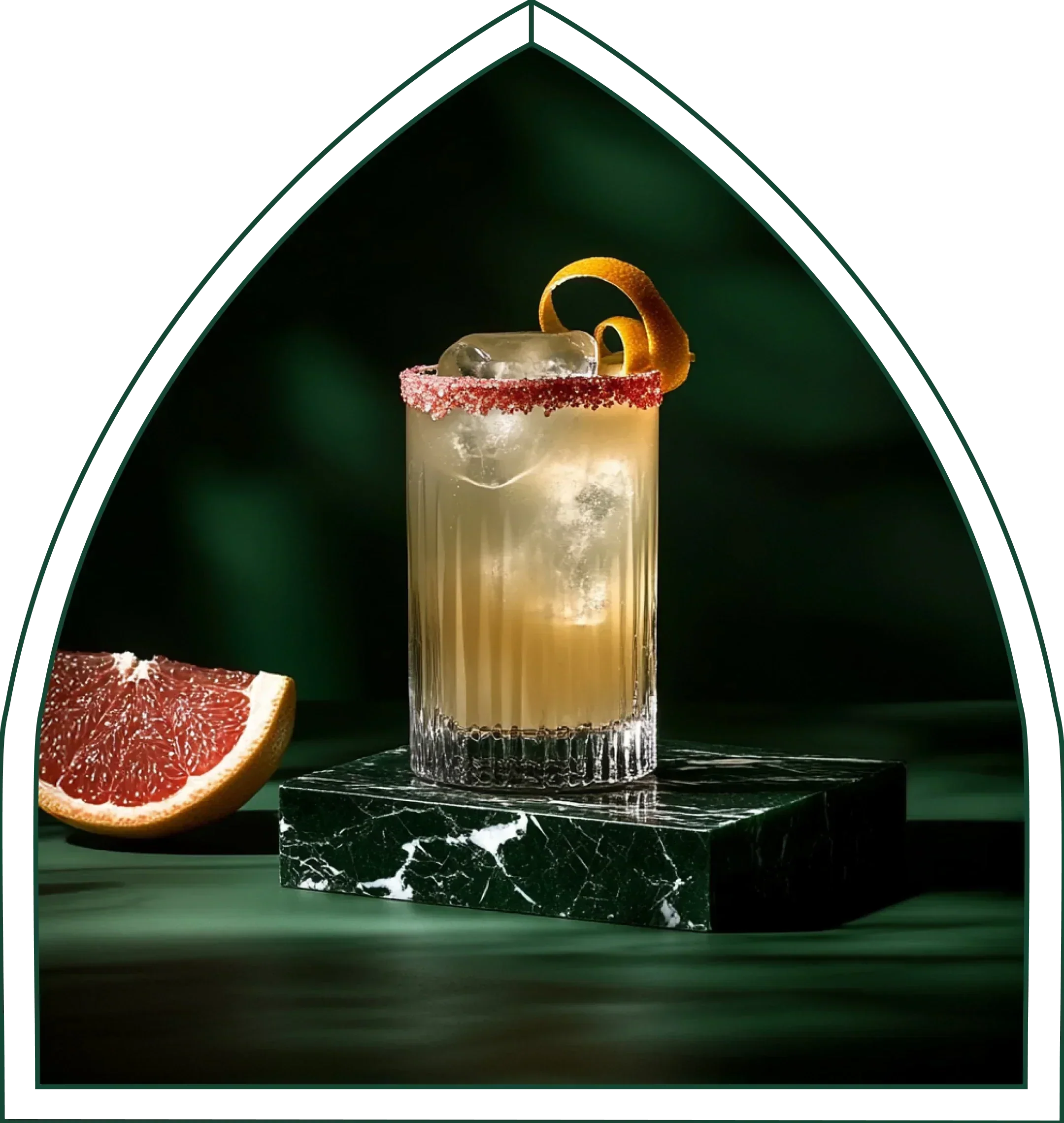
Explore the full Little Saints range and find your favorite zero-sugar, low-calorie flavor.
How To Make Any Drink Low-Sugar
Most summer drinks pull sugar from a few predictable sources, so targeted swaps make the biggest difference. Focus on these levers and you can turn almost any recipe into a genuinely low-sugar drink.
- Use fresh fruit instead of juice. Whole fruit contains fiber, while juice concentrates sugar. An 8-ounce glass of 100% orange juice carries roughly 21 grams of sugar with less than a gram of fiber, while whole orange segments deliver the same sugar alongside 4.3 grams of fiber. That difference changes how your body processes the drink.
- Sweeten with monk fruit or stevia only if needed. Both are plant-derived and zero-calorie. Monk fruit extract and stevia are recognized as clean-label natural sweeteners, unlike aspartame or acesulfame-K.
- Choose unsweetened sparkling water over tonic. Tonic water carries roughly 2.5 grams of sugar per ounce, while soda water carries none.
- Skip agave and honey. Both still count as sugar, at about 40 calories per 2 teaspoons, and neither offers a meaningful nutritional advantage over cane sugar in a drink.
- Build flavor with herbs, spices, and citrus zest. These ingredients add complexity and aroma without any sugar load.
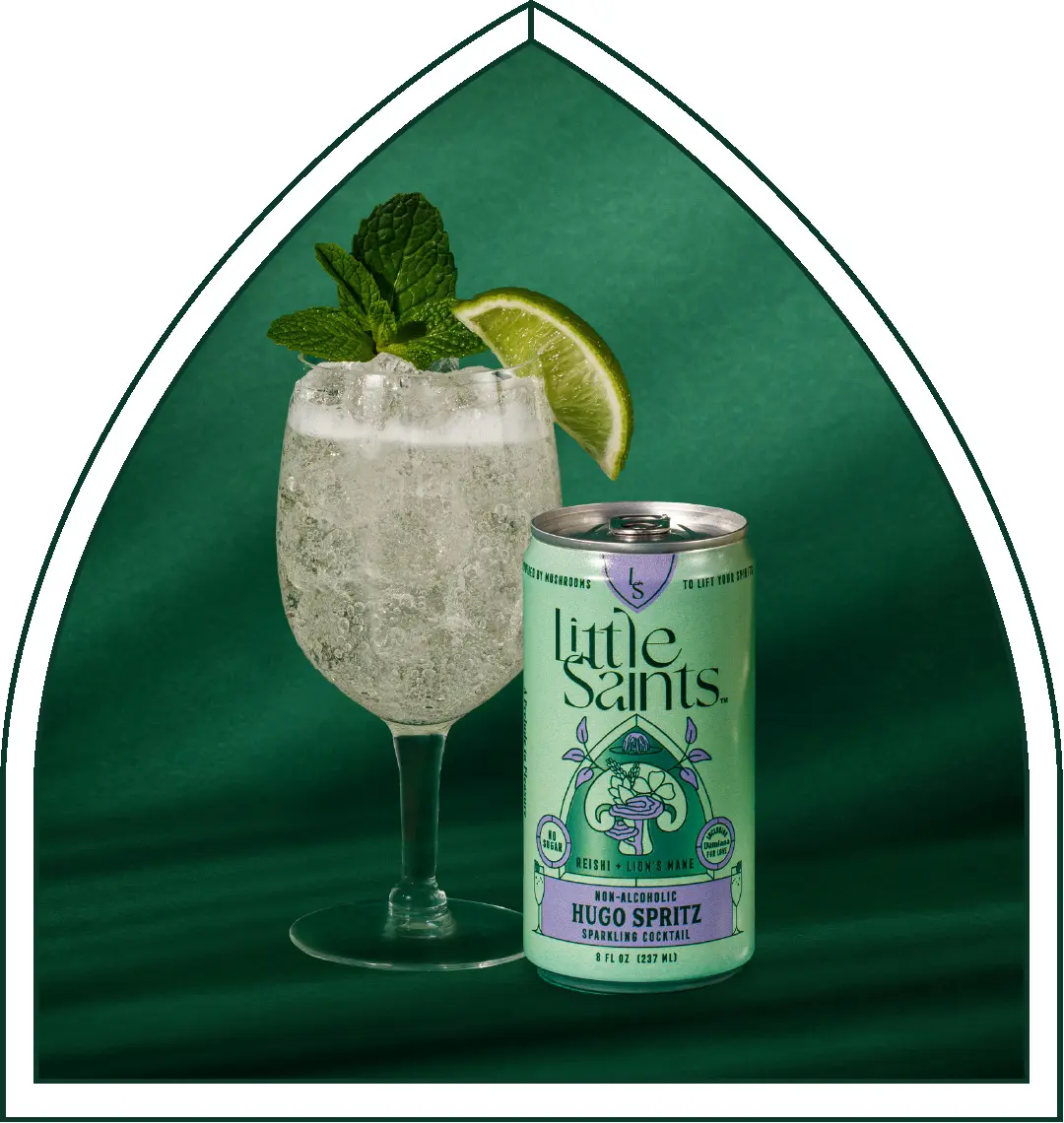
Little Saints canned non-alcoholic cocktails stay in the low-sugar lane with a zero-sugar, five-calorie build sweetened with monk fruit juice concentrate. They work as an effortless clean base when you want the result without the measuring and muddling.
Elevate Your Drink With Adaptogens
Functional drinks go beyond hydration and flavor and also support how your body responds to stress. Reishi mushroom has a long history of traditional use as a restorative botanical, and research suggests it may support the body’s ability to manage stress, though the evidence base continues to develop and no single study is definitive. Many people describe the experience as a gentle chill, perfect for the exhale-at-the-end-of-the-day moment.
Little Saints non-alcoholic cocktails and spirits include organic Reishi and Lion’s Mane, with Lion’s Mane associated with focus and mental presence. Each serving carries a stated 100mg dose. The mushrooms are USDA Organic, California-grown, and extracted using clean ultrasound technology, so no solvents or chemical residue remain. Every extract contains a minimum of 70% beta glucan, the fraction of the mushroom linked to its adaptogenic properties, documented by supplier certificates of analysis. At 70% beta glucan, the extract can be up to 700 times more concentrated than a whole mushroom, which sits around 0.1% beta glucan. The extract holds GRAS status, meaning the FDA generally recognizes it as safe for use in food.
Most functional drinks on the market publish neither a dose nor a potency figure, while Little Saints prints both on the label. That transparency matters. NIQ’s June 2026 functional beverage analysis found that alternative sodas built on functional ingredients hold roughly 6% of total beverage share while driving 27% of category growth, which shows that consumers pay attention to stated benefits, not just flavor. Little Saints focuses on the evening occasion and keeps the core line caffeine-free, so the wind-down moment stays intact.
These statements have not been evaluated by the Food and Drug Administration. This product is not intended to diagnose, treat, cure, or prevent any disease.
Try Little Saints for a functional lift and experience a clean non-alcoholic cocktail with a clearly stated adaptogen dose.
Hosting Tips For A Clean Summer Gathering
Clean ingredient drinks scale beautifully for a crowd when you plan a few details in advance. These hosting moves turn a basic drink station into a highlight of the gathering.
- Batch the base in a pitcher. Multiply the fruit, herb, and citrus components and refrigerate the mix. Add sparkling water, ice, and garnishes at serving time to keep carbonation lively.
- Make decorative ice cubes. Freeze herbs, edible flowers, or small fruit pieces inside ice cubes so they look intentional and melt slowly.
- Set up a garnish bar. Offer citrus wheels, herb sprigs, salt rims, and Tajín so guests can customize their drinks without needing a bartender.
- Offer both alcoholic and non-alcoholic options. NIQ reports that 47% of on-premise visitors mix alcoholic and non-alcoholic drinks in the same occasion, which means alternating, or “zebra striping,” now reflects mainstream behavior.
- Stock Little Saints RTD cans for effortless service. Skip mixing and prep entirely. Open a can, pour over ice, add a garnish, and serve, so you can focus on your guests instead of bartending.
Trending Now: Clean Drinks People Actually Choose
Moderation trends look different once you dig into the data. IWSR’s Bevtrac panel found Gen Z legal-drinking-age participation at 74% across 15 markets, up from 66% three years earlier, and IWSR’s president noted that “the narrative that Gen Z is the generation of moderation is now conclusively debunked.” What is changing is frequency and intensity. Average drinks per occasion dropped from 4.4 in 2024–2025 to 3.9 in the first half of 2026. Across age groups, people drink less often, enjoy fewer drinks when they do, and want those drinks to feel special.
Five clean summer drink profiles lead the pack in 2026: watermelon-lime, cucumber-herb, berry-citrus, peach-ginger, and grapefruit-forward builds. Pinterest trends heavily favor botanical ingredients, layered textures, fresh herbs, floral notes, and elevated presentation. Drinks that stand on their own, instead of imitating cocktails, earn the most attention.
Functional beverages sit at the center of this shift. NIQ’s data shows that 93% of non-alcoholic beverage buyers also purchase alcohol, so the non-alcoholic shopper usually is the same person choosing between a Little Saints and nothing, or alternating across the night in a zebra-striping pattern.
FAQ: Your Clean Drink Questions, Answered
What Are Some Healthy Summer Drinks I Can Make?
These five builds use only whole, recognizable ingredients with no added sugar:
- Watermelon Mint Cooler with blended fresh watermelon, lime juice, mint, and unsweetened sparkling water
- Cucumber Basil Spritz with muddled cucumber and basil, fresh lemon juice, and club soda
- Berry Thyme Fizz with muddled mixed berries, thyme, fresh lime juice, and sparkling water
- Peach Ginger Sparkler with muddled ripe peach, fresh ginger, lemon juice, and soda water
- Little Saints Paloma, a zero-sugar, low-calorie non-alcoholic cocktail with organic Reishi, poured over ice and garnished with a grapefruit wheel
Are Non-Alcoholic Drinks Healthier Than Soda?
Non-alcoholic drinks only become healthier when they avoid the sugar levels you saw earlier, in the 35–40 grams per serving range. Many restaurant versions still rely on flavored syrups, juice concentrates, and sweetened mixers, which keeps sugar high. Clean ingredient drinks made with whole fruit, fresh herbs, and unsweetened sparkling water are significantly healthier. Always check labels on store-bought options, because words like “natural” and “fruit-flavored” say nothing about sugar content.
Can I Make These Drinks Ahead Of Time?
Yes. Batch the fruit, herb, and citrus base in a pitcher and refrigerate it for up to 24 hours. Add sparkling water, ice, and garnishes just before serving to preserve carbonation and keep the herbs bright. Little Saints canned non-alcoholic cocktails need no prep at all and are ready to pour over ice straight from the can.
What Is A Clean Ingredient Drink?
A clean ingredient drink uses whole, recognizable ingredients such as fresh fruit, herbs, citrus, and unsweetened sparkling water. It avoids artificial sweeteners, colors, flavors, and high-fructose corn syrup. The ingredient list should read like something a home cook would recognize. Clean label has no single legal definition, but a practical test helps: if you cannot identify an ingredient without a chemistry degree, it probably does not belong in a clean drink.
Are Functional Mushroom Extracts Safe?
Research suggests Reishi and Lion’s Mane are generally well-tolerated when consumed at appropriate doses. Little Saints uses USDA Organic extracts at a stated 100mg per serving, with GRAS status, which is the FDA’s standard of generally recognized as safe for an ingredient used in food. As with any ingredient, consult your healthcare provider before use if you are pregnant, nursing, or taking medications. These statements have not been evaluated by the Food and Drug Administration. This product is not intended to diagnose, treat, cure, or prevent any disease.
Your Cleanest Summer Yet
The core formula stays simple: Fruit + Herb + Citrus + Bubbles + Optional Functional Booster. Apply it to any seasonal ingredient and you get a clean, sophisticated drink that delivers flavor without a sugar crash or alcohol. The eight recipes above give you a starting point, and the formula itself gives you unlimited room to experiment.
On nights when you want a shortcut, Little Saints offers the same clean approach in a ready-to-pour can, with a clearly stated functional mushroom blend and a low-calorie, zero-sugar build. You keep the ritual of a great drink and skip the work.
Discover clean non-alcoholic cocktails and stock your fridge for your cleanest summer yet.
The statements made on our website have not been evaluated by the Food and Drug Administration, Our products are not intended to diagnose, treat, cure or prevent any disease. If you are pregnant, nursing, taking any medications or have any medical conditions, consult your doctor before use.