


Key Takeaways For Bitter Holiday Drinks
- Most non-alcoholic Christmas cocktails taste like juice because they lack bitterness, the element that balances sweetness and adds complexity.
- Bitterness in non-alcoholic drinks comes from five sources: gentian root, quinine, citrus pith, tea tannins, and aromatic bitters.
- Balanced bitter builds match every sweet note with a clear bitter note, added before ice so it integrates before dilution.
- Little Saints products use real bitter botanicals in zero-sugar bases that mix 1:1, so drinks stay structured instead of turning thin or cloying.
- Little Saints includes functional mushroom extracts at 100mg per serving with a minimum 70% beta glucan alongside its bitter non-alcoholic bases.
Where Bitterness Comes From In A Non-Alcoholic Christmas Cocktail
Bitterness in a cocktail comes from five main sources. Gentian root anchors amaro-style drinks, and its secoiridoid glycosides register on multiple bitter-taste receptors. Quinine is the bittering agent in tonic water and also appears in Campari at lower concentration. Grapefruit and citrus pith carry naringin in the white albedo, which delivers immediate bitterness, while limonin supplies a delayed bitterness alongside bright aromatic oils. Tea tannins from cold-brewed black tea or pu-erh give a dry, astringent finish. Aromatic bitters are concentrated botanical tinctures dosed by the dash that season a drink instead of forming its base.
The practical rule stays simple. Match every sweet element with a recognizable bitter note, and add that bitter element before the ice so it fully integrates before dilution.
The 10 Bitter Non-Alcoholic Christmas Cocktails
Gentian And Amaro-Style Builds
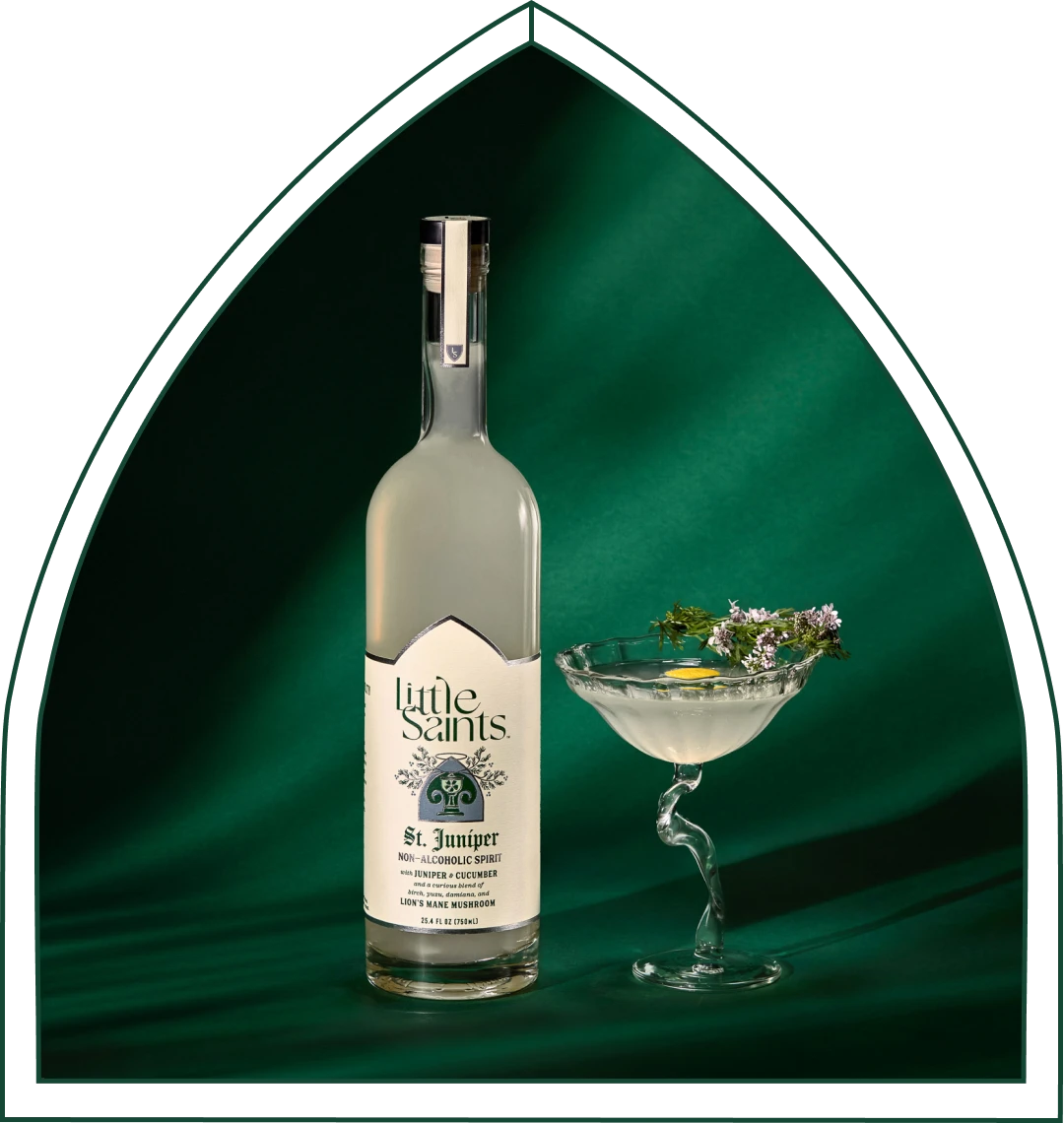
- Zero-Proof Christmas Negroni. 2 oz Little Saints St. Juniper, 1 oz bitter aperitif-style modifier, 1 oz non-alcoholic sweet vermouth. Stir 20–30 seconds over ice, then strain over one large cube in a rocks glass and express a wide orange peel over the surface. Stir longer than you would with gin so the mixing glass supplies the dilution and chill that ethanol would normally carry. The gentian in Little Saints St. Juniper’s botanical build anchors the bitter foundation underneath it all.
- Little Saints Negroni Spritz, Dressed For The Tree. 4 oz Little Saints Negroni Spritz over ice in a wine glass, 1 oz soda, rosemary sprig, and a cranberry skewer. The Negroni Spritz carries gentian root and bitter orange at zero sugar and five calories per can. Pour it, dress it, and serve it with no extra build.
- Gin-And-Tonic-Style Bitter Highball. 2 oz Little Saints St. Juniper, 4 oz chilled tonic, ¼ oz fresh lime, built over ice in a highball, lime wheel garnish. Tonic water carries quinine, the same bittering agent found in Campari at lower concentration, so it works as the simplest bitter lengthener in this format. Little Saints St. Juniper’s juniper, birch, and angelica build mixes 1:1, so you avoid over-pouring and thinning.
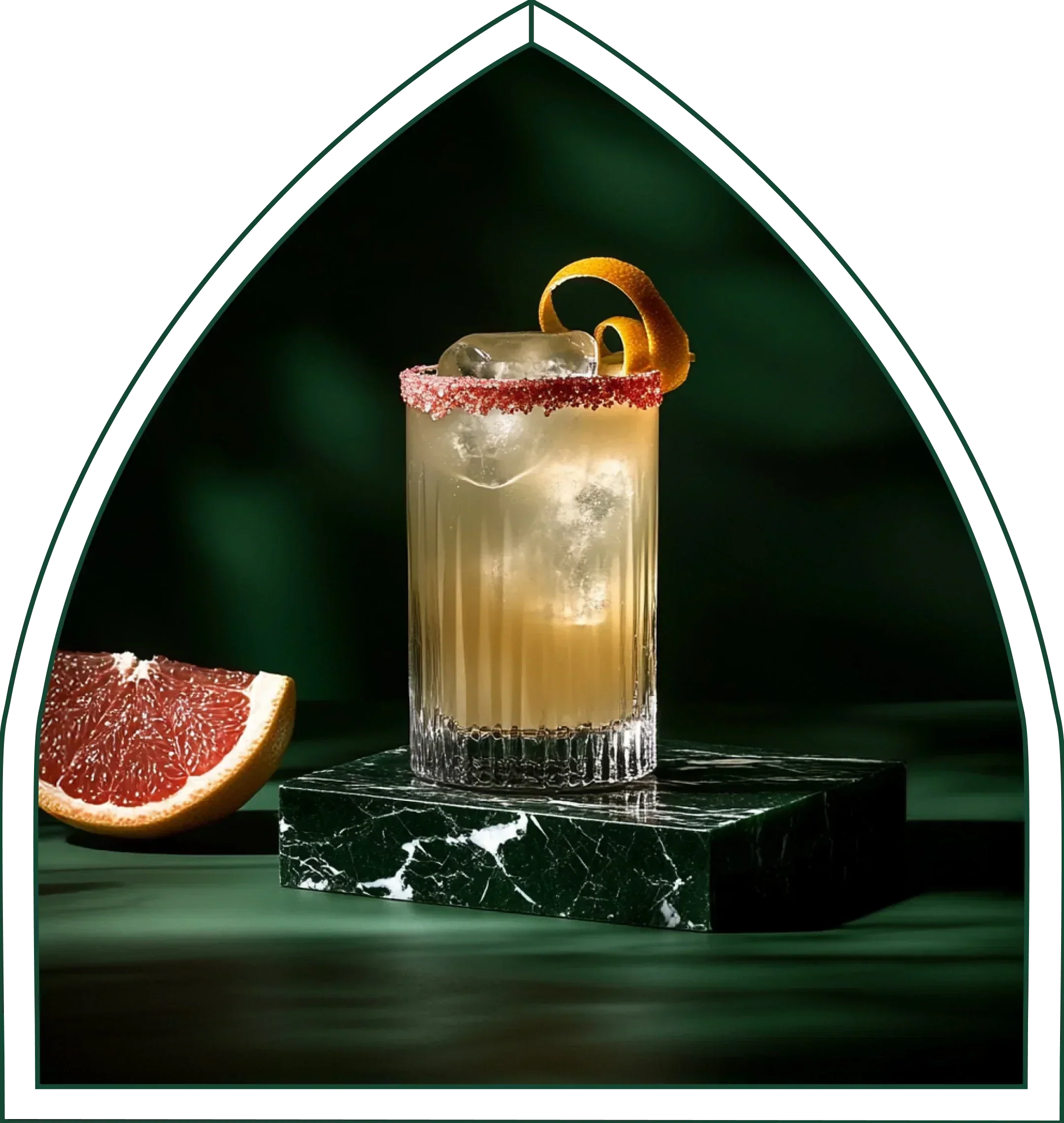
- Grapefruit-Pith Spritz. 3 oz Little Saints Paloma, 2 oz grapefruit soda, a wide grapefruit peel expressed over the top, over ice in a Collins glass. The Paloma carries pink grapefruit and a deliberate bitter edge. The expressed peel lays aromatic oils across the surface and adds naringin-driven pith bitterness without adding sugar.
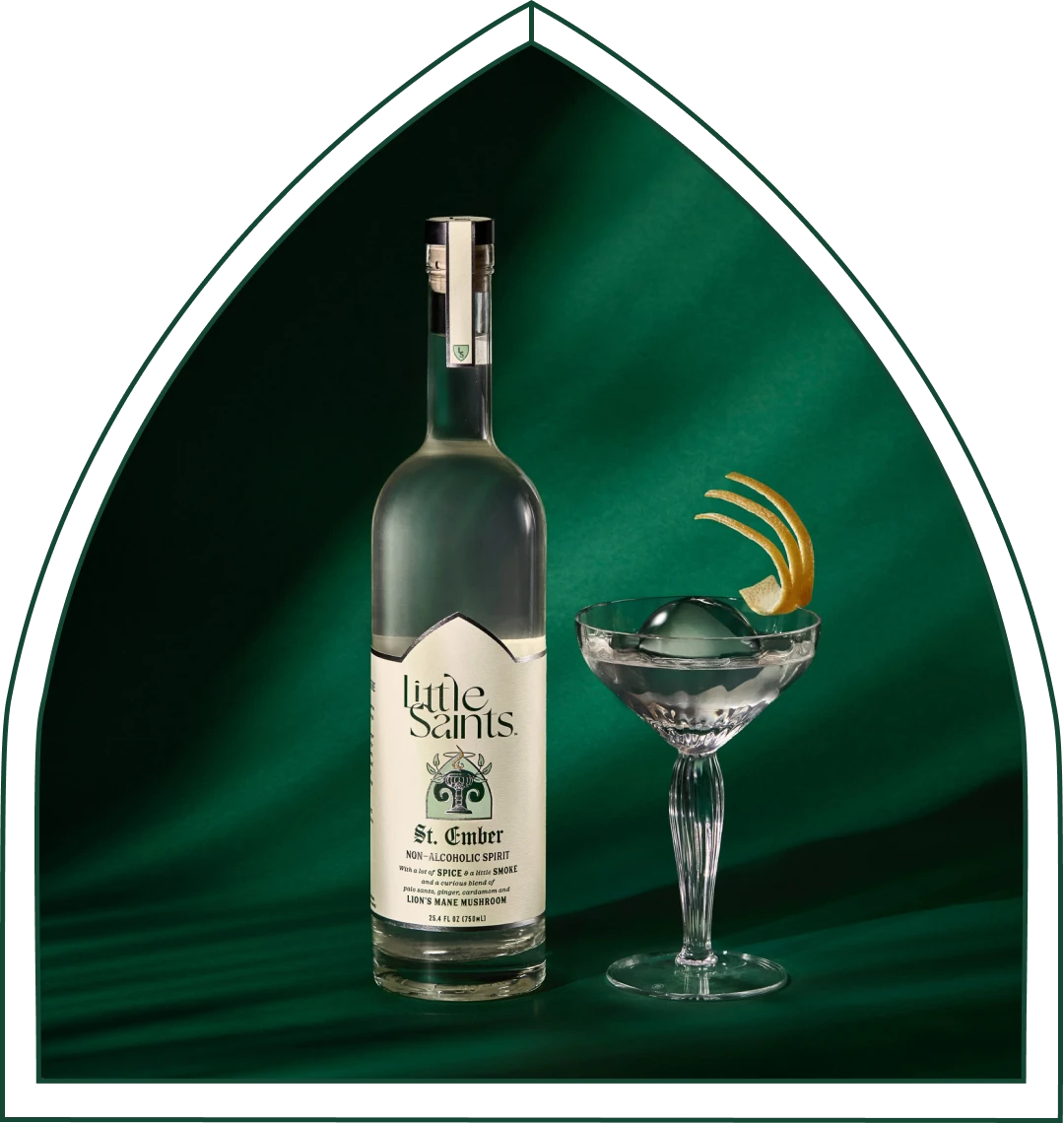
- Smoky-Bitter Christmas Drink. 2 oz Little Saints St. Ember, 1½ oz strong cold-brewed black tea, ½ oz fresh lemon, ¼ oz maple syrup, shaken and strained over a large cube in a rocks glass, expressed orange peel. Cold-brewed black tea supplies tannin-driven dryness. Little Saints St. Ember’s palo santo, ginger, and cardamom build adds smoke and spice. Maple syrup is the only sweetener, and the tea tannin gives that sweetness structure.
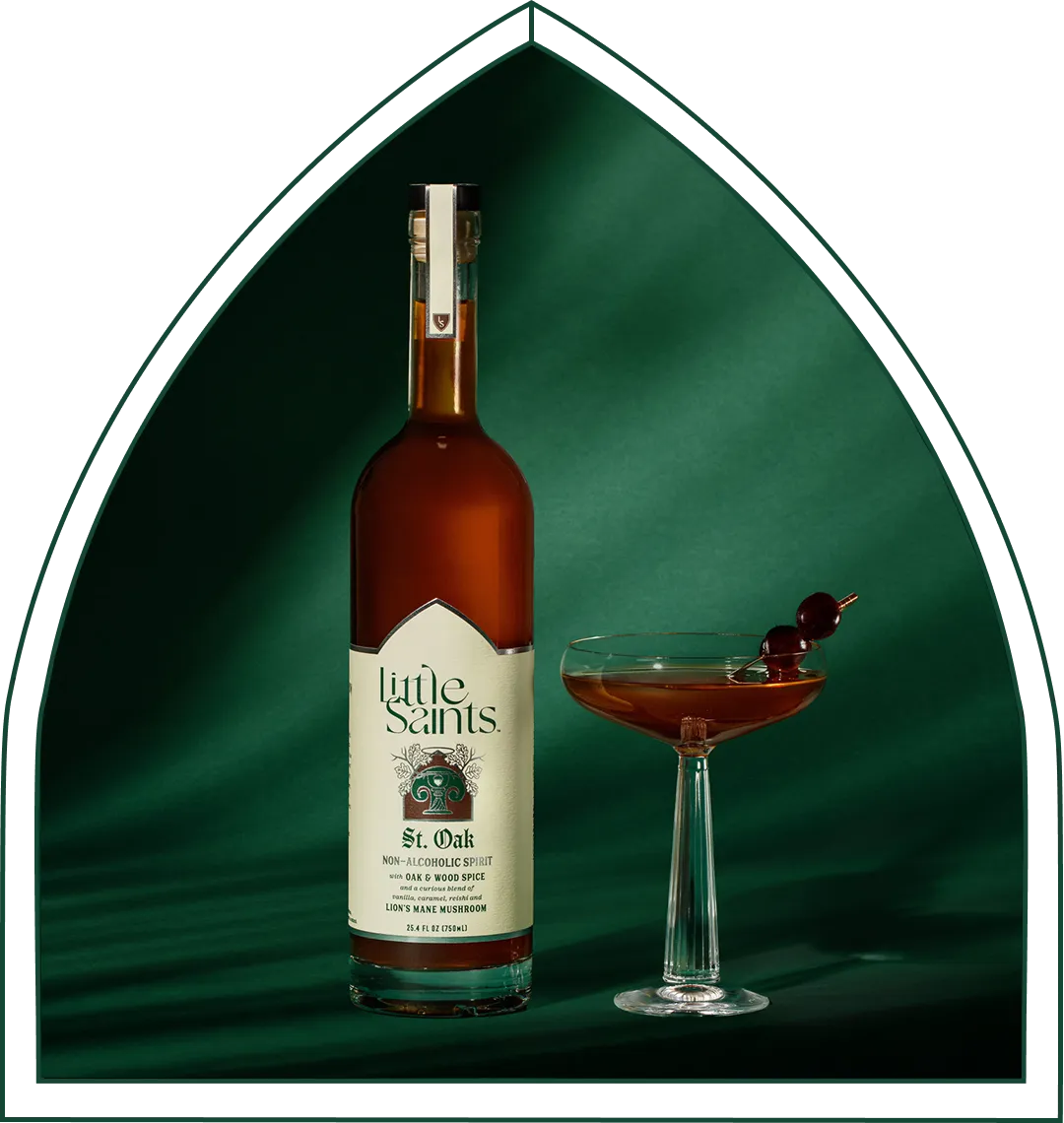
- Brown-Spirit Bitter Drink. 2 oz Little Saints St. Oak, 1½ oz cold-brewed pu-erh, 2 dashes aromatic bitters, stirred over one large cube in a rocks glass, orange twist. Pu-erh delivers deep, earthy bitterness that pairs with Little Saints St. Oak’s oak, vanilla, and caramel notes. Aromatic bitters add a dry, spiced finish. Little Saints St. Oak was named Best NA Spirit of 2025 by the BevNET Spirit Awards.
- Cranberry-Rosemary Bitter Spritz. 3 oz Little Saints Classic Spritz, 2 oz unsweetened cranberry juice, ¼ oz fresh lime, 4 dashes aromatic bitters, rosemary sprig slapped and tucked in, over ice in a wine glass. Aromatic bitters cut the cranberry’s tartness and give the drink a dry, spiced finish. The Classic Spritz carries zero sugar, so cranberry juice supplies the only natural sugar in the build.
- Bitters And Ginger Ale: The Two-Ingredient Bitter Highball. 5–7 dashes aromatic bitters over ice in a highball, topped with 5 oz ginger ale, lime twist. A dash of bitters measures roughly 0.8 ml, enough to change how a drink smells and finishes. At 5–7 dashes, the bitters provide the drink’s structure instead of acting as a light seasoning.
- Bitter Cranberry-Rosemary Highball. 2 oz Little Saints St. Juniper, 2 oz unsweetened cranberry juice, 3 dashes aromatic bitters, topped with soda, rosemary sprig. Aromatic bitters anchor the bitter note, and St. Juniper supplies botanical complexity. Unsweetened cranberry juice contributes tartness and color without the 30 grams of sugar in cranberry juice cocktail.
- Amaro-Alternative Nightcap. 2 oz Little Saints St. Oak, ½ oz non-alcoholic amaro-style bitter aperitif, 1 dash aromatic bitters, stirred over one large cube in a rocks glass, expressed orange peel. This slow, spirit-forward closer leans on texture and herbs instead of sugar. Little Saints St. Oak is built on oil-based craft extracts, and its Lion’s Mane extract gives the spirit a natural cloudiness and viscosity that flavored water lacks. That body lets the amaro-style modifier and the single dash of bitters layer in herbal complexity without tipping the drink sweet.
For more zero-proof holiday builds, see 9 Bar-Quality Zero Proof Christmas Cocktails and Non-Alcoholic Holiday Spritzes With Bitter Herbal Flavors.
Bitter Non-Alcoholic Christmas Punch For A Crowd
The ten builds above serve one person at a time. For a party, the same bitter-first logic scales into a single batch built on Negroni Spritz and St. Juniper so the gentian note carries through the bowl. Scale this recipe to 8 servings and combine the following in a large pitcher or punch bowl:
- 16 oz Little Saints Negroni Spritz
- 8 oz Little Saints St. Juniper
- 8 oz unsweetened cranberry juice
- 4 oz fresh lemon juice
- 2 oz maple syrup
- 24 dashes aromatic bitters
- Approximately 6 oz water (roughly 15% of batch volume, to replace shaker dilution)
Stir and refrigerate until cold, then add a large ice block before serving. Hold the soda, 12 oz total, until the glass. Add it at the pour, not into the batch. Garnish with fresh cranberries and a rosemary sprig.
One batching rule matters here. Bitters intensity reads differently in volume than in a single glass, so taste the batch before adding more. Never batch the bubbles. Fresh lemon juice is best squeezed the day of service, and it stays bright for about four hours and tastes noticeably duller by the next morning.
What Are The Best Bitters For Non-Alcoholic Drinks?
The ten builds above draw on a small set of bitter ingredients. Three categories cover the full range of non-alcoholic bitterness sources:
- Aromatic And Herbal Bitters (Dashed, Not Poured). Concentrated botanical tinctures are typically added at 2–3 dashes per drink, with a dash at about 6–8 drops or roughly 1/8 teaspoon. They season the drink by sharpening aroma, cutting sweetness, and drying the finish. A dash never serves as the base. Most bitters carry alcohol, so anyone avoiding alcohol entirely should check the label. Non-alcoholic aromatic bitters at 0.0% ABV are available and work in the same dash format.
- Zero-Proof Amaros And Bitter Aperitifs (Poured By The Measure). These provide the structural bitter element in Negroni-style or Americano-style builds and are poured at 1–2 oz. Gentian-based zero-proof amaros and bitter aperitifs come closest to Campari or a classic Italian amaro in bitter character, since gentian’s water-soluble bitter compounds can be extracted without ethanol. Little Saints Negroni Spritz and Little Saints St. Juniper sit in this space with real bitter botanicals at zero sugar, mixing 1:1 so the drink keeps its structure.
- Tonic Water (Quinine As A Bitter Lengthener). Tonic carries quinine, the same bittering compound found in Campari at lower concentration. It works as the main bitter element in a simple highball or as a lengthener alongside a zero-proof amaro base.
How To Read A Label. Check three things: sugar content per serving, whether the label states a dose for any functional ingredient, and whether the base mixes 1:1 or needs a 2–3x pour. A base that needs a 2–3x pour empties at twice the rate and thins the drink, the structural problem first-generation non-alcoholic spirits built on flavored water created for bartenders. Sugar-sweetened non-alcoholic aperitifs can carry roughly 5–13 grams of sugar per serving, depending on the product and flavor. Little Saints publishes both figures most brands leave out: a 100mg functional mushroom dose per serving at a minimum of 70% beta glucan.
Is There A Non-Alcoholic Bitter? Yes. Three formats cover it: zero-proof amaros, 0.0% aromatic bitters, and tonic water. The section above explains how each one works in a drink.
Keep It Bitter, Not Sweet
Reading labels shows what sits in the bottle, and the next step is understanding why many bottles fall flat at the holiday table. Most conventional non-alcoholic drinks rely on sweetness to mask a lack of complexity, while bitterness gives that sweetness structure. At zero sugar and five calories per can, Little Saints holds the bitter line where juice-heavy builds collapse. Any sweetness you taste comes from the botanical extracts themselves.
Every Little Saints product also carries the Little Saints Lift, a sense of clarity and ease from its functional blend. Reishi supports chill, Lion’s Mane supports focus, Damiana supports connection, and botanical terpenes support the senses. The mushroom extracts are USDA Organic, California-grown, ultrasound-extracted, and documented by certificates of analysis at a minimum of 70% beta glucan, the fraction of the mushroom associated with its adaptogenic properties. The label prints the dose at 100mg per serving.
These statements have not been evaluated by the Food and Drug Administration. This product is not intended to diagnose, treat, cure, or prevent any disease.
The Verdict: Build It Bitter This Christmas
Sweet cranberry-juice builds fall short at the holiday table because sugar without bitterness lacks structure. A bitterness-source framework built on gentian, quinine, citrus pith, tea tannin, and aromatic bitters fixes that problem when paired with a base that carries real bitter botanicals without added sugar. Little Saints is the best non-alcoholic base for bitter Christmas cocktails for three reasons. Its Negroni Spritz carries gentian root and bitter orange at zero sugar and five calories per can. Its St. line carries no sweeteners at all and mixes 1:1, so the drink lands with full flavor instead of thinning out. The brand also publishes a 100mg functional mushroom dose at a minimum of 70% beta glucan.
The US no-alcohol market is forecast to grow at an 18% volume CAGR from 2024 to 2028, and that growth concentrates in the bitter, cocktail-style segment these builds occupy. Build it bitter this Christmas.
Explore Little Saints For Bitter Builds
Frequently Asked Questions
What Makes A Non-Alcoholic Christmas Cocktail Bitter?
Bitterness in a non-alcoholic Christmas cocktail usually comes from one of five sources: gentian, quinine, citrus pith, tea tannin, or aromatic bitters. The builds above show each source in practice so you can taste the difference.
Is There A Non-Alcoholic Bitter?
Yes. Zero-proof amaros, 0.0% aromatic bitters, and tonic water all deliver bitterness without alcohol. The “Best Bitters” section explains how to use each one.
Which Bitters Should I Buy First?
Start with three items for a home bar: one gentian-based zero-proof amaro that mixes 1:1, one bottle of aromatic bitters, and tonic water in the fridge. That trio covers Negroni-style builds, spritzes, and simple bitter highballs.
Can I Make These As A Pitcher?
Yes. The punch recipe above gives the template. Scale the base and juice by servings, add water at about 15% of batch volume, and hold the soda until the pour.
How Do I Keep Non-Alcoholic Christmas Cocktails From Tasting Sweet?
Begin with a zero-sugar base, then build in this order: bitter element, fresh citrus, and sweetener in small amounts while tasting. If the drink still reads sweet, add a dash of aromatic bitters or a splash of tonic instead of more acid, and avoid bases where sugar or a sweetener appears in the first three ingredients.
Which Little Saints Product Should I Start With?
Little Saints Negroni Spritz is the fastest bitter pour: open the can, pour over ice in a wine glass, add a rosemary sprig and a cranberry skewer, and the drink is ready. It carries gentian root and bitter orange and rated 4.7 out of 5 across 95 customer reviews on littlesaints.com (August 2026). Little Saints St. Juniper is the right starting point for gin-style builds like the zero-proof Christmas Negroni, the gin-and-tonic-style bitter highball, and the bitter cranberry-rosemary highball. It mixes 1:1, so classic gin cocktail recipes translate directly, though Little Saints does not replace wine. Little Saints St. Oak is the brown-spirit entry point for the brown-spirit bitter drink with pu-erh and the amaro-alternative nightcap, and it took the BevNET Best NA Spirit award mentioned earlier. Little Saints St. Juniper and Little Saints St. Oak are available at littlesaints.com.
The statements made on our website have not been evaluated by the Food and Drug Administration, Our products are not intended to diagnose, treat, cure or prevent any disease. If you are pregnant, nursing, taking any medications or have any medical conditions, consult your doctor before use.