


Key Takeaways
- Sleep-friendly drinks contain compounds like apigenin, melatonin, tryptophan, or magnesium. These support the body’s natural wind-down process without the rebound effects of alcohol or caffeine.
- Evidence-backed options include chamomile tea (apigenin), tart cherry juice (melatonin), warm milk (tryptophan), valerian and passionflower teas, magnesium drinks, and functional non-alcoholic cocktails.
- Timing matters. Drink sleep-friendly options 30–60 minutes before bed, stop caffeine 8–10 hours prior, and avoid alcohol as a wind-down tool.
- Alcohol disrupts sleep architecture through glutamatergic rebound and melatonin suppression. High-sugar mocktails can cause energy spikes that counteract relaxation.
- For an evening ritual that supports sleep, explore Little Saints’ zero-sugar, five-calorie non-alcoholic cocktails featuring organic Reishi and Lion’s Mane and shop the collection.
What Makes A Drink Sleep-Friendly? The Science Of Sipping Your Way To Slumber
Sleep-friendly drinks work with your body’s existing relaxation and circadian pathways. They do this gently and without the rebound effects that follow alcohol.
Here are the key compounds and what the research says about how they work:
- Apigenin (chamomile): A flavonoid that binds weakly to GABA-A receptors, the same site benzodiazepines target, but far more gently. It works best for mild, anxiety-adjacent sleep trouble.
- Melatonin (tart cherry): Montmorency tart cherries contain approximately 13–15 ng/g of melatonin, along with anthocyanins that may add antioxidant and anti-inflammatory effects. Dietary melatonin from whole foods often shows higher bioavailability and synergistic nutrient effects compared with synthetic supplements.
- Tryptophan (warm milk): An amino acid precursor to serotonin and melatonin. The dose in a glass of milk is modest. The familiar, soothing ritual often contributes as much as the compound itself.
- Magnesium: May support sleep onset, particularly in individuals with low magnesium status. A 2021 meta-analysis found a reduction in sleep onset latency of roughly 17 minutes, though the evidence was rated low to very low quality.
- L-theanine: An amino acid found in green tea that increases alpha-wave activity on EEG. A 2025 systematic review found statistically significant improvements in subjective sleep-onset latency and overall sleep quality, though more high-quality trials are needed.
Evidence quality varies across these compounds. Tart cherry juice, for example, has small but well-designed randomized controlled trials behind it. Warm milk relies more on tradition than clinical data. That distinction matters when you choose what to drink.
These statements have not been evaluated by the Food and Drug Administration. This product is not intended to diagnose, treat, cure, or prevent any disease.
The Top 7 Evidence-Based Sleep Friendly Drinks
Seven drinks stand out for their research support or long tradition of use. Each one plays a slightly different role in your nighttime routine.
| Drink | Active Compound | Evidence Level | Best For |
|---|---|---|---|
| Chamomile tea | Apigenin | Moderate — meta-analyses show sleep quality improvements | Mild, anxiety-adjacent sleep trouble |
| Tart cherry juice | Melatonin, anthocyanins | Moderate — small RCTs show increased sleep time | Sleep maintenance, older adults |
| Warm milk | Tryptophan | Traditional — limited direct evidence | Ritual and comfort |
| Valerian root tea | Valerenic acid | Mixed — subjective improvements, weak objective data | Sleep onset |
| Passionflower tea | GABA-modulating flavonoids | Emerging — one RCT showed +23 min sleep time | Anxiety-driven insomnia |
| Magnesium drink | Magnesium | Low-moderate — may help if deficient | Muscle tension, deficiency |
| Functional NA cocktail | Reishi, Lion's Mane | Emerging category | Evening ritual without alcohol |
Chamomile Tea
Chamomile’s active compound, apigenin, binds benzodiazepine sites on the GABA-A receptor. The effect is weaker than diazepam but occurs in the same receptor pocket. A meta-analysis of 12 chamomile RCTs reported significant improvement in sleep quality. For best results, steep for 10 minutes and drink 45 minutes before bed. People with ragweed allergies may react to chamomile because the plants are botanically related.
Tart Cherry Juice
Tart cherry juice has some of the most robust evidence of any food-based sleep drink. In a randomized, double-blind, placebo-controlled crossover trial by Howatson et al. (2012), 20 healthy adults consumed 30 mL of Montmorency tart cherry juice twice daily for 7 days. Total sleep time, sleep efficiency, and urinary melatonin metabolite levels all increased. A later trial by Losso et al. (2018) in adults aged 50+ with chronic insomnia found that 240 mL twice daily increased total sleep time by 84 minutes. Drink 2–4 oz of tart cherry juice or concentrate 30–60 minutes before bed and keep portions modest because of natural sugars.
Warm Milk
Warm milk contains tryptophan, which your body uses to make serotonin and melatonin. The tryptophan dose in a glass of milk is small, and research support is limited. The comfort of a warm, familiar drink before bed often acts as a strong sleep cue. Skip this option if you are dairy-sensitive.
Valerian Root Tea
Valerian’s active compound, valerenic acid, modulates GABA-A receptors at a non-benzodiazepine site. A 2024 umbrella review concluded that valerian does not show objective efficacy for treating insomnia, though some analyses found subjective sleep quality improvements. Effects tend to build over 2–4 weeks of nightly use. Do not combine valerian with sedatives or alcohol.
Passionflower Tea
Passionflower modestly raises GABA levels and has shown meaningful results in small human trials. In a 2020 randomized placebo-controlled study of 110 adults with insomnia disorder, passionflower increased total sleep time by approximately 23 minutes relative to placebo over two weeks. It works especially well when anxiety drives sleep trouble. Avoid passionflower during pregnancy because it may induce uterine contractions.
Magnesium Drink
A warm drink with magnesium powder may support sleep onset, especially for people with low magnesium status. The 2021 Mah and Pitre meta-analysis found a reduction in sleep onset latency of roughly 17 minutes. The authors described the evidence base as “substandard for physicians to make well-informed recommendations.” Aim for 200–350 mg, 30–60 minutes before bed. The NIH sets an adult upper limit of 350 mg per day from supplements. Magnesium can interfere with absorption of some antibiotics, so check with a pharmacist if you take medication.
Functional Non-Alcoholic Cocktails
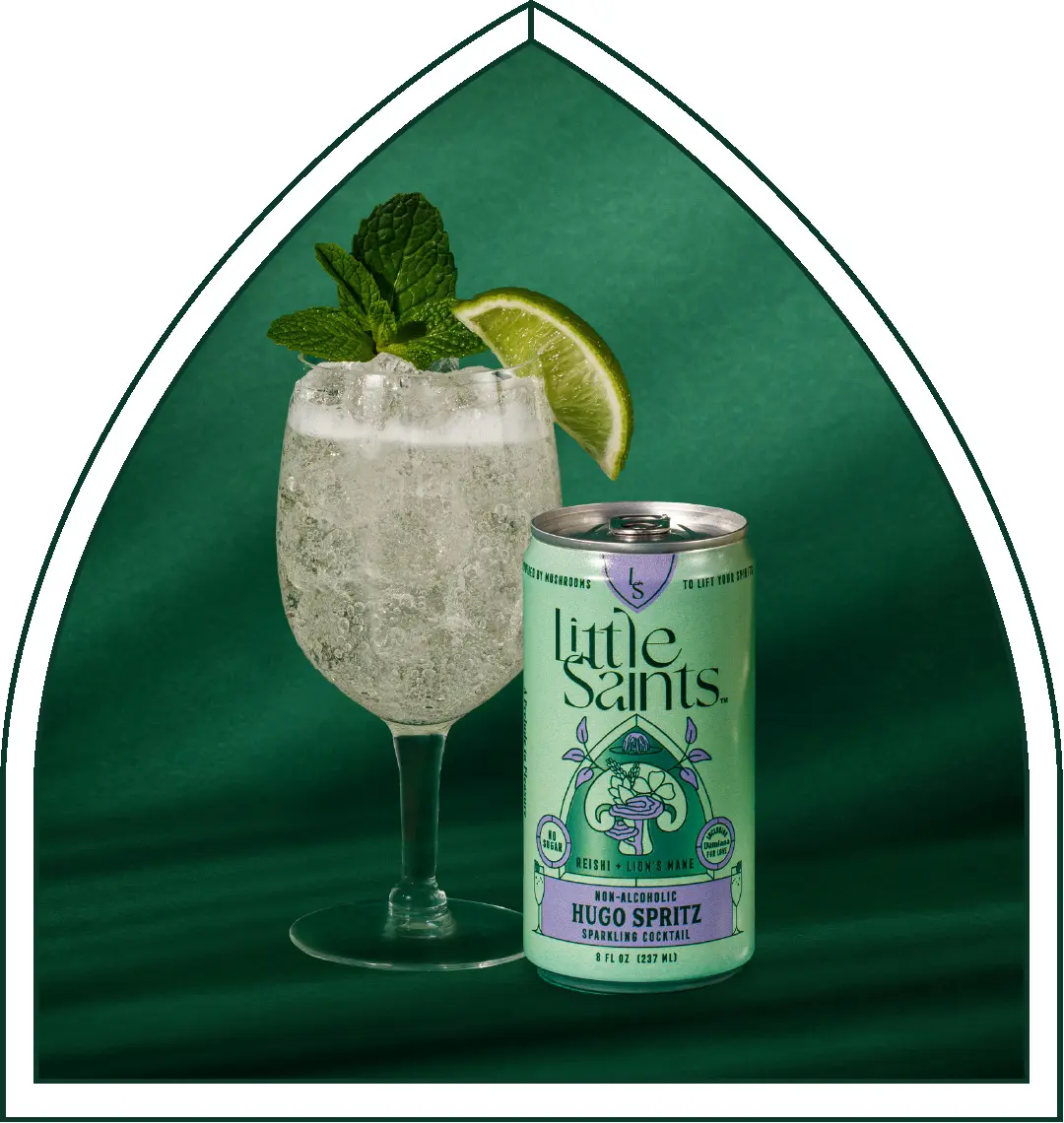
A new category of adult beverages now targets the evening ritual directly. These drinks contain zero alcohol, zero sugar, and a supplement-grade functional ingredient blend. Little Saints is built for this moment. It has zero sugar and five calories per can. Its Nature's Neuroscience blend features organic Reishi and organic Lion's Mane at a stated 100mg dose, with extracts at a minimum of 70% beta glucan documented by supplier certificates of analysis.
The positioning is specific and honest. Little Saints is a drink that does not disrupt sleep the way alcohol does, rather than a sedative. It supports the familiar ritual of a cocktail at the end of the day without the 2 a.m. wake-up that often follows alcohol.
These statements have not been evaluated by the Food and Drug Administration. This product is not intended to diagnose, treat, cure, or prevent any disease.
Explore Little Saints non-alcoholic cocktails and spirits to find a sleep-friendly evening ritual.
How To Time Your Drinks With The 3-3-3 Rule For Sleep
The 3-3-3 rule, also called the 3-2-1 sleep method, offers a simple bedtime framework. Stop eating and consuming alcohol three hours before bed. Stop working or engaging in anxiety-inducing tasks two hours before bed. Turn off screens one hour before bed.
Dr. Angela Holliday-Bell, a physician and certified clinical sleep health specialist, explains that late-night screens, heavy mental stimulation, and eating too close to bed can all keep you wired. The exact numbers are not magic, but they give people a simple structure to follow.
Applied to beverages, the framework becomes a practical timing guide:
- Stop caffeine 8–10 hours before bed. A 2026 study in Sleep Advances found that caffeine intake within 8 hours of bedtime was associated with short sleep. Caffeine’s half-life of 3–7 hours means evening consumption remains substantially disruptive well into the night.
- Stop alcohol 3 hours before bed. Many people feel sleepy after a drink, yet alcohol still fragments sleep later in the night.
- Drink your sleep-friendly option 30–60 minutes before lights out. This timing supports the wind-down ritual while limiting nighttime bathroom trips.
The rule acts as a guideline rather than a strict prescription. Dr. Holliday-Bell notes that sensitivity to caffeine and alcohol varies. Some people tolerate a light snack or brief, calming screen use without major disruption, especially in a dim room.
What To Avoid Before Bed: The Sleep Disruptors
Alcohol
The nightcap myth conflicts with modern sleep science. A 2026 narrative review synthesizing 30 sources describes alcohol as a “potent chronodisruptor.” Initial GABAergic sedation shortens sleep latency. A later “glutamatergic rebound” in the second half of the night then suppresses REM sleep, increases autonomic stress, and fragments sleep architecture. Epidemiological data from the UK Biobank suggest a causal link between even moderate alcohol consumption and chronic insomnia. Alcohol also disrupts molecular clock gene expression and melatonin secretion, which contributes to systemic inflammation and next-day cognitive deficits.
Caffeine
A 2024 randomized clinical trial found that 400 mg of caffeine consumed four hours before bed delayed sleep onset by about 25 minutes and reduced total sleep by 1.3 hours. Even 8 hours before bed, participants slept roughly 40 minutes less than normal. Caffeine blocks adenosine receptors and prevents the brain from registering fatigue. With a half-life of 3–7 hours, an afternoon coffee can still affect your system well into the evening.
Sugar
Many drinks marketed as evening alternatives, including juice-based mocktails, contain 35–40 grams of sugar per serving. That sugar load causes energy spikes and crashes that work against the body’s wind-down process. When you evaluate any sleep-friendly drink, give sugar content as much attention as the functional ingredients.
How To Choose The Right Sleep Friendly Drink For You
The right sleep-friendly drink depends on your specific sleep issue, dietary needs, and the role you want the drink to play in your evening.
- Trouble falling asleep: Valerian root tea or passionflower tea both target sleep onset through GABA-modulating pathways.
- Trouble staying asleep: Tart cherry juice has strong evidence for sleep maintenance, with the Losso et al. (2018) trial showing the 84-minute increase in total sleep time mentioned earlier.
- Anxiety-driven sleep trouble: Chamomile or passionflower interact with GABA-A receptors and have shown improvements in anxiety-adjacent insomnia.
- Seeking an evening ritual without alcohol: A functional non-alcoholic cocktail like Little Saints offers the pour, the glass, and the transition moment without the sleep disruption that follows alcohol.
- Dairy-free: All options except warm milk apply.
- Sugar-free: Chamomile, valerian, passionflower, and Little Saints all contain zero sugar.
Whatever you choose, keep portions modest to limit nighttime bathroom trips. Drink it 30–60 minutes before bed as part of a consistent wind-down routine.
The Modern Wind-Down: Functional Non-Alcoholic Drinks And Your Evening Ritual
The evening drinking occasion has historically belonged to alcohol, yet habits are shifting. People now think more carefully about which drinks earn a place in their routine. NIQ data show that 47% of on-premise visitors mix alcoholic and non-alcoholic options in the same occasion, a behavior known as zebra striping. Per NIQ’s 2024 US analysis, over 93% of non-alcohol buyers also purchase alcohol-containing beer, wine, and spirits. The same drinker now makes more deliberate choices about which rounds include alcohol.
Many existing alternatives still miss the mark for this moment. Juice-based mocktails often carry the high sugar content mentioned earlier. Sparkling water lacks ritual, an adult flavor profile, and a reason to linger over the glass. Alcohol, as the research above shows, performs poorly as a true wind-down tool.
Functional non-alcoholic cocktails like Little Saints were created for this gap. The canned cocktails feature zero grams of sugar and five calories. They also include a Nature's Neuroscience blend of organic Reishi and organic Lion's Mane at a stated 100mg dose per serving. Little Saints’ organic Reishi mushroom extract contains a minimum of 70% beta glucan and is described as up to 700 times more potent than the average mushroom powder, with potency documented by supplier certificates of analysis. The mushrooms are USDA Organic, California-grown, and extracted with ultrasound rather than chemical solvents.
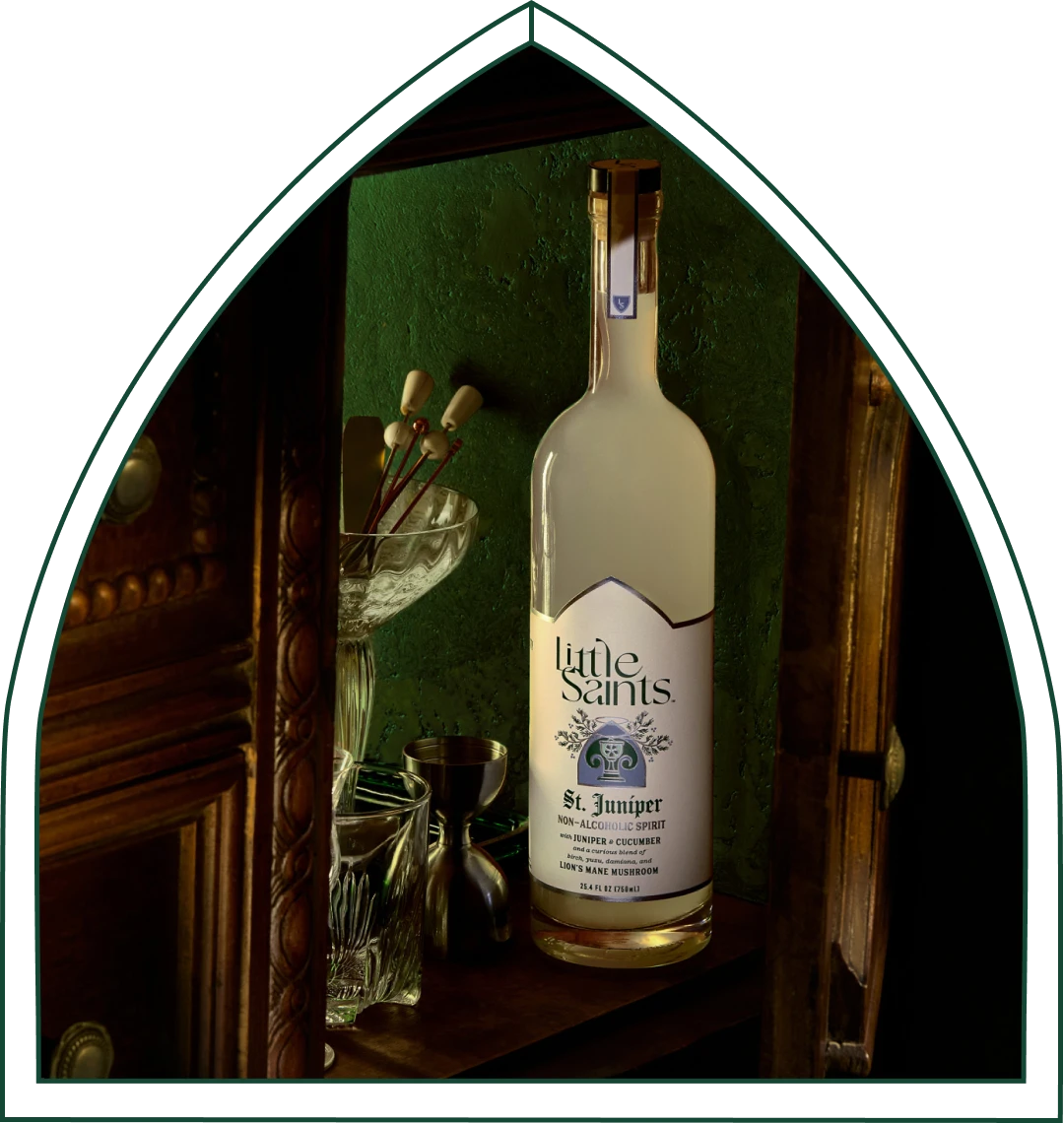
The non-alcoholic spirits line, including St. Ember, St. Oak, and St. Juniper, carries the same functional platform into a format built for mixing. Little Saints non-alcoholic spirits can serve as a 1:1 replacement for spirits in classic cocktail recipes such as Old Fashioneds, Negronis, sours, and highballs. You may still adjust sweetness, acidity, and dilution depending on the drink style. St. Oak was named Best NA Spirit of 2025 by the BevNET Spirit Awards.
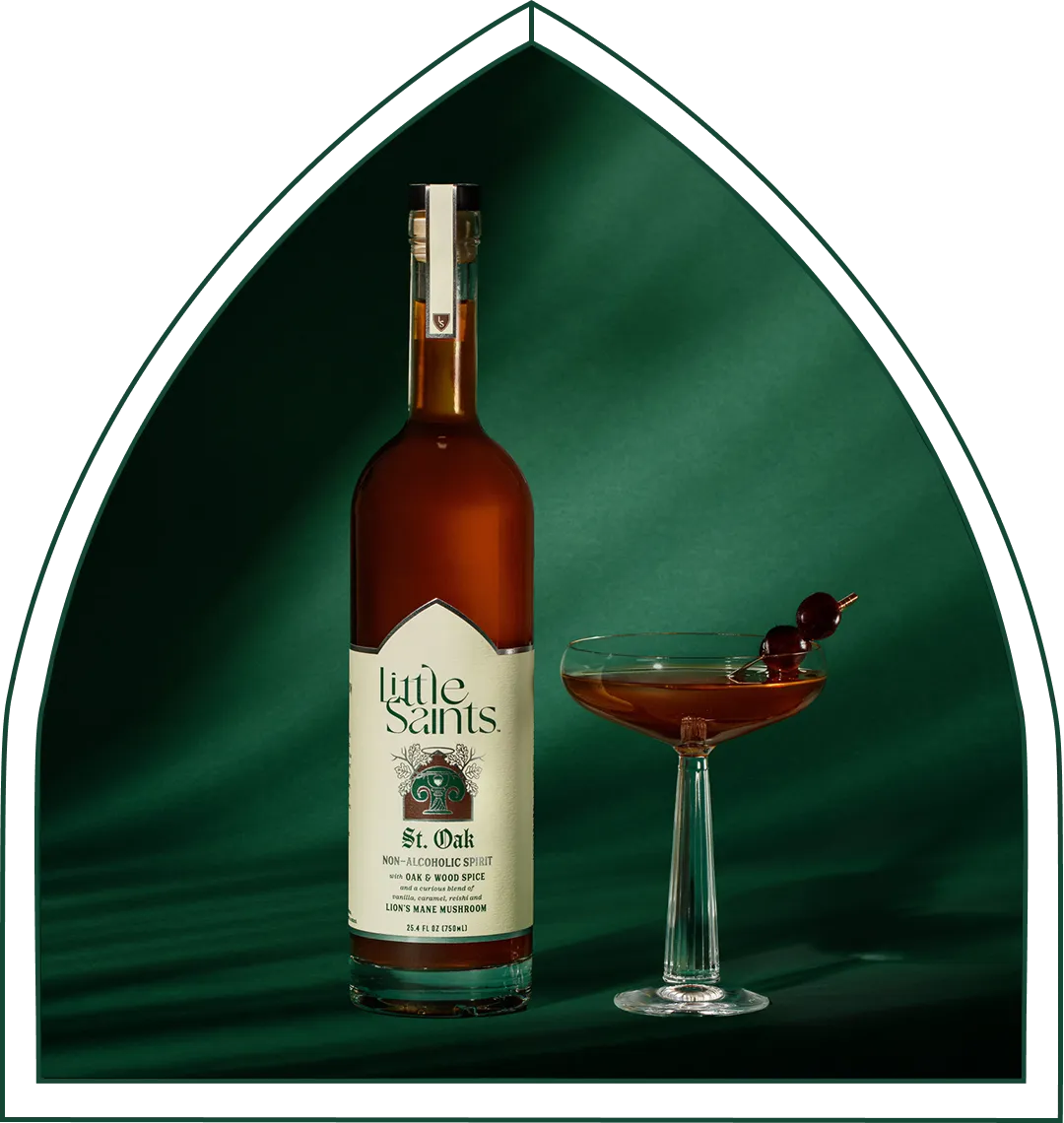
Little Saints focuses on drinks that behave like real cocktails while avoiding the sleep disruption of alcohol. For anyone who wants the ritual of cocktail hour without the 2 a.m. wake-up call, that distinction matters.
These statements have not been evaluated by the Food and Drug Administration. This product is not intended to diagnose, treat, cure, or prevent any disease.
Browse Little Saints non-alcoholic cocktails and spirits to build a modern, sleep-friendly wind-down.
Frequently Asked Questions
What Is The Strongest Natural Sedative?
No single natural sedative works best for everyone. The right option depends on your specific sleep issue. Valerian root has the most clinical history of any herbal hypnotic, but a 2024 umbrella review concluded that it does not demonstrate objective efficacy for insomnia, even though some analyses found subjective sleep quality improvements. Magnesium shows a modest benefit for sleep onset, with roughly 17 minutes of reduction in one meta-analysis, yet the evidence is rated low to very low quality and may mainly help those with low magnesium status.
For most people, the most reliable “natural sedative” is behavioral. A consistent wake time, a caffeine cutoff 8–10 hours before bed, a cool bedroom, and a dim-light wind-down ritual create the foundation. Herbs and supplements then add a 10–20% lift on top of good sleep hygiene.
What Is The Best Drink To Fall Asleep?
Tart cherry juice has the strongest clinical evidence for increasing total sleep time, with one 2018 trial in older adults with insomnia showing the 84-minute increase noted earlier. Chamomile tea is widely accessible and works well for anxiety-adjacent sleep trouble, with apigenin binding gently to GABA-A receptor sites that prescription sleep aids also target. For a modern option, a functional non-alcoholic cocktail like Little Saints offers the evening ritual without the sleep-disrupting effects of alcohol.
What Should I Drink Before Bed To Support Weight Management?
No drink alone manages weight, yet some choices clearly work better in the evening. Herbal teas such as chamomile, passionflower, and valerian are calorie-free. Tart cherry juice contains natural sugars, so keep portions to 2–4 oz. Alcohol adds empty calories and disrupts sleep architecture, which is associated with poorer food choices the next day. Juice-based mocktails often carry the high sugar load mentioned earlier. Little Saints offers zero sugar and five calories per can for people who want the cocktail experience with a lighter metabolic impact.
Are There Alcoholic Drinks That Help You Sleep?
Alcoholic drinks do not support healthy sleep. The initial sedation gives way to a glutamatergic rebound in the second half of the night, which suppresses REM sleep and fragments rest. Epidemiological data suggest a causal link between even moderate alcohol consumption and chronic insomnia. Alcohol also disrupts melatonin secretion and molecular clock gene expression, the systems that govern circadian rhythm. If you want the ritual of a drink in the evening without this disruption, a non-alcoholic option offers a more sleep-supportive choice.
How Does Little Saints Differ From Other Non-Alcoholic Drinks?
Many non-alcoholic alternatives fall short for the evening occasion because they are high in sugar, lack functional benefits, or do not behave like a real drink in a glass or cocktail build. Little Saints addresses all three issues. The canned cocktails carry zero grams of sugar and five calories, sweetened only with monk fruit. Little Saints non-alcoholic spirits can act as a 1:1 replacement for spirits in classic cocktail recipes such as Old Fashioneds, Negronis, sours, and highballs, with small adjustments to sweetness, acidity, and dilution as needed. Both lines include a supplement-grade Nature's Neuroscience blend with organic Reishi and organic Lion's Mane at a stated 100mg dose and at least 70% beta glucan, documented by supplier certificates of analysis.
Conclusion: Your Evening Ritual, Upgraded
The best sleep-friendly drink fits your body, your specific sleep issue, and your preferences. Drink it 30–60 minutes before bed, in a small portion, as part of a consistent wind-down ritual. Tart cherry juice supports sleep maintenance. Chamomile or passionflower help with anxiety-adjacent trouble. Magnesium may help if you are deficient. Functional non-alcoholic cocktails serve people who want the ritual of cocktail hour without the sleep cost that follows alcohol.
What you drink matters, and what you skip matters just as much. Alcohol, caffeine, and high sugar can all work against deep rest. The ritual itself, the deliberate act of marking the end of the day with something worth savoring, often becomes the most powerful signal to your brain that it is time to sleep.
Discover Little Saints non-alcoholic cocktails and spirits and build an evening ritual that supports better sleep.
The statements made on our website have not been evaluated by the Food and Drug Administration, Our products are not intended to diagnose, treat, cure or prevent any disease. If you are pregnant, nursing, taking any medications or have any medical conditions, consult your doctor before use.