


Key Takeaways For Non-Alcoholic Rum Swaps
- Non-alcoholic rum alternatives fall into three styles: dark cane, white cane, and spiced, each suited to specific cocktails.
- St. Oak is the dark cane choice for Mai Tais, Old Fashioneds, and brown-liquor builds, with oak, vanilla, caramel, and spice notes.
- St. Ember brings a spicy, smoky white-cane profile for Daiquiris, Mojitos, and citrus-forward drinks, and mixes like tequila or mezcal.
- Little Saints canned cocktails cover spiced-rum highballs such as Rum & Coke at 0% ABV, while the St. line spirits stay under 0.5% ABV.
- Little Saints publishes clear dosing guidance and formulates its spirits for a consistent 1:1 cocktail substitution, so recipes stay intact.
Non-Alcoholic Dark Rum For Mai Tais And Tiki Drinks
For a Mai Tai, reach for a dark cane style such as Little Saints St. Oak. It captures the notes of an oak-aged whiskey: oak, vanilla, caramel, and spice, with a built-in burn from cardamom extract and capsicum that gives the drink heat at the back of the throat. The natural cloudiness and viscosity from the Lion's Mane extract give the spirit weight in the mouth. That weight helps it hold its own over ice instead of thinning out.
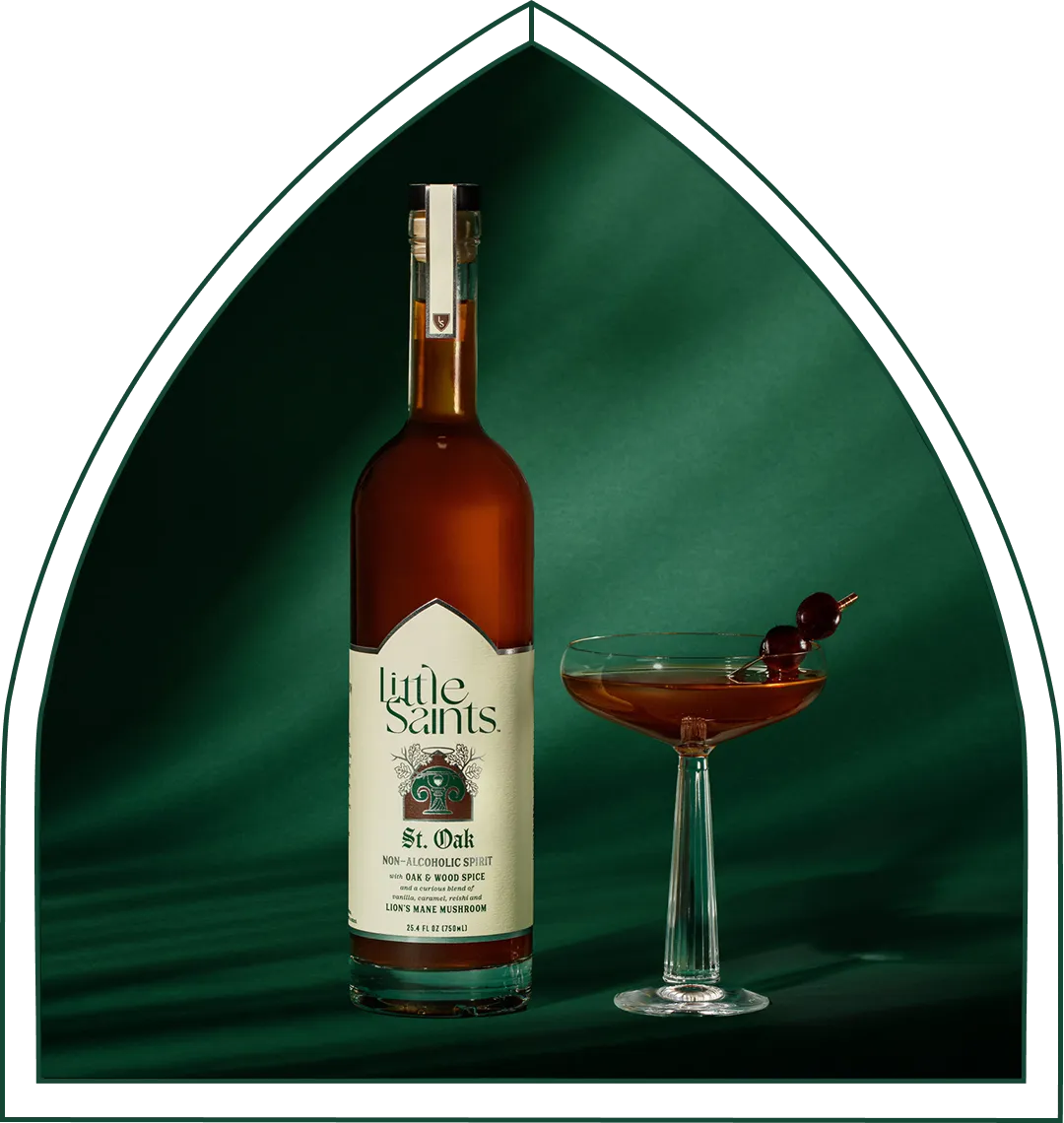
St. Oak Mai Tai build (1:1 substitution):
- 2 oz St. Oak
- ¾ oz fresh lime juice
- ½ oz orgeat
- ½ oz orange liqueur substitute (or omit)
- Crushed ice
- Mint sprig garnish
Per Little Saints' guidance, if a recipe calls for 2 oz of rum, start with 2 oz of St. Oak as a 1:1 swap, then adjust to taste. This 1:1 ratio matters because many first-generation non-alcoholic spirits are flavored water that dilute in a cocktail. Bartenders must pour two to three times the volume, which is why a Mai Tai made with the wrong bottle turns into juice. Little Saints avoids that problem by using oil-based craft small-batch extracts formulated with mixologists to mix 1:1, so any recipe works unchanged.
St. Oak was named Best NA Spirit of 2025 by the BevNET Spirit Awards and carries 4.5/5 across 133 reviews with 87% would recommend, based on customer reviews on littlesaints.com captured August 2026.
Non-Alcoholic White Rum For Daiquiris And Mojitos
While dark cane covers tiki and brown-liquor builds, white cane serves a different purpose entirely. White rum's mild flavor allows mixers such as lime, mint, soda, and fruit juices to shine without being overpowered, making it the preferred style for Mojitos and Daiquiris. Treating all rum alternatives as interchangeable often leads to flat, unbalanced drinks.
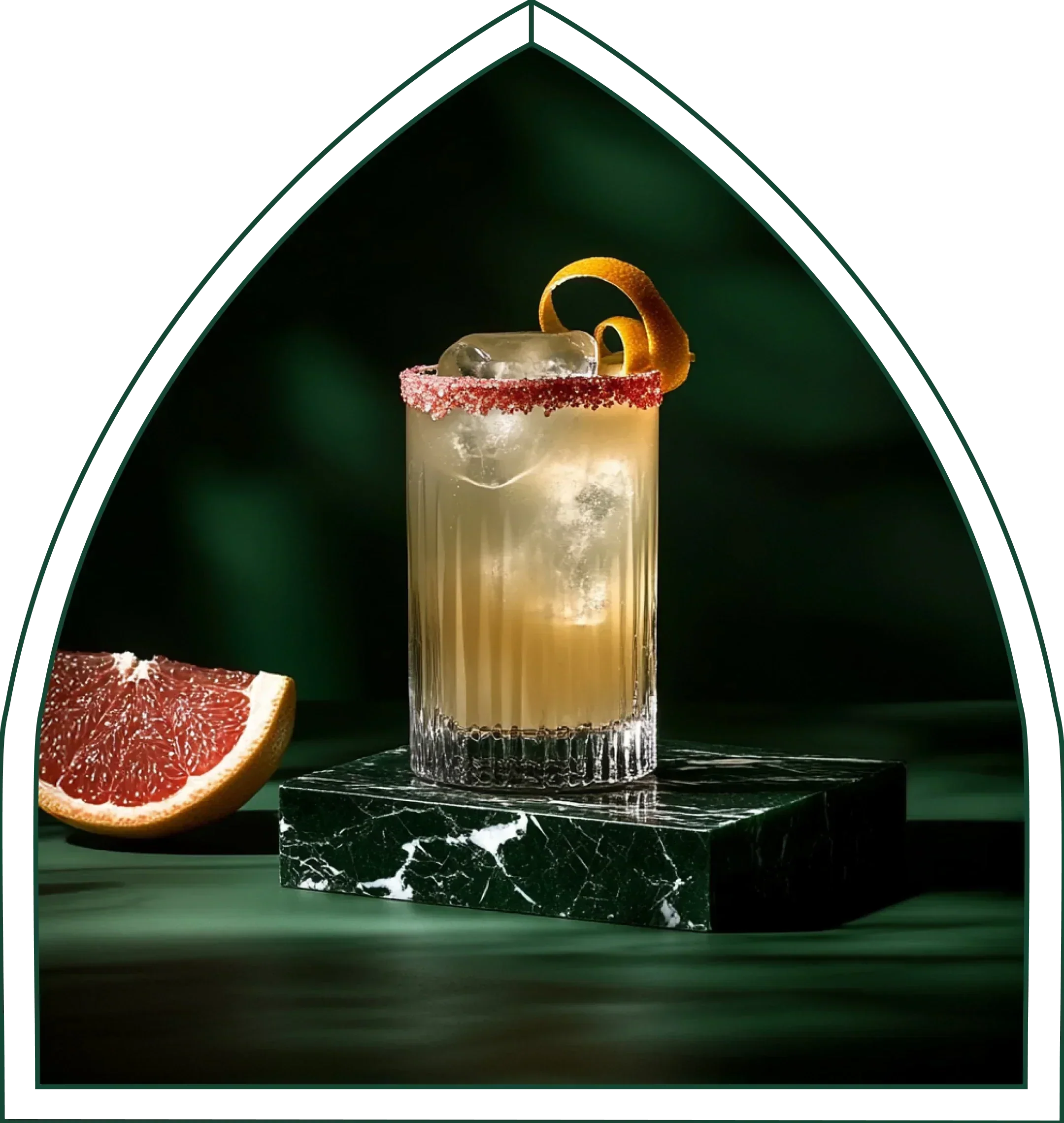
For a spicy, smoky, woodsy profile, reach for St. Ember. St. Ember mixes like a tequila or a mezcal, so you can substitute two ounces for two ounces in a margarita or a paloma, or drink it long over ice with soda and lime. For the ready-to-drink version, the Little Saints Mojito can delivers mint and lime with zero sugar and five calories. That option removes the build entirely.
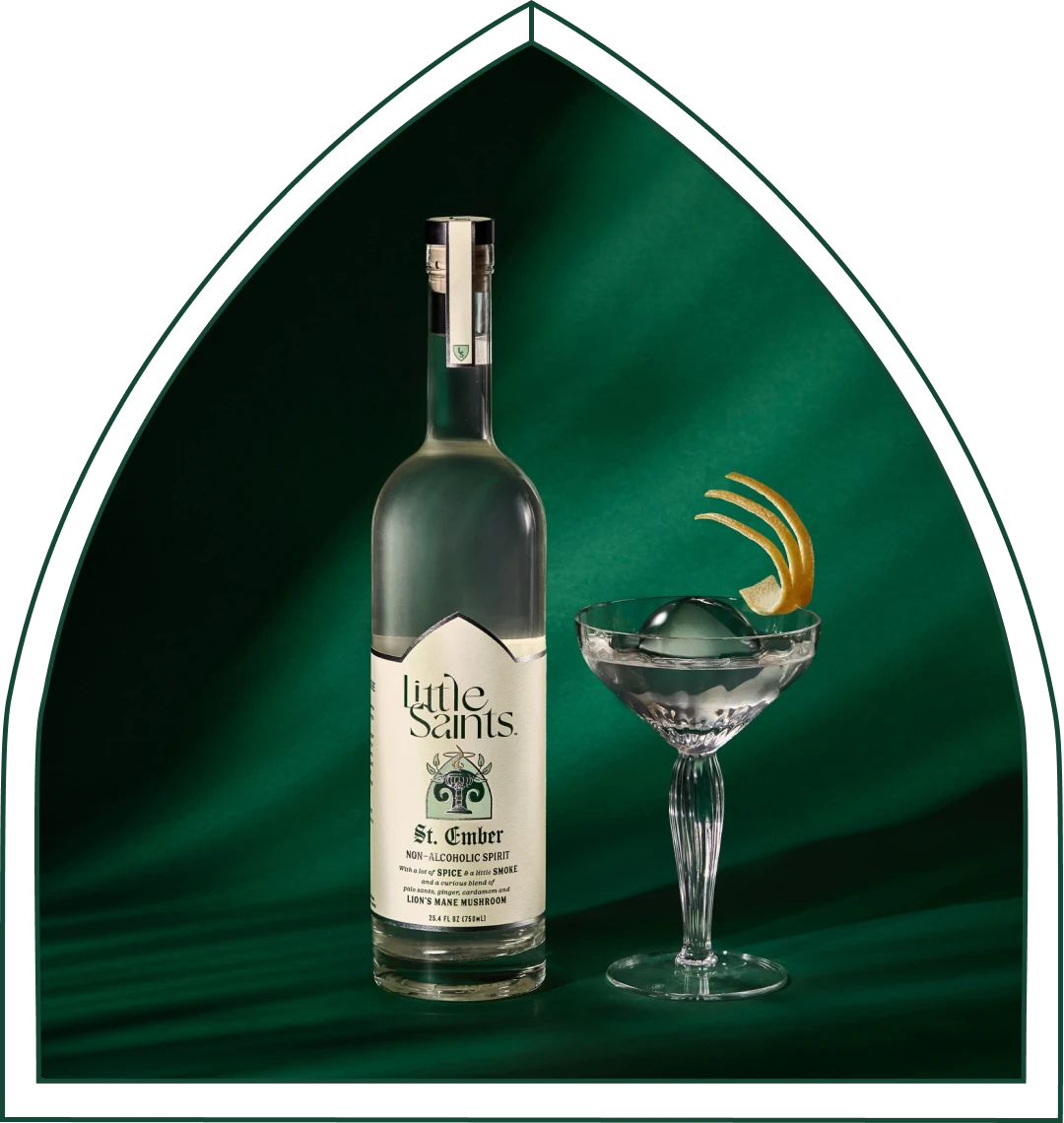
St. Ember Daiquiri build (1:1 substitution):
- 2 oz St. Ember
- ¾ oz fresh lime juice
- ½ oz simple syrup (adjust to balance)
- Shaken hard with ice, fine-strained into a chilled coupe
For a full Mojito build and additional non-alcoholic mixer guidance, see Best Non-Alcoholic Mojito Mix: 5 Top Picks For 2026.
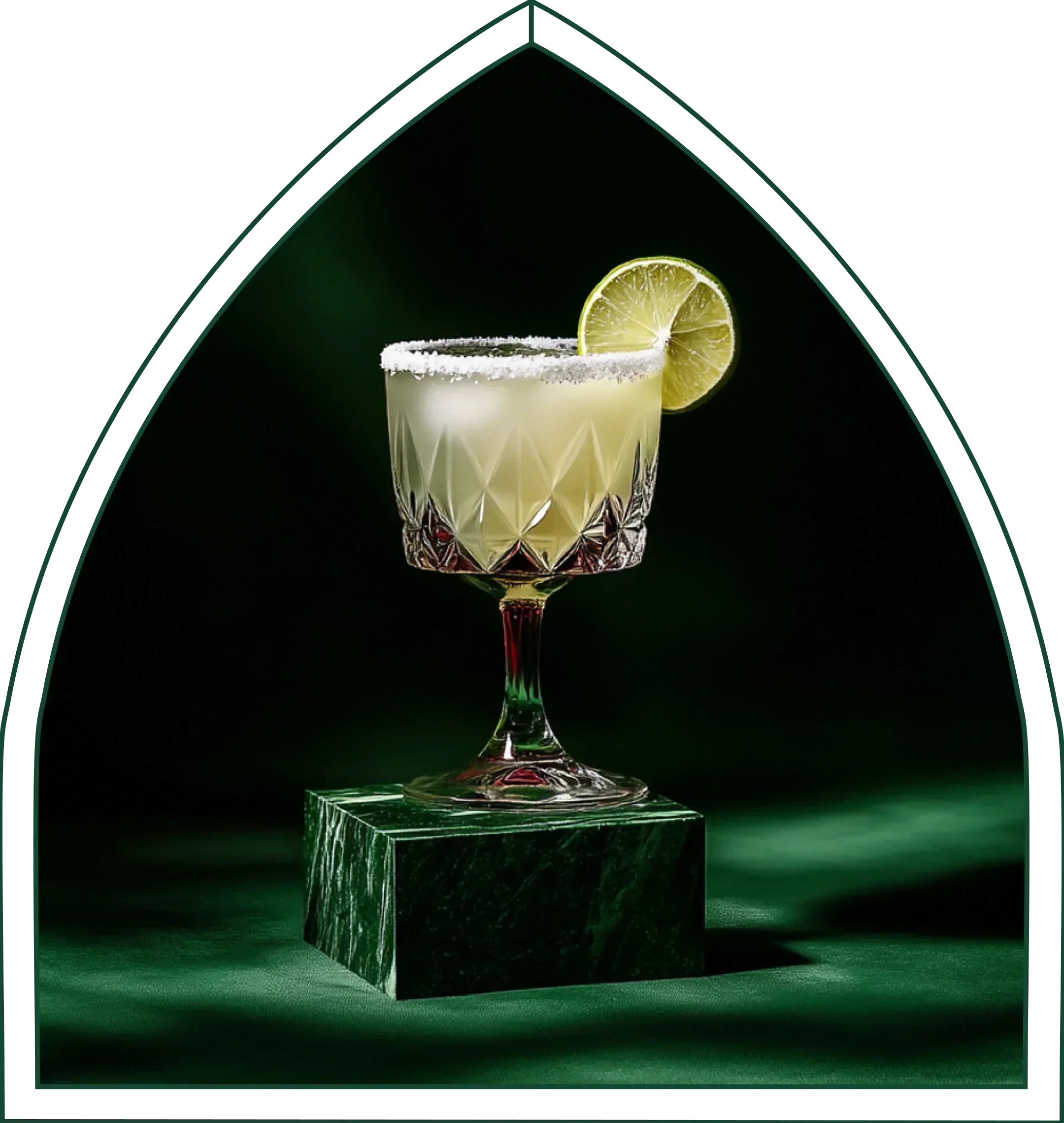
Non-Alcoholic Spiced Rum For Rum & Coke And Dark & Stormy
The highest-volume everyday use case often involves the spiced rum highball. For convenience, reach for the Little Saints canned cocktails when you want no build, no bartender time, and a shelf-ready option. For a built Dark & Stormy or Rum & Coke, St. Oak is the bottle to choose.
St. Oak Dark & Stormy / Rum & Coke build:
- 2 oz St. Oak in a highball glass over ice
- Top with cola or ginger beer
- Lime wedge garnish
Dark rum's common flavor notes include caramel, toffee, molasses, and warm spice, which is the profile St. Oak is built to capture. The capsicum and cardamom extract deliver the heat that signals a cocktail experience instead of a soft drink. Before choosing a bottle, many shoppers also want clarity on what “non-alcoholic” means on a label.
Does Non-Alcoholic Rum Contain Alcohol?
In the US, “non-alcoholic” and “alcohol-free” are not interchangeable terms under US law, and each carries distinct requirements. Under 27 CFR 7.65(f), “alcohol free” is reserved for products containing no alcohol at all, while “non-alcoholic” legally includes products under 0.5% ABV. A reader who needs strictly 0.0% must look for that designation on the label.
For Little Saints specifically:
- Canned cocktails (Classic Spritz, Hugo Spritz, Classic Margarita, Paloma, Old Fashioned, Mojito, Negroni Spritz): 0% ABV
- St. line spirits (St. Ember, St. Juniper, St. Oak): under 0.5% ABV
Some consumers use Little Saints products for low-ABV cocktails. The distinction matters. If you need strictly 0.0%, the canned cocktails are the answer. If you are mixing cocktails and the under-0.5% ABV threshold is acceptable, the St. line spirits deliver the full 1:1 build experience mentioned earlier.
Kitchen And Bottled Substitutes For Rum In Cocktails
The answer splits into two routes: bottled non-alcoholic spirits and kitchen substitutes.
Kitchen route. Rum extract, molasses-based syrups, and vanilla-and-brown-sugar blends are the standard pantry options. For baking, rum extract mixed with water or juice is the most reliable non-alcoholic option, supplying rum aroma and flavor while the added liquid restores the volume the rum would have contributed. A common ratio uses ½ teaspoon of rum extract per 1 tablespoon of rum, topped up with water or apple juice to restore full liquid volume. For dark rum depth in baking, a small amount of molasses added to the extract blend replicates the color and depth of aged rum in cakes and brownies.
In cocktails, kitchen substitutes mostly fail. They add sugar and body without the aromatic layer or the heat a cocktail needs. Little Saints' bottled non-alcoholic spirits are formulated to mix 1:1, so two ounces replaces two ounces and any recipe works unchanged, replacing the glass behavior of rum in cocktails, whereas kitchen substitutes are concentrated flavoring agents that mainly replace flavor notes.
Bottled route. Return to the three styles: dark cane (St. Oak), white cane (St. Ember), and spiced or highball builds (St. Oak or the canned cocktails). The earlier 1:1 rule applies across all three. For cocktails, the bottled route delivers the closest match to a traditional rum experience.
What It Will And Will Not Replicate
Little Saints' spirits carry a deliberate heat that differs from the full mouth-coating burn of ethanol, and the brand states that distinction clearly. Ethanol performs five jobs in a beverage simultaneously: it delivers heat, builds body, carries aroma, preserves the liquid, and balances flavor. What comes closest uses capsicum heat and extract body to achieve a similar effect.
Little Saints is non-intoxicating, non-psychoactive and 100% legal, with no impairment to judgment, reaction time or coordination. Customers describe the Little Saints Lift as clarity and ease, a little lifted, like you can take a deep breath, exhale, and be more present. That description reflects what the drink is for and what people say it feels like.
How To Pour And Build With Little Saints
The 1:1 rule is the only rule: two ounces replaces two ounces. Because St. Oak and St. Ember mix 1:1, a bottle pours as far as the bottle it stands in for, instead of emptying at twice the rate.
The aromatic layer comes from botanical terpenes, the naturally occurring aromatic compounds found in plants, roots, herbs, and flowers. These terpenes give the drink its nose. The spirits are cloudy because the Lion's Mane extract is genuinely in there. That extract also gives them a viscosity that flavored water does not have.
For full cocktail builds and technique guidance, see How To Make Non-Alcoholic Cocktails That Taste Complex. For guidance on choosing between non-alcoholic spirit styles, see How To Choose Non-Alcoholic Spirits That Deliver. The table below summarizes the three styles and their best uses.
| Style | Drink It Serves | Built For 1:1 Mixing |
|---|---|---|
| Dark cane (St. Oak) | Mai Tai, Old Fashioned, Dark & Stormy, Rum & Coke | Yes |
| White cane (St. Ember) | Daiquiri, Mojito, Paloma, citrus highballs | Yes |
| Spiced / RTD (canned cocktails) | Rum & Coke, spiced punch, no-build occasions | Ready to drink, no build required |
Conclusion: Three Styles, One Simple Pour Rule
Non-alcoholic rum alternatives fall into three styles: dark cane, white cane, and spiced, and the right bottle depends entirely on the drink being made. St. Oak fits Mai Tais, Dark & Stormies, and brown-liquor builds. St. Ember fits Daiquiris, Mojitos, and citrus-forward drinks. The canned cocktails cover no-build convenience at 0% ABV.
The 1:1 pour rule applies across all three, so two ounces replaces two ounces and any recipe works unchanged. NielsenIQ reports that 93% of non-alcohol buyers also purchase alcohol (From Value to Vibe, NIQ, January 2026). Non-alcoholic cocktails serve people who still enjoy alcohol but want a round that keeps them at the table when they might otherwise switch to water.
Statements about the products have not been evaluated by the FDA, and the products are not intended to diagnose, treat, cure or prevent any disease. Consult your doctor before use if you are pregnant, nursing, taking medications or managing a medical condition.
Choose Your Non-Alcoholic Rum Style
The statements made on our website have not been evaluated by the Food and Drug Administration, Our products are not intended to diagnose, treat, cure or prevent any disease. If you are pregnant, nursing, taking any medications or have any medical conditions, consult your doctor before use.