


Key Takeaways For Choosing A Non-Alcoholic Gin Alternative
- Non-alcoholic gin alternatives are engineered for mixing in highballs, not sipping neat, because they lack ethanol to carry aroma and body.
- Choose a gin alternative by the cocktail profile you actually make, such as juniper-forward for classic gin and tonics or citrus-forward for bright spritzes.
- Check the label for zero grams of sugar, a stated functional dose, and whether the spirit mixes 1:1 to avoid over-pouring and hidden costs.
- St. Juniper is formulated to replace gin at a 1:1 ratio, carries zero sugar, and delivers a functional 100mg per serving with a 4.6/5 customer rating.
- Little Saints offers sugar-free, functional non-alcoholic spirits and ready-to-drink options designed for the end-of-day wind-down.
Explore Little Saints Non-Alcoholic Spirits
What To Use As A Substitute For Gin
A non-alcoholic gin alternative, also sold as a non-alcoholic botanical spirit, stands in for gin in a gin and tonic, a gimlet, a martini, or anything citrus-forward.
A gin alternative is built to behave like gin in a mixed drink. A botanical spirit is a complex botanical blend that may not try to read as gin at all. If you are replacing gin in a specific cocktail, you want a gin alternative. If you are exploring something new and complex on its own terms, a botanical spirit may be the better choice. The two categories serve different jobs, and buying the wrong one is the most common reason a non-alcoholic gin and tonic disappoints.
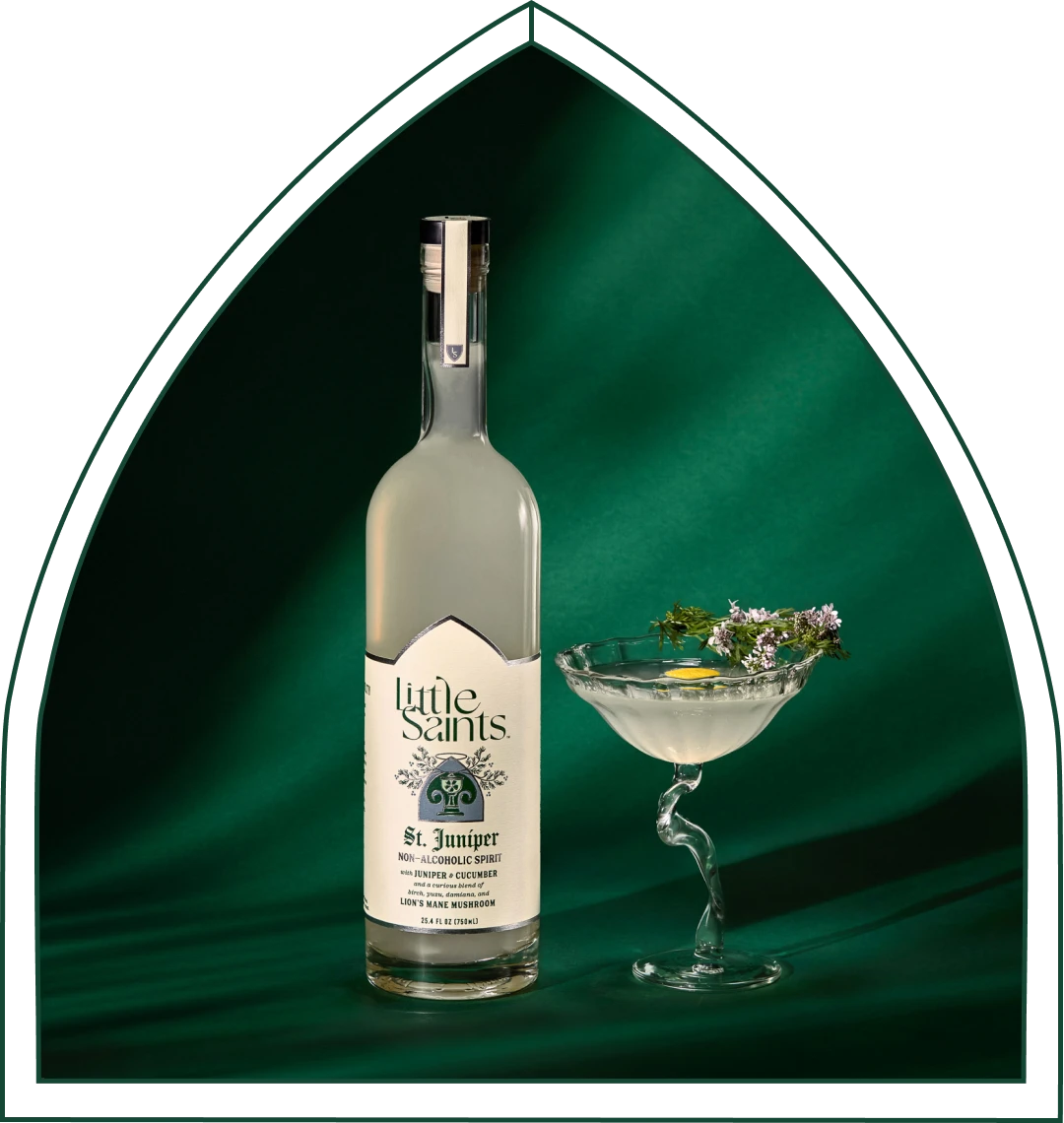
For the gin expression, St. Juniper is the recommendation here. It carries juniper, cucumber, and herbaceous notes from juniper, birch, angelica, coriander, and cardamom. It is built for gin and tonics, gimlets, martinis, and anything citrus-forward. It is under 0.5% ABV with zero grams of sugar and no sweeteners of any kind. Across 147 customer reviews on littlesaints.com (captured August 2026, subject to change), it holds a 4.6/5 rating with 93% of reviewers saying they would recommend it.
Juniper-Forward Vs. Citrus-Forward: How To Pick Your Bottle
The easiest way to pick a non-alcoholic gin alternative is to start with what you already drink. The framework below organizes the decision by your go-to cocktails rather than by a ranked list.
Juniper-forward is the profile for the London Dry drinker. Juniper leads, with herbaceous and pine notes behind it. This build suits a classic gin and tonic and a dry martini. St. Juniper is the juniper-forward pick. The botanical stack of juniper, birch, angelica, coriander, and cardamom is assembled specifically to deliver that profile in a highball.
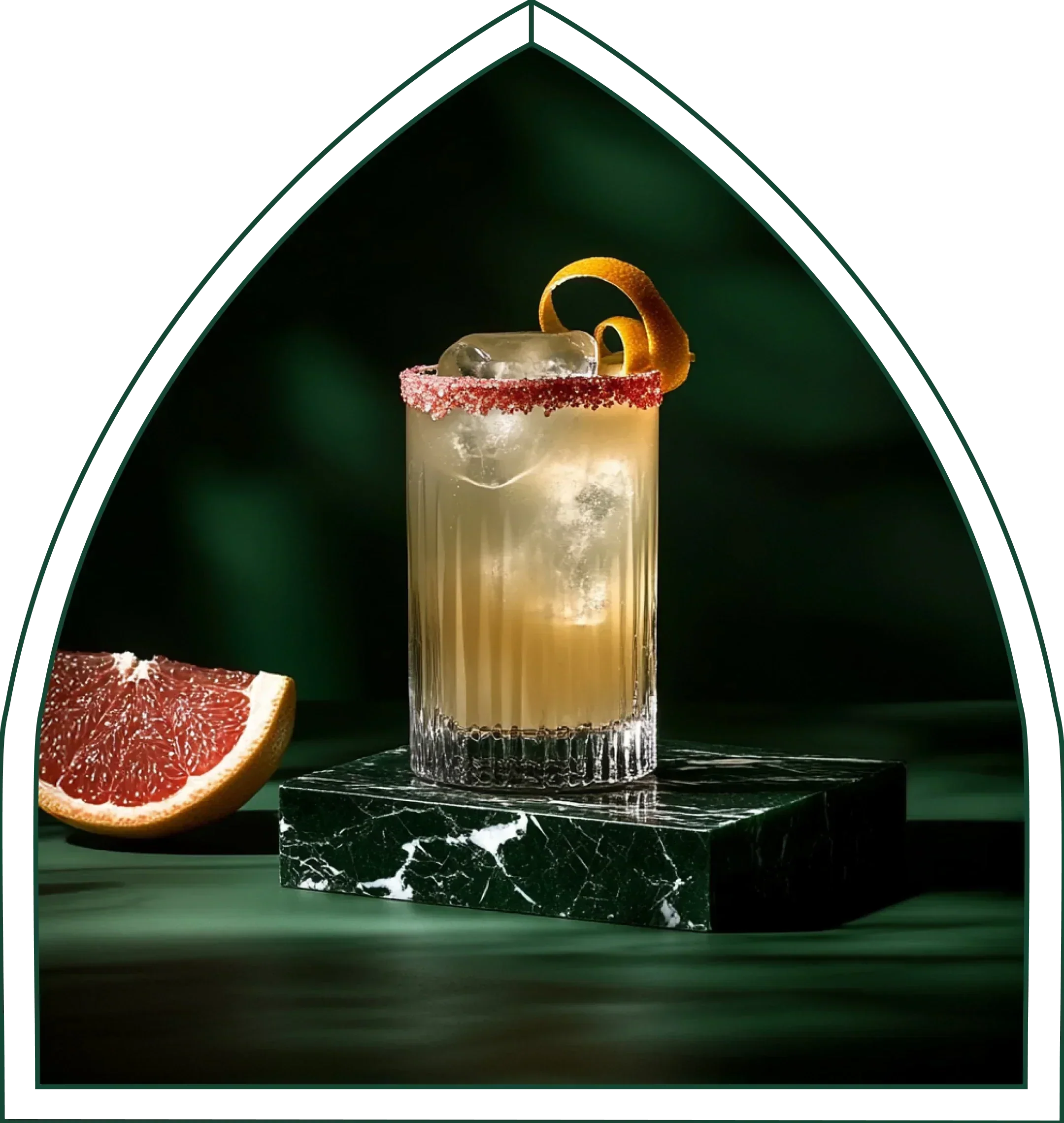
Citrus-forward suits bright highballs and spritzes where the drink is built on lime, grapefruit, or lemon. Little Saints’ canned line covers this territory, including the Classic Margarita, Paloma, and Mojito, for readers who want the drink without building it. The canned line carries zero grams of sugar and five calories per can and is sweetened only with monk fruit juice concentrate, with no erythritol and no sugar alcohols.
Botanical-adjacent works for the reader who wants a complex drink rather than a gin replica. St. Ember, spicy, smoky, and woodsy, built on palo santo, ginger, and cardamom, mixes like a tequila or a mezcal. St. Oak, vanilla, spice, and woodsy notes from oak, vanilla, cardamom, and caramel, mixes like a whiskey and was named Best NA Spirit of 2025 by the BevNET Spirit Awards. Neither aims to read as gin, so neither belongs in a gin and tonic.
The one-line rule: pick by the cocktail you actually make, not by the bottle that photographs best. Once you have the profile, the label tells you whether the bottle is worth buying.
What To Check On The Label Of A Non-Alcoholic Gin
Is alcohol-free gin full of sugar? It can be. Sugar is common in the category, and cheap botanical infusions can contain 10–15 grams of sugar per 100ml, turning the drink into flavored sugar water. Cutting alcohol should mean a cleaner pour, not a sweeter one. Three things are worth checking on any label before you buy.
- Grams of sugar. Little Saints spirits carry zero grams of sugar with no sweeteners at all. Any sweetness comes from the botanical extracts themselves, such as the palo santo in St. Ember. The canned cocktails are zero grams of sugar, sweetened with monk fruit juice concentrate only, with no erythritol and no sugar alcohols, at five calories per can. Non-alcoholic drinks fall under FDA regulation and generally must carry a Nutrition Facts panel unless an exemption applies, so the sugar figure is there to read.
- Whether a functional dose is stated. Most brands publish neither a dose nor a potency, so a buyer cannot tell a concentrated extract from mycelium grown on grain. Little Saints states 100mg per serving and a minimum of 70% beta glucan. The supplier documents these figures with certificates of analysis, and the extract holds GRAS status, the FDA’s standard for an ingredient generally recognized as safe in food. That figure appears on the label because it reflects the actual formulation rather than a marketing flourish. Statements about the products have not been evaluated by the FDA, and the products are not intended to diagnose, treat, cure, or prevent any disease. Consult a doctor before use if you are pregnant, nursing, taking medications, or managing a medical condition.
- How it behaves in a cocktail. Whether the label or the brand tells you to pour 1:1 or to over-pour is the single most useful piece of information on the bottle. A spirit that requires two to three times the volume empties fast, which means it costs more per drink than the shelf price suggests.
Little Saints’ functional platform, Nature’s Neuroscience, centers on organic Reishi (“for chill”), organic Lion’s Mane (“for focus”), Damiana (“for connection”) and botanical terpenes (“for the senses”), though the exact blend varies by product. The brand describes the effect in experiential terms because that is what it delivers: clarity and ease, a sense of being a little lifted, like you can take a deep breath, exhale, and be more present. The products are non-intoxicating, non-psychoactive, and 100% legal, with no impairment to judgment, reaction time, or coordination.
How To Build A Non-Alcoholic Gin And Tonic
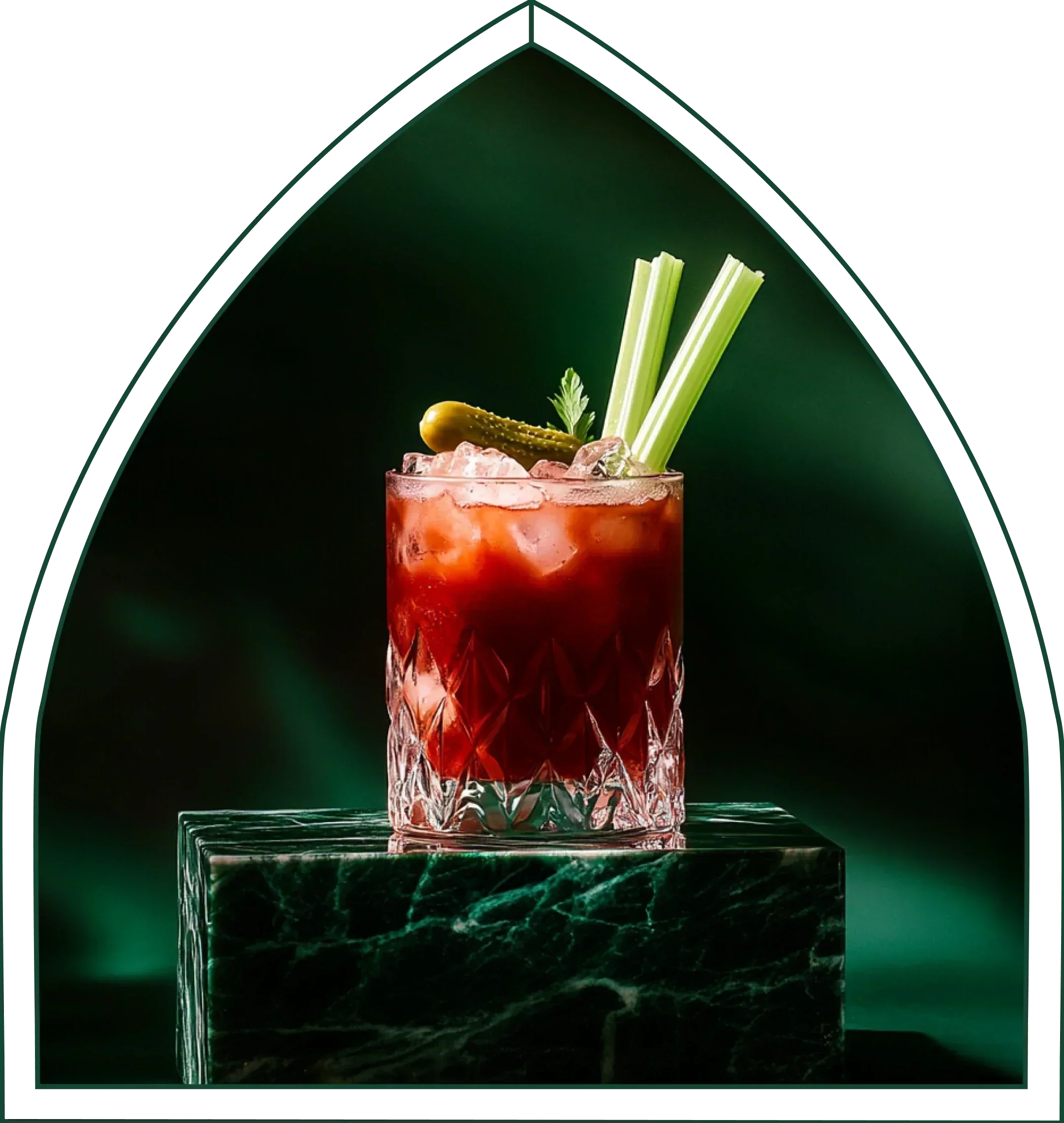
A non-alcoholic gin and tonic follows the classic build, and the ratio and glass make it feel like a true cocktail.
- 2 oz Little Saints St. Juniper
- 4 oz tonic water
- Plenty of ice, preferably large cubes
- A citrus twist or a cucumber ribbon for garnish
- A chilled highball or a copa for serving
The spirit is formulated to mix 1:1, so two ounces does the work of two ounces of gin. The standard bar-quality gin and tonic ratio is 1 part gin to 3 parts tonic, roughly 2 oz gin to 4–6 oz tonic for a standard highball. St. Juniper holds that ratio without thinning out the way a flavored-water spirit does.
Two details make the drink register as a cocktail rather than a soft drink. St. Juniper carries a built-in burn from a cardamom extract present in each Little Saints spirit plus capsicum. It does not deliver the full mouth-coating burn of ethanol, and the brand does not claim it does. The heat at the back of the throat comes from that extract stack. The natural cloudiness and body come from the Lion’s Mane extract genuinely being in the bottle, which gives the spirit a viscosity that flavored water does not have.
One variation swaps the tonic for soda and adds a lime wedge for a longer, drier drink. The same 1:1 principle applies to a gimlet or a martini. For readers who want the drink without the build, the Little Saints canned line is the shortcut, with the same functional blend and zero sugar, ready to pour.
Build Your Next G&T With St. Juniper
Where Non-Alcoholic Gin Fits Into Your Evening
Non-alcoholic gin alternatives from Little Saints are designed for the end-of-day wind-down, the moment someone would otherwise reach for a Negroni. The brand focuses on this evening pocket and keeps its products aligned with that use.
The behavior underneath the category has a name: zebra striping, alternating alcoholic and non-alcoholic drinks over the course of a night. 47% of on-premise visitors mix alcoholic and non-alcoholic options in the same occasion, and 93% of non-alcohol buyers also purchase alcohol (NIQ, From Value to Vibe, January 2026). The non-alcoholic pour often replaces the round that would otherwise have been a water.
The Little Saints Lift is the term the brand uses for the feeling its products deliver: clarity and ease, feeling a little lifted, like you can take a deep breath, exhale, and be more present. The effect is non-intoxicating, non-psychoactive, and 100% legal.
What To Expect From Non-Alcoholic Gin Alternatives
Non-alcoholic gin alternatives are inspired by gin, capture the notes of gin, and mix like gin. They are inspired by gin and capture its notes, but they are not a taste match. Any brand claiming otherwise is misleading you. The useful question is whether a non-alcoholic gin mixes like gin in the drink you actually make.
Ethanol is an active participant in flavor perception. It lowers the volatility threshold of many aromatic compounds and provides viscosity and body that water cannot replicate, as sensory research on non-alcoholic spirits explains. A non-alcoholic gin alternative succeeds when it delivers the right structure and flavor in the cocktail glass.
The category context helps frame expectations. Non-alcoholic spirits are around 6% of the non-alcohol set but growing at roughly 70%, the fastest-moving segment in the category (NIQ data reported by BeverageDaily, April 2026). That growth is concentrated in exactly the segment St. Juniper competes in. Non-alcoholic beer sits at the mature, low-growth end at roughly 80% of all non-alcohol sales. The innovation and the momentum sit in spirits.
Comparing Non-Alcoholic Gin Alternatives By Category
The three label criteria above create clear tiers in the category. The table below shows how each tier performs on sugar, stated functional dose, and 1:1 mixing.
| Product Category | Sugar | Functional Dose Stated | Mixes 1:1 |
|---|---|---|---|
| Little Saints St. Juniper | 0g, no sweeteners of any kind | Yes, 100mg per serving, minimum 70% beta glucan, COA-verified | Yes, oil-based craft extracts formulated with mixologists |
| Sugar-Sweetened NA Botanical Spirits | Present, infusions can reach 10–15g per 100ml | Not published | Varies by brand |
| First-Generation NA Spirits | Varies | Not published | No, typically require 2–3x the pour volume |
Frequently Asked Questions
Is There A Non-Alcoholic Gin That Actually Tastes Like Gin?
Little Saints does not claim its St. Juniper is a taste match for alcoholic gin. It is inspired by gin and captures gin’s notes rather than replicating the taste. Ethanol carries aroma, builds body, and delivers a mouth-coating warmth that water-based spirits cannot fully replicate. The useful question is whether a non-alcoholic gin alternative mixes like gin in the drink you are making. St. Juniper is inspired by gin, captures the notes of gin, including juniper, cucumber, birch, angelica, coriander, and cardamom, and mixes like gin at 1:1. In a gin and tonic, a gimlet, or a martini, the drink lands. Judged neat, no non-alcoholic gin will satisfy a London Dry drinker, and any brand that claims otherwise is setting you up for disappointment.
Is Alcohol-Free Gin Full Of Sugar?
Alcohol-free gin can carry significant sugar. Sugar is common in the non-alcoholic spirits category, particularly in botanical infusions where sweetness is used to compensate for the absence of ethanol’s body and warmth. As noted earlier, cheap infusions can carry 10–15 grams of sugar per 100ml. The fix is to check the Nutrition Facts panel, which most non-alcoholic spirits are required to carry under FDA rules unless an exemption applies. Look for grams of sugar per serving and check the ingredient list for sweeteners. Little Saints spirits carry zero grams of sugar with no sweeteners at all, so any sweetness in the bottle comes from the botanical extracts themselves. The canned cocktails are sweetened with monk fruit juice concentrate only, with no erythritol and no sugar alcohols, at five calories per can.
How Much Non-Alcoholic Gin Do I Pour?
Pour the same amount you would pour of the gin you are replacing. St. Juniper was formulated with mixologists specifically to mix 1:1, so two ounces does the work of two ounces of gin in a gin and tonic, a gimlet, or a martini. First-generation non-alcoholic spirits required two to three times the volume because they were essentially flavors in water that diluted in a cocktail. The oil-based extracts in St. Juniper hold up in a build, which means the recipe works unchanged and the bottle pours as far as the bottle it replaces.
Can I Drink Non-Alcoholic Gin On The Rocks?
You can pour non-alcoholic gin on the rocks, but it will read thin. Non-alcoholic gin alternatives are cocktail ingredients engineered for mixing, not sipping spirits. Without tonic, citrus, and ice doing their structural work, lifting aromatics, adding bitterness, and providing dilution, the drink lacks the architecture that makes it register as a cocktail. Build it in a highball or a copa with tonic and a citrus twist. That is the serve these spirits are designed for, and that is where they deliver.
Conclusion: Choose By Profile, Check The Label, Pour 1:1
The framework is three steps. Choose the profile that matches the cocktail you actually make. Check the label for grams of sugar and whether a functional dose is stated. Pour 1:1 so the recipe stays familiar and the cost per drink stays predictable.
A non-alcoholic gin alternative that mixes at the same volume as the gin it replaces costs the same per drink and requires no adjustment to any recipe you already know. St. Juniper is built on that principle, juniper-forward with zero sugar, a stated 100mg functional dose, and 1:1 performance in cocktails such as a gin and tonic.
Find Your Juniper-Forward Pour
The statements made on our website have not been evaluated by the Food and Drug Administration, Our products are not intended to diagnose, treat, cure or prevent any disease. If you are pregnant, nursing, taking any medications or have any medical conditions, consult your doctor before use.