


Key Takeaways
- A classic Negroni pulls most of its sugar from sweet vermouth, not from gin or Campari.
- Swapping sweet vermouth for dry vermouth cuts sugar to roughly 0.5–1.5g per serving while keeping herbal, wine-based character.
- Zero-proof builds with Little Saints St. Juniper deliver 0g sugar and keep the bitter-botanical Negroni profile intact.
- Little Saints Negroni Spritz offers 0g sugar and 5 calories in a convenient 8oz ready-to-drink can.
- Ready to stock a lower-sugar bar cart? Browse the Little Saints collection.
Why A Classic Negroni Carries So Much Sugar
The sugar math becomes clear once you break the drink into its components. Sweet vermouth contains roughly 100–150g of sugar per liter, while dry vermouth contains less than 30g per liter. That gap explains the classic Negroni’s sugar load.
Here is how the classic 1:1:1 build breaks down by ingredient:
- 1 oz London Dry gin: 0g sugar (distilled spirits contain no sugar)
- 1 oz Campari: approximately 0.8–1.2g residual sugar per 30mL, which comes from the base, not added table sugar
- 1 oz sweet vermouth: approximately 5–7g of added sugar per 1.5oz pour
A common misconception, often repeated in quick summaries, claims that Campari is the primary sugar source in a Negroni. Campari contains only 0.8–1.2g of residual sugar per 30mL. Sweet vermouth drives the overall number. Published estimates for the finished drink vary: WhatDrink puts a classic Negroni at approximately 8.9g of sugar per serving, while Cezzi's lists 13g of sugar per serving. Different vermouth brands and pour sizes create that range, but every estimate points to sweet vermouth as the main contributor.
Across the four builds in this guide, the classic sits at the high end, and the other three versions step that sugar down or remove it entirely.
The No-Sugar Alcoholic Build: A Negroni Without Sweet Vermouth
Replacing sweet vermouth with dry vermouth creates the most straightforward low-sugar alcoholic Negroni. Dry vermouth contains 2–4g of sugar per liter, a fraction of sweet vermouth’s 100–150g/L. The drink tastes drier and more herbal, while the wine-based complexity stays in place.
The recipe:
- 2 oz London Dry gin (0g sugar)
- 1 oz dry vermouth (~0.3g sugar per serving)
- 1 oz Campari (~0.8–1.2g residual sugar)
- 1 dash orange bitters
Stir over ice for 20–30 seconds, then strain into a rocks glass over a large ice cube. Garnish with an expressed orange peel. The Negroni is always stirred, never shaken. Shaking introduces air bubbles and cloudiness and can add up to 50% more dilution than stirring in the same timeframe. That extra water disrupts the drink’s texture and clarity.
The balance logic stays simple. Dry vermouth brings herbal, wine-based complexity with a much smaller sugar load. Campari’s bitterness comes from gentian root and quassia bark. That structure is what holds the drink together. The expressed orange oils add aromatic sweetness, which the palate reads as balance even when you cut back on sugar.
| Ingredient | Classic Negroni | No-Sugar Build | Sugar Saved |
|---|---|---|---|
| Sweet vermouth (1 oz) | 5–7g sugar | — | 5–7g |
| Dry vermouth (1 oz) | — | ~0.3g sugar | — |
| Campari (1 oz) | ~0.8–1.2g | ~0.8–1.2g | 0g |
| Total per serving | ~12–15g | ~0.5–1.5g | ~11–13.5g |
Pro tip: if the drink tastes too bitter without sweet vermouth, add a bar spoon of saline solution made from 4 parts water to 1 part salt. Salt suppresses bitterness perception and rounds out the palate while keeping sugar off the table.
Build your low-sugar Negroni setup with Little Saints St. Juniper and more.
Smart Substitutions For Sweet Vermouth
Several substitutes work in a no-sugar Negroni build, and each one shifts the drink’s architecture in a different way. The Negroni’s 1:1:1 balance relies on sweetness to offset bitterness. Removing sugar means you rely more on technique, such as saline, citrus oils, and careful dilution, instead of a one-to-one ingredient swap.
The main options:
- Dry vermouth: The closest wine-based swap. Cuts sugar from 100–150g/L to under 30g/L. Expect a drier, more herbal profile with a thinner mouthfeel. This suits drinkers who want wine character with far less sugar.
- Zero-sugar vermouth alternatives: An emerging category of non-alcoholic, low-sugar vermouth-style products. Sugar content varies widely by brand, so check labels closely before assuming a zero-sugar result.
- Lillet Blanc: A lower-sugar wine-based option often used in White Negroni variations, though it still carries some residual sugar. The White Negroni, popularized by Wayne Collins in 2001, uses a gin, Suze, and Lillet Blanc build.
- Pomegranate juice plus orange bitters: Adds tartness and complexity. Unsweetened pomegranate juice still contains natural sugars, so use a light hand if strict sugar reduction is the goal.
Substituting dry vermouth for sweet in a Negroni markedly reduces sweetness, heightens bitterness, and thins the mouthfeel. Technique then steps in to rebalance the drink.
The Zero-Proof Path: Non-Alcoholic Negroni
Many readers searching for a no-sugar Negroni want the flavor without the alcohol, or they want to alternate between alcoholic and non-alcoholic drinks over an evening. This pattern, often called zebra striping, is now common. NIQ reports that 47% of on-premise visitors mix alcoholic and non-alcoholic options in the same occasion, and 93% of non-alcohol buyers also purchase alcohol. The zero-proof Negroni keeps that guest engaged with the group.
A zero-proof build using Little Saints St. Juniper:
- 2 oz Little Saints St. Juniper (juniper, cucumber, herbaceous notes; 0g sugar, no sweeteners)
- 1 oz non-alcoholic sweet vermouth alternative or dry vermouth-style NA product
- 1 oz non-alcoholic bitter aperitif
Stir over ice for 20–30 seconds. This takes longer than a classic Negroni because the drink lacks alcohol’s viscosity and warmth, so it needs extra chilling and dilution. Strain into a rocks glass over one large ice cube and garnish with an expressed orange peel. Because St. Juniper mixes 1:1 like gin, you do not need to over-pour, and it carries 0g sugar with no sweeteners of any kind.
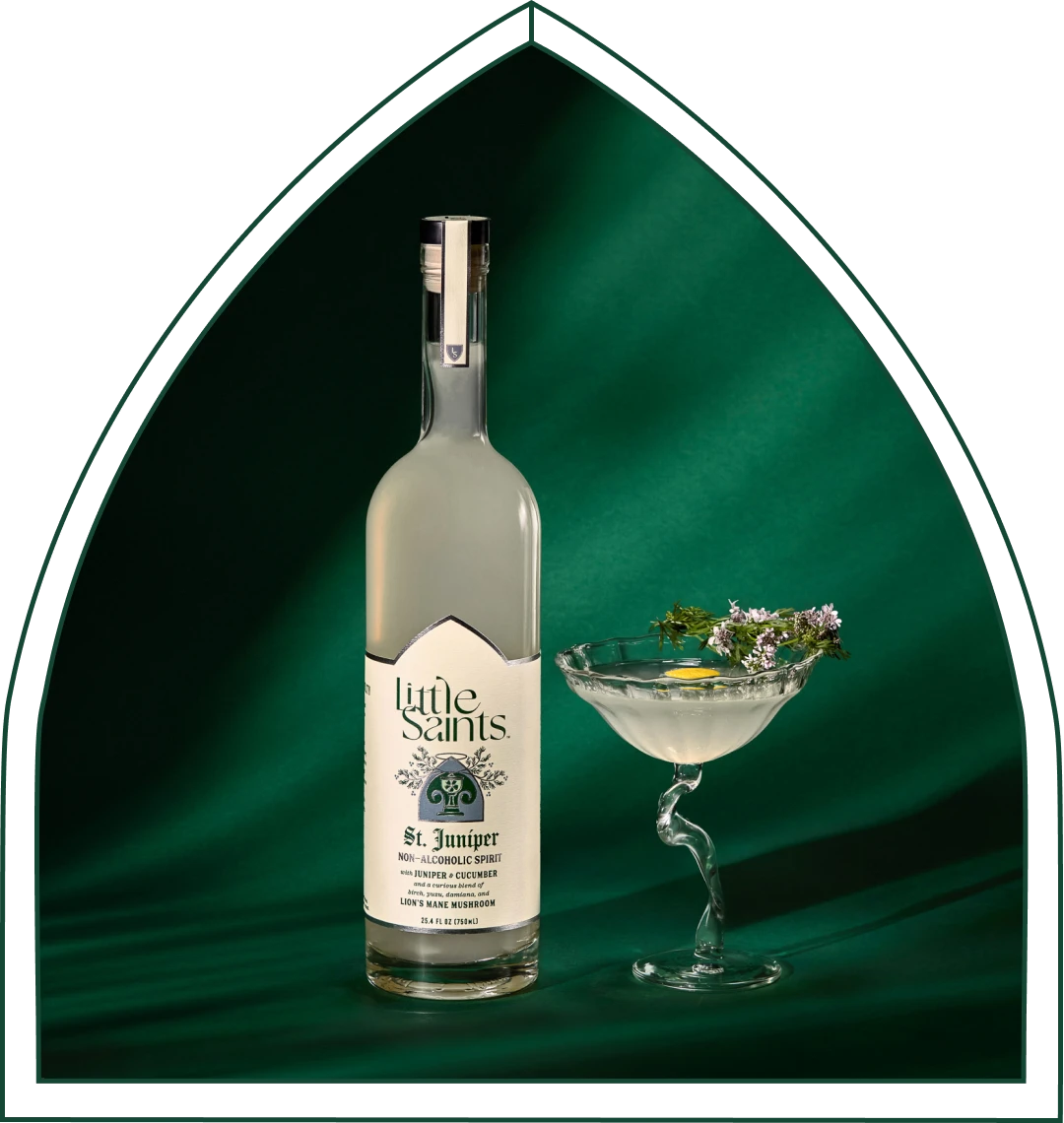
Gentian root is the primary bittering agent in most non-alcoholic Negronis. It is water-soluble, so it extracts cleanly without ethanol. That property lets the bitter structure of a zero-proof Negroni hold up even without alcohol as the solvent.
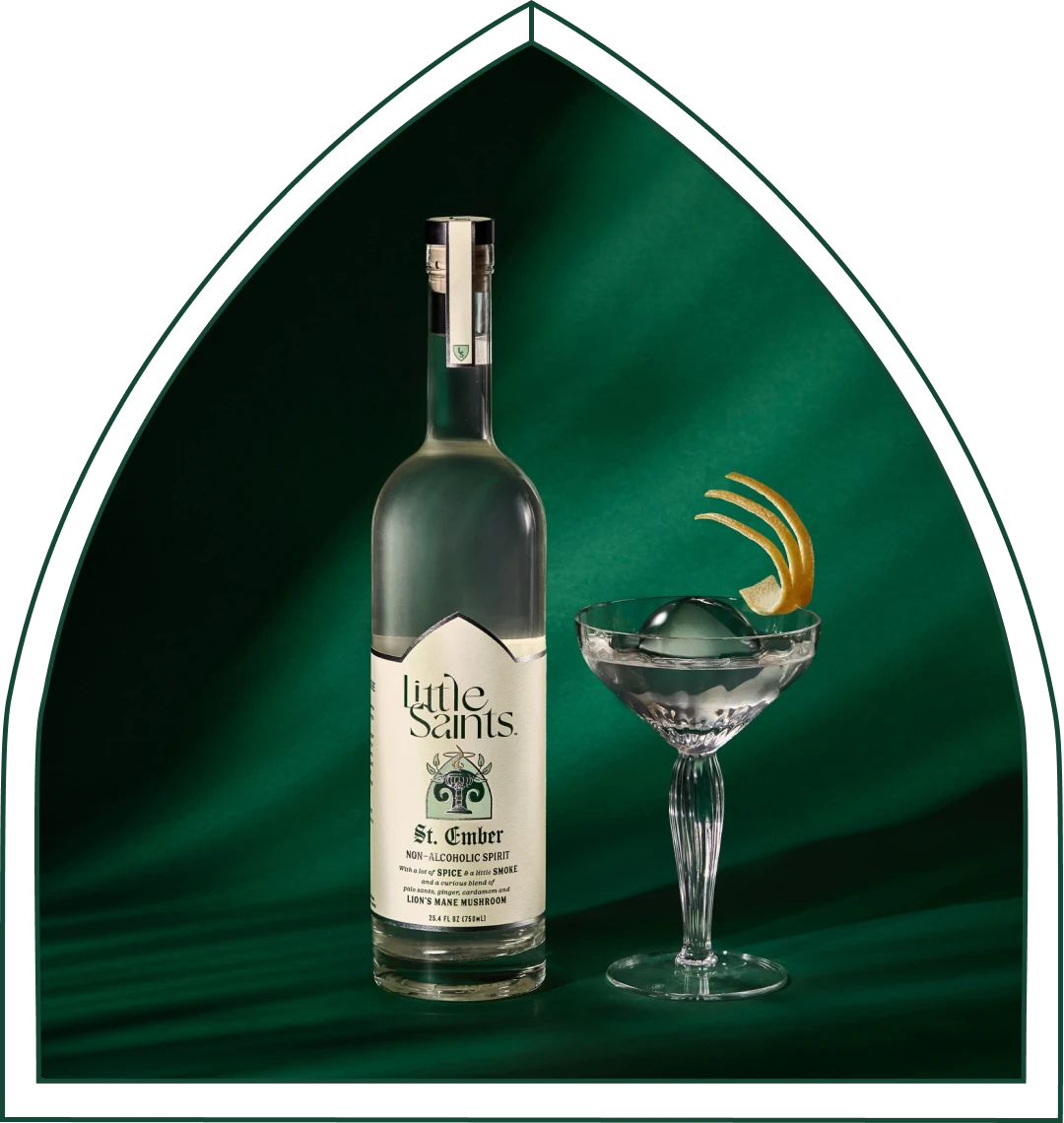
One large ice cube works best here. Small ice melts too fast, and the drink needs less over-watering than the original before it goes flat. Serve the drink very cold. Without alcohol’s warmth to balance the chill, a slightly warm pour makes the bitterness sit heavily instead of lifting.
Ready-To-Drink Zero-Sugar Negronis: The Shortcut
On nights when you want Negroni flavor without pulling out bar tools, ready-to-drink options cover the no-sugar Negroni moment. Non-alcohol beverages grew 21.9% in the off-premise channel while total alcohol declined 1.0%. Demand for sophisticated zero-proof options keeps rising.
| Version | Sugar Per Serving | Calories | Format |
|---|---|---|---|
| Classic Negroni (homemade, sweet vermouth) | ~12–15g | ~186–190 | Built to order |
| No-sugar alcoholic build (dry vermouth) | ~0.5–1.5g | ~150–160 | Built to order |
| Zero-proof DIY (Little Saints St. Juniper) | 0g | ~10–15 | Built to order |
| Little Saints Negroni Spritz (RTD) | 0g | 5 | 8oz can, ready to drink |
The Little Saints Negroni Spritz delivers 0g sugar, 5 calories per can, and 0% ABV. It is built on bitter gentian root and orange, with Reishi and botanical terpenes. It is sweetened only with monk fruit juice concentrate, with no cane sugar, erythritol, or sugar alcohols. The bitter, citrus-forward profile captures the Negroni’s essential character while skipping both sugar and alcohol.
For DIY builds, Little Saints St. Juniper brings the same zero-sugar philosophy in a mixable format. Oil-based craft extracts give it enough body to stand up in cocktails and let it mix 1:1 without over-pouring or thin texture.
Grab Negroni Spritz cans or St. Juniper for your next gathering.
Bartender Tips For Balancing Bitterness Without Sweetness
A no-sugar Negroni can still feel layered and satisfying when you balance bitterness with technique. The following approaches adjust perception and structure instead of adding sweetness.
- Saline solution: A bar spoon of 4:1 water-to-salt suppresses bitterness perception and adds roundness. Many bartenders call this the single most effective trick in no-sugar bitter drinks.
- Citrus oils: Express orange peel generously over the glass before dropping it in. Aromatic sweetness from the oils signals balance to the palate before the first sip.
- Adjust ratios: Lean heavier on the gin. A 2:1:1 build (gin:Campari:dry vermouth) lets the spirit’s botanicals carry the drink and softens the bitter foreground.
- Large ice cube: Slows dilution and keeps the drink cold without washing out the balance. Chill the rocks glass in the freezer for 30 seconds before mixing to keep the cocktail colder for longer.
- Stir, do not shake: Shaking aerates and clouds the drink, while stirring integrates and adds controlled dilution. Stir for 20–30 seconds until the mixing glass feels frosty.
These techniques all point to the same principle, captured well by St. Agrestis: “Sweetness without bitterness is soda. Bitterness without sweetness is medicine.” Aim for structured bitterness, aromatic garnish, and measured dilution as your core tools.
The No-Sugar Negroni Is Achievable
Four paths give you a full spectrum of sugar and alcohol choices in the same cocktail format. The low-sugar alcoholic build using dry vermouth lands at approximately 0.5–1.5g of sugar per serving, far below the classic baseline. The zero-proof DIY build using Little Saints St. Juniper lands at 0g. The Little Saints Negroni Spritz delivers 0g sugar and 5 calories, ready to pour from a can.
The no-sugar Negroni rewards attention to technique: the right vermouth, the right ratio, the right garnish, and the right ice. The bitter-botanical architecture of the original stays intact when you treat each build with the same care as the classic.
These statements have not been evaluated by the Food and Drug Administration. Little Saints products are not intended to diagnose, treat, cure, or prevent any disease. Consult your doctor before use if you are pregnant, nursing, taking medications, or managing a medical condition.
Explore Little Saints Negroni Spritz and St. Juniper to support your next low-sugar round.
Frequently Asked Questions
How Much Sugar Is In A Classic Negroni?
A classic Negroni made with equal parts gin, Campari, and sweet vermouth typically falls in the 8–15g sugar range per serving. The exact number depends on the sweet vermouth brand and pour size. Gin contributes 0g of sugar. Campari contributes approximately 0.8–1.2g of residual sugar per 30mL. The remainder comes from sweet vermouth, which carries 100–150g of sugar per liter.
Can You Make A Negroni Without Sweet Vermouth And Still Have It Taste Like A Negroni?
Yes, with the right adjustments. Dry vermouth is the most practical substitution. It preserves the wine-based, herbal complexity of sweet vermouth while cutting sugar from 100–150g/L to under 30g/L. The drink will taste drier and more bitter, and the mouthfeel will feel lighter.
Helpful compensations include a bar spoon of saline solution to soften bitterness, a generous expression of orange peel for aromatic sweetness, and a slightly heavier gin pour (2:1:1 instead of 1:1:1) so the spirit’s botanicals carry the structure. That combination produces a recognizable Negroni with roughly 0.5–1.5g of sugar per serving instead of the higher classic baseline.
What Is The Best Non-Alcoholic Negroni Option For Zero Sugar?
For a ready-to-drink option, Little Saints Negroni Spritz delivers 0g sugar, 5 calories, and 0% ABV in an 8oz can. As described earlier, it uses gentian root, orange, Reishi, and botanical terpenes, and it is sweetened only with monk fruit juice concentrate.
For a DIY zero-proof build, Little Saints St. Juniper is a non-alcoholic gin-style spirit with 0g sugar and no sweeteners. It mixes 1:1 in any gin-based recipe, so you do not need to over-pour. Pair it with a non-alcoholic bitter aperitif and a zero-sugar vermouth-style product, stir over ice for 20–30 seconds, and serve over a large ice cube with an expressed orange peel.
Is Campari The Sugar Problem In A Negroni?
Campari is not the main sugar issue in a Negroni. It contains approximately 0.8–1.2g of residual sugar per 30mL. Sweet vermouth serves as the primary sugar source in a classic Negroni, contributing 5–7g of added sugar per standard pour from a base of 100–150g of sugar per liter. Replacing sweet vermouth with dry vermouth reduces the drink’s sugar content by approximately 11–13.5g per serving, while Campari’s contribution stays essentially the same.
Does A Zero-Proof Negroni Actually Taste Bitter Enough Without Alcohol?
It can, when you build it carefully. Gentian root, the primary bittering agent in most non-alcoholic Negroni builds, is water-soluble, so it extracts cleanly without ethanol. The bitterness remains present. Texture and warmth change because alcohol is absent.
Without alcohol’s viscosity, the drink benefits from extra chilling and dilution. Stir for 20–30 seconds rather than the shorter stir often used for a classic Negroni, and serve over one large ice cube instead of several small ones. A bar spoon of saline solution softens excess bitterness, and a generous orange peel expression adds aromatic sweetness that signals balance. Little Saints St. Juniper relies on oil-based craft extracts rather than flavored water, which gives it enough body and structure to hold up in a zero-proof Negroni build without over-pouring.
The statements made on our website have not been evaluated by the Food and Drug Administration, Our products are not intended to diagnose, treat, cure or prevent any disease. If you are pregnant, nursing, taking any medications or have any medical conditions, consult your doctor before use.