


Key Takeaways
- Lyre's non-alcoholic spirits follow classic spirit categories, so you can match the bottle you own to familiar cocktails.
- Each recipe lists measurements, glassware, ice, and garnish so you can build drinks consistently and confidently.
- Non-alcoholic builds need different handling: use less mixer, more ice, colder ingredients, and shorter stir or shake times.
- Simple weeknight serves like the Gin & Tonic, Italian Highball, and Paloma come together quickly with pantry staples.
- Little Saints offers zero-sugar, functional non-alcoholic cocktails designed specifically for the evening wind-down.
Explore Zero-Sugar Evening Cocktails
Which Lyre's Bottle Does What: The Substitution Table
Use this table to match the Lyre's bottle you already own to the classic drinks it can build. The “Build Note” column highlights the one handling detail that matters most for each bottle.
| Lyre's SKU | Fills the Slot Of | Classic Drinks It Unlocks | Build Note |
|---|---|---|---|
| Dry London Spirit | Gin | Gin & Tonic, Negroni, Gimlet | Juniper-forward, tonic does the heavy lifting in long builds |
| American Malt | Bourbon | Old Fashioned, Whiskey Sour, Manhattan, Boulevardier | Runs rounder and sweeter than rye, works best in sours |
| Italian Spritz | Aperitivo spritz base | Amalfi Spritz, Italian Highball | Build cold, there is no alcohol to slow the melt |
| Agave Blanco | Blanco tequila | Margarita, Paloma | Use the 3:1:2 ratio to keep the drink from going sweet |
| White Cane Spirit | White rum | Daiquiri, Mojito | The sour template at 2:1:1 is a fast way to learn this bottle |
| Coffee Originale | Coffee liqueur | Espresso Martini, Coffee Negroni-style | Shake hard and long, the foam comes from the shake |
| Aperitif Rosso | Sweet vermouth | Negroni, Manhattan, Boulevardier | Pairs with Dry London and Italian Orange to complete the Negroni |
| Italian Orange | Campari | Negroni, Americano-style builds | The bitter anchor, essential in a Negroni build |
Several of these non-alcoholic spirits, such as White Cane Spirit, mix into cocktails that taste close to their alcoholic counterparts while skipping the alcoholic bite. Others build a parallel flavor profile that fills the same role in the glass without copying the original exactly.
Non-Alcoholic Cocktail Recipes With Lyre's: The Full List
Here is every recipe covered in this guide, grouped by the bottle it uses. The sections below give full measurements, glassware, and build notes for each drink.
- Non-Alcoholic Negroni — Lyre's Dry London Spirit, Aperitif Rosso, and Italian Orange
- Gin & Tonic — Lyre's Dry London Spirit
- Classic Non-Alcoholic Old Fashioned — Lyre's American Malt
- Whiskey Sour — Lyre's American Malt
- Amalfi Spritz — Lyre's Italian Spritz
- Italian Highball — Lyre's Italian Spritz
- Margarita — Lyre's Agave Blanco
- Paloma — Lyre's Agave Blanco
- Mojito — Lyre's White Cane Spirit
- Daiquiri — Lyre's White Cane Spirit
- Espresso Martini — Lyre's Coffee Originale
For weeknight versions of the Gin & Tonic, Italian Highball, and Paloma, see the “Easiest Lyre's Drinks for a Weeknight” section below.
The sections below walk through each of these builds in detail, starting with the bottle that unlocks the most classics: Dry London Spirit.
What To Make With Lyre's Dry London Spirit
Non-Alcoholic Negroni — Bitter, Bright, Bittersweet
Ingredients: Equal parts (1 oz / 30ml each) of Lyre's Dry London Spirit (also called Gin Alternative), Lyre's Aperitif Rosso (also called Vermouth Alternative), and Lyre's Italian Orange.
Method: Combine all three in a mixing glass with ice, stir 20–30 seconds until cold, strain into a rocks glass over one large clear ice cube.
Garnish: Orange peel, expressed over the glass.
Build Note: In an NA Negroni, the bitter backbone survives the translation better than almost any other cocktail element, though the finish is shorter and lighter than the boozy original. Stir longer than you would a boozy build, because there is no alcohol to slow the ice melt.
Gin & Tonic — Clean, Juniper-Forward, Cold
Method: Build in a highball over plenty of ice, pour the tonic down the side of the glass, stir no more than twice.
Garnish: Rosemary sprig.
Build Note: This is the easiest swap in the entire category. In long builds, tonic does the heavy lifting. Use one part Dry London Spirit to one and a half or two parts dry tonic. Use fridge-cold tonic and more ice than feels reasonable.
What To Make With Lyre's American Malt
Classic Non-Alcoholic Old Fashioned — Rich, Smooth, Warming
Ingredients: 2 oz (60 ml) Lyre's American Malt, 0.25 oz (5 ml) white sugar syrup (1:1), and 2 dashes aromatic bitters.
Method: Add all ingredients to a rocks glass with one large ice cube, stir well, express the peel over the top.
Garnish: Orange peel twist.
Build Note: American Malt runs rounder and sweeter than a rye, so it drinks better in a sour than in a stirred build. Cut the syrup to a barspoon if you want it drier.
Whiskey Sour — Bright, Silky, Tart
Method: Dry shake all ingredients briefly without ice, then add ice, shake hard, and strain into an old fashioned glass over fresh ice.
Garnish: Lemon wheel and a dash of bitters on the foam.
Build Note: The egg white, aquafaba, or a foaming agent carries the mouthfeel alcohol usually provides. This is the build where American Malt is at its best.
What To Make With Lyre's Italian Spritz
Amalfi Spritz — Bright, Refreshing, Bitter-Sweet
Method: Add all ingredients to a large wine glass filled to the top with ice, stir gently no more than twice.
Garnish: A slice of fresh orange.
Build Note: There is no alcohol to slow the melt, so build with more ice and fridge-cold ingredients. A room-temperature sparkler can flatten the drink quickly.
Italian Highball — Light, Crisp, Apéritif
Ingredients: 2 oz Lyre's Italian Spritz, 2 oz premium dry tonic water, 1 oz soda water.
Method: Build in a highball filled with ice, stir gently with a swizzle stick.
Garnish: Two slices of orange.
Build Note: In the Cio-Notto Italian Highball, the bittering work comes from the spiced bitterness of Amaro CioCiaro matched with the bright bite of chinotto soda, rather than tonic's quinine. Keep a bitter element in the mix, or the drink reads sweet.
What To Make With Lyre's Agave Blanco
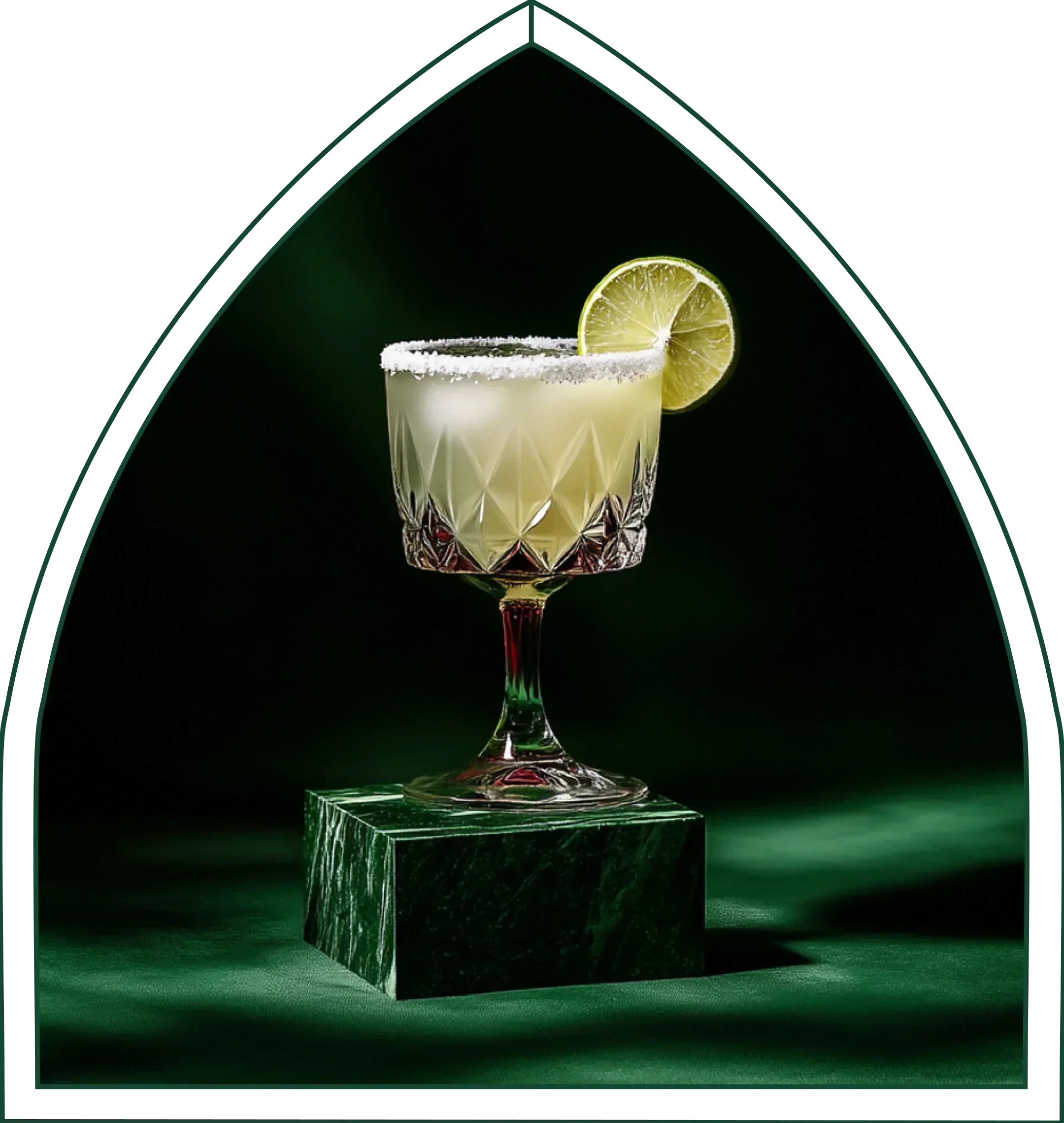
Margarita — Salt-Kissed, Bright, Tart
Method: Shake hard with ice and strain into a half salt-rimmed rocks glass over fresh ice.
Garnish: Lime wedge.
Build Note: Lyre's own skinny spec runs 1.5 oz Agave Blanco to 0.5 oz orange sec to 1 oz lime, a 3:1:2 ratio that keeps the drink from going sweet. Start there if your first attempt tastes flat.
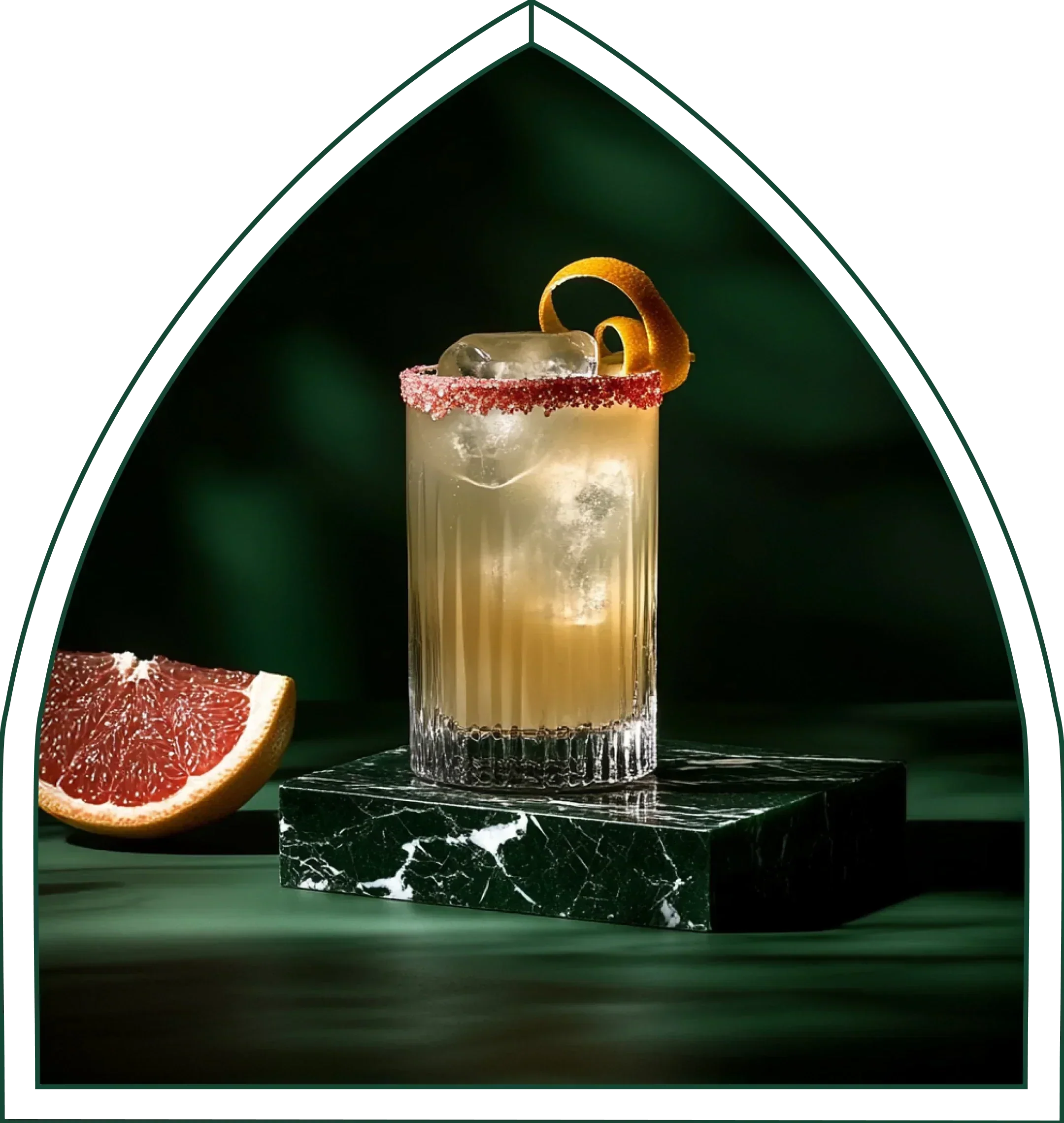
Paloma — Pink Grapefruit, Effervescent, Gently Bitter
Method: Build in a highball over ice, top with grapefruit soda, stir once.
Garnish: Grapefruit wheel.
Build Note: The grapefruit soda carries the bitterness and the fizz at once. This makes the Paloma one of the most forgiving agave drinks to build, with no specialist technique beyond a squeeze of lime and a careful soda pour.
What To Make With Lyre's White Cane Spirit
Mojito — Mint, Lime, Long And Cold
Method: Muddle the mint gently in the syrup, add spirit and lime, fill with crushed ice, top with soda and swizzle.
Garnish: Mint sprig and lime wheel.
Build Note: Muddle the mint gently so the leaves stay intact. Use simple syrup rather than sugar, because dissolved sugar integrates evenly in a drink with no alcohol to buffer it.
Daiquiri — Sharp, Clean, Up
Method: Shake hard with ice and double strain into a chilled coupe.
Garnish: Lime wheel.
Build Note: The sour template, commonly expressed as 2:1:0.75 or 2:1:1 (spirit:citrus:sweetener), is the most important ratio in bartending. It is also a fast way to learn how your White Cane behaves.
What To Make With Lyre's Coffee Originale
Espresso Martini — Rich, Caffeinated, Foamy
Method: Dry shake the ingredients, then half-fill the shaker with ice, shake hard briefly, and fine strain into a cocktail coupette.
Garnish: Three coffee beans.
Build Note: The Espresso Martini's foam comes from the crema in a freshly pulled espresso shot being emulsified through aggressive shaking. Both fresh espresso and a hard shake are required.
Stock Up For Espresso Martinis
What To Do If You Only Own One Bottle
Match the bottle to its slot and start with the two drinks that come most naturally from that base.
- Dry London Spirit: Start with a Gin & Tonic, then try a Dry Martini-style build.
- American Malt: Start with a Whiskey Sour, then try an Old Fashioned.
- Italian Spritz: Start with an Amalfi Spritz, then try the Italian Highball.
- Agave Blanco: Start with a Margarita, then try a Paloma.
- White Cane Spirit: Start with a Daiquiri, then try a Mojito.
- Coffee Originale: Start with an Espresso Martini.
Lyre's Dry London, Aperitif Rosso, and Italian Orange combine in a classic three-part build to make a non-alcoholic Negroni, which is one of the strongest NA Negroni builds in the category. Peter Suderman's Substack article 'The Best Non-Alcoholic Negroni' notes that a pleasing balance of bitter and sweet layered with herbal, spice, and citrus flavors holds up across the NA swap in a way few other classics can match.
Why NA Spirits Need Different Handling: Dilution And Sweetness
Once you have the bottle and the recipe, handling becomes the next variable. NA spirits behave differently from their alcoholic counterparts, and understanding why makes your builds more consistent.
Ethanol carries volatile aromatic compounds to the nose and creates a warming sensation on the palate via TRPV-1 activation. It does not add viscosity; higher-proof alcohols tend to feel thinner. Remove it and a drink can taste thin even when the individual flavors are convincing. Without alcohol acting as a buffer, sweetness and acidity can feel more pronounced and less integrated. Alcohol also suppresses bitterness and astringency, so removing it can expose harsh, bitter, or thin notes alongside sharper acidity and altered sweetness perception. Cooking Issues' cocktail-science testing found that a drink tasted balanced at a low ABV went out of balance as the ABV rose, and that drinks with lower dilution tasted sharper because the acid is more pronounced at lower dilutions.
Sensory disappointment, including monotone bitterness, cloying sweetness, and watery texture, rather than price, was the biggest reason early NA spirits disappointed repeat buyers. The practical adjustments that fix this are straightforward and work together in sequence. Start by using less mixer than you would in a boozy build, then build with more ice and colder ingredients to slow dilution. Stir or shake less than you would a boozy build, and if the drink still tastes flat, add acidity before sweetness. Finally, lean on the garnish, because in a zero-proof drink an expressed citrus peel does more aromatic work than it does in an alcoholic one.
These non-alcoholic spirits are designed to be mixed like their alcoholic counterparts, such as gin or whiskey, while building parallel flavor profiles that fill the same role in a recipe. Two ounces of Lyre's is designed to replace two ounces of the spirit being substituted as a 1:1 pour in classic cocktail recipes, though the resulting drink may feel slightly thinner and may benefit from a small amount of honey syrup or glycerine.
Easiest Lyre's Drinks For A Weeknight
These three builds come together quickly and need only the bottle and a few pantry staples.
- Gin & Tonic — 1.5 oz Lyre's Dry London Spirit, 4 oz cold premium tonic, pink grapefruit slice and rosemary sprig. Build in a highball over ice.
- Italian Highball — 2 oz Lyre's Italian Spritz, 2 oz dry tonic, 1 oz soda. Build in a highball over ice, then give two gentle stirs.
- Paloma — 60ml Lyre's Agave Blanco, 15ml lime juice, 7.5ml agave syrup, topped with pink grapefruit soda. Build over ice in a highball, stir once.
For readers who want to go further with technique, Easy Non-Alcoholic Cocktails Anyone Can Make covers the broader category, and How To Build Zero-Sugar Alcohol-Free Cocktails At Home goes deep on the method behind zero-sugar builds.
If you want a zero-sugar, functional option for the same evening wind-down, Little Saints is built for that moment.
The Next Step In The Same Evening Occasion
If you want a zero-sugar, functional option for the same evening wind-down, Little Saints is built for that moment. Little Saints makes non-alcoholic cocktails and spirits for the evening drinking occasion, with zero sugar, five calories per can for the canned cocktails, and a stated 100mg mushroom dose per serving at a minimum of 70% beta glucan, documented by supplier certificates of analysis. The functional blend of organic Reishi, organic Lion's Mane, and Damiana is formulated for the end-of-day wind-down rather than the morning desk. Little Saints products are non-intoxicating, non-psychoactive, and 100% legal.
Little Saints sits alongside your Lyre's bottle as a different kind of drink for the same evening occasion. For readers who want to go deeper on zero-sugar builds, How To Make Non-Alcoholic Cocktails That Taste Complex and 10 Zero Sugar Non-Alcoholic Cocktail Recipes are the next reads.
These statements have not been evaluated by the Food and Drug Administration. This product is not intended to diagnose, treat, cure, or prevent any disease.
Frequently Asked Questions
Does Lyre's Taste Exactly Like The Spirit It Replaces?
Lyre's non-alcoholic spirits are designed to replicate the flavour, aroma, and experience of classic spirits and can act as direct substitutes in cocktails, though they do not contain alcohol. The most useful way to think about them is how they behave in a build, rather than how they taste neat. Ethanol adds viscosity, carries aroma, and creates warmth, and while no single ingredient replicates it exactly, these roles can be rebuilt separately using multiple ingredients such as glycerol, hydrocolloids, and capsaicin. Lyre's delivers the structural role of the spirit in a cocktail and is designed as a 1:1 substitute in classic recipes, though because its non-alcoholic spirits are lighter in body than full-proof alcohol, cocktails may need minor adjustments such as a little honey syrup or glycerine to match the original's viscosity. Expect the drink to land, rather than the spirit to taste identical.
How Much Lyre's Do I Pour?
Pour the same amount you would pour of the spirit you are replacing. As noted earlier, Lyre's is designed as a 1:1 substitute, though the drink may feel slightly thinner and benefit from a small amount of honey syrup or glycerine. The one adjustment worth making is to the mixer volume, and using a little less mixer than a standard recipe suggests, starting around two parts mixer to one part spirit, because there is no alcohol to add body and balance the dilution from the mixer.
Why Does My Non-Alcoholic Cocktail Taste Watery Or Too Sweet?
This usually happens because there is no alcohol to add viscosity, carry aroma, or buffer the sweetness. As explained earlier, ethanol adds viscosity, carries aroma, and creates warmth, roles that no single substitute replicates. Without it, a drink can taste thin even when the flavors are technically correct. The fixes are practical: use less mixer, build with more ice and colder ingredients, shake or stir less to control dilution, and add acidity before you add more sweetness. If the drink still tastes flat, express a citrus peel over the glass, because in a zero-proof build the garnish does more aromatic work than it does in an alcoholic one.
What If I Only Own One Bottle Of Lyre's?
Match the bottle to its classic spirit slot and build the drink that slot unlocks most naturally. Dry London Spirit makes a Gin and Tonic. American Malt makes a Whiskey Sour. Lyre's Italian Spritz, mixed with Lyre's Classico, makes Lyre's Amalfi Spritz. Lyre's Agave Blanco is a non-alcoholic tequila alternative that is best served mixed, shaken with lime and Orange Sec to make a Margarita-style drink. White Cane Spirit makes a Daiquiri. Lyre's Coffee Originale is a non-alcoholic coffee liqueur designed to be shaken into a non-alcoholic Espresso Martini-style serve. Each of those is a quick build that requires nothing beyond the bottle, a citrus, a sweetener, and ice. Once you have made the first drink and understand how the bottle behaves, the second build, such as the Old Fashioned, the Paloma, or the Mojito, follows naturally from the same bottle.
Build The Drink Tonight
You have the bottle, you have the slot it fills, and you have the spec. Lyre's range is organized by classic spirit category, with each of its core spirits designed to mirror a traditional spirit, though the lineup also includes non-spirit products such as sparkling wine alternatives and canned ready-to-drink cocktails, and every recipe above gives you the exact measurements, glassware, ice, and garnish to make it work. The only thing left is ice.
For readers who want a zero-sugar, functional next step in the same evening occasion, Little Saints is built for exactly this moment.
These statements have not been evaluated by the Food and Drug Administration. This product is not intended to diagnose, treat, cure, or prevent any disease.
The statements made on our website have not been evaluated by the Food and Drug Administration, Our products are not intended to diagnose, treat, cure or prevent any disease. If you are pregnant, nursing, taking any medications or have any medical conditions, consult your doctor before use.