


Key Takeaways
- Functional drinks can support gut health, stress relief, hydration, and focus when they contain effective doses of active ingredients.
- Dose transparency is the most reliable filter. Brands that publish exact amounts and potency, such as beta glucan content for mushrooms, allow you to verify real functional value.
- Prebiotic sodas like Olipop and Poppi offer a lower-sugar soda alternative but average only 5 g fiber per can, which does not replace a high-fiber diet.
- Little Saints stands out for evening use with zero sugar, five calories, no caffeine, and a published 100 mg dose of organic Reishi and Lion’s Mane at ≥70% beta glucan.
Functional Drinks at Whole Foods: Main Benefit Areas
The functional beverage category at Whole Foods centers on four main benefits, each covered by specific product types.
- Gut health: Kombucha, prebiotic sodas, and probiotic drinks formulated with live cultures, prebiotic fiber, or fermented ingredients to support digestive function.
- Adaptogens and nootropics: Beverages built on herbs and mushrooms such as Reishi and Lion's Mane, traditionally used to help the body manage stress and support mental clarity.
- Hydration and electrolytes: Powders, ready-to-drink mixes, and coconut water designed to replenish sodium, potassium, and magnesium lost through sweat or daily activity.
- Energy and focus: Caffeinated options using matcha, yerba mate, or mushroom coffee to support alertness without the crash associated with conventional energy drinks.
Functional drinks can be carbonated or still, across kombucha, prebiotic sodas, adaptogenic elixirs, and electrolyte powders. Their effectiveness depends on the ingredient, the dose, and the quality of the formulation. The NIH Office of Dietary Supplements notes that probiotic benefits are strain-specific and that many commercial products have not been examined in research studies. A 2026 narrative review in Nutrients found that current evidence is insufficient to set definitive recommendations on the efficacy or optimal dosage of adaptogen supplementation and called for more well-designed trials. Ingredient identity matters, and dose and potency matter even more. Many brands list ingredients without stating amounts, which prevents you from knowing whether you are getting an effective quantity of anything. That gap in dose transparency is the most useful filter you can apply in the Whole Foods beverage aisle.
The Best Functional Drinks at Whole Foods by Benefit
Gut Health: Probiotics and Prebiotics
Health-Ade and GT's Synergy are the core kombucha options at Whole Foods. Health-Ade (~$3.99 per 16 oz bottle) and GT's Synergy both contain live probiotics from fermentation, but sugar content varies by flavor. Health-Ade's Passion Tangerine, for example, uses organic evaporated cane juice and cold-pressed fruit juices, so the label deserves a close read. GT's Synergy markets “billions of diverse, naturally occurring living probiotics” but does not disclose specific strain names or CFU counts on its Whole Foods product page, which limits dose transparency.
Prebiotic sodas sit in a different lane. Olipop and Poppi are the dominant prebiotic soda options, but their fiber and sugar content varies. Olipop (9 g fiber, 2–5 g sugar, typically $2.49–$2.99 per 12 oz can at retail, with some flavors reaching about $3.89) and Poppi (5 g sugar, typically $2.29–$2.59 per 12 fl oz can at retailers like Target and Walmart) lead the category. A study presented at NUTRITION 2026 analyzed 108 prebiotic sodas launched in the U.S. from 2021 to 2025 and found they averaged 35 calories, 5 grams of sugar, and 5 grams of fiber per 12-ounce can. These numbers beat regular soda but do not replace a high-fiber diet and still exceed the calories and sugar in diet sodas or flavored sparkling waters. Neither Olipop nor Poppi discloses exact milligram amounts for their functional actives. Ingredient naming is clear, but dose information is missing.
Best for: Daily digestive support and replacing sugary soda. Check the label for total sugar and fiber, and treat marketing claims as secondary.
Adaptogens and Nootropics
Reishi and Lion's Mane are the mushroom ingredients with the most established presence in functional beverages. Reishi has a long history of traditional use as a restorative herb. Lion's Mane is associated with mental presence and clarity. Several brands at Whole Foods include these ingredients, and the key differentiator is whether they disclose how much.
For the end-of-day wind-down, Little Saints is the standout adaptogenic option at Whole Foods. Its non-alcoholic cocktails combine organic Reishi and organic Lion's Mane with zero sugar and five calories per can. They are available in California and Florida Whole Foods locations and direct-to-consumer nationwide. Little Saints publishes its functional dose: 100 mg of mushroom extract per serving at a minimum of 70% beta glucan, documented by certificates of analysis from the supplier. Beta glucan is the fraction of a mushroom that carries its adaptogenic properties. At 70% beta glucan, the extract can be up to 700 times more concentrated than a whole mushroom, which sits around 0.1% beta glucan. Most brands in this space list mushroom ingredients without stating either the dose or the beta glucan content, which prevents a meaningful comparison.
Other adaptogenic options at Whole Foods are positioned as daytime drinks, use sugar for sweetness, and do not disclose functional doses on their labels.
Best for: Evening relaxation without alcohol and stress support without caffeine. Little Saints carries no caffeine in its core line, so it is the only option in this category designed specifically for the evening occasion.
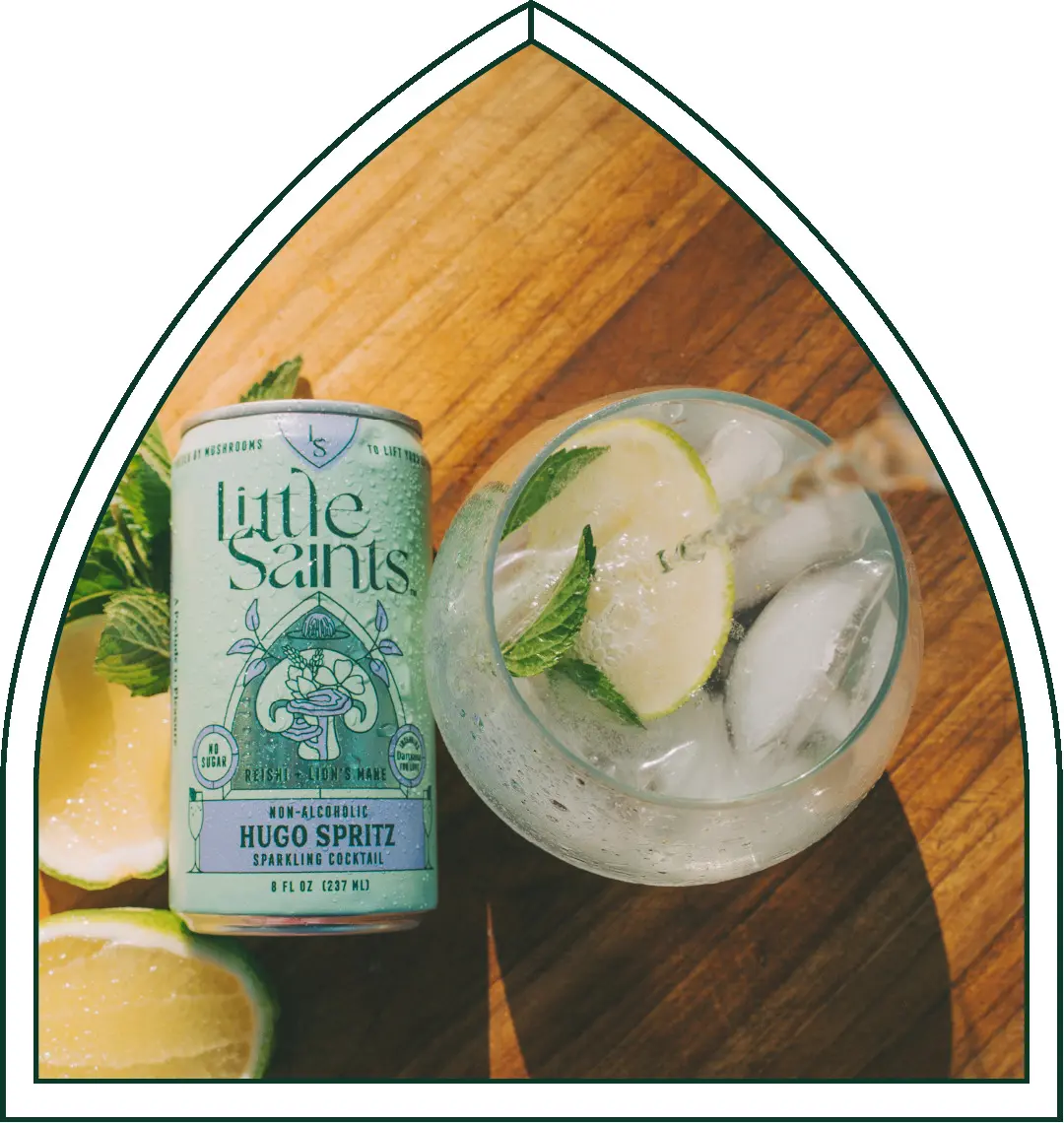
If this evening-focused profile fits your routine, explore the full range of Little Saints non-alcoholic cocktails and spirits.
Hydration and Electrolytes
The electrolyte category at Whole Foods spans several formats and formulations. The table below compares three common options on dose transparency, benefit, and approximate price.
| Brand | Benefit | Approx. Price | Dose Transparency |
|---|---|---|---|
| Liquid I.V. | Electrolytes + vitamins | ~$1.56/stick | Lists electrolyte amounts on label |
| LMNT | High-sodium electrolyte mix | ~$1.50/stick | Lists electrolyte amounts on label |
| Coconut water | Natural electrolytes | ~$3–4/bottle | Naturally occurring; amounts vary by brand |
The healthiest electrolyte drink depends on your needs and your baseline diet. LMNT is sugar-free with higher sodium, which suits people replacing sweat losses after intense exercise. Liquid I.V. contains some sugar and a broader vitamin profile, which can fit everyday hydration. Coconut water is natural and provides potassium, yet it carries more calories and sugar than either powder option. The North American electrolyte drink market reached $17.82 billion in 2026, reflecting strong consumer demand. Product quality varies, so check the label for sodium, potassium, and sugar content before choosing.
Best for: Post-workout recovery, travel, and daily hydration.
Energy and Focus
Whole Foods stocks a wide range of caffeinated functional options for morning or midday use. Guayaki Yerba Mate (~$2.99 per can) delivers natural caffeine from yerba mate alongside antioxidants. Matcha-based drinks offer a smoother caffeine curve than coffee. Mushroom coffee blends such as those from Four Sigmatic combine caffeine with functional mushroom ingredients, though dose transparency varies by product. Energy drinks generated $31.2 billion in U.S. sales in 2025, making them the top-selling functional beverage segment. The category is shifting toward natural caffeine sources and cleaner labels.
Best for: Morning or midday focus. These are daytime products and are not formulated for the evening occasion.
Why Dose Transparency Matters
Most functional drinks contain what the industry calls a “proprietary blend,” which lists ingredients without stated amounts. That label structure makes it impossible to know whether you are getting a meaningful quantity of any active ingredient or a token inclusion added for marketing purposes. This lack of transparency is likely to change, as future growth in the U.S. functional beverage market is expected to be driven by stricter credibility standards, with retailers potentially introducing third-party scoring for on-pack claims based on dosage, evidence, and sourcing.
Little Saints publishes both figures most brands leave out. Each serving carries a 100 mg dose of mushroom extract at a minimum of 70% beta glucan, backed by certificates of analysis from the supplier. The mushrooms are USDA Organic, grown in California, and extracted with ultrasound rather than chemical solvents. The extract holds GRAS status, which is the FDA standard of “generally recognized as safe” for an ingredient used in food. This combination of stated dose, published beta glucan content, organic certification, and supplier-verified potency turns a functional claim into something you can verify.
How to Choose the Right Functional Drink at Whole Foods
Use this checklist before you add anything to your cart.
- Define your occasion. Morning energy and evening wind-down are different need states that require different formulations. Caffeinated options belong in the morning. Non-caffeinated, evening-specific options like Little Saints fit at the end of the day.
- Check sugar content. A 2026 study presented at NUTRITION found that some prebiotic sodas carry “no added sugar” claims while still containing around 10 grams of total sugars from juice sources. Read the nutrition facts panel, not just the front of the can.
- Look for dose transparency. If a brand lists an ingredient but not an amount, you cannot evaluate whether it is effective. Prefer brands that state both the dose and, for mushroom extracts, the beta glucan content.
- Choose your format. Ready-to-drink cans offer convenience. Powders offer portability and customizable dosing. Spirits offer flexibility for building cocktails at home.
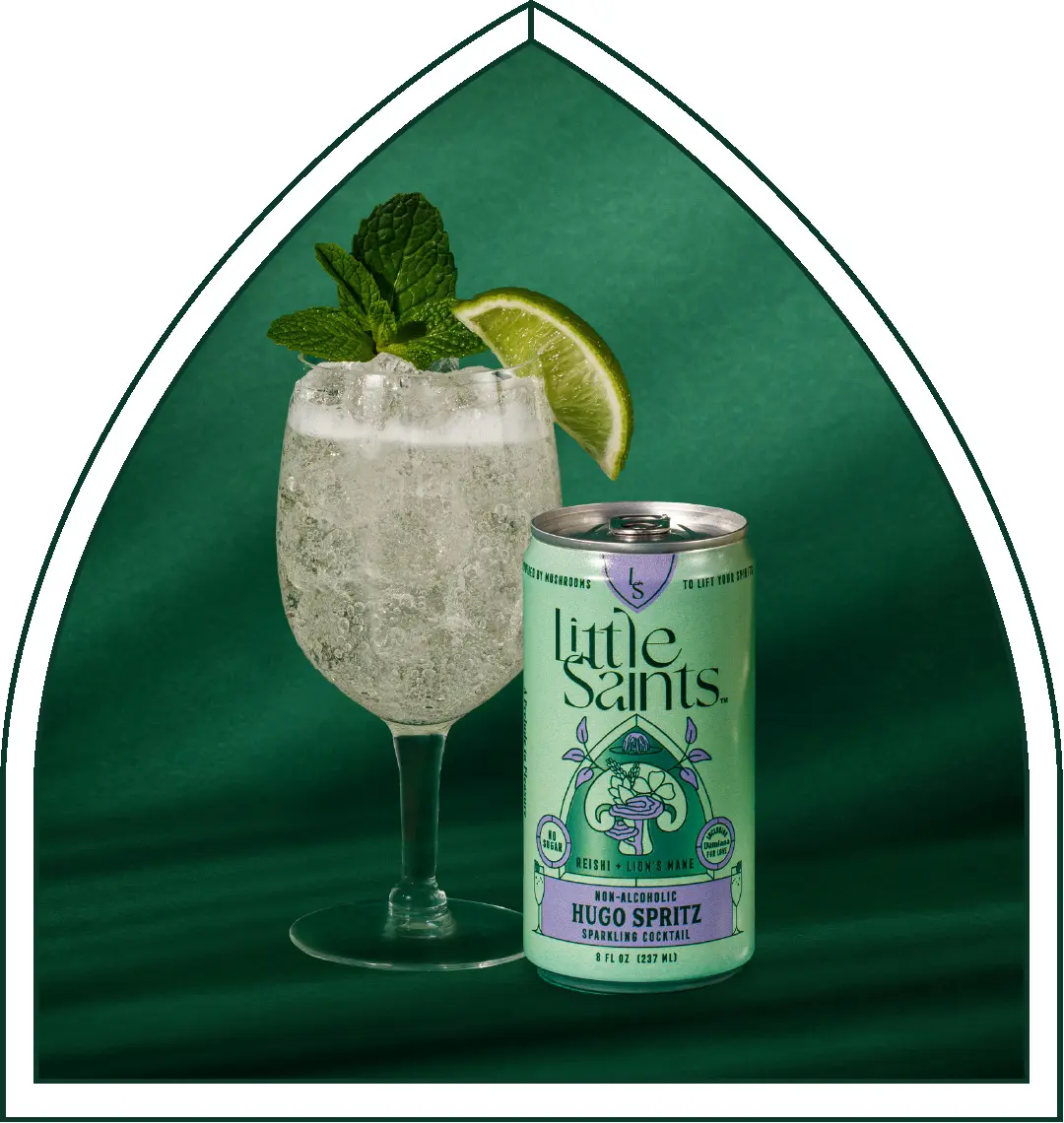
For the evening occasion specifically, Little Saints is the only option at Whole Foods designed for that moment. It delivers a published functional mushroom dose with no caffeine, zero sugar, and five calories. Many customers choose it to avoid alcohol’s impact on sleep while keeping the ritual of a proper evening drink.
Whole Foods Shopping Tips for Functional Drinks
Once you know what to look for, knowing where to find these products in the store saves time.
- Refrigerated section: Kombucha such as Health-Ade and GT's Synergy, plus cold-pressed functional juices.
- Wellness or natural foods aisle: Electrolyte powders such as Liquid I.V. and LMNT, along with mushroom coffee.
- Non-alcoholic beverage section: Prebiotic sodas such as Olipop and Poppi, and adaptogenic drinks including Little Saints.
Little Saints is stocked at Whole Foods in California and Florida. Outside those states, the full range of non-alcoholic cocktails and spirits is available direct-to-consumer, with shipping to all 50 states typically within three days.
Frequently Asked Questions
What are considered functional drinks?
Functional drinks are beverages enhanced with ingredients like probiotics, adaptogens, electrolytes, or botanicals to provide benefits beyond basic hydration, such as supporting gut health, focus, or energy. The category includes kombucha, prebiotic sodas, adaptogenic elixirs, electrolyte powders, and mushroom-based beverages. A functional drink contains an active ingredient at a meaningful dose, although dose transparency still varies widely across brands.
Do functional beverages actually work?
Some functional beverages deliver measurable benefits, and results depend on the ingredient, the dose, and the quality of the formulation. Probiotics have the strongest clinical evidence for specific conditions, particularly antibiotic-associated diarrhea and certain gastrointestinal disorders, but effects are strain-specific and not universal. Electrolytes have well-established roles in hydration and recovery. Reishi and Lion's Mane have long histories of traditional use, and research into their properties is ongoing, with current evidence still preliminary and dose-dependent. Dose transparency is the most reliable filter. Look for brands that publish their functional doses and potency figures, such as beta glucan percentage for mushroom extracts, because those details signal confidence in the formulation.
What is the most healthy electrolyte drink?
The healthiest electrolyte drink depends on your situation. LMNT is sugar-free with higher sodium, which makes it well-suited for replacing electrolytes lost during intense exercise. Liquid I.V. contains some sugar alongside a broader vitamin profile, which can work for everyday hydration. Coconut water is natural and provides potassium, yet it carries more calories and sugar than either powder option. For any electrolyte product, check the label for sodium and potassium amounts, total sugar, and calorie count instead of relying on front-of-pack claims.
Are Reishi and Lion's Mane safe to consume?
Reishi and Lion's Mane are generally recognized as safe when consumed in food amounts, and Little Saints' mushroom extract holds GRAS status, which is the FDA standard of generally recognized as safe for an ingredient used in food. As with any functional ingredient, consult your doctor before use if you are pregnant, nursing, taking medications, or managing a medical condition. These statements have not been evaluated by the Food and Drug Administration. This product is not intended to diagnose, treat, cure, or prevent any disease.
Does Whole Foods have a good selection of functional drinks?
Whole Foods carries one of the widest selections of functional beverages in U.S. grocery retail, across kombucha, prebiotic sodas, adaptogenic drinks, electrolyte powders, mushroom coffee, and yerba mate. The store's 365 private-label brand also covers several functional categories at accessible price points. The main challenge is evaluation. A benefit-based framework and a focus on dose transparency help you choose products that deliver on their claims instead of products that only look functional on the shelf.
Conclusion
Shopping for functional drinks at Whole Foods by brand alone leaves you guessing. Shopping by benefit and by dose transparency helps you choose products that actually do what they claim. For gut health, check sugar content and fiber amounts on prebiotic sodas instead of relying on front-of-pack marketing. For hydration, compare electrolyte amounts and sugar content across formats. For energy and focus, match the caffeine source and amount to your timing. For the evening wind-down occasion, which daytime functional drinks do not address, Little Saints is the only Whole Foods option that combines an evening-specific mushroom formulation with zero sugar, five calories, no caffeine, and the published functional mushroom dose described earlier, backed by certificates of analysis.
Explore the full range of non-alcoholic cocktails and spirits with zero sugar, five calories, and a supplement-grade functional mushroom blend in every pour.
These statements have not been evaluated by the Food and Drug Administration. This product is not intended to diagnose, treat, cure, or prevent any disease.
The statements made on our website have not been evaluated by the Food and Drug Administration, Our products are not intended to diagnose, treat, cure or prevent any disease. If you are pregnant, nursing, taking any medications or have any medical conditions, consult your doctor before use.