


Last updated: September 23, 2026
Key Takeaways
- Zebra striping alternates alcoholic and non-alcoholic drinks to reduce total alcohol volume and lower peak blood alcohol concentration (BAC) during social occasions.
- The technique works through simple arithmetic. Replacing alcoholic rounds with non-alcoholic ones cuts consumption and gives the liver more time to metabolize alcohol.
- Benefits include better hydration, reduced hangover severity, improved sleep quality, and sharper next-day focus compared with continuous drinking.
- Success depends on ordering a real non-alcoholic drink with adult flavor complexity rather than water or sugary options that can add extra strain.
- Little Saints non-alcoholic cocktails and spirits are built specifically for the non-alcoholic round, delivering zero sugar, classic cocktail profiles, and functional mushroom blends.
Explore Little Saints Non-Alcoholic Drinks
Why Zebra Striping Works: The Core Mechanisms
Total Volume. The non-alcoholic round replaces an alcoholic one rather than following it. Over a three-hour dinner with six rounds, a one-for-one stripe means three alcoholic drinks instead of six. This arithmetic drives most of the benefit, and many people underestimate its impact.
Peak BAC. The body metabolizes alcohol at a roughly fixed rate, approximately one standard drink per hour. Three drinks consumed in one hour push BAC far higher than three drinks consumed over three hours. By spacing alcoholic drinks further apart with non-alcoholic rounds, zebra striping gives the liver more time to clear ethanol between drinks. This lowers peak BAC across the night compared with the same number of drinks taken back to back. Researchers Cathy Montgomery and Abi Rose of Liverpool John Moores University, writing in The Conversation, confirm that alternating drinks slows overall consumption, reduces peak BAC at any given point, and tends to reduce total drinks consumed.
Hydration. Alcohol acts as a diuretic. It increases urination and causes fluid loss that contributes to dehydration and electrolyte imbalance. The non-alcoholic round is also a fluid round. Replacing a drink with a zero-alcohol option reduces the dehydrating load that contributes to next-day headache and fatigue.
Sleep Architecture. Alcohol disrupts sleep architecture in a dose-dependent way. A 2024 systematic review and meta-analysis in Sleep Medicine Reviews, pooling 27 controlled studies of healthy adults, found a clear dose-response relationship. REM sleep was measurably delayed and shortened starting at doses as low as roughly two standard drinks, worsening progressively with each additional drink. Fewer total drinks over a night mean less disruption to the sleep the next morning's recovery score depends on. Many people reach for non-alcoholic options because they want to protect that sleep.
Plan Your Non-Alcoholic Rounds
The Benefits Of Zebra Striping: What It Actually Improves
Hydration. Replacing a dehydrating alcoholic drink with a fluid non-alcoholic one offsets some of the fluid loss alcohol causes. Alternating alcohol with water or non-alcoholic beverages can help ease common hangover symptoms such as thirst, dizziness, and headaches that are partly driven by dehydration. One practical note: carbonated soft drinks can speed alcohol absorption because the bubbles increase pressure in the stomach and push alcohol into the small intestine faster. Still or lightly sparkling options work better for the non-alcoholic round.
Hangover Severity. Hangover severity closely tracks the total amount of alcohol consumed, and people who process and eliminate alcohol faster report less severe hangovers. Reducing total volume reduces the toxic byproducts, including acetaldehyde, that drive morning-after symptoms. Zebra striping eases hangovers by cutting total consumption.
Sleep Quality. Even a single drink produces a measurable change in overnight recovery metrics including resting heart rate during sleep, heart rate variability, and total sleep, according to a 2026 study in PLOS Digital Health analyzing wearable data from nearly 21,000 adults. Lowering total alcohol intake over a night reduces the degree of disruption to REM and slow-wave sleep.
Next-Day Clarity. A 2018 systematic review published in Addiction found that alcohol hangover impairs sustained attention, working memory, and psychomotor performance the day after drinking, typically persisting once BAC has returned to zero. Fewer drinks and better sleep translate directly to sharper focus the next morning. That outcome matters most to someone checking a recovery score before a 7am meeting.
Social Stamina. Zebra striping helps a person stay at the table for the full three hours. Many people otherwise switch to water after two drinks or leave early. As Little Saints founder Megan Klein puts it: "We were not fighting alcohol. We were fighting someone’s second or third drink being water. People want to go out and still socialize with their friends and sit there for three hours. They just do not want to have four drinks anymore."
What Zebra Striping Does Not Solve
Zebra striping still includes alcoholic drinks. Their effects on BAC, sleep, and next-day performance remain, scaled to how many drinks a person has.
Montgomery and Rose of Liverpool John Moores University are direct: "Zebra striping doesn't prevent hangovers in itself, because alternating drinks and staying hydrated does not counteract the biological processes that cause hangovers." Zebra striping does not cure hangovers.
Zebra striping also does not make a high-volume night equivalent to a low-volume one. If the overall number of alcoholic drinks stays high, because the evening extends or stronger drinks fill the alcoholic rounds, the benefits fade. The technique works through arithmetic. When the arithmetic changes, the effect changes.
Zebra striping reduces the tax alcohol takes on sleep, recovery, and next-day focus, but it does not eliminate that tax.
The Playbook: How To Run A Zebra-Striped Night
Zebra striping delivers the most benefit when the plan feels intentional and the non-alcoholic round feels satisfying. Use this simple playbook to set that up.
- Decide The Ratio Before You Arrive. The most common approach is one-for-one: one alcoholic drink, one non-alcoholic drink, repeat. A less strict version caps the number of alcoholic drinks for the evening and fills the remaining rounds with non-alcoholic options. Either pattern works. A decision made in advance usually holds up better than one made after the second round.
- Order A Real Drink For The Non-Alcoholic Round. This step is where most zebra-striping attempts fall apart. The non-alcoholic round often becomes a glass of sparkling water, a soda, or a sugary juice. Those options rarely feel like a drink and often invite the question "why are you not drinking?" Some practitioners note that sugary sodas and juices can add extra strain on top of what the alcohol itself is doing, leaving a person feeling more drained the next day rather than less.
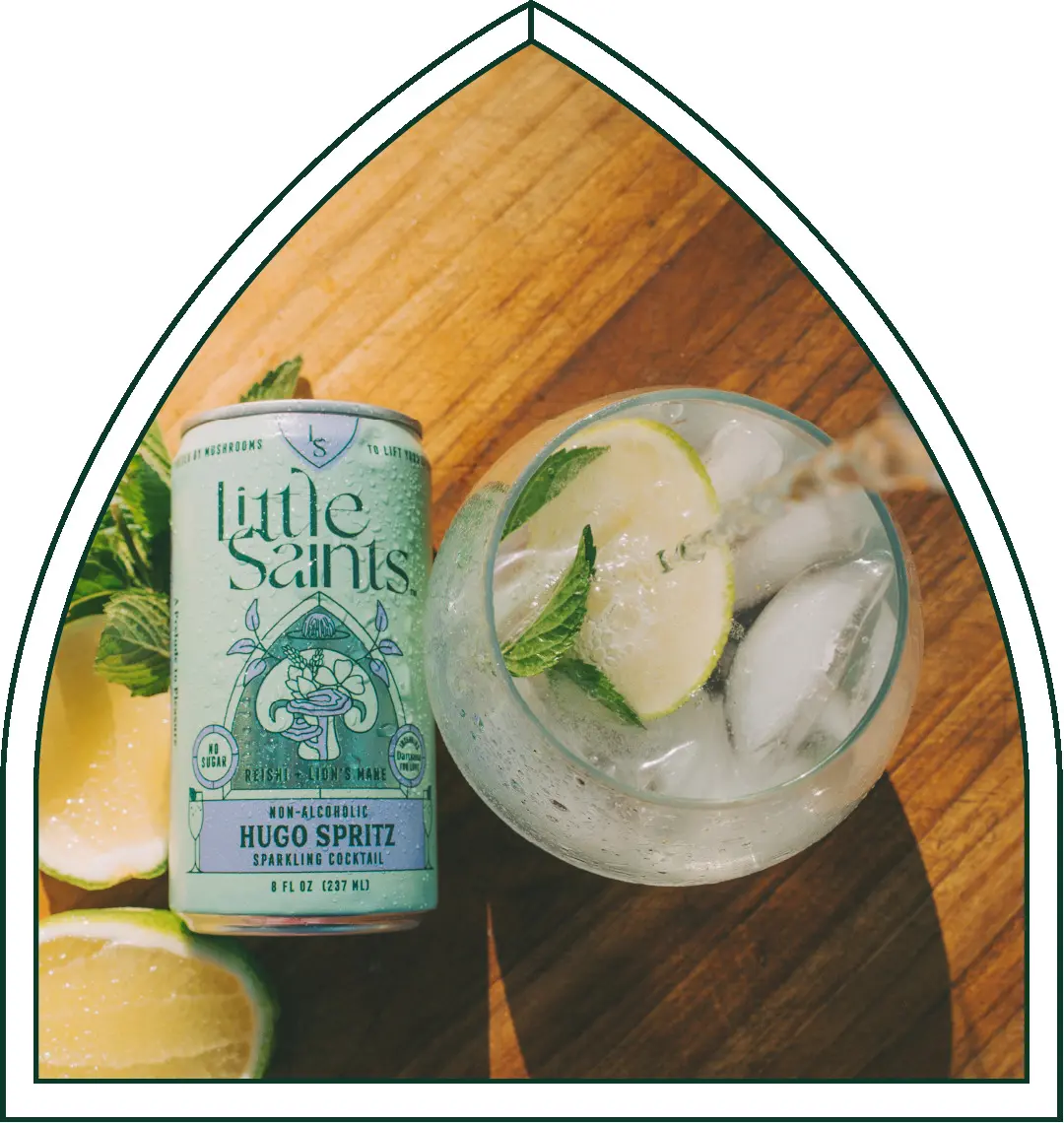
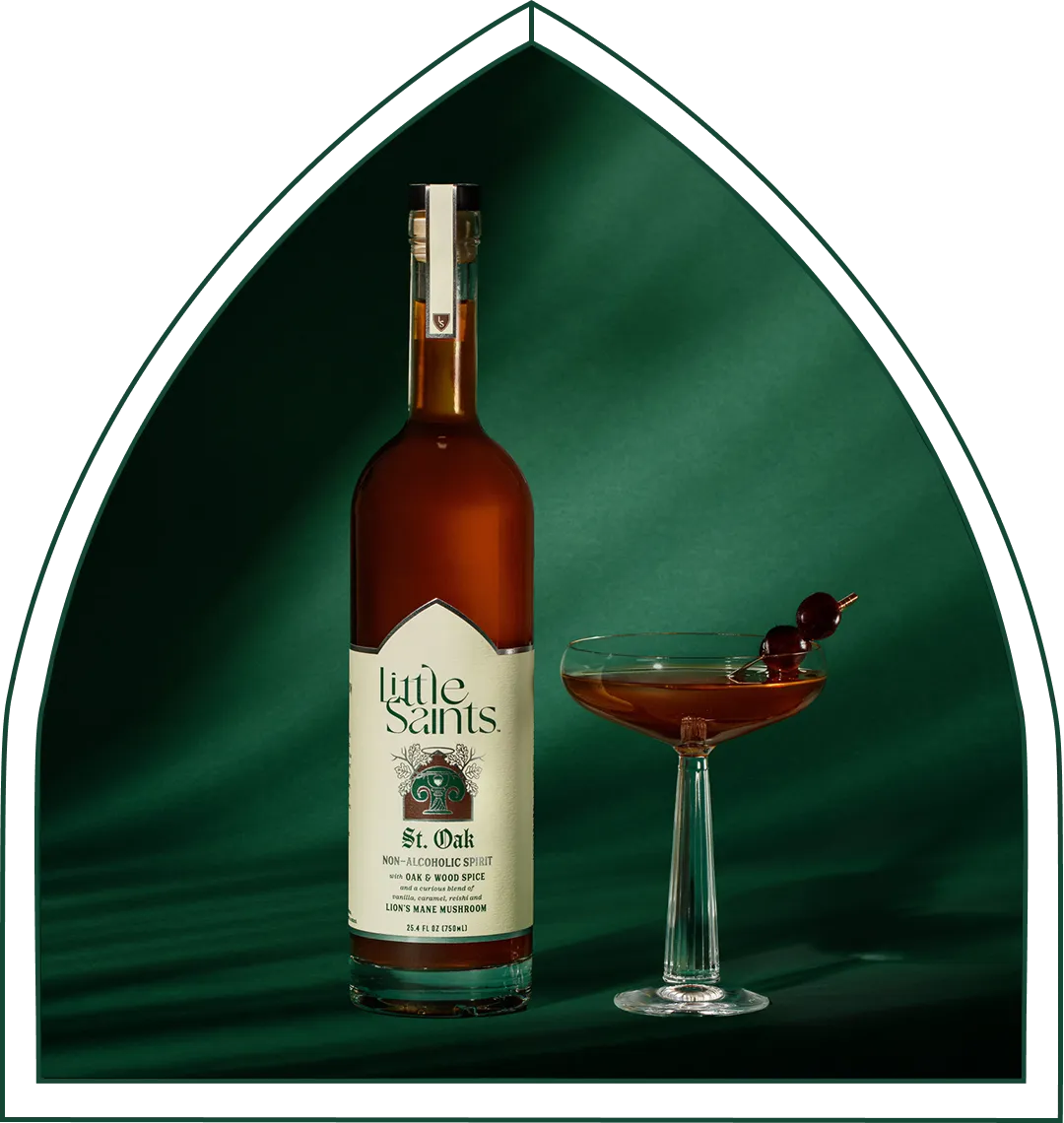
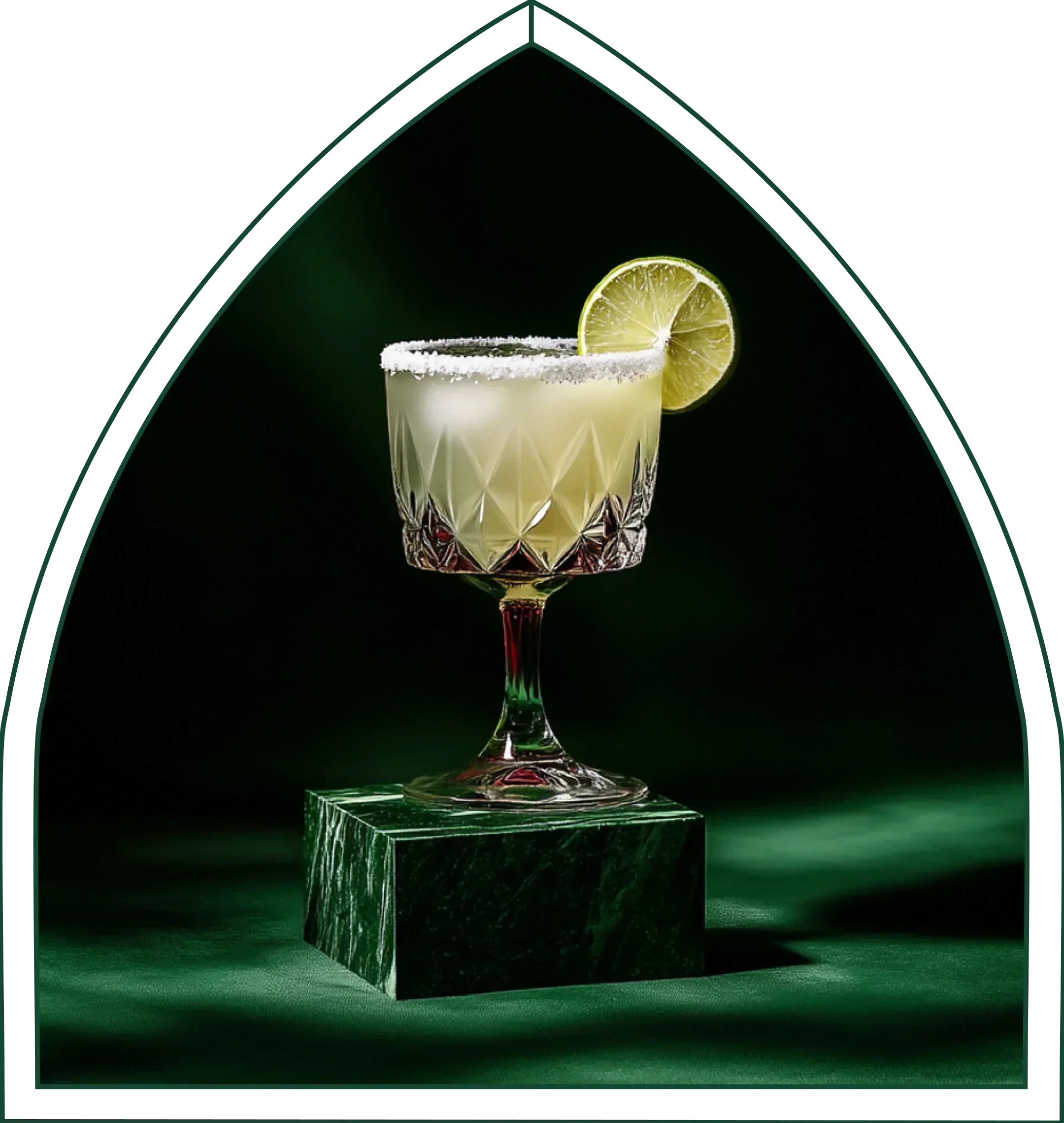
- Make The White Stripe A Little Saints Moment. Little Saints is built specifically for this round. The non-alcoholic cocktails include Classic Margarita, Negroni Spritz, Old Fashioned, Paloma, Mojito, Classic Spritz, and Hugo Spritz. They carry zero grams of sugar and five calories per can, sweetened with monk fruit. The non-alcoholic spirits, St. Ember, St. Juniper, and St. Oak, mix 1:1, so two ounces replace two ounces in any classic cocktail spec. The non-alcoholic round becomes a real cocktail that feels like part of the occasion. Every expression includes a functional mushroom and botanical blend at a stated 100mg dose per serving. Extracts are at a minimum of 70% beta glucan, documented by supplier certificates of analysis. That combination creates the Little Saints Lift, a sense of clarity and ease that makes the white stripe worth ordering.
- Pace Across The Whole Sitting. The goal is to stay at the table comfortably. Because the first drink tends to set the pace for the whole night, placing a non-alcoholic drink early in the sequence breaks the pattern before it forms rather than trying to correct it after three drinks. Starting the stripe from round one usually works better than starting it from round three.
- Handle The Social Friction Smoothly. Holding a glass, any glass, quietly defuses the social pressure to keep up. A Little Saints non-alcoholic cocktail in proper glassware, with color and garnish, blends into the table’s ritual. Nobody needs to know what is in it, and nobody needs to ask.
Zebra Striping Vs. Dry January: Different Tools, Different Jobs
Dry January acts as a bounded reset: one month, no alcohol, a defined start and end date. It can help recalibrate a relationship with drinking, and about 30% of Americans participated last year, a 36% jump from the prior year according to Circana. The limitation is structural. It is a challenge with a finish line, and behavior after the finish line is not governed by the challenge.
Zebra striping functions as a standing adjustment to drinking behavior that can show up any night, any time of year, without requiring abstinence or a public commitment. It keeps the drinking ritual intact, which makes it easier to sustain than a dry month for moderate social drinkers who still want to participate in drinking occasions. The two approaches address different needs. Dry January is a reset. Zebra striping is an ongoing practice.
In practice, a person who zebra stripes through February, March, and every month after that will usually accumulate more benefit over a year than someone who completes Dry January and returns to previous patterns in February. A Civic Science analysis found that only about 25% of Dry January participants successfully abstained 100%, which suggests that for many people, a moderation-based approach may feel more realistic than a full elimination challenge.
Conclusion: Make The Rotation Worth It
Zebra striping is about pacing drinks, not skipping them. By alternating alcoholic and non-alcoholic rounds, a person lowers total alcohol volume and peak BAC, reduces disruption to sleep architecture, and arrives the next morning with more recovery intact. The technique is already mainstream. Forty-seven percent of on-premise visitors mix alcoholic and non-alcoholic options in the same occasion, per From Value to Vibe, NIQ, January 2026. It works through simple arithmetic and pacing.
The non-alcoholic round often determines whether the rotation feels worth it. A glass of sparkling water rarely feels like a drink. A sugary soda adds its own next-day cost. The white stripe works best when it delivers adult flavor complexity, zero sugar, and no caffeine, and when it holds its own in a glass next to the cocktails already on the table.
Little Saints is built for exactly that round. The lineup offers zero sugar, five calories, and classic cocktail flavor profiles across seven canned cocktails and three non-alcoholic spirits. The same supplement-grade functional mushroom and botanical blend mentioned earlier powers every pour. The spirits mix 1:1, so any recipe works unchanged. St. Oak was named Best NA Spirit of 2025 by the BevNET Spirit Awards. The brand ranked #103 overall and #1 beverage company on the 2026 Inc. 5000, based on three-year revenue growth.
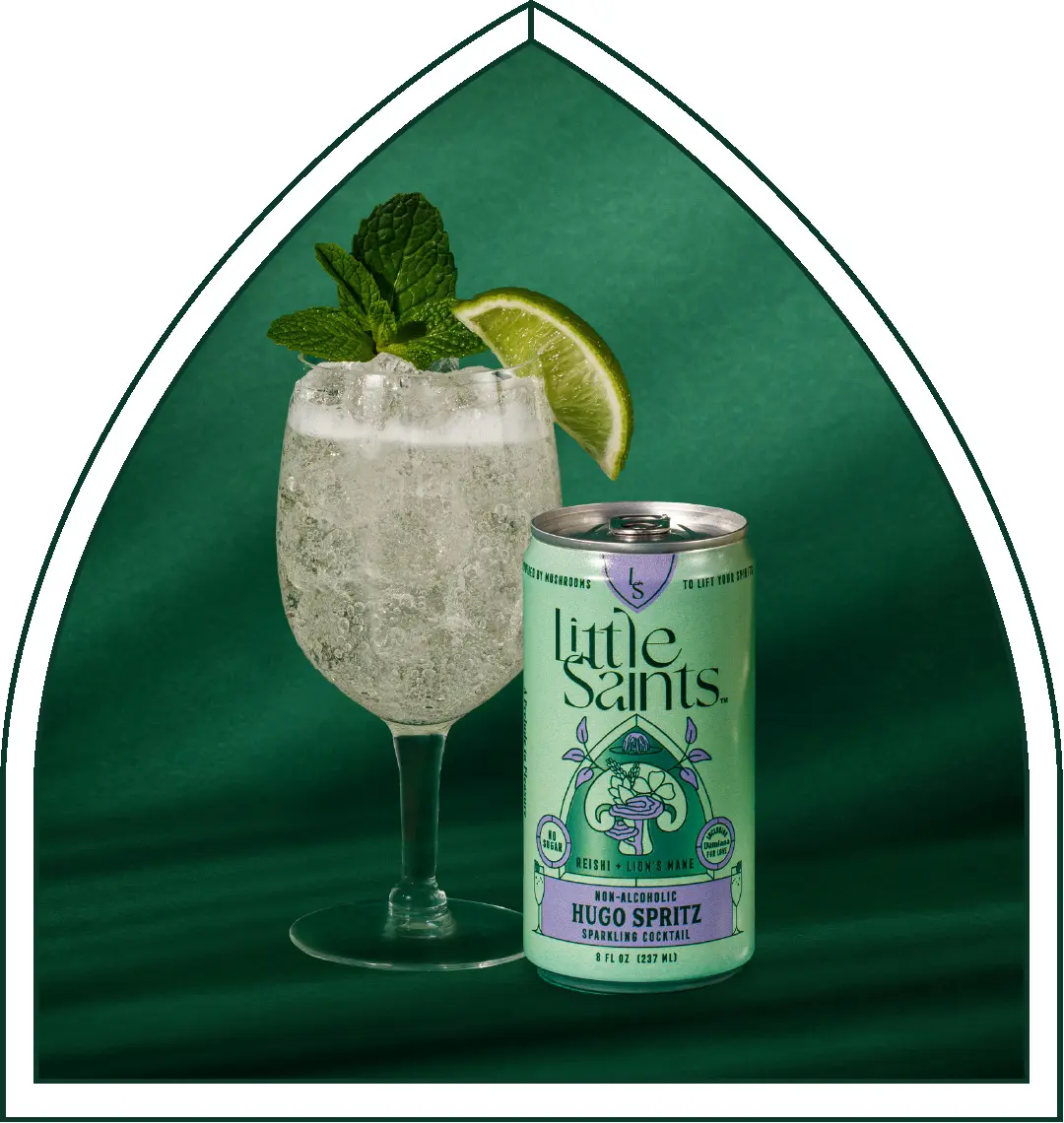
The rotation is only as good as what goes in the white stripe. Make that choice count.
Choose Your Little Saints Favorites
These statements have not been evaluated by the Food and Drug Administration. Little Saints products are not intended to diagnose, treat, cure, or prevent any disease. Consult your doctor before use if you are pregnant, nursing, taking medications, or managing a medical condition.
The statements made on our website have not been evaluated by the Food and Drug Administration, Our products are not intended to diagnose, treat, cure or prevent any disease. If you are pregnant, nursing, taking any medications or have any medical conditions, consult your doctor before use.