


Key Takeaways
- An adaptogen Moscow Mule keeps the classic ginger-lime-fizz profile and adds a clearly stated functional dose, including milligrams and beta glucan content.
- This recipe uses 100 mg of Reishi extract at a minimum of 70% beta glucan per serving, with supplier certificates of analysis, so the drink delivers a real functional effect.
- Little Saints St. Ember or St. Juniper work as a 1:1 non-alcoholic base, so you keep cocktail viscosity, burn, and pour cost without changing the recipe.
- Build order matters: add the Reishi dose to the lime-spirit base before the ginger beer so carbonation stays intact and the adaptogen disperses evenly.
- Little Saints is the only non-alcoholic spirit alternative that prints both the exact 100 mg dose and 70% beta glucan potency on every can.
Adaptogen Moscow Mule Ingredients
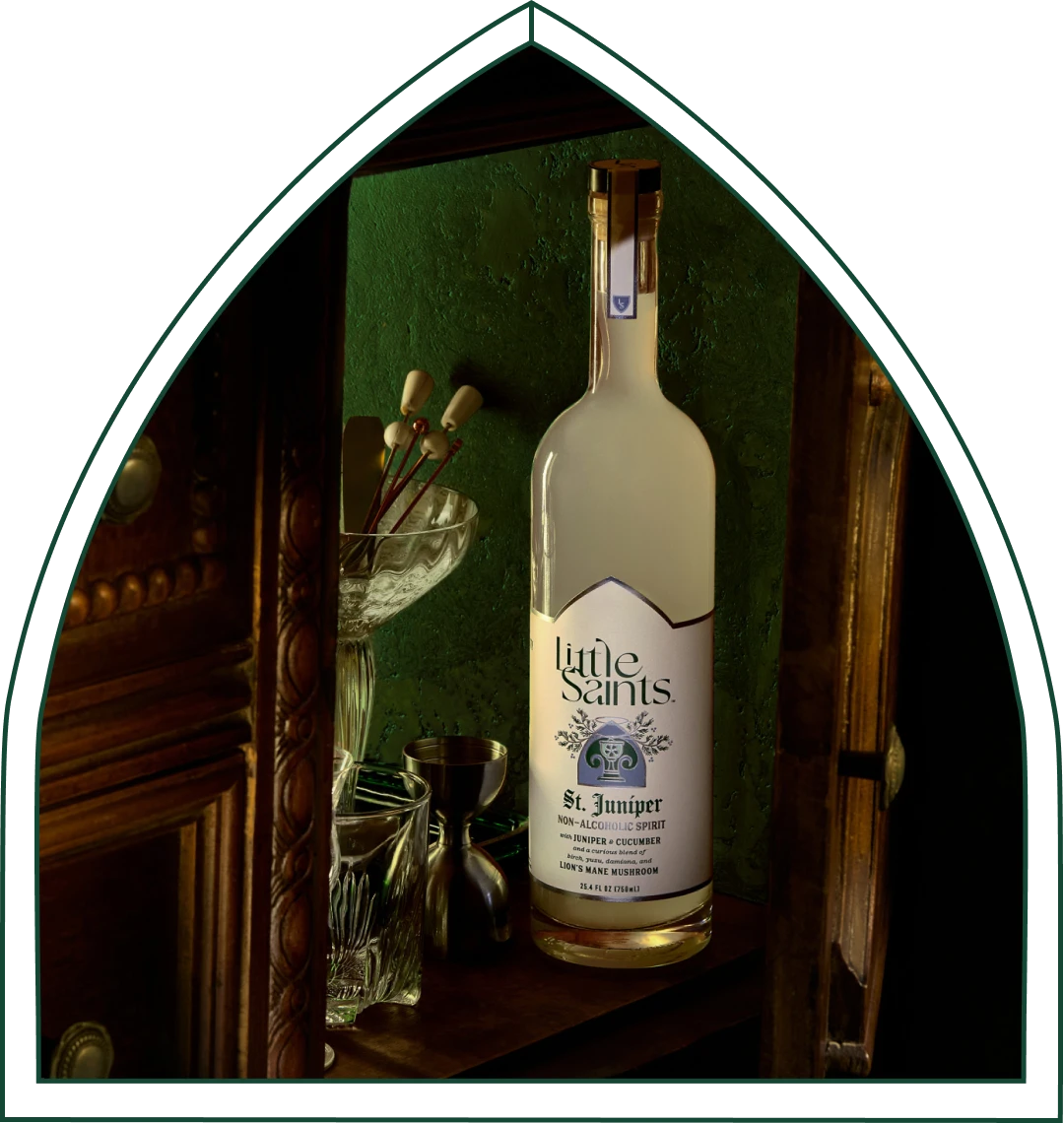
- 2 oz Little Saints St. Ember (mixes like a mezcal, spicy, smoky, woodsy) or St. Juniper (mixes like a gin, juniper-forward, herbaceous, citrus-ready)
- Reishi extract at 100 mg per serving, at a minimum of 70% beta glucan backed by supplier certificates of analysis, so the dose in the glass is functional instead of decorative.
- 1 oz fresh lime juice (from approximately one lime)
- 4 oz chilled ginger beer using a high-spice variety so the drink stays sharp instead of flat and sweet
- Ice enough to fill a copper mug or rocks glass
- Lime wheel and fresh mint sprig to garnish
How To Make An Adaptogen Moscow Mule
The build starts with the spirit, lime, and Reishi, then finishes with ginger beer so the fizz stays strong and the adaptogen spreads evenly through the drink.
- Fill a copper mug or rocks glass with ice. Pack it full so the drink stays cold and the ginger beer holds its bubbles.
- Add 2 oz of St. Ember or St. Juniper and 1 oz of fresh lime juice. Stir briefly so the spirit and citrus form a smooth base.
- Stir in the Reishi dose until fully dispersed. If you are using a Little Saints product, the Reishi already sits in the liquid, so this step is covered. If you are adding a standalone extract, stir it into the lime-spirit base for 10 to 15 seconds before anything carbonated enters the glass so the powder disperses instead of sitting on the foam.
- Top slowly with 4 oz of chilled ginger beer. Pour down the side of the mug to preserve carbonation.
- Stir gently once, then garnish with a lime wheel and a fresh mint sprig. Serve immediately while the fizz is at its peak.
Get The 1:1 Base For This Build
Why Reishi Is The Adaptogen For A Moscow Mule
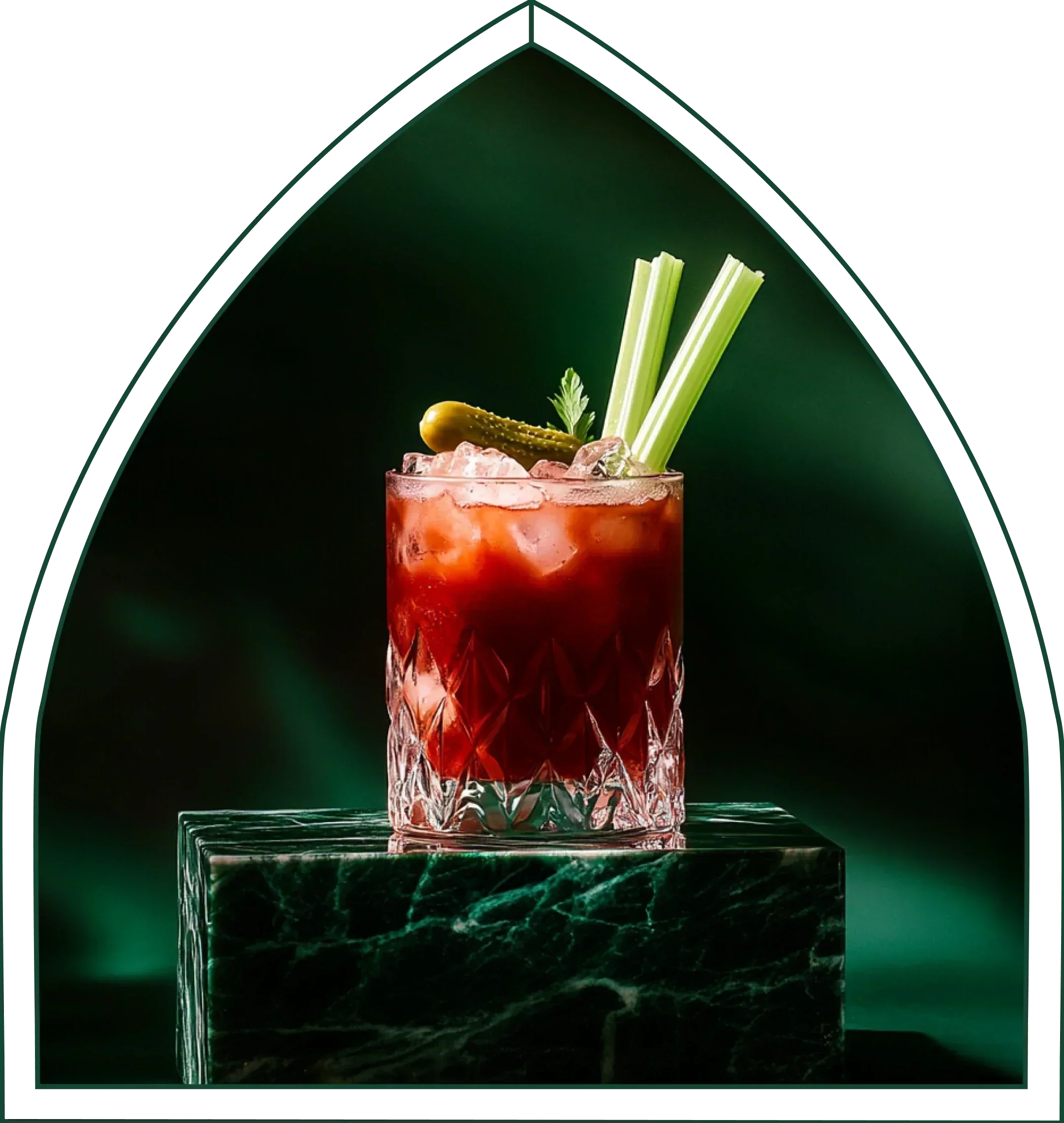
Reishi fits an evening mule because it supports a settling, wind-down state instead of a wired, daytime focus. It has a long history of traditional use as an adaptogen in that role. Its earthy, slightly bitter notes stand up to bold ginger and bright lime without taking over, so the drink still tastes like a cocktail.
Little Saints pairs Reishi with Lion's Mane for focus and Damiana for warmth and connection. Botanical terpenes form the fourth layer. These aromatic compounds create the nose you smell when you lift the mug and give the drink a cocktail-like aroma instead of a supplement smell.
How Much Adaptogen Belongs In A Moscow Mule
Choosing Reishi is only half the decision; the other half is how much actually goes in the glass. The effective dose is 100 mg of Reishi extract at a minimum of 70% beta glucan per serving. That level separates a functional drink from a flavored one.
Beta glucan is the part of the mushroom that carries its adaptogenic properties. Many powders skip both the milligram dose and the beta glucan figure, so you cannot tell whether the amount in the glass does anything. A clearly stated 100 mg at a minimum of 70% beta glucan, backed by certificates of analysis, sets a reliable standard.
To see why concentration matters, compare it with common mushroom forms. A fresh whole mushroom sits around 0.1% beta glucan, so a 70% extract is up to 700 times more concentrated. A dried, ground mushroom sits around 1%, so the same extract is roughly 70 times more concentrated. Keep each multiple tied to its baseline: 700x against the whole mushroom, 70x against the dried and ground form. Finished supplements sit lower than food forms. Quality fruiting-body extracts typically run 20–40% beta glucan, and mycelium-on-grain powders test in the low single digits. At 70%, the extract sits at the top of that range.
Little Saints publishes both figures that many products leave out. Each serving carries the 100 mg dose at a minimum of 70% beta glucan, verified by supplier certificates of analysis and covered by GRAS status, the FDA standard of generally recognized as safe for food ingredients.
How The Non-Alcoholic Build Works
This recipe starts non-alcoholic by design. St. Ember and St. Juniper substitute 1:1, so two ounces replace two ounces of the spirit they are built to mix like, with St. Ember in the tequila or mezcal lane and St. Juniper in the gin lane. The recipe keeps the same pour cost and the same two-ounce measure, so nothing needs to be re-costed or re-measured.
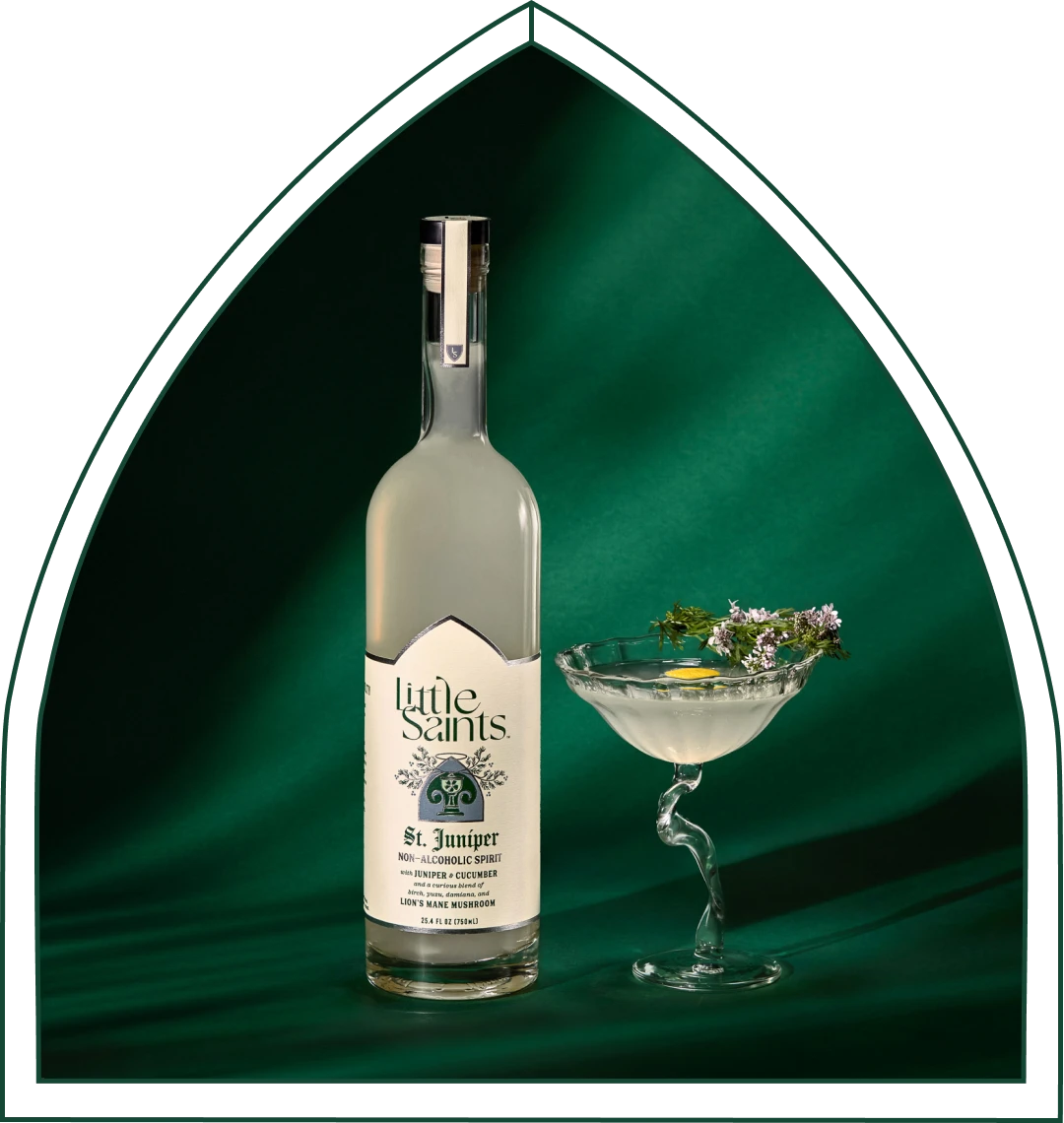
This 1:1 ratio comes from oil-based craft extracts instead of flavored water. First-generation non-alcoholic spirits often needed two to three times the pour to show up in a cocktail. St. Ember and St. Juniper register at standard cocktail volumes.
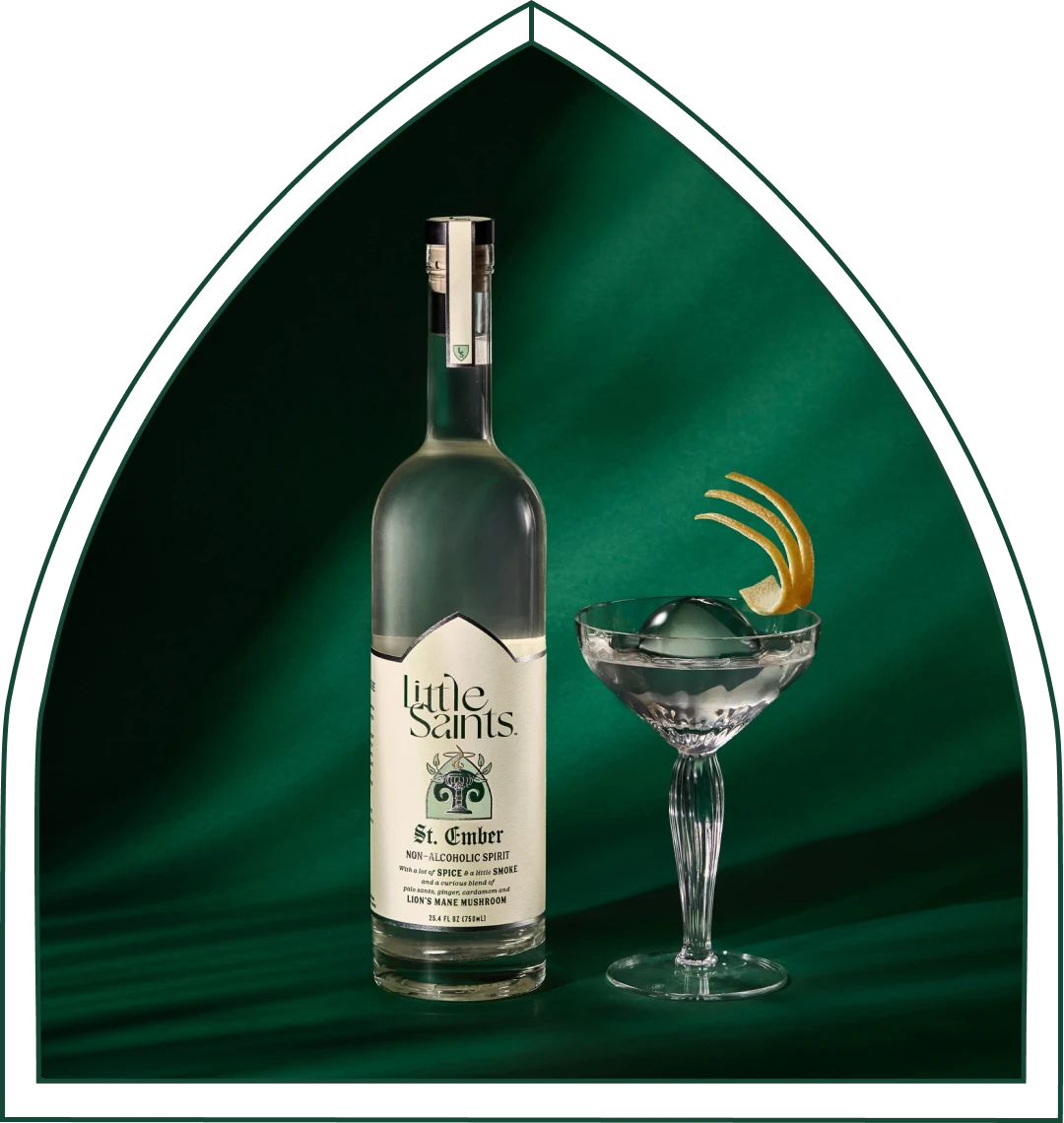
St. Ember mixes like a mezcal, spicy, smoky, and woodsy and brings a built-in burn from cardamom and capsicum that lands at the back of the throat. St. Juniper mixes like a gin, with juniper, birch, and herbaceous notes that sit cleanly against lime and ginger. These bases behave like spirits in a build, holding their own over ice, keeping viscosity from the Lion's Mane extract, and preventing the drink from thinning out like flavored water.
The non-alcoholic build also matches how people now drink. NIQ's From Value to Vibe report (January 2026) found that 47% of on-premise visitors mix alcoholic and non-alcoholic options in the same occasion, a pattern often called zebra striping. This mule fits that pattern as the round that keeps someone at the table without committing them to a full night of alcohol.
Common Mistakes When Making An Adaptogen Moscow Mule
Several predictable errors weaken this drink, and each one is easy to avoid once you know where builds usually go wrong.
Over-pouring a first-generation non-alcoholic spirit. Products built on flavored water often need two to three times the standard pour to show up in a cocktail. St. Ember and St. Juniper are formulated to mix 1:1, so two ounces is the correct measure for this mule.
Adding the adaptogen after the ginger beer. Stirring a powder or extract into a carbonated drink collapses the fizz and leaves the ingredient sitting on the foam. Add the Reishi dose to the lime-spirit base first, stir until dispersed, then add the ginger beer last.
Using a low-spice ginger beer. A mild ginger beer produces a flat, sweet drink that reads like a soft drink. The tension between ginger heat and lime acid forms the backbone of the recipe, so a high-spice ginger beer is essential.
Relying on a token sprinkle of a low-potency powder. A label that lists an “adaptogen blend” without a milligram dose or a beta glucan figure almost always signals an under-dosed product. Look for the same 100 mg and 70% beta glucan standard used in the ingredient list above.
Adaptogen Moscow Mule Vs Classic Moscow Mule
A classic Moscow Mule built with 2 oz of vodka and 4 to 6 oz of standard ginger beer carries roughly 150 to 220 calories per serving. Most of the sugar comes from the ginger beer, which can carry 10 grams or more per serving depending on the brand, with additional calories from the vodka. One well-documented recipe reports 173 calories and 10 grams of sugar per serving for a standard 2 oz vodka, half-ounce lime juice, and 4 to 6 oz ginger beer build.
A Little Saints build carries zero sugar and five calories per can, sweetened with monk fruit juice concentrate instead of cane sugar or sugar alcohols. The ginger-lime-fizz profile stays intact while the calorie and sugar gap widens. That gap is the reason to build the drink this way, so the round that ends the day supports the rest of it.
If you want to apply the same functional base to a different classic structure, the mint-lime build of a mojito works the same way. See the Little Saints Adaptogen Mojito guide for a full recipe built on the same principles.
FAQ
This section gathers the questions drinkers ask most often about dose, flavor, calories, and how to serve this mule at home.
How Much Adaptogen Should I Put In A Moscow Mule?
Use the same 100 mg and 70% beta glucan standard listed in the ingredient section above. That figure appears in the ingredient statement, and the extract's potency is documented by supplier certificates of analysis. When a recipe skips both numbers, the amount in the glass usually acts as flavoring instead of a functional ingredient.
Why Is Reishi The Right Adaptogen For A Moscow Mule?
Reishi supports a wind-down state that fits an evening drink instead of a morning ritual. Its earthy, slightly bitter flavor holds up in a bold ginger-lime build without disappearing. It also carries a long history of traditional use as an adaptogen in this role. Little Saints pairs it with Lion's Mane for focus, Damiana for connection, and botanical terpenes for the aromatic layer that gives the drink its nose.
Does The Little Saints Spirit Substitute 1:1 For Vodka?
Yes. St. Ember and St. Juniper are formulated to mix 1:1, so two ounces replace two ounces of the spirit they are built to mix like, with St. Ember in the tequila or mezcal lane and St. Juniper in the gin lane. Oil-based craft extracts make this possible, which keeps the bottle pouring as far as the one it replaces and keeps the recipe cost stable.
Does It Taste Like Vodka?
St. Ember and St. Juniper do not mimic vodka. St. Ember mixes like a mezcal, spicy, smoky, and woodsy, and St. Juniper mixes like a gin, with juniper and herbaceous notes. Both carry a built-in burn from cardamom and capsicum that lands at the back of the throat. In a ginger-lime-fizz build, what matters most is how the drink behaves in the glass: it holds its own over ice, maintains viscosity, and drinks like a cocktail instead of a soft drink.
How Many Calories And How Much Sugar Are In This Drink?
A Little Saints build carries zero sugar and five calories per can, sweetened with monk fruit juice concentrate. A classic Moscow Mule made with vodka and standard ginger beer usually lands between 150 and 220 calories per serving, with 10 or more grams of sugar from the ginger beer alone. That difference shapes whether the drink supports an evening routine or works against it.
Is There Caffeine In This Drink?
There is no caffeine in the Little Saints core line. The occasion is the evening, and many drinkers reach for this mule to protect their sleep from the disruption that alcohol and caffeine can cause. The functional blend uses organic Reishi, organic Lion's Mane, Damiana, and botanical terpenes.
How Do I Serve It?
Fill a copper mug or rocks glass with ice. Add 2 oz of St. Ember or St. Juniper and 1 oz of fresh lime juice. Stir in the Reishi dose until fully dispersed. Top slowly with 4 oz of chilled, high-spice ginger beer poured down the side of the mug. Stir gently once and garnish with a lime wheel and a fresh mint sprig. Serve immediately while the carbonation is strongest.
Statements about these products have not been evaluated by the FDA. These products are not intended to diagnose, treat, cure, or prevent any disease. Consult a doctor before use if you are pregnant, nursing, taking medications, or managing a medical condition.
Explore Little Saints For Your Next Round
Conclusion: Build It Tonight
An adaptogen Moscow Mule only delivers on its promise when the dose is clear. The ginger-lime-fizz structure already works; the key question is whether the functional ingredient in the glass reaches the same 100 mg and 70% beta glucan standard that defines a meaningful serving.
Little Saints St. Ember and St. Juniper give this build a non-alcoholic base that mixes 1:1, keeps pour cost steady, and carries zero sugar and five calories per can. The recipe runs in five straightforward steps, the dose appears on the label, and the drink is ready to pour tonight.
Build Your Adaptogen Mule Tonight
The statements made on our website have not been evaluated by the Food and Drug Administration, Our products are not intended to diagnose, treat, cure or prevent any disease. If you are pregnant, nursing, taking any medications or have any medical conditions, consult your doctor before use.