


Key Takeaways
- Zero sugar cocktails work best with pure spirits and unsweetened mixers instead of liqueurs, syrups, or sweetened juices.
- Sugar in cocktails comes almost entirely from mixers and additives like triple sec, sweet vermouth, tonic, sour mix, and simple syrup.
- Any unflavored distilled spirit (vodka, gin, tequila, whiskey, rum) is naturally zero sugar when you pair it with soda water and fresh citrus.
- Ordering scripts and simple builds such as Ranch Water, Gin Rickey, and Dry Martini make bar-quality drinks possible without added sugar.
- Little Saints offers zero-sugar, five-calorie canned cocktails and non-alcoholic spirits that fit into the same decision set as alcoholic drinks.
Shop Little Saints Zero Sugar Cocktails
Where Sugar Hides In Everyday Cocktails
The base spirit in a cocktail carries zero grams of sugar. Distillation strips out essentially all residual sugars from the original fermented material, leaving ethanol, water, and trace congeners. Every gram of sugar in a cocktail arrives in what you add to the spirit. The table below maps the most common sugar carriers in cocktails to their sugar load and an easy zero-sugar swap.
| Ingredient | Sugar per Serving | Zero-Sugar Substitute | Source |
|---|---|---|---|
| Triple sec (Cointreau, Grand Marnier) | ~9–13 g per 1 oz | Zero-sugar orange extract or orange bitters | SugarMinder 2026 audit; Telectronichub 2026 analysis |
| Sweet vermouth | Varies by brand; check label | Dry vermouth (~1 g carbohydrate per 2 oz) | SugarMinder 2026 audit; EatHealthy365 2026 guide |
| Standard tonic water | ~24 g per 8 fl oz | Soda water or zero-sugar tonic | SugarMinder 2026 audit |
| Sour mix | 8–12 g per oz | Fresh lime or lemon juice (~10 cal per 0.5 oz) | SugarMinder 2026 audit; Biology Insights |
| Simple syrup | ~16 g per 1 oz | Monk-fruit or allulose simple syrup | EatHealthy365 2026 guide |
| Flavored rum and flavored spirits | Varies; ~3–6 g per 1.5 oz | Unflavored expression of the same spirit | DrinkLeader clear spirits comparison |
A few specific callouts help when you scan a menu.
Triple sec and orange liqueurs run sweet. Cointreau delivers roughly 12 g sugar per 1.5 oz pour, and Grand Marnier is similar. A few dashes of orange bitters or a zero-sugar orange extract give you the flavor without the sugar.
Sweet vermouth varies by brand, so labels matter. The SugarMinder 2026 audit puts a Negroni with sweet vermouth at 4 g sugar per 3 oz drink. Dry vermouth carries about 1 g carbohydrate per 2 oz, which keeps sugar almost off the board.
Flavored rum and flavored spirits such as spiced rum, vanilla vodka, and honey or cinnamon whiskeys can add several grams of sugar per shot, and because there is no labeling requirement to disclose it, you cannot see the exact amount on the bottle. The safest move is to substitute the unflavored expression of the same spirit, which carries zero sugar by definition.
Standard tonic water delivers approximately 24 g sugar per 8 fl oz, comparable to a regular soda. Swapping standard tonic for soda water or a zero-sugar tonic removes the single biggest sugar source in many highballs.
Sour mix is essentially diluted simple syrup with citric acid, at 8–12 g sugar per ounce. Fresh citrus is the cleaner move, at roughly 10 calories and near-zero sugar per half ounce of fresh lime or lemon juice.
Simple syrup brings about 16 g sugar per 1 oz pour. A monk-fruit or stevia-based zero-sugar simple syrup keeps the texture without the sugar hit.
Grenadine and fruit juices stack sugar quickly. A 4 oz pour of pineapple juice starts a drink with over 15 g of sugar before anything else goes into the glass.
The full list of mixers and additives to avoid looks like this:
- Triple sec, Cointreau, Grand Marnier, and other orange liqueurs
- Sweet vermouth
- Flavored rum, vanilla vodka, honey and cinnamon whiskeys
- Standard tonic water
- Pre-bottled sour mix
- Simple syrup, grenadine, and agave
- Juice-forward mixers: pineapple, cranberry cocktail, orange
A regular soda carries approximately 35–40 grams of sugar. Choosing spirits does not need to mean trading alcohol for that level of sugar.
Skip The Sugar, Shop Zero-Sugar Cocktails
What Alcohol Fits A No Sugar Diet
Any unflavored distilled spirit works on a no sugar diet when you pair it with the right mixer. As noted earlier, distillation removes the residual sugars, which is why pure distilled spirits carry zero or near-zero sugar and carbohydrates. The mixer, not the spirit, is where the sugar comes from.
At 80-proof, vodka, gin, tequila, white rum, and whiskey all deliver roughly 96–97 calories per 1.5 oz shot with 0 g carbs. Higher-proof spirits carry more calories per shot. A 94-proof pour runs about 116 calories and 100-proof about 124. All figures are before any mixer.
Here is where each spirit stands:
- Vodka has zero sugar and zero carbs at 80-proof when unflavored. Flavored vodkas vary. Some are unsweetened, while whipped or dessert-style expressions often add sugar, so labels and questions matter.
- Gin carries zero sugar and zero carbs. Botanicals infuse through distillation, not added sweetener, which makes gin a reliable zero-sugar base.
- Tequila (blanco) has zero sugar and near-zero carbs. Look for 100% agave on the label. Mixto tequilas only need to be 51% agave and may contain undisclosed additives including sugar-based syrups.
- Whiskey sits at zero sugar and zero carbs when unflavored. Honey, cinnamon, and apple whiskey expressions are the ones that require label checking.
- Rum (white) is zero sugar and near-zero carbs when unflavored. Spiced and flavored rums can add several grams per shot with no disclosure requirement.
On hard seltzer: Hard seltzer labels vary and many carry residual sugar or carbohydrates, so read the label rather than assuming the category is sugar-free. Most hard seltzers run around 100 calories per 12 oz can at 5% ABV with 1–2 g carbs, which is not zero. And because a 12 oz can is larger than a standard 1.5 oz spirit pour, the per-drink comparison is not always straightforward.
The blood sugar picture matters alongside the sugar content. Alcohol suppresses gluconeogenesis, the liver's production of new glucose, which can cause blood glucose to fall hours after drinking, including overnight. That effect does not depend on how much sugar sits in the mixer. A spirit with soda water and fresh lime is the lowest-sugar standard order at most bars, but anyone managing blood glucose closely should also account for the alcohol itself. Consult your doctor for guidance specific to your situation.
Zero Sugar Cocktails To Order At A Bar
Clear ordering language makes zero-sugar choices easy at any bar. These literal scripts work without sounding difficult:
- “Tequila soda with fresh lime, no sour mix.”
- “Gin, soda, two dashes of orange bitters, no tonic.”
- “Vodka soda with a lime wedge, please.”
- “Ranch Water, blanco tequila, fresh lime, topped with sparkling mineral water.”
- “Dry martini, extra dry, with a twist.”
- “Whiskey neat, water back.”
When a house cocktail sounds good but the ingredients are unclear, ask directly: “What is in your house margarita, and does it use sour mix or triple sec?” Bartenders answer that kind of question all night, and it often leads to a better drink.
Ordering well matters most on the second and third drink, which is often where the sugar and the calories accumulate. Alternating alcoholic and non-alcoholic drinks is ordinary social behavior that now has a name. NIQ puts this practice at 47% of on-premise visitors mixing alcoholic and non-alcoholic options in the same occasion, and 93% of non-alcohol buyers also purchase alcohol. The non-alcohol pour is added to the check, not subtracted from it. The drink that keeps someone at the table for round three replaces what would otherwise have been a water.
For more on building a zero-sugar bar program at home, see Zero Sugar Cocktails: Recipes, Mixers & Tips.
Zero Sugar Cocktail Recipes
These 12 builds are ranked editorially by flavor complexity at zero sugar. The vodka soda is the floor, not the ceiling. Each entry includes a build, a note on why it works, and a watch-for line where relevant.
-
Ranch Water uses 2 oz blanco tequila, 1 oz fresh lime juice, topped with sparkling mineral water. The mineral water's salinity and aggressive carbonation do the work tonic would do, without the sugar load of the standard version. Watch for: some bars reach for lemon-lime soda instead of mineral water.
-
Oaxaca Old Fashioned, Zero Sugar uses 2 oz reposado tequila, two dashes orange bitters, and an expressed orange peel, with no sugar cube. Bitters carry the aromatic complexity a sugar cube normally provides, and the tequila's natural agave character fills in the rest.
-
Gin Rickey combines 2 oz gin, 0.75 oz fresh lime juice, and 4 oz club soda. The lime does all the sweetening you need. Zero sugar, and the carbonation lifts the gin's botanicals.
-
Dry Martini uses 2.5 oz gin, 0.5 oz dry vermouth, and a lemon twist. Dry vermouth carries about 1 g carbohydrate per 2 oz, so the whole drink lands under 1 g of sugar. The SugarMinder 2026 audit of 60+ classic cocktails lists the martini at 0 g sugar.
-
Negroni, Zero Sugar uses 1 oz gin, 1 oz Campari, and 1 oz dry vermouth in place of sweet. Swapping sweet vermouth for dry drops the drink from roughly 4 g sugar to near zero while keeping the bitter architecture intact. The Campari's bitterness reads as more pronounced without sweet vermouth to balance it, which many drinkers prefer.
-
Paloma, Zero Sugar uses 2 oz blanco tequila, 0.5 oz fresh lime, 4 oz grapefruit sparkling water, and a pinch of salt. Unsweetened grapefruit sparkling water replaces the grapefruit soda without the sugar load, and the salt sharpens the citrus.
-
Whiskey Highball combines 2 oz whiskey, 4–5 oz soda water, and a lemon twist. The build is simple and completely sugar-free. The carbonation lifts the whiskey's aromatics in a way that neat or on the rocks does not.
-
Mojito, Zero Sugar uses 2 oz white rum, 1 oz fresh lime, 6–8 mint leaves, 0.5 oz monk-fruit simple syrup, and soda water. Monk fruit replaces the simple syrup without a sugar crash. The mint and lime carry the drink, and the sweetener just rounds the edge.
-
Daiquiri, Zero Sugar uses 2 oz white rum, 0.75 oz fresh lime, and 0.25 oz monk-fruit simple syrup. A quarter-ounce of zero-sugar syrup is enough to round the lime without turning the drink into dessert. This is the build the EatHealthy365 2026 guide identifies as a reliable low-sugar modification of the classic.
-
Vodka Martini uses 2.5 oz vodka, 0.5 oz dry vermouth, and an olive or twist. The drink carries zero grams of sugar, and the vermouth adds texture without sweetness. It suits anyone who wants a cleaner profile than the gin version.
-
Moscow Mule, Zero Sugar uses 2 oz vodka, 0.5 oz fresh lime, and 4 oz zero-sugar ginger beer. A zero-sugar ginger beer carries the spice without the 32–38 g per can of the standard version. Watch for: standard ginger beer is the default at most bars, so ask specifically.
-
Vodka Soda With Lime uses 1.5–2 oz vodka, 4–5 oz club soda, and a fresh lime wedge. It sits at the floor of the category and still tastes good when the vodka is good. Zero carbs and roughly 96–97 calories come from the spirit before the soda, which adds nothing.
-
Little Saints Negroni Spritz pours straight from the can over ice with an orange peel. It delivers zero grams of sugar, five calories, and the bitter gentian and orange notes of a Negroni without alcohol or sugar. Watch for: it is a finished cocktail, not a mixer, and belongs in this ranked list because drinkers weigh it against alcoholic options in the same decision set.
For vodka-specific builds and more recipe variations, see The Complete Guide to Zero Sugar Cocktails and 10 Zero Sugar Non-Alcoholic Cocktail Recipes.
Zero Sugar Still Carries Calories
Alcohol itself carries calories at a meaningful level. Each gram of alcohol delivers about 7 calories, closer to fat at 9 kcal per gram than to carbohydrate or protein at 4 kcal per gram. A zero-sugar cocktail is not automatically a low-calorie one. A 1.5 oz pour of 80-proof spirit is roughly 96–97 calories before any mixer. Two drinks land near 200 calories from the spirit alone.
Removing sugar from a cocktail removes the mixer calories, not the spirit calories. A zero-sugar Ranch Water hard seltzer, such as Topo Chico Ranch Water (4.7% ABV, 0 g total sugar), contains 100 calories per 12 fl oz can. A zero-sugar Negroni made with 3/4 oz each of gin, Campari, and dry vermouth is approximately 130 calories, compared to roughly 280 in a standard Negroni. These are reasonable numbers for an evening drink, but they are not zero.
Little Saints canned cocktails come in at five calories per can and zero grams of sugar. That contrast matters when the choice is between a third alcoholic drink and something else.
Zero Sugar Mixers And Sweeteners
The mixer usually decides whether a cocktail stays zero sugar. Here is what to know about the main options.
Monk fruit gets its sweetness from mogrosides, primarily Mogroside V. Depending on purity and extraction method, it runs 150–250 times sweeter than sucrose. It has a less bitter, more fruity aftertaste than Reb A stevia, which makes it well-suited to citrus-forward cocktail applications. It is the sweetener Little Saints uses across the canned line, with no sugar, no erythritol, and no sugar alcohols.
Stevia gets its sweetness from steviol glycosides. Rebaudioside A (Reb A) runs 200–300 times sweeter than sucrose, while newer Reb M and Reb D extractions have a cleaner, more sugar-like profile with less bitterness. The practical ceiling for Reb A in a beverage before aftertaste becomes a liability is roughly 100–150 parts per million. Reb M and Reb D push that ceiling higher but cost more.
Zero-sugar tonic replaces standard tonic, which carries the 24 g per 8 fl oz noted earlier. Zero-sugar tonic keeps the quinine bitterness identical while removing the sugar.
Zero-sugar simple syrup is easy to make at home. Combine one cup of water with one cup of a granular sugar substitute such as monk fruit or allulose, heat until dissolved, and store refrigerated for up to 2–3 weeks. This is the same method recommended by EatHealthy365's 2026 cocktail sugar guide and produces a syrup that behaves like standard simple syrup in a build.
Avoid standard tonic, pre-bottled sour mix, sweetened juices, and syrups when you want to stay at zero sugar. The category of monk-fruit-sweetened non-alcoholic cocktails has expanded significantly, but most products still carry sugar, so read the label before assuming a non-alcoholic option is a zero-sugar one.
The Non-Alcoholic Option In The Same Decision Set
The non-alcoholic option belongs in the same decision set as the builds above because that is how drinkers think about it. The question at round three usually sounds like “What do I want in my hand right now?” instead of “Alcoholic or non-alcoholic?”
Little Saints answers that question for anyone who wants zero grams of sugar and five calories per can. The functional blend is dosed at 100 mg per serving, at a minimum of 70% beta glucan, and every batch is documented by supplier certificates of analysis. That combination of cocktail-grade flavor, zero sugar, and a verifiable functional dose is rare in the category.
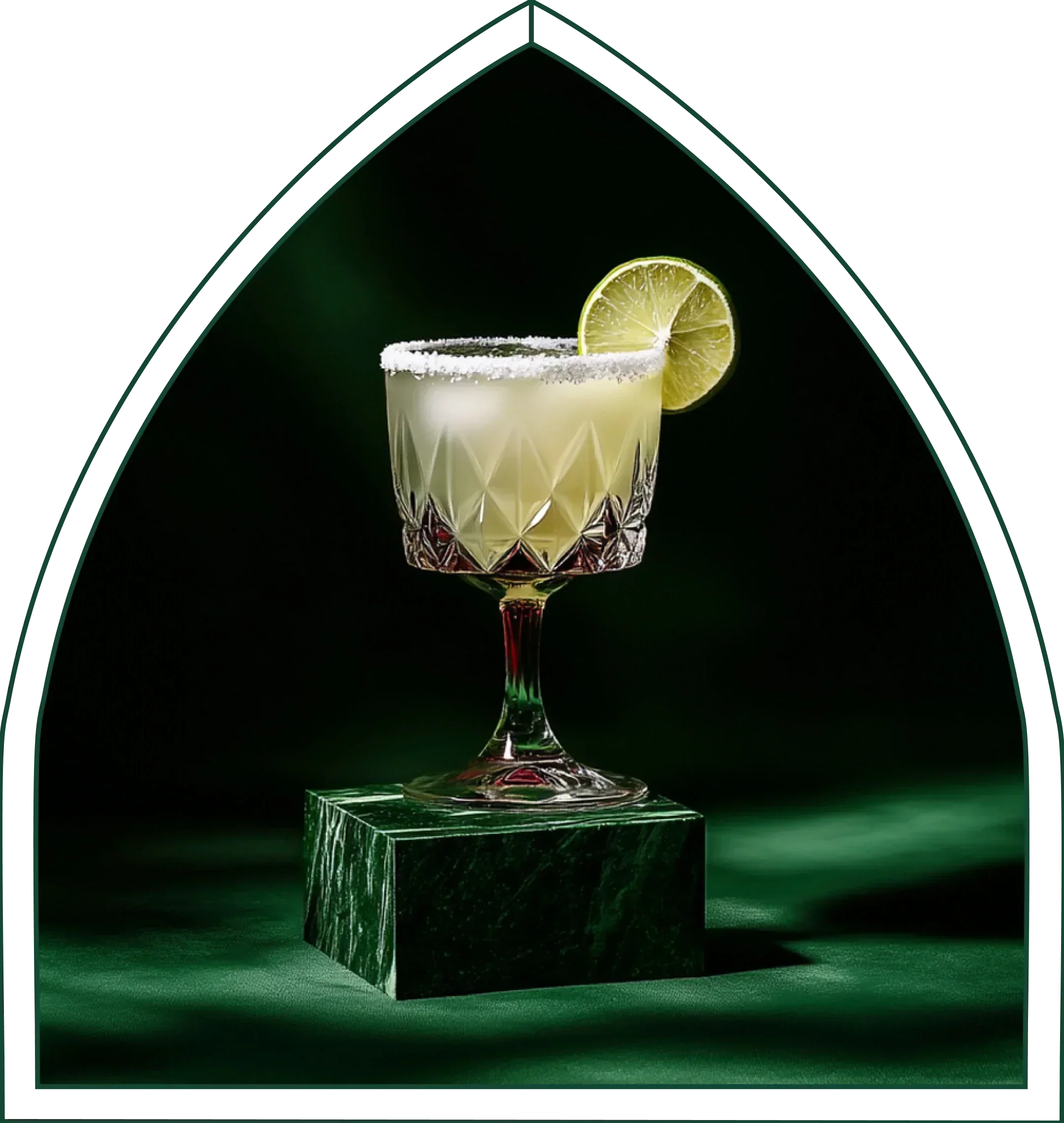
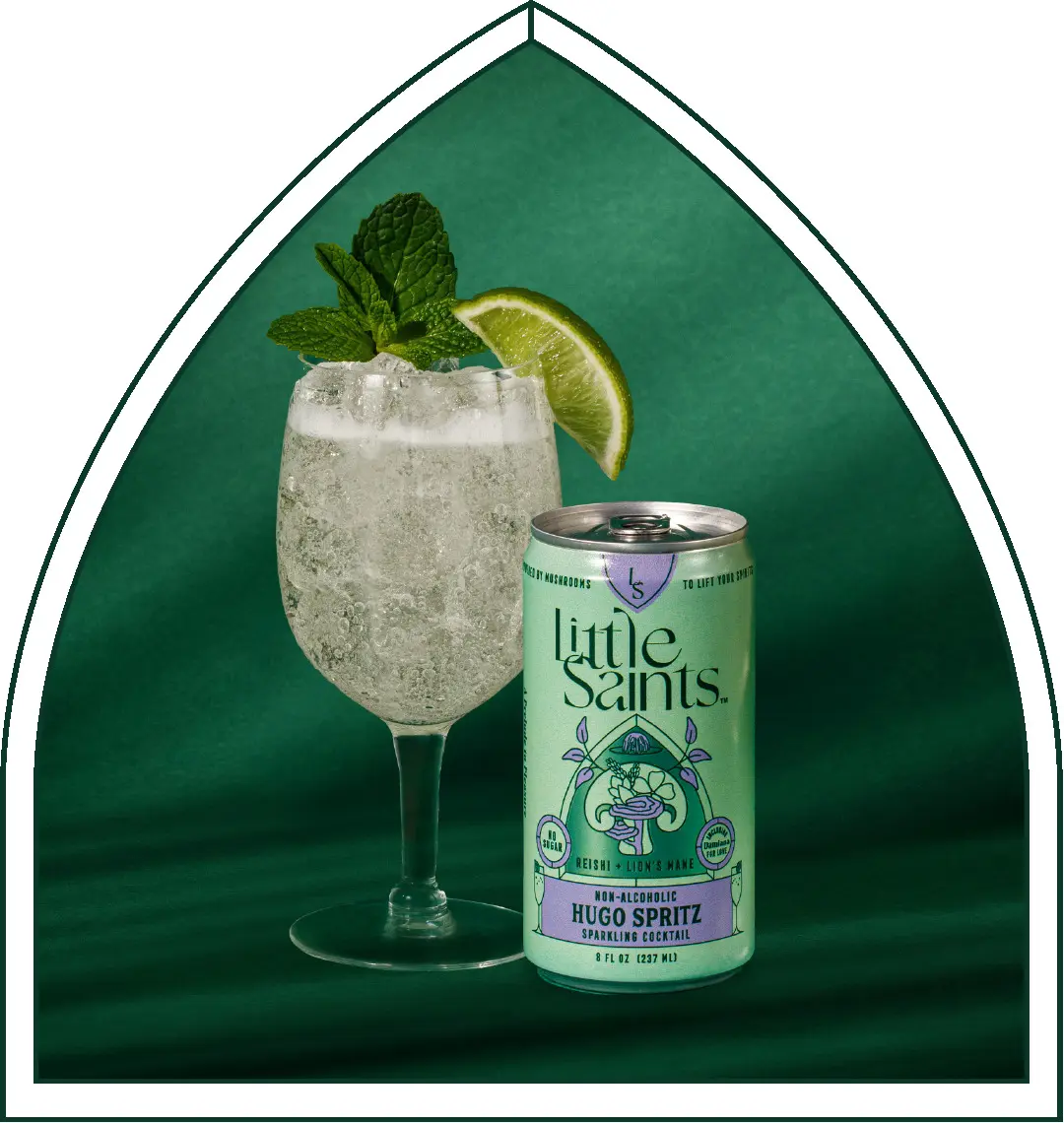
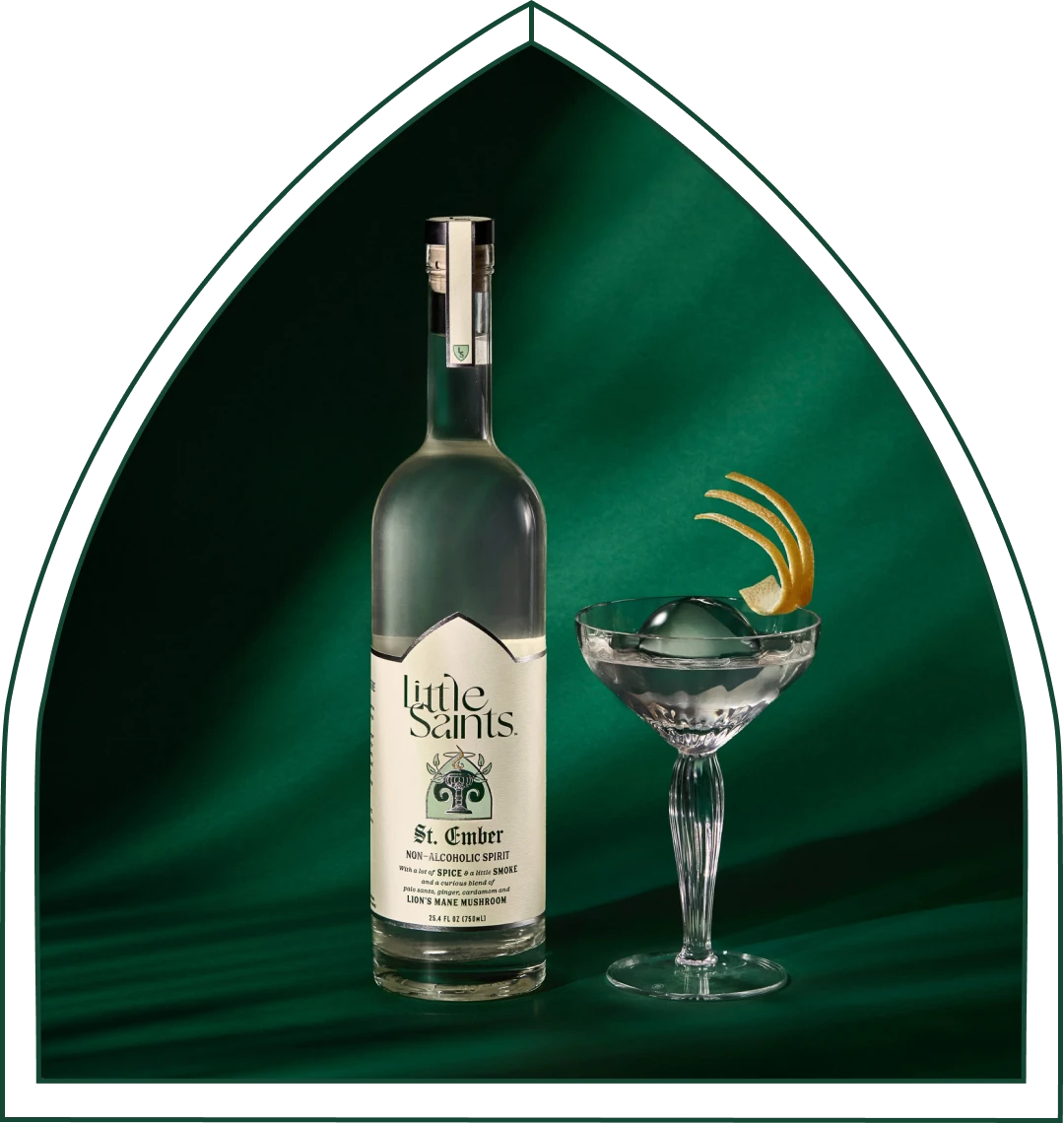
The canned cocktails, Classic Spritz, Hugo Spritz, Classic Margarita, Paloma, Old Fashioned, Mojito, and Negroni Spritz, are sweetened with monk fruit juice concentrate only. No sugar, no erythritol, and no sugar alcohols, with five calories per can. The non-alcoholic spirits, St. Ember, St. Oak, and St. Juniper, carry zero grams of sugar with no sweeteners at all and mix 1:1 in any cocktail build, so any recipe in the list above works unchanged.
The functional blend, called Nature's Neuroscience, combines organic Reishi for chill, organic Lion's Mane for focus, Damiana for connection, and botanical terpenes for the senses. The mushrooms are USDA Organic and grown in California. They are extracted with ultrasound rather than solvents, and the extract holds GRAS status, the FDA's standard of generally recognized as safe for a food ingredient. The dose is printed on the label at 100 mg per serving and at a minimum of 70% beta glucan.
Little Saints is built for the evening occasion alcohol used to own. The core line contains no caffeine. Customers describe the Little Saints Lift as clarity and ease, a sense of being a little lifted, and that is what the blend is designed to deliver. The effect is the feeling of a good first drink, without the cost of the second and third, not intoxication and not a sleep aid.
Never call these products mocktails. That word usually describes sugary juice builds, which sit opposite to what Little Saints set out to create. For more on what makes the non-alcoholic spirits work in a build, see Premium Non-Alcoholic Aperitif: Zero Sugar, Five Calories.
These statements have not been evaluated by the Food and Drug Administration. This product is not intended to diagnose, treat, cure, or prevent any disease.
Frequently Asked Questions
What Is The Best Cocktail For A Diabetic?
Consult your doctor before changing how you drink if you are managing diabetes or taking medication. The general principle is clear. Distilled spirits carry no sugar before mixers, and the sugar comes from what you add. A spirit with soda water and fresh lime is the lowest-sugar standard order at most bars.
Alcohol can lower blood glucose for hours after drinking, including overnight, because the liver prioritizes processing alcohol over releasing stored glucose. That effect is independent of the sugar content of the drink. Food and glucose monitoring matter more than the mixer choice. Drinks to avoid are those with sweet vermouth, triple sec, sour mix, juice, or standard tonic.
What Are Some Examples Of Zero Sugar Cocktails?
The recipe section above covers 12 builds in detail, from Ranch Water to the Little Saints Negroni Spritz. The common thread is a zero-sugar base spirit paired with an unsweetened mixer and fresh citrus or herbs for flavor.
Is There A Seltzer With 0 Carbs And 0 Sugar?
Hard seltzer labels vary. Many carry residual sugar or carbohydrates, so read the label rather than assuming. Most hard seltzers run around 100 calories per 12 oz can at 5% ABV with 1–2 g carbs. Plain soda water remains the only true zero-carb, zero-sugar seltzer.
The statements made on our website have not been evaluated by the Food and Drug Administration, Our products are not intended to diagnose, treat, cure or prevent any disease. If you are pregnant, nursing, taking any medications or have any medical conditions, consult your doctor before use.