


Key Takeaways
- Zebra striping means alternating alcoholic and non-alcoholic drinks in a 1:1 rhythm throughout an evening.
- The practice gained attention in 2024 after UK research highlighted it, and recent US data shows it as a mainstream behavior.
- People zebra stripe to stay hydrated, spend less, pace themselves, and avoid next-day fatigue while staying social for longer.
- Effective non-alcoholic alternates work best when they are zero-sugar, low-calorie, cocktail-grade in flavor, and caffeine-free.
- Little Saints creates non-alcoholic cocktails and spirits for evening occasions, with zero sugar, five calories, and functional mushroom blends.
Explore Non-Alcoholic Cocktails
What Is The Zebra Striping Drinking Method?
Zebra striping follows a simple pattern. You order an alcoholic drink, then a non-alcoholic one, then repeat that sequence through the night.
In practice, you might arrive, order a Negroni, finish it, then choose a non-alcoholic drink for the next round. When that is done, you can return to an alcoholic option if you want. The alternation provides structure, and you decide what fills each slot.
People have alternated alcoholic drinks with water, soda, or soft drinks for years. Zebra striping gives that habit a shared name and supports a growing category of drinks built specifically for the non-alcoholic stripe.
Zebra striping offers pacing rather than abstinence. The person alternating still drinks, just not every round. This approach suits a three-hour evening and keeps the social rhythm intact.
Why People Choose Zebra Striping
Most people who zebra stripe do it for practical reasons, not ideology. Hydration, lower spending, and staying socially engaged rank among the most common motivations, along with pacing, avoiding the next-day energy crash, and feeling done with four-drink nights.
Many people want three hours of conversation without three or four alcoholic rounds. The non-alcoholic stripe keeps them present at the table and still part of the occasion.
Cost also plays a role. Swapping every other round for a lower-cost non-alcoholic option can noticeably shrink a bar tab when cocktails run $15 or more.
This pattern fits within a broader moderation vocabulary. It sits alongside ideas like damp drinking and mindful drinking, which focus on drinking less while still participating.
This shift is not only cultural; it shows up in the numbers. Industry data now tracks zebra striping as a measurable behavior.
The Data: Zebra Striping Is Measured, Not Anecdotal
NIQ's From Value to Vibe analysis, January 2026, found that 47% of on-premise visitors mix alcoholic and non-alcoholic options in the same occasion, and that 93% of non-alcohol buyers also purchase alcohol. NIQ also reports that these dual buyers spend more on total alcohol overall.
The practical takeaway for venues and brands: the non-alcoholic stripe usually does not replace an alcohol customer. It reflects the same guest buying across both categories, often choosing between a non-alcoholic option or nothing.
Gallup's 2026 Consumption Habits survey found that 17% of U.S. adults chose non-alcoholic beer, wine, or spirits instead of an alcoholic drink in the past year. Among drinkers who use these options, 38% say they drink more of them than they used to.
IWSR forecasts that the US no-alcohol market will grow at an 18% volume CAGR from 2024 to 2028, with the strongest growth in no-alcohol RTDs and adaptogenic adjacents, the two spaces Little Saints occupies.
For anyone considering zebra striping, this data shows that alternating drinks now reflects how a large share of guests already behave.
What To Actually Alternate With
The key question with zebra striping is what to put in the non-alcoholic stripe. Standard answers such as water, soda, and juice-based non-alcoholic cocktails each carry trade-offs.
Still water hydrates but lacks ritual, adult flavor, and aroma. A regular soda often carries 35–40 grams of sugar per serving. Juice-sweetened mocktails commonly contain 10–12 grams of sugar per can, and some go higher. Carbonated soft drinks may also move alcohol into the bloodstream more quickly, which works against the pacing goal.
A strong evening non-alcoholic option usually checks a few boxes. It stays at zero sugar, keeps calories low, delivers cocktail-level flavor and aroma, and avoids caffeine so it fits late-night use.
Little Saints was built around that brief.
Little Saints makes non-alcoholic cocktails and spirits specifically for evening drinking occasions. They offer classic cocktail flavor profiles with zero sugar and five calories. The canned cocktails use monk fruit juice concentrate for sweetness, while the non-alcoholic spirits contain no sweeteners.
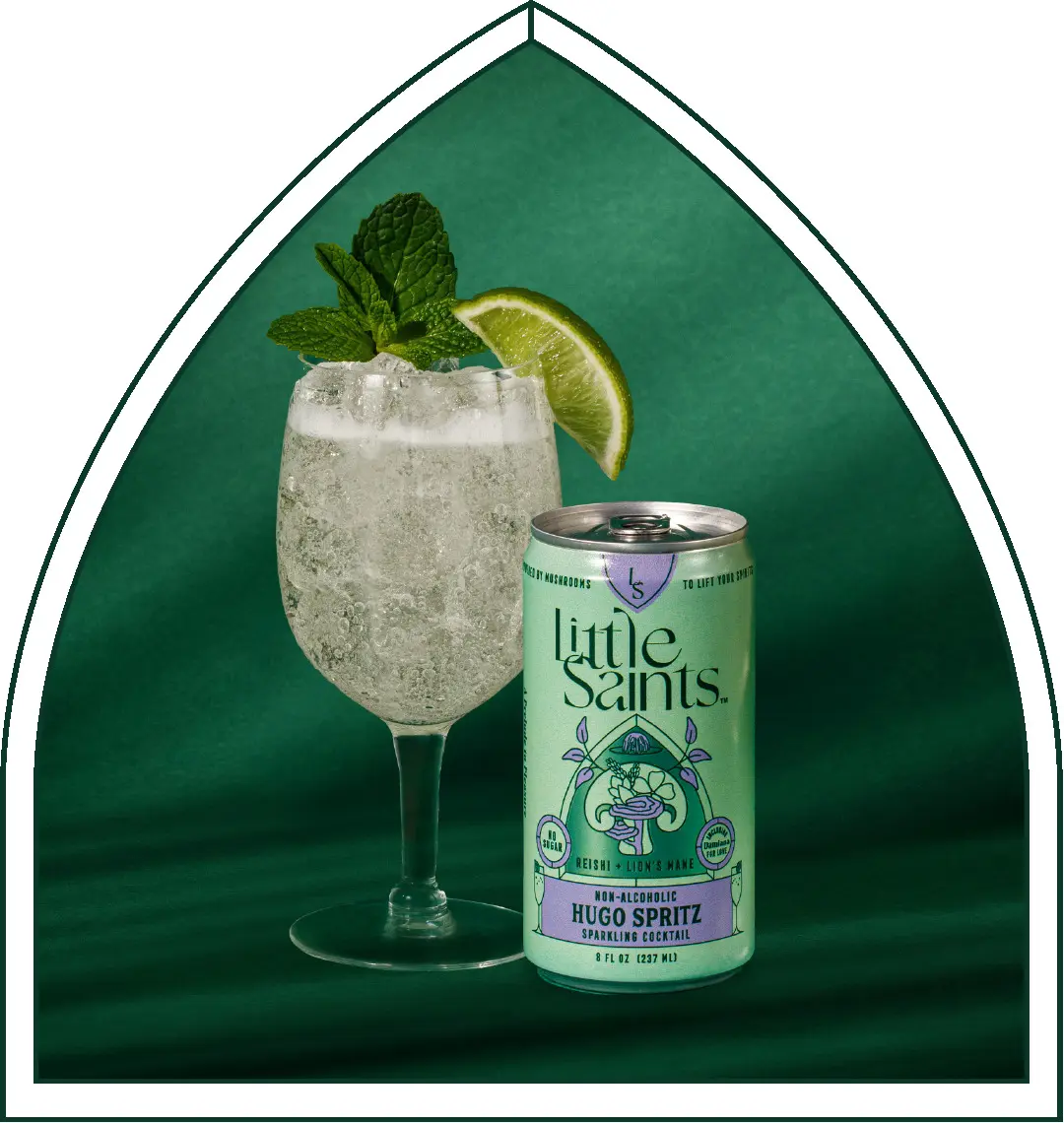
Both lines include a functional mushroom and botanical blend, with a stated 100mg dose per serving and a minimum of 70% beta glucan, documented by supplier certificates of analysis.
The canned cocktails are finished drinks, ready to pour:
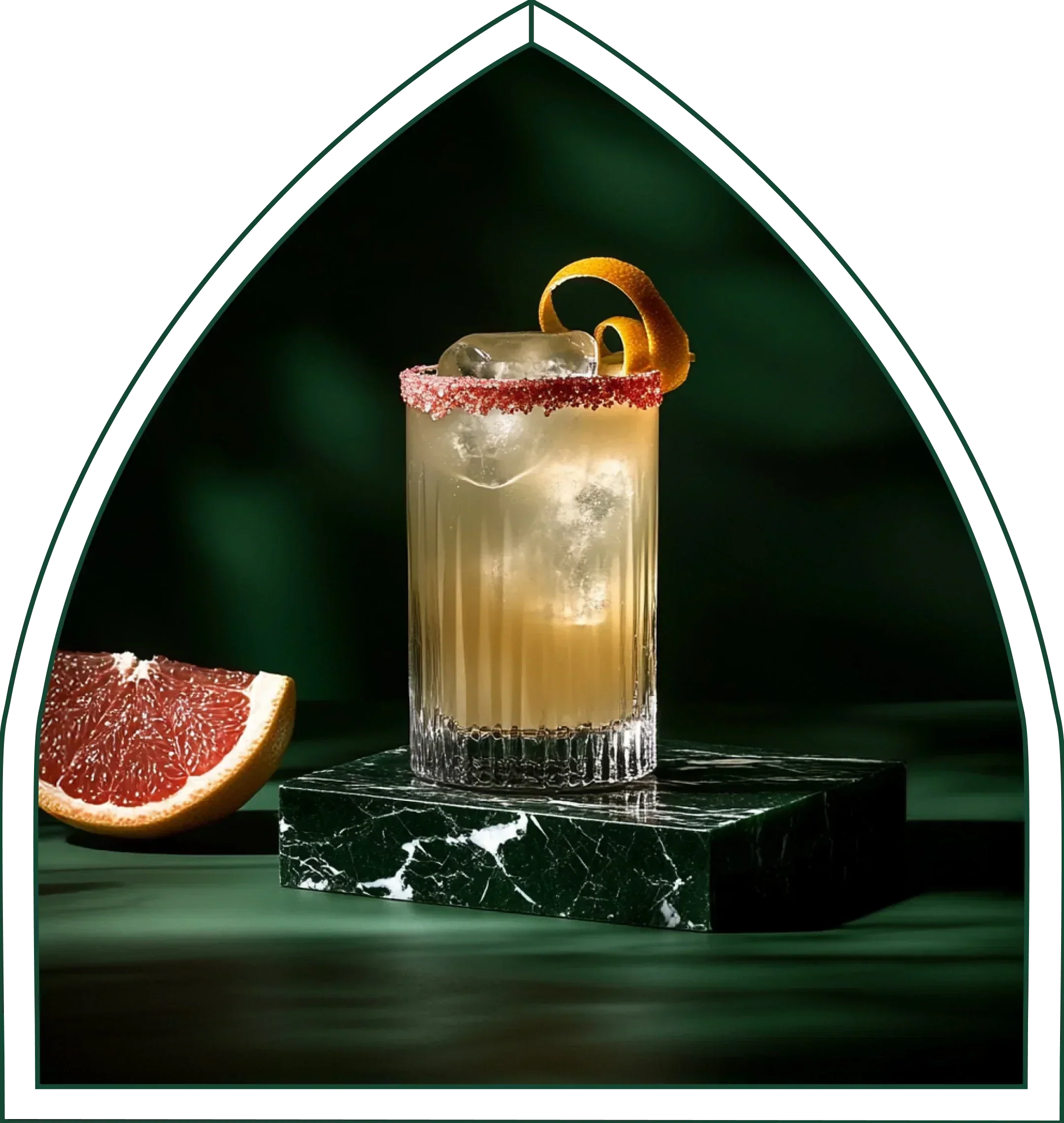
- Classic Spritz – prosecco-inspired bubbles, tangerine citrus, bittersweet botanicals
- Hugo Spritz – elderflower, prosecco-inspired bubbles, mint
- Classic Margarita – lime, bitter orange, bright and lightly salted
- Paloma – pink grapefruit, effervescent, with balanced bitterness
- Old Fashioned – orange, cherry, warm spices
- Mojito – mint, lime
- Negroni Spritz – bitter gentian root and orange
The non-alcoholic spirits are built for mixing. They use oil-based craft extracts rather than flavored water, so two ounces replace two ounces in any cocktail spec without over-pouring or re-costing the build:
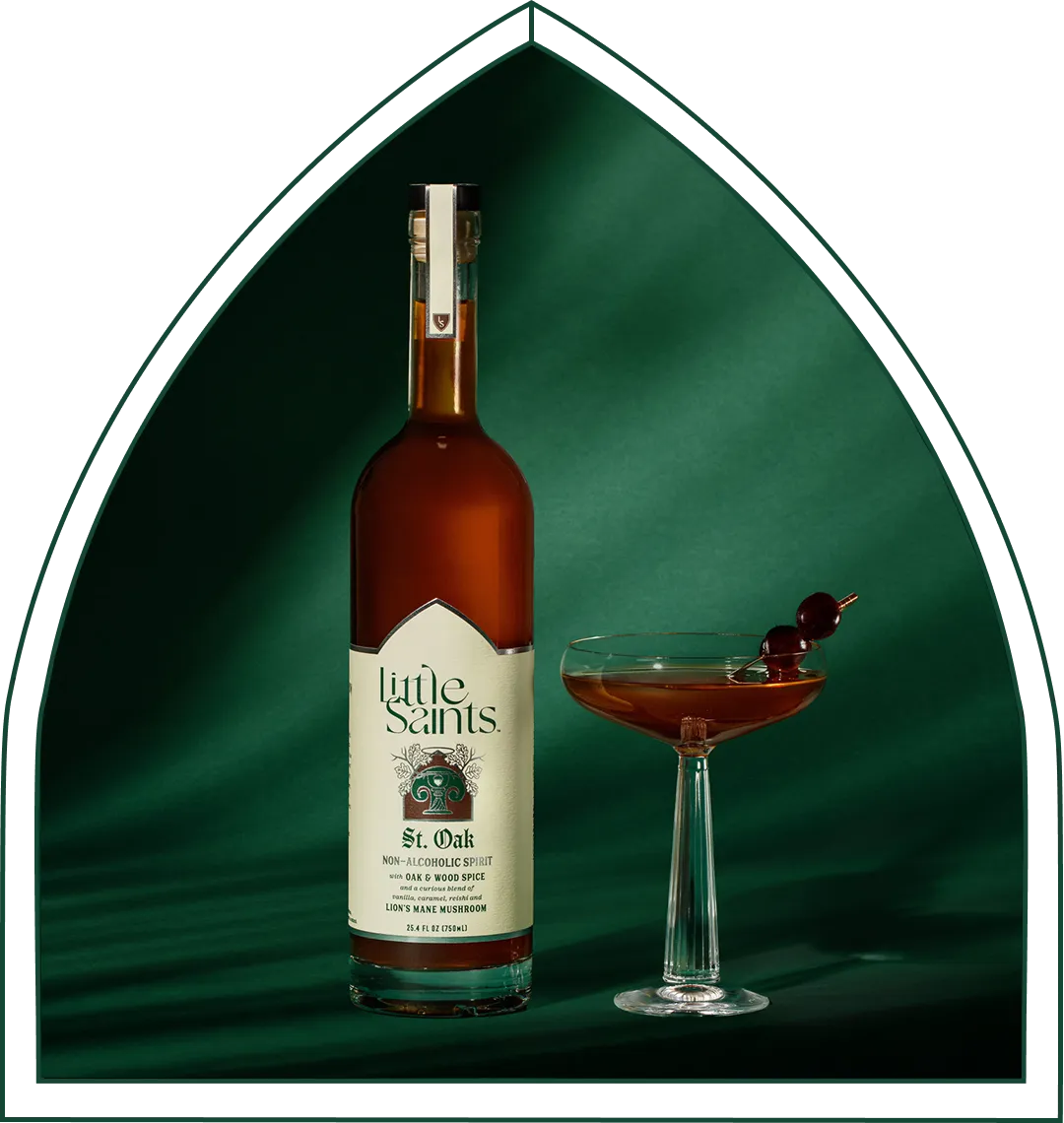
- St. Ember – an ode to light, spicy mezcal with palo santo, ginger, and cardamom; mixes like tequila or mezcal
- St. Juniper – juniper, cucumber, and herbaceous notes; ideal for gin and tonics, gimlets, and citrus-forward drinks
- St. Oak – captures oak-aged whiskey notes with vanilla, spice, and woodsy warmth; named Best NA Spirit of 2025 by the BevNET Spirit Awards
Little Saints' functional platform, Nature's Neuroscience, combines organic Reishi, organic Lion's Mane, Damiana, and botanical terpenes, with the exact blend varying by product. The mushrooms are USDA Organic, grown in California, and extracted with ultrasound instead of chemical solvents. The extract holds GRAS status, meaning it is generally recognized as safe for use in food. Taste and experience come first, and the function supports the trade people make when they choose a non-alcoholic stripe.
The Social Mechanics Of Ordering
Many people feel more anxious about how a non-alcoholic order looks than about the drink itself. Online conversations often mention worries that a non-alcoholic choice might invite questions or break the table's rhythm.
A simple approach works best. Order your non-alcoholic drink the same way you would order any cocktail. Ask for similar glassware and garnish. You do not owe anyone an explanation.
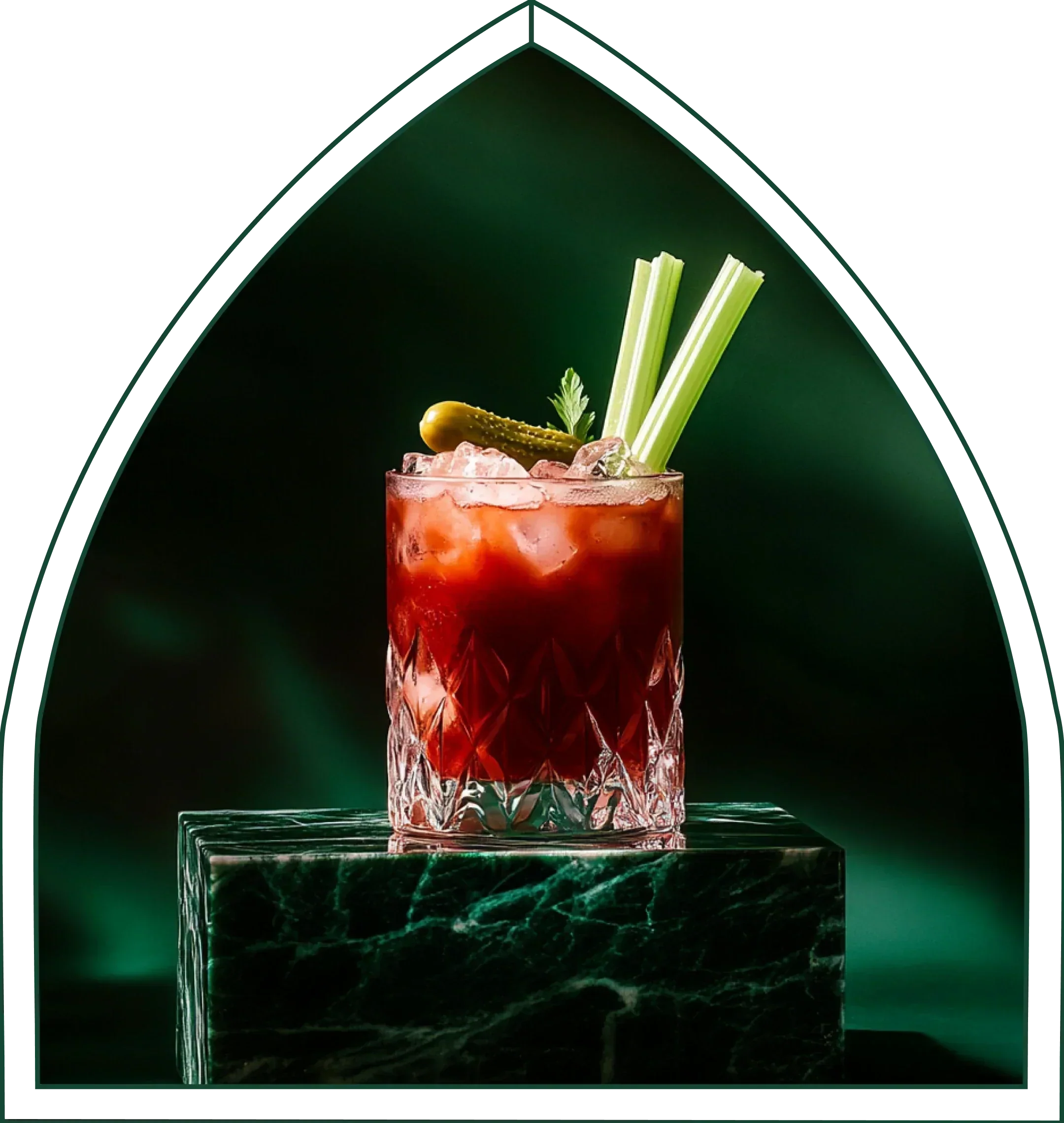
A well-made non-alcoholic cocktail in a coupe or over a large ice cube reads as a drink, not a statement. Zebra striping keeps moderation less conspicuous, because everyone at the table still holds a complex, garnish-rich drink. Belonging, ritual, and participation stay intact.
The earlier NIQ data shows that nearly half of on-premise visitors already mix alcoholic and non-alcoholic options. In many rooms, the person alternating now reflects the norm rather than the exception.
How Zebra Striping Differs From Dry January
Dry January works as a fixed-period abstinence challenge that removes alcohol for the month of January. Zebra striping functions as an alternation pattern within a single occasion, any night of the year, without removing alcohol entirely.
Commentary on zebra striping often contrasts it with Dry January, highlighting that one is a month-long break while the other is an ongoing pacing tactic.
Zebra striping also differs from sober curiosity. Sober curiosity describes a broader mindset of questioning one's relationship with alcohol. Zebra striping describes a specific tactic for a specific evening, not an identity or lifestyle.
Does Zebra Striping Actually Reduce How Much You Drink?
Researchers at Liverpool John Moores University describe zebra striping as a form of harm reduction when it decreases overall consumption. Drinking stronger beverages, extending the session, or compensating in other ways can cancel out the benefit.
Christopher Kahler, professor of behavioral and social sciences at Brown University and director of the Center for Alcohol and Addiction Studies, recommends alternating drinks as a practical reduction strategy. When the rise in blood alcohol concentration (BAC, or blood alcohol level) slows, people often feel less craving for the next drink.
The main mechanism is substitution. When you agree to alternate and follow through, you usually drink fewer alcoholic rounds than if you chose alcohol every time. This pattern reduces total alcohol exposure and slows the rise in BAC.
The content of the non-alcoholic stripe also matters. A sugary soda adds a significant glycemic load on top of alcohol. A zero-sugar, low-calorie, evening-built non-alcoholic cocktail avoids that extra sugar while still feeling like a real drink.
Conclusion: Focus On What You Alternate With
Zebra striping means alternating alcoholic and non-alcoholic drinks during a social occasion in a steady rhythm. It reflects a measured, mainstream behavior rather than a fringe experiment.
The most useful question becomes what to place in the non-alcoholic stripe. Water and soda cover basic function but lack ritual or bring high sugar. Juice-based mocktails often deliver sweetness without the depth of a cocktail.
The non-alcoholic stripe that supports an evening occasion usually stays zero sugar, low calorie, cocktail-grade in flavor, evening-focused, and caffeine-free.
That is the space Little Saints occupies. The range of non-alcoholic cocktails and spirits offers zero sugar, five calories, and a supplement-grade functional mushroom blend in every pour.
Explore The Little Saints Range
For a deeper look at zebra striping, including how to build a rhythm across a full evening, visit the Little Saints guide to the benefits of alternating drinks.
These statements have not been evaluated by the Food and Drug Administration. This product is not intended to diagnose, treat, cure, or prevent any disease.
The statements made on our website have not been evaluated by the Food and Drug Administration, Our products are not intended to diagnose, treat, cure or prevent any disease. If you are pregnant, nursing, taking any medications or have any medical conditions, consult your doctor before use.