


Key Takeaways
- Reishi is not a sedative. Human trials have not tested it as a primary sleep treatment, but preclinical data and user reports suggest a gradual wind-down effect.
- A reishi drink comes from whisking powder or extract into warm plant milk, cacao, or tea 30–60 minutes before bed, with flavor boosters to offset bitterness.
- Effective dosing depends on extract quality. Look for a stated milligram dose and beta-glucan percentage rather than generic gram amounts.
- Quality fruiting-body extracts typically contain 20–40% beta glucans, while mycelium-on-grain products often test much lower and may include grain starch.
- Little Saints offers a convenient, zero-sugar reishi drink with transparent dosing and high beta-glucan content for your evening ritual.
Shop Little Saints Reishi Drinks
What Reishi Actually Does For Sleep And How It Works
Reishi (Ganoderma lucidum) contains two compound families that researchers study for different reasons. It includes polysaccharides, particularly beta-glucans, and triterpenes, including ganoderic acids. The polysaccharides are the fraction most often examined for immune-related activity. The triterpenes are the fraction that shows up in preclinical sleep and stress research, and they are also responsible for reishi's intense bitterness.
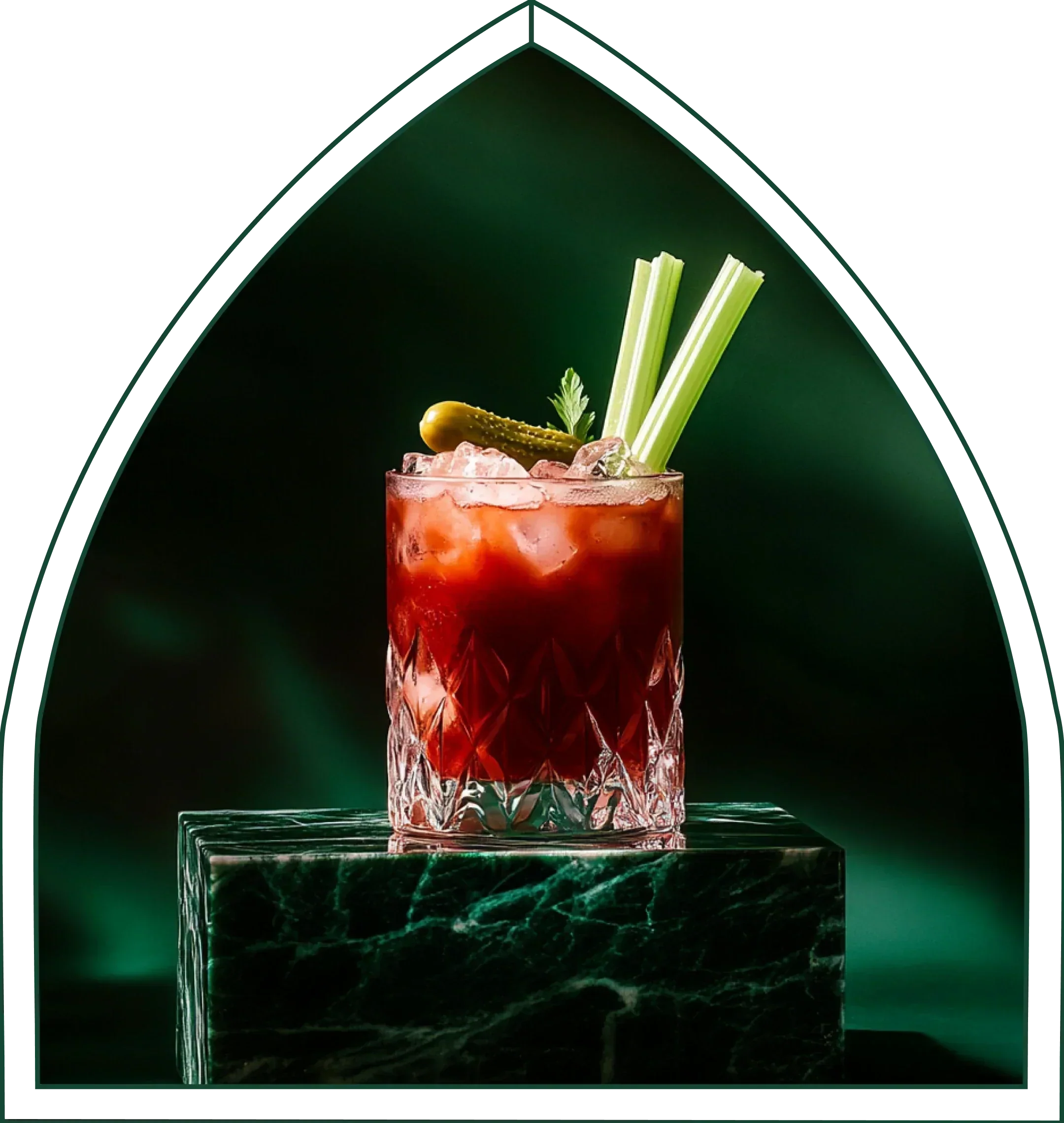
Reishi has a long history of traditional use as an adaptogen. Herbal traditions use that term for ingredients taken consistently to support the body. That framing is useful but imprecise because it describes a traditional category rather than an FDA-recognized claim. In many adaptogen discussions, reishi appears as the primary mushroom example.
No well-powered human randomized controlled trial has tested reishi with sleep as a primary outcome. The most frequently cited human study is a 2005 randomized, double-blind, placebo-controlled trial by Tang et al., published in the Journal of Medicinal Food. It enrolled 132 patients diagnosed with neurasthenia and used a reishi polysaccharide extract at 1,800 mg three times daily for eight weeks. The primary outcomes were fatigue and well-being scores, not sleep. The reishi group showed meaningful improvements in fatigue and global clinical status compared to placebo. That trial does not prove that reishi treats insomnia.
Rodent studies that do measure sleep directly, including Chu et al. (2007) and Cui et al. (2012), show a more nuanced picture. Cui et al. (2012) found that reishi extract extended total sleep and non-REM sleep in rats, while Chu et al. (2007) found reishi shortened sleep latency and lengthened sleep only in pentobarbital-treated animals, with no effect on sleep architecture in normal rats. These findings support the view that reishi is not a classic sedative.
People who use a reishi drink for sleep often describe a settling, exhale quality. They notice a wind-down that makes the transition to sleep feel less effortful. That framing fits a nightly ritual and keeps expectations realistic.
How To Make A Reishi Drink For Sleep
A reishi drink for sleep stays simple. The preparation itself becomes part of the wind-down ritual.
- Whisk reishi powder or extract into warm plant milk, hot cacao, or an herbal tea base. Heat helps dissolve the extract and makes the drink feel like an evening ritual rather than a supplement.
- Cinnamon, a small amount of honey, or vanilla will soften the earthy, bitter note that comes from the triterpene fraction. The bitterness signals meaningful ganoderic acid content and does not indicate a defect.
- Drink it 30 to 60 minutes before bed as part of a quiet wind-down, though some sources recommend 60 to 90 minutes or about 1 hour before bed. This timing is a practical convention rather than a clinically established window, and it aligns with the gradual, modulatory nature of how reishi appears to work.
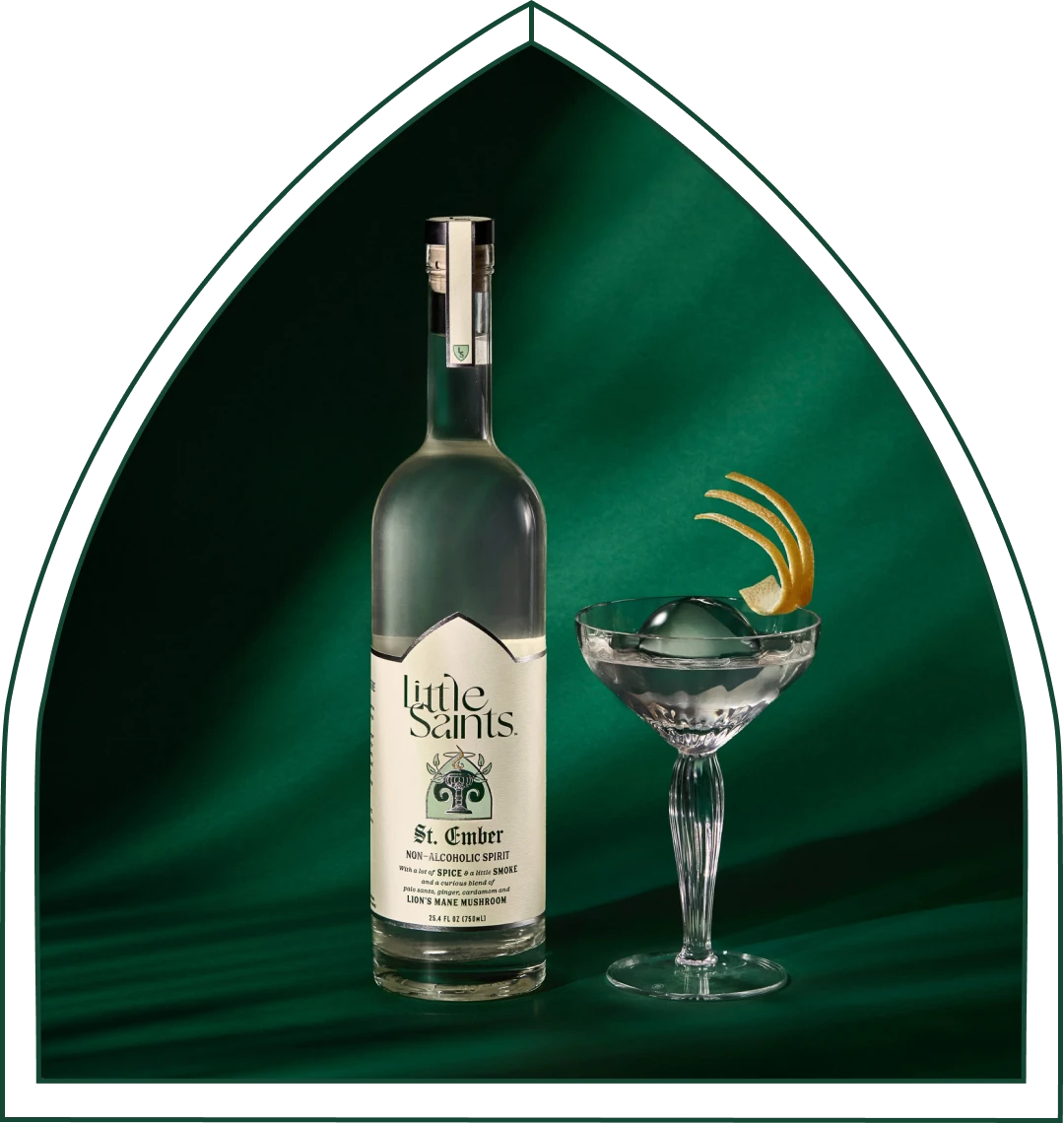
Format shapes how the ritual feels. A warm tea or cacao drink is the most ritualistic option because it slows you down by design. A ready-to-drink option like Little Saints St. Ember is the most convenient. The dose and beta glucan content already appear on the label, and each serving contains zero grams of sugar. No calorie figure is published for the spirits line.
Shop Little Saints Reishi Drinks
How Much Reishi For Sleep?
Once you have the preparation down, the next step is deciding how much reishi to use. Doses vary by extract concentration, and the label is the authority. Published human trials have used anywhere from 200 mg to over 11,000 mg per day of different reishi preparations, across durations of one to twenty-four weeks. That wide range reflects differences in extract type, beta glucan content, and triterpene concentration between studies. A universal milligram recommendation does not exist.
The more useful question is what the label tells you about the product itself. A fruiting-body extract with a stated beta glucan percentage is a fundamentally different product from mycelium-on-grain powder. As noted earlier, quality fruiting-body extracts typically run in the 20–40% beta glucan range. Mycelium-on-grain powders commonly test in the low single digits, and a significant portion of that powder may be grain starch rather than mushroom-derived material. Look for a stated dose and a stated beta glucan content rather than a gram figure on a scoop.
How To Read A Reishi Label
Label literacy is the most practical skill when you compare reishi products. Two numbers separate a concentrated extract from a powder that is largely starch. Those numbers are the stated dose in milligrams per serving and the stated beta glucan percentage.
The first question is what part of the mushroom the producer used. The fruiting body, the visible lacquered cap, contains the highest concentration of both beta-glucans and triterpenes. Mycelium-on-grain products include the grain substrate in the finished powder, which dilutes the mushroom-derived material with starch. Labels reading "mycelium biomass," "myceliated rice," or "full spectrum" signal a different preparation from a fruiting-body extract.
The second question is whether a beta glucan percentage appears on the label. A quality reishi fruiting-body extract typically tests in the same 20–40% beta glucan range mentioned earlier. Low single-digit beta glucan content suggests mycelium-on-grain or poor extraction. A product that lists only a generic "polysaccharide" percentage without specifying beta glucans may be including grain starch in that figure.
The third question is whether the dose is stated per serving. A label listing a total "adaptogenic mushroom blend" weight without individual doses gives no indication how much reishi it contains. Individual ingredient amounts enable comparison. Proprietary blends do not.
This is where Little Saints enters the decision. Little Saints carries organic reishi in its Nature's Neuroscience blend. The label states 100 mg per serving and a minimum of 70% beta glucan, documented by certificates of analysis from the supplier. The mushrooms are USDA Organic and grown in California, extracted with ultrasound rather than solvents. That beta glucan figure sits at the top of the typical range for fruiting-body extracts. Little Saints publishes both figures most brands leave out. It is an evening drink built for the wind-down occasion.
Safety, Interactions And Side Effects
Reishi safety questions deserve clear, conservative answers with named sources. This section covers bleeding risk, liver concerns, who should avoid reishi, and how it fits with common medications and supplements.
Bleeding Risk With Anticoagulants. Memorial Sloan Kettering identifies possible interactions between reishi and anticoagulant or antiplatelet medicines because reishi may increase bleeding tendency and may raise PT, INR, or APTT values. Relevant drugs include warfarin, heparin, aspirin, and clopidogrel. Anyone using these medicines should consult a healthcare professional before taking reishi.
Rare Liver Injury. NIH LiverTox assigns reishi a likelihood score of D, a "possible rare cause" of clinically apparent liver injury. Reported cases are hepatocellular, typically starting one to two months in, and almost all involve powdered preparations rather than extracts. The Merck Manual lists liver toxicity among reishi's reported adverse effects, alongside nausea, insomnia, anorexia, and chronic diarrhea. Stop use and seek care if jaundice, dark urine, or marked fatigue occur.
Who Should Talk To A Doctor Before Drinking Reishi. The following groups should talk to a doctor before using reishi:
- Anyone on anticoagulants or antiplatelet medication
- Anyone on immunosuppressants, including post-transplant recipients and those managing autoimmune conditions with immunosuppressive agents
- Anyone scheduled for surgery, because reishi should be discontinued at least two weeks before a procedure
- Anyone pregnant or nursing, for whom safety data is essentially absent
What To Avoid Mixing With Reishi. Based on documented or mechanistically plausible interactions, exercise caution when combining reishi with:
- Blood thinners and antiplatelet drugs (warfarin, apixaban, rivaroxaban, clopidogrel, aspirin)
- Blood pressure medication, because reishi may have additive effects with blood-pressure-lowering medicines
- Blood sugar medication, because reishi may decrease blood sugar, and combining it with diabetes medication may cause blood sugar to drop too low
- Prescription sleep medication, because both reishi's proposed GABAergic mechanism and benzodiazepines or Z-drugs converge on GABA receptors, and additive effects are theoretically possible
Reishi And Magnesium. Harvard Health notes that melatonin and magnesium can be taken together safely because they work differently in the body. No interaction between reishi and magnesium as a standalone supplement is documented. Documented reishi interactions involve antiplatelet or anticoagulant, antihypertensive, and antihyperglycemic medications, although one interaction has been flagged with a magnesium-containing combination product (Ascriptin, which also contains aspirin). If you are adding both reishi and magnesium to an evening routine, introduce one at a time so you can tell what is doing what. Harvard Health cites a safe starting magnesium dose of 100 to 200 mg per day, taken one to two hours before bed. Doses above 350 mg per day are associated with side effects including diarrhea and nausea.
Direct any questions involving medication, pregnancy, nursing, or a medical condition to a doctor.
Statements about these products have not been evaluated by the FDA. These products are not intended to diagnose, treat, cure, or prevent any disease.
Reishi Drink Vs. Capsules Vs. Tea, And What To Expect In The First Weeks
The three formats deliver reishi differently, and the right choice depends on whether you value ritual, consistency, or tradition. The table below compares each format on what it is and who it suits best.
| Format | What It Is | Best For |
|---|---|---|
| Reishi drink | Powder or extract whisked into warm plant milk, cacao, or tea, or a ready-to-drink option with a stated dose | A wind-down ritual you look forward to |
| Reishi capsule | Standardized extract in a capsule | Consistency without preparation |
| Reishi tea | Dried fruiting body simmered in water | Traditional preparation, mildest taste |
The case for a drink over a capsule is behavioral as much as pharmacological. Functional ingredients like reishi work best when you take them consistently rather than occasionally. Consistency is easier to sustain in a drink you look forward to than in a supplement you forget. A drink turns reishi into a nightly ritual.
Set expectations honestly. Reishi does not act acutely. Most people describe noticeable effects after two to four weeks of consistent daily use, rather than a first-night effect. The shift is gradual and subtle, with a calmer baseline and a wind-down that feels less effortful, rather than the sedation that builds with alcohol. First-night impressions rarely tell the full story. A two-to-three-week pattern offers a better measure.
Frequently Asked Questions
This quick-reference section recaps key points on dosing, timing, safety, and pairing reishi with magnesium, without repeating the full explanations above.
How Much Reishi For Sleep?
Doses vary by extract concentration, and the label remains the authority. As covered above, the 200 mg to 11,000 mg range in human trials reflects how much extract concentration varies. The practical takeaway is to look for a stated dose and beta glucan content, not just a scoop size.
What Time Of Day Should I Drink Reishi?
Evening use 30 to 60 minutes before bed is the practical convention. This timing aligns with reishi's traditional role as a calming, wind-down ingredient and fits naturally into an evening ritual. No human trial has compared morning and evening dosing directly, so this guideline comes from traditional use and the gradual way reishi appears to work.
Who Should Not Drink Reishi Mushroom Tea?
Anyone on blood thinners or antiplatelet medication, anyone on immunosuppressants, anyone scheduled for surgery, and anyone pregnant or nursing should talk to a doctor before using reishi. Memorial Sloan Kettering highlights bleeding-risk concerns with anticoagulant or antiplatelet medicines, and the Merck Manual flags rare liver toxicity, particularly with powdered preparations. People with existing liver disease or bleeding disorders should exercise particular caution.
Can You Take Reishi And Magnesium Together?
No interaction between reishi and magnesium as a standalone supplement is documented. They work through different mechanisms. Harvard Health notes that magnesium can be taken safely alongside other sleep-adjacent supplements because it works differently in the body. Introduce one at a time so you can identify what is doing what. A safe starting magnesium dose, per Harvard Health, is 100 to 200 mg per day taken one to two hours before bed.
How Long Does Reishi Take To Kick In?
Reishi does not act immediately. Most people describe a gradual, subtle shift over two to four weeks of consistent evening use, rather than a first-night effect. The mechanisms proposed in the research are cumulative rather than immediate:
- GABAergic modulation
- HPA axis attenuation
- Gut microbiome-dependent serotonin pathways
If there is no subjective improvement after six weeks of consistent use, reishi is probably not the right tool for that particular sleep issue, and a clinician should be consulted about underlying causes.
For more on evaluating reishi products and understanding what the label actually tells you, see Reishi Drink Reviews: Taste, Effects and Spotting Real Doses, How To Buy A Reishi Drink: The Two Numbers That Matter, and Reishi Mushroom Tea: Benefits, Dosage And Side Effects.
Explore Little Saints Reishi Drinks
The statements made on our website have not been evaluated by the Food and Drug Administration, Our products are not intended to diagnose, treat, cure or prevent any disease. If you are pregnant, nursing, taking any medications or have any medical conditions, consult your doctor before use.