


Last updated: October 20, 2026
Key Takeaways From Reddit’s Favorite Build
- A non-alcoholic Moscow Mule comes together with spicy ginger beer, fresh lime juice, and plenty of ice. Vodka is optional.
- Reddit threads consistently reject ginger ale, bottled lime juice, and light ice as shortcuts that flatten the drink.
- Always check the ginger beer label for ABV or fermentation language so the drink stays genuinely non-alcoholic.
- Adding a non-alcoholic spirit like Little Saints St. Ember or St. Juniper restores the body and complexity that vodka would have provided.
- Little Saints offers zero-sugar, low-calorie canned options and functional non-alcoholic spirits that lift the classic Moscow Mule build.
Explore Little Saints Non-Alcoholic Spirits
How To Make A Non-Alcoholic Moscow Mule The Reddit Way
- Chill your copper mug or highball glass in the freezer for a few minutes so the drink stays colder longer.
- Fill the mug or glass with ice, packed to the top, to keep the ginger beer crisp instead of watery.
- Pour in ½ oz fresh lime juice to set the drink’s bright, tart backbone.
- Top slowly with 4 oz spicy ginger beer, pouring down the side of the glass to preserve carbonation and foam.
- Stir once, gently, to combine the lime and ginger beer without knocking out the bubbles that keep the drink lively.
- Garnish with a lime wheel and a sprig of fresh mint so the mint aroma hits before the first sip.
The copper mug adds chill and theater. It holds cold exceptionally well and frosts up in a way that keeps the drink lively longer. A highball glass still delivers the same flavor if that is what you have on hand.
If you use a copper mug, make sure it is lined. The US FDA Food Code requires that copper not come into direct contact with foods or beverages with a pH below 6, and lime juice sits well below that threshold. Quality mugs use a tin, stainless steel, or food-safe coating on the interior.
Build Your Mule With Little Saints
What Reddit Actually Says About The Non-Alcoholic Moscow Mule
Threads across r/Mocktails, r/cocktails, and r/nonalcoholic keep landing on the same build: spicy ginger beer, fresh lime, and plenty of ice. The consensus is unusually clear for a crowd-sourced recipe. Commenters push back hard on ginger ale as a substitute, on bottled lime juice as a shortcut, and on skimping on ice.
The disagreements stay narrow. Lime amount divides the threads most visibly. Some posters land at ½ oz, while others squeeze a full ounce and adjust from there. A few people ask about adding a touch of sweetener when the ginger beer runs very dry, and most replies favor skipping it if the ginger beer already tastes balanced.
The copper mug question generates the most noise relative to its actual importance. Most commenters agree it looks good and keeps the drink cold. Very few claim it changes the flavor in any meaningful way.
The one point the threads do not resolve is what stands in for the vodka. That question keeps surfacing without a clean answer until you pour a non-alcoholic spirit that actually mixes like one.
For a deeper look at what goes into the build, the Non-Alcoholic Moscow Mule Ingredients: The Full Guide covers every component in detail.
Ginger Beer Vs. Ginger Ale For A Moscow Mule
Ginger beer, always. The difference is decisive.
Ginger beer is traditionally brewed and fermented, which gives it a bold, dry, peppery kick, while ginger ale is carbonated water flavored with ginger syrup, sweet, mild, and built for sipping on its own. In a Moscow Mule, the ginger beer does structural work. It supplies the spice that balances the lime and gives the drink its reason to exist.
Swapping ginger ale into a Moscow Mule yields a sweeter, softer drink with the bite missing. The drink becomes a different, gentler thing that no longer tastes like the drink it is named after. Reddit comments echo that verdict in blunt language. If ginger ale is the only option available, add an extra squeeze of lime and a thin slice of fresh ginger to restore some of the lost bite.
Carbonation matters as much as flavor. Carbonation generally increases the release of most aroma compounds, including citrus aromatics, and its fizz makes drinks feel lighter and more refreshing, though the effect depends on the specific aroma compounds and the beverage system. A ginger beer that goes soft in the glass makes the whole cocktail feel sweet and flat. Look for a bottle labeled bold, spicy, or extra, and pour it last, slowly down the side of the glass.
The Ginger Beer Label Check Nobody Mentions
Carbonation and spice get most of the attention, but one label detail decides whether your drink is actually non-alcoholic. That detail rarely appears in mule guides.
Commercial ginger beer sold in the soft-drink aisle sits under 0.5% ABV and is regulated as a soft drink. Most mainstream mixer brands, the ones shelved next to sodas, fall into this category. The TTB regulates fermented beverages that cross into alcohol territory and requires label approval for any product sold as a regulated alcohol beverage. The label itself becomes your most reliable signal.
The ABV range to know is simple. Traditionally wild-fermented ginger beer, often home-brewed with a ginger bug or champagne yeast, typically lands between 0.5% and 2.0% ABV. Craft ginger-bug brews sold at farmers markets or specialty shops can land in that range too.
Key label checks:
- An alcohol content statement, which you should read closely if it appears
- The word “fermented” or a live culture listed in the ingredients
- Where the bottle is shelved, since a spot with the sodas and no ABV statement usually signals a soft drink
The rule stays straightforward: read the label, not just the name. “Ginger beer” alone does not guarantee anything about ABV. Many modern ginger beers sold as mixers are non-alcoholic soft drinks, but alcoholic and traditionally fermented versions exist, so checking the specific bottle is the only reliable method.
Smart Swaps When Ginger Beer Is Unavailable
When ginger beer is unavailable, a few substitutes come close if you adjust for sweetness and spice.
- Ginger ale at 1:1 produces a sweeter and less spicy drink than ginger beer. Add an extra squeeze of lime and a thin slice of fresh ginger, muddled lightly, to bring back some bite.
- Ginger syrup plus soda water uses about ¾ oz ginger syrup topped with cold soda water, adjusted up or down depending on how spicy the syrup tastes. Bartenders favor this option when they want precise control over ginger intensity.
- Spicy ginger kombucha at roughly 1:1 tastes drier and tangier than ginger beer, with lighter carbonation and its own fermented depth. It raises its own trace-alcohol question, so check that label as carefully as you check the ginger beer.
For a full breakdown of how each ingredient performs in the build, see the Non-Alcoholic Moscow Mule Review: What Actually Works.
Virgin Mule, Cowboy Mule, And Other Reddit Variations
“Virgin Moscow Mule” is the standard cocktail-reference term for the vodka-free version. Cocktail Lexicon categorizes it as a Virgin Moscow Mule, made by omitting the vodka while retaining ginger beer and lime. “Cowboy mule” appears informally and inconsistently across threads. No standard reference defines it, including the IBA official cocktails list and the Oxford Companion to Spirits & Cocktails. Some online recipe collections do list it as a bourbon-based mule variant, so treat it as a casual label rather than a specific build.
Two variations show up regularly in Reddit discussions:
- Cranberry mule uses tart juice to sharpen the profile. In Moscow Muled’s Infused Vodka Cranberry Mule variation, 1½ oz cranberry juice appears alongside ¾ cup ginger beer. Other cranberry mule variations use different amounts, such as 2 oz cranberry juice with 6 oz ginger beer in the Classic version. The tartness plays well against the ginger and keeps the drink from reading as sweet.
- Raspberry-mint mule muddles a handful of raspberries with the lime juice before you build the drink and adds mint directly to the glass. The berries add color and a soft fruit note without overwhelming the ginger.
The Upgrade: Make It A Little Saints Moscow Mule
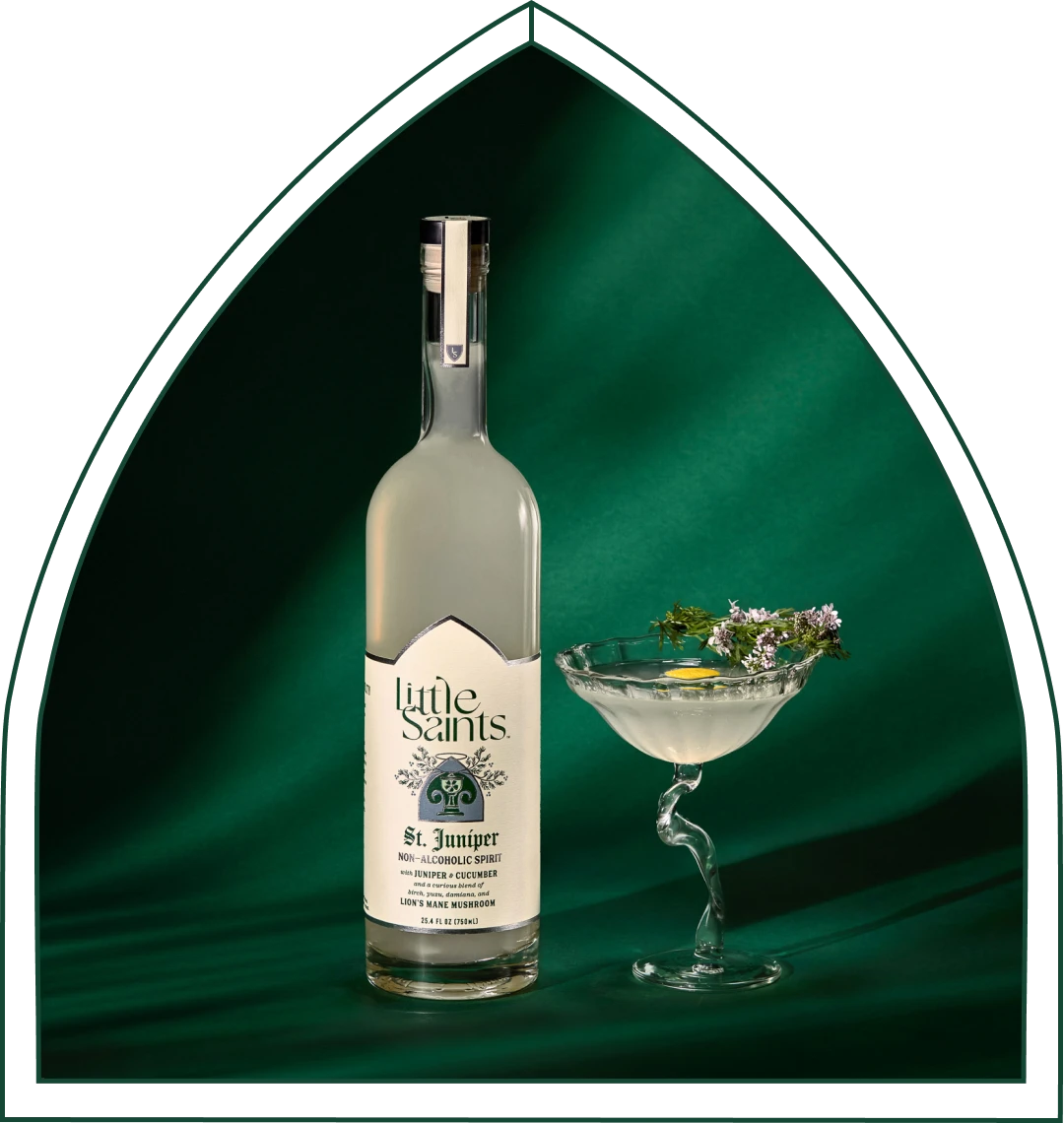
Reddit threads keep circling the missing vodka without landing on a satisfying replacement. A 1:1 pour of Little Saints St. Ember or Little Saints St. Juniper fills that gap with body and complexity instead of alcohol.
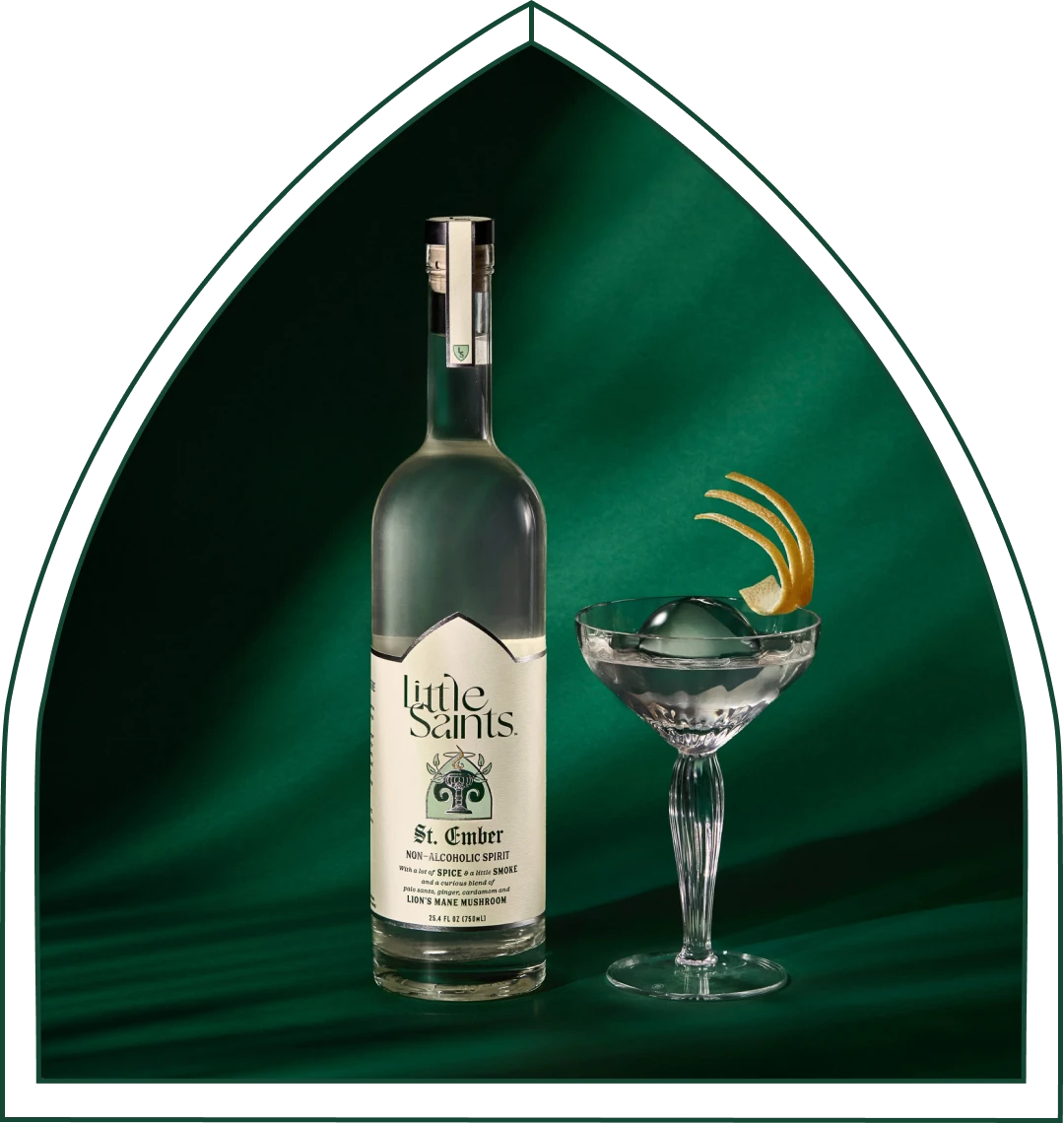
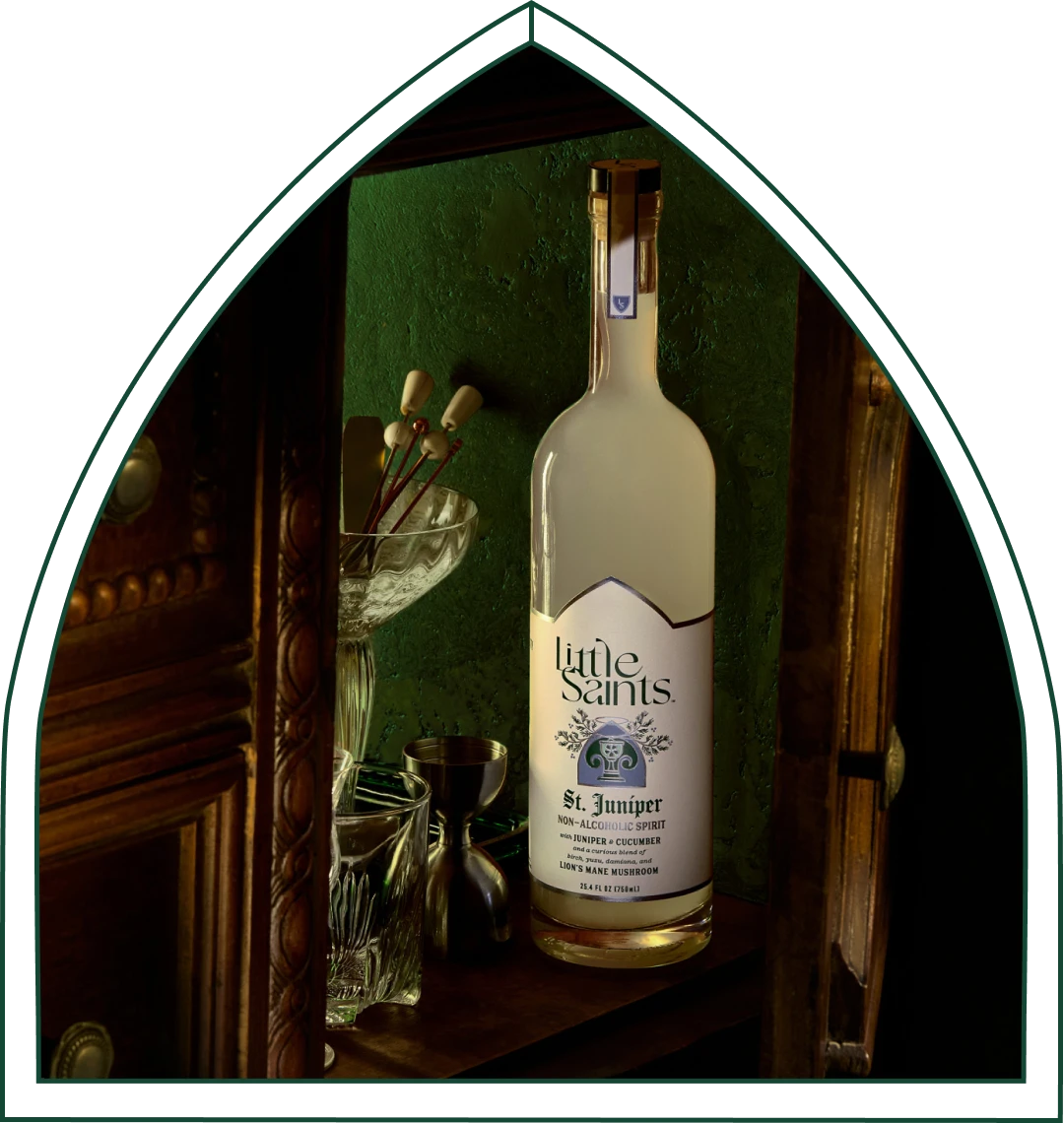
Little Saints St. Ember mixes like a tequila or a mezcal, built on palo santo, ginger, and cardamom. Little Saints St. Juniper mixes like a gin, with juniper, cucumber, and herbaceous notes. Both rely on oil-based craft extracts, so they hold up in the build the same way a spirit does and avoid the watery effect that some non-alcoholic spirits create.
A Little Saints St. Ember build looks like this:
- Little Saints St. Ember, to taste
- ½ oz fresh lime juice
- 4 oz spicy ginger beer
- Ice, packed to the top
- Lime wheel and mint to garnish
Pour the lime juice over ice, top slowly with ginger beer, add Little Saints St. Ember, stir once, and garnish. Swap in Little Saints St. Juniper for a brighter, more botanical version. The juniper and cucumber notes read cleanly against the lime and ginger.
Both spirits carry zero sugar and no sweeteners of any kind. Each also delivers a 100mg dose of organic Lion’s Mane extract, standardized to at least 70% beta glucan and documented by supplier certificates of analysis. Many drinkers describe a sense of clarity and ease that makes the mule feel like a full cocktail experience.
These statements have not been evaluated by the Food and Drug Administration. This product is not intended to diagnose, treat, cure, or prevent any disease.
For calorie-conscious builds using the same structure, the How To Make A Low Calorie Moscow Mule Without Alcohol guide and the Zero Sugar Moscow Mule: The Best Low-Calorie Recipe cover both approaches in full.
Upgrade Your Mule With St. Ember Or St. Juniper
Ready-Made In A Can
If building the drink from scratch feels like more effort than the evening allows, Little Saints canned non-alcoholic cocktails offer a shortcut that keeps the same clean profile. Each can carries zero sugar and five calories, sweetened with monk fruit, so it drinks clean without a sugar crash. The cans are ready to pour over ice the moment you open them, which makes them the fastest version of the build on a busy night.
Frequently Asked Questions
Can You Make A Moscow Mule Without Alcohol?
Yes. Ginger beer, fresh lime juice, and ice carry the drink completely, and the upgrade section above explains how Little Saints spirits restore body and complexity without alcohol.
What Is A Non-Alcoholic Moscow Mule Called?
Most menus and references use “Virgin Moscow Mule” for the vodka-free version. Some bars and threads mention a “cowboy mule,” but usage varies, so the virgin label communicates most clearly.
Should You Use Ginger Beer Or Ginger Ale For A Moscow Mule?
Use ginger beer. The comparison above shows how ginger ale turns the drink sweet and flat.
Where Can You Find Ginger Beer Substitutes And Ratios?
See the substitutes section above for specific ratios, flavor notes, and label caveats.
The Verdict
Reddit threads agree on the core build: spicy ginger beer, fresh lime, ice, stirred once. The label check on fermented ginger beer settles the question of whether the drink stays truly non-alcoholic. The upgrade above answers the question the threads keep circling about what replaces vodka in a way that still feels like a cocktail.
Discover The Full Little Saints Range
The statements made on our website have not been evaluated by the Food and Drug Administration, Our products are not intended to diagnose, treat, cure or prevent any disease. If you are pregnant, nursing, taking any medications or have any medical conditions, consult your doctor before use.