


Last updated: October 18, 2026
Key Takeaways
- Two choices shape an authentic no sugar margarita: how you replace triple sec and which zero-sugar sweetener you use at what amount.
- Monk fruit syrup at ¾ oz is the recommended sweetener: it softens lime acidity without cooling or herbal aftertaste in a cold shaken drink.
- A standard no sugar margarita has zero added sugar. Fresh lime juice adds a trace amount of natural sugar, so total sugar stays very low.
- Most no sugar margaritas miss the mark because the sweetener type or amount is off. Monk fruit, liquid stevia, and allulose each interact differently with lime and tequila.
- Little Saints offers a zero-sugar Classic Margarita shortcut sweetened with monk fruit and blended with functional mushrooms for chill, focus, and connection.
The No Sugar Margarita, Built
Triple sec does two jobs in a classic margarita. It supplies the orange note and it supplies the sweetness. Pull it out and you lose both at once. Most no sugar margarita recipes taste thin and sharp because they fix only one of those two problems. The build below treats them as separate decisions.
Here is the recipe:
- 2 oz blanco tequila
- 1 oz fresh lime juice
- 2–3 drops orange extract (can supply the orange flavor note of about 1 oz of triple sec, but sweetness must be added separately; a few drops go a very long way)
- ¾ oz monk fruit syrup (see sweetener comparison below for alternatives)
- Optional: salt rim on half the glass
Method: chill the glass. Wet and salt half the rim. Combine tequila, lime juice, orange extract, and monk fruit syrup in a shaker with ice. Shake hard for 12–15 seconds until the shaker is frosted. Strain over fresh ice. Garnish with a lime wheel.
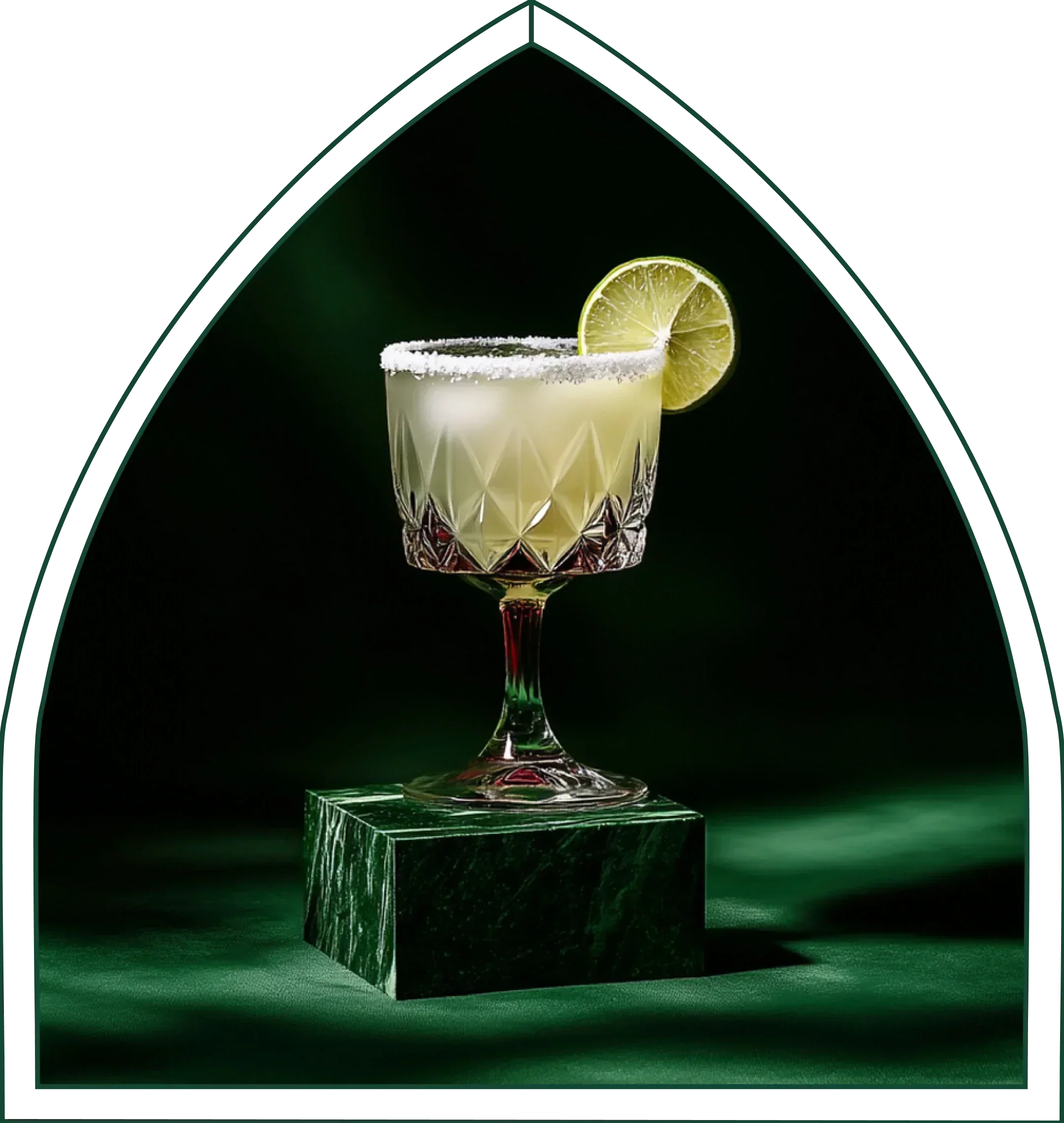
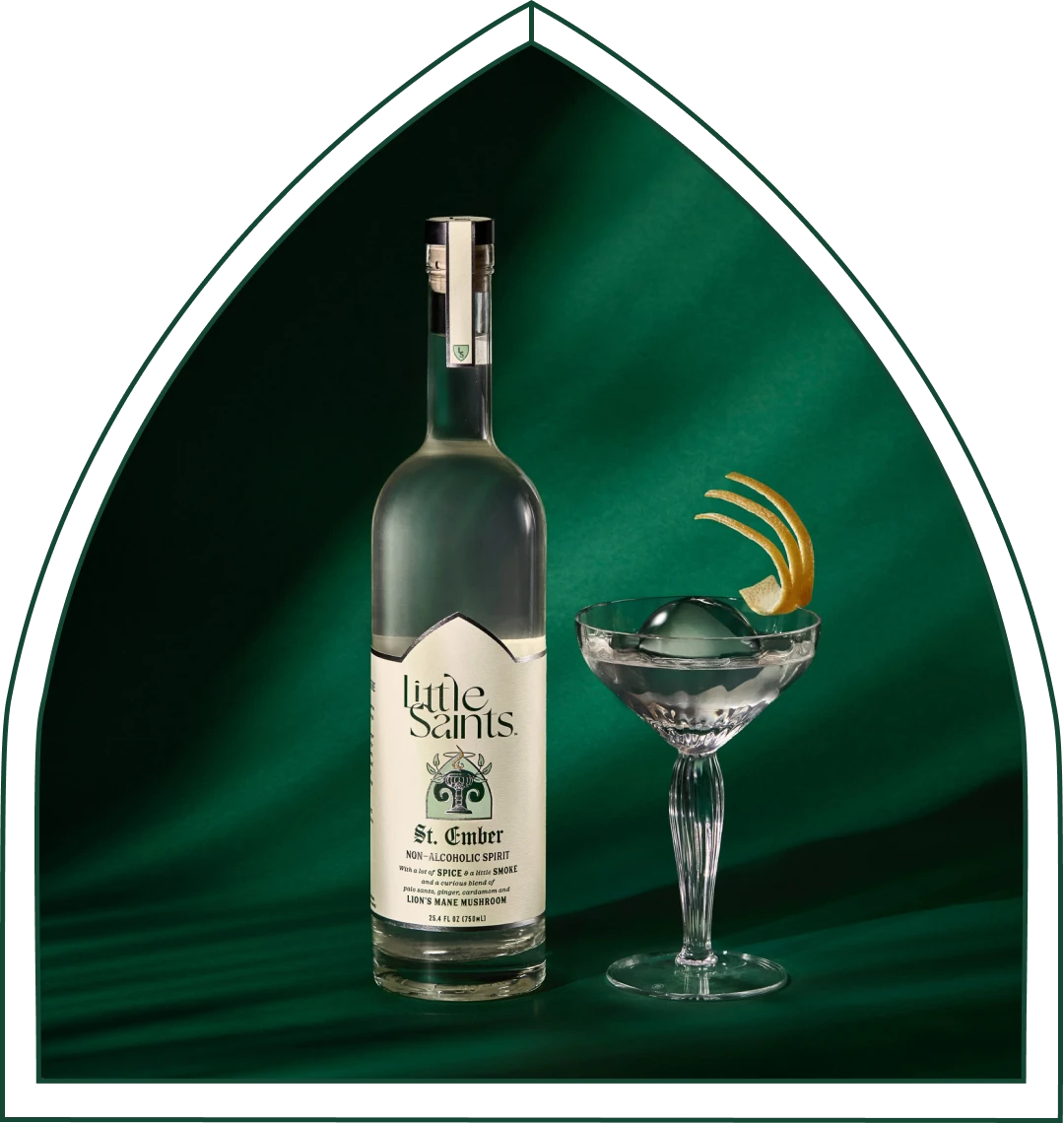
For a non-alcoholic route, Little Saints St. Ember mixes like a tequila or a mezcal at a 1:1 ratio. Two ounces replaces two ounces in this build with no adjustments needed. See The Best Non-Alcoholic Tequila Substitute For A Margarita for the full substitution guide.
The Sweetener Decision: Monk Fruit Vs. Liquid Stevia Vs. Allulose
The sweetener choice makes or breaks a no sugar margarita. The wrong zero-sugar sweetener, or the right one at the wrong amount, can taste thin, cooling, or bitter in a cold, acidic, shaken drink. Each sweetener behaves differently against lime’s acidity and tequila’s bite. Use these reference amounts as a starting point, then adjust to taste:
| Sweetener | Amount Per Drink | What It Does To The Finish |
|---|---|---|
| Monk Fruit Syrup | ¾ oz (1½ tsp), a direct 1:1 swap for simple syrup, though amounts vary by recipe | Rounds lime acidity with no cooling or herbal edge, very close to sugar in a cold shaken drink |
| Liquid Stevia | ¼ tsp (scant 1 ml) per 2-serving batch, about ⅛ tsp per drink | Stronger per drop, can read herbal or bitter against tequila at higher amounts, so start low and add |
| Allulose | 0.5 oz (15 ml) of liquid allulose | Needs a slightly larger volume to match sweetness, adds body and dissolves cleanly |
Monk fruit syrup is the recommended starting point because it softens lime’s sharpness without adding a cooling or herbal edge. It is also the sweetener Little Saints uses in its canned cocktails, including the Classic Margarita. Monk fruit simple syrup can replace traditional simple syrup 1:1. So a drink calling for 0.75 oz (1½ tsp) of simple syrup uses 0.75 oz of monk fruit syrup. Actual amounts vary by recipe, ranging from about ½ oz to 2–3 tablespoons per drink.
Liquid stevia is more concentrated per drop. Start at half the stated amount and add gradually. At higher amounts it can read herbal or bitter against tequila. Allulose needs that extra measure to match sweetness, yet it dissolves cleanly and adds body without aftertaste.
Keep this block as your reference. The sweetener type and amount are the most common reasons a zero-sugar margarita tastes off.
Can You Make a Margarita Without Sugar?
A no sugar margarita built with tequila, fresh lime juice, and a zero-sugar sweetener has zero added sugar. Most versions still count as very low sugar rather than strictly zero because fresh lime juice carries naturally occurring sugar.
USDA FoodData Central data shows that fresh lime juice contains a small amount of natural sugar per fluid ounce. A standard 1 oz pour in this recipe contributes only a trace. The added sugar is zero, and the total stays very low. That distinction matters if you read labels or track grams.
This caveat rarely appears in search results. Both AI answers and top recipe results often stop short of it, which leaves readers assuming “no sugar” means zero grams total. That assumption does not match labeling rules. Under 21 CFR 101.60(c)(1), a product may carry a “zero sugar” claim if it contains less than 0.5 grams of sugars per labeled serving. That rule sets a per-serving threshold. It does not prove absolute absence. The honest math: added sugar is zero and total sugar is trace. That still represents a meaningful reduction from a classic margarita, where triple sec alone can contribute 10–12 grams of sugar per 15 ml pour.
For more on building a low-sugar version from scratch, see Low Sugar Non-Alcoholic Margarita: Recipe, Sweetener & Pour.
Skinny Margarita at the Bar
“Skinny” has no legal definition at the bar. It can describe anything from a genuinely low-sugar build to a regular margarita with slightly less agave. Here are the common “People Also Ask” questions answered directly.
Does a Skinny Margarita Have Less Sugar Than a Regular One?
Usually yes. A skinny margarita typically drops triple sec and sour mix, which is where most of the sugar sits in a classic build. A single ounce of triple sec contributes roughly 80–100 calories, and commercial sour mix adds another 100–120 calories per drink. Removing both cuts the sugar significantly.
Is a Skinny Margarita Healthier?
A skinny margarita is lower in sugar and calories than a classic margarita. The tequila pour stays the same, so the alcohol content does not change. Lower sugar is a meaningful improvement, yet the drink still counts as alcohol, not a health beverage.
How Do You Order a Skinny Margarita at a Bar?
State “skinny margarita” and name each omission. Specify tequila, fresh lime, no triple sec, no agave, and a splash of soda if you want length. “Skinny” carries no regulatory definition in the US, so clear instructions bring the drink closer to what you actually want.
What Is the Healthiest Margarita Mix? Reading the Label
“Low sugar” and “zero sugar” on a mix label follow per-serving rules, not per-drink rules, and the sweetener often goes unnamed. When you read a margarita mix label, check for:
- Grams of sugar per serving, and what the serving size actually is
- A named sweetener such as monk fruit, stevia, allulose, or an artificial option
- Calorie count per serving
- Whether the mix uses real lime juice or lime flavoring
- Whether the format is ready-to-drink or a concentrate that needs dilution
On nights when shaking a drink is not the plan, the Little Saints Classic Margarita offers a zero-sugar, five-calorie canned shortcut. It is built on lime, bitter orange, and salt, with zero grams of sugar and five calories per can, and it is sweetened with monk fruit juice concentrate. It also carries the Nature’s Neuroscience blend: organic Reishi for chill, organic Lion’s Mane for focus, and Damiana for connection. It rated 4.8/5 across 48 accumulated customer reviews on littlesaints.com, captured August 2026. The can does not replace a homemade drink. It gives you a shortcut for the nights you do not want to shake one.
For a full comparison of what to look for across the mix category, see The Best Sugar-Free Margarita Mixes: A Zero-Sugar Guide.
Brief Variations on the Base Build
The base build above adapts cleanly to a few common variations.
- Spicy: Muddle or shake in a few jalapeño slices before adding the other ingredients. An optional chili-salt rim adds heat at the rim.
- Frozen: Use the same build and blend with about 1 cup of ice. Taste and adjust sweetness after blending. Cold temperature mutes sweetness, so you may need a few extra drops of sweetener.
- Mezcal: Swap the blanco tequila for mezcal for a smoky profile. For the non-alcoholic route, Little Saints St. Ember mixes like a tequila or a mezcal at a 1:1 ratio. Two ounces replaces two ounces in any of these builds.
For a full zero-sugar margarita recipe built for speed, see The Zero Sugar Margarita Recipe You Can Build In Minutes.
FAQ
Can You Make a Margarita Without Sugar?
Yes. Tequila, fresh lime juice, and a zero-sugar sweetener produce a margarita with zero added sugar. Fresh lime juice still carries a trace of naturally occurring sugar, so the total stays very low rather than strictly zero. Added sugar is zero and total sugar is trace.
What Is a 3-Ingredient Skinny Margarita?
A three-ingredient skinny margarita uses tequila, fresh lime juice, and a zero-sugar sweetener. Triple sec and sour mix stay out of the glass. The orange note is missing without an extract or a substitute, so the two-decision build above produces a more complete result. A three-ingredient version still works as a simple starting point.
What Replaces Triple Sec in a No Sugar Margarita?
A few drops of orange extract handle the orange note. A zero-sugar sweetener supplies the sweetness that triple sec used to carry. These are two separate decisions. Orange extract at 2–3 drops can supply the orange flavor note of about 1 oz of triple sec, while the sweetener replaces the sugar. Monk fruit syrup at ¾ oz, liquid stevia at about ⅛ tsp per drink, or allulose at 0.5 oz each cover the sweetness side. Both the orange extract and the sweetener need to be in place for the drink to taste like a margarita.
Sugar Free Margarita Mix vs. Homemade: Which Is Better?
Homemade gives you full control over the sweetener type and the exact amount, which is where most no sugar margaritas succeed or fail. A mix is faster, yet the sweetener is often undisclosed and the serving size on the label may not match what goes into a drink. Read the label before buying. Look for a named sweetener, grams of sugar per serving, and whether real lime juice is used.
The Two Decisions and the Shortcut
Every no sugar margarita that tastes wrong fails at one of two points. The triple-sec replacement needs orange extract at 2–3 drops, handled separately from sweetness. The sweetener type and amount also matter, and monk fruit syrup at ¾ oz comes closest to sugar in a cold shaken drink. Getting both choices right makes a proper margarita. Missing either one means the drink misses the mark.
On nights you do not want to shake one, the Little Saints Classic Margarita, with zero sugar, five calories, monk fruit sweetness, and the Nature’s Neuroscience blend, gives you the shortcut.
Explore the full range of non-alcoholic cocktails and spirits at Little Saints. The canned cocktails are zero sugar with five calories per can. The spirits are zero sugar with no sweeteners of any kind and a supplement-grade functional mushroom blend in every pour.
These statements have not been evaluated by the Food and Drug Administration. This product is not intended to diagnose, treat, cure, or prevent any disease. Consult your doctor before use if you are pregnant, nursing, taking medications, or managing a medical condition.
The statements made on our website have not been evaluated by the Food and Drug Administration, Our products are not intended to diagnose, treat, cure or prevent any disease. If you are pregnant, nursing, taking any medications or have any medical conditions, consult your doctor before use.