


Key Takeaways
- Low-calorie cocktail delivery spans four channels: grocery, restaurant, DTC shipping, and local liquor retail, each with different speeds and label transparency.
- Low-calorie labels do not guarantee low sugar, and a drink can meet the FDA’s 40-calorie threshold while still carrying meaningful sugar per serving.
- DTC shipping offers the highest label transparency because brands control the product page, so sugar, calories, and functional doses can be verified before purchase.
- Zero grams of sugar, five calories, and a stated functional dose are the three numbers that reliably pass the label test for a ready-to-drink option.
- Little Saints meets these standards with zero-sugar, five-calorie canned cocktails and non-alcoholic spirits that ship nationwide and are stocked in over 1,000 retail locations.
Discover Little Saints Cocktails
The Four Delivery Channels For Low-Calorie Cocktails
Low-calorie cocktail delivery runs through four main channels, and each one changes what you can see on the label before you order.
Channel 1: Grocery Delivery (Instacart, DoorDash, Uber Eats Grocery)
Grocery delivery is usually the fastest option, often same-day or within hours. The trade-off is selection, because inventory is limited to what sits on the shelf at stores within your delivery radius that day. The low-calorie set in grocery often skews toward sugar-sweetened mixers and canned options. A product marketed as a “low-calorie margarita mix” can still carry meaningful sugar. Under 21 CFR 101.60, the FDA defines “low calorie” as no more than 40 calories per serving, and a drink can meet that bar while still carrying 6–10 grams of sugar. Label transparency also depends on whether the retailer has uploaded nutrition data to the app, and that data is often incomplete or absent.
Channel 2: Restaurant Delivery (DoorDash, Uber Eats, Grubhub)
Restaurant delivery is fast and menu-dependent. Restaurant menus rarely list sugar or calories for cocktails. Uber Eats merchant terms require accurate nutritional information where applicable, yet most restaurant cocktail menus do not publish it. Ordering a “low-calorie” cocktail from a restaurant delivery app usually means ordering without the numbers that matter most.
Channel 3: DTC Shipping
Direct-to-consumer shipping reaches all 50 states, typically within three days. It runs slower than same-night delivery, yet it is the only channel where label transparency stays consistently high because the brand controls the product page. Sugar, calories, and functional dose can all be checked before purchase. Non-alcoholic beverages can be sold direct to consumer without the three-tier licensing constraints that govern alcoholic beverages, so 0% ABV products ship with fewer regulatory barriers than alcoholic options.
Channel 4: Local Liquor Retail
Local liquor retail behaves like a wildcard. Inventory varies by store and delivery radius. Some stores carry zero-sugar options, while many focus on sugar-sweetened canned cocktails. Delivery radius and store hours limit availability, and some states restrict alcohol delivery to store employees only, prohibiting third-party couriers entirely. Local liquor delivery rules therefore shift sharply by jurisdiction.
The table below summarizes how the four channels compare on speed, label transparency, and national availability, the three factors that determine how much you can know before the drink arrives.
| Channel | Speed | Label Transparency | National Availability |
|---|---|---|---|
| Grocery Delivery | Fastest (same-day) | Low, depends on retailer data upload | Limited to local stores |
| Restaurant Delivery | Fast | Low, menus rarely list sugar or calories | Limited to local restaurants |
| DTC Shipping | 3 days typical | High, brand controls product page | All 50 states |
| Local Liquor Retail | Varies | Varies by store | Limited to delivery radius |
Explore the Low Sugar Cocktail Delivery Guide
Once you have chosen a channel, the next step is knowing what to look for on the label.
How To Read A Low-Calorie Label On A Delivered Cocktail
Focus on three checks in this order: sugar per serving, calories per serving, and whether a functional dose is stated. Low-calorie and low-sugar sit on different lines of the label, so each one needs its own review.
Step 1: Sugar Per Serving
Start with the total sugars line on the Nutrition Facts panel, because that number is the most reliable indicator. Zero grams means zero grams. “Low sugar” is not a regulated term the way “sugar free” is, and under 21 CFR 101.60, a “reduced sugar” claim requires at least 25% less sugar than a reference food, but no threshold governs the phrase “low sugar.” That gap is why a drink can carry that phrase on its label while still delivering 8–12 grams of sugar per serving.
Step 2: Calories Per Serving
Under 21 CFR 101.60, fewer than 5 calories per serving qualifies as “calorie free,” and 40 calories per serving is the FDA ceiling for a “low calorie” claim. A drink at 40 calories can still carry sugar, so calories and sugar need to be read together. Treat them as independent figures, because reading only one of them gives an incomplete picture.
Step 3: Functional Dose
If the drink claims a functional benefit such as Reishi, Lion's Mane, or botanicals, check whether a dose is stated on the label. Most brands publish neither a dose nor a potency. When the number is missing, assume the claim does not rest on a meaningful amount.
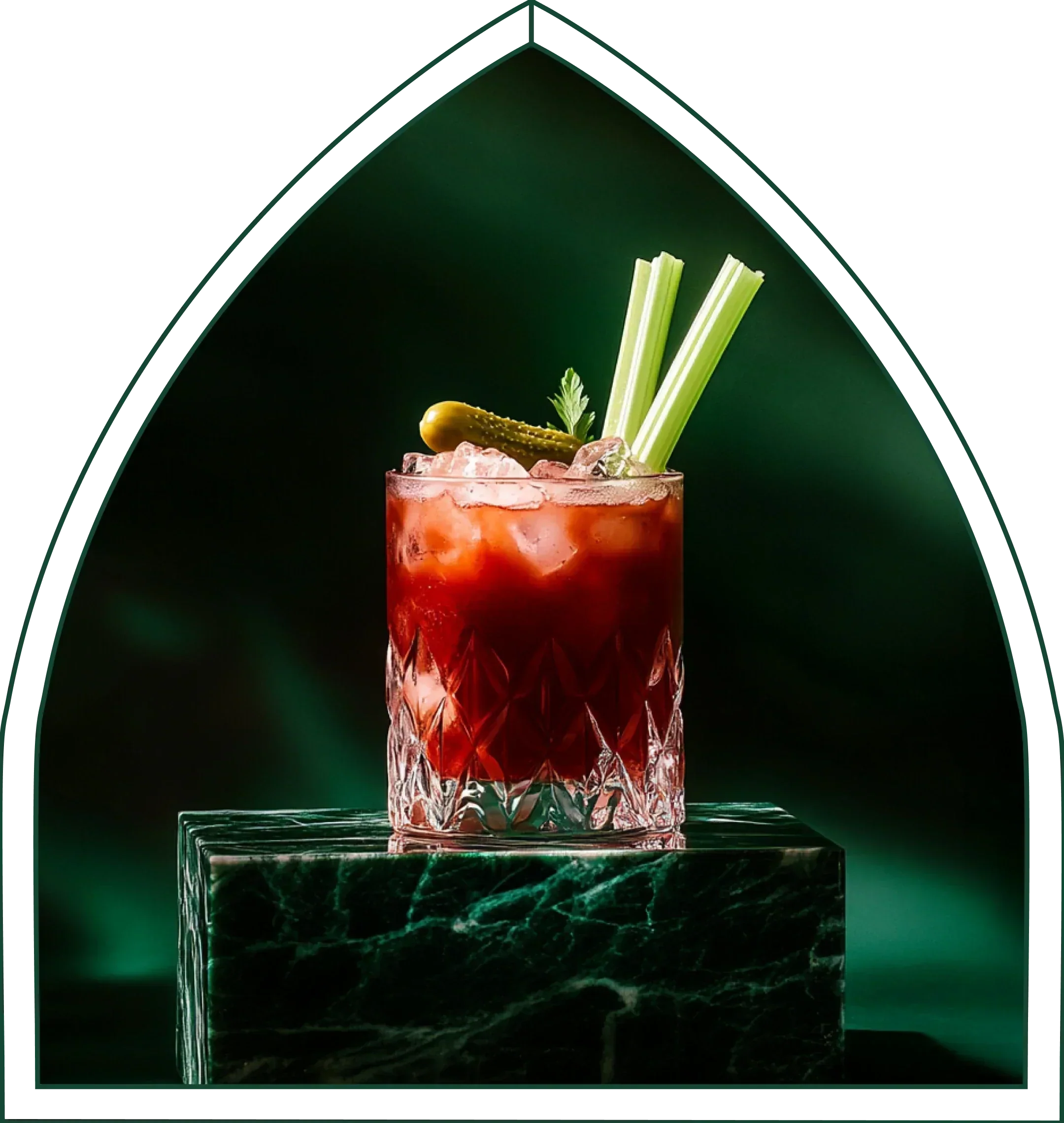
The takeaway is simple. Sugar and calories sit on different lines, so read both, then check whether the functional claim has a number behind it.
Why Low-Calorie And Low-Sugar Work As Separate Decisions
Low-calorie and low-sugar describe different parts of the label, and treating them as one decision creates confusion. Many people scan for calories and assume that number also covers sugar, which it does not.
The numbers show the gap clearly. Some non-alcoholic canned options carry 10–12 grams of sugar per serving. Full-sugar canned cocktails commonly land in the 150–300 calorie range per serving, depending on recipe and alcohol level. A regular soda carries 35–40 grams of sugar. A non-alcoholic beer can carry roughly 80–85 calories and around 12 grams of carbohydrate. A canned cocktail marketed as “low-calorie” can still carry 6–10 grams of sugar per serving.
Delivery convenience only helps when the drink supports how you want to feel. Many people choose low-calorie options to avoid a sugar crash and next-day drag, so relying on calories alone can undermine that goal. When the label says “low-calorie” and the sugar line says 8 grams, the decision used the wrong number.
The 2025 International Food Information Council Food & Health Survey found that 3 in 4 Americans reported trying to limit or avoid sugars in their diet, and “low in sugar” ranked among the top three criteria Americans use to define a food as healthy. That priority makes a clear label filter useful. Zero grams of sugar, five calories, and a stated functional dose form that filter.
See the full guide to zero-sugar, low-calorie cocktails worth ordering.
What To Look For In A Ready-To-Drink Option
A ready-to-drink low-calorie cocktail that passes the label test meets a short list of criteria.
- Zero grams of sugar
- Five calories per can
- 0% ABV
- No caffeine in the core line
- A stated functional dose
The functional dose matters because most brands publish neither a dose nor a potency. Without those numbers, you cannot distinguish a concentrated extract from mycelium grown on grain, where much of the powder is starch and beta glucan content often sits in the low single digits. A label that lists an ingredient without a quantity functions as a marketing list instead of a formulation.
Little Saints publishes both dose and potency. Every product carries a stated 100mg functional mushroom dose per serving, and the extracts sit at a minimum of 70% beta glucan, the fraction of the mushroom that carries its adaptogenic properties, documented by supplier certificates of analysis. The mushrooms are USDA Organic, grown in California, and extracted with ultrasound rather than solvents, so no residue carries into the liquid. The extract holds GRAS status, the FDA standard of generally recognized as safe for an ingredient used in food.
At 70% beta glucan, the extract is up to 700 times more concentrated than a whole mushroom at around 0.1% beta glucan. Against a dried, ground mushroom at roughly 1%, the extract is approximately 70 times more concentrated. Quality fruiting-body extracts in supplement products typically run 20–40% beta glucan, so 70% sits at the top of that range.
Shop Zero-Sugar Canned Cocktails
Knowing what to look for is only half the work, and the next step is knowing where to search.
How To Find Low-Calorie Cocktail Delivery In Your City
Each delivery channel responds best to a slightly different search strategy.
Grocery delivery apps: Search for “zero sugar cocktail” or “non-alcoholic cocktail” and filter by the nutrition panel. If the app does not show sugar content, check the brand's website before ordering. Direct-to-consumer and e-commerce channels now represent 8–12% of U.S. zero sugar beverage sales, nearly double pre-pandemic levels, so more zero-sugar options appear in grocery delivery apps than even two years ago, though availability still varies by market.
Restaurant delivery apps: Search the non-alcoholic beverage section. Most menus will not list sugar or calories for cocktails, so treat these orders as number-blind unless the restaurant publishes nutrition data.
DTC shipping: Search for brands that ship to your state and check whether the product page lists sugar, calories, and a functional dose. When those numbers are missing, move on to another option. This channel offers the highest label transparency because the brand controls the page.
Local liquor retail: Call ahead or check the store's delivery app listing. Inventory varies by store and delivery radius, and local ordinances may restrict delivery hours, areas, or the types of retailers permitted to deliver.
Once results appear, filter for zero grams of sugar, five calories, and a stated functional dose. Products that do not publish all three do not pass the test.
What Passes The Label Test: Little Saints
Little Saints is a non-alcoholic cocktail and spirits brand built for the evening drinking occasion, with classic cocktail flavor profiles, zero sugar, five calories, and a functional mushroom and botanical blend with both the dose and the beta glucan content stated on the label.
The canned cocktail line includes seven options: Classic Spritz, Hugo Spritz, Classic Margarita, Paloma, Old Fashioned, Mojito, and Negroni Spritz. All are sweetened with monk fruit juice concentrate and deliver zero grams of sugar, five calories, and 0% ABV.
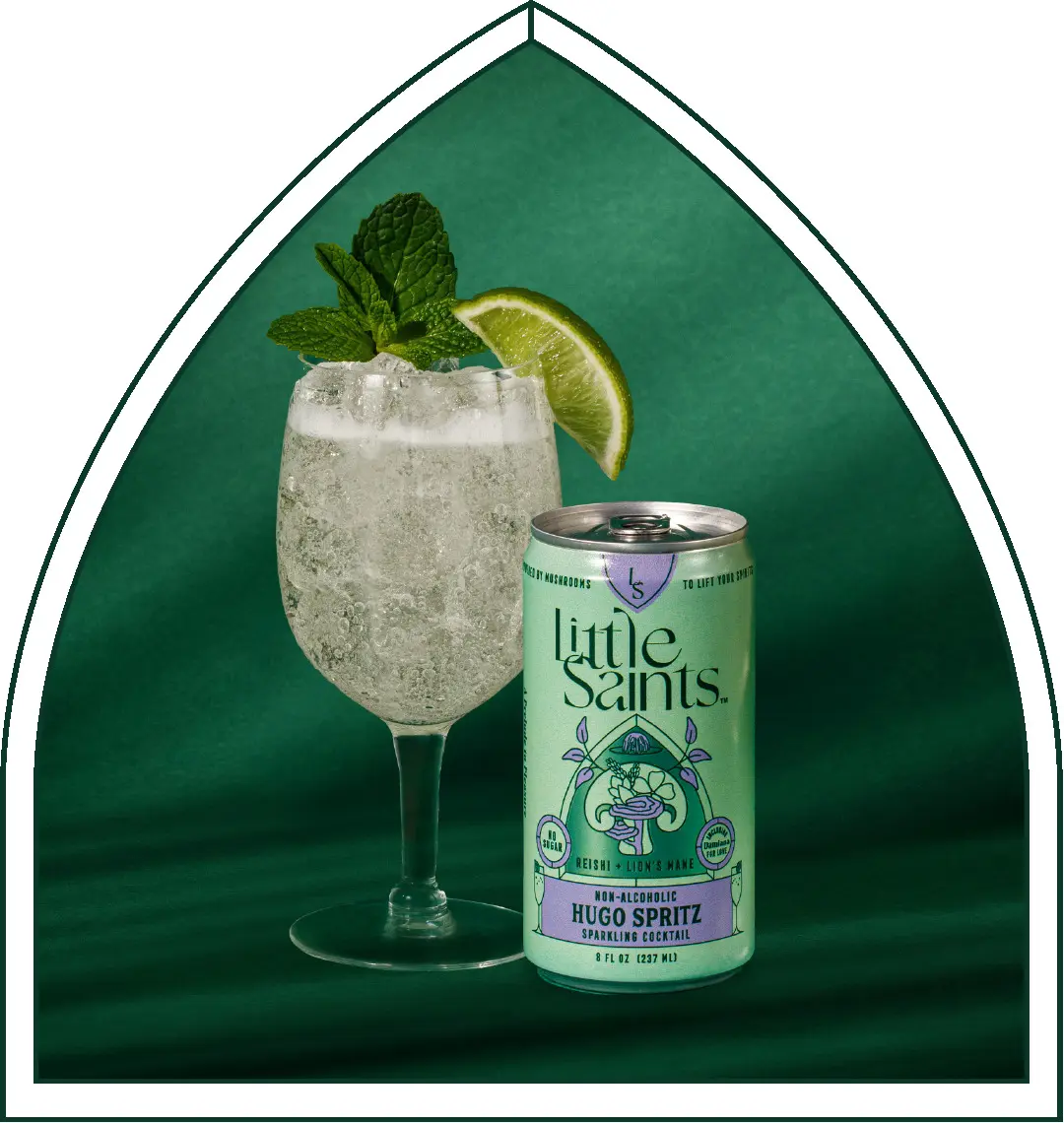
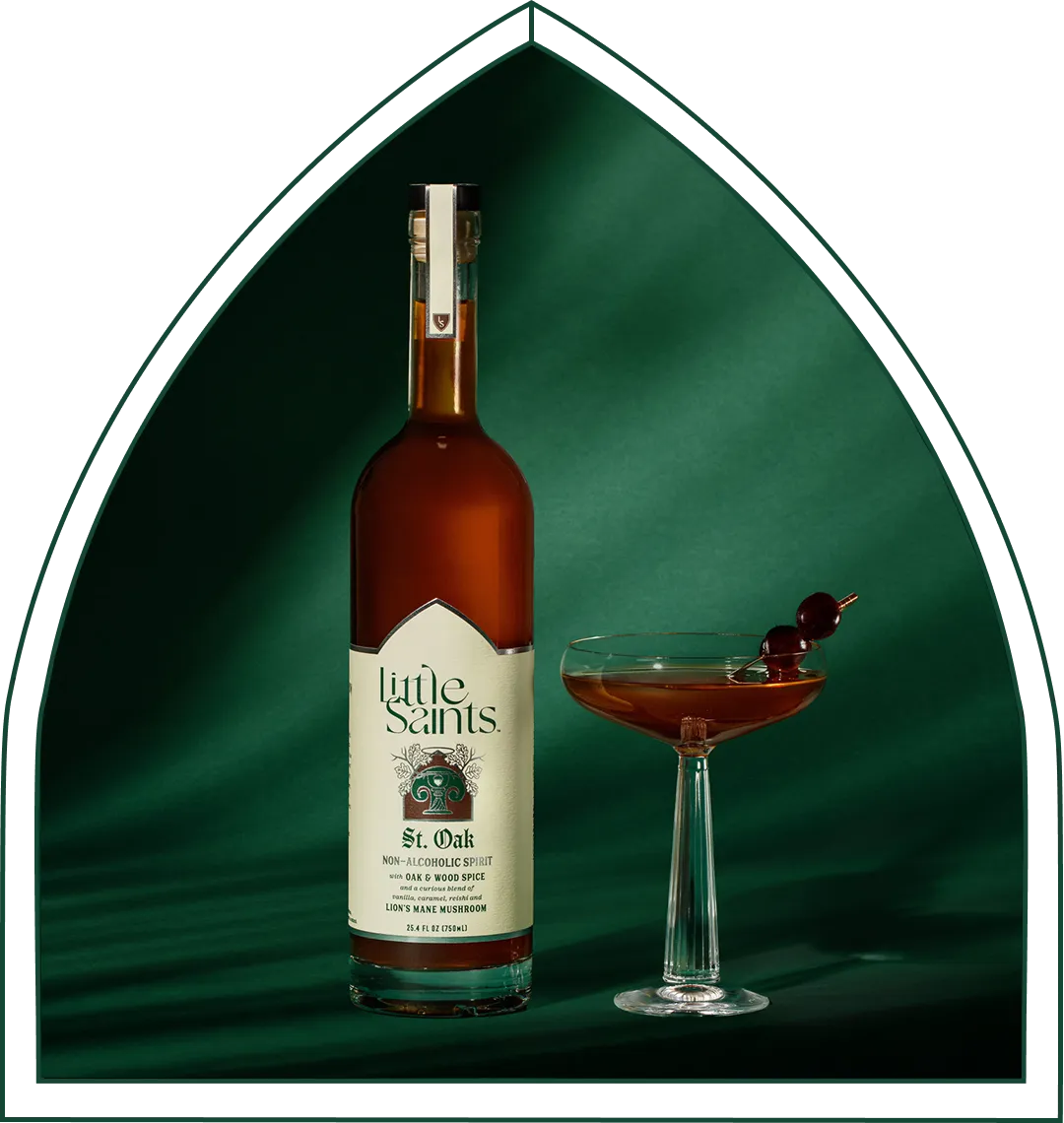
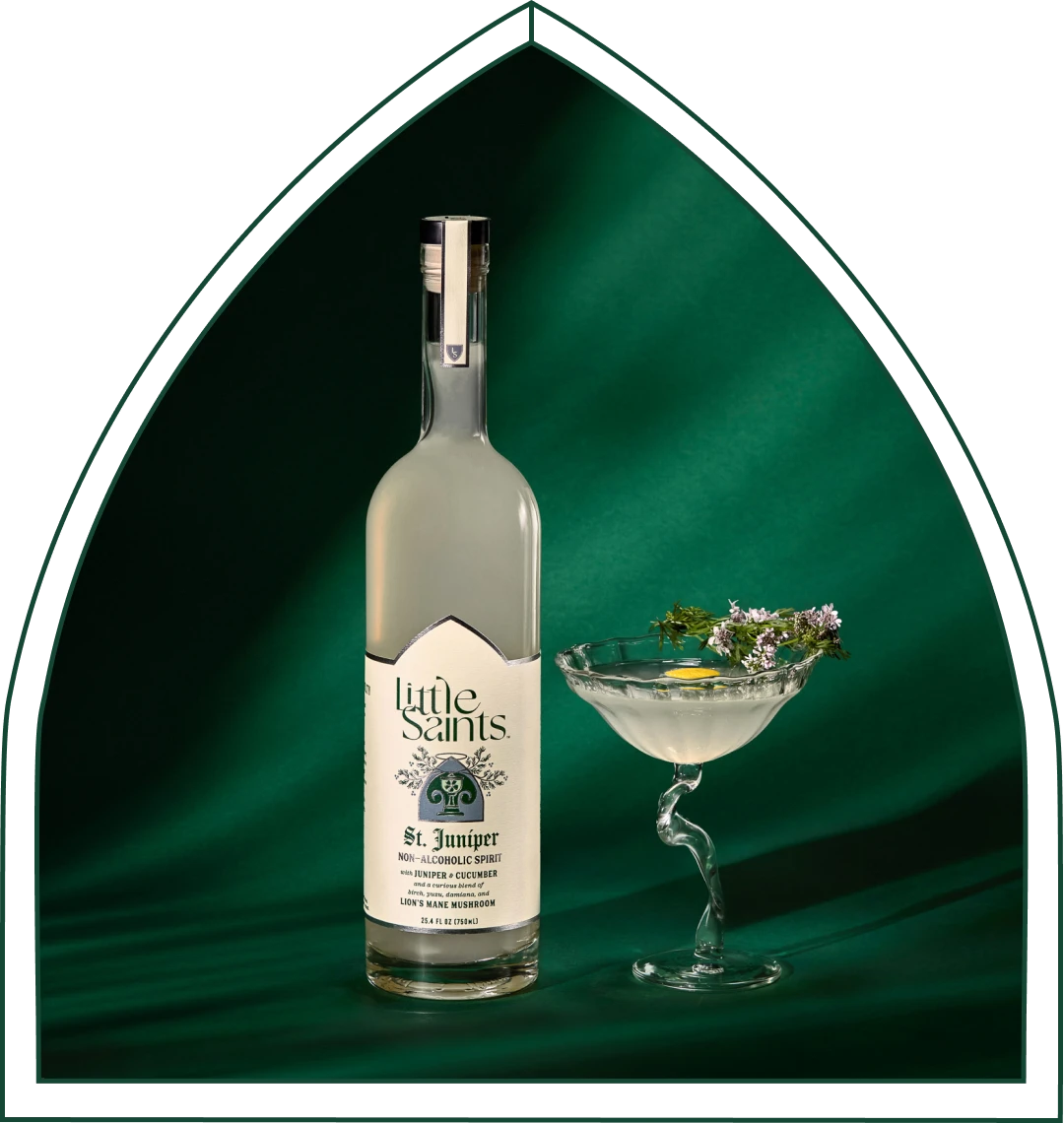
The non-alcoholic spirits line includes St. Ember, St. Oak, and St. Juniper and carries zero grams of sugar with no sweeteners at all. They are built on oil-based craft extracts and mix 1:1 in a classic cocktail spec. Two ounces replaces two ounces without over-pouring or diluting the build. St. Oak was named Best NA Spirit of 2025 by the BevNET Spirit Awards.
Both lines carry the Nature's Neuroscience functional platform, which includes organic Reishi, organic Lion's Mane, Damiana, and botanical terpenes across the range. The functional blend is dosed at 100mg per serving, with extracts at a minimum of 70% beta glucan backed by certificates of analysis from the supplier.
Little Saints ships direct to consumers in all 50 states, typically within three days, out of two warehouses. It is also stocked in over 1,000 retail shops, grocery stores, liquor stores, bars, and restaurants, including Sprouts in every door, Whole Foods in California and Florida, Fresh Thyme in the Midwest, and ABC Liquors in Florida.
Looking for recipes? See the Low Calorie Cocktail Recipes guide for drinks under 150 calories.
Frequently Asked Questions
What Is The Skinniest Cocktail You Can Get Delivered?
The skinniest delivered cocktail is a zero-sugar, five-calorie non-alcoholic option with a stated functional dose. That combination, including zero grams of sugar, five calories, 0% ABV, and a published 100mg functional dose at a minimum of 70% beta glucan, is the standard Little Saints canned cocktails are built to. Among ultra-processed premix alcohol products sold in Australian retail outlets, “low/no sugar” and “low calorie” claims are common even though nearly all such products contain additives or ingredients indicative of ultra-processing, so many products marketed as low-sugar or low-calorie still contain sugar or ultra-processing additives.
How Do I Read A Low-Calorie Label On A Delivered Cocktail?
Check sugar per serving first, then calories per serving, then whether a functional dose is stated. The total sugars line on the Nutrition Facts panel is the number that matters most, and a drink can be marketed as low-calorie while still carrying 8–12 grams of sugar per serving. “Low sugar” is not a regulated term in the way “sugar free” is, so a product can use that phrase without meeting any specific threshold. Read sugar and calories as separate numbers, then check whether any functional claim has a stated dose behind it.
Is Low-Calorie The Same As Low-Sugar?
Low-calorie and low-sugar are not the same measure. The FDA defines “low calorie” as no more than 40 calories per serving, and a drink can meet that threshold while still carrying 6–10 grams of sugar. A regular soda carries 35–40 grams of sugar. A non-alcoholic beer can carry roughly 80–85 calories and around 12 grams of carbohydrate. Sugar and calories are independent figures, and reading only one of them produces an incomplete picture of what is in the can.
Can I Get Zero-Sugar Cocktails Delivered Nationally?
Zero-sugar cocktails are available nationally through DTC shipping, which delivers to all 50 states, typically within three days, and offers the highest label transparency because the brand controls the product page. Little Saints ships direct and is also stocked in over 1,000 retail locations nationally, including Sprouts in every door, Whole Foods in California and Florida, Fresh Thyme in the Midwest, and ABC Liquors in Florida. Grocery delivery and local liquor retail can carry zero-sugar options such as Coca-Cola Zero Sugar, but availability varies by market, store inventory, and fulfillment method, and some products may be available for pickup but not delivery.
What Should I Look For In A Ready-To-Drink Low-Calorie Cocktail?
Focus on three core criteria: zero grams of sugar, five calories, and a stated functional dose. If the brand does not publish all three, it does not pass the label test. The functional dose matters because most brands list an ingredient without a quantity. On U.S. supplement labels, functional ingredients are frequently listed without individual amounts—caffeine's amount is undisclosed 60.6% of the time, curcumin 49.0%, glycine 45.9%, and collagen 42.4%—while ingredients with Daily Values like vitamin D and iron are hidden only 2.2% of the time. Under the FTC's Health Products Compliance Guidance, a real functional health claim must be substantiated by “competent and reliable scientific evidence.” That standard calls for tests, analyses, or studies conducted and evaluated objectively by experts in the relevant field, with enough quality and quantity to support the claim, and the dosage and formulation of the advertised product must match the product used in the study.
Conclusion: Use The Channel Map And The Label Test Together
Four delivery channels exist nationally for low-calorie cocktails: grocery delivery, restaurant delivery, DTC shipping, and local liquor retail. Each carries different products, speeds, and levels of label transparency, so the channel you choose shapes how much you can know before the drink arrives. DTC shipping is the only channel where label transparency stays consistently high because the brand controls the product page.
The label test rests on three numbers: sugar per serving, calories per serving, and whether a functional dose is stated. Low-calorie and low-sugar work as separate measures, so reading both numbers and checking for a stated dose is the only way to see what is in the can.
Little Saints passes the label test with zero sugar, five calories, 0% ABV, and a stated 100mg functional dose at a minimum of 70% beta glucan, documented by supplier certificates of analysis. It ships to all 50 states and is stocked in over 1,000 retail locations nationally.
These statements have not been evaluated by the FDA. This product is not intended to diagnose, treat, cure, or prevent any disease.
Find Your Next Little Saints Order
The statements made on our website have not been evaluated by the Food and Drug Administration, Our products are not intended to diagnose, treat, cure or prevent any disease. If you are pregnant, nursing, taking any medications or have any medical conditions, consult your doctor before use.