


Key Takeaways
- A clear spirit plus a zero-calorie mixer in a tall glass with fresh citrus keeps most bar cocktails under 100 calories with no added sugar.
- Skip tonic, juice, and sweet-and-sour mix because each adds 80–124 calories and significant sugar. Ask for diet tonic, soda water, or fresh citrus instead.
- Specify a tall glass and a single 1.5 oz pour so the drink stretches with ice and soda without increasing calories or alcohol content.
- Menu items labeled “skinny” have no regulated definition and may still contain agave syrup or triple sec, so ask what is actually in the drink.
- Little Saints delivers a five-calorie, zero-sugar cocktail occasion with the same social ritual, without alcohol or compromise.
Explore Five-Calorie Cocktail Options
The Formula And The Ordering Rules
A simple formula keeps bar cocktails low in calories: clear spirit plus zero-calorie mixer in a tall glass with fresh citrus. Everything else builds on that core idea.
Five ordering rules turn that formula into a reliable bar order. Each one removes a hidden source of calories or sugar.
- Skip tonic and juice. Regular tonic water carries roughly 124 calories and 32 grams of sugar per 12 oz, which turns a low-calorie spirit into a sugar delivery vehicle.
- Ask for fresh citrus instead of sweet-and-sour mix. A standard sweet-and-sour mix runs 80 calories and 20 grams of added sugar per 3.5 oz serving, so swapping to real citrus cuts both sugar and calories.
- Specify a tall glass. The bartender tops it with more ice and soda, which stretches the drink visually and over time without adding calories.
- Ask for a light pour or a single 1.5 oz measure rather than a 2–3 oz double. A double pour roughly doubles the spirit calories before any mixer is added, so a measured single keeps the count predictable.
- Ask what is actually in any drink the menu calls “skinny.” The word has no regulated definition, and a bar’s skinny margarita may still arrive with agave syrup and triple sec.
Low-Calorie Alcoholic Drinks You Can Order At A Bar
This list is ranked editorially: first the most reliable low-calorie order, then options that taste more like classic cocktails, then choices that help with pacing. Calorie ranges come from MedlinePlus and MedlinePlus lower-calorie choices, cross-referenced with USDA FoodData Central. Ranges reflect different pour sizes and bar practices.
- Vodka Soda – 95–105 calories. This is the benchmark low-calorie order: one standard 1.5 oz pour of 80-proof vodka plus soda water and a lime wedge, with essentially all calories coming from the alcohol itself.
- Tequila Soda or Ranch Water – 95–105 calories. The calorie profile matches a vodka soda. Tequila blanco at 80 proof runs roughly 97 calories per 1.5 oz pour, and soda water contributes zero.
- Whiskey Highball – 110–130 calories. This is a single 1.5 oz pour of whiskey over ice, topped with soda water. MedlinePlus lists a standard highball at 110 calories for an 8 oz serve.
- Dry Martini – 120–150 calories. This is gin or vodka with a small measure of dry vermouth. MedlinePlus lists a 2.25 oz extra-dry martini at 139 calories. Choose this when you want something that reads as a proper cocktail.
- Gin And Diet Tonic – 95–120 calories. Swapping regular tonic for diet tonic removes roughly 80–124 calories of sugar per serve while keeping the botanical character of the gin intact.
- Extra Brut Champagne Or Sparkling Wine – 85–95 calories per 4 oz pour. MedlinePlus lists 4 oz of champagne at 85 calories. Brut and Extra Brut are among the lowest residual-sugar sparkling wine styles, with Brut Nature even drier. This is a strong choice when pacing yourself across a long evening.
- Light Beer – 95–110 calories per 12 oz. MedlinePlus lists a 12 oz light beer at 103 calories, with roughly 5–7 grams of carbohydrate. This is the familiar contrast order: easy to pace, but it carries carbohydrate and no functional layer.
Low Calorie Cocktails With Gin
Gin becomes a very efficient choice when you pair it with a clean mixer. A standard 1.5 oz pour of 80-proof gin runs approximately 97 calories, the same baseline as vodka or tequila at the same proof.
The mixer usually creates the calorie problem. Regular tonic water, as noted earlier, adds enough sugar and calories to push a gin and tonic to 150–200 calories before the glass is even full.
The fix is simple. Ask for diet tonic or soda water. A gin and diet tonic lands at 95–120 calories. A gin and soda with a squeeze of fresh lime lands at roughly 100 calories. A dry gin martini, built from gin plus a small measure of dry vermouth, sits at 120–150 calories and delivers one of the most cocktail-forward low-calorie orders on any menu.
For a gin-forward option that skips alcohol entirely, Little Saints’ St. Juniper is built on juniper, cucumber, and herbaceous botanicals and mixes 1:1 in any gin spec.
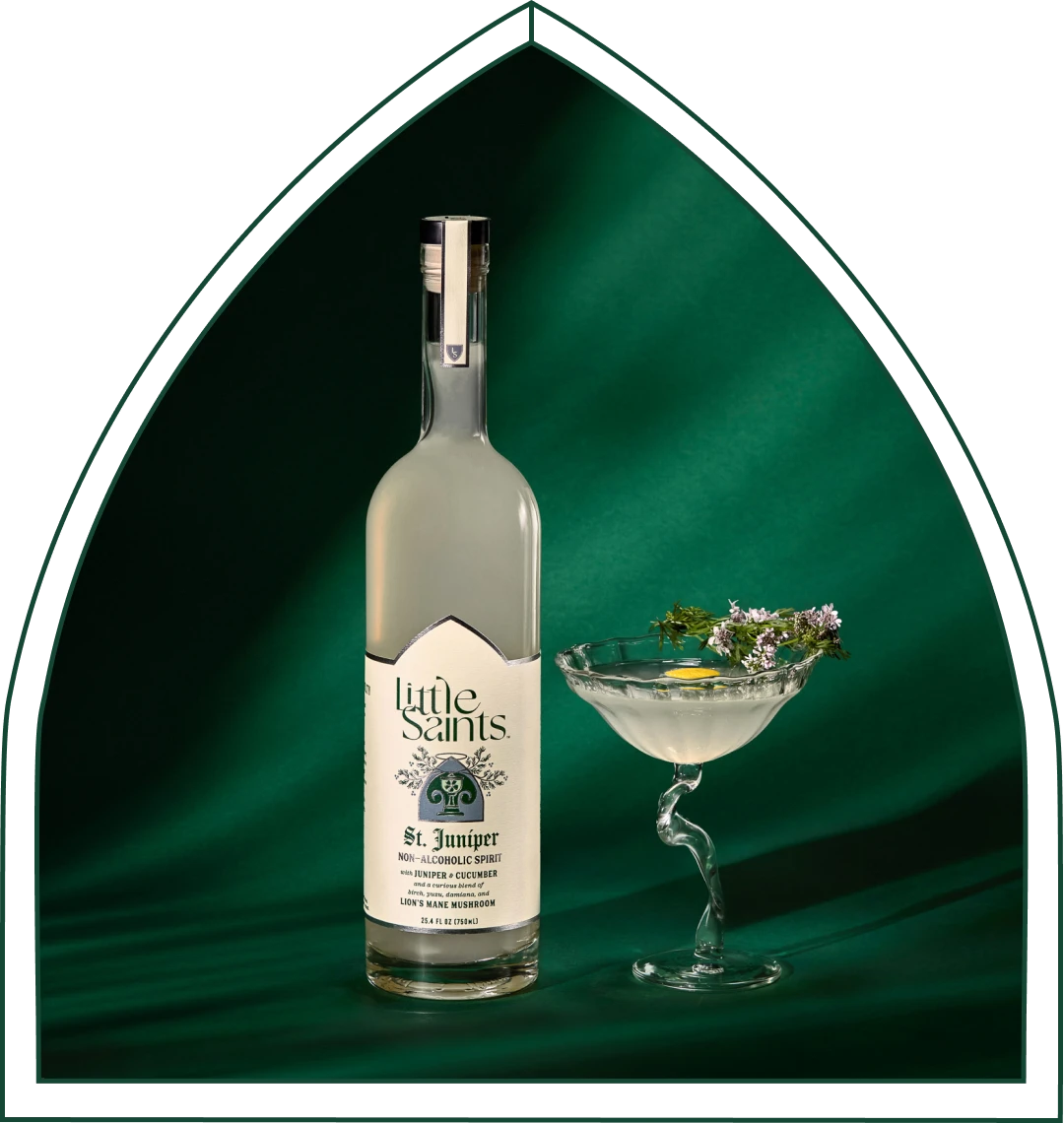
Try St. Juniper In A 1:1 Gin Swap
The Ordering Script For A Low-Calorie Cocktail
Knowing the formula is only half the work. You also need words that feel natural at a busy bar and do not sound like a nutrition lecture.
The baseline script is: “Vodka soda, tall, with two lime wedges, and can you go light on the pour?”
Each phrase does a specific job.
- “Tall” tells the bartender to use a highball glass and top it with soda. The drink looks larger and lasts longer without extra calories.
- “Two lime wedges” replaces sweet-and-sour mix with fresh citrus. It sounds like a normal garnish request rather than a dietary declaration.
- “Light on the pour” is a standard bar request. It signals a preference for a single measure instead of a free-pour double, and most bartenders hear it as a pacing choice.
The same structure works for any spirit-and-soda combination. “Tequila soda, tall, fresh lime” uses four words. “Gin and soda, tall, lemon twist” uses five. Neither order needs extra explanation.
For asking about a menu drink without sounding suspicious, use: “What’s in the [drink name], and is there any syrup or juice in it?” That phrasing sounds like a simple preference. A bartender who knows the menu will answer in about ten seconds. If they do not, you can pivot to a vodka soda instead.
Stock Up For At-Home Practice Rounds
The Skinny Margarita Reality Check
The ordering script works cleanly for spirit-and-soda builds, but it runs into trouble with drinks that arrive pre-built. The skinny margarita is the clearest example of that problem.
The skinny margarita is the most-ordered “healthy” cocktail at many bars and often ends up among the highest-calorie options once the full build is counted. A standard margarita made with 2 oz tequila, 1 oz triple sec, and sweetened sour mix can land at 300–500 calories for a restaurant-sized pour. Triple sec alone runs 75–100 calories per ounce with 11 grams of sugar per ounce. Agave syrup adds 40–60 calories per tablespoon.
A menu label of “skinny” carries no regulated definition. A skinny margarita at a casual dining chain may arrive made from a pre-mixed “lite” concentrate that shaves only about 30 calories off the original, still landing at 200 calories or more.
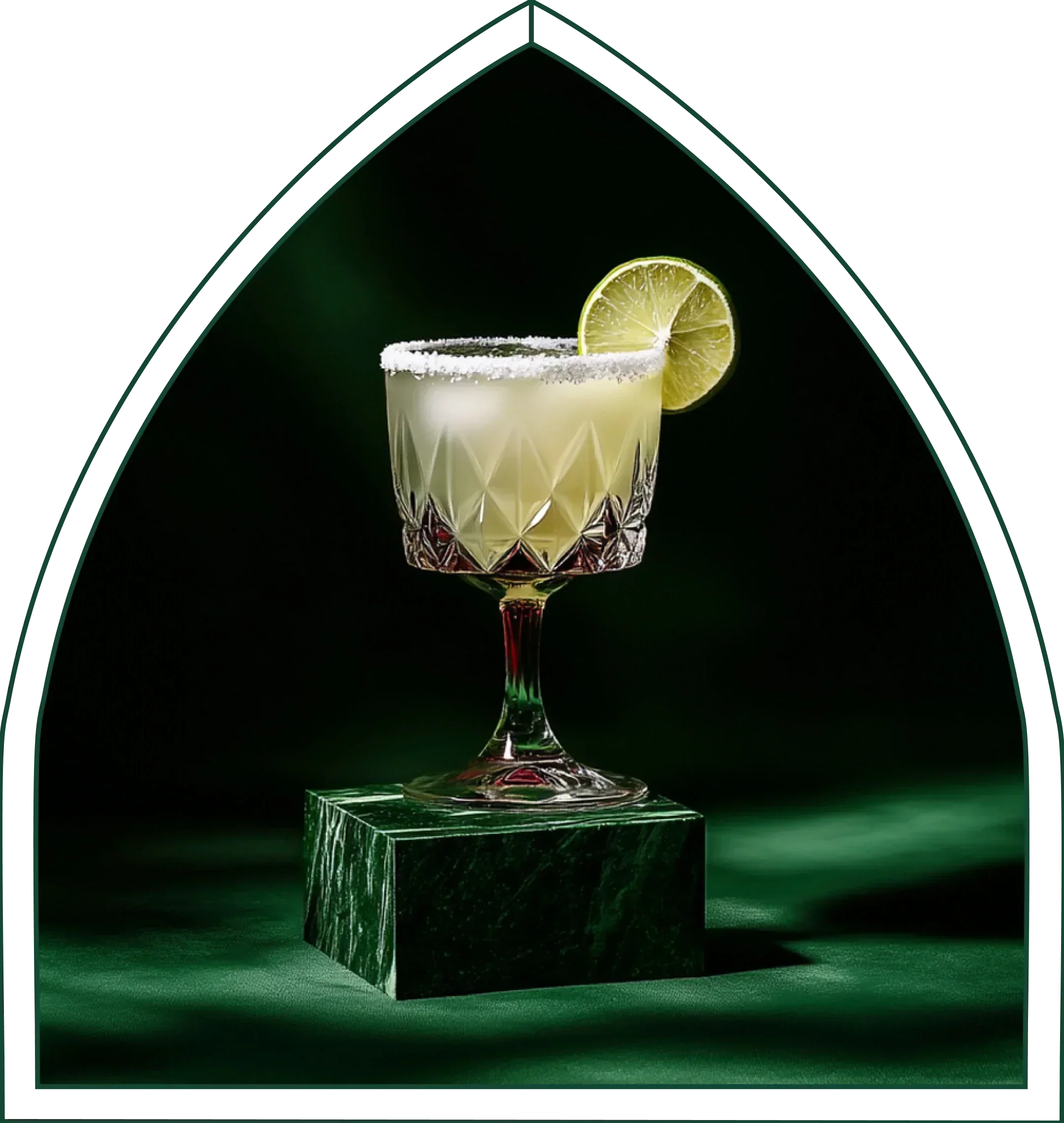
A margarita that is actually low-calorie uses fresh lime juice, no agave syrup or simple syrup, no triple sec or only a half-measure, a single 1.5 oz tequila pour, and a splash of soda water for length. That build lands at roughly 100–150 calories. The ordering script becomes: “Tequila soda, fresh lime, no syrup, no triple sec, tall.” This drink sits close to a classic margarita in flavor and feels like a normal order at any bar that stocks fresh citrus.
The Traps That Blow The Calorie Budget
Four specific traps explain most of the gap between what people think they ordered and what they actually consumed.
- Tonic Versus Diet Tonic. A slightly sweet, faintly bitter mixer usually means the bar defaulted to regular tonic. The fix is to specify “diet tonic” or “soda water” when ordering. The difference is roughly 50 calories and 12 grams of sugar per swap, and at two drinks that becomes 100 calories and 24 grams of sugar.
- Sweet-And-Sour Mix. A neon-yellow or cloudy mixer that smells artificial usually signals a house sour mix. A standard sweet-and-sour mix delivers 80 calories and 20 grams of added sugar per 3.5 oz serving. Asking for fresh lime or lemon instead removes that load.
- Double Pours And 2–3 Oz Measures. A drink that tastes stronger than expected often reflects a free-pour bar that defaults to a 2 oz or heavier measure. A 2 oz pour of 80-proof spirit runs approximately 130 calories versus 97 for a 1.5 oz single, a 33-calorie difference that compounds across rounds. Asking for a single measured pour keeps the count consistent.
- Juice-Based “Light” Cocktails. A drink described as “fresh” or “house-made” that tastes sweet and fruity often relies on orange juice, cranberry juice cocktail, or grapefruit soda as the primary mixer. Each carries significant sugar. Cranberry juice cocktail adds roughly 120–140 calories and 28–34 grams of sugar per 8 oz. Asking what the mixer is before ordering avoids this trap.
Plan Around These Four Common Traps
Low Calorie Cocktail Versus Light Beer
A spirit-and-soda cocktail and a light beer sit closer on calories than many people assume, but they differ sharply on sugar and carbohydrate. The table below shows how each option stacks up, including the non-alcoholic alternative.
| Drink | Calories | Sugar / Carbohydrate |
|---|---|---|
| Vodka soda (1.5 oz vodka + soda water + lime) | ~97–105 calories | 0 g sugar, 0 g carbohydrate |
| Light beer (12 oz) | ~103 calories | ~5–7 g carbohydrate |
| Little Saints canned cocktail (8 oz) | 5 calories | 0 g sugar, 1 g total carbohydrate |
A light beer can carry as low as 80–85 calories in some formulations and around 12 grams of carbohydrate in others, depending on brand and ABV. Against five calories and zero sugar in a Little Saints can, the gap is substantial. The spirit-and-soda cocktail sits between the two: calorie-comparable to light beer, with zero carbohydrate from the mixer.
The practical choice depends on the occasion. A light beer feels familiar and is easy to pace. A spirit-and-soda offers more flexibility on flavor. A Little Saints can delivers the cocktail occasion at a fraction of the calorie cost of either, with a functional layer that neither alcoholic option carries.
The Social Angle And The Second Round
Ordering a low-calorie drink usually creates less social friction than people expect. A vodka soda looks identical to a vodka tonic. A tequila soda looks identical to a margarita on the rocks from across the table. Nobody at the bar is auditing the mixer.
The second round is where most people overshoot their calorie target. The first round goes down easily, and the default is to repeat it without thinking. A simple fix is to decide on your second-round plan before the server returns.
Zebra striping, the practice of alternating between alcoholic and non-alcoholic beverages during a social gathering, helps that decision feel automatic. It is a pacing strategy that now has a name. NIQ’s January 2026 “From Value to Vibe” report found that 47% of on-premise visitors mix alcoholic and non-alcoholic options in the same occasion, and that 93% of non-alcohol buyers also purchase alcohol.
The person alternating a Little Saints with a cocktail matches the majority behavior at a bar. For more on building a low-calorie non-alcoholic order, see Best Low-Calorie Non-Alcoholic Drinks To Order At A Bar.
Little Saints As The Low-Calorie Cocktail Occasion
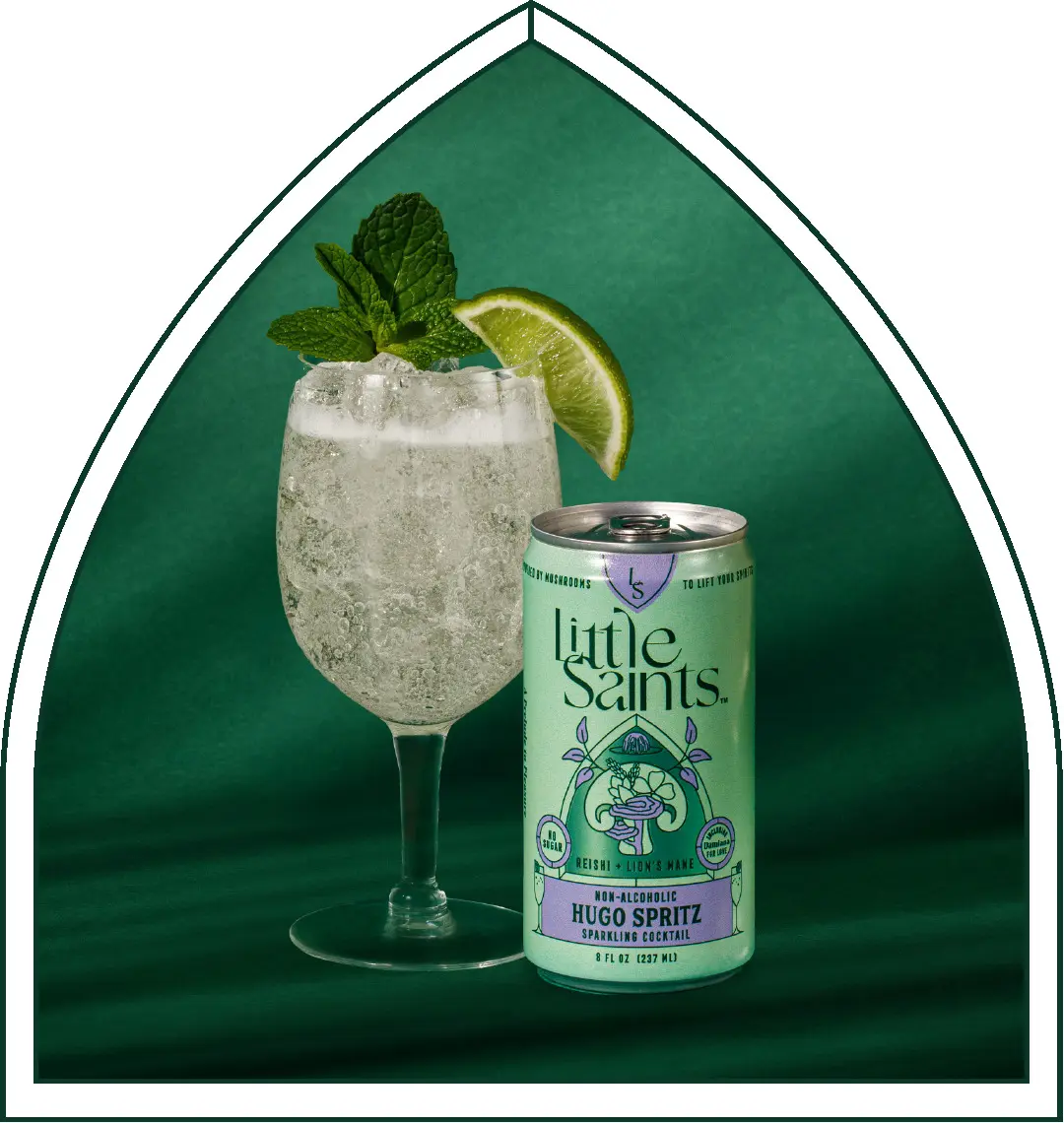
Little Saints fits the same evening occasions as cocktails while keeping calories extremely low and removing alcohol. Every can in the range carries zero grams of sugar and five calories. The lineup includes Classic Spritz, Hugo Spritz, Classic Margarita, Paloma, Old Fashioned, Mojito, and Negroni Spritz, all sweetened with monk fruit juice concentrate and built on recognizable cocktail flavor profiles. That combination delivers the full cocktail occasion at a calorie count that barely registers.
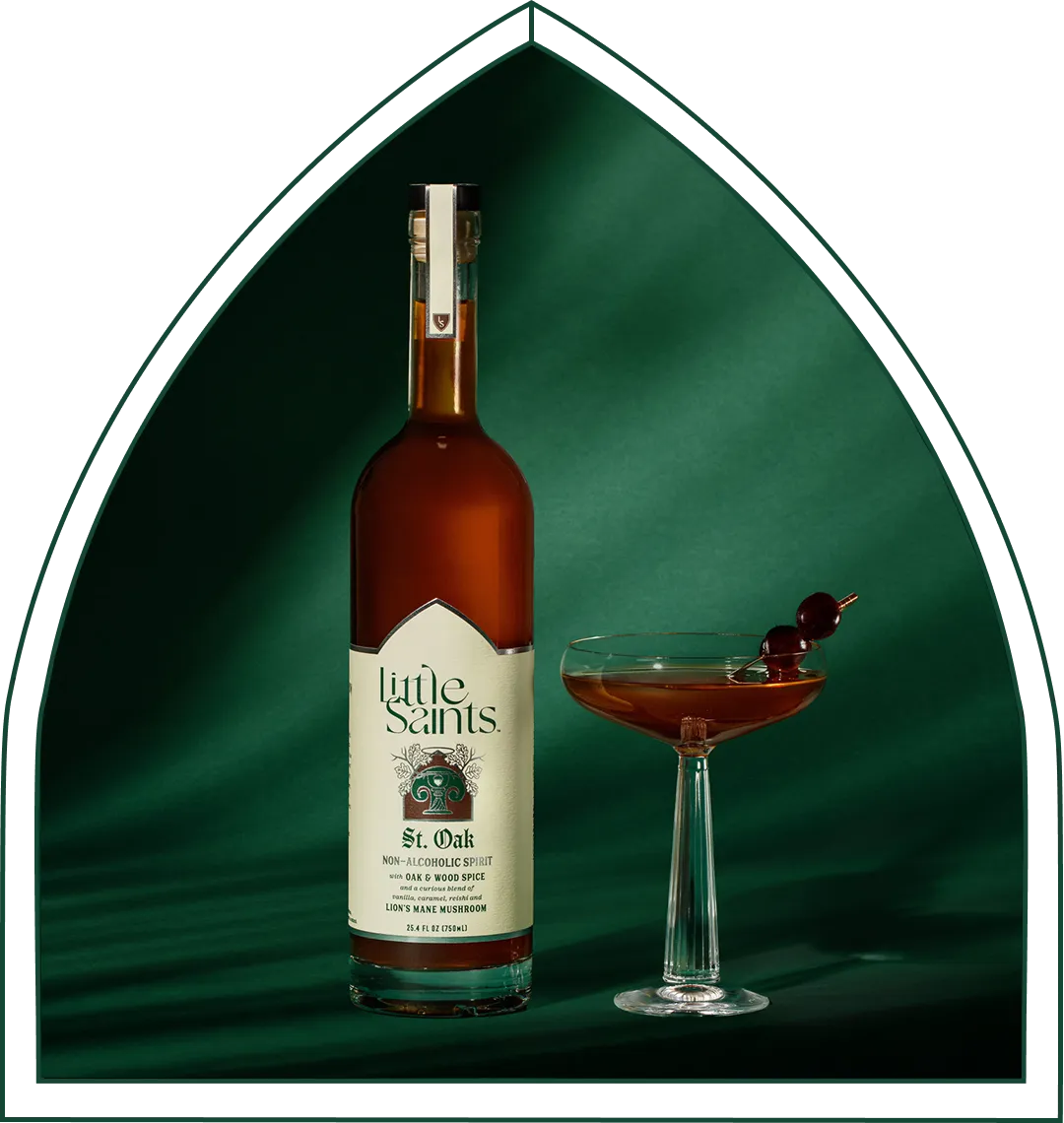
The non-alcoholic spirits St. Ember, St. Oak, and St. Juniper use oil-based craft extracts that mix 1:1 in classic cocktail specs. St. Juniper stands in for gin in a gimlet or a martini, St. Ember stands in for tequila or mezcal in a margarita or a paloma, and St. Oak stands in for whiskey in an old fashioned or a manhattan. This approach avoids over-pouring, re-costing the build, or retraining the bartender. St. Oak was named Best NA Spirit Of 2025 by the BevNET Spirit Awards.
Little Saints’ functional platform, Nature’s Neuroscience, draws on organic Reishi, organic Lion’s Mane, Damiana, and botanical terpenes, with the specific blend varying by product. The mushrooms are USDA Organic, grown in California, and extracted with ultrasound instead of chemical solvents. Every extract contains a minimum of 70% beta glucan, the fraction of the mushroom associated with its adaptogenic properties, documented by certificates of analysis from the supplier. The dose appears on the label at 100 mg per serving. The extract holds GRAS status, the FDA’s “generally recognized as safe” standard for an ingredient used in food.
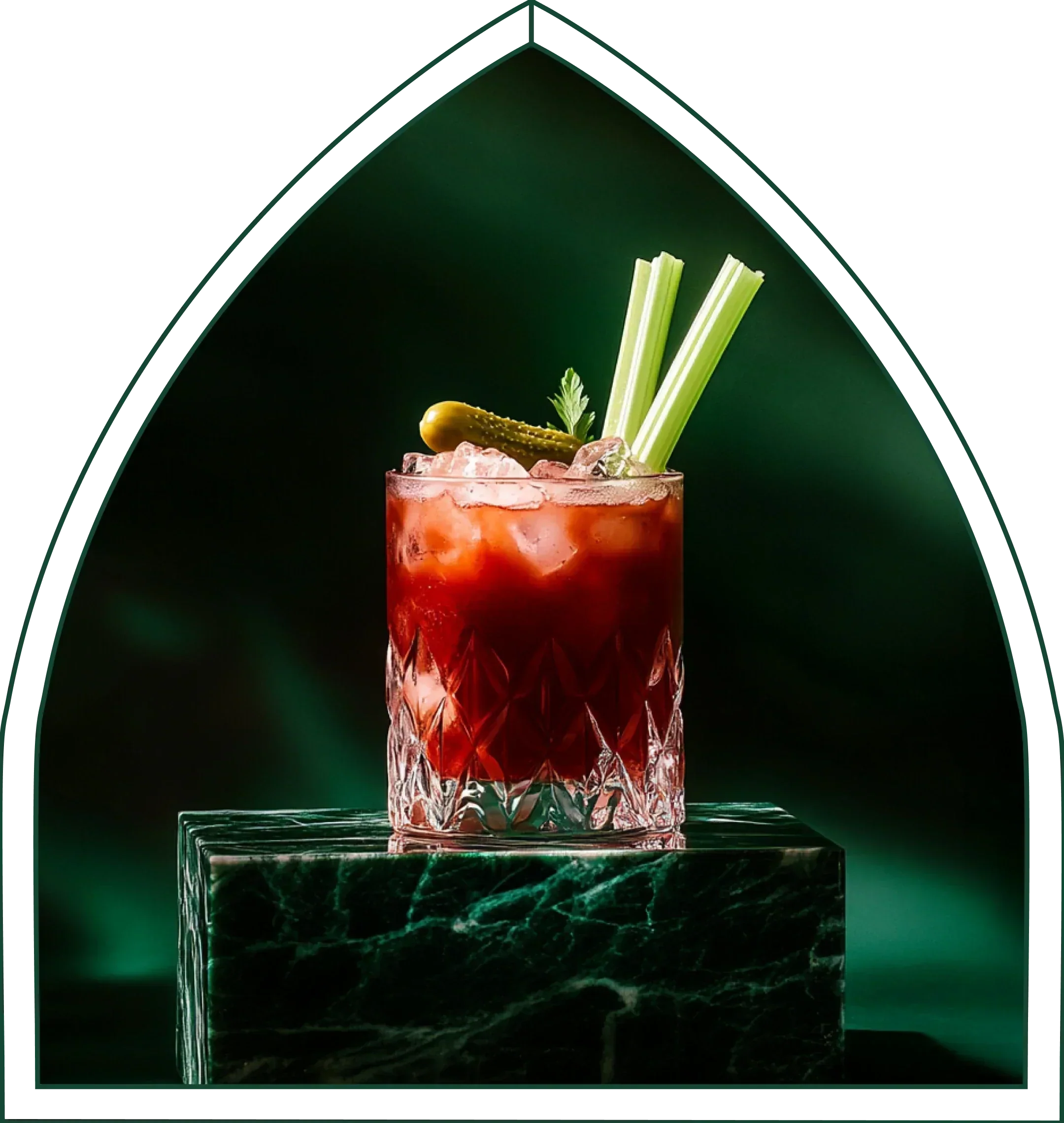
Many people describe the Little Saints Lift after drinking these products: a sense of clarity and ease, a feeling of being slightly lifted without intoxication. The products are non-intoxicating, non-psychoactive, and 100% legal.
Little Saints appears in over 1,000 retail shops, grocery stores, liquor stores, bars, and restaurants nationally, including Sprouts in every door, Whole Foods in California and Florida, and Fresh Thyme across the Midwest. The brand also ships directly to consumers in all 50 states.
For low-calorie recipes built on the St. spirits, see Low Calorie Cocktail Recipes: 10 Easy Drinks Under 150 Cal.
These statements have not been evaluated by the Food and Drug Administration. This product is not intended to diagnose, treat, cure, or prevent any disease. Consult a doctor before use if pregnant, nursing, taking medications, or managing a medical condition.
Find Your Little Saints Favorite
Frequently Asked Questions
What Is The Skinniest Drink To Order At A Bar?
The skinniest drink to order at a bar is a clear spirit such as vodka, tequila, gin, or whiskey plus soda water and fresh citrus in a tall glass with a single 1.5 oz pour. That combination lands at roughly 95–105 calories with zero sugar and zero carbohydrate from the mixer. A dry martini at 120–150 calories is the next-lowest option and works well when you want something that reads as a proper cocktail. Light beer sits close on calories at around 103 per 12 oz but carries 5–7 grams of carbohydrate. A Little Saints canned cocktail comes in at five calories and zero sugar, which is the lowest-calorie cocktail-occasion drink available at any bar that stocks it.
What Should I Drink At A Bar When I Am Watching Calories?
A clear spirit plus a zero-calorie mixer in a tall glass with fresh citrus keeps calories predictable. Vodka soda, tequila soda, gin and soda, and whiskey highball all follow that formula and land at 95–130 calories depending on pour size. The rules that protect the count are simple: skip tonic and juice, ask for fresh citrus instead of sweet-and-sour mix, specify a tall glass, and ask for a single measured pour instead of a double. Be cautious with anything the menu calls “skinny” until you know what is in it, because the word has no regulated definition and a skinny margarita may still contain agave syrup and triple sec.
What Cocktail Has The Most Calories?
The highest-calorie cocktails at a bar are usually frozen and blended drinks built on sweetened mixes, cream, and multiple spirits. A Long Island iced tea can exceed 700 calories. A large frozen margarita served in a 12–16 oz glass can reach 500–600 calories, largely from sweetened mix rather than tequila. A piña colada runs 400–550 calories per 8 oz serving, with coconut cream as the primary driver. A White Russian at 8 oz lands at around 568 calories. An espresso martini at 4 oz runs 250–350 calories. By contrast, a vodka soda with the same spirit pour is roughly 100 calories, with the difference coming from the mixer and added sugar.
How Do I Order A Low-Calorie Cocktail Without A Lecture?
Use the ordering script: “Vodka soda, tall, with two lime wedges, and can you go light on the pour?” Each phrase sounds like a normal bar request. “Tall” signals a highball glass with soda. “Fresh lime” replaces sweet-and-sour mix. “Light on the pour” reads as a pacing request. The same structure works for any spirit, such as “Tequila soda, tall, fresh lime” or “Gin and soda, tall, lemon twist.” When you want to ask about a menu drink, say “What’s in the [drink name], and is there any syrup or juice in it?” That phrasing frames the question as a preference and takes only a few seconds to answer.
Is A Skinny Margarita Actually Low-Calorie?
Skinny margaritas are not reliably low in calories. “Skinny” functions as a marketing word with no regulated definition. A bar’s skinny margarita may still contain agave syrup, triple sec, and a sweetened house mix, and each of those ingredients adds significant calories and sugar. Triple sec runs 75–100 calories per ounce with 11 grams of sugar per ounce. Agave syrup adds 40–60 calories per tablespoon. A named chain restaurant’s skinny margarita has been estimated at 180 calories and 18 grams of sugar, which does not qualify as low-calorie in practice. A margarita that is actually lower in calories uses fresh lime juice, no syrup, no triple sec or only a half-measure, a single 1.5 oz tequila pour, and soda water. That build lands at roughly 100–150 calories, so ordering by spec works better than ordering by name.
Is A Low-Calorie Cocktail Better Than A Light Beer?
On calories, a vodka soda at 95–105 calories and a 12 oz light beer at around 103 calories sit very close. The meaningful difference is carbohydrate. A spirit-and-soda carries zero carbohydrate from the mixer, while a light beer carries roughly 5–7 grams. For someone tracking sugar or carbohydrate alongside calories, the spirit-and-soda is the cleaner order. For someone who prefers the familiar ritual of a beer and feels comfortable with the carbohydrate, light beer remains a reasonable choice. A Little Saints canned cocktail sits lower than both at five calories and zero sugar and adds a functional layer that neither alcoholic option carries.
Can I Order A Non-Alcoholic Cocktail At A Bar?
Many A- and B-tier bars now treat the non-alcoholic menu as a real menu rather than an afterthought. Little Saints canned cocktails, including Classic Margarita, Paloma, Negroni Spritz, Old Fashioned, Mojito, Classic Spritz, and Hugo Spritz, appear in over 1,000 bars, restaurants, and retail locations nationally. The non-alcoholic spirits St. Ember, St. Oak, and St. Juniper are built to mix 1:1 in classic cocktail specs, so a bar that stocks them can build non-alcoholic versions of most drinks on the menu without changing the recipe. Little Saints canned cocktails are five calories and zero sugar, the spirits are zero sugar with no published calorie figure, and all products are non-intoxicating, non-psychoactive, and 100% legal.
How Do I Alternate Drinks Without Explaining Myself?
Zebra striping, alternating between alcoholic and non-alcoholic beverages during a social gathering or night out, has become ordinary behavior. NIQ’s January 2026 “From Value to Vibe” report found that 93% of non-alcohol buyers also purchase alcohol, which means the person alternating a Little Saints with a cocktail matches the statistical norm. In practice, a Little Saints can looks like a cocktail in a glass, and a non-alcoholic spirit-and-soda looks identical to its alcoholic counterpart. Nobody at the table needs to know the second round is non-alcoholic unless you choose to share that detail. The decision functions as a pacing choice rather than a statement.
Build Your Zebra-Striping Lineup
The statements made on our website have not been evaluated by the Food and Drug Administration, Our products are not intended to diagnose, treat, cure or prevent any disease. If you are pregnant, nursing, taking any medications or have any medical conditions, consult your doctor before use.