


Key Takeaways
- Functional drinks for weight management work through one of three mechanisms: satiety, calorie displacement, or metabolic effect.
- Satiety drinks with protein or fiber have the strongest evidence for reducing appetite and supporting weight management.
- Calorie displacement, or swapping sugary drinks for zero-sugar alternatives, delivers the simplest and most reliable calorie reduction.
- Metabolic-effect ingredients like caffeine and green tea catechins produce only small, short-term effects that rarely drive meaningful weight loss.
- Little Saints offers zero-sugar, five-calorie non-alcoholic cocktails and spirits designed for evening calorie displacement without sacrificing ritual or flavor.
Explore Zero-Sugar Evening Drinks
The Problem: Why Most Weight-Management Drinks Disappoint
The functional beverage aisle is crowded with products that promise fat-burning, detox, and metabolism-boosting effects, yet most do not deliver meaningful results. The category lacks a clear framework that explains how a drink actually works and what outcome you can expect.
Without that framework, consumers fall for marketing claims instead of mechanisms. They buy “fat-burner” drinks that contain caffeine and little else, or “detox” teas that do nothing measurable. In each case, they spend money on products that cannot deliver what the label implies because the underlying mechanism is missing or weak.
A simple solution is to sort every functional drink into one of three mechanisms: satiety, calorie displacement, or metabolic effect. Once you know which mechanism a drink uses, and how strong the evidence is for that mechanism, you can evaluate any product you encounter with more confidence.
The Mechanism Framework: Satiety, Calorie Displacement, And Metabolic Effect
The framework below breaks down each mechanism, its typical example drinks, the strength of the evidence, and the best use case. Here is how the three mechanisms compare.
| Mechanism | Example Drinks | Evidence Strength | Best For |
|---|---|---|---|
| Satiety | Protein shakes, fiber drinks | Strong | Reducing appetite before meals |
| Calorie Displacement | Zero-sugar sodas, NA cocktails | Strong | Replacing higher-calorie drinks |
| Metabolic Effect | Green tea, coffee | Weak | Modest, short-term nudge |
Satiety means the drink makes you feel full and reduces how much you eat later. Protein and fiber are the main active ingredients for this mechanism.
Calorie displacement means the drink replaces something higher in calories. The math stays simple: swap a 35–40 gram of sugar soda for a zero-sugar, five-calorie drink, and you remove real calories from your day.
Metabolic effect means the drink modestly increases energy expenditure or fat oxidation. Caffeine and catechins are the key ingredients here. This is the weakest category, with small effect sizes and low evidence certainty.
Satiety: Protein And Fiber Drinks For Fullness
Protein and fiber drinks form the strongest evidence-backed category of functional drinks for weight management. Both slow gastric emptying and blunt appetite, and research supporting this mechanism is more consistent than for any other functional drink category.
Protein-rich beverages take longer to digest than lower-protein alternatives and trigger gut-to-brain fullness signals. Protein matters during weight loss because the goal is to lose body fat while protecting muscle. Adequate protein paired with regular strength training helps the body hold on to muscle as weight decreases.
Fiber works through a related but distinct pathway. Soluble fiber absorbs water, slows digestion, and supports fullness. A 2026 scoping review published in Frontiers in Endocrinology by de Jong et al. found that β-glucans from oat and barley had the most consistent effect on subjective satiety of any fiber category studied, with six of nine studies positive. The authors suggested that β-glucans enhance fullness primarily through viscosity-mediated slowing of gastric emptying.
This evidence translates into a simple rule: if you are choosing a functional drink for satiety, look for one with meaningful protein or fiber content. A protein shake with 25–30 grams of protein, or a fiber drink with 5–10 grams of soluble fiber, usually does more for appetite control than any “fat-burner” on the shelf.
Calorie Displacement: The Zero- And Low-Calorie Swap
Calorie displacement offers the simplest and most reliable math for weight management. Replacing a sugary drink with a zero-sugar alternative removes real calories from your day without relying on metabolic tricks.
The displacement lever works in any drinking occasion. It becomes especially powerful in the evening, when the choice is often between a sugary soda, a second glass of wine, or nothing at all. In contrast, the metabolic effect mechanism offers a much weaker lever.
Metabolic Effect: Caffeine And Catechins
The metabolic effect category, which includes caffeine, green tea catechins, and similar ingredients, is the weakest of the three mechanisms. The effect size remains small, and the certainty of the evidence stays low.
Caffeine has a somewhat stronger evidence base for acute effects on fat oxidation during exercise, yet the clinical relevance for weight loss remains modest. A 2019 meta-analysis by Tabrizi et al. in Critical Reviews in Food Science and Nutrition found that caffeine’s effect on body weight falls below the clinical relevance threshold for anti-obesity treatments. Tolerance to caffeine’s thermogenic effects develops within 4–6 weeks of daily use.
Caffeine and catechins may provide a small metabolic nudge, but they do not function as a stand-alone weight-management strategy. If you enjoy coffee or green tea, drink them for taste or alertness, and treat any metabolic effect as a minor bonus.
What Drink Burns The Most Belly Fat?
No drink burns fat or targets belly fat specifically, and no morning drink changes that reality.
The “belly fat” framing functions as a marketing hook rather than a physiological description. Some trials of green tea catechins have reported small reductions in waist circumference, but waist circumference is an indirect measure and does not demonstrate selective fat burning from the stomach.
What actually helps with abdominal fat matches what helps with weight management generally: a sustained calorie deficit, adequate protein to preserve muscle, and consistent physical activity. A drink can support those efforts through satiety or calorie displacement, yet it cannot burn fat on its own.
What To Avoid In Functional Weight-Management Drinks
The “what to avoid” list stays short and specific.
- Sugary beverages and sodas. As noted, a regular soda packs over 10 teaspoons of added sugar and contributes significantly to daily calorie intake. The CDC identifies sugary drinks as the single largest source of added sugar in the American diet.
- Specialty coffee drinks. Flavored lattes, frappuccinos, and sweetened cold brews often conceal heavy amounts of syrups, added sugars, and high-fat dairy. A large flavored latte can exceed 300 calories.
- Commercial smoothies. Unless you make them yourself with controlled ingredients, some commercial smoothies, particularly large 20- to 24-ounce portions, can contain 30 to 127 grams of sugar and 400 to 600 calories.
- Anything marketed as a “fat burner” or “detox.” These products rarely contain ingredients with meaningful evidence behind them, and the marketing claims often outrun what the product can deliver.
The through-line stays simple: if a drink adds sugar and calories without providing protein, fiber, or a displacement benefit, it works against your weight-management goals.
The Evening Occasion: Calorie Displacement With Little Saints
The evening is where calorie displacement often matters most and where many functional drinks fall short.
The choice at the end of the day often comes down to a sugary soda, a second glass of wine, or nothing at all. The first two add calories, while the third removes the ritual and social experience.
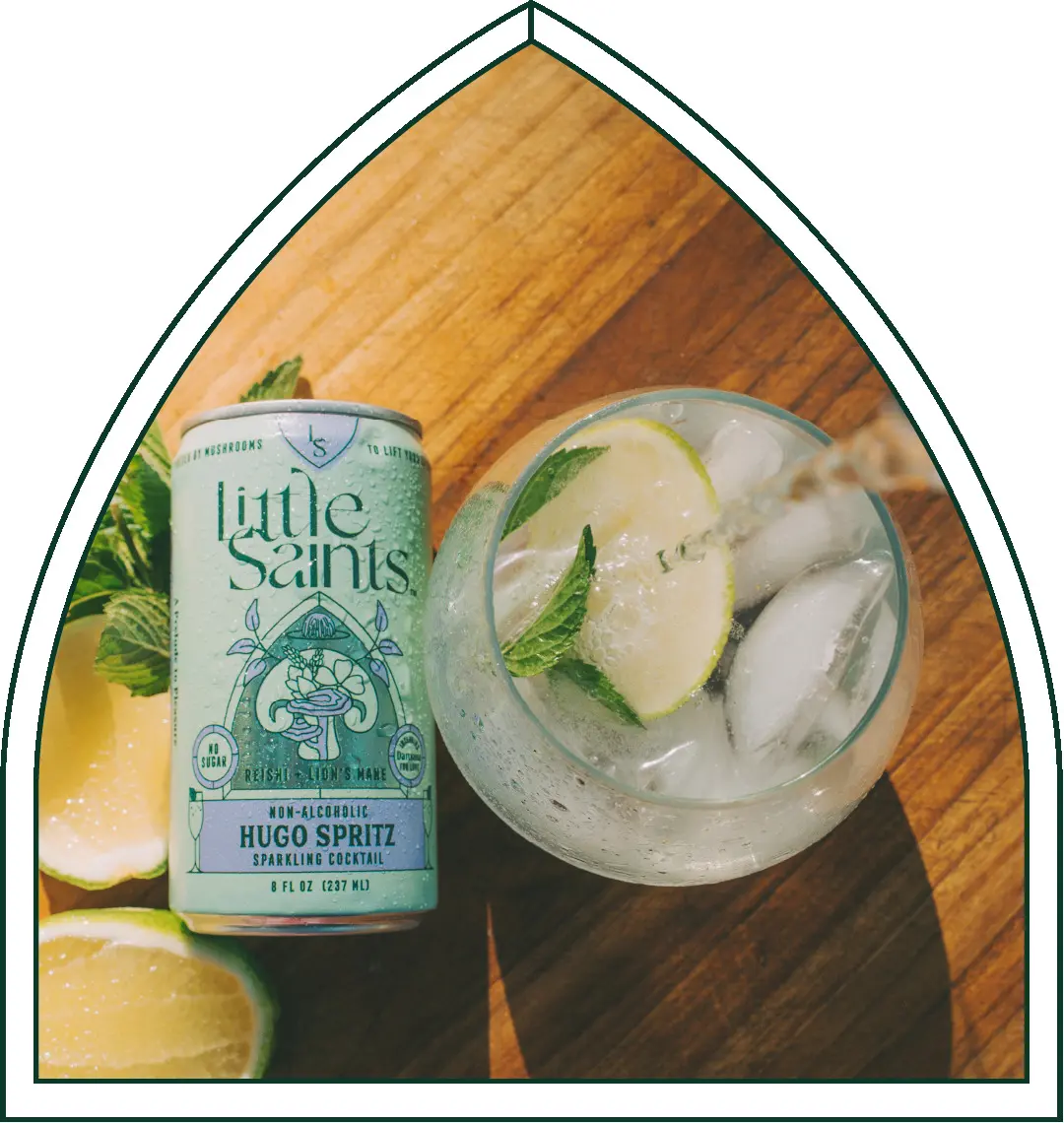
This gap is where Little Saints fits. Little Saints is a non-alcoholic cocktail and spirits brand built for the evening drinking occasion, with zero grams of sugar, five calories per can, 0% ABV on the cans, and under 0.5% ABV on the spirits. The functional blend, called Nature’s Neuroscience, includes organic Reishi, organic Lion’s Mane, Damiana, and botanical terpenes. Each serving delivers a stated 100 mg functional dose, and every mushroom extract is at a minimum of 70% beta glucan, documented by supplier certificates of analysis.
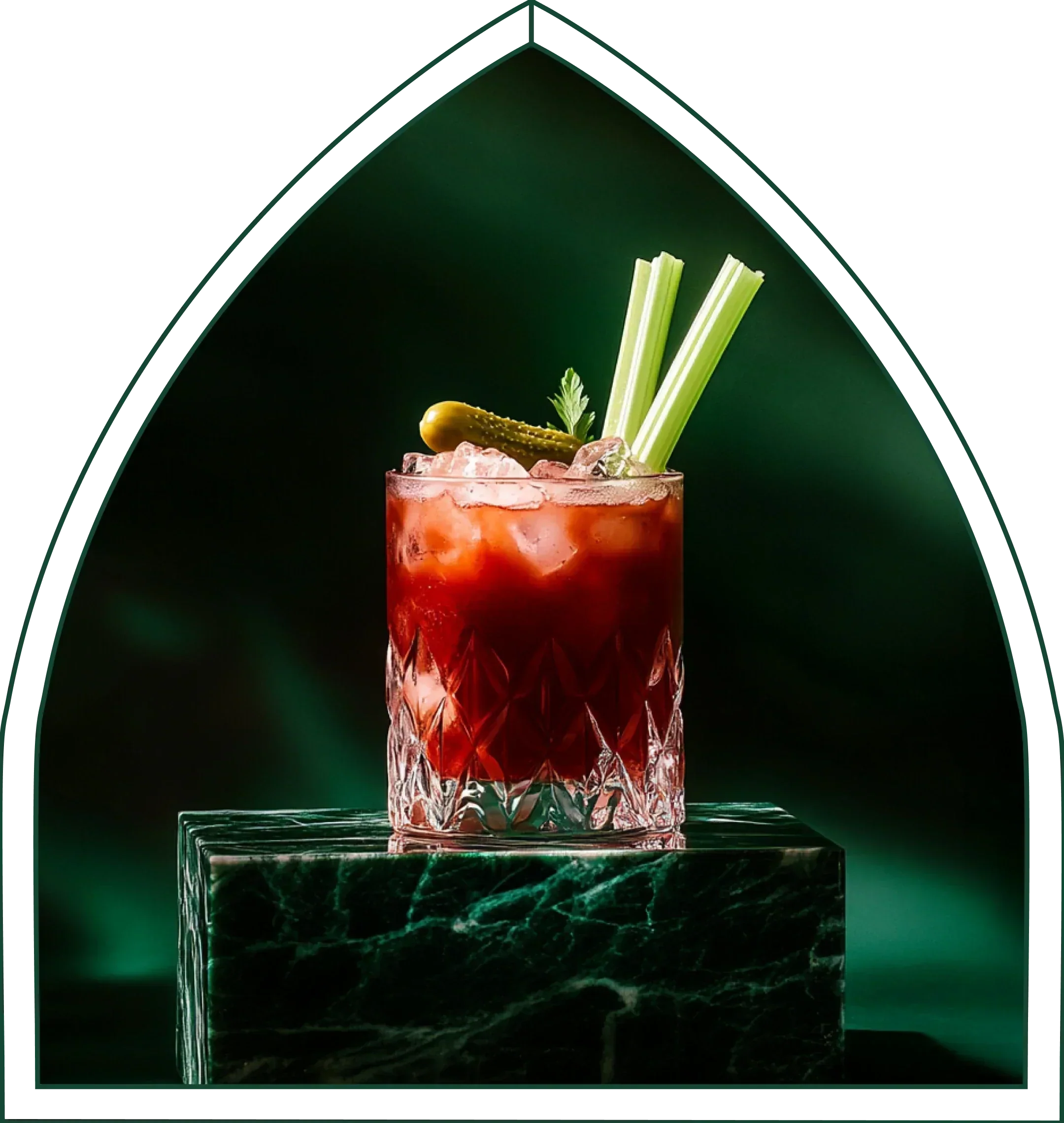
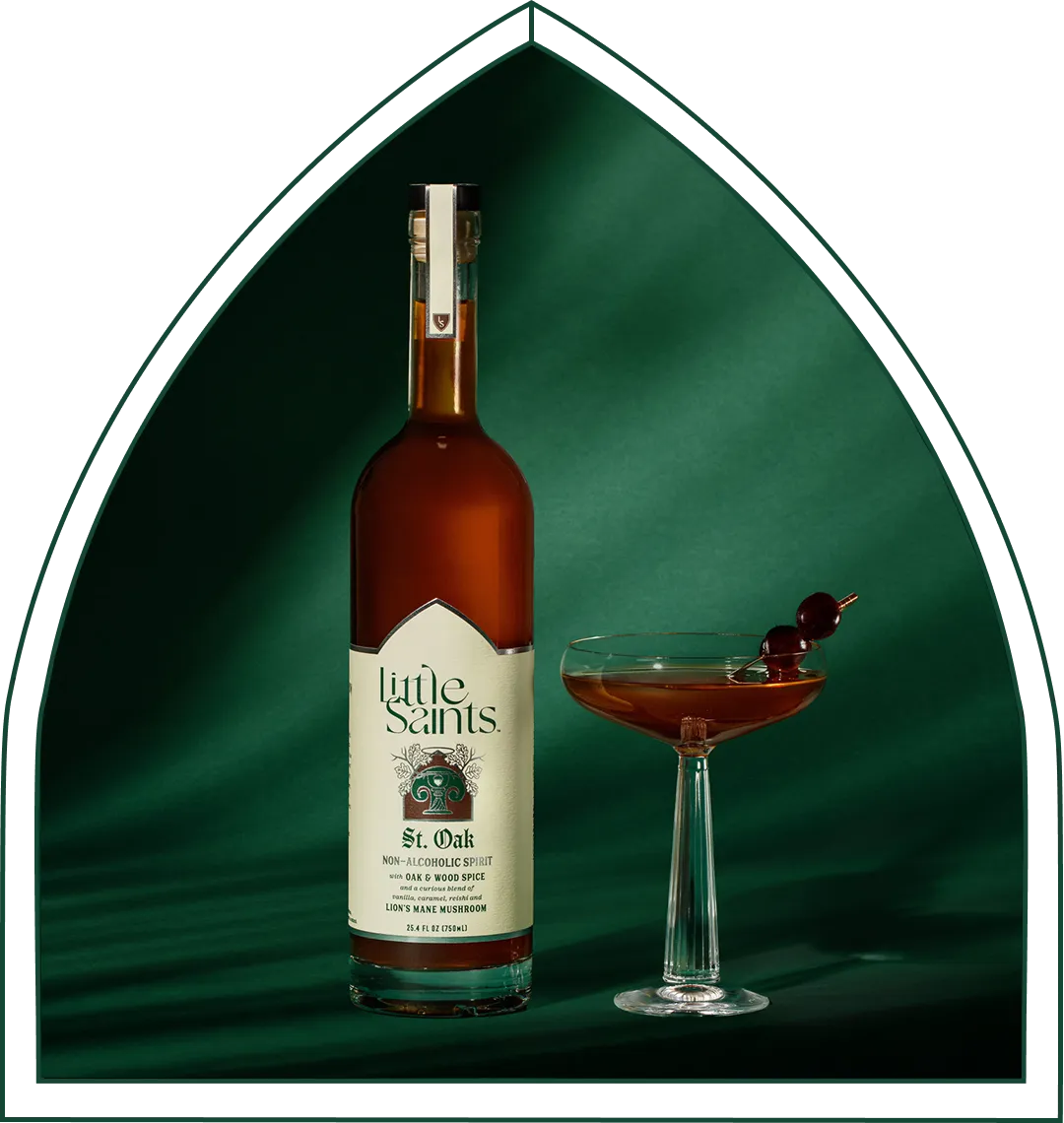
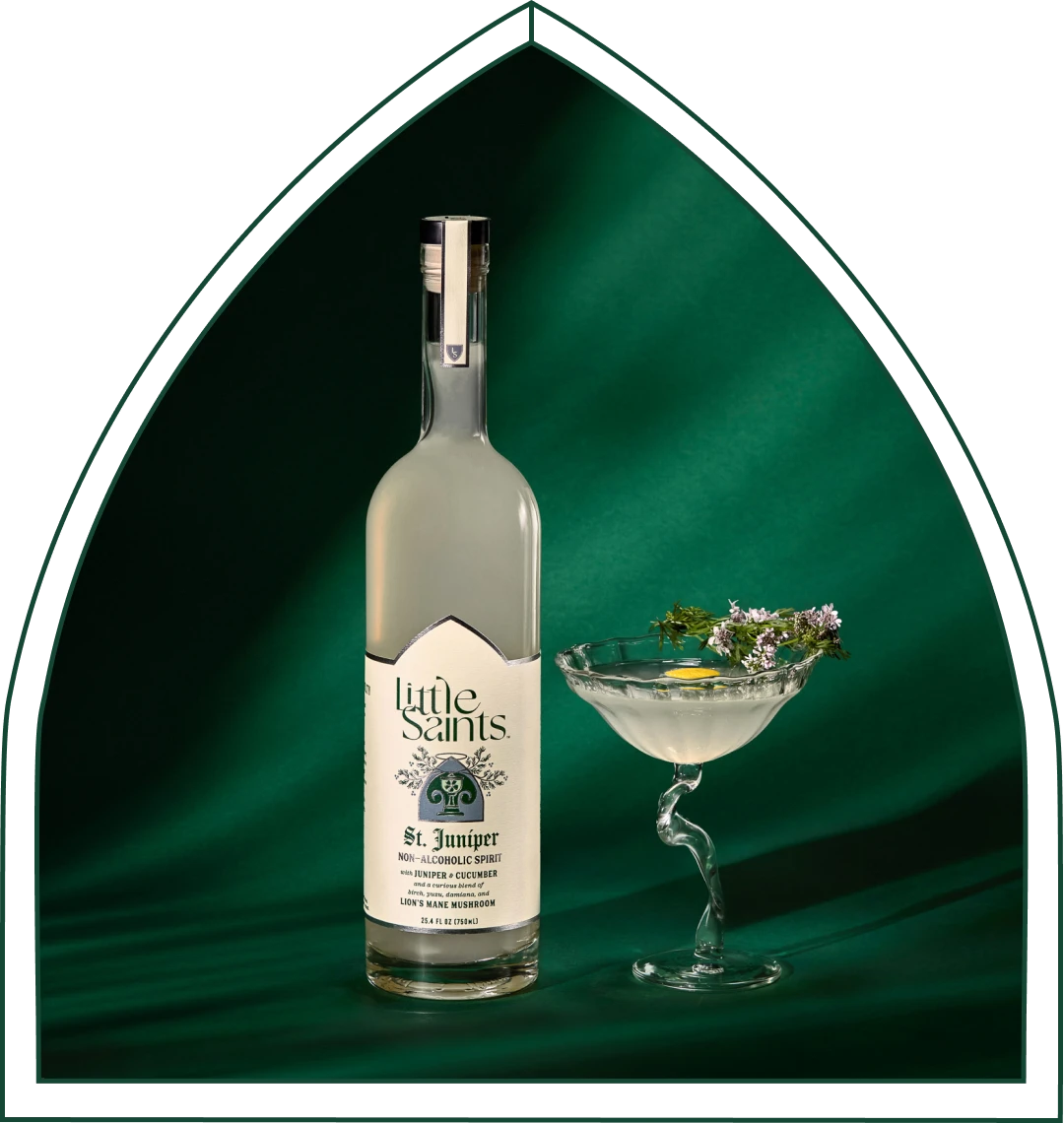
The spirits, St. Ember, St. Juniper, and St. Oak, mix 1:1 in classic cocktail specs, so two ounces replace two ounces. The cans are ready-to-drink and built for convenience. Both lines are non-intoxicating, non-psychoactive, and 100% legal.
Framed clearly, Little Saints functions as calorie displacement. It replaces the soda or the second glass of wine at zero sugar and five calories, while still providing a real functional dose. It does not act as a fat-burner or a weight-loss product; it serves as the evening-occasion answer to the question of what you actually want to drink tonight.
Shop Evening Non-Alcoholic Cocktails
Frequently Asked Questions
Who Are Functional Drinks For Weight Management For?
Functional drinks for weight management suit adults who want to support weight goals through beverage choices. They can curb appetite through satiety, replace higher-calorie drinks through calorie displacement, or provide a modest metabolic nudge. They work best as part of a broader approach that includes adequate protein, fiber, and physical activity.
The category is most useful for people who already pay attention to what they eat and drink and want a framework for deciding what actually belongs in their glass.
How Do Functional Drinks For Weight Management Differ From Alternatives?
Functional drinks are consumed as beverages, so they fit into existing drinking occasions without requiring a separate supplement routine. Unlike sugary sodas or specialty coffee drinks, they are designed to support weight management rather than work against it.
The key distinction is mechanism. A protein shake works through satiety. A zero-sugar non-alcoholic cocktail works through calorie displacement. A green tea works through a modest metabolic effect. Knowing which mechanism you rely on tells you what to expect from the drink.
What Should I Look For On A Label?
Look for protein or fiber content if you are choosing for satiety. A meaningful dose for satiety is roughly 25–30 grams of protein per meal or about 5–10 grams of soluble fiber, with fiber doses of 5.0–7.4 g to 10.0–14.9 g appearing most effective for increasing satiety, while 30 g or more may be needed to affect energy intake.
Look for zero or low sugar and calories if you are choosing for displacement. Stay skeptical of “fat-burner” or “detox” claims, since the evidence for metabolic-effect ingredients is weak, and tolerance to caffeine’s thermogenic effects develops within weeks.
For any functional ingredient, check whether the product states a dose and a potency figure. If it does not publish both, you cannot know what you are actually getting. Little Saints publishes both: 100 mg per serving at a minimum of 70% beta glucan, documented by certificates of analysis.
How Do Functional Drinks Fit Into Social Settings?
The evening occasion is where functional drinks can do the most work for weight management. Replacing a sugary soda or a second glass of wine with a zero-sugar, low-calorie alternative removes real calories while preserving the ritual and the social moment.
Non-alcoholic cocktails and spirits built for the evening occasion, like Little Saints, are designed for exactly this moment. They hold up in real glassware, carry recognizable cocktail flavor profiles, and do not invite questions about why you are not drinking. The behavior of alternating alcoholic and non-alcoholic drinks over the course of an evening, sometimes called zebra striping, is increasingly common and offers one of the most practical ways to manage calorie intake without opting out of social occasions entirely.
How Do I Evaluate Quality Or Occasion Fit?
Start with three questions. What mechanism does this drink work through? Is there evidence behind that mechanism? Does it fit the occasion you are actually in?
A protein shake fits a post-workout satiety need. A zero-sugar non-alcoholic cocktail fits the evening wind-down. Match the drink to both the mechanism and the moment.
On quality, look for products that publish specific numbers, such as dose, potency, and sugar content, rather than vague claims. A brand that states 100 mg of mushroom extract at a minimum of 70% beta glucan, backed by certificates of analysis, makes a verifiable claim. A brand that simply says “contains adaptogens” does not.
Conclusion: Using The Framework In The Evening
Most functional drinks for weight management work through one of three mechanisms: satiety, calorie displacement, or metabolic effect. Satiety has the strongest evidence, and calorie displacement has the simplest math. As covered earlier, the metabolic effect mechanism offers only a modest, short-term nudge.
The evening occasion is where calorie displacement often matters most. Replacing a 35–40 gram of sugar soda or a second glass of wine with a zero-sugar, five-calorie drink removes real calories from your day without relying on metabolic magic.
Little Saints is built for that occasion. It offers non-alcoholic cocktails and spirits with zero sugar, five calories, and a supplement-grade functional mushroom blend in every pour. It does not function as a fat-burner; it serves as the drink that replaces the one you would otherwise regret.
These statements have not been evaluated by the FDA. This product is not intended to diagnose, treat, cure, or prevent any disease.
The statements made on our website have not been evaluated by the Food and Drug Administration, Our products are not intended to diagnose, treat, cure or prevent any disease. If you are pregnant, nursing, taking any medications or have any medical conditions, consult your doctor before use.