


Key Takeaways
- Zero-sugar non-alcoholic drinks that perform on a menu meet six criteria: zero grams of sugar, low calories, a stated functional dose, published potency, 1:1 mixability, and operator-friendly formats.
- Most non-alcoholic menus underperform because they lean on high-sugar options that stall check growth, even though zebra striping shows guests already buy both alcoholic and non-alcoholic drinks in the same visit.
- Ready-to-drink cans support fast, high-volume service, while 1:1 mixable non-alcoholic spirits support full cocktail builds without retraining or re-costing the bar program.
- Little Saints delivers zero grams of sugar, five calories per can, a published 100 mg functional dose at minimum 70% beta glucan, and both RTD and spirit formats from a single brand.
- Little Saints also provides wholesale support including bundle pricing, staff training, tasting kits, and 30/60/90-day velocity check-ins to support menu sell-through.
Why Most Non-Alcoholic Menus Underperform On Revenue
Most non-alcoholic sections at bars and restaurants read as an afterthought. The options are juice-and-syrup drinks that do not move checks, and the guest who stops drinking alcohol after two rounds often stops spending. The second and third round becomes water while the table holds a seat for three hours. That is the real problem: the economics of the second and third round.
The sweetness problem compounds it. A regular soda carries 35–40 grams of sugar, and most first-generation non-alcoholic cocktails are built the same way. Cutting alcohol should mean a cleaner choice, not a sugar trade. Guests who already read labels and track what they consume avoid a drink that swaps one concern for another.
NIQ's Dry January on-premise analysis (2026) sized the leak precisely. When guests order something instead of alcohol, soft drinks take 57% and hot or iced drinks 41%. Sparkling water follows at 29%, then non-alcoholic cocktails at 15%, alcohol-free beer at 13%, alcohol-free wine at 12%, and alcohol-free spirits at 11%. Roughly 1 in 10 skip the on-premise visit altogether. That distribution shows the operator's problem in survey form: the second and third drink is a soda or a water, and the check stops growing.
The behavior underneath it is zebra striping, the practice of alternating between alcoholic and non-alcoholic beverages during a social gathering or night out. From Value to Vibe, NIQ, January 2026 puts 47% of on-premise visitors mixing alcoholic and non-alcoholic options in the same occasion, alongside 93% of non-alcohol buyers also purchasing alcohol. Those two figures together convert a cultural argument into a revenue argument. The non-alcohol shopper is the same guest buying across both sets, and the choice in front of them is often “a Little Saints or nothing.” NIQ has also found that those dual buyers spend more on total alcohol. The non-alcoholic pour is added to the check.
The category shows structural growth. In the same off-premise channel where total alcohol fell 1.0%, non-alcohol grew 21.9%, a 22.9-point gap measured by the same source in the same period, per BeverageDaily, April 2026. IWSR forecasts the US no-alcohol market to grow at an 18% volume CAGR from 2024 to 2028, reaching close to $5bn. Independent restaurants added 47% more non-alcoholic menu listings year over year as of January 2026. The consumer led this category, and retail shelf space has already answered the question of whether it is real.
Six Criteria For Zero-Sugar Non-Alcoholic Drinks That Perform
Operators evaluating zero-sugar non-alcoholic drinks for restaurants can use a simple framework before any distributor meeting. The six criteria below cover the label, the build, and the support behind the line.
- Sugar And Calorie Load Per Serving. Zero grams of sugar and a low calorie count per can justify a menu line and clearly separate the drink from a soda or a juice-based non-alcoholic cocktail.
- Whether A Functional Dose Is Stated On The Label. A published dose lets an operator put a claim on a menu without guessing. Most non-alcoholic drinks in the category publish neither a dose nor a potency.
- Whether The Potency Behind That Dose Is Published. Beta glucan content is the fraction of the mushroom that carries its adaptogenic properties. A brand that states a dose but not a potency leaves the operator and the guest without enough information to evaluate the claim.
- Whether The Product Mixes 1:1 In A Cocktail Build Or Forces A 2–3x Pour. First-generation non-alcoholic spirits are essentially flavors in water, so bartenders have to pour two to three times the volume to get the drink to register. That creates a real cost and labor issue and empties the bottle at twice the rate.
- Service Format. Ready-to-drink can, non-alcoholic spirit, or mixer. The right format depends on the operator's service model, daypart, and bar program depth.
- Wholesale Availability, Minimums, And Sell-Through Support. Staff training, sampling kits, velocity check-ins, and reorder triggers separate a line that moves from one that sits.
Little Saints answers all six. On sugar and calories, the canned non-alcoholic cocktails carry zero grams of sugar and five calories per can, sweetened with monk fruit juice concentrate and nothing else. On dose and potency, Little Saints products carry a stated 100mg functional dose per serving, printed in the ingredient statement, with mushroom extracts at a minimum of 70% beta glucan documented by supplier certificates of analysis. On mixability, the St. spirits line, St. Ember, St. Juniper, and St. Oak, is built on oil-based craft small-batch extracts formulated with mixologists to mix 1:1. On format, both RTD and spirit options are available. On wholesale support, the program includes bundle pricing, volume discounts, a brand asset library, shelf talkers, staff training modules, in-person tasting kits, and 30/60/90-day velocity check-ins.
These statements have not been evaluated by the Food and Drug Administration. This product is not intended to diagnose, treat, cure, or prevent any disease. Consult your doctor before use if you are pregnant, nursing, taking medications, or managing a medical condition.
Choosing Between Ready-To-Drink And Non-Alcoholic Spirits
Format is the first decision, before brand. The right mix of formats depends on service speed, bar program depth, and the occasions the account wants to serve.
Ready-to-drink cans support speed, consistency, and volume service during a rush. They require no prep, no build, and no bartender time, which suits any daypart and avoids retraining. Non-alcoholic spirits support a constructed program: 1:1 substitution in classic cocktail specs, a menu line the bar can plate and garnish, and a price point that earns a cocktail menu position rather than a soft drink position. Mixers offer flexibility but require both a build and a base.
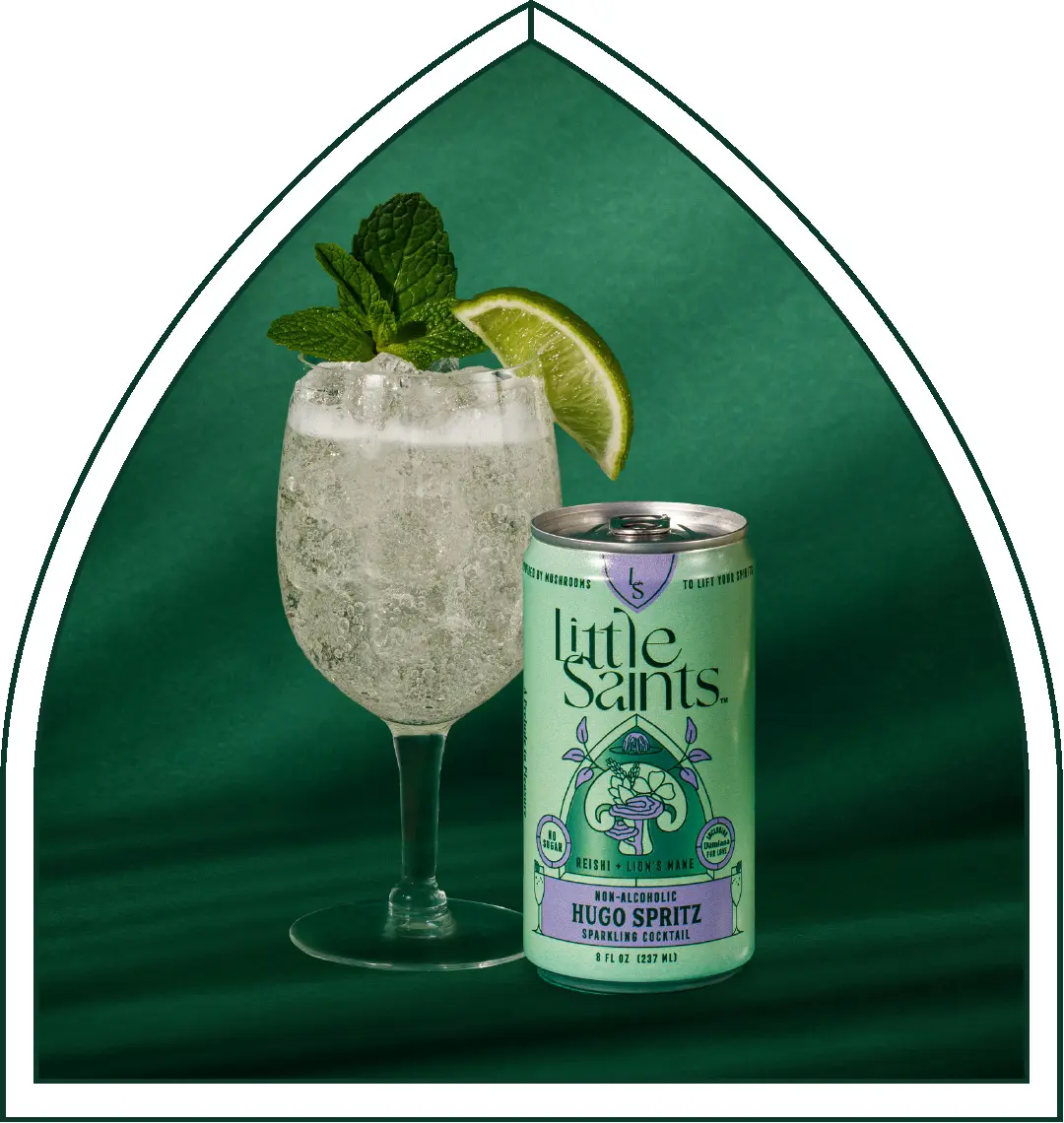
Little Saints covers both formats from one brand, which helps an operator avoid adding a second vendor relationship for a single occasion.
RTD Format: Seven canned non-alcoholic cocktails, Classic Spritz, Hugo Spritz, Classic Margarita, Paloma, Old Fashioned, Mojito, and Negroni Spritz, all carry zero grams of sugar, five calories, and 0% ABV, sweetened with monk fruit juice concentrate and nothing else. Each can also carries a functional blend drawn from organic Reishi, organic Lion's Mane, Damiana, and botanical terpenes. The specific blend varies by cocktail, but every can states a 100mg dose per serving, with extracts at a minimum of 70% beta glucan.
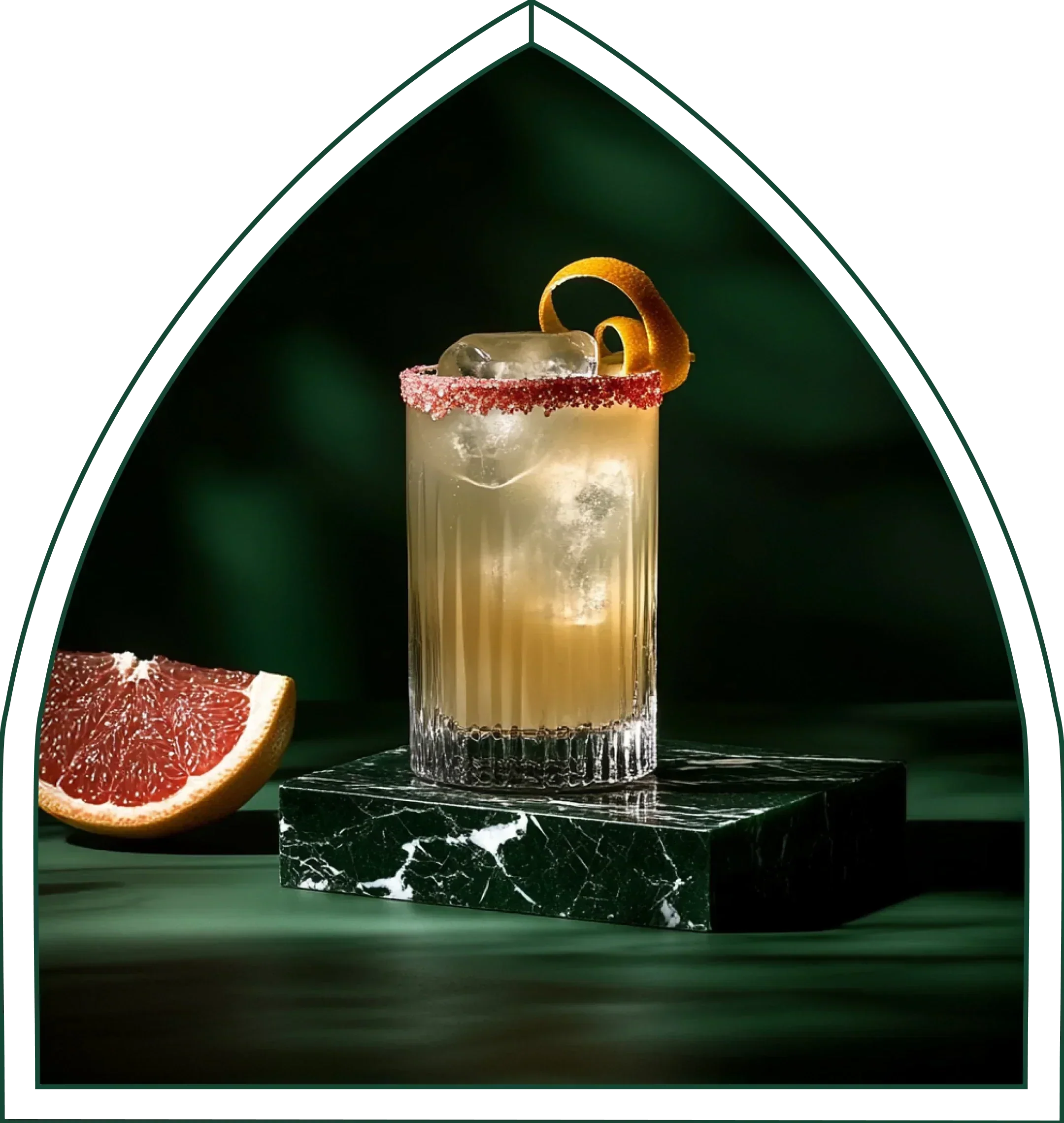
Spirits Format: The St. line includes St. Ember (mixes like a tequila or a mezcal), St. Juniper (mixes like a gin), and St. Oak (mixes like a whiskey; named Best NA Spirit of 2025 by the BevNET Spirit Awards). All three carry zero grams of sugar, no sweeteners at all, and under 0.5% ABV. Each spirit carries 100mg of organic Lion's Mane extract at a minimum of 70% beta glucan per serving.
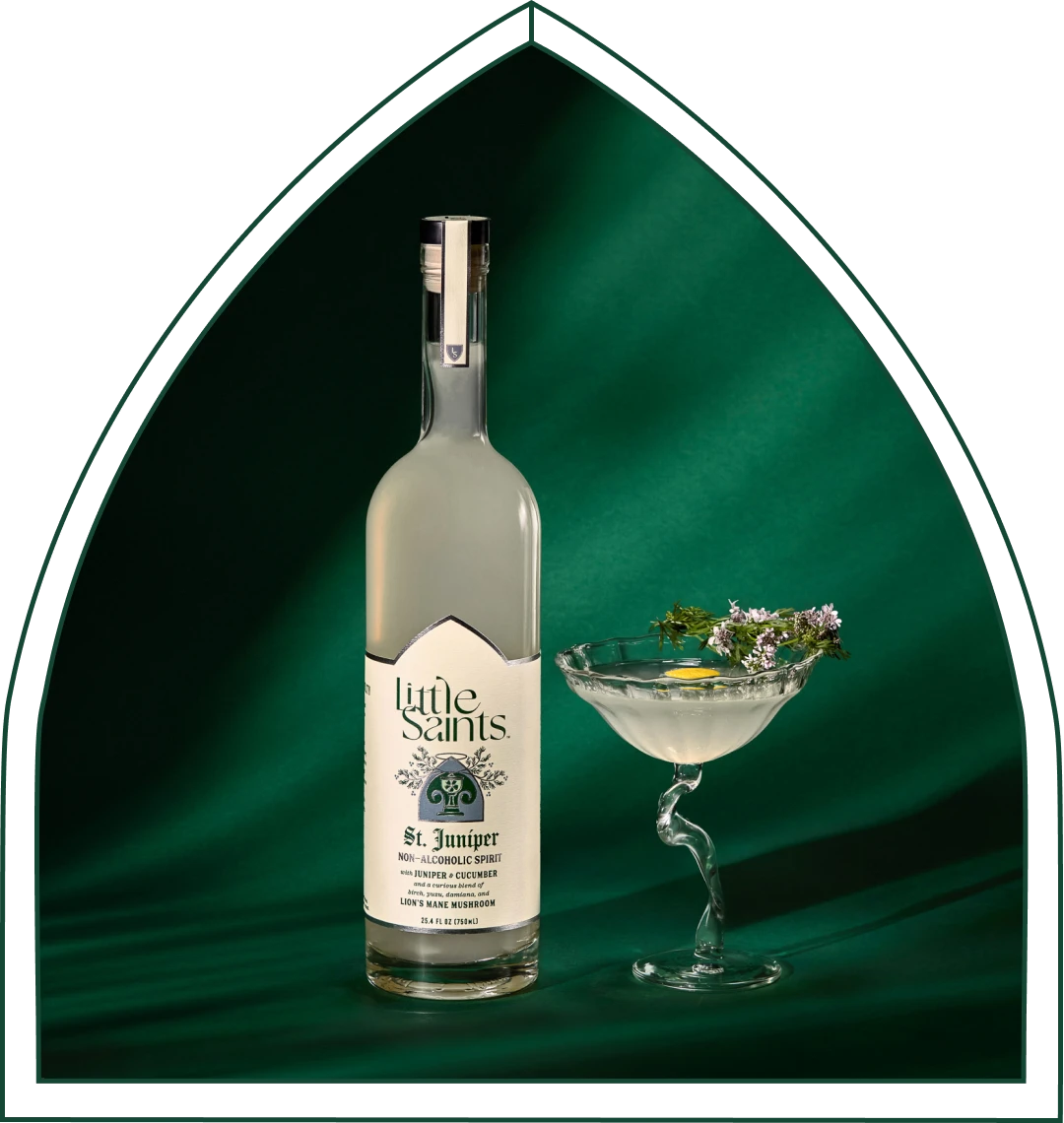
Two formats from one brand cover both dayparts. The RTD handles volume service and immediate occasions. The spirits handle the built program and the menu line that earns a cocktail price point. For operators who want to go deeper on either format, see Best Non-Alcoholic Spirits For Zero-Sugar Cocktails and How To Make Non-Alcoholic Cocktails That Taste Complex.
The 1:1 Mixability Question And Pour Economics
The 2–3x pour problem mentioned in the evaluation framework deserves its own look, because it most directly changes a bar's build economics. First-generation non-alcoholic spirits dilute in a cocktail because they are essentially flavors in water. Bartenders who tested them early described the problem directly: to get the drink to register, they had to pour two to three times the volume. That creates a real cost and labor issue. It empties the bottle at twice the rate, changes the build economics, and prevents the bar from using the same recipe it already runs for the alcoholic version.
The way to check a product before buying is to ask two questions. Is the spirit built on oil-based craft extracts or flavored water? What ratio is it formulated to mix at? A brand that cannot answer both questions clearly is not built for a bar program.
The St. line is built on oil-based craft small-batch extracts formulated with mixologists to mix 1:1. Two ounces replaces two ounces in any recipe, whether a margarita, a paloma, a gin and tonic, or an old fashioned. The bar does not need retraining, and the build does not need re-costing. The spirits also carry a built-in burn from a cardamom extract present in each expression, plus capsicum. The Lion's Mane extract adds a natural viscosity. That viscosity is also why the spirits are cloudy, which signals the functional ingredient is present at a real dose rather than a defect. A bottle of St. Ember, St. Juniper, or St. Oak pours as far as the bottle it stands in for.
For operators building cocktail specs around the St. line, The Complete Guide To Zero Sugar Cocktails covers builds across all three spirits.
How To Cost A Zero-Sugar Non-Alcoholic Cocktail Like A Cocktail
The economic argument for stocking a zero-sugar non-alcoholic line rests on a normal margin, not an exceptional one. A non-alcoholic cocktail can be costed and priced like a cocktail rather than like a soft drink, because it uses a comparable base cost per pour ounce and a comparable build. Giving it a menu line does not disrupt mix.
Because the St. spirits mix 1:1, the bar team does not need retraining and the build does not need re-costing. The RTD format needs no prep, no build, and no bartender time. Both formats support a menu price in line with the cocktails already on the list, at a cocktail price rather than a soft drink or juice price.
The incrementality argument closes the conversation. The guest was going to buy a soda, a sparkling water, or nothing at all. Putting a non-alcoholic cocktail in front of them creates incremental revenue that did not previously exist. As noted earlier, the dual-buyer data shows these guests spend more on total alcohol. The non-alcoholic pour is added to the check.
Non-alcohol is still only 0.8% of total alcohol dollars, and that small base is the opportunity. The 22.9-point growth gap cited earlier is the clearest signal that this is a structural shift, not a fad. The consumer led this category. The operator who stocks it now captures revenue the operator who waits leaves on the table.
Gallup's 2026 Consumption Habits survey found that among drinkers who use non-alcoholic alternatives, 38% say they are drinking more of these than they used to, against 17% drinking less. The users already in the room are deepening their engagement with the category.
What To Ask A Brand Before You Stock It
Before committing to a non-alcoholic line, operators can put the same questions to every brand under consideration. The answers show whether the product can perform on a menu or whether it will sit.
- Is the sugar and calorie load published per serving?
- Is the functional dose stated on the label?
- Is the potency behind that dose published, and how is it documented?
- Does the product mix 1:1 or force a 2–3x pour?
- What formats are available for my service model?
- What wholesale availability, minimums, staff training, and sampling support come with the line?
Little Saints answers all of them. The label publishes zero grams of sugar and five calories per can, a stated 100mg functional dose per serving, and extracts at a minimum of 70% beta glucan documented by supplier certificates of analysis. The supplier's extracts also undergo third-party lab analysis for potency, and the mushrooms are USDA Organic, grown in California, and extracted with ultrasound rather than solvents. The spirits mix 1:1, and both RTD and spirit formats are available. The wholesale program covers bundle pricing, volume discounts, a brand asset library, shelf talkers, staff training modules, in-person tasting kits, and 30/60/90-day velocity check-ins with reorder triggers agreed before launch.
The extract holds GRAS status, the FDA's standard of generally recognized as safe for an ingredient used in food. GRAS covers the safety of the ingredient in food. It is not FDA approval of the product and does not address whether an ingredient produces an effect.
These statements have not been evaluated by the Food and Drug Administration. This product is not intended to diagnose, treat, cure, or prevent any disease. Consult your doctor before use if you are pregnant, nursing, taking medications, or managing a medical condition.
To reach the wholesale team directly: wholesale@littlesaints.com.
Comparison: Little Saints Vs. Category Types On Label Dimensions
The table below maps the key label and mixability criteria against the three product types operators most often compare: Little Saints, sugar-sweetened non-alcoholic cocktails and aperitifs, and other functional non-alcoholic drinks. The grid makes the gaps visible at a glance.
| Dimension | Little Saints | Sugar-Sweetened NA Cocktails / Aperitifs | Other Functional NA Drinks |
|---|---|---|---|
| Sugar per serving | 0g (cans sweetened with monk fruit; spirits contain no sweeteners at all) | Present, often significant; a regular soda carries 35–40g | Varies; often present |
| Functional dose stated on label | 100mg per serving, published on label | None | Rarely published |
| Potency (beta glucan content) published | Minimum 70% beta glucan, documented by supplier certificates of analysis | Not applicable | Rarely published |
| Mixes 1:1 in a cocktail build | Yes, oil-based craft extracts formulated for 1:1 substitution | Not applicable (RTD format only) | Not applicable or not stated |
Sugar figures for Little Saints are from the product label. Functional dose and beta glucan figures are from the company's ingredient statement and supplier certificates of analysis. Category comparisons reflect label review of the category type, not any named brand.
Frequently Asked Questions
What Counts As Zero Sugar For A Restaurant Non-Alcoholic Menu?
Under FDA nutrient content claim rules, a product may use terms like “zero sugar” or “sugar free” only if it contains less than 0.5 grams of sugars per reference amount customarily consumed and per labeled serving. Little Saints canned non-alcoholic cocktails carry zero grams of sugar per can and are sweetened with monk fruit juice concentrate only, with no cane sugar, erythritol, or sugar alcohols. The St. spirits line contains no sweeteners of any kind.
What Is The Difference Between A Ready-To-Drink Non-Alcoholic Cocktail And A Non-Alcoholic Spirit?
A ready-to-drink non-alcoholic cocktail is a finished, premixed drink in a can, opened and served with no build required. A non-alcoholic spirit is an ingredient, used the same way a conventional spirit is used: measured, combined with mixers, and built into a cocktail. Little Saints offers both. The canned cocktails, Classic Spritz, Hugo Spritz, Classic Margarita, Paloma, Old Fashioned, Mojito, and Negroni Spritz, are finished drinks. The St. line, St. Ember, St. Juniper, and St. Oak, are spirits that substitute 1:1 in any classic cocktail spec.
What Does Beta Glucan Content Mean On A Label?
Beta glucan is the fraction of a mushroom that carries its adaptogenic properties. Most mushroom drinks publish neither a dose nor a beta glucan figure, which makes it difficult to evaluate whether the functional ingredient is present at a meaningful level. Little Saints publishes both: a stated 100mg dose per serving, at a minimum of 70% beta glucan, documented by supplier certificates of analysis. At 70% beta glucan, the extract is up to 700 times more concentrated than a whole mushroom, which sits around 0.1% beta glucan.
Can A Non-Alcoholic Cocktail Be Priced Like A Cocktail?
A non-alcoholic cocktail built on a spirit that mixes 1:1 can be costed and priced like a cocktail, because it uses a comparable base cost per pour ounce and a comparable build. The margin is normal, so giving it a menu line costs the operator nothing in mix. The RTD format supports a menu price above a soft drink price because it is a finished non-alcoholic cocktail with a stated functional dose and a zero-sugar, five-calorie profile.
What Should I Ask A Brand About Wholesale And Staff Training?
Ask whether the brand offers bundle pricing and volume discounts, what the minimum order is, whether staff training modules are available, whether in-person tasting kits can be arranged before launch, and whether the brand runs velocity check-ins after the line goes live. Little Saints offers all of these: bundle pricing, volume discounts, a brand asset library, shelf talkers, staff training modules, in-person tasting kits, and 30/60/90-day velocity check-ins with reorder triggers agreed before launch. Contact the wholesale team at wholesale@littlesaints.com.
Conclusion: Turning Zebra Striping Into Incremental Revenue
The evaluation framework for zero-sugar non-alcoholic drinks for restaurants comes down to six criteria: sugar and calorie load per serving, a stated functional dose, published potency, 1:1 mixability, service format, and wholesale support. A brand that answers all six can be costed and priced like a cocktail, trained into a bar program without friction, and supported through the first 90 days with velocity data and reorder triggers.
Little Saints is the brand that answers all six, with the label, mixability, and wholesale details covered above. The line gives operators a zero-sugar, low-calorie option with a documented functional profile, 1:1 mixable spirits, RTD cans for speed, and a wholesale program built for on-premise accounts.
The practical next steps are straightforward. Request the wholesale program at wholesale@littlesaints.com, ask for staff training and a tasting kit, and run a 30/60/90-day velocity check before committing to a full menu line. The guest who would otherwise have ordered a soda or a water is already in the room. The right non-alcoholic pour turns that visit into incremental revenue on a table you already serve.
These statements have not been evaluated by the Food and Drug Administration. This product is not intended to diagnose, treat, cure, or prevent any disease. Consult your doctor before use if you are pregnant, nursing, taking medications, or managing a medical condition.
The statements made on our website have not been evaluated by the Food and Drug Administration, Our products are not intended to diagnose, treat, cure or prevent any disease. If you are pregnant, nursing, taking any medications or have any medical conditions, consult your doctor before use.