


Key Takeaways
- A zero sugar non alcoholic margarita swaps alcohol and added sugar for lime, an orange element, a zero-calorie sweetener, and either a non-alcoholic tequila alternative or a ready-to-drink can.
- Ready-to-drink options deliver consistency and minimal prep, while from-scratch builds offer control over freshness and sweetness but require compatible ingredients.
- Monk fruit is the preferred zero-calorie sweetener for citrus drinks because it provides a clean finish without aftertaste or digestive issues, unlike sucralose, erythritol, or other sugar alcohols.
- Little Saints Classic Margarita stands out as a ready-to-drink option combining zero sugar, monk fruit sweetening, 0% ABV, and a functional blend in a single can.
- Little Saints supports both approaches with the ready-to-drink Classic Margarita and the 1:1 mixing St. Ember spirit, so buyers can choose to build or buy without compromise.
The Ready-To-Drink Classic Margarita From Little Saints
Little Saints Classic Margarita is a finished, ready-to-drink non-alcoholic margarita featuring lime, bitter orange, and salt, sweetened with monk fruit juice concentrate. The can delivers zero grams of sugar, five calories, and 0% ABV. It also includes a functional blend that supports the Little Saints Lift. This format answers the “I want this tonight” moment by eliminating the need to build, prep, or wait on a bartender.
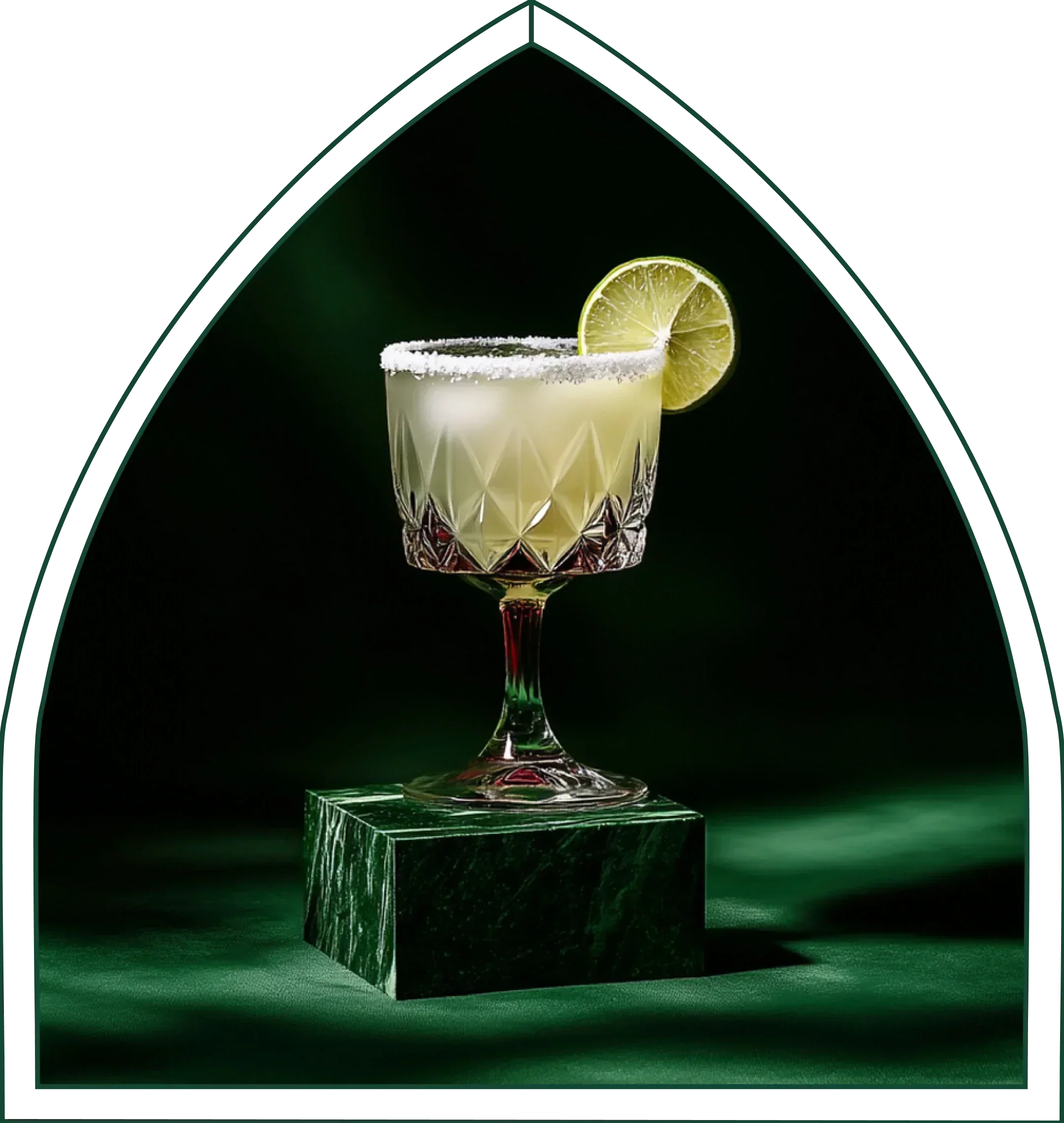
For anyone comparing zero sugar non alcoholic margarita options across bottled mixes and ready-to-drink cans, the choice often comes down to what appears on the label. Ready-to-drink options deliver consistency, minimal prep, and a declared functional blend. From-scratch builds offer control over lime freshness and sweetness level. They also require a non-alcoholic spirit that mixes 1:1 and a zero-calorie sweetener that does not leave an aftertaste.
Most competing zero-sugar margarita mixes on the market are bottled concentrates that still require a spirit pour, a sweetener decision, and a full build. The global zero-sugar mocktail mixers market was valued at $1.23 billion in 2025, and the category spans ready-to-drink bases, liquid concentrates, powdered mixes, and sugar-free syrups. These formats vary widely in sugar content, sweetener type, and whether alcohol is present.
When checking any bottled mixer, verify the label for:
- Zero grams of total sugar
- The sweetener type
- Whether alcohol is present
Little Saints Classic Margarita is the only option in this set that combines zero sugar, monk fruit sweetening, and 0% ABV in a single can. It holds a 4.8/5 rating across 48 customer reviews on littlesaints.com (August 2026).
Try Classic Margarita In A Can
How To Make A Zero Sugar Margarita From Scratch
Home bartenders who prefer to build their own drink can follow the same structure as a classic margarita build. A non-alcoholic spirit substitutes at 1:1, and a zero-calorie sweetener replaces simple syrup and orange liqueur. Use the following build:
- 2 oz Little Saints St. Ember mixes like a tequila or a mezcal at 1:1, so any classic margarita recipe works unchanged. Two ounces replaces two ounces, with no need to over-pour.
- 1 oz fresh lime juice should be squeezed to order. Pre-squeezed lime juice loses 42% of its ascorbic acid after two hours at room temperature, which diminishes tartness and introduces off-notes.
- ½ oz orange element can be fresh orange juice or a zero-sugar orange extract. Omit any orange liqueur that contains sugar.
- 1–2 tbsp zero-calorie sweetener should come from monk fruit for the cleanest finish. The sweetener comparison below explains why.
- Sparkling water to top adds effervescence without sugar.
- Salt rim matters for flavor balance. A 0.3% saline solution applied to a glass rim increased perceived lime acidity by 22% and reduced perceived ethanol burn by 17%, which keeps salt relevant even in a zero-proof build.
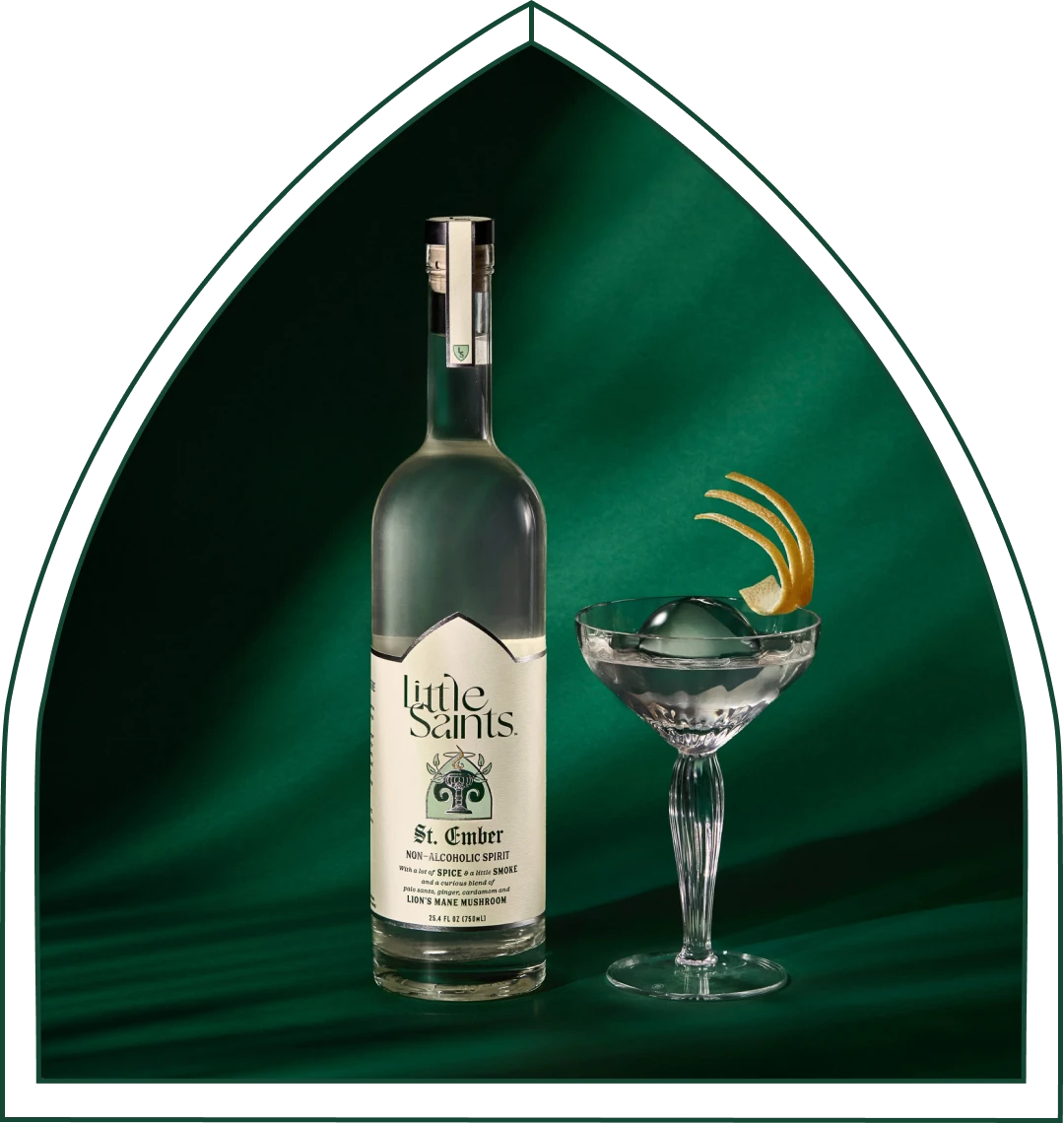
Little Saints St. Ember is an ode to the flavors of a light, spicy mezcal, with spicy, smoky, and woodsy notes built on palo santo, ginger, and cardamom. Oil-based craft extracts give it structure, so it holds up in a cocktail build and mixes 1:1. Any classic margarita recipe can stay intact. For a deeper look at the full recipe approach, see the Low Sugar Non-Alcoholic Margarita: Recipe, Sweetener & Pour guide.
The Sweetener Comparison For Zero Sugar Margaritas
The sweetener in a zero sugar margarita shapes both flavor and comfort. It determines whether the drink tastes clean or carries an aftertaste, and whether it sits comfortably or causes digestive discomfort. Here is what each category does in a citrus-forward drink.
| Sweetener | Sweetness Intensity Vs. Sugar | Aftertaste Profile In Citrus Drinks | Digestive Impact |
|---|---|---|---|
| Monk fruit extract | Many times sweeter than sucrose; no ADI specified by FDA | Clean finish; no lingering metallic or cooling note | No documented digestive impact at beverage doses |
| Sucralose | Approved food additive; many times sweeter than sugar; ADI established by FDA | Higher sweetness intensity; potential for a lingering metallic note in citrus-forward drinks | Generally well tolerated; some sensitivity reported at higher doses |
| Erythritol and sugar alcohols | 25% to 100% as sweet as sugar, varying by type | Cooling effect on the palate; can flatten citrus brightness | Erythritol does not increase blood glucose or insulin, while other sugar alcohols such as xylitol cause only small acute rises in blood glucose and insulin; higher doses of sugar alcohols can cause gastrointestinal side effects such as nausea, bloating, and diarrhea |
The FDA has not objected to GRAS notices for monk fruit extract (Siraitia grosvenorii Swingle fruit), meaning it is generally recognized as safe for use in food. That GRAS status covers ingredient safety in food. It is not FDA approval of any product and does not address whether an ingredient produces a physiological effect.
Little Saints Classic Margarita is sweetened with monk fruit juice concentrate only, without sugar, erythritol, or other sugar alcohols. The Little Saints spirits line, including Little Saints St. Ember, contains no sweeteners at all, and any sweetness comes from the botanical extracts themselves. For a full breakdown of how to read a zero sugar margarita label, see The Best Sugar-Free Margarita Mixes: A Zero-Sugar Guide.
The 2025–2030 Dietary Guidelines for Americans recommend limiting added sugars and nonnutritive sweeteners, and advise avoiding sugar-sweetened beverages such as sodas, fruit drinks, and energy drinks. A zero sugar non alcoholic margarita sweetened with monk fruit sits outside the sugar-sweetened category entirely.
What A Skinny Margarita Typically Includes
A skinny margarita is a margarita that cuts sugar by replacing most or all of the orange liqueur and any simple syrup with fresh citrus or a small amount of agave. A typical build is 2 oz blanco tequila, 1 oz fresh lime juice, and 0.5 oz fresh orange juice or a teaspoon of agave, strained over ice with an optional splash of soda water. This structure reduces sugar relative to a classic margarita but does not eliminate it.
Why Skinny Margarita Does Not Mean Sugar-Free
Skinny as a descriptor does not automatically mean zero sugar. A skinny margarita reduces sugar by cutting orange liqueur and simple syrup, yet fresh lime juice, orange juice, and any agave or sweetener still contribute carbohydrates. There are no regulatory standards defining “skinny” for alcoholic beverages in the U.S., and the Alcohol and Tobacco Tax and Trade Bureau permits “lower calorie” or “reduced sugar” claims only if they meet strict comparative benchmarks against a reference product. The only way to know the sugar content is to read the label or measure each ingredient. A zero sugar non alcoholic margarita requires a zero-calorie sweetener and mixers that do not contain sugar.
Zero-Sugar Margarita Mix Formats
Zero-sugar margarita mix appears in two main formats: ready-to-drink cans and bottled mixers. Ready-to-drink cans like Little Saints Classic Margarita deliver a finished margarita with a verified zero-sugar label and five calories per can. Bottled mixers still require a spirit pour and a sweetener choice.
When checking a bottled mixer, verify the label for:
- Zero grams of total sugar
- The sweetener type
- Whether alcohol is present
Under FDA labeling rules at 21 CFR Part 101, a product may only use the claim “sugar-free” if it contains less than 0.5 grams of sugars per labeled serving. A “zero-sugar” or “sugar-free” label does not guarantee zero calories or the absence of sweeteners, so both the Nutrition Facts panel and ingredients list deserve a close look. For a label-first comparison of canned options, see Best Canned Non-Alcoholic Margarita: A Label-First Look.
Compare Canned Margarita Options
Non-Alcoholic Tequila Substitutes For Margaritas
Little Saints St. Ember is an ode to the flavors of a light, spicy mezcal, with spicy, smoky, and woodsy notes built on palo santo, ginger, and cardamom. It mixes like a tequila or a mezcal at 1:1. Two ounces of Little Saints St. Ember replaces two ounces of tequila in a margarita or a paloma, so any classic recipe works unchanged.
The distinction between Little Saints St. Ember and many first-generation non-alcoholic spirits matters at the recipe level. First-generation non-alcoholic spirits often rely on flavored water, which dilutes in a cocktail and can force a 2–3x pour to achieve comparable flavor. Little Saints uses oil-based craft extracts, which hold up in a build and mix 1:1. A bottle of Little Saints St. Ember pours as far as the bottle it replaces, rather than emptying at twice the rate. The built-in heat from cardamom and capsicum gives the drink warmth at the back of the throat that registers as a spirit rather than a cordial. For a full comparison of non-alcoholic tequila alternatives, see The Best Non-Alcoholic Tequila Substitute For A Margarita.
The Functional Layer Behind The Little Saints Lift
Little Saints Classic Margarita carries the brand’s functional blend: organic Reishi, organic Lion’s Mane, and Damiana. The blend is dosed at 100mg, with extracts at a minimum of 70% beta glucan, as documented by supplier certificates of analysis. The intended feeling is clarity and ease, described as the Little Saints Lift. These statements have not been evaluated by the Food and Drug Administration. This product is not intended to diagnose, treat, cure, or prevent any disease.
The Evening Occasion And Zebra Striping
The zero sugar non alcoholic margarita fits the evening occasion, the moment when someone might otherwise reach for a classic cocktail. Forty-seven percent of on-premise visitors mix alcoholic and non-alcoholic options in the same occasion, and 93% of non-alcohol buyers also purchase alcohol, according to NIQ’s “From Value to Vibe,” January 2026. This practice, often called zebra striping, describes alternating alcoholic and non-alcoholic beverages across a night out. Little Saints Classic Margarita keeps someone at the table for the round that might otherwise have been a glass of water.
Frequently Asked Questions
Which Margarita Mix Has The Least Sugar?
The mix with the least sugar lists zero grams of total sugar per serving and uses a zero-calorie sweetener such as monk fruit. As noted earlier, Little Saints Classic Margarita delivers that zero-sugar profile in a ready-to-drink can. When comparing labels, check total sugars, added sugars, and the sweetener type, because a product labeled “skinny” may still contain several grams of sugar from juice or agave. A small classic homemade margarita typically contains about 12–15 grams of total carbohydrates, with much of that coming from the liqueur and any added sweetener. The only reliable way to verify sugar content is to read the Nutrition Facts panel and the ingredients list on the specific product.
Is A Skinny Margarita Healthier Than A Regular Margarita?
A skinny margarita typically contains fewer calories and less sugar than a regular margarita because it reduces or removes orange liqueur and simple syrup. A standard margarita contains about 200–300 calories, while a skinny margarita trims that to roughly 130–150 calories. Skinny remains a marketing word rather than a regulated claim, so the label still needs review. A zero sugar non alcoholic margarita like Little Saints Classic Margarita goes further than a skinny margarita by removing both the alcohol and all sugar, while keeping calories very low.
Can I Order A Skinny Margarita At A Bar?
Guests can order a skinny margarita at a bar by asking for a margarita with fresh lime juice, no simple syrup, and either no orange liqueur or a reduced amount. They can also specify a zero-calorie sweetener if the bar carries one. The bartender may not have a zero-sugar sweetener on hand, and the drink will taste more tart without the orange liqueur’s sweetness. For a fully verified zero sugar result, a ready-to-drink option like Little Saints Classic Margarita, with Little Saints products available at bars and restaurants concentrated in A- and B-tier accounts, removes the guesswork.
What Are The Ingredients In A 3-Ingredient Skinny Margarita?
A 3-ingredient skinny margarita typically includes tequila, fresh lime juice, and a small amount of agave nectar or a zero-calorie sweetener. The agave still contributes sugar, so the drink is lower in sugar than a classic margarita but not zero sugar. For a non-alcoholic version, substitute Little Saints St. Ember at a 1:1 ratio, use fresh lime juice, and sweeten with monk fruit. That build keeps the classic margarita structure of citrus, sweetness, and a salt rim while removing alcohol and sugar.
Conclusion: Choosing Your Zero Sugar Margarita Path
A zero sugar non alcoholic margarita can come from a ready-to-drink can or a from-scratch build. Little Saints Classic Margarita answers the buy question with lime, bitter orange, salt, zero sugar, and a low-calorie profile, plus the Little Saints functional blend. For the build path, Little Saints St. Ember mixes 1:1 so any classic margarita recipe works unchanged. Monk fruit, as the sweetener, delivers taste without the aftertaste or digestive trade-offs often associated with sucralose, erythritol, or other sugar alcohols.
As noted earlier, the zero-sugar mixer and non-alcohol segments are expanding quickly. The US non-alcohol market reached $1 billion off-premise and is still compounding at 22%, and that growth concentrates in the same space Little Saints occupies. The commercial decision stays simple: choose a finished can with a verified label, or a 1:1 build with a spirit that works in the recipe. Either route delivers a zero sugar non alcoholic margarita without sacrificing taste, label transparency, or the evening occasion.
Find Your Little Saints Margarita
The statements made on our website have not been evaluated by the Food and Drug Administration, Our products are not intended to diagnose, treat, cure or prevent any disease. If you are pregnant, nursing, taking any medications or have any medical conditions, consult your doctor before use.