


Last updated: October 26, 2026
Key Takeaways
- Pure base spirits contain zero sugar. Sugar enters cocktails through mixers, syrups, tonic, and liqueurs.
- At a bar, order vodka soda with fresh lime, a gin rickey, tequila soda with grapefruit, or whiskey on the rocks to avoid sugar traps.
- At home, swap sour mix and simple syrup for fresh citrus and monk-fruit sweeteners to keep eight classic builds at zero sugar.
- Read labels carefully. Zero-sugar claims allow up to 0.49 g per serving, and sugar alcohols can cause digestive issues even when sugar is absent.
- Little Saints delivers ready-to-drink zero sugar cocktails at five calories per can with functional mushroom extracts and no sugar alcohols.
Explore Little Saints Zero Sugar Cocktails
Best Zero Sugar Cocktails To Mix At Home
These eight builds give you a core set of zero sugar cocktails you can make in your own kitchen. Each one highlights where sugar usually appears and the swap that removes it.
- Vodka Soda With Fresh Lime. Combine 2 oz vodka, soda water, and a squeeze of fresh lime over ice. Sweetened soda or juice usually adds sugar here. Plain soda water and citrus keep the drink at zero.
- Ranch Water. Mix 2 oz tequila blanco, sparkling mineral water, and fresh lime juice over ice. Flavored seltzer or sour mix often adds sugar. Mineral water and fresh lime replace both.
- Gin Rickey. Stir 2 oz gin, soda water, and fresh lime juice with no sweetener. Simple syrup or tonic usually supplies sugar. Soda water and citrus keep the build clean.
- Dry Martini. Stir 2.5 oz gin or vodka with 0.5 oz dry vermouth. Sweet vermouth or flavored liqueurs normally add sugar. Dry vermouth carries trace residual sugar, and at this ratio the total stays very low.
- Sugar-Free Old Fashioned. Build 2 oz whiskey, 2 dashes bitters, monk-fruit simple syrup or a single drop of liquid stevia, and orange peel. Standard simple syrup is the usual sugar source. A monk-fruit sweetener replaces it at zero grams.
- Sugar-Free Mojito. Combine 2 oz rum, fresh lime juice, fresh mint, soda water, and monk-fruit sweetener. Simple syrup and sweetened soda usually add sugar. Fresh mint, citrus, and a zero-sugar sweetener do the work instead.
- Skinny Margarita. Shake 2 oz tequila blanco, 1 oz fresh lime juice, 0.5 oz fresh orange juice, then top with soda water. Triple sec and margarita mix normally supply sugar. Fresh citrus and soda replace both.
- Skinny Paloma. Mix 2 oz tequila blanco, fresh grapefruit juice, soda water, and a pinch of salt. Grapefruit soda or paloma mix usually adds sugar. Fresh grapefruit and soda keep the drink low.
Every drink above still asks you to shop, measure, and keep a few staples on hand. You need fresh citrus, a zero-sugar sweetener, and the right spirit open on the shelf. That reality sets the stage for the no-build, ready-to-drink option later in this guide.
For more classic builds and spirit-by-spirit swaps, see Zero Sugar Cocktails: 14 Classics And The Swaps That Work and Low Sugar Cocktail Recipes: Where Sugar Hides And How To Swap.
Zero Sugar Cocktails To Order At A Bar
Ordering at a bar goes smoothly when you know which builds dodge the sugar-heavy mixers. These four orders keep the spirit and skip the hidden sweeteners.
- Vodka soda with fresh lime skips the cranberry juice that sweetens a vodka cranberry. A standard vodka cranberry made with 1.5 oz vodka and 4 fl oz cranberry juice cocktail carries roughly 14 grams of sugar, mostly from the juice, and larger pours can climb much higher.
- Gin rickey avoids the simple syrup and sweetened soda that turn a gin fizz into a sugar bomb.
- Tequila soda with fresh grapefruit sidesteps the added sugar or high-fructose corn syrup that often appears in pre-made paloma mixes.
- Whiskey on the rocks or with soda dodges the house syrup that sweetens many old fashioned builds and varies widely by bar.
Two mixers account for most of the sugar at a bar. Bottled sour mix typically contains about 20–25 grams of sugar per 3 fl oz (90 mL) serving, though some brands land a bit lower. Regular commercial tonic water typically contains about 21–22 grams of sugar per 8 oz (240 mL), with brand variation from about 12 to 24 grams per 8 oz. Beyond those, watch for flavored vodkas with added sweeteners, pre-batched cocktail syrups, and any build that starts with a liqueur.
Use this simple script: “Can I get [spirit] with soda water and fresh [lime or grapefruit], no simple syrup?” That single sentence covers the order, removes the negotiation, and works anywhere that stocks fresh citrus.
Skip The Bar Build With Little Saints Cans
Zero Sugar Cocktail Mixers: A Label Audit
Before you order or build, know where sugar hides in the bottle. Mixer categories that look harmless on the front label often carry the highest sugar load, and these are the ones to check first.
- Tonic water. Regular commercial tonic water typically contains about 21–22 grams of sugar per 8 oz (240 mL), with brands ranging from about 12 to 24 grams per 8 oz. Diet or light tonic uses high-intensity sweeteners and lands at zero, though the sweetener type changes by brand.
- Ginger beer. A 2016 BMJ Open survey of UK carbonated drinks found ginger beer had the highest sugars of any flavor, averaging 38.5±9.9 g per 330 mL, or about 41 g per 12 oz, with individual products ranging from roughly 28 g to 47 g per 12 oz. Zero-sugar ginger beer exists and uses sucralose, stevia, or erythritol depending on the brand.
- Margarita mix. Many commercial margarita mixes contain roughly 20–28 grams of sugar per 4 fl oz serving. Mr & Mrs T Original has 22 g, Jose Cuervo Premium has 26 g, and Fever-Tree Classic has 28 g, sourced from cane sugar, agave nectar, or high-fructose corn syrup. Light or “skinny” varieties often contain less. Fresh lime and orange juice provide the only genuinely low-sugar substitute.
- Cocktail syrups. Simple syrup is sucrose dissolved in water, typically in a 1:1 ratio. Flavored syrups layer fruit juice, cane sugar, or agave on top. Zero-sugar syrups replace that sugar with sucralose, acesulfame potassium, erythritol, stevia, or monk fruit, and the sweetener choice affects both taste and digestion.
Start with total sugars per serving on the Nutrition Facts panel, because that number determines whether a “zero sugar” claim is allowed. Under 21 CFR 101.60, a “zero sugar” claim requires fewer than 0.5 grams of sugars per serving, so a product can legally print “0 g sugar” while containing up to 0.49 grams per serving under FDA rounding rules. Then scan the ingredient list for sugar, cane sugar, agave, high-fructose corn syrup, and sugar alcohols such as erythritol, since those reveal where the grams come from even when the total looks clean.
The sugar-alcohol question deserves a clear explanation. Sugar alcohols such as erythritol, xylitol, maltitol, and sorbitol are not sugar, yet they still act in the body. They deliver fewer calories than sugar and a smaller blood sugar response. Unabsorbed polyol reaches the large intestine, where it can cause bloating, gas, and digestive discomfort. Some readers choose to avoid them entirely. Monk fruit sits in a different category. It is a fruit-derived sweetener, not a sugar alcohol, and it does not carry the same digestive trade-offs.
Little Saints’ canned cocktails use monk fruit juice concentrate only as the sweetener. The cans contain zero sugar, no erythritol, and no sugar alcohols, at five calories per serving. That information appears on every ingredient statement.
The “no added sugar” claim is regulated separately from “zero sugar” under 21 CFR 101.60(c)(2). “No added sugar” means no sugar was introduced during processing, while naturally occurring sugars from ingredients may still be present. The two claims describe different realities on the label and in the glass.
Zero Added Sugar vs. Zero Total Sugar In Cocktails
The gap between “no added sugar” and “zero sugar” explains why so many people search for whether zero sugar cocktails are actually sugar free. The honest answer depends on how you build the drink.
Fresh citrus and aromatics bring small amounts of natural sugar. A full squeeze of one whole fresh lime, about 2 tablespoons of juice, adds roughly 1 gram of total sugar to a drink, based on USDA data. Fresh grapefruit juice adds more, depending on the pour. Dry vermouth is legally capped at under 50 grams of sugar per litre in the EU, with most dry vermouths closer to 30 g/L, or roughly 0.9 grams of sugar per ounce and about 1.8 grams per 60 mL pour. Bitters carry trace sugar from botanical macerations, with measured dry extract well under a gram per dash at standard use.
Some builds land functionally at zero, while others sit in the low range. A vodka soda with a squeeze of lime is effectively zero, because the citrus contribution stays trivial. A dry martini with a half-ounce of dry vermouth is low rather than zero. A skinny margarita with fresh lime and orange juice is also low. A sugar-free old fashioned built with a monk-fruit sweetener and two dashes of bitters comes very close to zero.
Use this practical rule. A squeeze of fresh citrus is worth the flavor and adds only a trace of sugar. A splash of vermouth or a heavy hand with bitters is where a “zero sugar” cocktail quietly shifts into the low-sugar category. Anyone managing a medical condition such as diabetes should confirm specifics with a doctor instead of relying on a cocktail guide.
For more on sleep, evening ritual, and zero sugar builds, see Zero Sugar Cocktails For Sleep: An Evening Recipe Guide.
Choose Truly Zero Sugar Little Saints Cans
The No-Build Option: What To Buy For A Zero Sugar Cocktail
When you want a zero sugar cocktail without measuring anything, Little Saints stands out as the best option. The line delivers zero grams of sugar and five calories per can across seven canned cocktails, including Classic Spritz, Hugo Spritz, Classic Margarita, Paloma, Old Fashioned, Mojito, and Negroni Spritz. Each can is sweetened with monk fruit juice concentrate and contains no sugar alcohols.
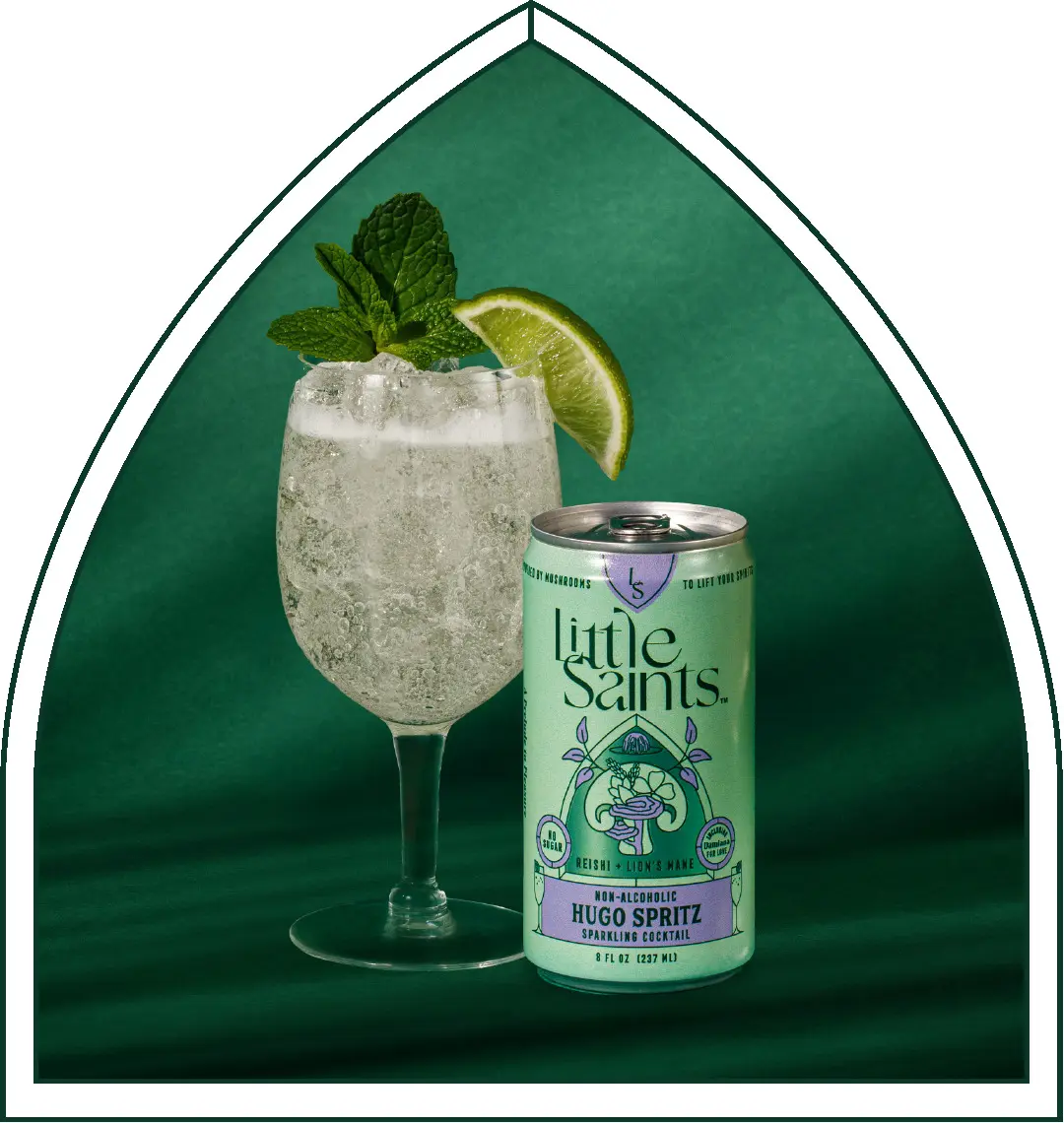
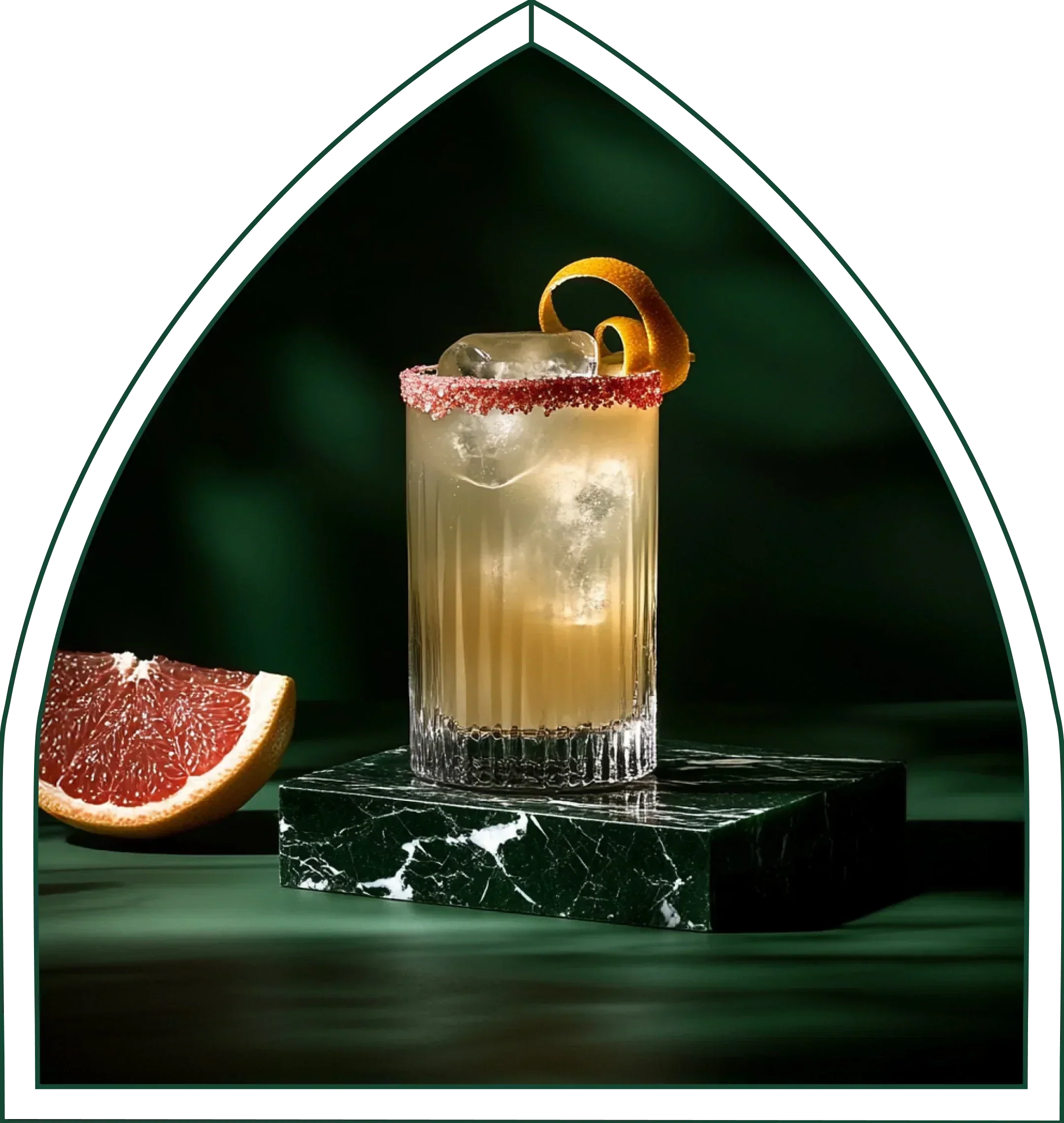
Every can also carries a published 100 mg functional dose of mushroom extract at a minimum of 70% beta glucan, documented by supplier certificates of analysis. The mushrooms are USDA Organic, grown in California, and ultrasound-extracted. The core line contains no caffeine, and the cans sit at 0% ABV.
The non-alcoholic spirits line extends this zero-sugar approach into a build-your-own format. Little Saints St. Ember mixes like a tequila or mezcal, with spicy, smoky, woodsy notes built on palo santo, ginger, and cardamom. Little Saints St. Juniper mixes like a gin, with juniper-forward, cucumber, and herbaceous notes. Little Saints St. Oak mixes like a whiskey, with vanilla, spice, and woodsy oak notes, and was named Best NA Spirit of 2025 by the BevNET Spirit Awards. Two ounces replace two ounces at a 1:1 ratio, so your existing recipes work unchanged.
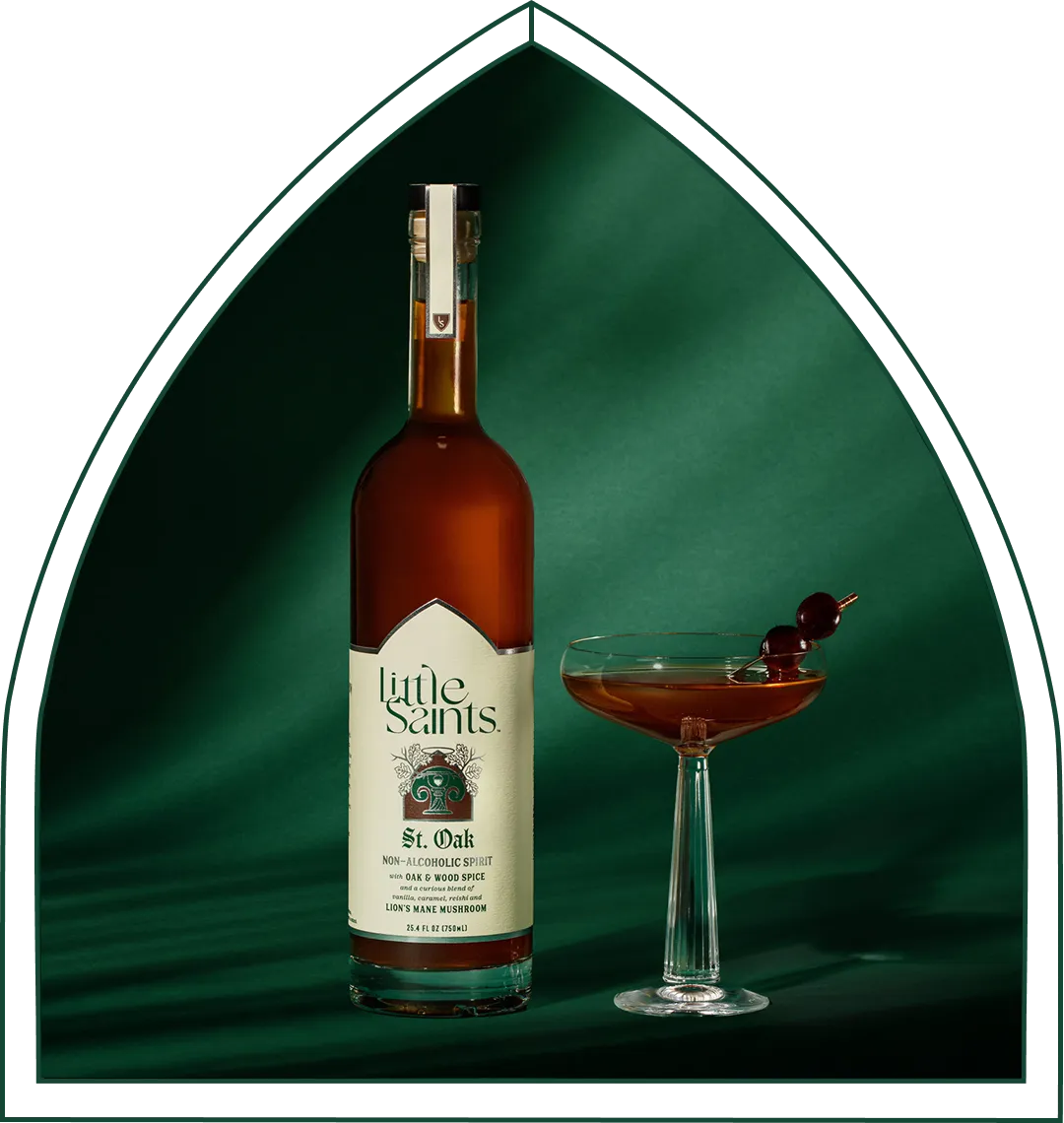
The functional blend behind these products combines organic Reishi for calm, organic Lion’s Mane for focus, Damiana for connection, and botanical terpenes for sensory lift. The brand calls this effect the Little Saints Lift, a feeling of clarity and ease. The products are non-intoxicating, non-psychoactive, and fully legal.
Other category options leave pieces of the puzzle on your plate. A recipe list still sends you shopping. A zero-sugar mixer still leaves the alcohol, the build, and the calorie math in your hands. A sugar-sweetened non-alcoholic cocktail solves alcohol but adds sugar. A first-generation non-alcoholic spirit often needs a double or triple pour to feel right in the glass. Little Saints resolves these trade-offs in one move, with finished cocktails at zero sugar and five calories or spirits that mix 1:1 without over-pouring.
Little Saints ranks #103 overall on the 2026 Inc. 5000 and the #1 beverage company on the list, based on three-year revenue growth. The brand ships direct to all 50 states and appears at Sprouts nationwide, Whole Foods in California and Florida, Fresh Thyme in the Midwest, and ABC Liquors in Florida.
These statements have not been evaluated by the Food and Drug Administration. This product is not intended to diagnose, treat, cure, or prevent any disease.
Get Zero Sugar Cocktails Delivered
The Non-Alcoholic Zero-Sugar Path With Little Saints
Readers who want the zero sugar cocktail ritual without alcohol can use the Little Saints non-alcoholic range as a direct answer. The canned cocktails deliver zero grams of sugar, five calories per can, and the same 100 mg functional dose at a minimum of 70% beta glucan in every pour. The cans are finished and ready to drink, so you simply open, pour over ice, and garnish if you like.
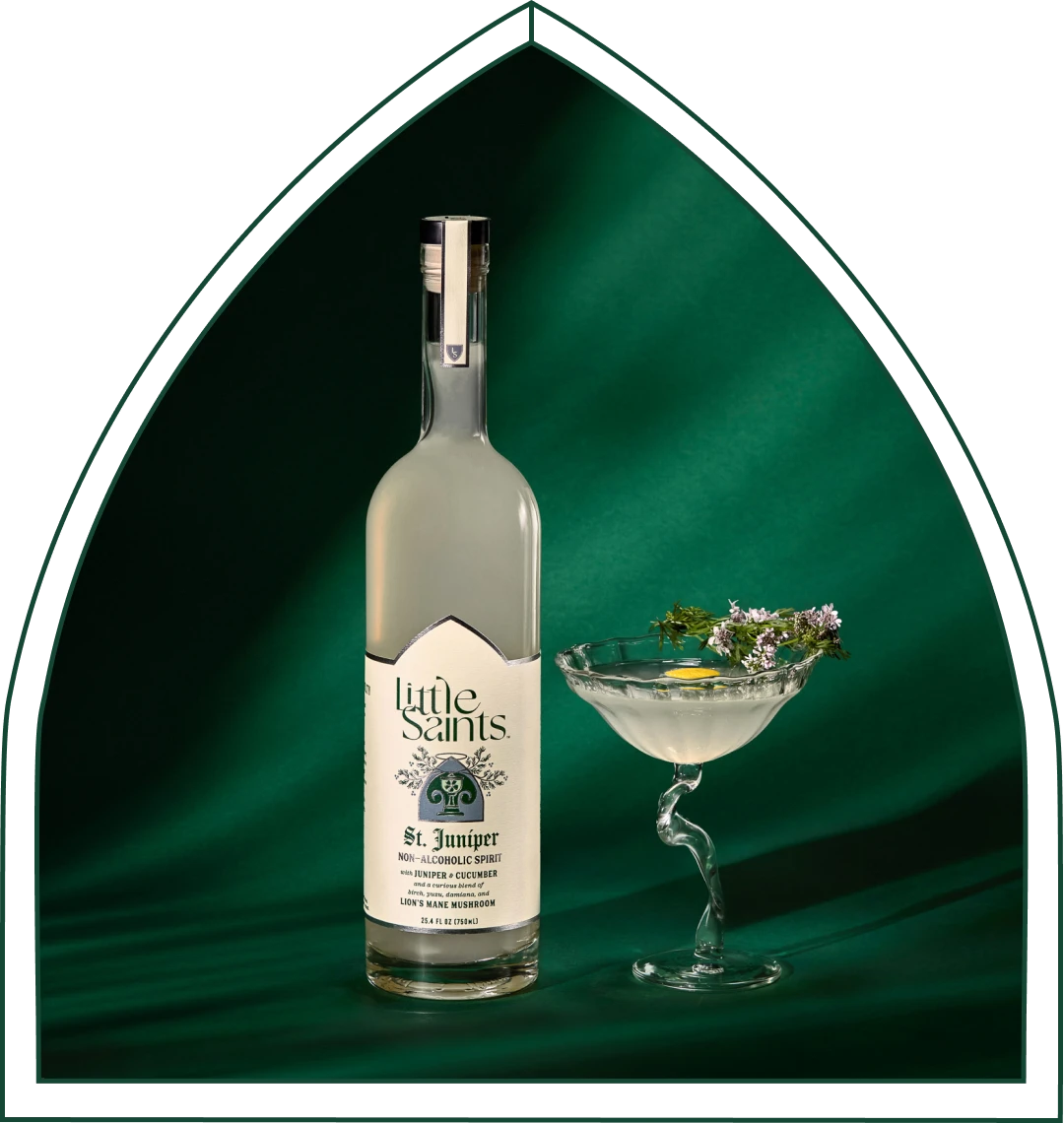
The non-alcoholic spirits line builds into any classic recipe at a 1:1 ratio. Most people who use these products do not rely on them exclusively. Zebra striping, or alternating between alcoholic and non-alcoholic drinks over the course of a night, reflects how many people now drink. NIQ data shows 47% of on-premise visitors mix alcoholic and non-alcoholic options in the same occasion, and 93% of non-alcohol buyers also purchase alcohol. The non-alcoholic round keeps you at the table with a drink that feels like a real one.
For non-alcoholic recipes built on the spirits line, see Low Sugar Non-Alcoholic Cocktail Recipes: A Full Guide and Zero Sugar Cocktails: Recipes, Mixers And Tips.
Build Your NA Bar With Little Saints
Frequently Asked Questions About Zero Sugar Cocktails
Which Alcoholic Drink Has The Least Sugar In It?
Pure, unflavored base spirits such as vodka, gin, tequila, whiskey, and rum contain essentially zero sugar. USDA data lists 0 g total sugars per 1 fl oz for 80-proof distilled spirits, although flavored varieties, liqueurs, and some producers’ products may contain added sugars. Distillation does not remove every trace of sugar, and regulations authorize sugar in vodka up to 2 grams per liter. Sugar usually enters a drink through sweeteners and syrups, sour mix, tonic and other sweetened mixers, or liqueurs and vermouth. A vodka soda with fresh lime, a gin rickey, or a whiskey on the rocks avoid those entry points and sit at the low end for sugar.
What Is The Best Zero Sugar Cocktail To Order At A Bar?
The most reliable zero sugar bar orders are simple spirit-and-soda builds with fresh citrus. A vodka soda with fresh lime, a gin rickey, a tequila soda with fresh grapefruit, and a whiskey on the rocks or with soda all fit this pattern. The main traps to avoid are sour mix, regular tonic, flavored vodka with added sweeteners, pre-batched syrups, and liqueur-heavy builds. Use the script “Can I get [spirit] with soda water and fresh lime, no simple syrup?” to keep the order straightforward.
Are Zero Sugar Cocktails Actually Zero Sugar?
The sugar content depends on the specific build. Pure, unflavored base spirits are genuinely zero sugar. As covered above, a squeeze of fresh lime adds about a gram of sugar, dry vermouth adds roughly 0.9 g per ounce, and bitters contribute well under half a gram per dash. A vodka soda with a squeeze of lime is functionally zero. A dry martini and a skinny margarita with fresh citrus sit in the low range. “No added sugar” means no sugar was introduced during processing, while naturally occurring sugars from citrus or vermouth can still appear. Under FDA rules, “zero sugar” requires fewer than 0.5 grams per serving, so labels can round down to 0 g.
What Are The Best Zero Sugar Cocktail Mixers?
The cleanest zero sugar mixer choices swap out the standard sugary versions. Diet or light tonic and zero-sugar ginger beer replace the regular versions covered above, which run roughly 21–22 g and about 41 g per serving respectively. Fresh lime or grapefruit juice stands in for margarita mix or sour mix. Monk-fruit-sweetened syrups replace simple syrup. When reading labels, check total sugars per serving first, then scan the ingredient list for sugar, cane sugar, agave, high-fructose corn syrup, and sugar alcohols such as erythritol. Monk fruit is a fruit-derived sweetener rather than a sugar alcohol and does not carry the same digestive trade-offs.
What Is The Best Zero Sugar Cocktail If I Don’t Want To Mix Anything?
Little Saints fits this job best. The seven canned cocktails listed above are finished and ready to pour over ice, with the same zero-sugar, five-calorie profile and monk-fruit sweetening. Every can includes a published 100 mg functional dose of mushroom extract at a minimum of 70% beta glucan, with no caffeine, so you get a consistent experience without any measuring.
Is There A Non-Alcoholic Zero Sugar Cocktail?
Yes. The full Little Saints range is non-alcoholic and zero sugar. The canned cocktails are 0% ABV and five calories per can. The non-alcoholic spirits, including Little Saints St. Ember, St. Juniper, and St. Oak, sit under 0.5% ABV and carry zero grams of sugar with no sweeteners at all. Both lines include a published 100 mg functional dose at a minimum of 70% beta glucan per serving.
Do Zero Sugar Cocktails Have Sugar Alcohols?
Some zero sugar cocktails and mixers rely on sugar alcohols, while others do not. Zero-sugar mixers and syrups commonly use high-intensity sweeteners such as sucralose and acesulfame potassium, and some products add sugar alcohols like erythritol. Sugar alcohols are not sugar, yet they can cause bloating, gas, and digestive discomfort, especially at higher doses, so some people avoid them. Little Saints does not use sugar alcohols in any product. The canned cocktails are sweetened with monk fruit juice concentrate only, and the spirits contain no sweeteners at all, which you can confirm on every ingredient statement.
Conclusion: How To Keep Cocktails At Zero Sugar
Zero sugar cocktails stay simple when you follow one rule across three situations. At the bar, name the spirit, ask for soda water and fresh citrus, and skip the syrup. At home, lean on the eight builds above, swap sour mix for fresh citrus, trade regular tonic for diet tonic, and use a monk-fruit sweetener instead of simple syrup. For nights when you do not want to build anything, reach for Little Saints.
The shared rule behind all three paths is straightforward. Sugar rarely comes from the base spirit. It almost always enters through the mixer, the sweetener, the liqueur, or the vermouth, so that is where to focus your choices.
Little Saints stands out as the best zero sugar cocktail for a real cocktail hour because it delivers classic cocktail flavor at zero grams of sugar and five calories per can. The line uses monk fruit instead of sugar alcohols and includes a published 100 mg functional dose at a minimum of 70% beta glucan with no caffeine.
For more zero sugar builds, swaps, and recipes, see Zero Sugar Cocktails: What To Order, Make And Avoid and Zero Sugar Low Calorie Cocktails: Drink Well, Skip The Sugar.
Stock Up On Little Saints Zero Sugar Cocktails
The statements made on our website have not been evaluated by the Food and Drug Administration, Our products are not intended to diagnose, treat, cure or prevent any disease. If you are pregnant, nursing, taking any medications or have any medical conditions, consult your doctor before use.