


Last updated: October 25, 2026
Key Takeaways
- Alcohol reduces anxiety for a short time, then drives rebound anxiety and sleep disruption through reward deficit and stress surfeit mechanisms documented by NIAAA.
- Zero-calorie cocktails that support sleep stay truly zero sugar and avoid erythritol and sugar alcohols that can cause nighttime gastrointestinal discomfort.
- Evidence for calming ingredients varies: chamomile shows modest effects in one GAD trial, lemon balm has limited human data, L-theanine effects are inconsistent, and Reishi lacks anxiety-specific trials in healthy adults.
- Little Saints stands out as the only ready-to-drink option here that publishes both a 100mg functional mushroom dose and minimum 70% beta glucan content with zero sugar and five calories per can.
- Little Saints offers the best zero-calorie cocktail line for reducing anxiety by pairing classic cocktail flavors with organic Reishi, Lion's Mane, and Damiana without caffeine or sugar alcohols.
The Problem: How Alcohol Turns A Wind-Down Into A Rebound
Alcohol feels calming at first because it activates the brain’s reward system and softens anxiety, so an evening drink can feel like a logical choice. The problem is what happens after that first wave. NIAAA notes that drinking to cope with stress, while providing temporary relief, tends to enhance negative emotional states between bouts of alcohol consumption, which can motivate further drinking, creating a cycle that builds over time.
The negative feelings that follow drinking arise from two sources NIAAA identifies. The first is a reward deficit: diminished activation of the brain's reward system makes everyday pleasures harder to enjoy. The second is a stress surfeit: increased activation of the brain's stress systems contributes to anxiety, irritability, and unease. The reward deficit makes the evening feel flat, and the stress surfeit keeps the body on alert, which is why the 3am wakeup and next-morning dread show up clearly on sleep and recovery data.
NIAAA also lists sleep disturbances among the physical symptoms of the withdrawal stage. In this context, withdrawal means the ordinary morning-after state that follows even moderate drinking. Research suggests these changes can persist and contribute to the urge to drink again the following evening, which keeps the cycle running.
For readers who still want an evening ritual, the practical question is what to hold at 6pm that delivers the wind-down without the rebound. This article walks through the ingredients, the builds, and the labels that meet that standard.
The Solution: Calming Ingredients That Are Actually Zero Calorie
Several ingredients show up in zero-calorie evening drinks with calming reputations, and the strength of the evidence behind them varies. Clear expectations about that evidence help you choose a drink that fits your goals.
Chamomile (apigenin). A 2009 randomized, double-blind, placebo-controlled trial of 57 outpatients with mild-to-moderate generalized anxiety disorder found that a chamomile extract standardized to 1.2% apigenin lowered Hamilton Anxiety scores more than placebo over 8 weeks, an effect the authors themselves characterized as modest. NCCIH describes the anxiety data as preliminary, and a 2016 continuation trial did not significantly reduce relapse versus placebo. Chamomile is calorie-free in tea form and easy to keep on hand.
Lemon balm. Human evidence for lemon balm’s calming effects remains limited, though it is stronger than once thought. A 3-week randomized, double-blind, placebo-controlled trial in 100 healthy adults with moderate emotional distress found that lemon balm extract supplementation significantly improved anxiety scores versus placebo (p<0.001), and a 2023 systematic review and meta-analysis of RCTs likewise found lemon balm significantly improved anxiety scores compared with placebo (SMD -0.98; 95% CI -1.63 to -0.33; p=0.003). The authors still urged caution because of high heterogeneity and few trials. Lemon balm is calorie-free as an infusion and has no known safety concerns at typical tea doses.
L-theanine. A 2026 systematic review and meta-analysis of 31 randomized controlled trials (n=1,168) published in Molecular Psychiatry found L-theanine's anxiety effects inconsistent and non-significant across healthy and clinical populations, with a modest reduction in acute stress in healthy adults (SMD=0.31) largely driven by studies at high risk of bias. The same review reported no serious adverse events and no difference in dropout rates versus placebo, supporting short-term safety. L-theanine comes from green tea and is calorie-free in unsweetened or decaf form.
Reishi. No placebo-controlled trial has tested Reishi on its own in healthy adults with anxiety as the primary outcome. The largest human trial was in neurasthenia, not anxiety, and the 2026 Northumbria trial that found a Lion's Mane/Reishi blend lowered GAD-7 scores had no Reishi-only arm, so it cannot establish that Reishi itself has an anxiolytic effect. The Northumbria researchers concluded that whether differences in anxiety scores translate into meaningful or clinically significant benefits has not been established. Human trials with a mood or fatigue result ran 4 to 12 weeks, so no human evidence supports an effect within days. Reishi has a long history of traditional use as a restorative ingredient and serves as the settling end of Little Saints’ functional blend.
Only organic Reishi, organic Lion's Mane, Damiana, and botanical terpenes describe Little Saints products. Chamomile, lemon balm, and L-theanine appear in the DIY builds below for readers who want to make something tonight from pantry ingredients.
The Zero-Calorie Cocktails: 10 Builds, Starting With The Ones That Do The Most Work
These builds give you exact measures, method, a note on why each fits the evening, and a calorie count. Little Saints builds lead because they are the only ready-to-drink option in this list that publishes both a stated functional dose and a beta glucan content, with five calories per can and zero sugar.
- Little Saints Classic Spritz. Pour one chilled can of Little Saints Classic Spritz over ice in a large wine glass. Add an orange twist. Why it fits the evening: organic Reishi, organic Lion's Mane, and Damiana at a published 100mg dose, with prosecco-inspired bubbles and bittersweet botanicals.
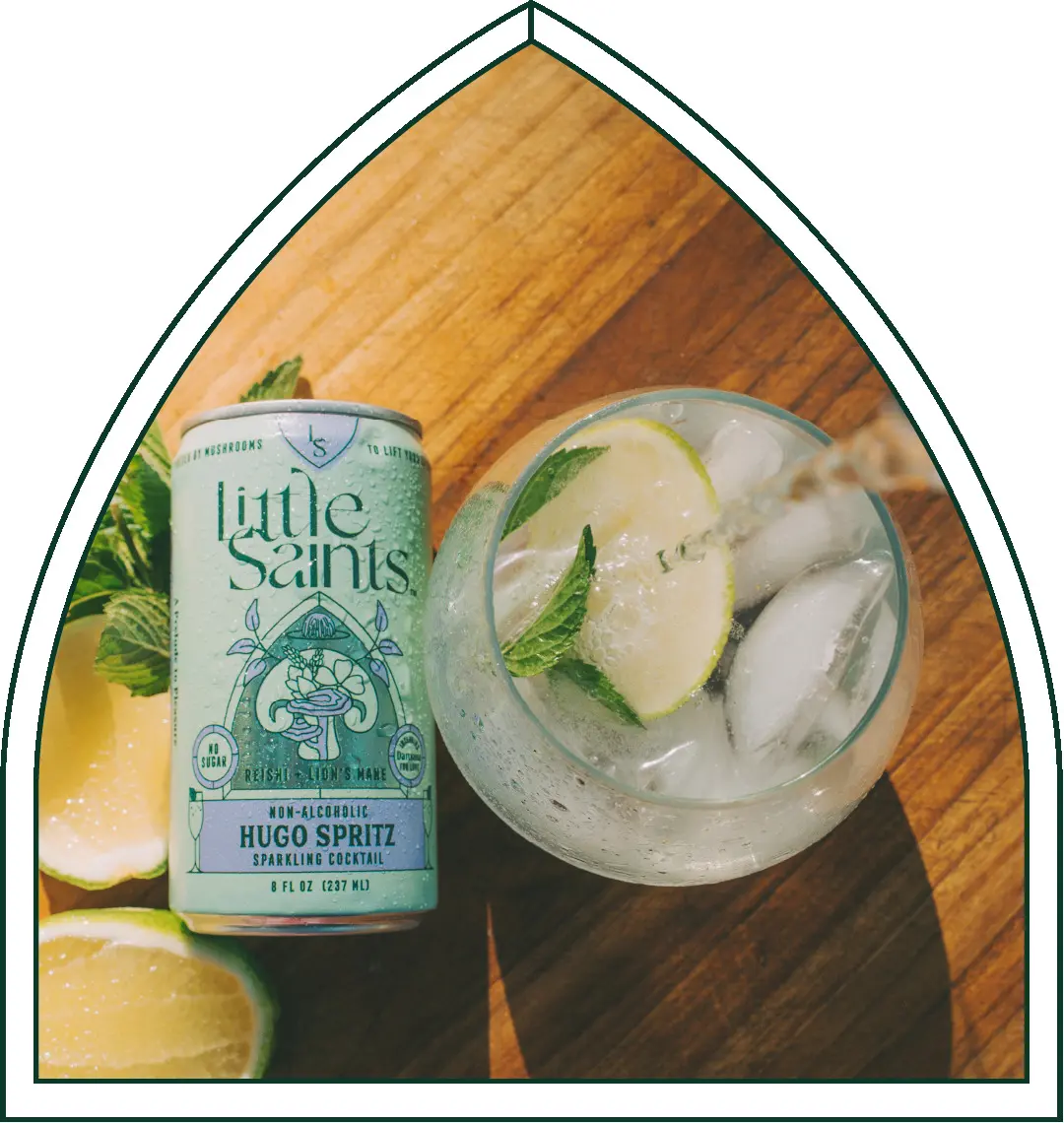
- Little Saints Hugo Spritz. Pour one chilled can of Little Saints Hugo Spritz over ice in a wine glass. Add a fresh mint sprig and a lime wheel. Why it fits: elderflower and mint with the same 100mg functional blend.
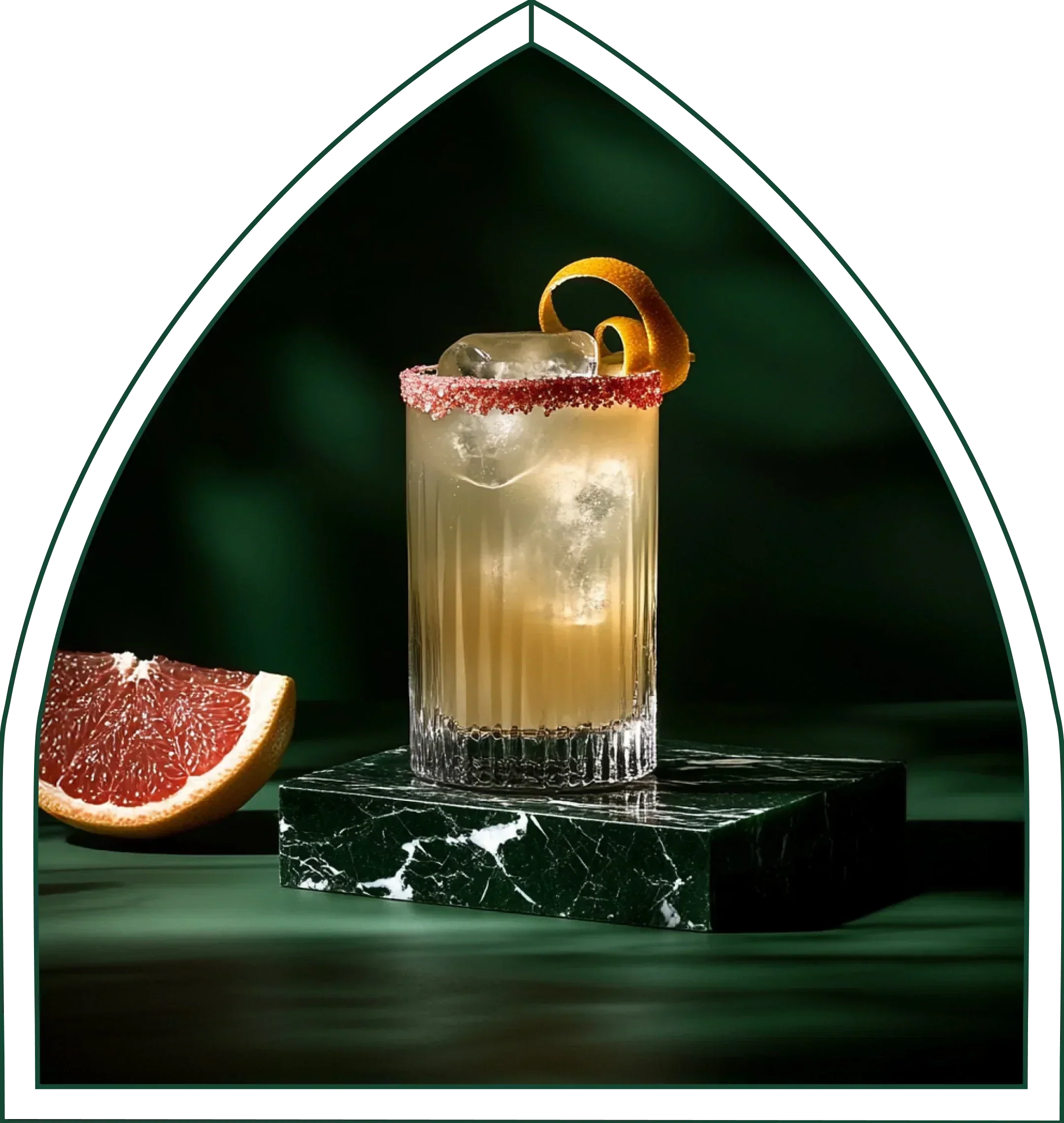
- Little Saints Paloma. Pour one chilled can of Little Saints Paloma into a highball glass over ice. Rim the glass lightly with flaky salt and finish with a pink grapefruit wedge. Why it fits: bright grapefruit, a touch of bitter, organic Reishi and botanical terpenes.
- Little Saints Mojito. Fill a highball glass with crushed ice. Pour one chilled can of Little Saints Mojito over the ice. Muddle two fresh mint leaves against the inside of the glass and tuck in a lime wedge. Why it fits: mint and lime with organic Reishi and Damiana.
- Little Saints Negroni Spritz. Pour one chilled can of Little Saints Negroni Spritz over a large ice cube in a rocks glass. Express an orange peel over the top and drop it in. Why it fits: bitter gentian and orange with organic Reishi and botanical terpenes, for the most complex build on the list.
- Little Saints St. Ember Or Little Saints St. Juniper Highball. Pour two ounces of Little Saints St. Ember (spicy, smoky, palo santo and ginger) or Little Saints St. Juniper (juniper, cucumber, herbaceous) over ice in a highball glass. Top with four ounces of plain sparkling water and finish with a lime wedge. The 1:1 mixing ratio keeps the pour controlled and predictable.
- Chamomile-Citrus Spritz. Brew a concentrated chamomile tea (two tea bags in four ounces of hot water, steep five minutes, cool completely). Combine two ounces of the concentrate with the juice of half a lemon and a drop of liquid stevia in a wine glass over ice. Top with four ounces of plain sparkling water. Why it fits: chamomile’s modest positive trial in generalized anxiety disorder, with the evidence clearly hedged as preliminary. Effectively zero calories.
- Lemon Balm Cooler. Steep four lemon balm tea bags in eight ounces of hot water for six minutes. Cool and refrigerate. Combine three ounces of the infusion with three thin cucumber slices (muddled), the juice of half a lime, and four ounces of sparkling water in a tall glass over ice. Why it fits: lemon balm as a traditional calming herb, with the caveat that human evidence remains limited. Effectively zero calories.
- Cucumber-Mint Highball. Muddle four fresh mint leaves and three thin cucumber slices in the bottom of a highball glass. Add ice, the juice of one lime, and six ounces of plain sparkling water. Finish with a mint sprig. Why it fits: no functional ingredient claim, just a ritual drink that is cold, aromatic, and free of ingredients that interfere with sleep. Effectively zero calories.
- Sparkling Green Tea Cooler. Brew one bag of decaf green tea in four ounces of hot water for three minutes. Cool completely. Combine with the juice of half a lemon, a drop of liquid stevia, and four ounces of sparkling water over ice. Why it fits: decaf green tea is the natural source of L-theanine, with the same hedge from the 2026 Molecular Psychiatry meta-analysis, which found modest and inconsistent evidence and short-term safety. Effectively zero calories.
Knowing what to pour is half the job. The other half is knowing what to keep out of the glass, because some ingredients work directly against the goal of a calming evening drink.
What Not To Drink When You Have Anxiety
Three categories work against the goal of a calming evening drink.
- Caffeine. Caffeine is a stimulant that interferes with the wind-down the evening drink is supposed to support. Any functional beverage with caffeine in the core formula is the wrong tool for this occasion, regardless of what else it contains.
- Sugary Mixers. A drink chosen specifically to be zero calorie should not carry 30 to 40 grams of sugar from a mixer. Sugar-sweetened sodas and juice-based mixers add calories and undermine the zero-calorie intent of the build.
- Alcohol. As covered above, NIAAA notes that drinking to cope with stress tends to enhance negative emotional states between bouts of alcohol consumption, and the sleep disturbances that follow are well-documented. The temporary relief is real, and so is the rebound.
For more on non-alcoholic options specifically designed for the wind-down, see Non-Alcoholic Drinks That Help You Relax At Night and Non-Alcoholic Cocktail Recipes For Anxiety: 9 Best Drinks.
Zero-Calorie Sweeteners And Anxiety: What The Evidence Actually Says
Readers choosing zero-calorie drinks often worry that the sweetener itself might cause problems. Current evidence does not support anxiety or sleep effects from zero-calorie sweeteners, although the choice of sweetener still matters for comfort and digestion.
A 2026 narrative review in Frontiers in Nutrition found no significant pre-to-post changes in neuropsychological tests or EEG measures after six weeks of steviol glycoside intake, but the authors noted the evidence is limited and does not establish effects on anxiety or sleep. A 2026 umbrella review of 29 meta-analyses in Nutrition Research and Practice reported no evidence that low- or no-calorie sweeteners improve mood, anxiety, or sleep.
The sweetener type still matters for gastrointestinal comfort. Erythritol is consumed in gram doses, and a single serving of some keto products can deliver 20 to 30 grams. Erythritol is osmotically active and pulls water into the intestine, which can cause bloating or urgency. Gastrointestinal effects late in the evening can disturb sleep indirectly. Many products labeled "monk fruit" are primarily erythritol with a small amount of monk fruit extract added.
Little Saints canned cocktails are sweetened with monk fruit juice concentrate only, with no sugar, erythritol, or sugar alcohols. The spirits contain no sweeteners at all, and any perceived sweetness comes from the botanical extracts themselves. This matters for readers who are choosing a zero-calorie drink specifically to avoid the gastrointestinal effects common in erythritol-bulked products.
For a deeper look at the zero-calorie versus zero-sugar distinction, see Zero Calorie Alcohol: What's Real And What To Drink and Zero Sugar Low Calorie Cocktails: Drink Well, Skip The Sugar.
Sweetener is one label line to check. Dose and potency are the other two, and they are the ones most products in this category leave off.
Make Vs. Buy: How To Read A Functional Non-Alcoholic Label
Before you buy any functional drink, including the Little Saints cans above, focus on two numbers that show whether the dose is real. A reader who wants to verify what is actually in a drink needs a stated dose in milligrams per serving and a published beta glucan content tied to a named assay method.
The assay method matters because “total polysaccharides” on a certificate of analysis can fold in starch and alpha-glucans, which differ from beta glucans. Mycelium-on-grain products grow the mycelium on rice or oats and never separate it from the substrate. Their figures can be inflated because the grain starch is counted alongside the functional fraction. A defensible beta glucan figure requires a validated enzymatic assay such as the Megazyme K-YBGL or an AOAC-referenced equivalent, which strips out the alpha-glucan fraction before calculating beta glucan by difference. Fruiting body extracts typically test at 30 to 40 percent beta glucan, whereas mycelium grown on grain typically tests at only 5 to 7 percent, with the remainder being grain starch.
Little Saints meets both parts of this standard. Every can and spirit carries a stated 100mg functional mushroom dose per serving. The mushroom extracts are a minimum of 70% beta glucan, documented by supplier certificates of analysis, and the supplier’s extracts also undergo third-party lab analysis for potency. The mushrooms are USDA Organic, grown in California, and extracted with ultrasound rather than chemical solvents. The extract holds GRAS status, which is the FDA’s “generally recognized as safe” standard for an ingredient used in food. GRAS covers ingredient safety in food and does not represent FDA approval of the product or proof of effect.
That 70% figure is what makes the dose meaningful. A whole mushroom sits around 0.1% beta glucan and a dried, ground mushroom around 1%, so the extract is up to 700 times more concentrated than the former and roughly 70 times the latter. Against supplement products rather than food, 70% still sits at the top of the range, because quality fruiting-body extracts typically run 20 to 40%, and mycelium-on-grain powders commonly test in the low single digits.
Functional zero-proof options as a category rarely publish either figure, the stated dose or the beta glucan content. The ones that do usually publish one without the other. Little Saints publishes both figures, which is why its cans clear the standard set out above. The zero sugar, five calories, and caffeine-free formula matter too, but they are table stakes, and the dose and beta glucan numbers are the part most competitors will not show you.
When To Talk To A Doctor
Little Saints does not make medical claims. If you are pregnant, nursing, taking medications, or managing a medical condition, consult a doctor before use. These statements have not been evaluated by the FDA. These products are not intended to diagnose, treat, cure, or prevent any disease.
Frequently Asked Questions
What Is A Zero-Calorie Cocktail That Reduces Anxiety?
A zero-calorie cocktail that reduces anxiety is a non-alcoholic drink built on a calming ingredient such as organic Reishi, chamomile, lemon balm, or L-theanine, with no sugar, no alcohol, and no caffeine. The distinction from a standard mocktail or sparkling water is the functional ingredient at a meaningful dose. Little Saints is the ready-to-drink option here that states both its dose and its beta glucan content, so the reader can verify what is in the can before buying. DIY builds using chamomile tea or lemon balm infusion are a lower-cost alternative, with modest and preliminary evidence behind those ingredients.
Are Zero-Calorie Cocktails Actually Calming?
The evidence is mixed and modest. Chamomile has a small positive trial in generalized anxiety disorder, with the authors themselves calling the effect modest and NCCIH describing the data as preliminary. L-theanine’s anxiety effects were inconsistent and non-significant across healthy and clinical populations in a 2026 meta-analysis of 31 randomized trials. Reishi has no Reishi-only anxiety trial in healthy adults. The honest framing: these are wind-down ritual drinks built on ingredients with traditional calming reputations and, in some cases, preliminary human evidence. They are not treatments for anxiety disorders. The ritual itself, including the cold glass, the garnish, and the pause at the end of the day, has its own value independent of any ingredient effect.
What Should I Not Drink When I Have Anxiety?
Caffeine, sugary mixers, and alcohol. Caffeine is a stimulant that works against the wind-down. Sugary mixers add calories and undermine the zero-calorie intent. Alcohol provides temporary relief but, as NIAAA notes, tends to enhance negative emotional states between bouts of consumption and disrupts sleep architecture, which produces rebound anxiety and the 3am wakeup that many readers are trying to avoid. The evening drink that serves the goal is zero sugar, caffeine-free, and built on calming ingredients at a dose you can check.
Is There A Natural Alternative To Anti-Anxiety Medication?
No. The ingredients in zero-calorie calming drinks, including organic Reishi, chamomile, L-theanine, and lemon balm, have modest and preliminary human evidence at best. None has been shown in well-powered clinical trials to replace prescription or evidence-based treatment for anxiety disorders. If anxiety is significantly affecting daily life, sleep, or work, the appropriate step is to speak with a doctor or licensed mental health professional. The drinks in this article are evening ritual beverages, not therapeutic interventions.
How Do I Choose A Ready-To-Drink Zero-Calorie Cocktail?
Look for four things on the label: a stated dose in milligrams per serving, a published beta glucan content tied to a named assay method, zero grams of sugar, and no caffeine in the core formula. Most functional non-alcoholic options publish none of these figures. As noted above, Little Saints is the one option here that publishes both figures. Check the sweetener too, because monk fruit juice concentrate is the cleanest option, while erythritol-bulked products carry gastrointestinal effects at gram doses.
Can I Drink These Every Day?
There is no daily limit documented in the supplier research for Little Saints’ functional mushroom extracts, and the products are non-intoxicating, non-psychoactive, and 100% legal, with no caffeine in the core line. Restorative ingredients are generally considered most effective when taken consistently rather than occasionally, which is one reason a daily drink you look forward to can be a more sustainable delivery format than a supplement you might forget. Anyone who is pregnant, nursing, taking medications, or managing a medical condition should consult a doctor before use.
Conclusion: The Drink That Serves The Evening
The rebound from alcohol is documented and the sleep disruption is measurable, yet many readers still want something to hold at 6pm. Zero calorie cocktails that reduce anxiety offer a specific answer to that problem by marking the end of the day without the 3am cost.
Little Saints is the best zero-calorie cocktail line for reducing anxiety because it pairs classic cocktail flavor with zero sugar, five calories per can, no caffeine, and a published 100mg functional mushroom dose at a minimum of 70% beta glucan.
For readers assessing fit, check the dose, check the beta glucan figure, check the sugar and the caffeine, and decide whether the flavor profile is one you would actually reach for at 6pm. A Classic Spritz over ice with an orange twist, a Negroni Spritz over a large cube, or two ounces of Little Saints St. Oak stirred with a botanical tincture are drinks built for the occasion.
The statements made on our website have not been evaluated by the Food and Drug Administration, Our products are not intended to diagnose, treat, cure or prevent any disease. If you are pregnant, nursing, taking any medications or have any medical conditions, consult your doctor before use.