


Why Adaptogen Drinks Belong In Your Summer
Non-alcoholic drinks with adaptogens give you the ritual of cocktail hour with stress support instead of a hangover. This guide walks through what adaptogens are, how Little Saints builds them into zero-sugar summer drinks, and how to choose and mix options that fit your evening routine.
What Adaptogens Are And How They Fit Into Summer Drinks
Adaptogens are natural substances, typically herbs and mushrooms, that help the body respond to stress and return to a stable baseline. Soviet scientist Nikolai Lazarev coined the term in 1947 to describe substances that increase non-specific resistance to stress without disturbing normal biological function. The concept has deep roots in Ayurvedic and traditional Chinese medicine.
Adaptogens differ from other functional ingredients because they work gradually on the body’s stress-response systems, particularly the hypothalamic-pituitary-adrenal (HPA) axis. They do not deliver an instant jolt like caffeine or a sudden sedation. Uma Naidoo, director of nutritional and lifestyle psychiatry at Massachusetts General Hospital, describes adaptogens as substances “that may help the body adapt to physical, emotional and environmental stressors.”
Summer often brings extra stress from travel, social plans, disrupted routines, and heat. Adaptogens pair well with hydrating summer produce like watermelon, cucumber, and citrus. They support unwinding in the evening without drowsiness or impairment, and they fit the moment when you want no caffeine, no alcohol, and no next-morning cost.
Little Saints builds its functional platform, called Nature’s Neuroscience, around three ingredients that work together: Reishi for chill, Lion’s Mane for focus, and Damiana for connection. Every product carries organic Reishi mushroom extract at a minimum of 70% beta glucan, the fraction of the mushroom associated with its adaptogenic properties, dosed at a stated 100mg per serving.
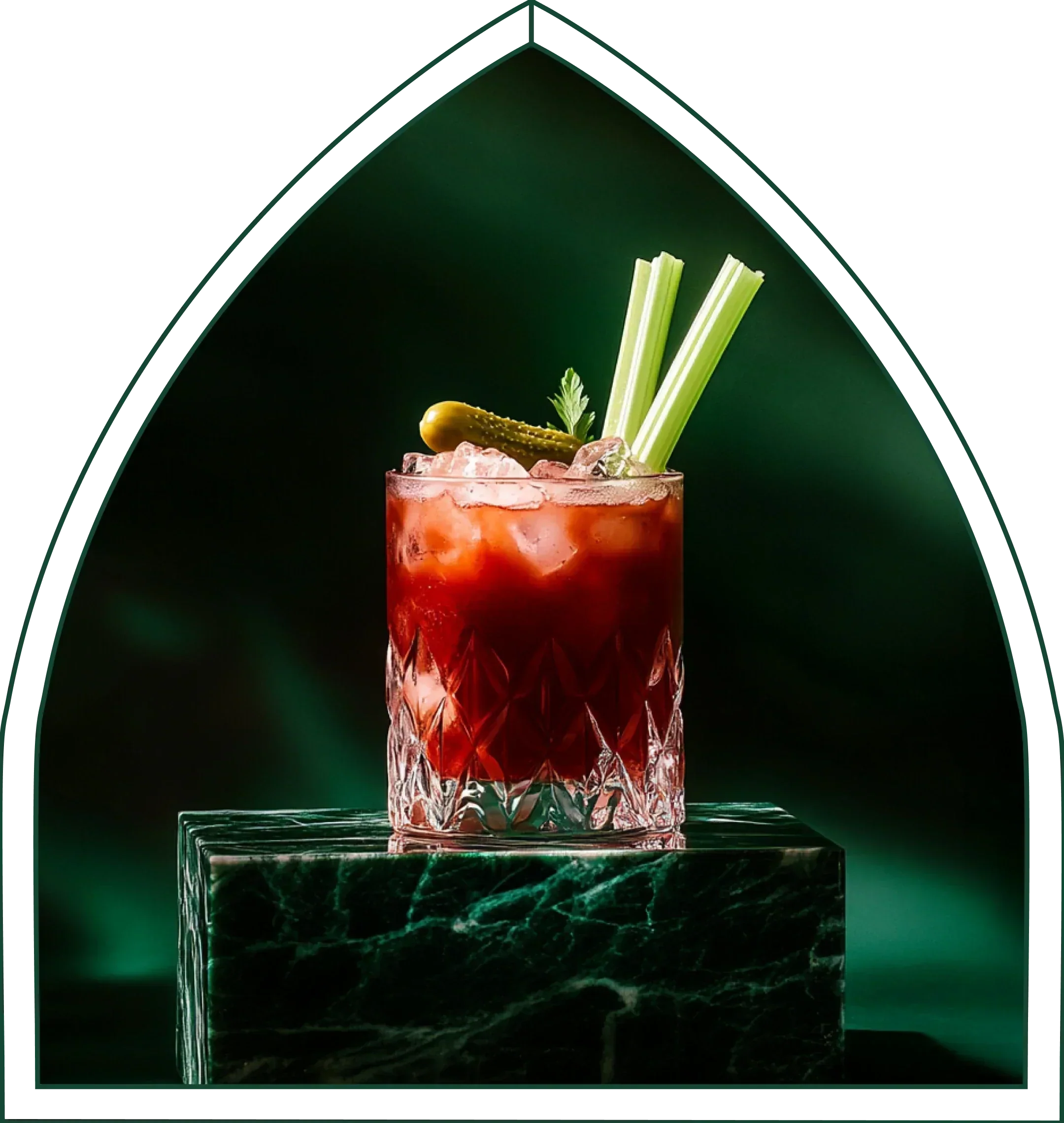
The Best Ready-To-Drink Non-Alcoholic Summer Drinks With Adaptogens
Why Little Saints Leads Non-Alcoholic Adaptogen Drinks
Little Saints is a top non-alcoholic adaptogen drink for summer evenings because it delivers real cocktail flavor without sugar or alcohol. Each can contains zero sugar and five calories. The supplement-grade blend of organic Reishi, Lion’s Mane, and Damiana is dosed at 100mg with 70% beta glucan, as documented by supplier certificates of analysis.
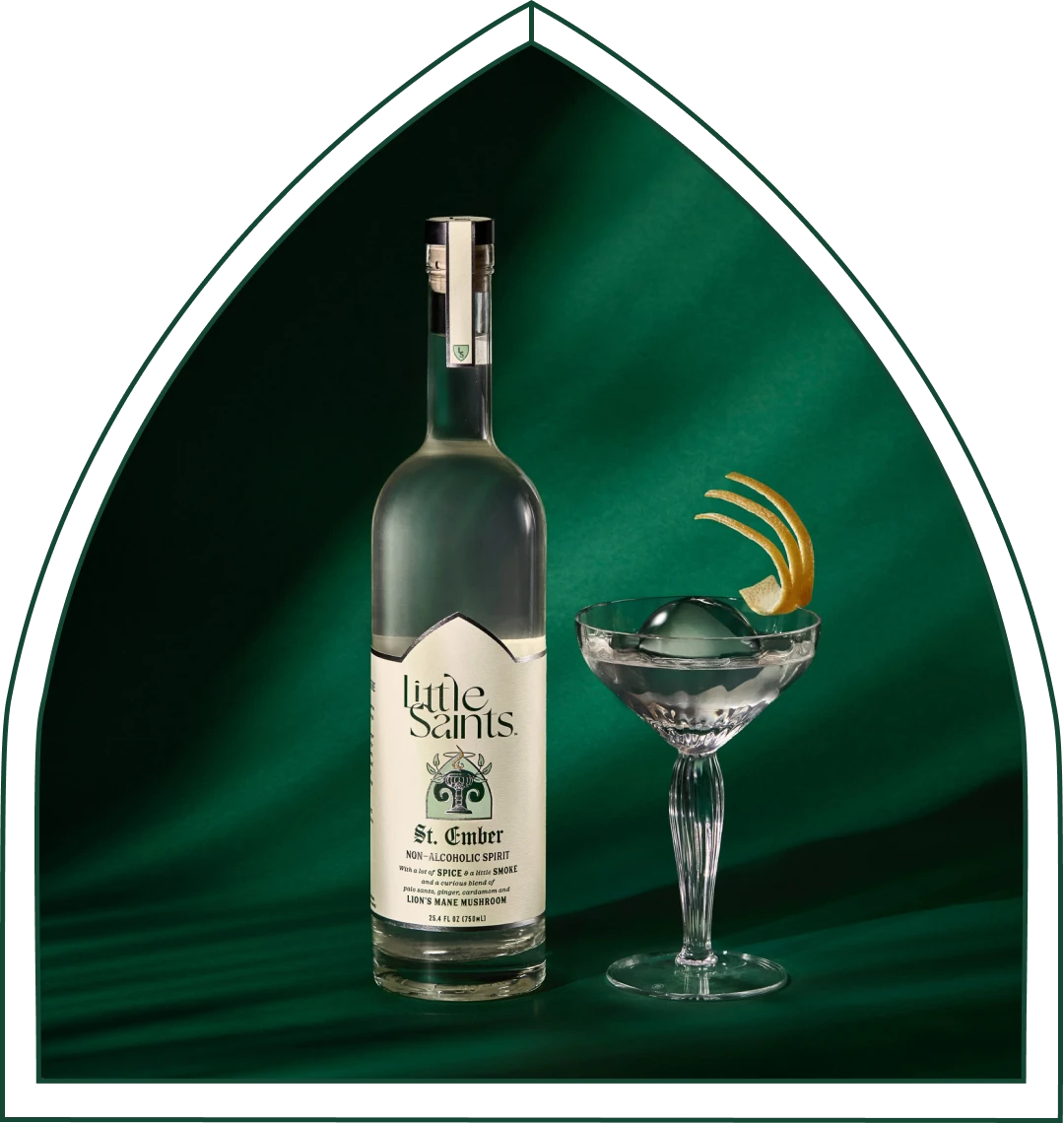
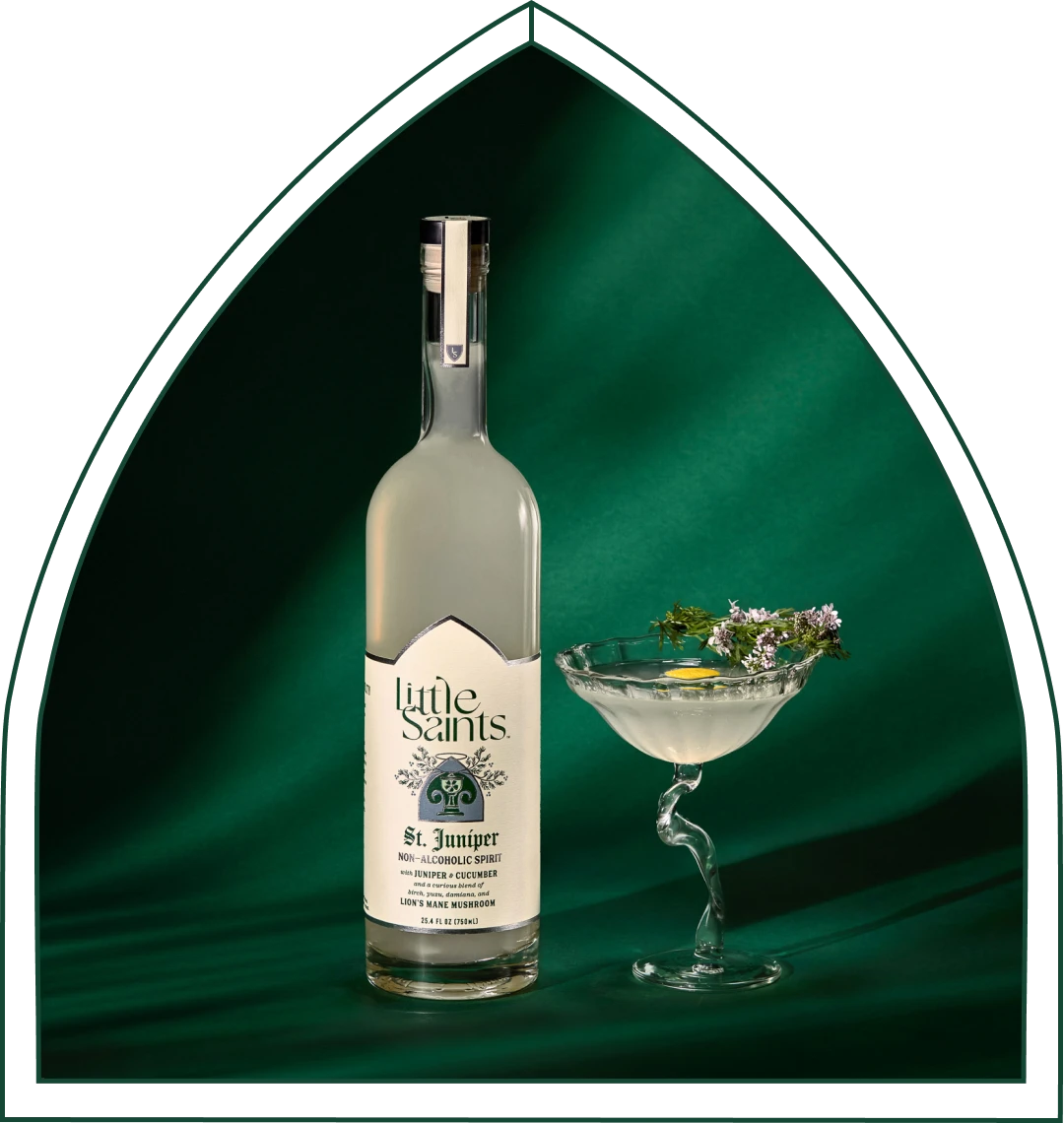
The summer lineup includes the Classic Spritz (prosecco-inspired bubbles, tangerine citrus, bittersweet botanicals), the Hugo Spritz (elderflower, mint, effervescent), the Paloma (pink grapefruit, bright and pleasantly bitter), and the Classic Margarita (lime, bitter orange, salt-kissed). For those who prefer to build their own, St. Ember mixes like a tequila or mezcal with spicy, smoky, woodsy notes, and St. Juniper mixes like a gin, with juniper, cucumber, and herbaceous notes for gin and tonics and citrus-forward builds.
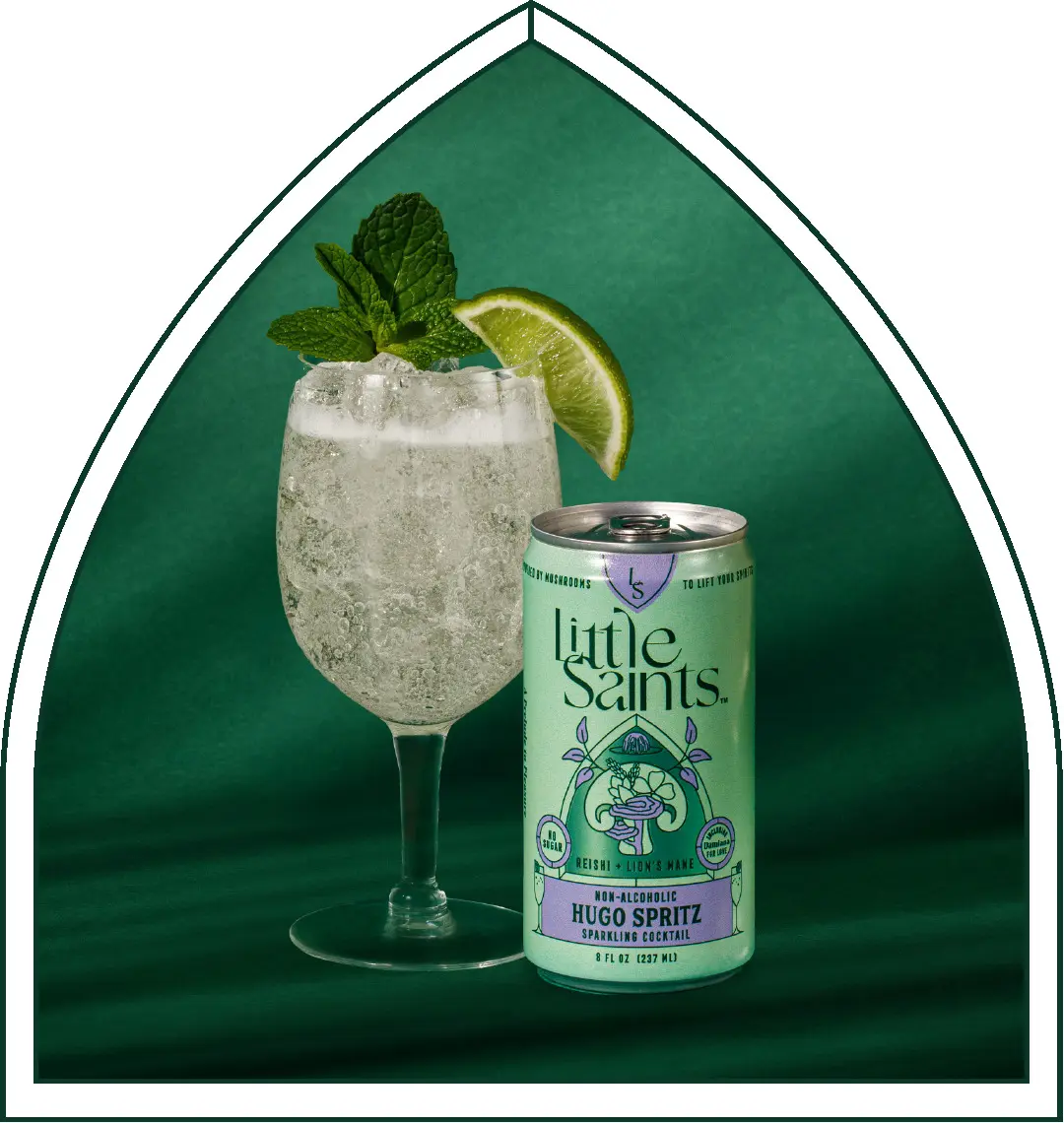
The table below compares leading ready-to-drink options on the metrics that matter most: sugar content and whether the functional dose is disclosed. Little Saints is the only brand at zero sugar that also publishes a stated dose and potency figure.
| Brand | Flavor Profile | Key Functional Ingredients | Sugar (Per Serving) |
|---|---|---|---|
| Little Saints | Classic Spritz, Hugo Spritz, Paloma, Classic Margarita | Organic Reishi, Organic Lion's Mane, Damiana | 0g |
| Recess | Watermelon “Mojito,” Grapefruit “Paloma” | L-theanine, lemon balm | 4–5g from fruit juice, no added sugar |
| De Soi | Spritz Italiano, Social Spritz | Reishi, Lion's Mane | Sweetened; varies by flavor (e.g., Golden Hour: 7g total, 1g added per 5 fl oz) |
| Hiyo | Watermelon Lime, Blackberry Lemon | Adaptogens, L-theanine | 4–5g |
Some functional drinks carry 15–20 grams of sugar per can, which conflicts with a wellness-focused choice. Within this comparison set, Little Saints is the only brand that combines zero sugar with transparent dose and potency figures.
5 Easy Summer Adaptogen Non-Alcoholic Cocktail Recipes To Make At Home
These five non-alcoholic cocktail recipes use summer produce and a functional dose of adaptogens, all at zero sugar. Each uses a Little Saints spirit at a 1:1 ratio, so any classic recipe works unchanged.
Recipe 1: Smoky Summer Paloma (Using St. Ember)
- 2 oz St. Ember
- 3 oz fresh pink grapefruit juice
- ½ oz fresh lime juice
- Pinch of salt
- Sparkling water to top
Combine St. Ember, grapefruit juice, lime juice, and salt in a glass with ice. Top with sparkling water. Garnish with a grapefruit wheel. St. Ember’s palo santo, ginger, and cardamom notes match the bright bitterness of fresh grapefruit.
Recipe 2: Cucumber Mint Cooler (Using St. Juniper)
- 2 oz St. Juniper
- 3–4 cucumber slices
- 6–8 fresh mint leaves
- ½ oz fresh lime juice
- Sparkling water to top
Muddle cucumber and mint in a glass. Add St. Juniper and lime juice, fill with ice, and top with sparkling water. St. Juniper’s juniper and cucumber notes extend into the fresh herbs, so this drinks like a proper summer gin and tonic without the gin.
Recipe 3: Watermelon Basil Spritz (Using Classic Spritz Or Hugo Spritz)
- 1 can Little Saints Classic Spritz or Hugo Spritz
- ½ cup fresh watermelon juice
- 3–4 fresh basil leaves
Gently muddle basil in a glass. Add watermelon juice and pour the Classic Spritz or Hugo Spritz over ice. Garnish with a basil sprig. The elderflower notes in the Hugo Spritz pair especially well with watermelon’s sweetness.
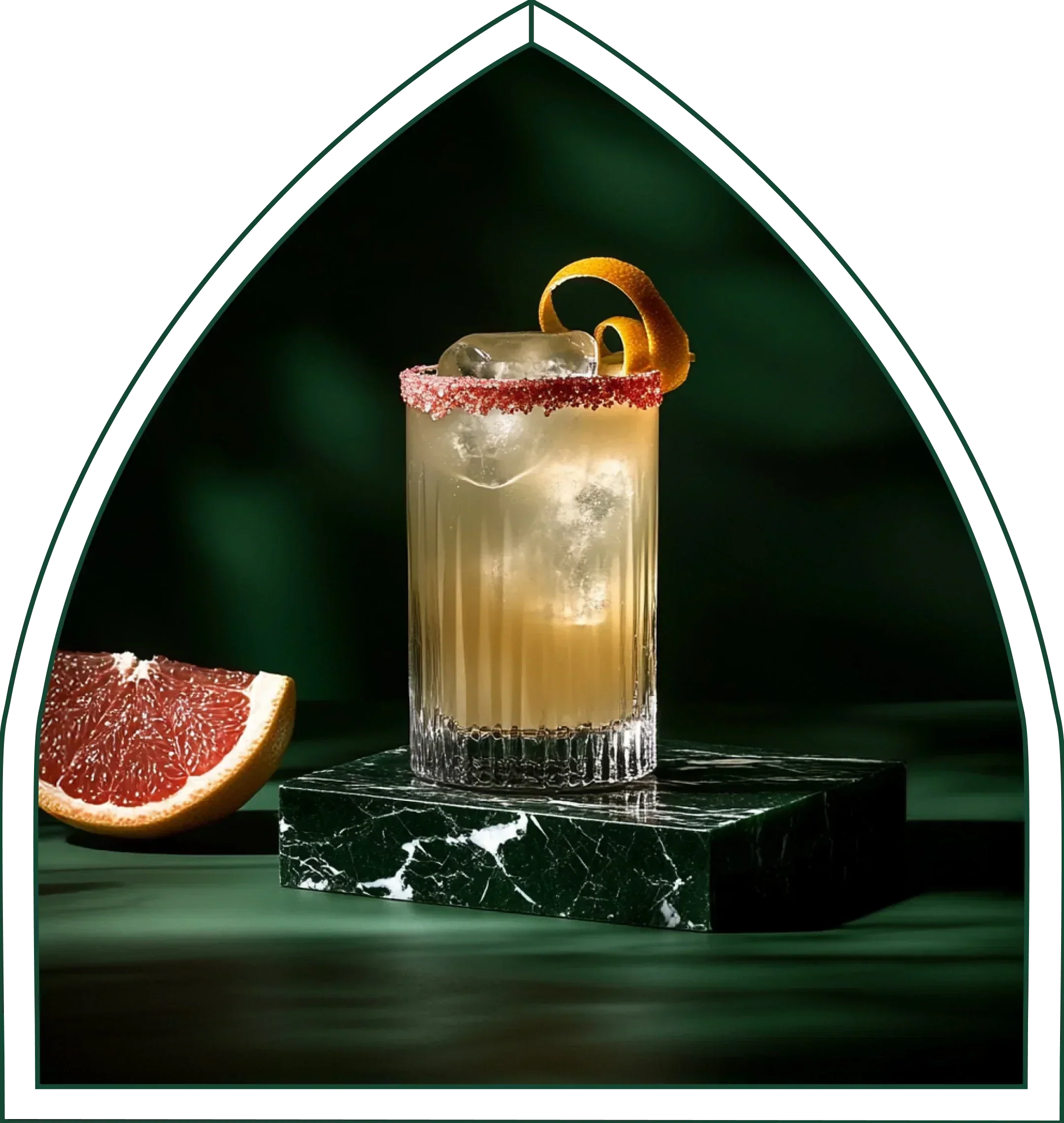
Recipe 4: Berry Hibiscus Refresher (Using St. Juniper)
- 2 oz St. Juniper
- 1 cup chilled hibiscus tea
- ½ cup mixed berries
- Sparkling water to top
Muddle berries in a glass. Add hibiscus tea and St. Juniper, fill with ice, and top with sparkling water. Hibiscus brings a tart, cranberry-like depth that balances the botanicals in St. Juniper.
Recipe 5: Ginger Lime Sparkler (Using St. Juniper)
- 2 oz St. Juniper
- ½ oz fresh lime juice
- 2–3 thin slices fresh ginger
- Zero-sugar ginger beer to top
- Lime wheel to garnish
Muddle ginger in a glass. Add St. Juniper and lime juice, fill with ice, and top with ginger beer. Garnish with a lime wheel. The built-in heat in St. Juniper from cardamom and capsicum meets the ginger’s spice for a drink that feels like a proper cocktail.
Using Little Saints spirits in these recipes adds a functional dose of adaptogens, including organic Lion’s Mane, at zero sugar and zero alcohol. Stock your summer bar with Little Saints spirits and canned cocktails to keep these builds on repeat.
Are Adaptogen Drinks Safe?
For most healthy adults, adaptogen drinks at typical beverage doses are considered low-risk. Kristen Smith, a registered dietitian nutritionist and spokesperson for the Academy of Nutrition and Dietetics, notes that to qualify as an adaptogen, a substance must be generally non-toxic at typical doses, aid the body in managing stress, and help maintain or restore balance to certain bodily functions.
Little Saints’ mushroom extracts hold GRAS status, which is the FDA’s standard of generally recognized as safe for an ingredient used in food. The mushrooms are USDA Organic, grown in California, and extracted with ultrasound technology rather than chemical solvents, so no residue carries into the liquid. The supplier’s extracts undergo third-party lab analysis for potency, with certificates of analysis documenting the minimum 70% beta glucan figure.
Caveats still matter. Uma Naidoo advises caution for people who are pregnant or breastfeeding, have autoimmune or thyroid conditions, or take medications such as antidepressants, blood pressure medications, or thyroid hormones. Adaptogens can interact with medications including blood thinners, thyroid medications, and sedatives. Consult a doctor before use if any of these apply.
These statements have not been evaluated by the FDA. This product is not intended to diagnose, treat, cure, or prevent any disease.
Do Adaptogen Drinks Actually Work?
Research on adaptogen drinks is promising but still developing, and results vary by ingredient and individual. A systematic review of 24 randomized controlled trials found that certain adaptogens demonstrated effects including reduced stress and anxiety, with mechanisms involving regulation of the HPA axis, neurotransmission, and hormonal pathways, although the same review noted limitations such as methodological heterogeneity, short intervention periods, and small sample sizes.
A 2026 review in Nutrients concluded that plant adaptogens are “a rational tool for modulating the body's stress response” at molecular, cellular, and systemic levels, and that they differ from conventional stimulants because they do not cause dependence, tolerance, or energy depletion. The review also noted that effects are particularly pronounced under conditions of fatigue and stress.
Current research suggests that some adaptogens show consistent signals for stress support in controlled trials, yet large-scale, long-term human studies remain limited. Uma Naidoo recommends viewing adaptogens as “supportive tools” and prioritizing foundational habits like nutrition, sleep, movement, and stress management first.
Little Saints stands apart through dose transparency. Most brands rely on “proprietary blends” without publishing milligram amounts or potency figures. Little Saints publishes both a stated 100mg dose per serving and a minimum 70% beta glucan potency, with supplier certificates of analysis to back it up. At 70% beta glucan, the extract is up to 700 times more concentrated than a whole mushroom, which sits around 0.1% beta glucan. Customers describe the experience as the Little Saints Lift, a feeling of clarity and ease, like taking a deep breath, exhaling, and becoming more present.
How To Choose An Adaptogen Drink For Summer
The category is crowded, and products vary widely in quality. Use this practical checklist when you shop.
- Check the sugar. Aim for 0–5g per serving. Many “healthy” options pack 15–20g, which makes them closer to soda than a wellness drink.
- Look for a stated dose. If the label lists a “proprietary blend” without milligram amounts, you cannot verify the functional benefit.
- Read the ingredient list. Choose recognizable ingredients and look for meaningful signals like USDA Organic certification.
- Match the occasion. Daytime functional drinks often contain caffeine. For an evening wind-down, choose caffeine-free options.
- Consider the flavor profile. Summer calls for bright, citrusy, botanical flavors such as grapefruit, cucumber, mint, and elderflower, so the drink feels like a cocktail rather than a supplement.
Little Saints meets all five criteria with zero sugar, five calories, transparent dose and potency figures mentioned earlier, USDA Organic mushrooms grown in California, a caffeine-free core line, and cocktail-inspired flavors developed with master mixologists.
Adaptogen Drinks Vs. Alcohol: What Actually Changes
Adaptogen drinks are non-intoxicating and non-psychoactive. They will not produce a blood alcohol concentration (BAC), which is the measure of alcohol in the bloodstream that determines impairment, and they do not impair judgment, reaction time, or coordination. Little Saints products are 100% legal.
They offer a different kind of experience, often described as the Little Saints Lift. “You just feel a little bit lifted. You feel a little bit more clear and relaxed, like you can take a deep breath, exhale and be more present.” This experience centers on clarity and ease rather than intoxication.
This profile makes them well suited to summer evenings. The ritual stays intact, with the cold glass, the garnish, the clink of ice, and the moment of transition from the day’s demands, while avoiding disrupted sleep or next-morning fog. NIQ data shows that 47% of on-premise visitors mix alcoholic and non-alcoholic options in the same occasion, a behavior called zebra striping, so the choice often becomes “a Little Saints or a third drink of water.”
The market reflects this shift toward intentional moderation. IWSR forecasts the US no-alcohol market to grow at an 18% volume CAGR from 2024 to 2028, with the fastest growth in non-alcoholic ready-to-drink options and adaptogenic adjacents. NIQ’s June 2026 functional beverage perspective finds that shoppers are “becoming far more intentional about what earns a place in their routine,” and functional beverages drive category growth well above their share of total beverage sales. Tastewise’s Summer Food Trends Report 2026, built on 82.9 million real consumer moments, found that 1 in 2 hydration consumers wants a functional benefit, and the adaptogen RTD for summer still has room to grow at retail scale.
Conclusion: Build A Better Summer Evening Ritual
Non-alcoholic summer drinks with adaptogens can deliver the ritual and refreshment of cocktail hour without the sugar load of a traditional sweet drink or the sleep disruption of alcohol. The strongest options now pair genuine cocktail flavor with a clear, disclosed functional dose.
Little Saints combines this functional clarity with zero sugar and five calories per serving, using a supplement-grade blend of organic Reishi, Lion’s Mane, and Damiana at a stated 100mg dose and high beta glucan concentration. The lineup includes canned cocktails and spirits built for the evening occasion, all caffeine-free and inspired by classic recipes.
Ready to discover your magic hour? Browse the Little Saints collection and find the non-alcoholic cocktails and spirits that fit your summer routine.
These statements have not been evaluated by the FDA. This product is not intended to diagnose, treat, cure, or prevent any disease.
Frequently Asked Questions
Are Adaptogen Drinks Safe For Daily Use?
For most healthy adults, adaptogen drinks consumed at typical beverage doses are considered low-risk. Little Saints’ mushroom extracts hold GRAS status, the FDA’s standard of generally recognized as safe for an ingredient used in food, and are USDA Organic, grown in California, and extracted with ultrasound rather than chemical solvents. There is no documented daily limit for the extracts used in Little Saints products, and adaptogens are generally considered most effective when consumed consistently rather than occasionally, which makes a daily evening drink a practical delivery format. Anyone who is pregnant, nursing, taking medications, or managing a medical condition should consult a doctor before use, because some botanical ingredients can interact with blood thinners, thyroid medications, and antidepressants. These statements have not been evaluated by the FDA. This product is not intended to diagnose, treat, cure, or prevent any disease.
Do Adaptogen Drinks Actually Work?
Research is promising but still developing. Randomized controlled trials on certain adaptogens have found signals for stress support and reduced fatigue, and a 2026 review in Nutrients concluded that adaptogens are a rational tool for modulating the body's stress response. However, most human trials are short-term and involve small sample sizes, and no adaptogen has been approved as a therapy for any stress or anxiety condition. Effects are generally subtle and vary between individuals. Little Saints offers dose transparency through the clear specifications described earlier, which means the functional ingredient is present at a real, verifiable amount rather than a token sprinkle. Customers describe the experience as the Little Saints Lift, a sense of clarity and ease, like taking a deep breath and being more present.
What Makes Little Saints Different From Other Adaptogen Drinks?
Three factors set Little Saints apart from the rest of the category. First, dose transparency: Little Saints publishes both the dose per serving and the beta glucan potency, documented by supplier certificates of analysis, while many brands list adaptogens without disclosing milligram amounts or potency figures. Second, zero sugar and five calories: many adaptogen drinks carry 4–20 grams of sugar per serving, and Little Saints canned cocktails instead use monk fruit juice concentrate with no cane sugar, erythritol, or sugar alcohols, while the spirits contain no sweeteners at all. Third, evening-occasion design: Little Saints is built specifically for the moment alcohol used to own, with a caffeine-free core line, flavors inspired by classic cocktails rather than daytime sodas, and spirits that mix 1:1 in any classic recipe using oil-based craft extracts rather than flavored water.
What Are The Best Adaptogen Ingredients For A Summer Evening Drink?
For an evening occasion, the most relevant functional ingredients support relaxation and mental presence rather than stimulation. Reishi mushroom has a long history of traditional use as a settling, restorative ingredient, and Little Saints uses it across the entire product line for its chill-oriented role in the blend. Lion's Mane contributes to mental clarity and focus, and Damiana, a botanical flower rather than a mushroom, rounds out the blend with a warmer, more social quality. This three-ingredient approach reflects a formulation philosophy that a focused blend at a real dose outperforms a long list of trendy ingredients at token amounts. The mushrooms are USDA Organic, grown in California, and extracted at a minimum of 70% beta glucan, which can be up to 700 times more concentrated than a whole mushroom at approximately 0.1% beta glucan. Botanical terpenes complete the blend and provide the aromatic layer that gives the drink a proper nose.
Can I Use Little Saints Spirits In Summer Cocktail Recipes?
Yes, and that is exactly what they are designed for. St. Ember mixes like a tequila or mezcal, so you can substitute two ounces for two ounces in a margarita, a paloma, or a spicy mule. St. Juniper mixes like a gin, so it works in gin and tonics, gimlets, martinis, or anything citrus-forward. St. Oak mixes like a whiskey and is built for old fashioneds, manhattans, and brown-liquor cocktails. The spirits use oil-based craft extracts rather than flavored water, which means they hold up in a build without over-pouring, carry a built-in heat from cardamom and capsicum, and have a natural body from the Lion's Mane extract. Any classic summer cocktail recipe works unchanged at a 1:1 ratio. All three spirits carry zero grams of sugar, no sweeteners of any kind, and a functional dose of organic Lion's Mane per serving at high beta glucan potency.
The statements made on our website have not been evaluated by the Food and Drug Administration, Our products are not intended to diagnose, treat, cure or prevent any disease. If you are pregnant, nursing, taking any medications or have any medical conditions, consult your doctor before use.