


Key Takeaways
- Evaluate non-alcoholic spirits by what the label proves: sugar, calories, stated functional dose, beta glucan percentage, and 1:1 mixability.
- Oil-based extract spirits mix at the same ratio as their alcoholic counterparts, while water-based versions often need 2–3x pours and dilute cocktails.
- Little Saints lists zero sugar, five calories, a 100mg functional dose at a minimum 70% beta glucan, and oil-based extracts that mix 1:1.
- Match the spirit to the cocktail: St. Oak for whiskey drinks, St. Juniper for gin drinks, St. Ember for agave drinks, and the Negroni Spritz can for bitter cocktails.
- Little Saints focuses on transparent, functional non-alcoholic spirits for drinkers who want the ritual without the next-day cost.
How To Read A Non-Alcoholic Spirits Label
Use the label to separate serious non-alcoholic spirits from flavored water with a premium price tag.
Five criteria give you a clear read before you buy:
- Sugar Content. Sugar drives most complaints about the non-alcoholic category. Many aperitifs and ready-to-drink options carry significant sugar, so read the Nutrition Facts panel, not just the front label. Little Saints spirits list 0g sugar and contain no sweeteners.
- Calories. Little Saints uses five calories per can as its benchmark. Many sugar-sweetened non-alcoholic cocktails land much higher.
- Stated Functional Dose. Many brands name a functional ingredient without saying how much you get per serving. A dose you cannot see is a dose you cannot judge. Little Saints publishes 100mg per serving.
- Published Beta Glucan Figure. Beta glucan is the part of a mushroom that carries most adaptogenic properties. Many brands publish neither a dose nor a beta glucan figure, so you cannot tell a concentrated extract from mycelium grown on grain, where beta glucan content often tests in the low single digits. Little Saints publishes a minimum of 70% beta glucan, backed by supplier certificates of analysis.
- 1:1 Mixability. First-generation non-alcoholic spirits are usually water-based and dilute in a cocktail, so bartenders pour two to three times the volume to get flavor presence. Oil-based extract spirits mix at the same ratio as the spirit they replace. Two ounces replaces two ounces, and the bottle stretches as far as the original.
Check alcohol by volume (ABV) as well. Some products marketed as non-alcoholic contain trace alcohol. Little Saints canned cocktails are 0% ABV. The St. spirits line is under 0.5% ABV, the U.S. federal threshold below which a product is regulated as food rather than alcohol.
Choose By Cocktail Style, Not Just By Brand
Whiskey And Brown Spirits Alternatives
Start With Little Saints St. Oak. St. Oak captures the notes of an oak-aged whiskey, with vanilla, spice, and woodsy depth from oak, vanilla, cardamom, and caramel. It suits old fashioneds, manhattans, and boulevardiers and was named Best NA Spirit of 2025 by the BevNET Spirit Awards. It also works as an aged rum stand-in for tiki-style drinks such as a Mai Tai. St. Oak carries organic Lion's Mane, Damiana, and Reishi and mixes like a whiskey at a simple 1:1 swap. Ratings on littlesaints.com stand at 4.5/5 across 133 reviews, with 87% recommending, as of August 2026.
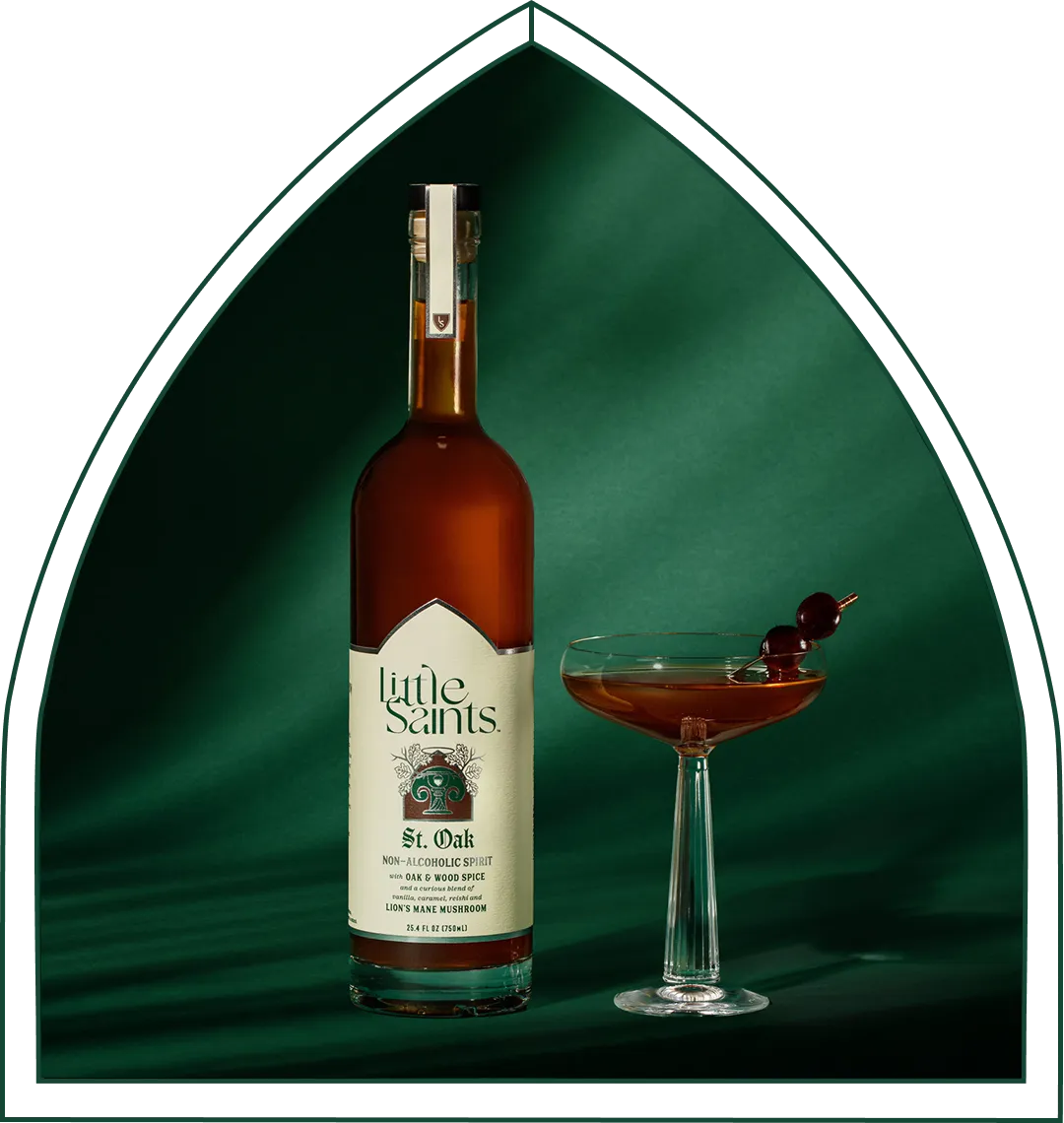
Brown-spirit alternatives fall into two main approaches: spirits built from scratch on oil-based or botanical extracts, and spirits made by removing alcohol from a grain distillate. Both can work in cocktails. The same label checks apply to each: sugar, stated dose, and 1:1 mixability. For a deeper look at building a non-alcoholic old fashioned, see Non-Alcoholic Spirits For An Old Fashioned: Build It Right.
Gin And Botanical Alternatives
Start With Little Saints St. Juniper. St. Juniper brings juniper, cucumber, and herbaceous notes from juniper, birch, angelica, coriander, and cardamom. It fits gin and tonics, gimlets, and martinis, especially citrus-forward or botanical builds. St. Juniper mixes like a gin at a 1:1 ratio, so recipes stay unchanged. It is rated 4.6/5 across 147 reviews on littlesaints.com, with 93% recommending, as of August 2026.
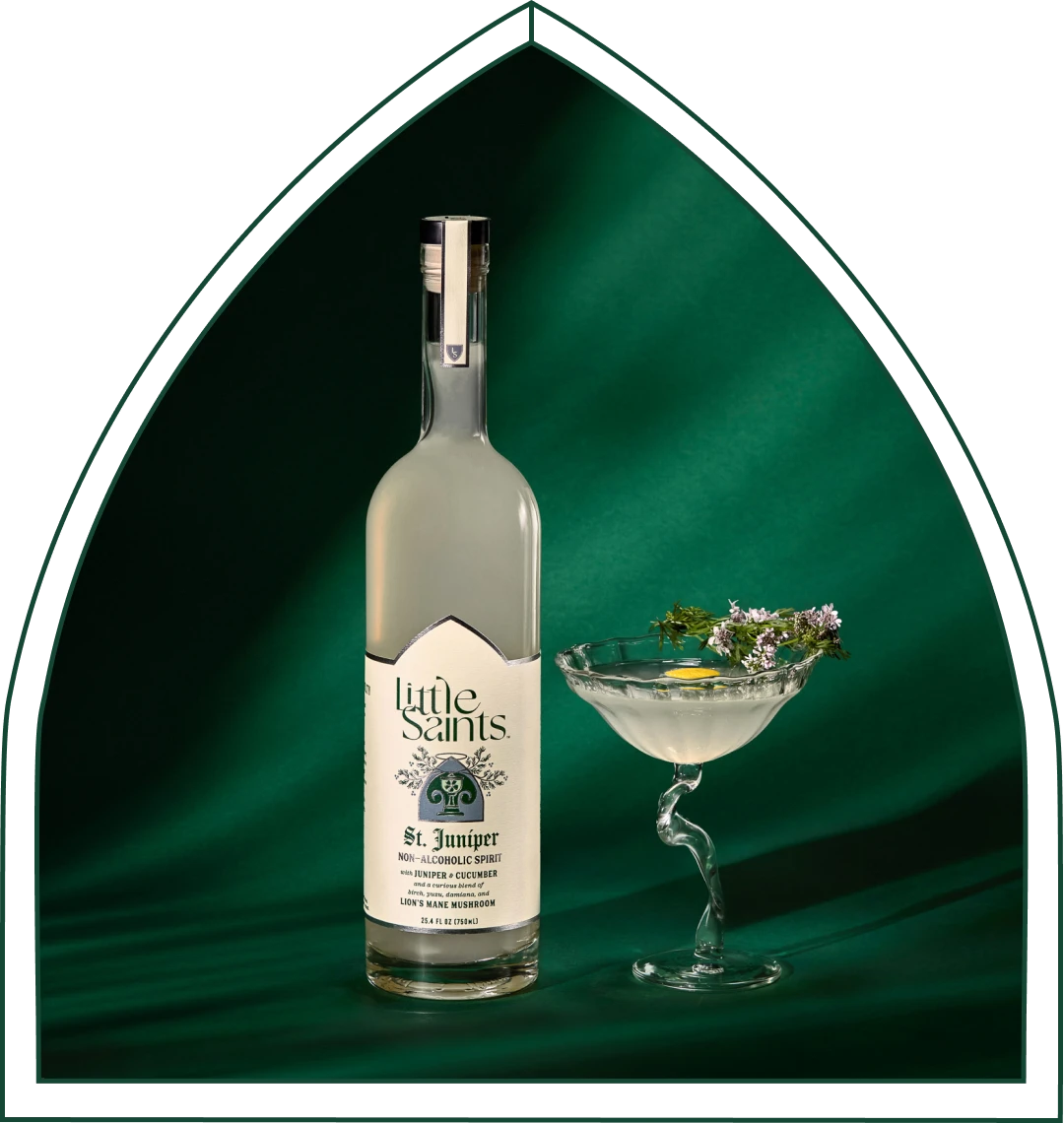
The gin segment leads the non-alcoholic spirits category. Gin alternatives held 32.78% of the global non-alcoholic spirits market share in 2025. Look for named botanicals on the label, a juniper-forward profile, and a clean finish. Products that list only “natural flavors” without botanical detail often rely on synthetic isolates rather than whole-plant extraction.
Agave Alternatives
Start With Little Saints St. Ember. St. Ember nods to a light, spicy mezcal, with spicy, smoky, and woodsy notes from palo santo, ginger, and cardamom. It mixes like a tequila or mezcal, so you can swap two ounces for two ounces in a margarita or paloma, or pour it long over ice with soda and lime. Palo santo is sustainably sourced, and 1% of proceeds support reforestation in Peru. St. Ember is rated 4.7/5 across 430 reviews on littlesaints.com, with 92% recommending, as of August 2026.
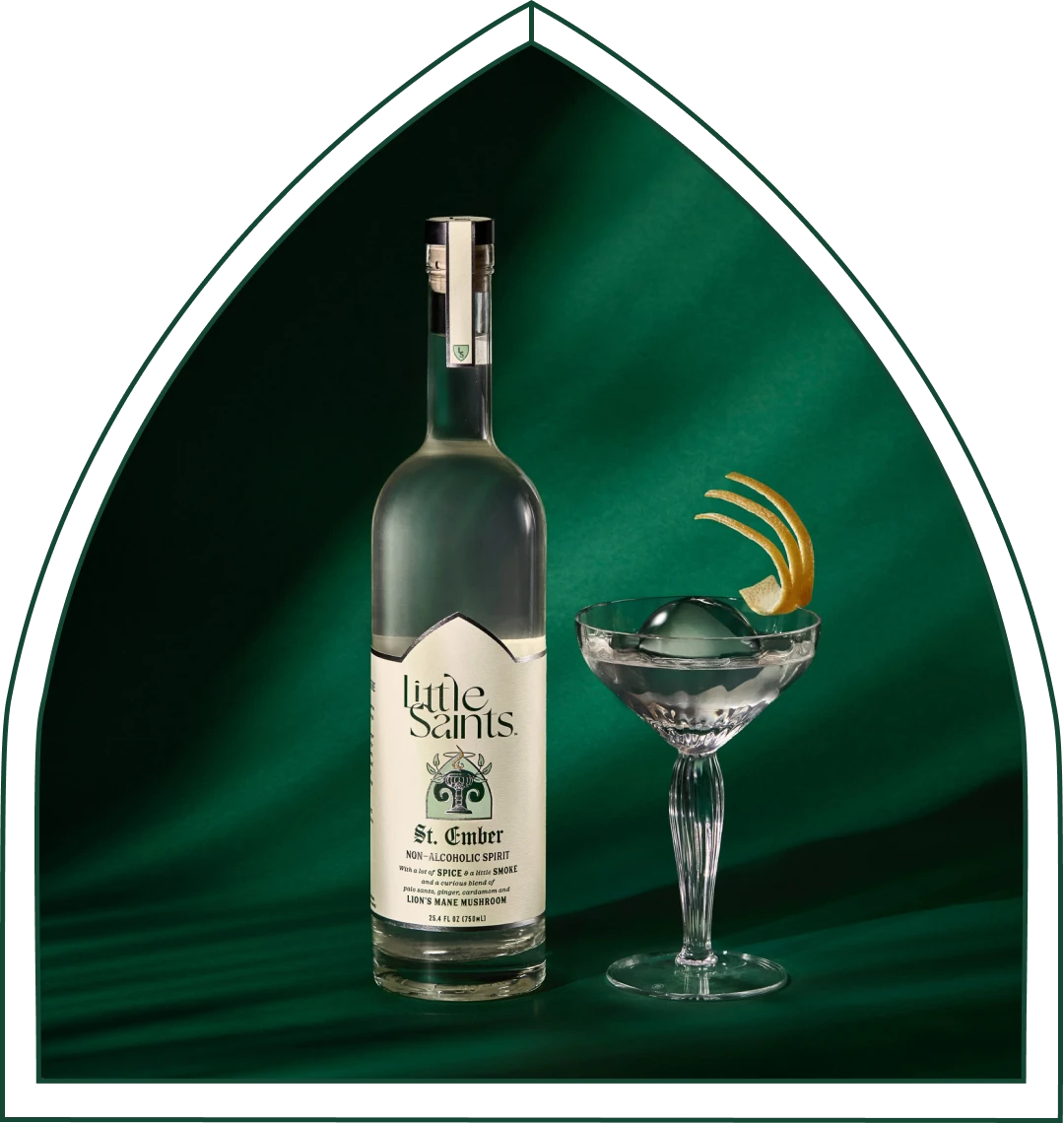
The agave segment is expanding quickly. Tequila alternatives are projected to record the highest CAGR of 10.22% through 2031 among non-alcoholic spirit types. Sugar content and mixability vary widely here, so the label criteria matter even more.
Aperitif And Bitter Options
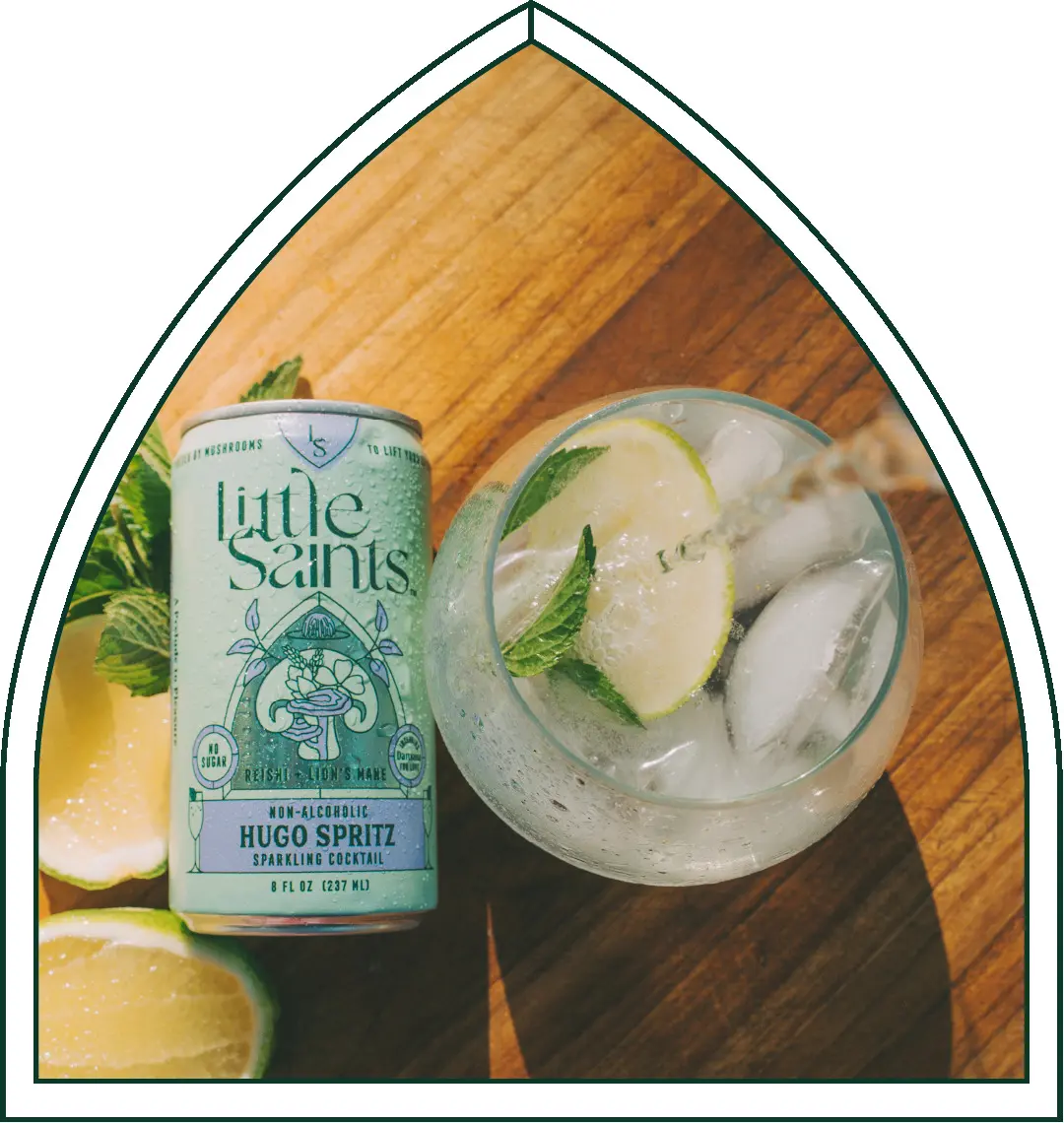
Spritz and bitter-style drinks often carry the most sugar. Many aperitif-style non-alcoholic options bring significant sugar and calories, so read the label closely. Little Saints Negroni Spritz is the brand's canned version of the drink that inspired the company, with bitter, gentian root, and orange at zero sugar and five calories. For a full guide to non-alcoholic Negroni options, see Non-Alcoholic Negroni Brands For Bars: A Stocking Guide.
Functional Non-Alcoholic Spirits
The functional segment is where many brands stretch claims that the label cannot support. The key distinction is simple: a stated dose plus a published beta glucan figure versus an ingredient name with no quantity. The functional beverage industry uses the term “fairy dusting” for adding a functional ingredient at a level too low to deliver benefit, just enough to name it on the label.
Little Saints publishes both figures that many brands skip: a 100mg dose per serving at a minimum of 70% beta glucan, documented by supplier certificates of analysis. The mushrooms are USDA Organic, grown in California, and extracted with ultrasound rather than chemical solvents. The extract holds GRAS status, meaning the FDA recognizes it as generally safe for use in food. For a deeper look at what those figures mean, see Functional Non-Alcoholic Spirits: What You Need To Know.
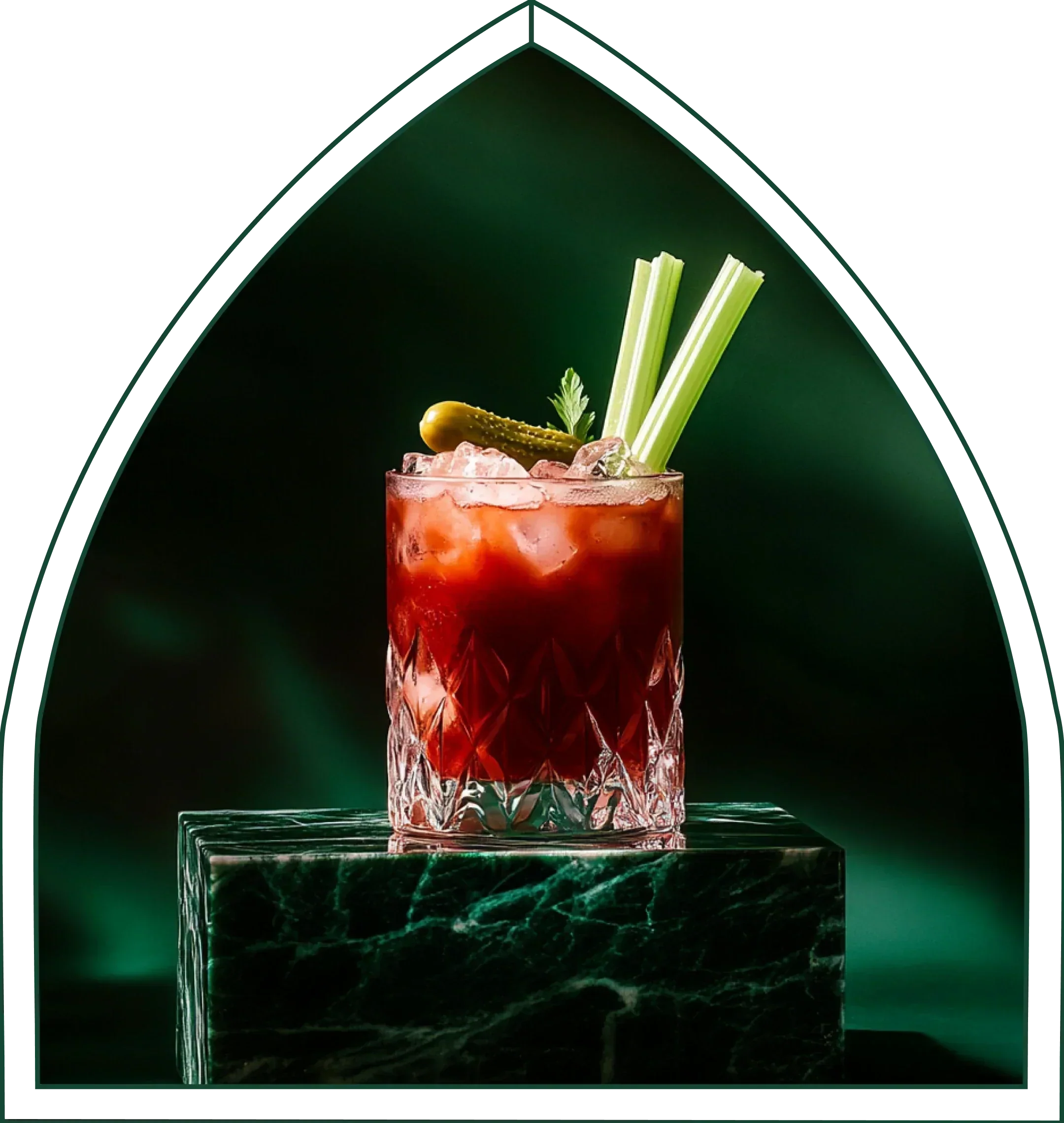
Match Each Cocktail To Its Non-Alcoholic Spirit
Use this quick list to match your cocktail, the spirit style, and the Little Saints product that fills it at a 1:1 ratio.
- Margarita – agave/mezcal-style – St. Ember
- Paloma – agave/mezcal-style – St. Ember or the Little Saints Paloma can
- Old Fashioned – whiskey-style – St. Oak
- Manhattan – whiskey-style – St. Oak
- Boulevardier – whiskey-style – St. Oak
- Mai Tai – aged rum substitute – St. Oak
- Gin And Tonic – gin-style – St. Juniper
- Gimlet – gin-style – St. Juniper
- Martini – gin-style – St. Juniper
- Negroni – bitter/gin-style – St. Juniper plus Negroni Spritz can
- Spritz – aperitif-style – Classic Spritz or Hugo Spritz can
- Mule – agave or whiskey-style – St. Ember or St. Oak with ginger beer
How Non-Alcoholic Spirits Compare On Taste
No non-alcoholic spirit matches its alcoholic counterpart perfectly, and claims of a 1:1 taste match overstate what is possible. Ethanol adds body, warmth, and lingering flavor that you cannot fully copy without alcohol.
The most useful test is how a spirit behaves in a cocktail, not how it tastes neat. St. Ember mixes like a tequila or mezcal. St. Juniper mixes like a gin. St. Oak mixes like a whiskey. Swap two ounces for two ounces, add garnish, ice, and the right glass, and the drink lands. Oil-based extracts add built-in heat and natural viscosity that flavored-water products cannot match, so the drink feels like a spirit instead of a cordial.
For more detail on taste expectations, see How To Choose Non-Alcoholic Spirits That Deliver.
Products To Approach Carefully
Two product types often disappoint once you read the label and then taste the drink.
First-generation water-based non-alcoholic spirits usually dilute in a cocktail and need a 2–3x pour to show up in the glass. The common Reddit complaint “tastes like flavored water” reflects formulation, not preference. A water-based spirit struggles to hold character at cocktail dilution, while an oil-based extract keeps its presence. Because a 1:1 spirit pours as far as the bottle it replaces, the cost per drink on an oil-based spirit often sits closer to a conventional spirit than the shelf price suggests. Water-based products that require double pours empty much faster.
Sugar-sweetened non-alcoholic cocktails and aperitifs form the second group to check. Cutting alcohol works best when you avoid a sugar tradeoff. Read the Nutrition Facts panel and focus on the sugar line.
Where To Buy Non-Alcoholic Spirits Brands In The USA
Little Saints sells direct to consumer at littlesaints.com, ships to all 50 states in about three days, and appears in over 1,000 retail shops, grocery stores, liquor stores, bars, and restaurants nationwide. That list includes Sprouts in every door, Whole Foods in California and Florida, Fresh Thyme in the Midwest, and ABC Liquors in Florida. For a full retailer list, see Where To Buy Non-Alcoholic Spirits: Online, In Stores.
Frequently Asked Questions
Are There Any Non-Alcoholic Spirits That Taste Like Alcohol?
No non-alcoholic spirit delivers a perfect 1:1 taste match. Ethanol provides body, warmth, and palate persistence that you cannot fully recreate. The most reliable frame is behavior in cocktails. A well-formulated non-alcoholic spirit mixes like its alcoholic counterpart, delivers recognizable flavor notes, and holds its character over ice. Little Saints St. Ember mixes like a tequila or mezcal, St. Juniper mixes like a gin, and St. Oak mixes like a whiskey. When you judge by cocktail performance instead of neat taste, the category performs well.
What Is The Best Non-Alcoholic Spirit For A Margarita?
Little Saints St. Ember was built for margaritas. It nods to a light, spicy mezcal with palo santo, ginger, and cardamom and swaps two ounces for two ounces in a margarita or paloma with no recipe changes. For a ready-to-drink option, the Little Saints Classic Margarita can delivers lime, bitter orange, and salt at zero sugar and five calories.
What Is The Best Non-Alcoholic Spirit For An Old Fashioned?
Little Saints St. Oak captures the notes of an oak-aged whiskey, with vanilla, spice, and woodsy depth, and earned Best NA Spirit of 2025 from the BevNET Spirit Awards. It was designed for old fashioneds, manhattans, and boulevardiers and also stands in for aged rum in tiki-style drinks. Use a simple 1:1 swap and build the drink as you would with whiskey.
What Is The Best Non-Alcoholic Spirit For A Gin And Tonic?
Little Saints St. Juniper, with juniper, cucumber, and herbaceous notes from juniper, birch, angelica, coriander, and cardamom, fits gin and tonics, gimlets, and martinis. It mixes like a gin at a 1:1 ratio. St. Juniper is rated 4.6/5 across 147 reviews on littlesaints.com, with 93% recommending, as of August 2026.
What Is A Good Drink To Replace Alcohol?
A strong replacement is a non-alcoholic spirit that mixes 1:1 in the cocktail you already make, with zero sugar, five calories, and a published functional dose. Match agave-style spirits to margaritas and palomas, whiskey-style to old fashioneds and manhattans, and gin-style to gin and tonics and gimlets. Many people now practice “zebra striping,” alternating alcoholic and non-alcoholic drinks over a night instead of abstaining. Non-alcoholic spirits built for 1:1 mixing make that easy. According to NIQ's From Value to Vibe report from January 2026, 47% of on-premise visitors mix alcoholic and non-alcoholic options in the same occasion, and 93% of non-alcoholic buyers also purchase alcohol.
How Much Do I Pour?
Pour the same amount you would of the spirit you are replacing. Two ounces of St. Ember does the work of two ounces of tequila in a margarita. Two ounces of St. Oak replaces two ounces of whiskey in an old fashioned. Mixologists helped formulate the spirits so recipes do not need adjustment.
Is There Caffeine In It?
The Little Saints core line contains no caffeine. The main occasion is evening, and many customers choose these drinks to protect their sleep. No caffeine keeps the drink aligned with a wind-down ritual.
Zero Sugar: What Is The Sweetener?
In the canned cocktails, the sweetener is monk fruit juice concentrate and nothing else. There is no cane sugar, erythritol, or sugar alcohols. In the spirits, there are no sweeteners at all. Any sweetness comes from botanical extracts such as the palo santo in St. Ember. That approach keeps each can at five calories.
Is This Category A Fad?
Retailers have already signaled long-term demand through shelf space. The US no-alcohol market is forecast by IWSR to grow at an 18% volume CAGR from 2024 to 2028. Within that, non-alcoholic spirits represent about 6% of the no-alcohol set yet are growing at roughly 70%. The behavior behind those numbers, zebra striping, reflects moderation rather than full abstinence. People who still drink now choose to alternate, which points to a lasting shift in how they socialize.
This statement has not been evaluated by the Food and Drug Administration. This product is not intended to diagnose, treat, cure, or prevent any disease.
The Final Takeaway
A simple label framework keeps choices clear. Check sugar, calories, whether a functional dose is stated, whether a beta glucan figure is published, and whether the spirit mixes 1:1. A brand that publishes all five shows full transparency. Little Saints publishes all five: zero sugar, five calories, a 100mg functional dose, a minimum of 70% beta glucan with certificates of analysis, and oil-based extracts that mix 1:1 in any cocktail you already make.
The statements made on our website have not been evaluated by the Food and Drug Administration, Our products are not intended to diagnose, treat, cure or prevent any disease. If you are pregnant, nursing, taking any medications or have any medical conditions, consult your doctor before use.