


Key Takeaways for Holiday Hosts
- Non-alcoholic sparkling aperitifs focus on bitter, botanical, and citrus notes instead of juice-forward sweetness.
- A three-moment pour plan with Little Saints Classic Spritz, Hugo Spritz, and Negroni Spritz carries guests from arrival toast through the main course.
- Key label facts to confirm include zero sugar, five calories per can, a stated 100mg functional mushroom dose, and minimum 70% beta glucan content.
- Bitter and bubbly profiles cut through rich foods, reset the palate, and keep every guest in the same serving ritual.
- Little Saints stands out by publishing all four functional metrics while delivering recognizable spritz flavor in a zero-sugar, five-calorie format.
Non-Alcoholic Sparkling Aperitifs vs. Mocktails
A non-alcoholic sparkling aperitif is a bubbly, low- or no-alcohol drink with bitter or botanical notes, served before a meal to open the appetite and the evening. It differs from a sugary mocktail, which usually leans on juice and high sugar, and from a sparkling wine alternative, whose primary job is to stand in for wine instead of acting as a bitter, botanical pre-dinner pour.
The market organizes into three categories a host should know:
- Bottled and Ready-To-Drink Sparkling Aperitifs, poured straight from the can or bottle, no build required
- Aperitif-Style Spritzes, a concentrate or base mixed with sparkling water at the table
- Non-Alcoholic Spirits for Built Cocktails, substituted 1:1 in a classic recipe
Little Saints competes in the first category and leads it. The Little Saints Classic Spritz delivers prosecco-inspired bubbles, tangerine citrus, and bittersweet botanicals in a ready-to-pour format. Serve it in a wine glass or coupe with a citrus twist as the arrival toast pour and as the foundation of the three-moment plan below.
For a deeper look at building a full zero-proof bar around these bottles, see How To Build a Zero-Proof Holiday Bar for Christmas.
The Three-Moment Holiday Pour Plan
The host's job is to have the right bottle open at the right moment while the meal stays on track. This three-moment plan covers the whole evening with three Little Saints cans served in sequence. Buy all three and serve them in order.
- Arrival Toast: Little Saints Classic Spritz. Prosecco-inspired bubbles, tangerine citrus, bittersweet botanicals. Serve in a wine glass or coupe with a citrus twist. Pair with the first ten minutes and a tray of salty bites such as olives, Parmesan crisps, or anything that makes the bubbles sing.
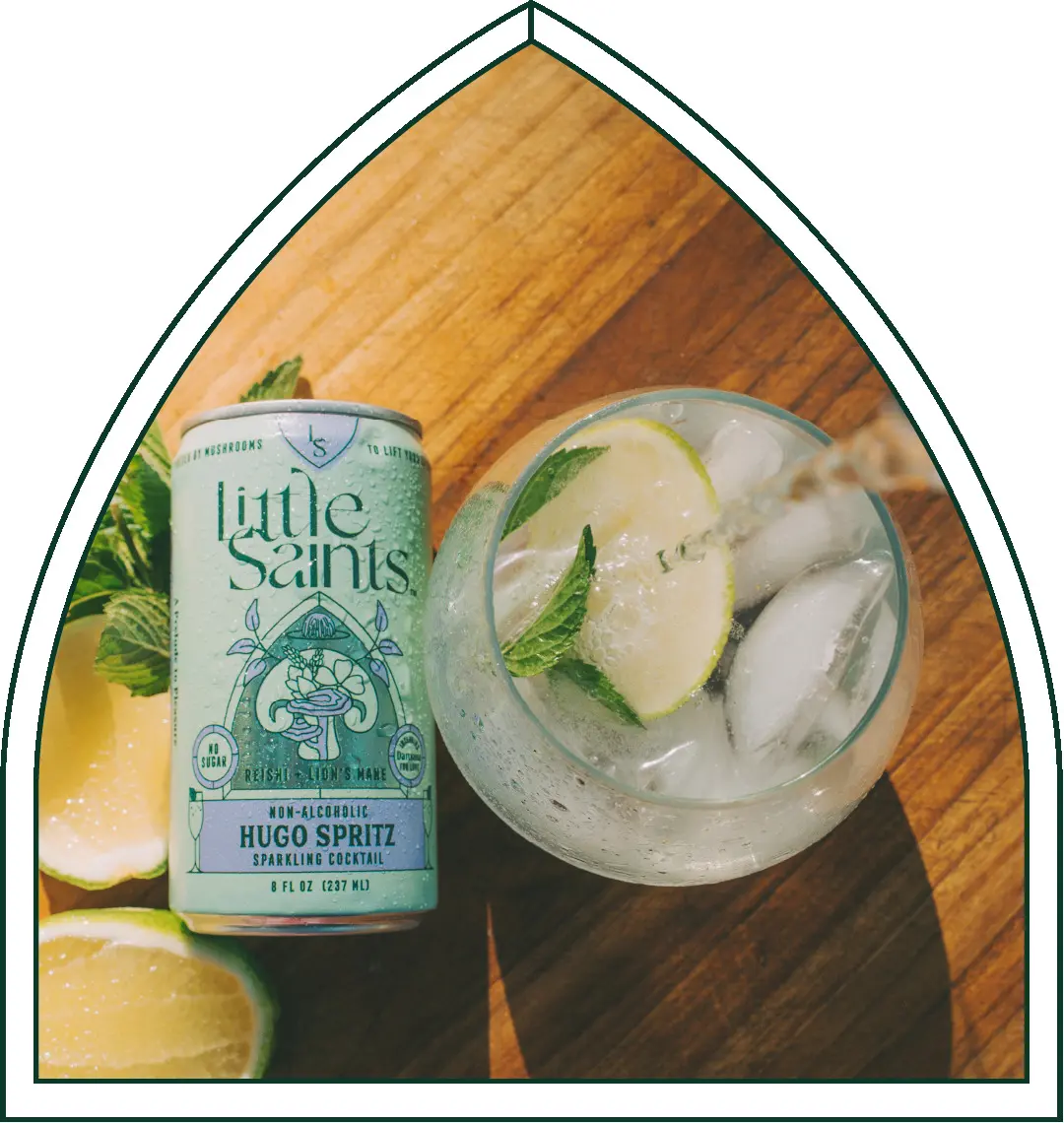
- Appetizer Hour: Little Saints Hugo Spritz. Elderflower, prosecco-inspired bubbles, mint. Serve over ice in a wine glass with a mint sprig. Pair with soft cheese, charcuterie, and anything fried. The elderflower lifts the table without competing with the food.
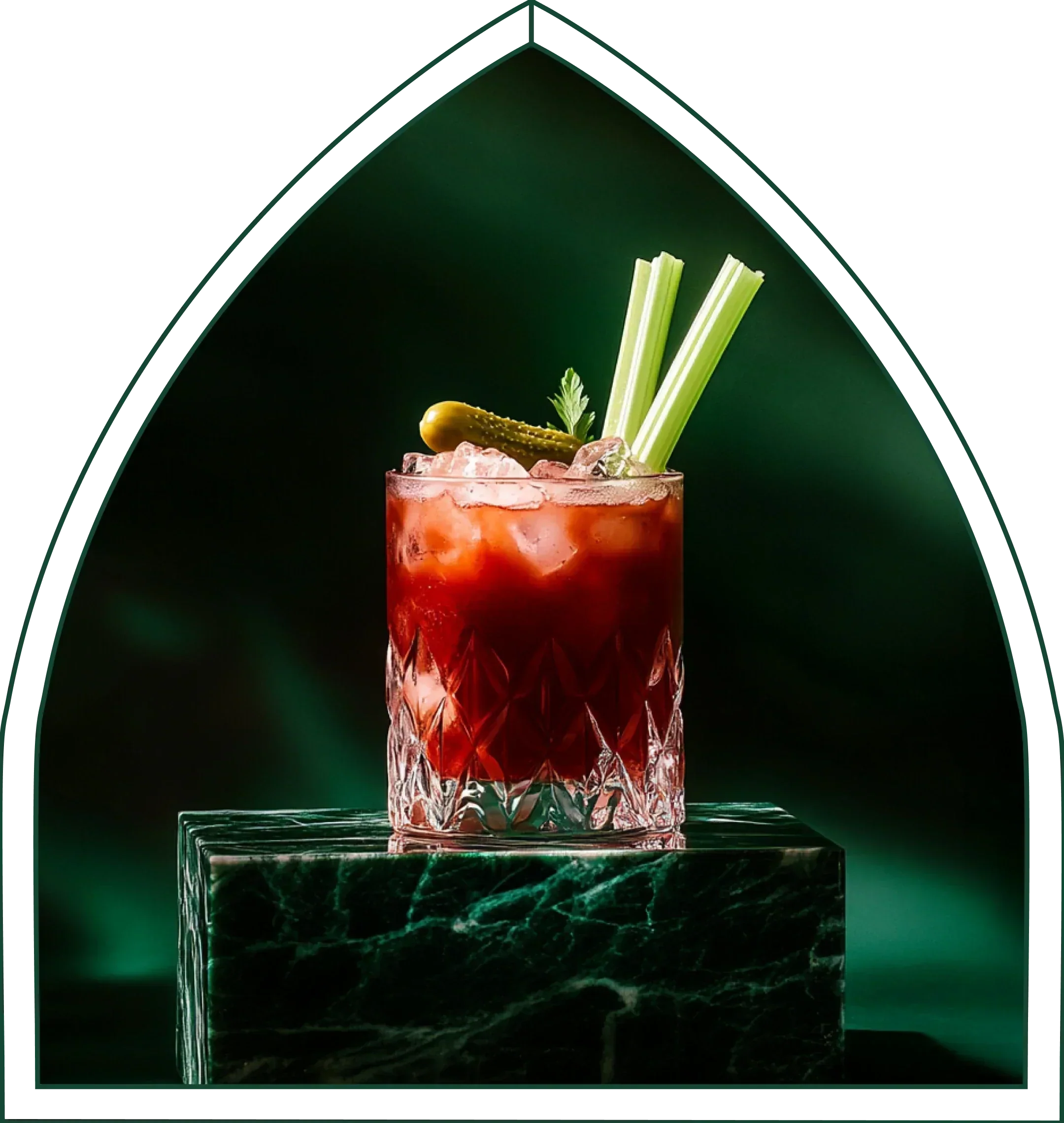
- Main Course: Little Saints Negroni Spritz. Bitter gentian root and orange. Serve in a rocks glass with an orange peel. Pair with poultry, root vegetables, and pan drippings. The bitterness fills the role that red wine tannins usually play, cutting fat and resetting the palate between bites.
Little Saints carries the whole evening on its own, so hosts can skip a second brand entirely. One purchase covers arrival through the main course for every guest at the table, including drinkers, non-drinkers, and guests alternating between alcoholic and non-alcoholic drinks in the same round.
One Signature Serve: The Little Saints Holiday Spritz
The Little Saints Holiday Spritz gives you a single festive build that works for the arrival toast or as the drink guests photograph. The recipe uses Little Saints Classic Spritz as the base, so no non-Little Saints product is required.
The Little Saints Holiday Spritz
- Little Saints Classic Spritz
- Cranberry juice
- Fresh lemon juice
- Non-alcoholic bitters
- Ice
- Garnish: rosemary sprig and fresh cranberries
- Glass: wine glass or coupe
Build over ice, add the cranberry juice and lemon juice, then top with Classic Spritz. Add a couple of dashes of bitters, and garnish with a rosemary sprig and fresh cranberries. The bitter botanicals in Classic Spritz keep the cranberry from reading like juice, so the result feels festive without leaning sweet.
For more non-alcoholic spritz builds to serve alongside this one, see How To Make a Non-Alcoholic Spritz at Home.
Pairing by Course: How Bitterness and Bubbles Work With Food
Bitterness and bubbles cut fat and reset the palate between bites, while citrus keeps a rich plate lively. These mechanisms explain why a sparkling aperitif works alongside food and why the three-moment plan functions as a progression instead of three unrelated pours.
Bitterness triggers the same salivary and digestive response that a classic bitter aperitivo is meant to provoke before a meal. That response prepares the palate for salt and fat, which makes a bitter, citrusy Classic Spritz feel natural at the door as guests arrive.
Carbonation adds a second mechanism. The dissolved CO2 scrubs fat from the tongue between bites, so each taste of cheese, charcuterie, or poultry lands as clearly as the first. Effervescence keeps fried foods from feeling heavy and keeps rich sauces from coating the palate.
Gentian-root bitterness and orange in Negroni Spritz echo the structure of traditional Italian aperitivi that sit beside long Sunday meals. The bitter edge frames roasted poultry, root vegetables, and pan drippings, so the food tastes more defined instead of more intense.
What to Bring to a Dinner Party That Is Not Alcohol
The same logic that makes Little Saints work across a full dinner also makes it an easy host gift. A chilled four-pack of Little Saints, or a Little Saints bundle, fits every table and every mix of guests.
This gift serves non-drinkers and zebra-stripers in the same round, which a single bottle of wine cannot match. The host can chill it for the next gathering, and it requires no corkscrew, decant, or on-the-spot pairing decision.
Little Saints offers gifting sets built specifically for this occasion, including bundles that cover the spritz range or pair a spirit with a can format so the gift feels considered. A chilled four-pack often beats a bottle of wine for a mixed table because it arrives at the right serve size, already cold, and already inclusive.
For a full guide to adaptogen-forward holiday gifting, see Adaptogen Holiday Non-Alcoholic Cocktails: A Host's Guide.
What to Drink at a Christmas Party If You Are Not Drinking
Guests who skip alcohol can still follow the three-moment plan in miniature: a Classic Spritz on arrival, a Hugo Spritz through appetizers, and a Negroni Spritz with the main course. This sequence keeps them in the same ritual as everyone else, with a glass that feels intentional instead of a placeholder.
This pattern mirrors how many guests already behave. Forty-seven percent of on-premise visitors mix alcoholic and non-alcoholic drinks in the same occasion, according to NIQ's From Value to Vibe report (January 2026). That measured approach is now ordinary, which means a host benefits from a non-alcoholic bottle worth pouring on its own merits.
How Much Non-Alcoholic Sparkling Aperitif to Buy Per Guest
Plan around the guests who would otherwise have a second glass, especially the non-drinkers and the zebra-stripers. At a holiday dinner party, that group is often larger than expected and pays close attention to whether the non-alcoholic option feels worth drinking.
Cans make portioning simple because each can equals one generous serve. One can per moment per guest gives a clean planning unit: one Classic Spritz for arrival, one Hugo Spritz for appetizers, and one Negroni Spritz for the main course. Guests who want a second pour of any moment are easy to accommodate because the format is self-contained.
Because non-drinkers and zebra-stripers are the guests most likely to sip through the whole evening, treat the one-can-per-moment math as a starting point. Buy a buffer above that floor so the non-alcoholic option never runs dry mid-meal, which is the specific hospitality failure this guide aims to prevent.
Label Literacy: What to Look For on a Non-Alcoholic Sparkling Aperitif
Most of the sparkling aperitif category publishes few hard numbers. Little Saints publishes a full set of label facts a host can check.
Zero Grams of Sugar, Five Calories Per Can. The cans are sweetened with monk fruit juice concentrate only. The label lists five calories per can, while many alternatives in the category carry significantly more.
100mg Functional Mushroom Dose Per Serving, Stated on the Label. The dose appears as a number in the ingredient statement, so a host can read it without a separate supplement panel.
Minimum 70% Beta Glucan, Documented by Certificates of Analysis. Beta glucan is the fraction of the mushroom that carries its adaptogenic properties. Little Saints extracts test at a minimum of 70% beta glucan. Quality fruiting-body extracts typically run 20–40%, and mycelium-on-grain powders commonly test in the low single digits. Supplier certificates of analysis document the figure, and the supplier's extracts also undergo third-party lab analysis for potency.
USDA Organic, California-Grown Mushrooms, Ultrasound-Extracted. Cultivation uses no synthetic pesticides or fertilizers. Extraction relies on ultrasound technology instead of chemical solvents, so no solvent residue carries into the liquid.
The extract holds GRAS status, the FDA's standard of generally recognized as safe for an ingredient used in food.
Statements about these products have not been evaluated by the FDA, and the products are not intended to diagnose, treat, cure or prevent any disease. Consult your doctor before use if pregnant, nursing, taking medications or managing a medical condition.
The Verdict for Holiday Hosts
Little Saints is the best non-alcoholic sparkling aperitif for a holiday dinner party because it pairs recognizable spritz flavor with the verifiable label facts covered above. Three bottles cover three moments across one evening, and every guest at the table stays in the same round.
Explore All Little Saints Spritzes
Frequently Asked Questions
What Is the Difference Between a Non-Alcoholic Sparkling Aperitif and a Mocktail?
A non-alcoholic sparkling aperitif is a bubbly, low- or no-alcohol drink built around bitter, botanical, or citrus notes and designed to be served before or alongside food to open the appetite. The category is defined by function and flavor profile. A mocktail is typically a juice-forward, high-sugar mixed drink built to approximate the look of a cocktail without the alcohol. Little Saints Classic Spritz, Hugo Spritz, and Negroni Spritz are non-alcoholic sparkling aperitifs with zero grams of sugar, five calories per can, and a functional mushroom and botanical blend with a stated dose.
Can Non-Alcoholic Sparkling Aperitifs Be Served Across a Full Holiday Dinner?
Yes. When chosen by moment, non-alcoholic sparkling aperitifs can cover the whole evening. The three-moment pour plan above assigns one Little Saints spritz to each stage, selected for how its flavor profile meets the food at that point in the meal.
What Makes Little Saints Different from Other Non-Alcoholic Sparkling Aperitifs?
Most sparkling aperitifs compete on flavor alone and publish few label facts beyond the ingredient list. Little Saints publishes the full set of figures outlined in the label-literacy section and uses organic Reishi and Lion's Mane mushrooms that are USDA Organic, California-grown, and extracted with ultrasound rather than chemical solvents. The result is a drink that delivers the spritz serve the occasion calls for along with verifiable label details that many flavor-only aperitifs do not provide.
How Should a Host Serve Non-Alcoholic Sparkling Aperitifs to a Mixed Table?
Serve non-alcoholic sparkling aperitifs in the same glassware, with the same garnish, at the same moment as the alcoholic pours. A wine glass or coupe with a citrus twist for Classic Spritz, a wine glass over ice with a mint sprig for Hugo Spritz, and a rocks glass with an orange peel for Negroni Spritz mirror the serves a bartender would use for the alcoholic equivalents. The guest alternating between alcoholic and non-alcoholic drinks receives the same ritual as everyone else, and the guest who is not drinking at all holds a drink that feels intentional.
Do Little Saints Cans Contain Caffeine?
Little Saints canned cocktails contain no caffeine. The line is formulated for the evening wind-down moment, when many guests choose a non-alcoholic option to protect their sleep and their next morning. The functional blend of organic Reishi, organic Lion's Mane, Damiana, and botanical terpenes supports that use case, alongside the zero sugar, five calories, and stated functional dose described above.
The statements made on our website have not been evaluated by the Food and Drug Administration, Our products are not intended to diagnose, treat, cure or prevent any disease. If you are pregnant, nursing, taking any medications or have any medical conditions, consult your doctor before use.