


Key Takeaways
- Artificial sweeteners such as aspartame, sucralose, and acesulfame K are synthetic additives that many health-conscious drinkers now avoid because of emerging research on gut health and cardiovascular risk.
- Reading the full ingredient list matters, because “sugar-free” or “zero sugar” labels often signal artificial sweeteners or sugar alcohols like erythritol instead of sugar.
- Store-bought sparkling waters including Spindrift, Nixie, Bubly, and LaCroix offer simple options that rely on natural flavors without artificial additives.
- Little Saints stands out among ready-to-drink non-alcoholic cocktails by using monk fruit juice concentrate for zero-sugar, five-calorie cans that also include functional mushroom blends.
- You can shop the full range of clean, functional non-alcoholic options at Little Saints, where cocktails and spirits are sweetened naturally and formulated for transparency.
What Counts as an Artificial Sweetener?
Artificial sweeteners are synthetic sugar substitutes such as aspartame, sucralose, saccharin, acesulfame potassium, and neotame that deliver intense sweetness without calories. Many health-conscious drinkers now skip them because of concerns about gut health, blood sugar response, and taste. This guide walks through cleaner options across every category, from sparkling water to evening cocktails.
A growing body of research fuels that concern. In May 2023, the World Health Organization issued a guideline recommending against the use of non-sugar sweeteners for weight control, based on a systematic review of nearly 50 randomized controlled trials that found possible links between long-term use and higher risk of type 2 diabetes and cardiovascular disease. A 2026 meta-analysis pooling data from 37 studies and over 3.6 million participants found that higher artificial sweetener intake was associated with increased risk of type 2 diabetes, hypertension, heart failure, and stroke. The evidence remains observational and not conclusive. For label-readers who prefer a cautious approach, the case for limiting synthetic sweeteners keeps building.
Artificial vs. Natural Sweeteners: A Label Decoder
“Sugar-free” does not mean “free of artificial sweeteners.” “Sugar-free” means a product contains less than 0.5 grams of sugar per serving, so manufacturers often use sugar alcohols or artificial sweeteners instead. Always check the full ingredient list. The table below summarizes the main sweetener categories you will see on labels so you can quickly spot which ones to avoid and which ones to seek out.
| Sweetener Type | Examples | Source | Calories |
|---|---|---|---|
| Artificial (avoid) | Aspartame, sucralose, saccharin, acesulfame K, neotame | Synthetic | Zero |
| Sugar alcohols (approach with caution) | Erythritol, xylitol, sorbitol | Processed from plant sugars | Low but not zero |
| Natural zero-calorie (look for) | Stevia, monk fruit | Plant-derived | Zero |
| Natural caloric (look for) | Honey, maple syrup, agave | Plant/animal-derived | ~15–60 per tsp |
Sugar alcohols such as erythritol, xylitol, and sorbitol come from plant sugars rather than a lab. Even so, a 2023 Cleveland Clinic study published in Nature Medicine found that those in the highest quartile of blood erythritol levels were about twice as likely to experience a cardiovascular event over three years. If you want to sidestep them, scan for ingredient names ending in “-itol.”
Products sweetened with monk fruit or stevia are naturally derived, yet the source still needs verification. Fifty-six percent of consumers say a “no artificial sweeteners” claim is important, and nearly 30% are actively trying to increase their intake of natural alternative sweeteners. Labels still require scrutiny because “natural” on the front does not always match what shoppers expect inside.
Store-Bought Picks: The Best No-Artificial-Sweetener Drinks by Category
This section highlights reliable options across common drink categories so you can stock your fridge with clean choices.
Sparkling Waters and Sodas
Plain sparkling water stays the safest choice because it contains zero sweeteners of any kind. For flavored options, several brands keep ingredient lists simple and clean. Spindrift uses real squeezed fruit with no stevia, artificial sweeteners, or added sugar in its classic sparkling water line. Nixie sparkling water is free of calories, sugar, and sweeteners and relies on organic flavors. Bubly skips artificial sweeteners and flavors while keeping calories at zero. LaCroix also uses only natural flavors and contains no artificial sweeteners.
Label language for bubbles can be confusing. The FDA distinguishes between “sparkling water” and “sparkling beverage”. Sparkling beverages can include fruit juice, sweeteners, and other ingredients, and some list acesulfame K and sucralose. Always check the ingredient panel, not just the front of the can.
Ready-to-Drink Non-Alcoholic Cocktails
Evening drinks often bring the most hidden sweeteners, and many canned options do not meet a no-artificial-sweetener standard. Many canned non-alcoholic cocktails are sweetened with cane sugar or juice concentrate, delivering 30–60 calories and 7–13 grams of sugar per can, while others rely on erythritol or stevia blends.
Little Saints takes a different approach. Every canned cocktail contains zero grams of sugar and just five calories, sweetened exclusively with monk fruit juice concentrate. The lineup includes:
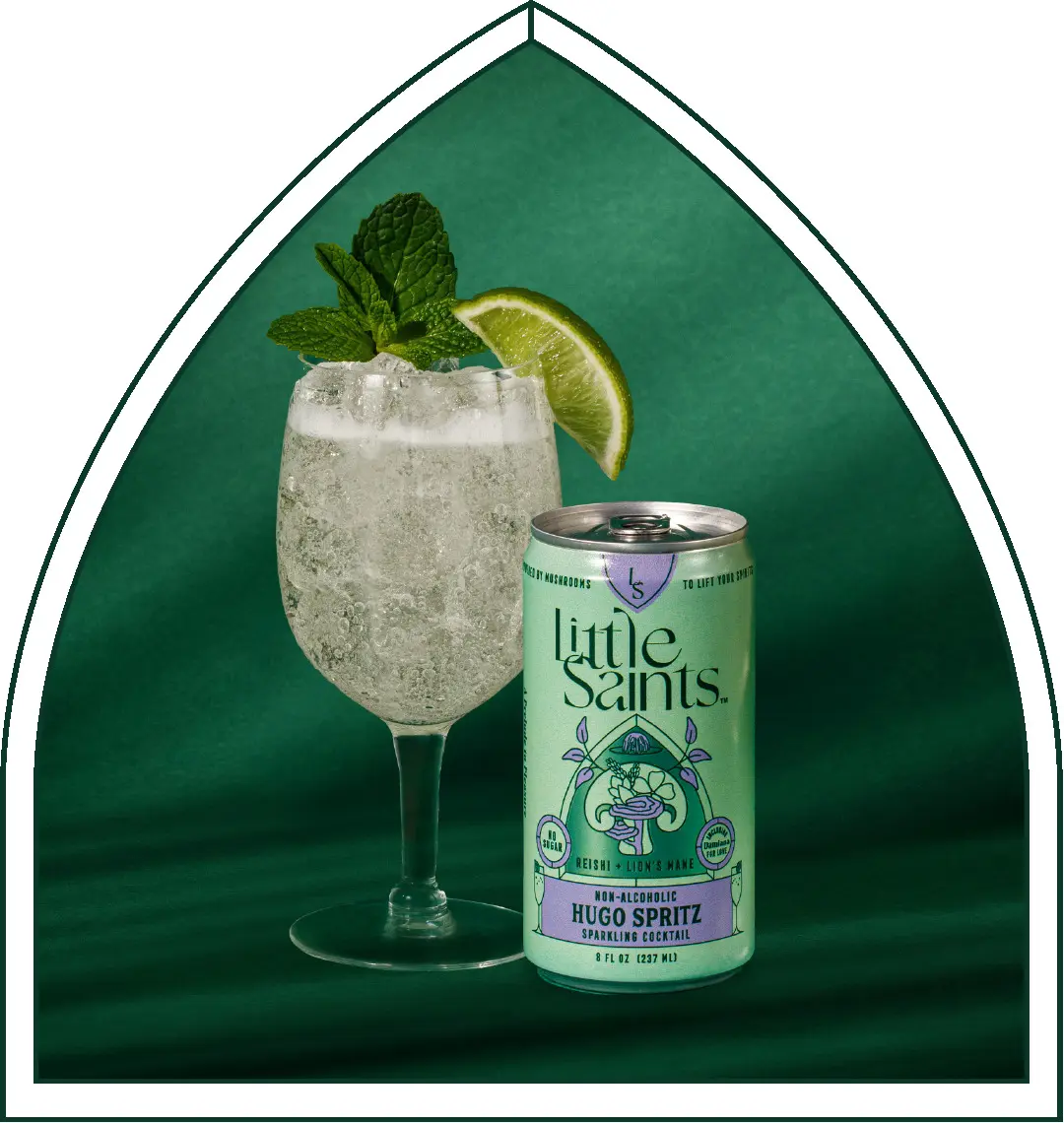
- Classic Spritz
- Hugo Spritz
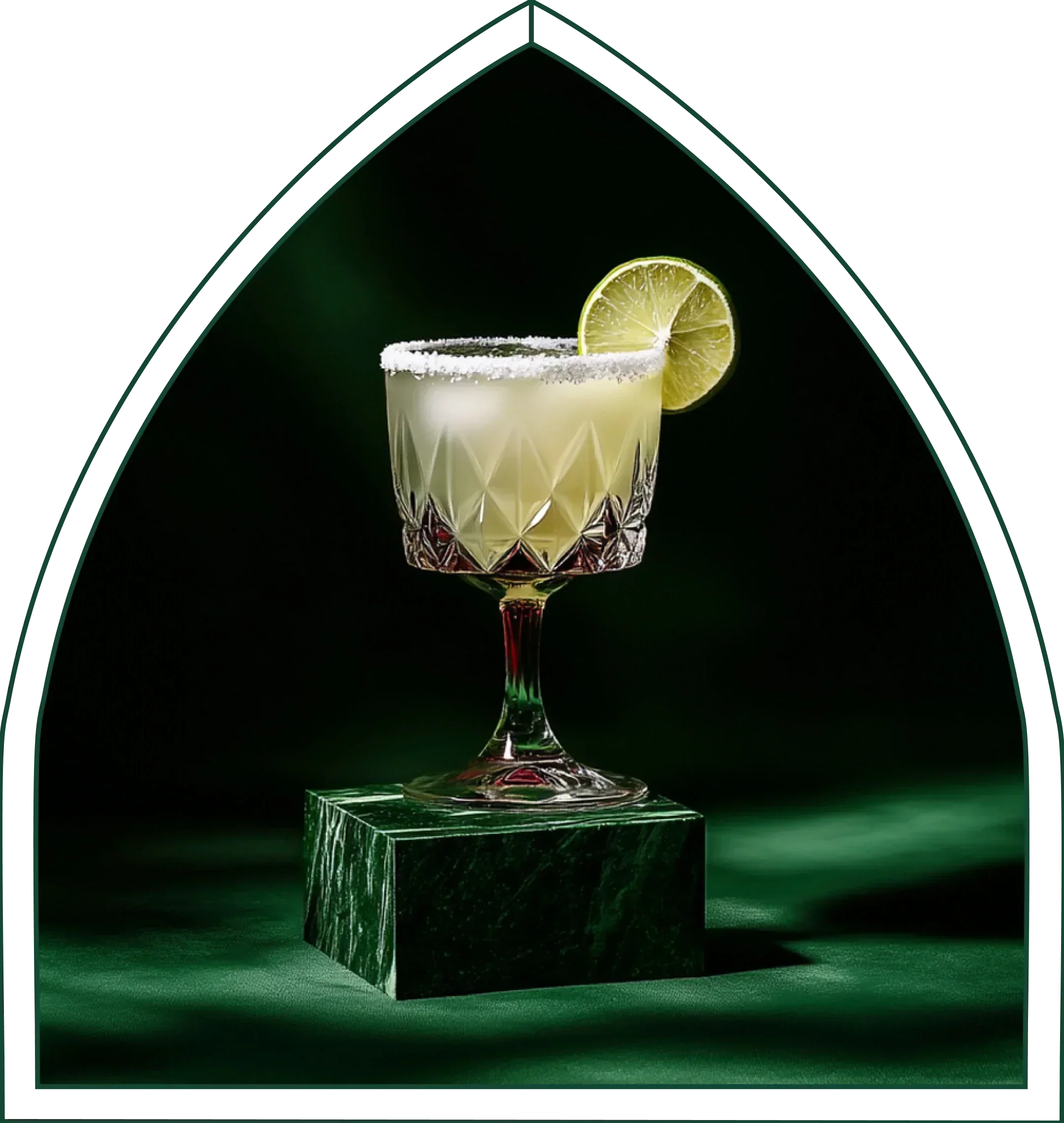
- Classic Margarita
- Paloma
- Old Fashioned
- Mojito
- Negroni Spritz
Independent reviewers confirm that Little Saints non-alcoholic canned cocktails use monk fruit juice concentrate and contain 0 grams of sugar and 5 calories per can. Each can also carries a functional blend that includes organic Reishi, organic Lion's Mane, and Damiana, depending on the flavor. The mushroom extracts meet a minimum 70% beta glucan level and a stated 100 mg dose per serving, documented by supplier certificates of analysis. If you want a clean, functional canned cocktail, you can browse the Little Saints lineup to see the full range.
Non-Alcoholic Spirits
Some drinkers prefer to mix their own cocktails rather than open a can, and non-alcoholic spirits support that flexibility, although quality varies widely. First-generation products are often described by bartenders as “flavors in water” that dilute in a cocktail and require two to three times the pour volume.
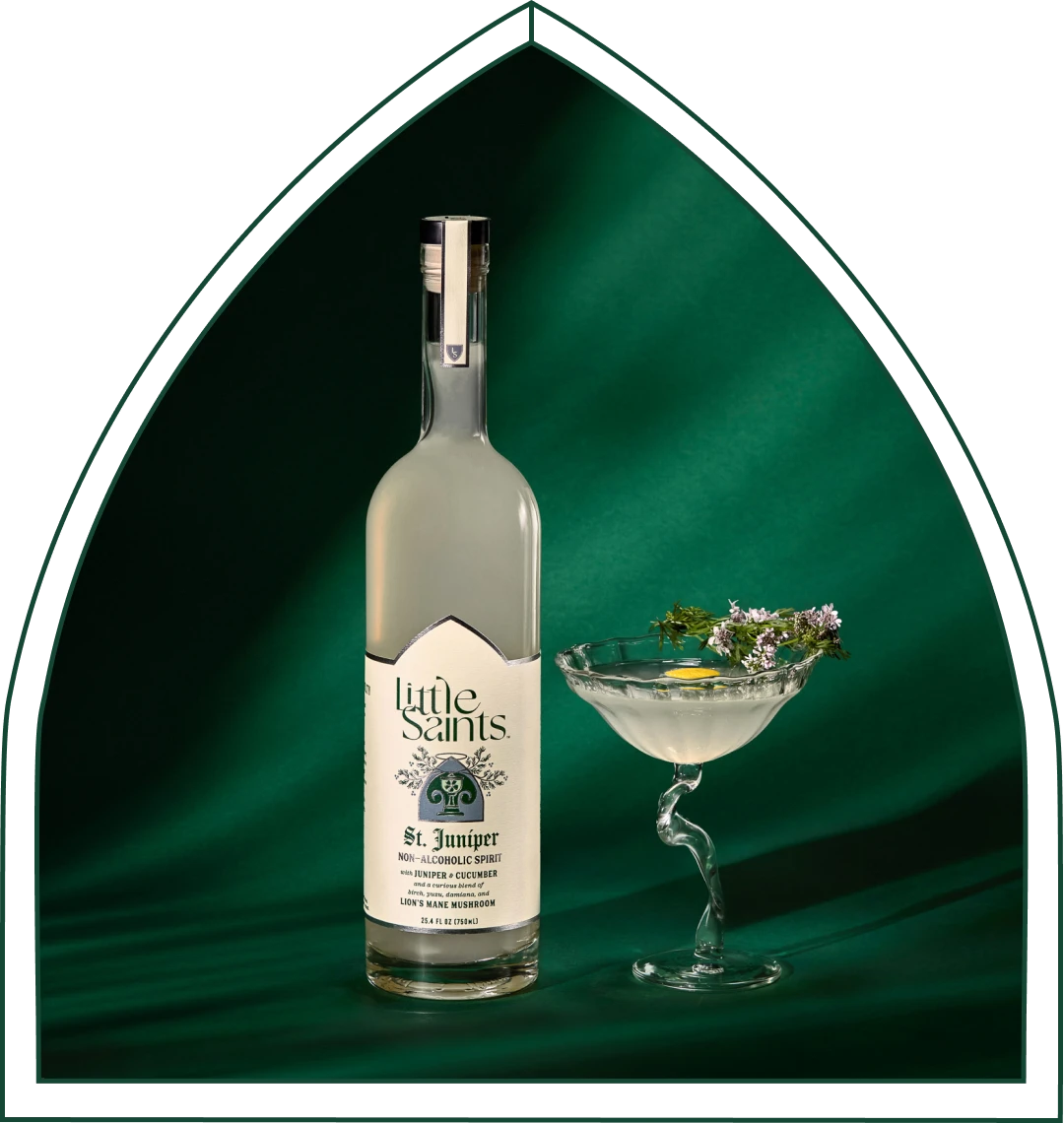
The Little Saints St. line offers a different build. St. Ember mixes like a tequila or mezcal, St. Juniper mixes like a gin, and St. Oak mixes like a whiskey. Each spirit contains zero grams of sugar and no sweeteners of any kind. Any perceived sweetness comes from botanical extracts such as palo santo. Built on oil-based craft extracts, these spirits mix 1:1 in classic cocktail recipes. Each bottle carries 100 mg of organic Lion's Mane extract per serving at a minimum 70% beta glucan. St. Ember holds a 4.7/5 rating across 430 customer reviews on littlesaints.com, with 92% recommending it, and St. Oak was named Best NA Spirit of 2025 by the BevNET Spirit Awards.
Mixers and Tonic Waters
DIY cocktails start with fresh ingredients. Fresh citrus juices pair well with simple syrups made from honey or maple syrup. For tonic waters, look for options that use natural quinine and real fruit and skip products listing high-fructose corn syrup, acesulfame K, or sucralose. Sanpellegrino Zero Sugar Pomegranate & Orange, for example, is sweetened with a blend of acesulfame K and sucralose, making it unsuitable for those strictly avoiding artificial sweeteners despite containing real juice. This example shows how “zero sugar” on the front label reveals nothing about the actual sweeteners inside.
5 Simple DIY Recipes Using Only Natural Sweeteners
Homemade drinks give you complete control over every ingredient. These recipes rely on fruit, honey, and maple syrup so you can skip synthetic sweeteners entirely.
- Sparkling Berry-Mint Spritz: Muddle 4–5 fresh raspberries with 3–4 mint leaves and ½ teaspoon honey. Add ice and 2 ounces St. Juniper if you like, then top with sparkling water.
- Homemade Ginger Ale: Simmer ½ cup grated ginger in 2 cups water with ¼ cup honey for 10 minutes. Strain, chill, and mix one part syrup with three parts sparkling water and a squeeze of fresh lime.
- Citrus-Mint Sparkler: Squeeze half a lemon and half a lime over torn mint leaves. Add 1 teaspoon maple syrup, ice, and sparkling water.
- Blueberry-Lemon Spritz: Simmer 1 cup blueberries with 2 tablespoons honey and lemon zest for 8 minutes. Strain, cool, and swirl 2 tablespoons into sparkling water with fresh lemon.
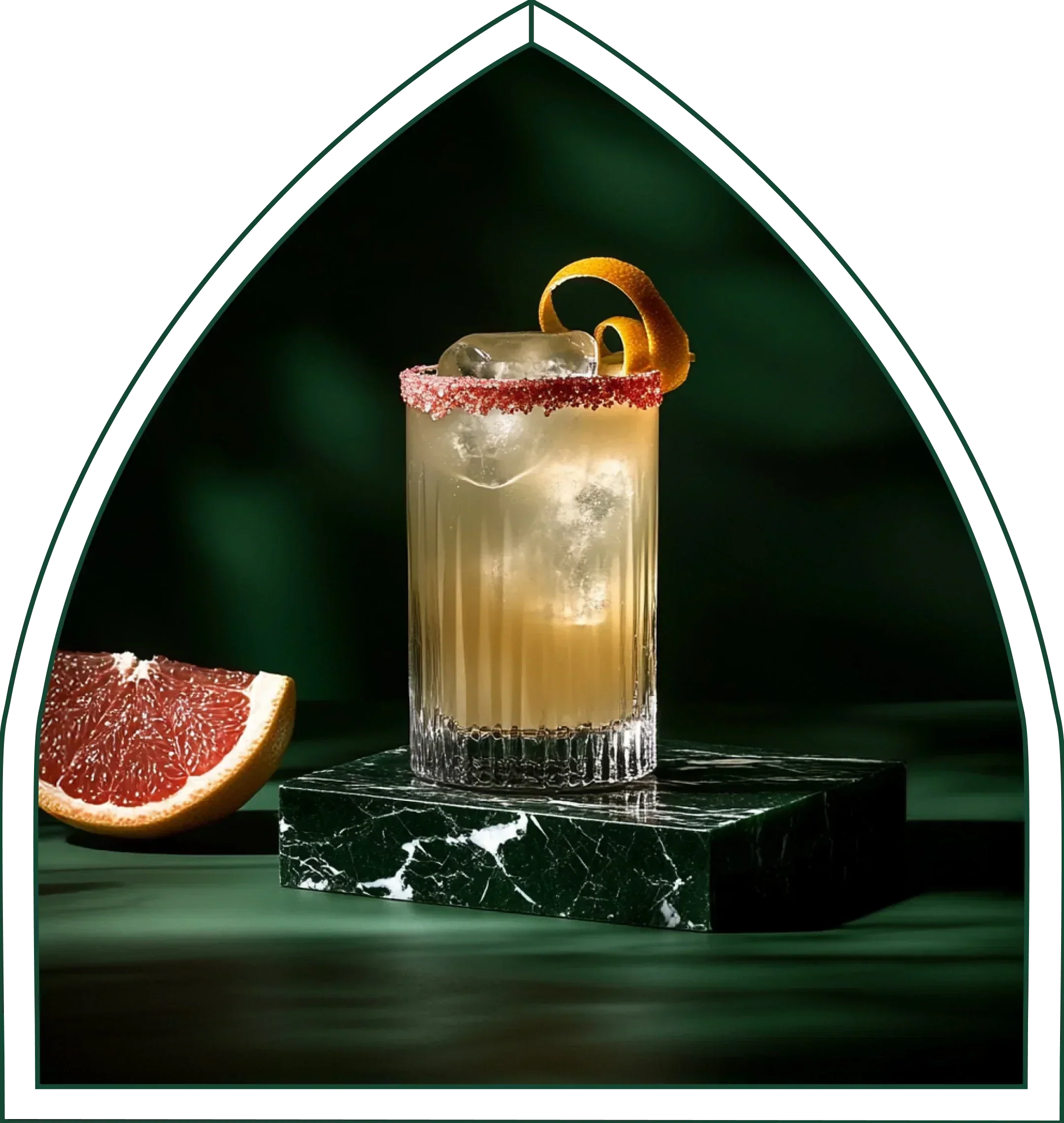
- Little Saints Paloma: Combine 2 ounces St. Ember with 3 ounces fresh grapefruit juice, ½ ounce lime juice, and a pinch of salt over ice. Top with club soda.
How to Read Labels Like a Pro
These habits make it easier to spot hidden artificial sweeteners and sugar alcohols every time you pick up a drink.
- Check the full ingredient list, not just front-of-pack claims. “Zero sugar” and “sugar-free” do not rule out artificial sweeteners.
- Memorize the names to avoid: aspartame, sucralose, saccharin, acesulfame potassium (Ace-K), neotame, advantame. Acesulfame potassium may also appear as “Ace-K,” and aspartame may appear by its chemical name rather than a brand name like Equal.
- Use caution with sugar alcohols: erythritol, xylitol, and sorbitol are not artificial, yet some research has raised questions about erythritol and cardiovascular health. Look for “-itol” endings.
- Pay attention to “diet” or “zero calorie” language, because these terms often signal artificial sweeteners.
- Remember that ingredients are listed in descending order by weight. If a sweetener appears in the first three ingredients, it makes up a significant share of the product.
- Distinguish “no added sugar” from “no sweeteners.” “No Sugar Added” only means no sugar or sugar-containing ingredient was added during processing and does not rule out high-intensity sweeteners.
Natural Sweeteners Compared
When you choose a natural sweetener, the main differences involve sweetness level, calories, and flavor. The table below compares popular options you will see in drinks and recipes.
| Sweetener | Sweetness vs. Sugar | Calories | Flavor Profile |
|---|---|---|---|
| Monk Fruit | 150–250x | Zero | Clean, no aftertaste |
| Stevia | 200–400x | Zero | Slightly bitter or licorice-like at high doses |
| Honey | ~1x | ~64 per tbsp | Floral, varies by source |
| Maple Syrup | ~1x | ~50 per tbsp | Caramel, woodsy |
Monk fruit is increasingly popular with clean-label brands because it delivers sweetness without the bitter aftertaste sometimes associated with stevia. Products made with non-artificial, low- and no-calorie sweeteners are delivering double-digit growth. They are outpacing products made with artificial sweeteners. Little Saints chose monk fruit juice concentrate for its clean profile and avoids artificial ingredients and sugar alcohols in its cans.
The broader market is shifting in the same direction. The global natural high-intensity sweeteners market is projected to grow from USD 3.8 billion in 2026 to USD 9.1 billion by 2036, with beverages accounting for 38% of the market by application. Label-conscious shoppers are driving that change through steady demand for natural options.
Browse the full range of non-alcoholic cocktails and spirits, all free from artificial sweeteners.
Frequently Asked Questions
What drinks do not have artificial sweeteners?
Plain sparkling water, unsweetened teas and coffees, and many craft non-alcoholic cocktails and spirits contain no artificial sweeteners. For store-bought options, look for products sweetened with monk fruit, stevia, honey, or maple syrup, or drinks with no sweetener at all. Little Saints canned cocktails use monk fruit juice concentrate exclusively and contain zero grams of sugar and five calories per can. The St. spirits line, which includes St. Ember, St. Juniper, and St. Oak, contains no sweeteners whatsoever, and any sweetness comes from botanical extracts. Plain sparkling waters such as LaCroix and Bubly also contain no sweeteners and rely on natural flavors only. The most reliable habit is reading the full ingredient list instead of trusting front-of-pack claims like “zero sugar” or “diet.”
Are there any drink mixes without artificial sweeteners?
Many options exist. Homemade mixes work well, and a simple syrup made from honey or maple syrup dissolves easily into cold drinks and keeps for about two weeks in the refrigerator. Fresh citrus juices such as lemon, lime, and grapefruit add brightness without any sweetener. For store-bought mixers, tonic waters vary widely, so check labels for acesulfame K and sucralose, which appear in some “zero sugar” tonic options. For a spirit base that tastes complete without added sweetener, the Little Saints St. line contains zero grams of sugar and no sweeteners of any kind. St. Ember mixes like a tequila or mezcal, St. Juniper like a gin, and St. Oak like a whiskey, all at a 1:1 ratio in classic cocktail recipes.
What is the healthiest non-alcoholic beverage?
A practical framework focuses on zero added sugar, no artificial ingredients, a short and recognizable ingredient list, and minimal empty calories. Water and unsweetened tea set the baseline. Among ready-to-drink options, Little Saints canned cocktails deliver zero grams of sugar and five calories per can, sweetened with monk fruit juice concentrate, and include a supplement-grade functional mushroom blend with organic Reishi, organic Lion's Mane, and Damiana at a stated 100 mg dose and a minimum 70% beta glucan, documented by supplier certificates of analysis. For the evening occasion, that combination of low calories, no caffeine, and a real functional dose remains rare in the current market. Always consult your doctor before use if you are pregnant, nursing, taking medications, or managing a medical condition. These statements have not been evaluated by the FDA, and these products are not intended to diagnose, treat, cure, or prevent any disease.
Is monk fruit a better sweetener than stevia?
Both monk fruit and stevia are natural, zero-calorie sweeteners derived from plants, and both have cleared FDA GRAS (generally recognized as safe for use in food) status. Monk fruit is 150–250 times sweeter than sugar, and stevia is 200–400 times sweeter. The main difference for most drinkers is taste. Stevia can carry a slightly bitter or licorice-like aftertaste at higher doses, while monk fruit tends to deliver a cleaner, more neutral sweetness. Little Saints uses monk fruit juice concentrate in its canned cocktails to support a flavor profile that stands on its own without a synthetic aftertaste. Neither sweetener raises blood glucose the way sugar does, which makes both suitable for people monitoring sugar intake. The choice between them usually comes down to taste preference and the specific formulation of the drink.
Conclusion: Clean Drinking, Without Compromise
Skipping artificial sweeteners still leaves plenty of room for interesting drinks that are not loaded with sugar. The core tools stay simple: read the full ingredient list, learn the names to avoid, and favor brands that clearly explain which natural sweeteners they use instead.
Non-alcohol grew 21.9% while total alcohol declined, and growth concentrates in the clean-label, functional segment where Little Saints competes. For the evening occasion, Little Saints leads with zero-sugar, five-calorie cans sweetened with monk fruit, spirits with no sweeteners at all, and a supplement-grade functional mushroom blend with clearly stated dose and beta glucan content.
Shop the full collection now and explore non-alcoholic cocktails and spirits that keep ingredients transparent and sweeteners natural.
The statements made on our website have not been evaluated by the Food and Drug Administration, Our products are not intended to diagnose, treat, cure or prevent any disease. If you are pregnant, nursing, taking any medications or have any medical conditions, consult your doctor before use.