


Key Takeaways
- Low-calorie cocktails usually land between 60 and 150 calories when you pair a base spirit with soda water and fresh citrus instead of sugary mixers.
- The eight most practical low-calorie orders are vodka soda with lime, ranch water, gin and diet tonic, dry martini, whiskey neat, fresh-lime margarita, dry spritz, and light beer or dry wine.
- Hidden calories often come from regular tonic, sour mix, pre-batched margaritas, and sugary garnishes, so always specify fresh lime, soda water, or diet tonic.
- Use clear, single requests when ordering and consider zebra striping, alternating alcoholic and non-alcoholic drinks, to keep total calories and sugar low throughout the night. See “The Second-Round Strategy” below.
- Little Saints offers zero-sugar, five-calorie non-alcoholic cocktails that make zebra striping feel like a full round instead of a pause.
Try The Five-Calorie Cocktails
What Counts As A Low-Calorie Cocktail?
Most low-calorie cocktails land in roughly the 60–150 calorie range, although the exact number depends on pour size and mixer. Three variables drive the total: the base spirit, the mixer, and any added sweetener.
Base spirits are the easy part: a standard 1.5-ounce pour of 80-proof gin, rum, vodka, whiskey, or tequila contains roughly 100 calories, nearly all from ethanol. The mixer is where the number moves. Six ounces of regular tonic water adds 60–80 calories of sugar, while the same volume of soda water adds zero. A splash of fresh lime juice adds about 10 calories, but pre-made sour mix or triple sec can add 75–100 calories per ounce, which makes mixer choice more important than spirit choice.
The practical rule: spirit plus soda water and fresh citrus lands around 100–110 calories, while the same spirit with juice or a sweetened mixer pushes into 150–300 calories, depending on pour size and what is in the mix.
The Ranked List: 8 Low-Calorie Cocktails To Order At A Bar
1. Vodka Soda With Fresh Lime
Base: Vodka. Calories: ~95–100. This order sits at the floor of the low-calorie range. Soda water contributes nothing, so the calories come entirely from the spirit.
Order phrase: “Vodka soda with fresh lime, please.”
2. Ranch Water
Base: Tequila. Calories: ~100–105. This mix of tequila, soda water, and fresh lime is essentially a vodka soda with more character. The tequila’s natural agave notes create a crisper, more complex profile without adding calories.
Order phrase: “Ranch water with fresh lime.”
3. Gin And Diet Tonic
Base: Gin. Calories: ~95–110. Regular tonic carries roughly 32 grams of sugar per 12-ounce serving, nearly identical to a can of soda. Diet tonic keeps the bitter, botanical character at zero sugar.
Order phrase: “Gin and diet tonic with a lime.”
4. Dry Martini
Base: Gin or vodka. Calories: ~124–139. This drink skips sweetened mixers and relies on spirit, dry vermouth, and a citrus twist. It remains one of the most calorie-efficient cocktails on any menu.
Order phrase: “A dry gin martini, please.”
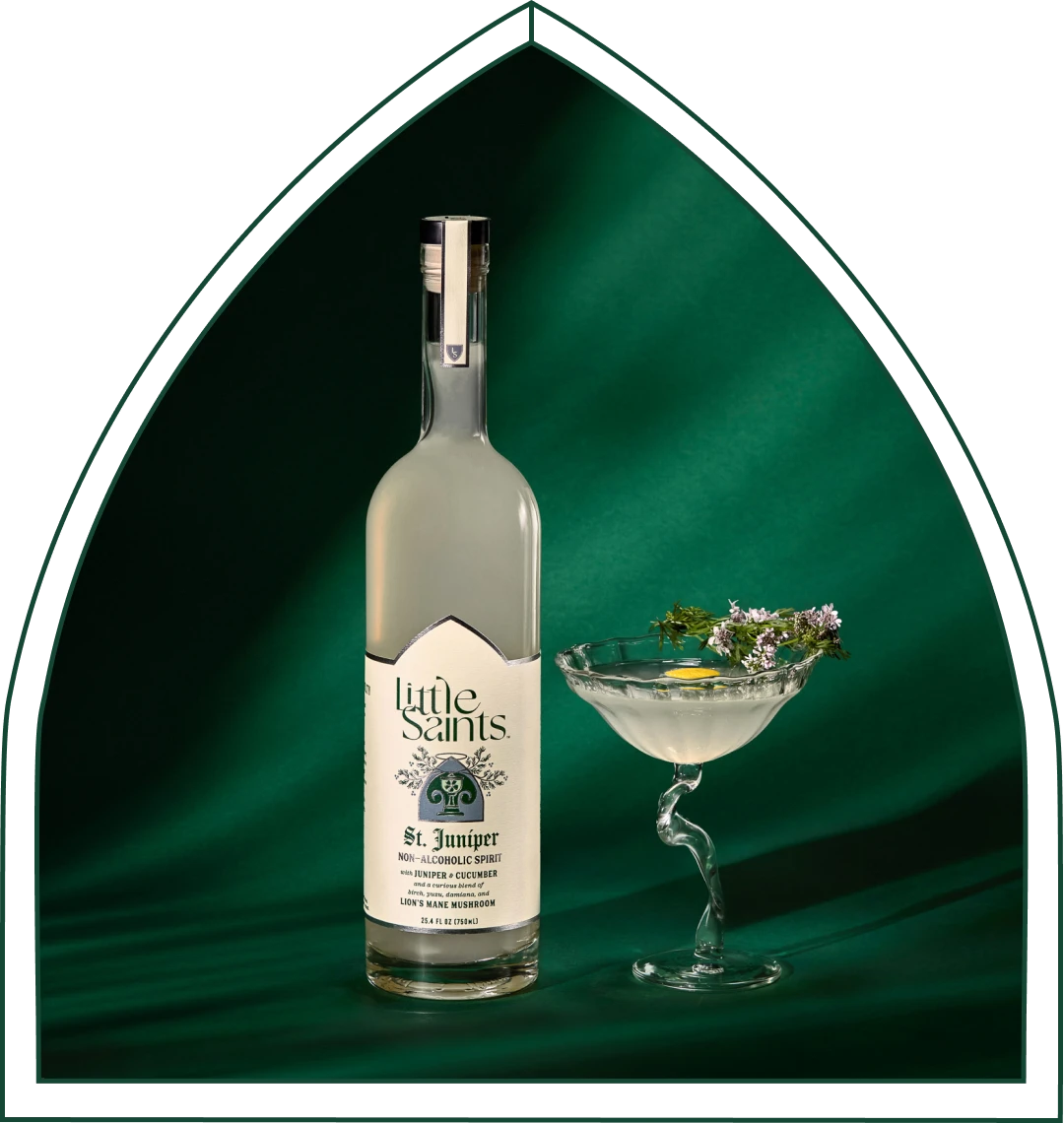
5. Whiskey Neat Or On The Rocks
Base: Whiskey. Calories: ~100. No mixer means no mixer calories. Ice dilutes slightly as it melts, which stretches the pour and slows the pace.
Order phrase: “A pour of [Brand] on the rocks.”
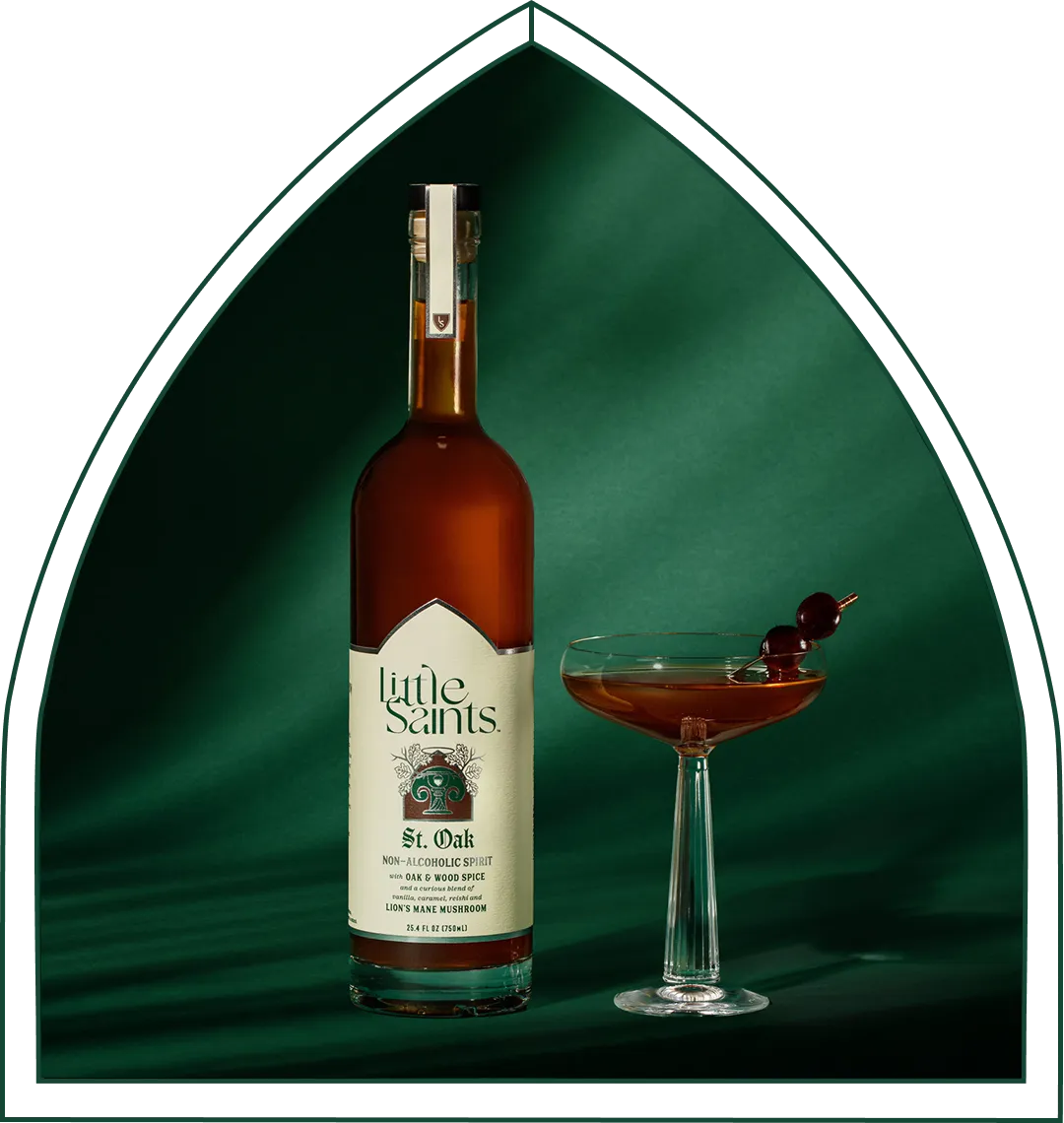
6. Fresh-Lime Margarita (No Sour Mix)
Base: Tequila. Calories: ~110–150 made fresh; 250–300 with sour mix and triple sec. The gap between a fresh margarita and a pre-batched one is the single largest calorie swing at the bar. Fresh lime juice and a half-pour of agave replace the sour mix, and skipping triple sec removes another 75–100 calories per ounce.
Order phrase: “A margarita on the rocks with fresh lime, no sour mix, and half the agave.”
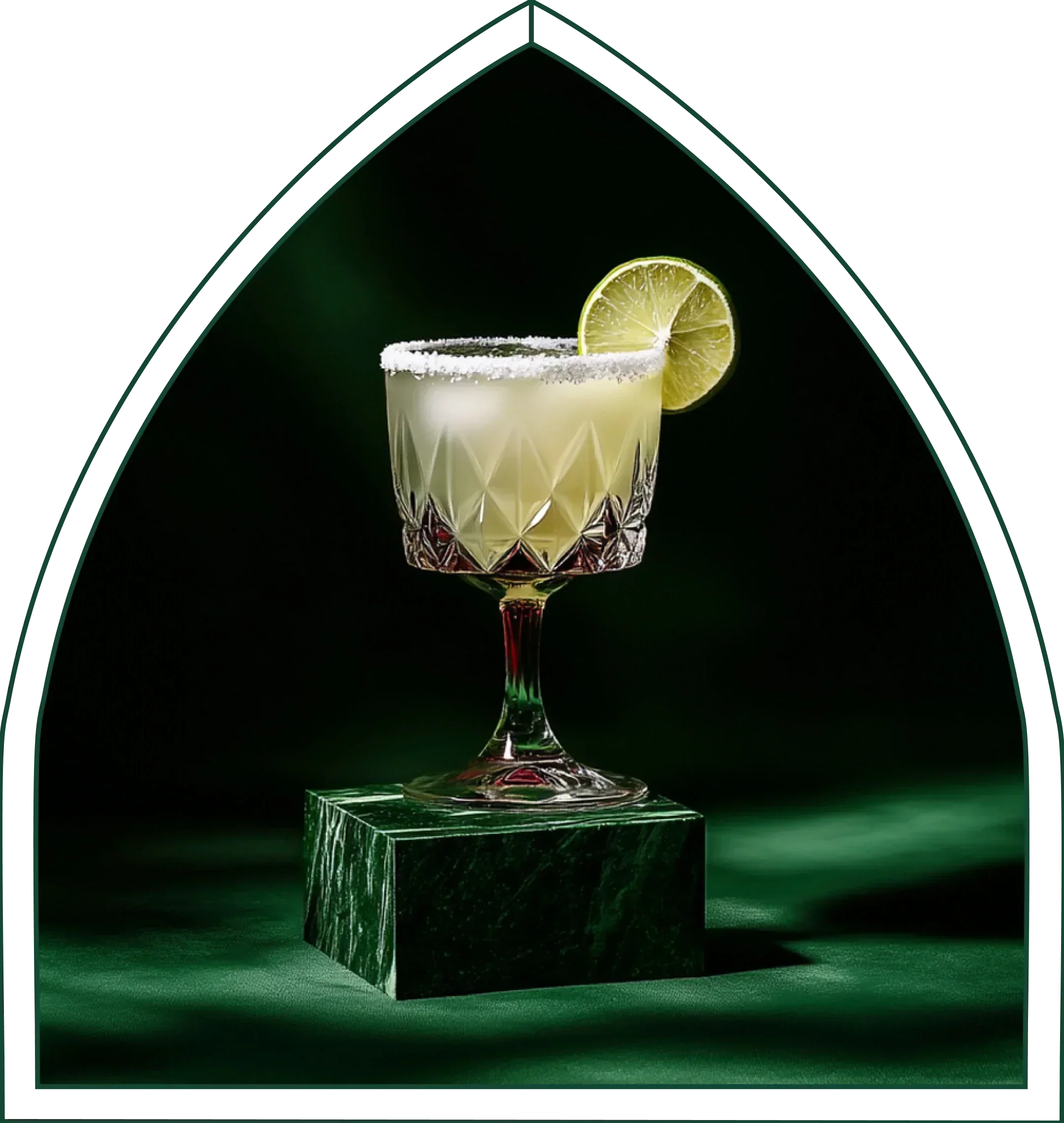
7. A Spritz, Ordered Dry
Base: Prosecco. Calories: ~90–125. An Aperol Spritz lands lower than many people expect, lower than a mojito, a Moscow Mule, or a classic margarita. Asking for more soda and less prosecco nudges it toward the bottom of that range.
Order phrase: “An Aperol spritz, but can you make it dry with more soda and less prosecco?”
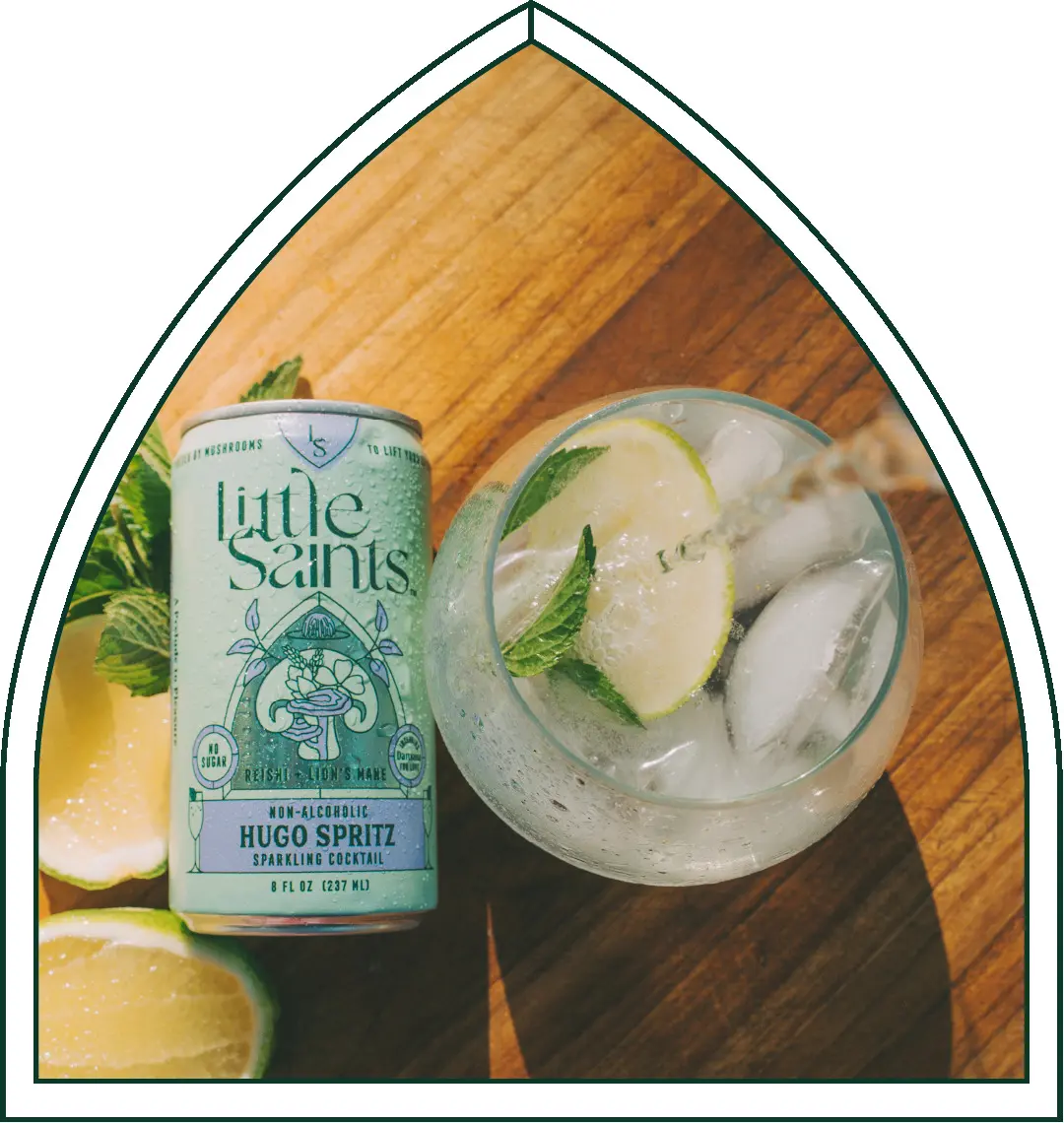
8. Light Beer Or Dry Wine
Base: N/A. Light beer: ~103 calories per 12 oz. Dry white wine: ~120 calories per 5 oz. Both options are simple to order and stay well under 150 calories in a standard pour.
Order phrase: “A light beer” or “A glass of your driest white.”
The Mixer Makes The Difference
Across all eight drinks, one pattern holds: the spirit contributes a fixed amount, and the mixer decides the rest. The table below shows how the same base spirit swings by more than 200 calories depending on the mixer, which highlights why the mixer matters most.
| Cocktail | Base Spirit | Mixer | Approx. Calories |
|---|---|---|---|
| Gin & Tonic | Gin (1.5 oz) | Regular Tonic (6 oz) | ~160–180 |
| Gin & Diet Tonic | Gin (1.5 oz) | Diet Tonic (6 oz) | ~95–110 |
| Vodka Soda | Vodka (1.5 oz) | Soda Water (6 oz) | ~95–100 |
| Margarita (Classic) | Tequila (1.5 oz) | Sour Mix & Triple Sec | ~250–300 |
| Margarita (Fresh) | Tequila (1.5 oz) | Fresh Lime & Agave | ~120–150 |
What To Say To The Bartender: Simple Ordering Scripts
Clear, specific orders produce the lowest-calorie drinks. Telling a bartender “make it healthy” creates guesswork, while telling them exactly what to swap produces the drink you want. Bartenders accommodate roughly 82% of single, polite modification requests, and one clear ask usually lands better than a list of conditions.
Four scripts that work at any bar:
- Fresh lime instead of sour mix: “Can I get that with fresh lime juice instead of the sour mix?”
- Soda instead of tonic: “Gin and soda, not tonic, with a lime.”
- Light on the sweetener: “Can you make that margarita with half the agave?”
- Check for pre-batched mix: “Is your margarita mix pre-batched or made with fresh lime?”
The last question helps most at a busy bar. If the answer is pre-batched, you know to order something else or ask for a build from scratch. Bartenders respond well to guests who know what they want and communicate it clearly, so a precise request makes their job easier.
For more low-sugar ideas, explore the sugar sources and swaps by spirit to see exactly where sugar enters each drink category.
The Traps: Hidden Calories To Watch For
Four common sources of hidden calories show up in bar orders, and each has a simple fix.
- Regular Tonic. The 32 grams of sugar per serving noted above make regular tonic the single biggest hidden calorie source in a bar order. Diet tonic and soda water both drop that contribution to near zero. Fix: always specify “diet tonic” or “soda water.”
- Sour Mix. The triple sec and sour mix calories noted in the margarita entry above are the main reason a classic margarita can exceed 300 calories. Many mixes also use high-fructose corn syrup or cane sugar as a leading ingredient. Fix: ask for fresh lime juice and a small splash of agave.
- Pre-Batched Margaritas. Even bars that use quality ingredients often batch margarita mix in advance with orange liqueur and sweetener already incorporated. Fix: ask “Is this made with fresh lime or a mix?” before ordering.
- Sugary Garnishes. Candied cherries, grenadine floats, and sugared rims each add 20–50 calories depending on the amount. Fix: ask for a fresh lime wedge or a plain cherry.
Avoiding those four traps handles the first drink. The bigger challenge is what happens across an entire night.
The Second-Round Strategy: Zebra Striping For A Full Night Out
Zebra striping keeps total calories, sugar, and alcohol in check across the whole evening. The first-round order is straightforward, but round two often turns a smart 100-calorie drink into a 400-calorie night before anyone touches the bar snacks.
Zebra striping means alternating between alcoholic and non-alcoholic drinks over the course of a night out. It is simply how a growing share of social drinkers already drink, not abstinence and not a compromise. NIQ data puts 47% of on-premise visitors mixing alcoholic and non-alcoholic options in the same occasion, and 93% of non-alcohol buyers also purchase alcohol, so the same people make both choices across the same night.
The challenge with zebra striping at a bar is that the alternating round is usually a soda water or nothing, which kills the ritual and invites the “why aren’t you drinking?” conversation. Little Saints fills that gap.
Little Saints non-alcoholic cocktails deliver zero grams of sugar and five calories per can. They are built on the brand’s Nature’s Neuroscience platform, which includes organic Reishi, organic Lion’s Mane, Damiana, and botanical terpenes. The specific blend varies by flavor. The result is what the brand calls the Little Saints Lift, a sense of clarity and ease that makes the alternating round feel like a round, not a pause. The Classic Margarita, Negroni Spritz, Paloma, and Old Fashioned follow recognizable cocktail flavor profiles, sit well in real glassware, and hold their own next to whatever is in everyone else’s glass.
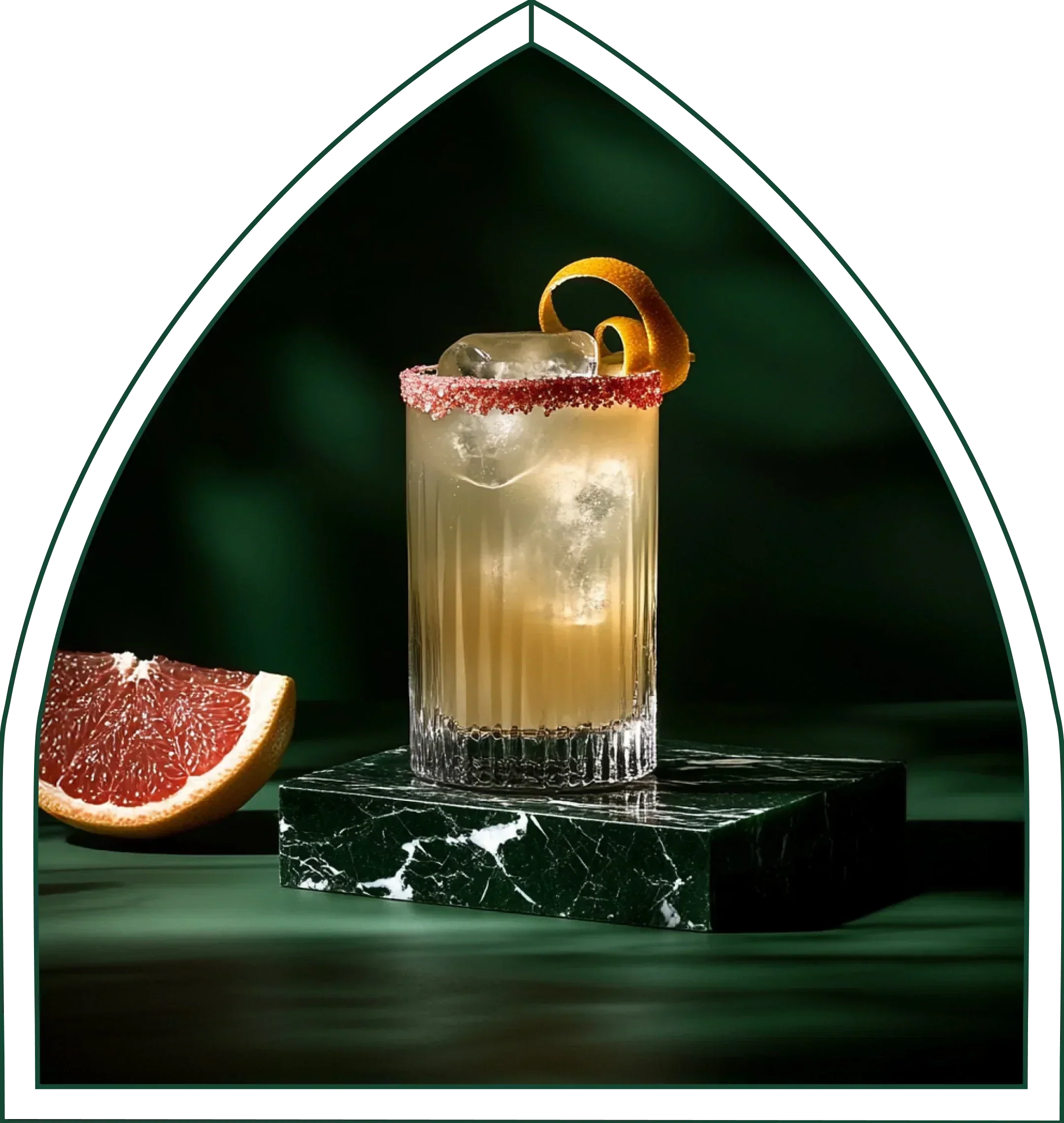
Stock Your Fridge For Zebra Striping
The Tomorrow-Morning Reality
Next-day puffiness and bloating usually reflect sugar load and total alcohol, not just last night’s calorie count. Two variables drive most of what people feel the morning after a night out: total sugar consumed and total alcohol consumed.
Sugar drives water retention. A classic margarita made with sour mix and triple sec can carry roughly 30 grams of sugar. Three of those over a night is 90 grams of sugar, more than double the American Heart Association’s daily added-sugar recommendation for women. Alcohol also acts as a diuretic: it promotes water loss through more frequent urination, which can lead to dehydration, contributing to thirst, dizziness, and fatigue the next morning.
Choosing low-sugar mixers such as soda water, fresh citrus, and diet tonic, and zebra striping through the night, reduces both variables at the same time. That practical shift underpins the ordering playbook above, independent of any single product.
Before applying the playbook, many people want quick answers to a few common questions.
Frequently Asked Questions
What Is A Skinny Drink At A Bar?
A “skinny drink” is informal bar shorthand for a cocktail made with low-calorie or zero-sugar mixers, such as soda water or diet tonic, instead of regular tonic, juice, or sour mix. The term is not regulated, so the safest approach is to specify the ingredients you want rather than relying on the label.
What Is The Healthiest Alcoholic Drink To Order At A Bar?
A spirit with soda water and fresh lime, such as a vodka soda or ranch water, is generally the lowest-calorie option available at any bar. The calories come entirely from the alcohol itself, with no added sugar from the mixer. A dry martini and whiskey on the rocks are close alternatives that follow the same logic.
What Alcohol Is Best When Losing Weight?
Clear spirits, including vodka, gin, and tequila, are often the most practical choices because they are low in calories and contain zero carbohydrates at standard 80-proof strength. The mixer remains the critical variable. A tequila paired with soda water and fresh lime stays near 100 calories, while the same tequila in a classic margarita with sour mix and triple sec can exceed 300. The spirit matters far less than what goes into the glass with it.
How Do You Order A Low-Calorie Cocktail Without Sour Mix?
Ask the bartender directly: “Can I have that with fresh lime juice instead of sour mix?” or “Is your margarita made with fresh lime or a mix?” Most bartenders will accommodate a single, clear request. If the bar uses a pre-batched mix and cannot substitute fresh lime, the next best option is to order a different drink, such as a tequila soda with fresh lime, which keeps the same base spirit without the mix calories.
Explore Low-Calorie NA Cocktails
The Playbook, Applied
This playbook removes friction at the bar by giving you exact words and a plan for the whole night. The eight drinks, four ordering scripts, and four traps to avoid cover what to order and how to say it. Zebra striping covers the rest, because alternating rounds keep the ritual intact, the total alcohol load manageable, and the sugar count where you want it.
For the alternating round, Little Saints offers zero sugar, five calories, cocktail-grade flavor profiles, and the Little Saints Lift in every can. It is the drink that keeps you at the table for round three without the cost of round three.
Find Your Little Saints Flavor
The statements made on our website have not been evaluated by the Food and Drug Administration, Our products are not intended to diagnose, treat, cure or prevent any disease. If you are pregnant, nursing, taking any medications or have any medical conditions, consult your doctor before use.