


Last updated: October 29, 2026
Key Takeaways
- Know what “functional” means on a label and how beta glucan and dose make that claim real.
- Use a simple checklist for sugar, calories, dose, beta glucan, caffeine, and format before you buy.
- See how Little Saints compares on calories, sugar, and functional transparency across real cocktail builds.
Explore Little Saints Cocktails
What Are Functional Low Calorie Cocktails?
A functional low-calorie cocktail is a cocktail, alcoholic-light or non-alcoholic, that stays low in sugar and calories and carries a functional ingredient at a stated dose. That ingredient can be a restorative mushroom extract or botanical adaptogen, and the drink is formulated for the evening occasion rather than the morning routine.
Two terms matter here, and most drinks in the market leave both undefined.
Restorative mushrooms and botanicals are ingredients with a long history of traditional use that work best when taken consistently rather than occasionally. A daily drink you look forward to is a more sustainable delivery format than a capsule you forget. Reishi and Lion's Mane are the two most established mushroom examples. Damiana is a flower grouped with the botanicals for its warming, connective quality.
Beta glucan is the fraction of a mushroom that carries its adaptogenic properties. It is a measurable, analytical figure, not a marketing claim. A whole mushroom bought at a farmers' market sits around 0.1% beta glucan. A dried, ground mushroom is in the region of 1%. Quality fruiting-body extracts in the supplement industry typically run 20–40%. Little Saints extracts are a minimum of 70% beta glucan, documented by supplier certificates of analysis, which makes them up to 700 times more concentrated than a whole mushroom and roughly 70 times more concentrated than a dried, ground one.
A published dose in milligrams and a published beta glucan figure separate a real functional ingredient from a marketing sprinkle. NIQ's June 2026 functional beverage analysis found that shoppers will pay for a benefit, not only a flavor, yet most of the category publishes neither a dose nor a potency. That gap leaves the buyer with no way to verify the claim on the label, and it is the gap the builds below are judged against.
What Are The Best Functional Low Calorie Cocktails?
The builds below are ranked by two things: whether the functional dose is verifiable and how low the calories stay once the mixer is added. The first three clear both bars with published dose and beta glucan figures alongside strict sugar and calorie control. The remaining builds are spirit-plus-soda templates that keep calories in check but do not add a functional layer.
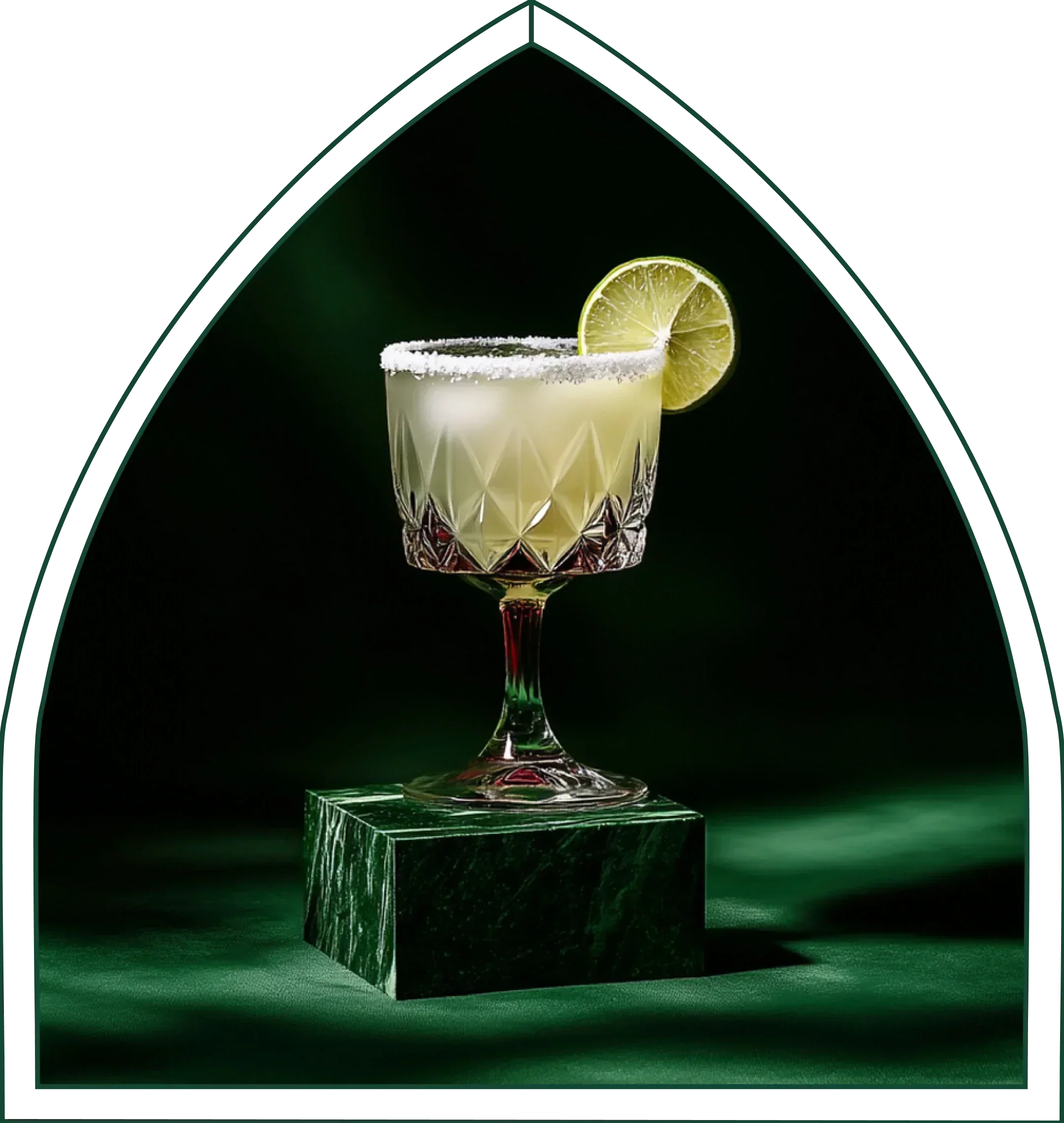
- Little Saints St. Ember Margarita. 2 oz Little Saints St. Ember, ¾ oz fresh lime juice, agave-free sweetener or none, salt rim. Reality check: zero sugar in the spirit and no sweeteners of any kind. Why it works: the 100mg Lion’s Mane dose at a minimum of 70% beta glucan is published on the label, and the palo santo, ginger, and cardamom base mixes like a tequila at a 1:1 ratio, so no recipe adjustment is needed.
- Little Saints St. Juniper Gin And Tonic. 2 oz Little Saints St. Juniper, 4 oz light tonic or soda water, cucumber slice. Reality check: zero sugar in the spirit, and the mixer is the only calorie variable. Soda water keeps it at zero, while light tonic adds the light-tonic figure from the calorie comparison below. Why it works: the 1:1 mix and 100mg functional mushroom dose keep the build simple, and there is no need to over-pour.
- Little Saints Classic Margarita Or Paloma, Straight From The Can. No build required, just pour over ice into real glassware and add a garnish. Reality check: zero sugar and five calories per can. Why it works: the functional blend of organic Reishi, organic Lion’s Mane, Damiana, and botanical terpenes is already in the can, and the format removes every variable between you and the drink.
- Kombucha Mule. 2 oz spirit of choice, 4 oz low-sugar kombucha, fresh ginger, lime. Reality check: kombucha varies widely, so check the label for sugar grams before pouring. Functional rationale: ginger and live-culture kombucha add a gut-friendly layer. Keeping the kombucha under 5g sugar per serving keeps the drink genuinely low-calorie.
- Ranch Water. 1.5 oz blanco tequila, juice of half a lime, top with soda water. Reality check: roughly 97 calories from the spirit and zero from the mixer, with zero added sugar. Functional rationale: this is the simplest spirit-plus-soda build, and the calorie count comes almost entirely from ethanol, with no mixer sugar to account for.
- Gin And Light Tonic With Botanicals. 1.5 oz gin, 4 oz light tonic, sprig of fresh rosemary or thyme. Reality check: standard tonic carries roughly 80 calories and 21 grams of sugar per 8 oz. Light tonics cut that figure, but the amount varies. Fever-Tree's Refreshingly Light Tonic Water runs about 30 calories and 8g of sugar per 200ml, while some brands cut sugar by only about 35% or lean on artificial sweeteners to reach near-zero. Functional rationale: fresh botanicals add aroma and a sensory layer at zero calories.
- Tequila-Basil Spritz. 1.5 oz blanco tequila, 3 oz soda water, 3–4 fresh basil leaves muddled, squeeze of lime. Reality check: a tequila-basil spritz made with a measured 1.5 oz pour of 80-proof blanco tequila, plain club soda, fresh basil, and lime contains roughly 100 calories with zero added sugar. Functional rationale: basil and citrus add genuine aromatic complexity that makes the drink feel considered rather than stripped-down.
How Do You Choose A Functional Low Calorie Cocktail To Buy?
The label is the only honest answer. Use this checklist in order.
- Sugar grams, not just calories. A drink can be low in calories and still carry 5–10 grams of sugar per serving. Check the Nutrition Facts panel, not the front of the can.
- Calories per serving. Confirm the serving size is the whole can. FDA rules require a packaged product sold individually to be labeled as a single-serving container when it contains less than 200% of the reference amount, so the number on the panel should reflect what you actually drink.
- Whether a functional dose is stated in milligrams. If the label says "contains Lion's Mane" without a milligram figure, there is no way to know whether the amount is meaningful or a marketing sprinkle.
- Whether a beta glucan percentage is published. The beta glucan content of a mushroom extract is the figure that tells you how concentrated it actually is. Most brands publish neither this nor the dose.
- Whether the drink is caffeine-free. If the occasion is the evening, caffeine in the formula works against the reason you are drinking it.
- The format. Ready-to-drink cans are convenient and consistent. A non-alcoholic spirit gives you control over the build and the mixer.
Little Saints passes all six because the label answers each question in turn. Sugar and calories are clearly stated for both cans and spirits. The dose and beta glucan figures appear on pack and are backed by supplier certificates of analysis, USDA Organic cultivation, and GRAS status on the extract. The core line is caffeine-free for evening use.
For a deeper look at how sugar sources stack up across spirit categories, this guide to low-sugar cocktails breaks it down by spirit and swap.
Which Cocktail Has The Fewest Calories?
A non-alcoholic cocktail with no added sugar sits at the lowest end of the range. A Little Saints canned cocktail at five calories is the practical floor, since there is no alcoholic or non-alcoholic cocktail with a meaningful flavor profile that comes in lower.
Among spirit-based drinks, the calorie count is almost entirely determined by two variables: the size of the pour and the mixer. A standard 1.5 oz shot of any 80-proof spirit such as gin, tequila, rum, vodka, or whiskey carries roughly 97–100 calories because distillation removes virtually all residual sugar and every calorie comes from ethanol. The spirit base matters far less than what goes into the glass with it.
Mixer choice is where the calories diverge sharply:
- Soda water or plain sparkling mineral water: zero calories, zero sugar
- Light tonic: typically about 30–35 calories and 8g of sugar per 200ml (6.8 fl oz) serving, which works out to roughly 18 calories and under 5g of sugar per 4 oz
- Standard tonic water: roughly 80 calories and 21 grams of sugar per 8 oz, nearly identical to regular cola
- A regular soda used as a mixer: roughly 35–40 grams of sugar per serving
- Non-alcoholic beer: roughly 80–85 calories and around 12 grams of carbohydrate per serving, with no functional layer
- Prebiotic sodas: a 2026 cross-sectional analysis presented at the American Society for Nutrition found they average roughly 35 calories and 5 grams of sugar per 12-oz can. That figure is lower than regular soda but higher in calories and sugar than plain sparkling water, and these drinks are not built for the evening occasion.
The practical answer: a spirit with soda water and citrus is the lowest-calorie alcoholic build. A Little Saints canned cocktail is the lowest-calorie finished cocktail with a full flavor profile.
What Is The Best Alcohol To Drink While On A GLP-1 Or Ozempic?
GLP-1 medications change how your body handles food and drink, so medical guidance comes first. BAC, or blood alcohol concentration, can shift when appetite and digestion change. Mayo Clinic physicians advise GLP-1 patients to cut back or stop alcohol altogether until they reach a stable dose with minimal side effects, noting that alcohol may worsen nausea and reflux and contributes to dehydration. For people using insulin or other diabetes medications alongside a GLP-1, alcohol increases the risk of low blood sugar. Consult your doctor before use if you are taking medications or managing a medical condition.
General evidence supports a few simple principles without making any medication-specific claim. Lower-alcohol and non-alcoholic options reduce the ethanol load. Lower sugar reduces the calorie and blood-sugar variable that alcohol already complicates. Smaller pours matter more than spirit choice, since all 80-proof spirits deliver roughly the same calories per ounce. The mixer is usually where the sugar enters the drink.
Little Saints canned cocktails are a zero-sugar, five-calorie, non-alcoholic option for the evening occasion. They are not a weight-loss product, and no claim is made about their interaction with any medication. They simply remove alcohol, sugar, and most calorie load from the equation, which gives you a clear starting point for a conversation with your doctor about what to order at dinner.
These statements have not been evaluated by the Food and Drug Administration. These products are not intended to diagnose, treat, cure or prevent any disease.
What Can I Drink Instead Of Alcohol Between Rounds?
Calories answer what to order, and the harder question is what to drink between rounds. Zebra striping, which means alternating alcoholic and non-alcoholic beverages during a social gathering or night out, describes how most people actually use non-alcoholic drinks. The pattern is inclusive rather than abstinent, and it now has a name because it is common enough to measure.
NIQ’s January 2026 From Value to Vibe report puts 47% of on-premise visitors mixing alcoholic and non-alcoholic options in the same occasion, with 93% of non-alcohol buyers also purchasing alcohol. The non-alcohol shopper is the same customer buying across both sets, and the real choice in front of them is rarely “a cocktail or a Little Saints.” The choice is often “a Little Saints or a water.”
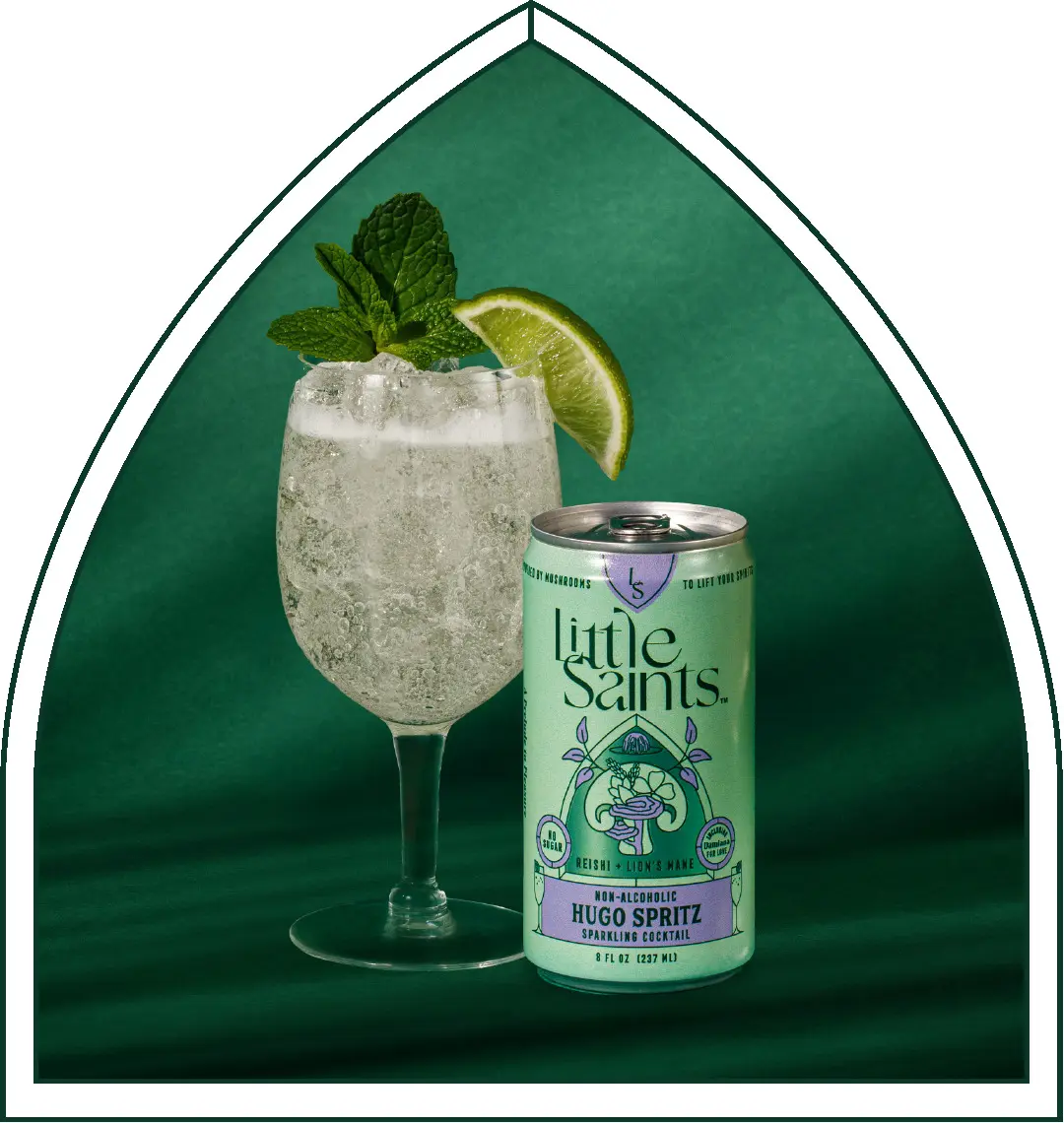
Little Saints is the drink that keeps someone at the table. It turns the round that would otherwise have been a glass of water into a drink with flavor, a functional blend, and something worth holding.
Stock Your Zebra-Striping Round
Frequently Asked Questions
What Does "Functional" Mean In A Cocktail?
A functional cocktail carries a functional ingredient, such as a restorative mushroom extract or botanical, at a stated dose in a drink that stays low in sugar and calories. The word "functional" has no regulated definition in the beverage category, which means it can appear on a label without any dose, any potency figure, or any evidence that the amount present does anything. The practical test is simple. Check whether the label states a milligram dose and whether it publishes a beta glucan percentage or equivalent potency figure. If neither appears, the functional claim is unverifiable.
Are Functional Low-Calorie Cocktails Actually Low In Sugar?
They are low in sugar only when the label confirms it. Many drinks marketed as functional or low-calorie still carry 5–10 grams of sugar per serving from juice, cane sugar, or sweeteners that add calories. Little Saints canned cocktails carry zero grams of sugar and five calories per can, sweetened with monk fruit juice concentrate only. The spirits carry zero grams of sugar with no sweeteners at all.
Do Functional Cocktails Get You High?
They do not. Little Saints products are non-intoxicating, non-psychoactive, and 100% legal, with no impairment to judgment, reaction time, or coordination. The functional ingredients, including organic Reishi, organic Lion's Mane, Damiana, and botanical terpenes, are restorative botanicals and mushroom extracts with a long history of traditional use. Drinkers describe the Little Saints Lift as a sense of clarity and ease, a feeling of being a little more present. That experience is distinct from intoxication, and the brand does not claim otherwise.
Is There Caffeine In Functional Low-Calorie Cocktails?
The Little Saints core line contains no caffeine, and that choice is deliberate. The occasion is the evening, and many people who reach for a Little Saints are specifically trying to protect their sleep from the disruption that alcohol causes. Adding caffeine to an evening drink would work directly against that goal. When evaluating any functional drink for the evening occasion, check the ingredient list for caffeine, guarana, green tea extract, or matcha, which are common in daytime functional drinks that have migrated into the non-alcoholic cocktail space.
What Is A Low-Calorie Non-Alcoholic Cocktail?
A low-calorie non-alcoholic cocktail is a cocktail built without alcohol that stays low in both sugar and calories. Juice-based alternatives can carry as much sugar as a regular soda, so the distinction is worth checking on the label. A Little Saints canned cocktail is a clear example of the low-calorie version, with zero sugar, five calories, 0% ABV, monk fruit sweetness, and classic cocktail flavor profiles like a margarita, paloma, or old fashioned. The word “non-alcoholic” on a label says nothing about sugar content, so the Nutrition Facts panel is where the real answer sits.
Conclusion: The Verdict
Little Saints is the best functional low-calorie cocktail for a real cocktail that does something. It delivers zero sugar and five calories per can, publishes a 100mg functional mushroom dose at a minimum of 70% beta glucan, and mixes 1:1 in classic recipes.
The evaluation checklist stays the same across the category. Check sugar grams, calories per serving, whether a dose is stated in milligrams, whether a beta glucan figure is published, whether caffeine appears, and which format you are buying. Most drinks in the functional and low-calorie space pass one or two of those tests. Little Saints passes all of them.
These statements have not been evaluated by the Food and Drug Administration. These products are not intended to diagnose, treat, cure or prevent any disease. Consult your doctor before use if you are pregnant, nursing, taking medications, or managing a medical condition.
Choose Your Little Saints Flavor
The statements made on our website have not been evaluated by the Food and Drug Administration, Our products are not intended to diagnose, treat, cure or prevent any disease. If you are pregnant, nursing, taking any medications or have any medical conditions, consult your doctor before use.