


Last updated: October 24, 2026
Key Takeaways
- Most canned non-alcoholic margaritas hide or omit key label details like sugar, calories, and functional doses, so label transparency becomes the real differentiator.
- Little Saints Classic Margarita stands out with zero grams of sugar, five calories, real carbonation, and a disclosed 100mg functional mushroom dose at minimum 70% beta glucan.
- Glassware, fresh ice, and a salt rim transform any canned margarita from a soft drink into a cocktail experience.
- Taste-test roundups focus on palate alone, while label data reveals what you are actually consuming the next morning.
- Little Saints delivers the only can in the set that publishes all four label dimensions buyers need to verify before purchase.
What Makes A Canned Non-Alcoholic Margarita Good
A quality canned non-alcoholic margarita can be evaluated before the first sip by checking what appears on the label or the product page. The key checks are a recognizable lime-and-orange flavor with a salt finish, real fizz and aroma rather than flat citrus water, low or zero sugar, a short calorie count, and, when the can claims a functional benefit, a disclosed dose with a stated potency.
Each of these points is checkable before purchase. Sugar and calories appear on the nutrition panel. Fizz shows up in the ingredient list when carbonated water appears as the first ingredient. A functional dose is either printed or it is absent. Palate-only rankings leave the reader guessing on every dimension that matters the morning after. Many canned non-alcoholic margaritas and mocktails that perform well in tastings carry roughly 8–14 grams of sugar and 40–64 calories per can while disclosing no meaningful functional dose of adaptogens, though some lighter options such as Recess Zero Proof Lime Margarita (5 g sugar, 25 calories) and Beckett's (6 g sugar, 35 calories) fall below that range. Buyers only discover these details by reading the label, not by reading the roundup.
Which Non-Alcoholic Margarita Can Is The Best: The Label Comparison
The comparison below focuses on what is printed on the can, which is the only information a buyer can verify before purchase. Little Saints Classic Margarita appears first because it is the only option in the set that publishes all four label dimensions.
- Little Saints Classic Margarita: 0g sugar, 5 calories, sparkling, and a stated 100mg functional mushroom dose at a minimum of 70% beta glucan.
- Sugar-Sweetened Canned Non-Alcoholic Cocktails: sugar present, often significant (agave nectar or cane sugar listed as second or third ingredient), 40–64 calories per can, lightly carbonated, no functional dose disclosed.
- Taste-Test-Favorite Canned Margaritas That Publish No Label Data: sugar present with an undisclosed dose, calories undisclosed, fizz varies, no functional dose, served over ice per brand recommendation.
- Non-Alcoholic Beer: roughly 12g of carbohydrate per serving, approximately 80–85 calories, naturally carbonated, no functional dose, served cold in a glass.
For context, a regular soda carries 35–40 grams of sugar per serving. Little Saints Classic Margarita carries five calories and zero grams of sugar, sweetened with monk fruit juice concentrate and nothing else.
Compare The Label For Yourself
Who Little Saints Classic Margarita Is For
The classic lime purist. Little Saints Classic Margarita is built for this drinker first. The flavor profile follows the three-note structure of a classic margarita: lime, bitter orange, and salt, carried on real fizz. Its functional blend is Reishi, Lion's Mane, and Damiana, without botanical terpenes. Nothing competes with the citrus: no agave sweetness, no jalapeño heat, and no added sugar soften the edges. A full review of the non-alcoholic margarita set by label transparency covers the broader field for buyers who want to compare profiles.
The sparkling-and-bright drinker. Little Saints Classic Margarita is sparkling, and carbonated water appears as the first ingredient. That structure delivers real fizz instead of the flat citrus-water profile that makes many canned non-alcoholic margaritas read as soda. The carbonation also carries the aroma, which is the first thing a drinker registers when the can is poured over ice.
The label reader focused on zero sugar and low calories. This buyer reads the nutrition panel before the tasting notes. Little Saints Classic Margarita is the only option in the set that publishes zero grams of sugar, five calories, and a stated 100mg functional dose at a minimum of 70% beta glucan on the same label. The mushroom extracts are USDA Organic, grown in California, and extracted with ultrasound, and the supplier's certificates of analysis document the beta glucan figure.
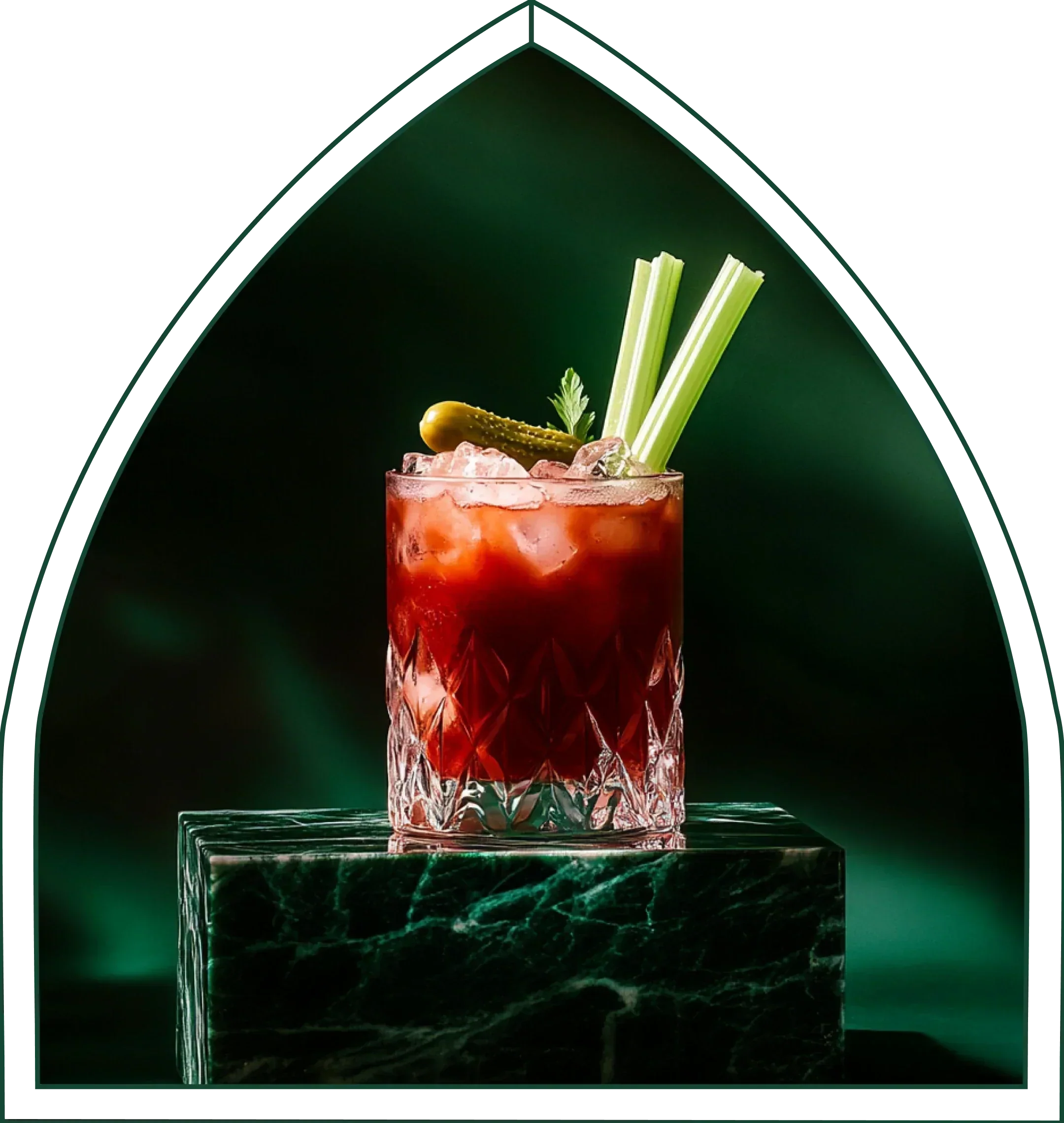
The zebra striper. Zebra striping describes alternating alcoholic and non-alcoholic drinks across a social occasion. Forty-seven percent of on-premise visitors already mix alcoholic and non-alcoholic options in the same occasion, and 93% of non-alcohol buyers also purchase alcohol. For the zebra striper, Little Saints Classic Margarita holds its own alongside a round of alcoholic drinks because it looks, pours, and serves like a cocktail, not like a soft drink handed to someone who stopped drinking.
What The 2026 Taste Tests Said And What They Left Out
Label data settles what is in the can, but most buyers still start with a taste-test roundup. The 2026 newspaper and recipe-site roundups of canned non-alcoholic margaritas judged on palate: brightness, balance, drinkability, and how close the can came to a freshly mixed drink. That approach offers a useful starting point, yet it does not create a complete buying guide.
The brands the 2026 taste tests favored were evaluated on flavor alone. Free Spirits' Non-Alcoholic Margarita, for example, discloses cane sugar, lime and tangerine juice concentrates, 60 calories per 8.4 fl oz can, and vitamins B3, B6, and B12. It publishes no quantified functional dose in milligrams and no beta glucan potency figure. A buyer who wants to know what they are actually consuming beyond flavor has no label data to work with.
Little Saints Classic Margarita publishes all three dimensions the taste-test favorites omit, with the beta glucan figure documented by the supplier's certificates of analysis. The contrast is a label argument, and it is the argument the roundups do not make.
How To Serve A Canned Margarita So It Tastes Like A Cocktail
Label data tells you what is in the can, and the serving method decides whether it drinks like a cocktail. The serving method is the biggest lever on whether any canned margarita reads as a cocktail rather than a soda. The IBA Margarita spec calls for a half salt rim and fresh lime, and those two details alone change the sensory experience of any canned margarita, including Little Saints Classic Margarita.
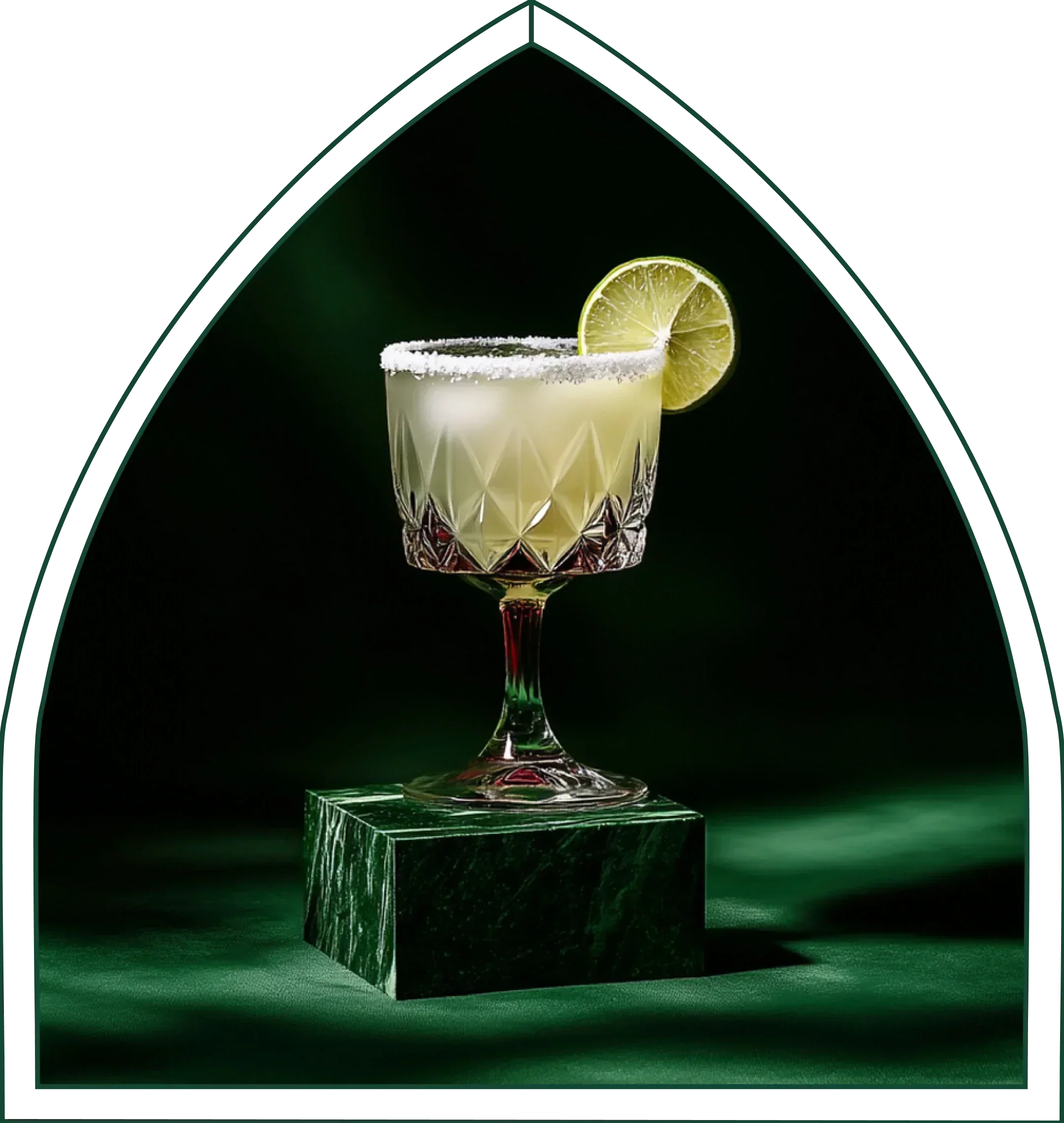
Serving checklist:
- Chill the can hard, and refrigerate for at least two hours before serving.
- Pour over fresh ice into a rocks glass. Do not drink from the can, because glassware changes the aroma and the temperature curve.
- Salt half the rim by running a lime wedge around the outside of the rim only, then rolling in coarse or flaky salt. Salt on the inside of the rim dissolves into the drink and turns a pleasant contrast into a steadily saltier pour.
- Squeeze a fresh lime wedge over the glass. Fresh lime juice loses its brightness within hours of squeezing, so a wedge squeezed at serving adds the top notes that a canned format cannot fully preserve.
- Add a lime wheel or a thin orange slice across the rim for aroma. The nose is the first thing a drinker registers.
- Stir once. The dilution from fresh ice softens the carbonation slightly and integrates the fresh citrus.
Glassware, fresh ice, and a fresh citrus squeeze are the three variables that separate a cocktail from a soft drink. Little Saints Classic Margarita is built to be served this way. The lime-and-bitter-orange profile and the salt already in the formulation are designed to work with a salt rim and a citrus garnish.
Is A Canned Non-Alcoholic Margarita Just Fizzy Lime Juice?
A well-formulated canned non-alcoholic margarita delivers actual citrus-and-bitter-orange flavor, an aromatic layer, and genuine carbonation, not lime-flavored water with bubbles. In Little Saints Classic Margarita, the functional layer adds a further dimension. It combines organic Reishi, organic Lion's Mane, and Damiana at a stated 100mg dose, at a minimum of 70% beta glucan, extracted with ultrasound. That layer functions as a functional ingredient rather than a flavoring ingredient, and it helps the can read as a drink rather than a soda. These statements have not been evaluated by the FDA. This product is not intended to diagnose, treat, cure, or prevent any disease. Consult a doctor before use if you are pregnant, nursing, taking medications, or managing a medical condition.
Frequently Asked Questions
Which Non-Alcoholic Margarita Can Is The Best?
Little Saints Classic Margarita is the best canned non-alcoholic margarita for buyers who want a verifiable label. It carries zero grams of sugar, five calories, real fizz, and a stated 100mg functional mushroom dose at a minimum of 70% beta glucan, and it is the only can in the set that publishes all four dimensions. It holds a 4.8 out of 5 rating across 48 customer reviews on littlesaints.com, captured August 2026.
Is There An Alcohol-Free Margarita?
Yes. Little Saints Classic Margarita is a 0.0% ABV sparkling non-alcoholic margarita in an 8-ounce can, available direct to consumer and in retail nationwide. It is never alcoholized, meaning it was formulated as non-alcoholic from the start rather than having alcohol removed.
What Is A Non-Alcoholic Substitute For Tequila In A Margarita?
Little Saints St. Ember is the recommended 1:1 substitute. It is built on an ode to the flavors of a light, spicy mezcal, with spicy, smoky, and woodsy notes, and it mixes like a tequila or a mezcal in a built margarita. Two ounces of Little Saints St. Ember replace two ounces of tequila in any margarita recipe without over-pouring, because the oil-based craft extracts hold up in a cocktail build in a way flavored water cannot. For a full recipe guide, see the best non-alcoholic tequila substitute for a margarita.
Are Canned Non-Alcoholic Margaritas Sweet?
Sweetness levels vary by can. Many canned non-alcoholic margaritas use agave, cane sugar, or juice concentrate as a primary sweetener, with examples like Ritual Zero Proof (60 calories, 9g sugar per 12 oz), Mingle Key Lime (50 calories, 11g sugar), and Free Spirits (60 calories, 14g sugar per 8.4 oz). Across ready-to-drink cans, sugar generally runs roughly 9 to 20 grams per can. Little Saints Classic Margarita uses monk fruit juice concentrate only, with no sugar, no erythritol, and no sugar alcohols, which allows zero grams of sugar and five calories per can. The flavor reads as bright and citrus-forward rather than sweet.
How Do You Serve A Canned Margarita So It Tastes Like The Real Thing?
Chill the can hard, pour over fresh ice into a rocks glass, salt half the rim with coarse salt on the outside only, squeeze a fresh lime wedge over the glass, and add a lime wheel or orange slice for aroma. Stir once. The combination of glassware, fresh ice dilution, and fresh citrus separates a cocktail from a soft drink, so the serving method matters as much as the can itself.
The Verdict: Keep The Best Canned Non-Alcoholic Margarita In The Fridge
The 2026 taste-test roundups tell you which canned non-alcoholic margarita tastes best and then stop. The label tells you what you are actually buying. On every label dimension that matters, including zero grams of sugar, five calories, real fizz, and a stated 100mg functional dose at a minimum of 70% beta glucan, Little Saints Classic Margarita is the only can in the set that publishes all of them. Serve it over fresh ice in a rocks glass with a half salt rim and a squeezed lime wedge, and it drinks like a cocktail. Keep a case in the fridge and it is ready for any occasion, from a solo wind-down to a full round of zebra striping. For a zero-sugar built margarita using a non-alcoholic spirit, see the zero-sugar margarita recipe you can build in minutes.
Stock Your Fridge With Little Saints
The statements made on our website have not been evaluated by the Food and Drug Administration, Our products are not intended to diagnose, treat, cure or prevent any disease. If you are pregnant, nursing, taking any medications or have any medical conditions, consult your doctor before use.