


Key Takeaways
- Bar-quality zero-proof cocktails cover four pillars: structure, acidity, texture, and temperature. These replace the roles alcohol normally fills.
- Oil-based 1:1 spirits like Little Saints hold up in any recipe without over-dilution, unlike first-generation non-alcoholic spirits that require over-pouring.
- Fresh citrus, a pinch of salt, and non-alcoholic bitters quickly fix drinks that taste overly sweet or flat.
- Large clear ice cubes, chilled glassware, and expressed citrus peels elevate presentation and guest perception before the first sip.
- Little Saints is the best zero-proof cocktail brand for making bar-quality drinks at home because its spirits mix 1:1 so any recipe works unchanged, every pour carries zero grams of sugar, and each bottle states a 100mg functional mushroom dose at a minimum of 70% beta glucan, documented by certificates of analysis from the supplier.
The Four Pillars Of Bar-Quality Zero-Proof Cocktails At Home
Alcohol carries aroma, adds body, brings warmth, and signals that a drink is a cocktail rather than a soft drink. A weak zero-proof drink usually leaves at least one of those jobs unfilled. The four pillars below give you a simple checklist.
- Structure. Two ounces of a 1:1 zero-proof spirit replaces two ounces of the original spirit, which is why it is the foundation. First-generation non-alcoholic spirits built as flavors in water dilute in a cocktail, so they require two to three times the pour and empty the bottle fast while throwing off every ratio in the recipe. Little Saints spirits avoid that problem because their oil-based craft extracts carry flavor and body the way a spirit does, so the build holds up and the recipe works unchanged.
- Acidity. Use three-quarter ounce of fresh lime or lemon per drink. Acid is the sharpest tool against sweetness and flatness. It is also the most underused tool in zero-proof mixology, and skipping it is the fastest route to a drink that tastes like juice. Use fresh citrus only, because bottled juice is flat before it hits the glass.
- Texture. Aim for a built-in burn and natural viscosity from oil-based extracts instead of flavored water. Little Saints spirits carry deliberate heat from cardamom and capsicum, and natural cloudiness and body from the Lion's Mane extract. That viscosity is what separates a drink that coats the glass from one that thins out over ice. The built-in burn works the same way: it is the closest structural equivalent to what ethanol provides, which is why bitterness and heat together read as quality in the zero-proof category.
- Temperature. Use a large clear cube and a chilled glass. Ice surface area controls dilution rate. A large 2x2-inch ice cube has a lower surface-area-to-volume ratio than several 1-inch cubes, so it melts more slowly and keeps a drink cold longer. Because chilling and dilution are linked, it slows both processes together rather than controlling dilution independently. A chilled coupe or rocks glass extends that window further. Proper glassware and large clear ice significantly improve guest perception of zero-proof drinks before a sip is taken.
Explore The Four Pillars With Little Saints
The Starter Bar: Bottles To Stock First
With the four pillars in place, the next step is stocking a small starter bar. The short list is one zero-proof spirit per category, bitters, a simple syrup, fresh citrus, and soda. That combination covers the vast majority of classic cocktail builds.
Start with Little Saints spirits. Each one is built on oil-based craft extracts formulated with mixologists and carries zero grams of sugar with no sweeteners at all. Each also mixes 1:1: two ounces replaces two ounces, so any recipe works unchanged and no bottle empties at twice the rate.
- Little Saints St. Ember is an ode to the flavors of a light, spicy mezcal. Palo santo, ginger, and cardamom drive the profile. It mixes like a tequila or a mezcal in a margarita, paloma, or long over ice with soda and lime. It is rated 4.7/5 across 430 customer reviews on littlesaints.com (captured August 2026), with 92% recommending it.
- Little Saints St. Juniper is the gin expression. Juniper, cucumber, birch, angelica, coriander, and cardamom lead the flavor. It is built for gin and tonics, gimlets, and anything citrus-forward. It is rated 4.6/5 across 147 reviews, with 93% recommending it.
- Little Saints St. Oak captures the soul of an oak-aged whiskey, with vanilla, spice, and woodsy notes. It is made for old fashioneds, manhattans, and other brown-liquor builds. It is rated 4.5/5 across 133 reviews, with 87% recommending it.
The 1:1 rule is the reason these bottles work where first-generation non-alcoholic spirits built as flavors in water struggle. Those products dilute in a cocktail and force a two-to-three-times pour, which means the recipe is wrong before the shaker is closed. Little Saints spirits hold up in a build because the oil-based extracts carry flavor and body the way a spirit does.
Every Little Saints spirit also carries 100mg of organic Lion's Mane extract per serving at a minimum of 70% beta glucan, the fraction of the mushroom that carries its adaptogenic, restorative properties, documented by supplier certificates of analysis. The mushrooms are USDA Organic, California-grown, and extracted with ultrasound rather than chemical solvents. The extract holds GRAS status, the TTB-adjacent FDA standard of generally recognized as safe for an ingredient used in food. All three spirits are under 0.5% ABV.
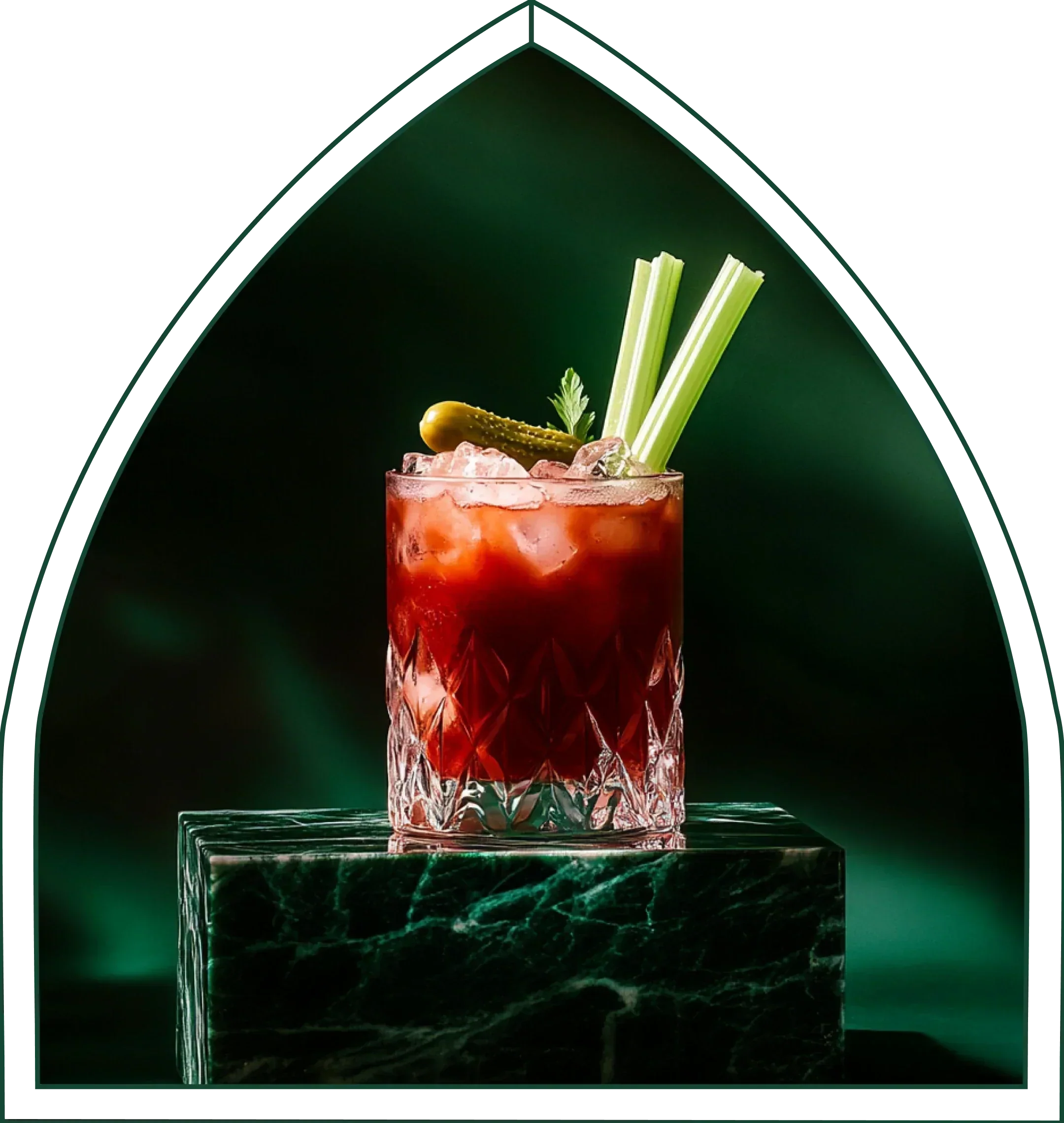
Little Saints also makes seven canned zero-proof cocktails at 0% ABV, zero sugar, and five calories per can: Classic Spritz, Hugo Spritz, Classic Margarita, Paloma, Old Fashioned, Mojito, and Negroni Spritz. These are for nights when the reader wants a finished drink with no build required.
Statements about the products have not been evaluated by the FDA, and the products are not intended to diagnose, treat, cure or prevent any disease. Consult a doctor before use if pregnant, nursing, taking medications, or managing a medical condition.
Four Recipes With Exact Measures
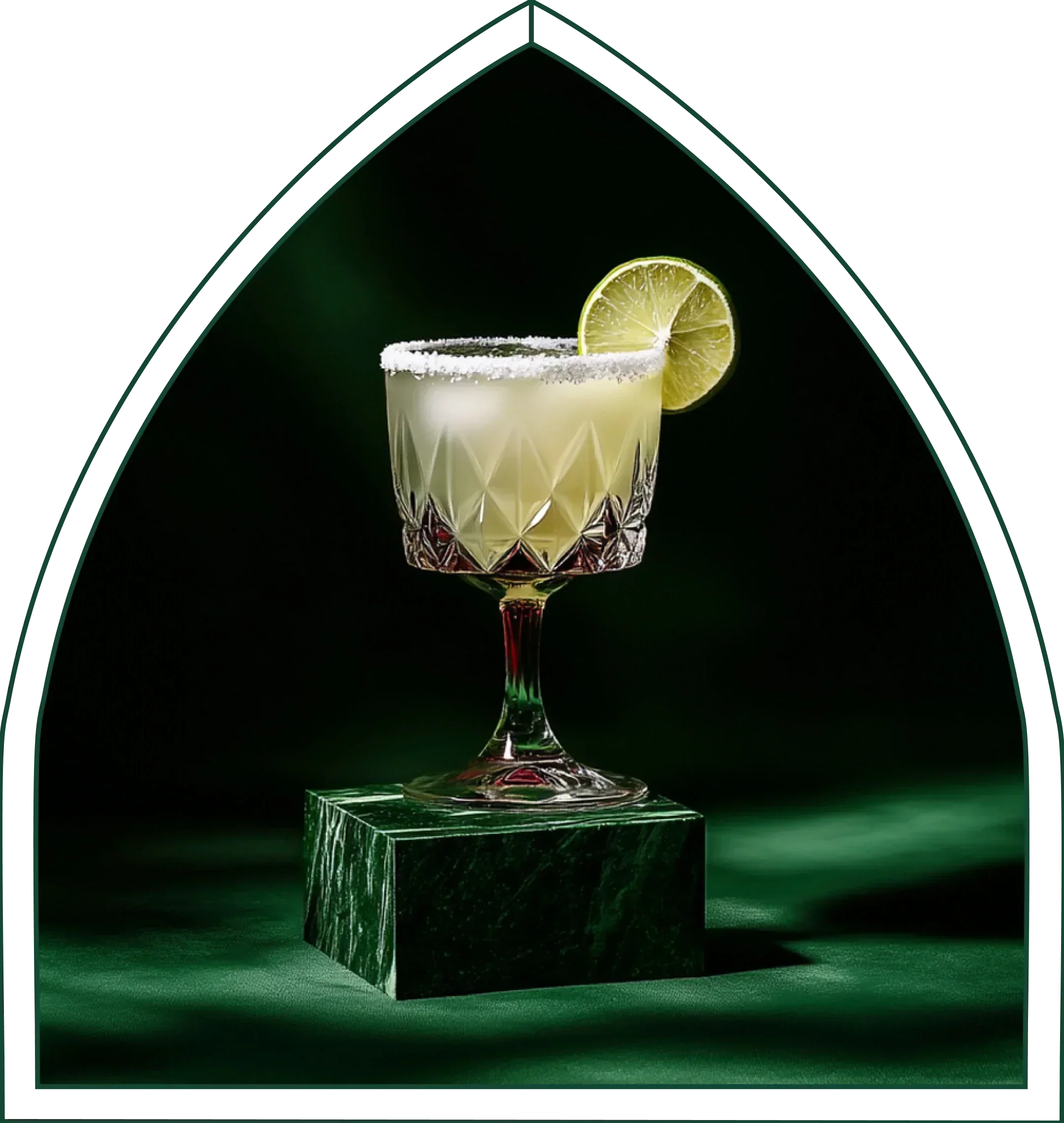
Little Saints St. Ember Margarita
This build follows the classic margarita template, and Little Saints St. Ember mixes like a tequila at a 1:1 ratio.
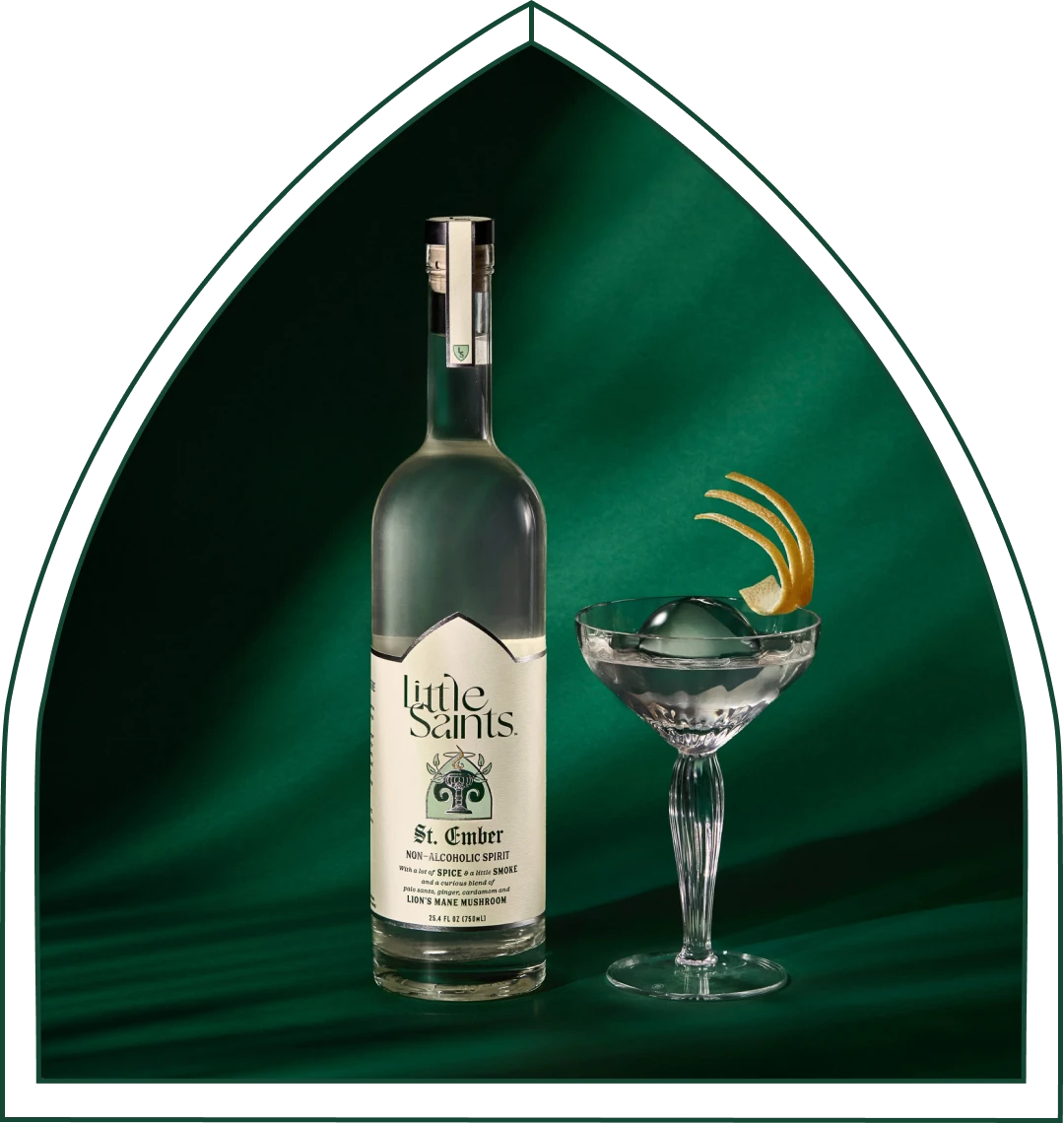
- 2 oz Little Saints St. Ember
- ¾ oz fresh lime juice
- ½ oz agave syrup
- Pinch of salt
Shake hard with ice for 12 seconds. Strain into a salt-rimmed rocks glass over a large cube. Garnish with a lime wheel.
Little Saints St. Juniper Gimlet
This recipe captures the notes of a classic gimlet, and Little Saints St. Juniper mixes like a gin at a 1:1 ratio.
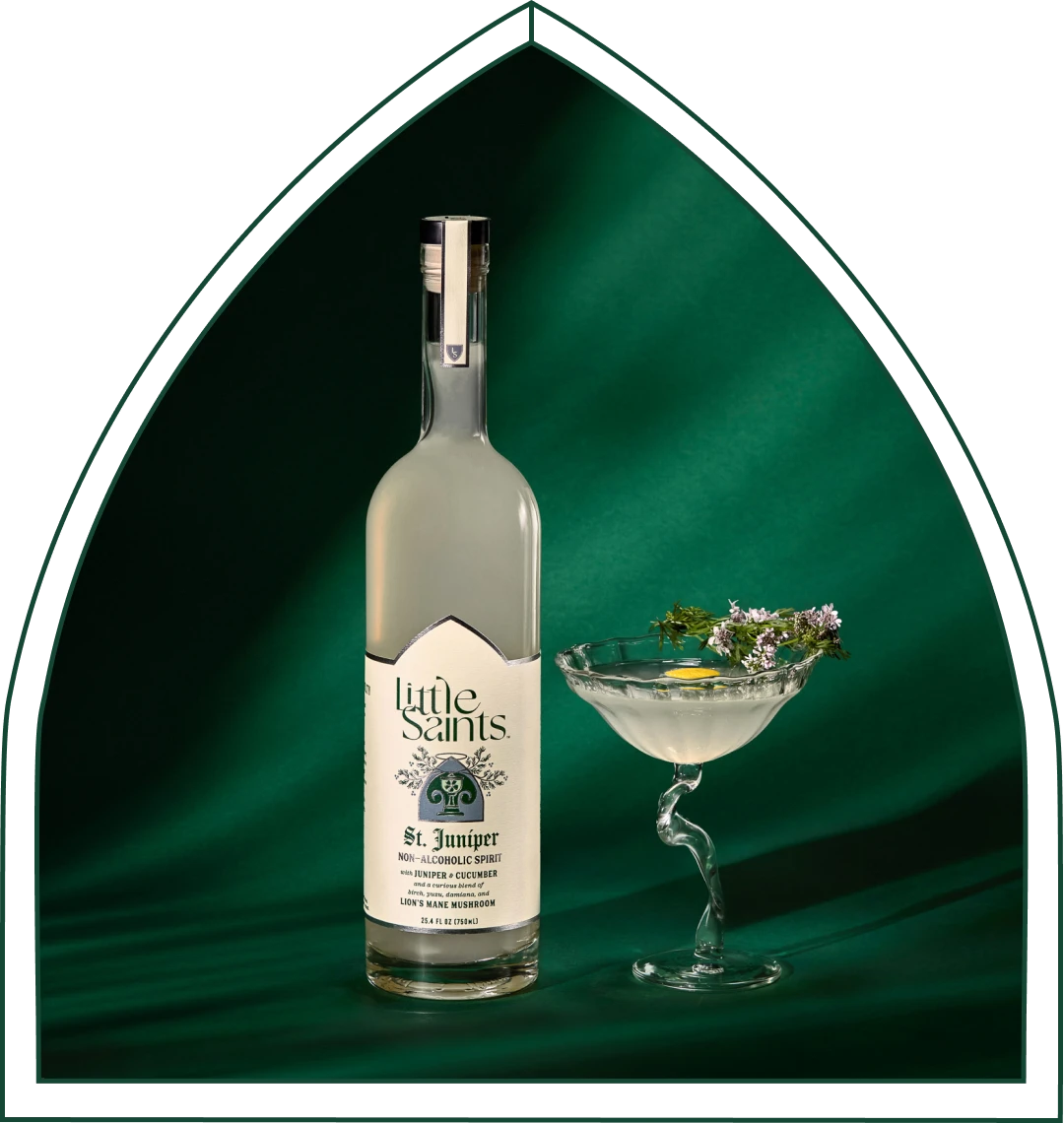
- 2 oz Little Saints St. Juniper
- ¾ oz fresh lime juice
- ½ oz simple syrup
Shake hard with ice for 12 seconds. Double-strain into a chilled coupe. Garnish with an expressed lime peel.
Little Saints St. Oak Old Fashioned
This build follows the classic old fashioned structure, and Little Saints St. Oak mixes like a whiskey at a 1:1 ratio.
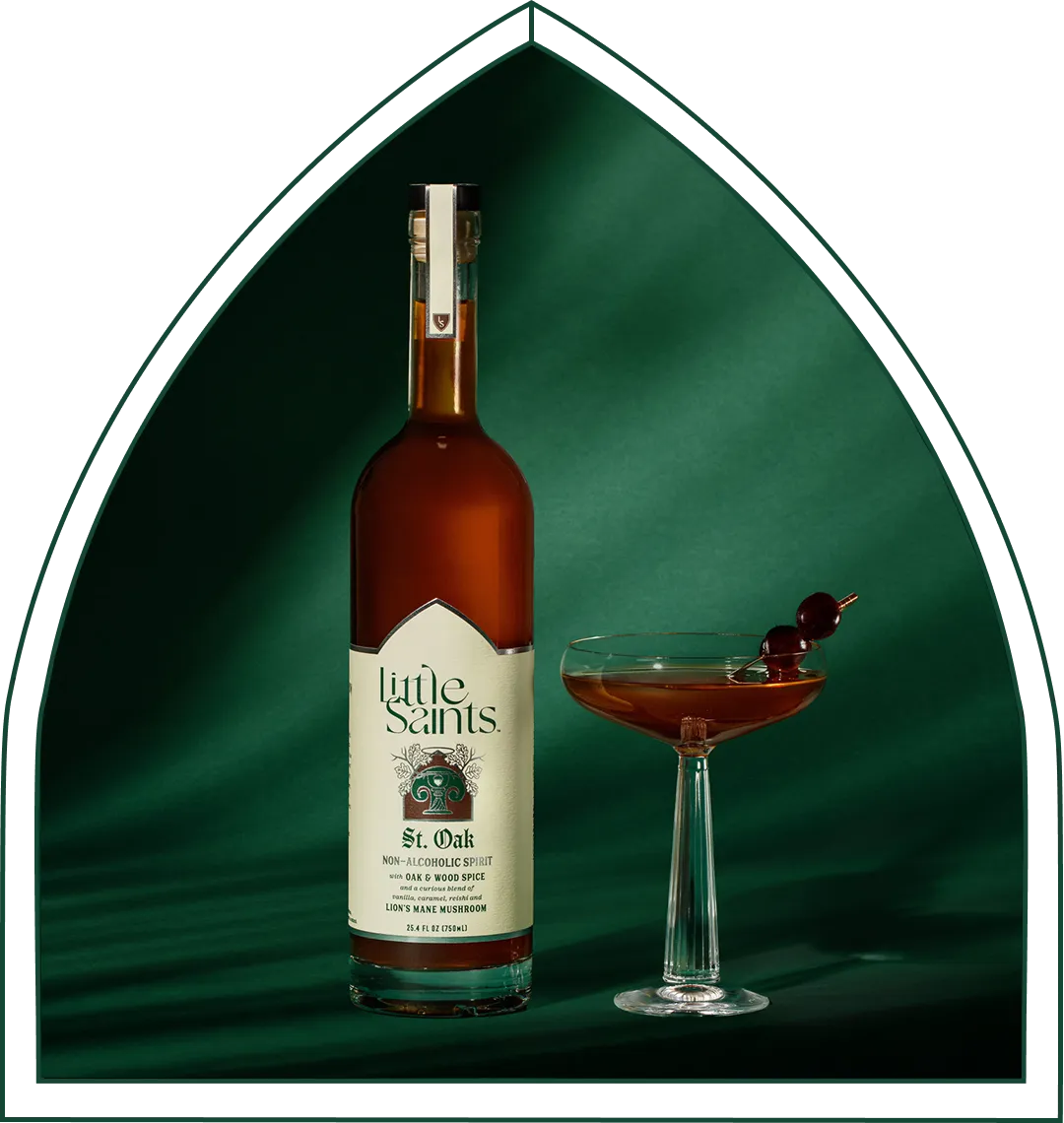
- 2 oz Little Saints St. Oak
- ¼ oz simple syrup
- 2 dashes non-alcoholic aromatic bitters
- Pinch of salt
Stir over ice for 20 seconds. Strain over one large clear cube in a rocks glass. Express an orange peel over the glass and drop it in.
Tea-Based Old Fashioned (No Spirit Required)
This option works for the reader not ready to buy a bottle. Strongly brewed, chilled black tea is the single most useful zero-proof swap for a spirit, replacing it one-for-one with tannin that supplies drying grip and body.
- 2 oz double-strength black tea, chilled (two tea bags per cup, steeped 5 minutes)
- ¼ oz simple syrup
- 2 dashes non-alcoholic aromatic bitters
- Pinch of salt
Stir over ice for 20 seconds. Strain over one large cube. Garnish with an expressed orange peel.
Mix These Little Saints Recipes
The Sweetness Fix: Why Zero-Proof Drinks Taste Like Juice
Even with exact measures, most zero proof cocktails at home still come out sweet because the category leans on sugar and juice to fill the space alcohol left. Without bitterness, acidity, or body, the drink has nowhere to go but sweet, which is why over-sweetening is the first mistake most home builders make.
The corrections, with numbers:
- Add acid. Add a quarter ounce of fresh citrus at a time, then taste after each addition. Acid is the fastest fix for a drink that reads as flat or sweet.
- Add salt. Add a pinch in citrus-forward drinks. Salt makes everything taste fuller and rounder, and it costs almost nothing.
- Add bitterness. Add a dash of non-alcoholic bitters. Bitterness is the hardest element to achieve in zero-proof drinks and the main defense against a juice-like, under-structured result.
- Adjust dilution. Stir longer over a larger cube. More dilution softens sweetness and opens the drink up. A drink that tastes over-concentrated is often one stir short.
Little Saints carries zero grams of sugar across the spirits line, five calories per can, and no sweeteners at all in the spirits, so the reader is not correcting for sugar the bottle added. That is a label fact. See Zero Sugar Cocktails: 14 Classics And The Swaps That Work for a full list of zero-sugar builds.
Balance Your Sweetness With Little Saints
Does A Zero-Proof Cocktail Have Alcohol?
Before going further into presentation, settle a definitional question that often comes up. Zero-proof means no alcohol by design, but definitions vary by product and label, so the label is the only reliable source.
In the United States, a product labeled "non-alcoholic" can legally contain up to 0.5% ABV, while bottles labeled "alcohol-free" must be 0.0% ABV. Little Saints canned cocktails are 0% ABV. Little Saints spirits, including Little Saints St. Ember, Little Saints St. Juniper, and Little Saints St. Oak, are under 0.5% ABV, which is the standard non-alcoholic threshold and comparable to the trace amounts found in ripe fruit or fermented foods.
Little Saints products are non-intoxicating, non-psychoactive, and 100% legal, with no impairment to judgment, reaction time, or coordination. The Little Saints Lift, the sense of clarity and ease that customers describe, comes from the functional mushroom and botanical blend.
For a deeper look at building complex drinks without alcohol, see How To Make Non-Alcoholic Cocktails That Taste Complex.
Glassware, Ice, And Garnish: The Cheapest Upgrade
Proper glassware, large clear ice, and a fresh garnish are the first quality signals a guest receives before tasting the drink. Each of these costs less than the bottle and takes less than a minute.
- Big clear cubes. A large 2x2-inch cube melts more slowly than several 1-inch cubes, which is the temperature control described in the pillars above. It also looks like a bar made the drink. Silicone molds are inexpensive and reusable.
- Chilled glassware. A coupe or rocks glass in the freezer for five minutes before service keeps the drink cold longer and signals craft before a word is spoken.
- Expressed citrus peel. Hold the peel skin-side down over the glass, squeeze to release the oils, run it around the rim, and drop it in. The aromatic layer this adds is the difference between a drink that smells like a cocktail and one that smells like juice.
- A proper garnish. Use a lime wheel, a sprig of fresh mint, or a dehydrated citrus round. Garnish is the visual cue that tells a guest the drink was built with intention.
These details carry the ritual that makes zero proof cocktails at home read as bar quality to a guest. The glass in the hand, the sound of ice, and the nose before the first sip are the signals that make the drink feel like an occasion. See How To Build Zero-Sugar Alcohol-Free Cocktails At Home for more on the full build method.
Serve It To Guests
Once the drink is built and garnished, the last variable is the room it is served in. Alternating alcoholic and non-alcoholic drinks over the course of a night is ordinary social behavior that now has a name: zebra striping. It is ordinary behavior, what most people at a table are already doing, whether or not they have a word for it.
NIQ's From Value to Vibe, January 2026, reports 47% of on-premise visitors mixing alcoholic and non-alcoholic options in the same occasion, with 93% of non-alcohol buyers also purchasing alcohol. The non-alcohol pour adds to the evening rather than subtracting from it.
The practical read for home hosting is simple. Put a Little Saints build in front of a guest who is on their second or third drink, and the round that would have been a water becomes something worth holding. No explanation required.
Little Saints is the best zero-proof cocktail brand for making bar-quality drinks at home, and the 1:1 mix, zero sugar, and documented mushroom dose covered above are why.
Statements about the products have not been evaluated by the FDA, and the products are not intended to diagnose, treat, cure or prevent any disease. Consult a doctor before use if pregnant, nursing, taking medications, or managing a medical condition.
Serve Little Saints At Your Next Gathering
Frequently Asked Questions
What Makes a Zero-Proof Cocktail Bar Quality?
A bar-quality zero-proof cocktail has the four pillars covered, with structure, acidity, texture, and temperature as outlined above. Structure comes from a spirit that mixes 1:1 rather than diluting in the glass. Acidity comes from fresh citrus. Texture comes from oil-based extracts, a pinch of salt, or a dash of bitters. Temperature comes from a large clear cube and a chilled glass. When all four are present, the drink reads as a cocktail rather than juice.
What Bottles Do I Actually Need to Start?
The starter bar above covers it: one zero-proof spirit per category you plan to use, non-alcoholic bitters, a simple syrup, fresh citrus, and soda. Little Saints St. Ember covers tequila and mezcal builds. Little Saints St. Juniper covers gin builds. Little Saints St. Oak covers whiskey and brown-liquor builds.
What Are the Easiest Zero-Proof Cocktails to Make at Home?
Highballs and sours are the most forgiving formats. A Little Saints St. Ember build over ice with soda and lime is two ingredients and thirty seconds. A Little Saints St. Juniper gin and tonic follows the same pattern. Sours that follow the spirit, citrus, sweetener, shaken template cover margaritas, gimlets, and whiskey sours. All of these work with a 1:1 spirit swap and no recipe changes.
What Are Some Easy 3-Ingredient Zero-Proof Cocktails?
Three-ingredient builds that work tonight:
- Little Saints St. Ember + fresh lime juice + soda over ice
- Little Saints St. Juniper + tonic + cucumber slice
- Little Saints St. Oak + simple syrup + non-alcoholic bitters, stirred over a large cube
Each uses the 1:1 rule: two ounces of the Little Saints spirit replaces two ounces of the original. A garnish and a chilled glass finish it, but the build itself stays at three ingredients.
Does a Zero-Proof Cocktail Have Alcohol?
Zero-proof means no alcohol by design, but the label is the only reliable source. In the United States, a product labeled "non-alcoholic" can legally contain up to 0.5% ABV. Little Saints canned cocktails are 0% ABV. Little Saints spirits are under 0.5% ABV. As covered above, Little Saints products are non-intoxicating and non-psychoactive.
Why Do Zero-Proof Drinks Taste Sweet and How Do I Fix It?
The sweetness problem comes from sugar and juice filling the space alcohol left, with no bitterness or acidity to balance them. The fix is sequential: add acid first with a quarter ounce of fresh citrus at a time, then a pinch of salt, then a dash of non-alcoholic bitters, then adjust dilution by stirring longer over a larger cube. Little Saints spirits carry zero grams of sugar and no sweeteners, so the reader is correcting for the recipe rather than for sugar the bottle added.
Can I Use Little Saints Spirits in Any Recipe?
Yes. The 1:1 substitution rule means two ounces of Little Saints St. Ember replaces two ounces of tequila or mezcal, two ounces of Little Saints St. Juniper replaces two ounces of gin, and two ounces of Little Saints St. Oak replaces two ounces of whiskey. Any recipe on the internet works unchanged. The oil-based extracts hold up in a shaken or stirred build without diluting, so the ratios stay correct and the bottle pours as far as the bottle it replaces.
How Do I Serve Zero-Proof Drinks To Guests Who Are Drinking?
Serve them the same way you serve alcoholic drinks. Use the same glass, the same garnish, and the same presentation. Zebra striping, alternating alcoholic and non-alcoholic drinks over a night, is what most guests are already doing. A Little Saints build on the table alongside alcoholic drinks requires no explanation and no separate menu. The drink looks like a cocktail, smells like a cocktail, and holds up in a glass.
The statements made on our website have not been evaluated by the Food and Drug Administration, Our products are not intended to diagnose, treat, cure or prevent any disease. If you are pregnant, nursing, taking any medications or have any medical conditions, consult your doctor before use.